Our readers keep the lights on and my smoothie glass nicely filled. As an Amazon Associate, I earn from qualifying purchases.
The search for a barefoot shoe that doesn’t feel like you’re walking directly on bedrock is a specific kind of frustration. You want the foot-strengthening, posture-correcting benefits of a zero-drop, flexible sole, but you also need enough cushion to handle a full day on concrete or a long trail run without joint pain. The market is flooded with either paper-thin slippers or heavily padded conventional shoes that claim to be minimalist.
I’m Mohammad Maruf — the founder and writer behind WellFizz. My research focuses on parsing through thousands of user reviews and technical specs to identify which footwear actually delivers on the contradictory promise of being both flexible and forgiving.
This guide breaks down the top seven models that genuinely balance a ground-connected feel with real shock absorption. Whether you’re dealing with bunions, transitioning from traditional running shoes, or just tired of painful toes, the right pair of barefoot shoes with cushion will change how you move all day.
How To Choose The Best Barefoot Shoes With Cushion
Choosing a barefoot shoe with cushion means navigating a spectrum between “minimalist” and “maximalist.” The wrong choice leads to either painful bone bruises from too little padding or a stiff, unnatural gait from too much. Focus on three specific metrics to land in the sweet spot.
Stack Height and Cushion Density
Stack height is the thickness of the sole between your foot and the ground. Barefoot purists want under 8mm, but for “with cushion” you are looking at 12mm to 25mm. The type of foam matters more than the number. EVA foam provides a soft, squishy feel that absorbs impact, while a denser polyurethane or proprietary compound (like Altra’s Ego or Xero’s FeelTrue) offers more stability and energy return without feeling like a marshmallow.
Toe Box Shape and Volume
A wide toe box is the defining feature of the barefoot category. But “wide” is relative. Look for a shoe that allows your toes to splay naturally without squeezing the pinky toe or mashing the big toe inward. The shape should mimic the footprint your bare foot makes on wet sand — a fan shape, not a tapered triangle. Check user reports about whether the box is tall enough if you have a high instep or hammer toes.
Zero Drop and Flexibility
Zero drop means the heel and forefoot are the same distance from the ground. This forces your calf muscles and Achilles tendon to work as nature intended, but it can be brutal if you jump straight from a 10mm drop shoe. Combine zero drop with a highly flexible sole — one you can roll into a tube — and you get the natural gait cycle without the rigid rocker mechanisms found in conventional running shoes.
Quick Comparison
On smaller screens, swipe sideways to see the full table.
| Model | Category | Best For | Key Spec | Amazon |
|---|---|---|---|---|
| ALTRA Escalante 4 (Men’s) | Road Running | Daily running & 12-hour standing | 24mm Stack / 22mm Forefoot | Amazon |
| ALTRA Escalante 4 (Women’s) | Road Running | Bunion relief & posture correction | 24mm Stack / 22mm Forefoot | Amazon |
| FLUX ADAPT Runner | Premium Training | Tennis, walking, & high mileage | ~15mm Stack | Amazon |
| Xero HFS Original (Women’s) | Running/Cross | Bunion sufferers & sensory needs | 5.5mm FeelTrue Sole | Amazon |
| Xero Prio Neo (Women’s) | Cross Training | Gym & heel-lock stability | 5.5mm FeelTrue Sole | Amazon |
| Hike Footwear HF Stride | Daily Slip-On | Seniors & casual daily wear | ~8mm Stack | Amazon |
| NORTIV 8 Whitney (Men’s) | Trail/Hiking | Healthcare & budget trail | 5mm Drop / 4mm Lugs | Amazon |
In‑Depth Reviews
1. ALTRA Escalante 4 (Men’s)
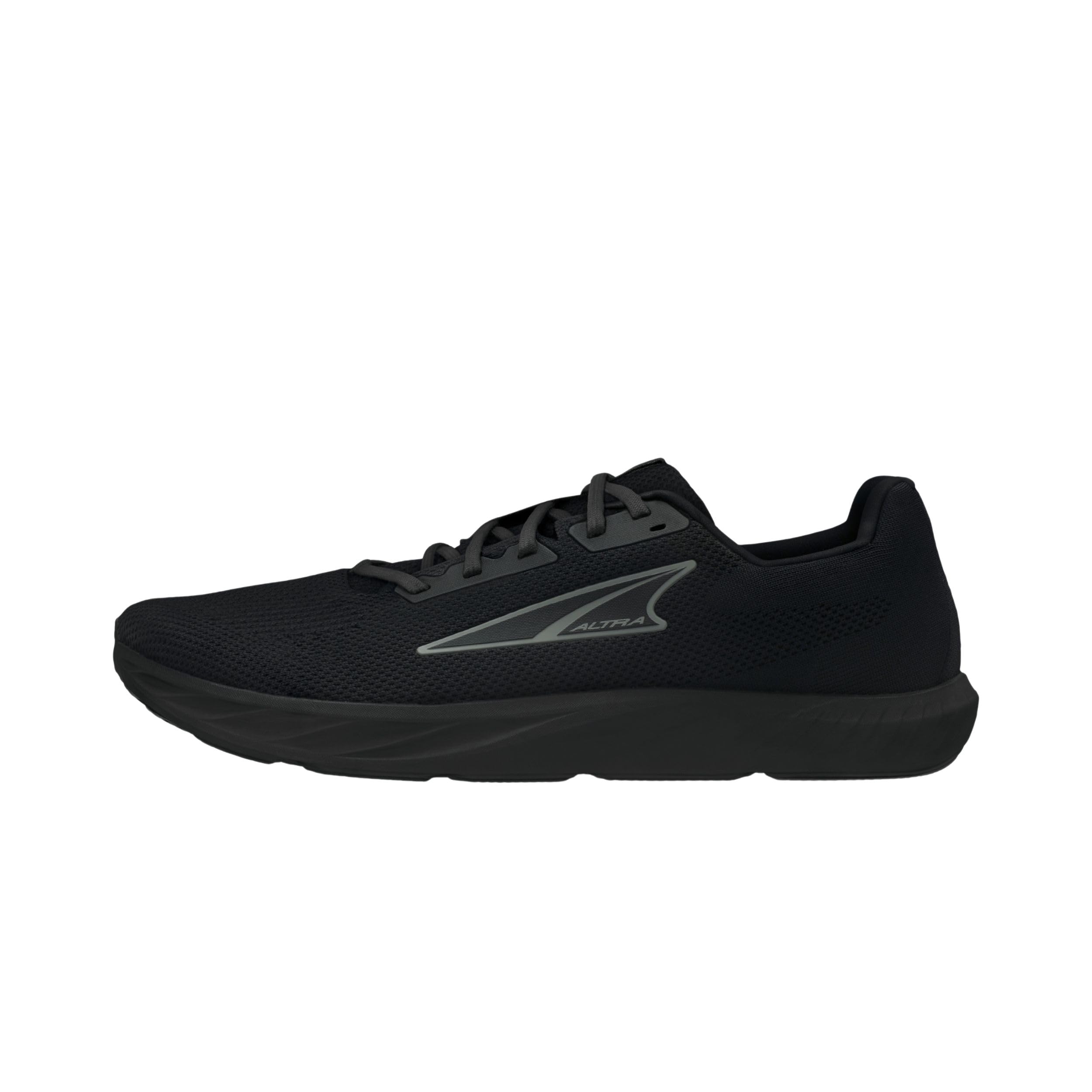
The ALTRA Escalante 4 is the benchmark for a cushioned zero-drop shoe that still respects the barefoot philosophy. With a 24mm stack height in the heel and 22mm in the forefoot, the Ego midsole foam delivers a satisfyingly responsive ride that is softer than the Lone Peak’s trail block but far less squishy than a Hoka. Users consistently report that this shoe eliminates foot and back pain while providing the wide, foot-shaped toe box that Altra fans swear by.
The upper mesh is breathable and wraps the foot well, though several reviews note the tongue has a tendency to slide to the side, especially in the left shoe. This becomes more of an annoyance than a dealbreaker, and a simple lace lock or tongue-stay mod fixes it. For cross-training or road running, the medial arch support is low enough for flat feet but structured enough to prevent overpronation during a 5K.
Longevity is a strong point — one user logged 400 miles on mixed roads and trails with the tread still intact and no upper separation. The medium cushion is the Goldilocks zone for those transitioning from conventional trainers to barefoot: enough padding to absorb concrete impact, but flexible enough to let your foot muscles engage naturally. The Escalante 4 is the most reliable daily driver on this list.
Why it’s great
- Responsive Ego midsole foam with 24mm stack for all-day shock absorption
- Foot-shaped toe box prevents bunion aggravation and toe crowding
- Proven durability exceeding 400 miles on road and trail
Good to know
- Tongue slides sideways during runs (lace lock recommended)
- Mesh upper feels slightly scratchy when worn without socks
2. FLUX FOOTWEAR Adapt Runner
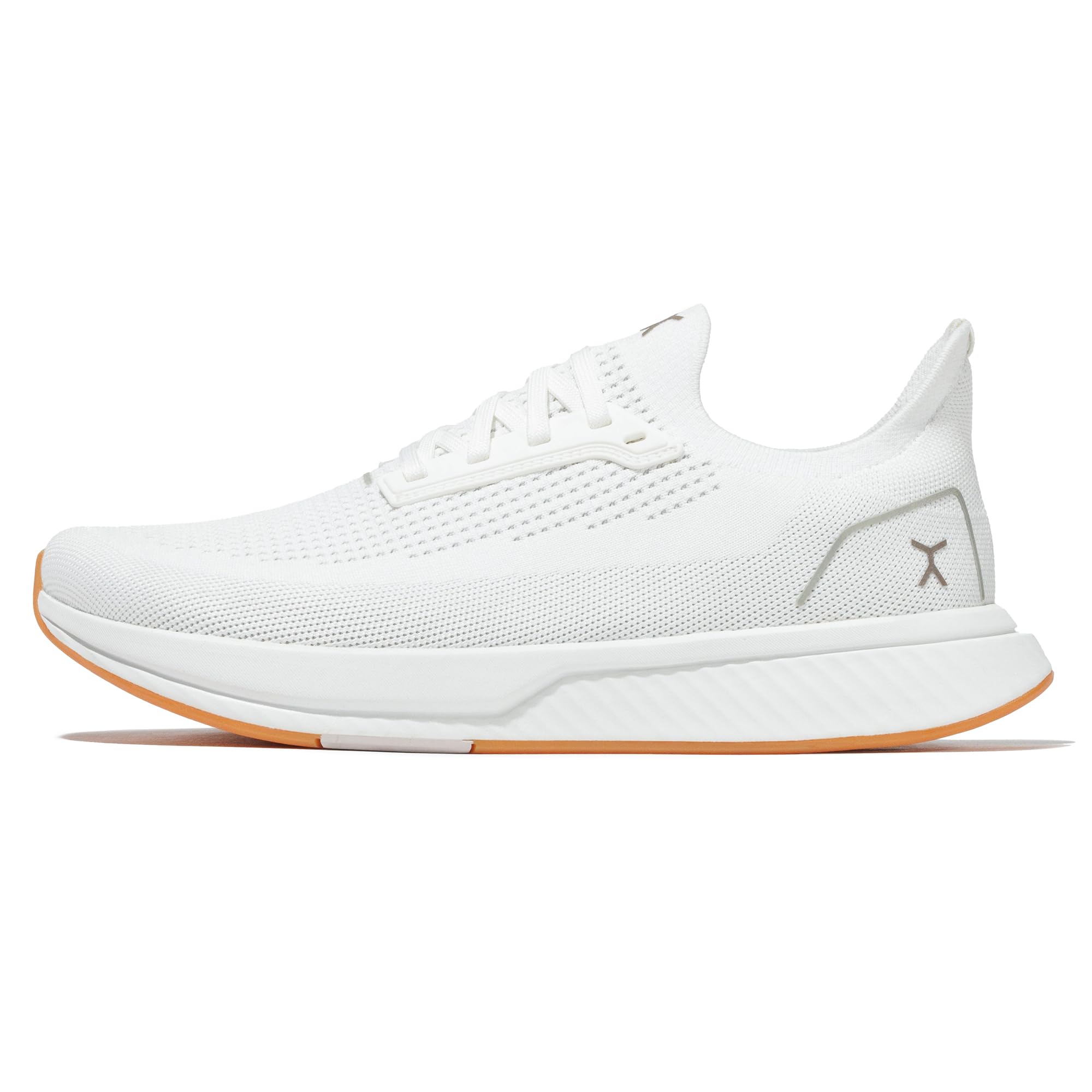
The FLUX ADAPT Runner is built for those who refuse to compromise on longevity. With a ~15mm stack height that straddles the line between full barefoot and cushioned minimalism, the shoe uses a dense, durable compound that does not pack out after months of use. One reviewer reported the same pair is still comfortable after four years of daily five-mile walks and yard work, which is an outlier lifespan in this category.
The wide toe box is genuinely spacious — reviewers with neuropathy and post-knee-surgery needs found the large box relieved pressure points without being sloppy. However, the ankle collar is a known tight spot. Several users noted that the lacing system doesn’t allow for enough loosening at the very top of the shoe, causing pressure on the ankle bone. This was a dealbreaker for some, despite the otherwise excellent build quality.
If you can get past the ankle fit, the Adapt Runner performs superbly for high-step-count professions and tennis-style lateral movements. The sole provides excellent ground feedback without jarring the joints. It is the “buy it for life” option on this list, but only if your ankle anatomy meshes with its collar geometry. The break-in period is around two weeks as the upper loosens.
Why it’s great
- Exceptional durability reported at 4+ years of daily walking use
- Roomy toe box accommodates neuropathy and post-surgery swelling
- Dense sole provides stable ground feel without excessive squish
Good to know
- Ankle collar is too tight for some — laces cannot loosen the top eyelets enough
- Heel sole separation reported in some high-abrasion work environments
3. ALTRA Escalante 4 (Women’s)
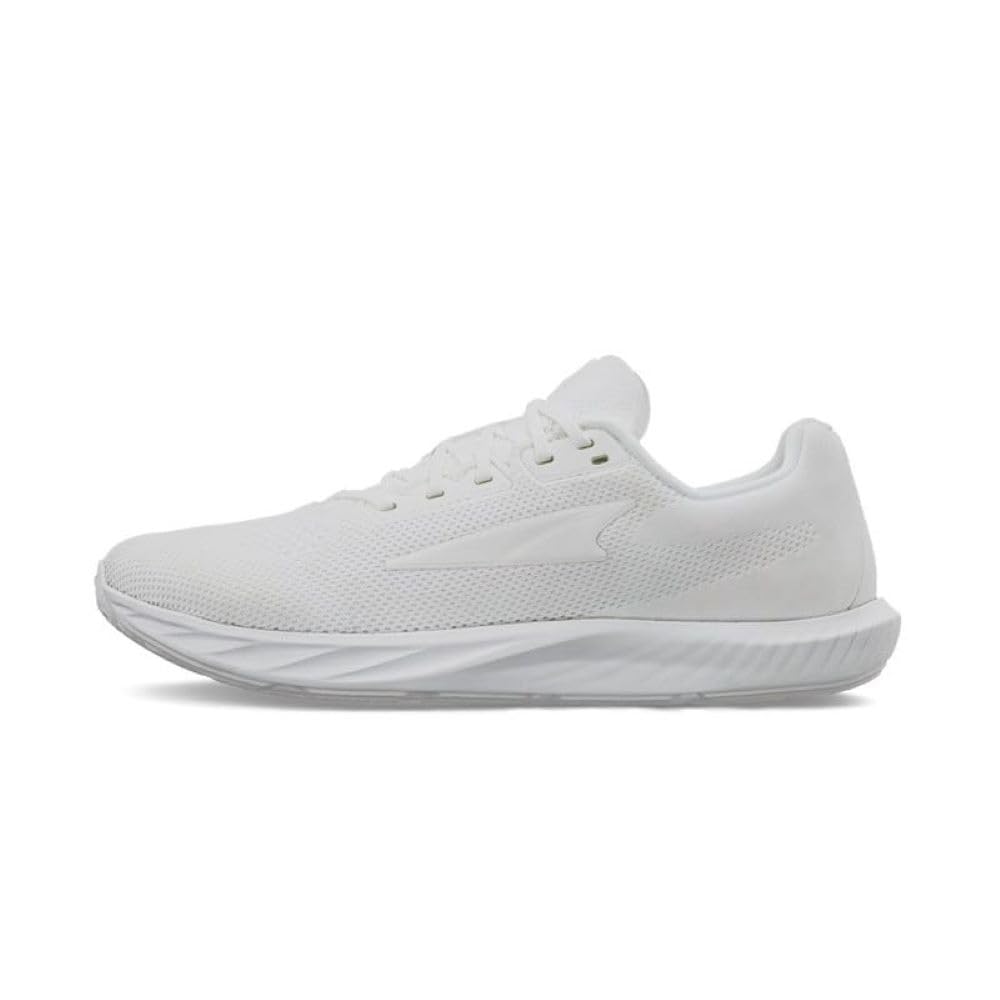
The women’s Escalante 4 mirrors the men’s version in its zero-drop, cushioned architecture, but the fit is tuned to a female-specific last. The wide toe box is a game changer for bunion sufferers — several reviewers called it a “miracle” for their condition, noting immediate pain relief upon first wear. The soft, responsive cushioning absorbs heel strike shock without muting the tactile feedback needed for natural gait.
Breathability is excellent, with a lightweight mesh that makes the shoe feel like an extension of the foot rather than a separate enclosure. The zero-drop design forces a posture correction that users report reduces lower back pain over time. The main complaint is the limited color palette — primarily black and grey — with lighter colors attracting dirt that is difficult to clean. The white mesh in particular stains quickly.
For walking and casual wear, the Escalante 4 is the top choice among users with high-volume feet or bunions. The arch support is moderate, so those with flat feet won’t feel a hard plastic bridge digging into their arch. It runs true to size for most, though women with very narrow heels may find the heel cup slightly loose. It’s the safest recommendation for anyone looking to start their barefoot journey without buying five wrong pairs first.
Why it’s great
- Wide toe box immediately relieves bunion and hammer toe pain
- Soft responsive cushioning works for all-day walking and running
- Zero-drop design improves posture and reduces back pain
Good to know
- White colorway shows dirt and is difficult to clean
- Limited color selection — mostly black and grey tones
4. Xero Shoes HFS Original (Women’s)
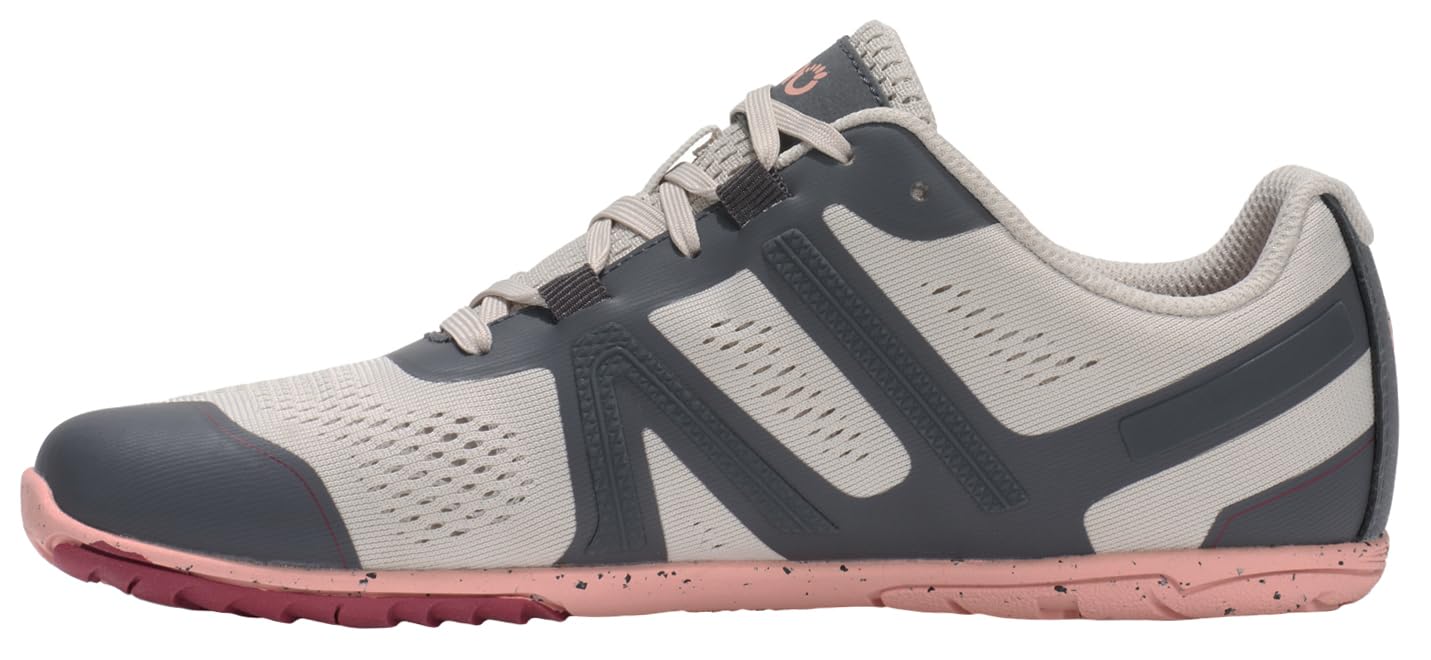
The Xero HFS Original is the closest thing to a true barefoot experience that still offers a thin layer of protection. The 5.5mm FeelTrue sole is flexible enough to roll into a tube, yet provides just enough oxidation to handle pavement without bruising. Users with bunion pain and supination issues found that the wide, seamless toe box allowed their toes to spread naturally, and the zero-drop platform distributed weight evenly across the foot.
One reviewer logged 720 pain-free miles in 100 days — a testament to the shoe’s ability to eliminate the joint pain that traditional shoes cause. However, the transition is real. Users coming from 10mm-drop stability shoes reported calf and knee pain for the first week, requiring a deliberate gait adjustment. The HFS runs small; most reviewers recommend ordering a half size up.
The main downside is the lack of cushion for long-distance cement pounding. For a half marathon or daily 10K on asphalt, the thin sole transmits too much vibration, and some users added aftermarket insoles (like Dr. Scholl’s Athletic) to fill the gap. The letters on the shoe reportedly wear off in the first day, which is cosmetic but annoying. This shoe is ideal for 5K runs, sensory-friendly needs, and gait retraining.
Why it’s great
- Extremely flexible 5.5mm sole maximizes natural foot bending
- Seamless wide toe box eliminates bunion and supination pain
- Proven 720 pain-free miles in user testing
Good to know
- Requires gradual break-in to avoid calf/Achilles pain
- Too thin for long-distance daily pavement running without added insoles
5. Xero Shoes Prio Neo (Women’s)
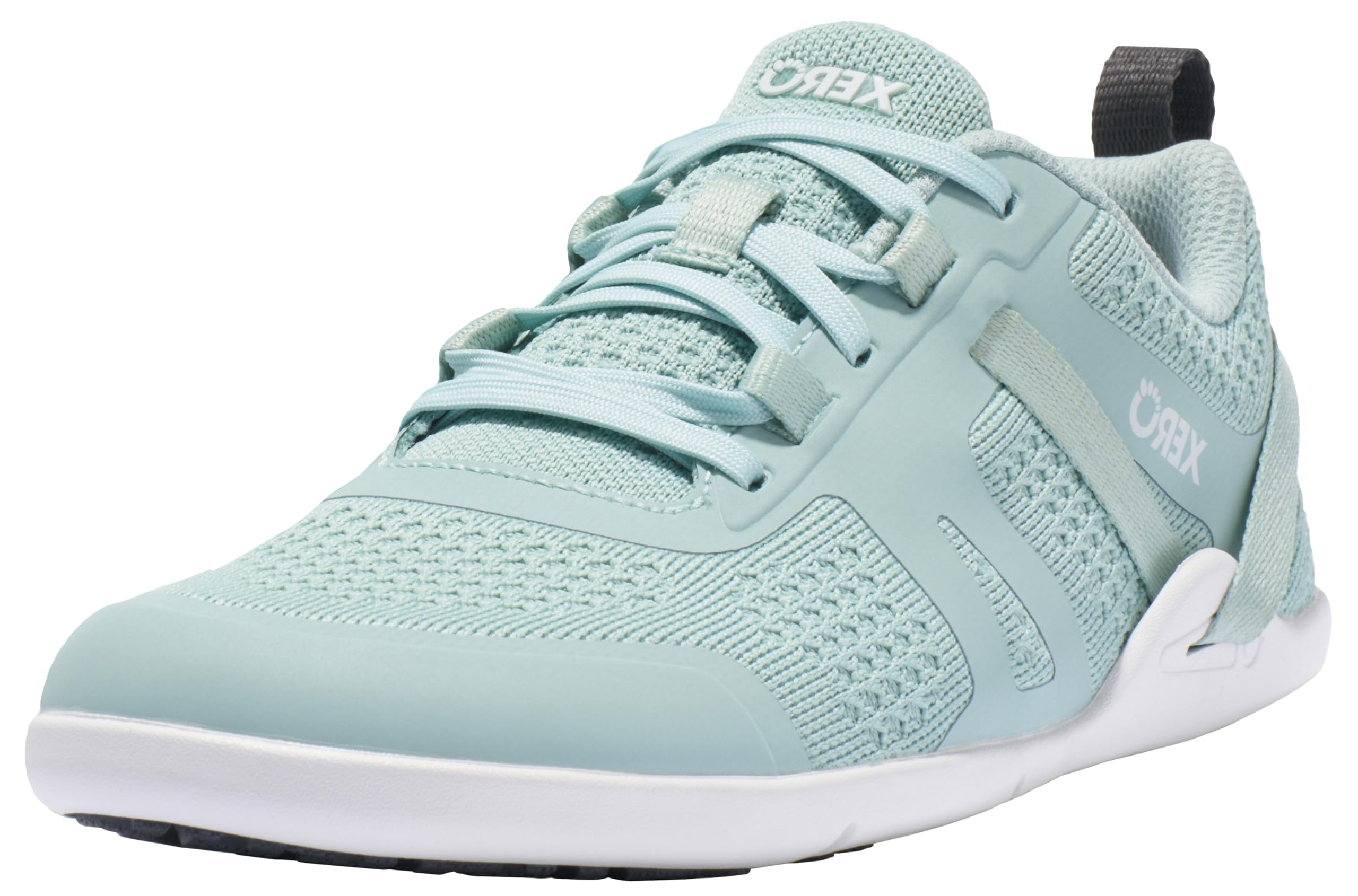
The Xero Prio Neo is the cross-training specialist of the Xero lineup. The 5.5mm FeelTrue sole is paired with a stretchy mesh upper that accommodates high-volume feet and Morton’s toe without pressure points. The heel lock is excellent — one user contrasting it directly against the Hike Footwear model noted the Prio Neo stayed fully anchored while sprinting after a dog, whereas the Hike slipped off the heel at a quick walk.
The removable insole is a key feature, allowing users to add their own orthotics for additional arch support or cushion. The shoe runs slightly small in appearance but fits true to size with ample toe room. The styling is more conventional than the barefoot norm, with a low profile that fits under “Mom jeans” and casual wear without looking like a foot glove.
The main criticism is the excessively long laces, which tend to come undone when stepped on. This is a minor irritation but common enough across reviews to note. For the price point, the Prio Neo offers outstanding value as a first barefoot shoe or a dedicated gym/training shoe. It is less cushioned than the ALTRA options, but the flexibility and stability for lifting and lateral movements is superior.
Why it’s great
- Excellent heel lock for sprinting and lateral gym movements
- Removable insole allows custom orthotic placement
- Stretchy upper accommodates Morton’s toe and hammer toes
Good to know
- Excessively long laces come undone when stepped on
- Minimal sole cushioning — not suited for all-day concrete standing
6. Hike Footwear HF Stride
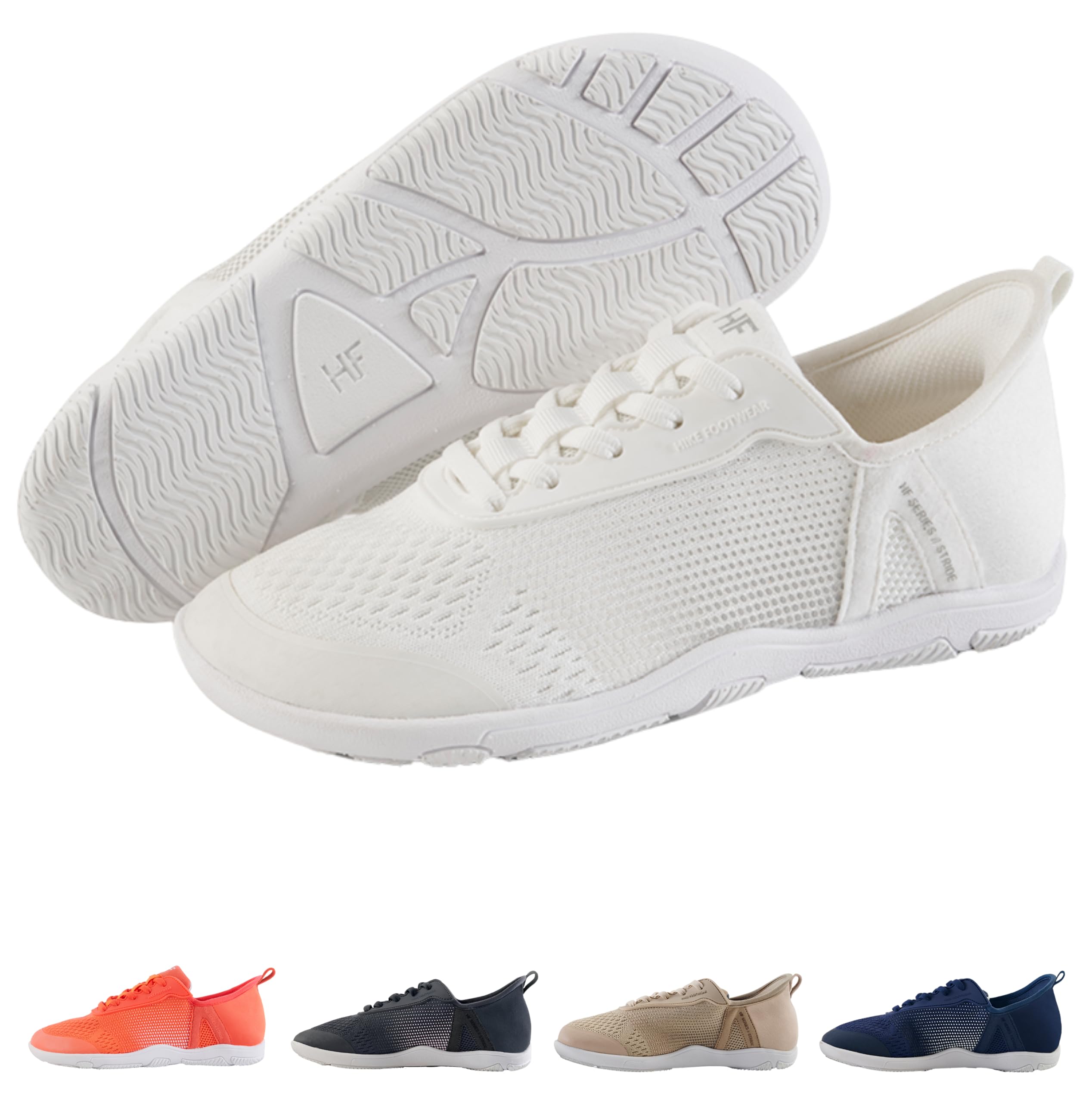
The Hike Footwear HF Stride is designed for hands-off, slip-in convenience with a thin, flexible sole that sits around 8mm thick. The unisex design runs large — most reviewers recommend ordering a full size up, or wearing with thicker socks to dial in the fit. The wide toe box and minimal arch support provide a stable platform for tile floors and indoor environments, making it a favorite among seniors and those with balance concerns.
The slip-in design eliminates lace adjustments, but it comes with a trade-off: the heel slip is noticeable at faster paces. One reviewer switched to stretch laces to improve the hold, and another noted the right shoe’s tongue wouldn’t stay centered, creating a discomfort point when laced tight. For casual walking and standing, however, the shoe is praised for improving balance and reducing foot fatigue.
The HF Stride occupies a unique niche as a recovery shoe or house-to-yard transition shoe. It is not designed for running or hiking. The traction is sufficient for pavement and gravel, but the unstructured heel makes it unsuitable for uneven terrain. As an entry-level barefoot shoe for someone who wants to test the water without a big investment, it serves its purpose well.
Why it’s great
- Convenient slip-on design with wide toe box for easy entry
- Thin sole improves balance and proprioception for seniors
- Very lightweight and comfortable for indoor/tile floor wear
Good to know
- Runs large — order up or wear with thick socks
- Heel slip at quick walking pace; not for running
7. NORTIV 8 Whitney (Men’s)
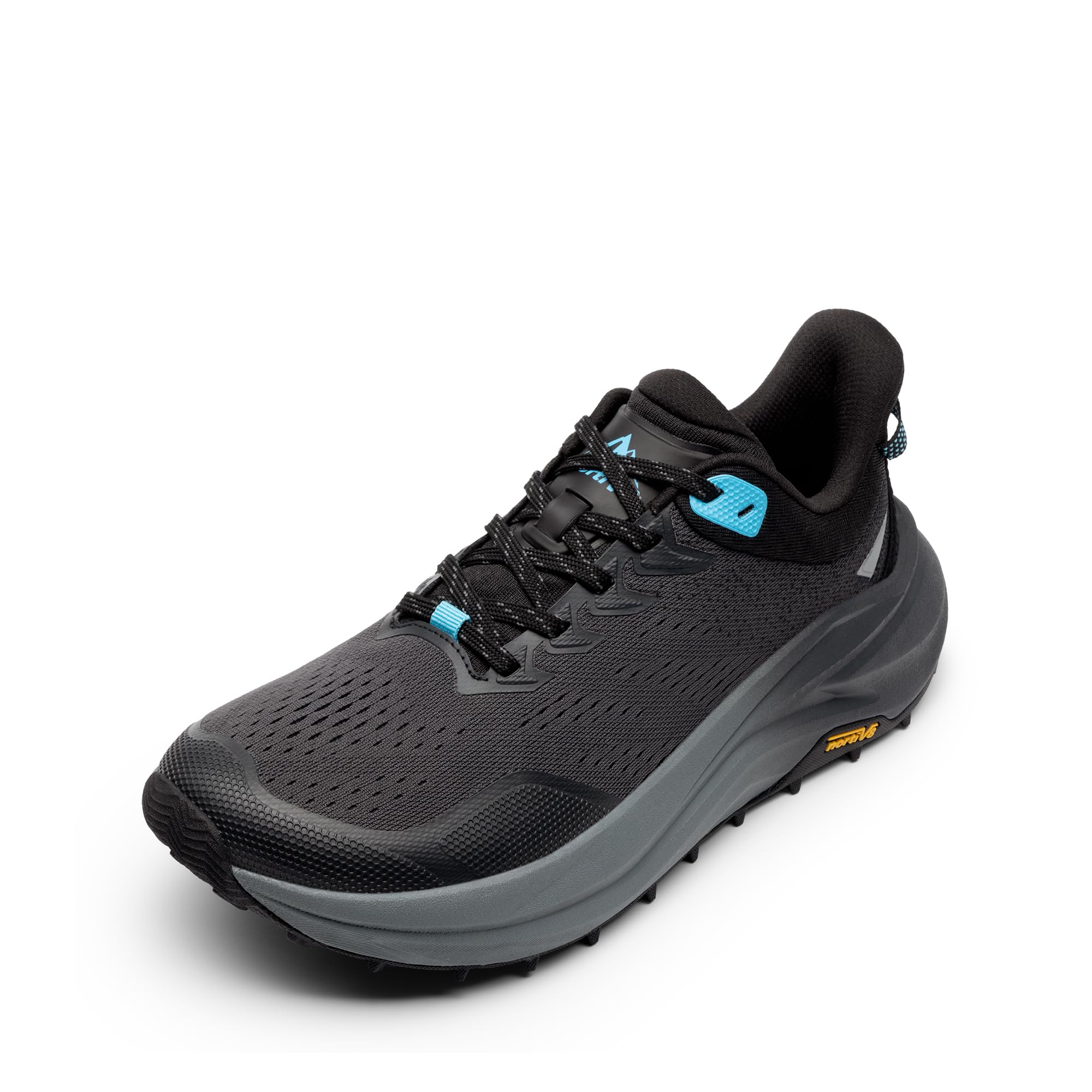
The NORTIV 8 Whitney is the budget trail option that punches above its class. With a 5mm drop and a firm midsole, it provides more structure than a pure barefoot shoe while still offering a generous toe box that users in healthcare described as a game-changer for 12-hour shifts. The 4mm aggressive lugs provide real grip on muddy singletrack, and the welded toe bumper protects against rock strikes.
One review documented 300+ technical trail miles with the tread still intact, which is exceptional for a shoe at this price tier. The shoe is heavier than the ALTRA or Xero options, but the weight translates to stability on uneven ground. The main compromise is the midsole firmness — it is not plush like the Escalante, and some users found the cushioning insufficient for running-focused days, describing it as “cumbersome” for anything beyond a walk or hike.
The fit runs long in size 13 with no half-size option, which is a problem if you are between sizes. The “grandpa shoe” aesthetic is also mentioned in reviews, though function clearly outweighs fashion for its target audience. If you need an affordable, durable, wide-toe box shoe for hiking or standing work, the NORTIV 8 Whitney is an unbeatable value proposition.
Why it’s great
- Excellent trail durability — 300+ miles with intact tread reported
- Wide toe box reduces toe friction by up to 75% for healthcare workers
- Aggressive 4mm lugs provide solid off-road traction
Good to know
- Firm midsole lacks cushion for running on hard surfaces
- No half sizes; runs long if you’re between full sizes
FAQ
How much cushion is too much for a barefoot shoe?
Will a zero-drop shoe with cushion help my plantar fasciitis?
Can I replace the insoles in cushioned barefoot shoes?
How do I stop my heels from slipping in slip-on barefoot shoes?
Final Thoughts: The Verdict
For most users, the barefoot shoes with cushion winner is the ALTRA Escalante 4 (Men’s) because it delivers the most balanced combination of 24mm shock absorption, zero-drop geometry, and a genuinely foot-shaped toe box. If you want a lighter, more flexible feel for gym training and sprinting, grab the Xero Prio Neo. And for rugged trail use on a budget, nothing beats the NORTIV 8 Whitney.

Mo Maruf
I created WellFizz to bridge the gap between vague wellness advice and actionable solutions. My mission is simple: to decode the research and give you practical tools you can actually use.
Beyond the data, I am a passionate traveler. I believe that stepping away from the screen to explore new environments is essential for mental clarity and physical vitality.