Our readers keep the lights on and my smoothie glass nicely filled. As an Amazon Associate, I earn from qualifying purchases.
The American barefoot shoe market has long been a puzzle of offshore manufacturing and questionable durability. Finding a pair that delivers genuine ground feel, a wide toe box, and zero-drop geometry—all while being stitched on American soil—requires cutting through a dense layer of marketing fog. The right pair does more than just look minimal; it rewires your stride, strengthens your feet, and keeps your dollars circulating in a domestic supply chain.
I’m Mohammad Maruf — the founder and writer behind WellFizz. My deep market research and spec-level analysis of this specific narrow category focuses on the measurable specs that define a true minimalist shoe: stack height, sole flexibility, outsole durability, and the exact shape of the toe box across different lasts.
This guide breaks down the top contenders that balance premium materials, ethical production, and genuine barefoot function. Whether you’re after a rugged hiking boot or a sleek everyday trainer, this definitive list of the best barefoot shoes made in usa delivers concrete recommendations built on real user data and technical specifications.
How To Choose The Best Barefoot Shoes Made In USA
Selecting a barefoot shoe that is genuinely made in the USA involves more than just a label. You need to verify the manufacturing origin, understand the specific last shape, and assess the outsole compound for real-world durability. This guide focuses on the key factors that separate a true American-made minimalist shoe from the rest.
Authenticating “Made in USA” Claims
Not every brand that markets “American” is actually stitching uppers to soles here. Look for explicit statements of domestic assembly, often tied to specific factories in states like Maine, Michigan, or Oregon. Some premium brands source leather and textiles globally but perform final assembly domestically—a distinction that matters for quality control and supply chain ethics. Always check the fine print on the product page or the brand’s website.
Matching the Last to Your Foot Shape
True barefoot shoes require a toe box that mirrors the natural splay of the human foot. Different lasts have different widths and shapes—some are anatomically curved, others are more rounded or rectangular. A narrow-footed buyer might prefer a sleeker fit, while someone with a bunion needs maximum lateral room for toe alignment. Measure your foot’s length and width in millimeters, then compare to the brand’s size chart for that specific model.
Outsole Durability and Ground Feel Balance
The ideal outsole offers enough puncture resistance for trail use while remaining flexible enough to feel roots, rocks, and pavement texture. Some brands use a proprietary rubber compound that balances grip and longevity; others use a softer material that wears faster but provides superior proprioceptive feedback. For daily wear on concrete or asphalt, a slightly harder compound with a 2-3mm tread depth is ideal. For technical hikes, a more aggressive lug pattern with a 4-5mm depth is better.
Quick Comparison
On smaller screens, swipe sideways to see the full table.
| Model | Category | Best For | Key Spec | Amazon |
|---|---|---|---|---|
| FLUX FOOTWEAR Adapt Runners | Running / Walking | All-day comfort for flat feet | Zero-drop, flexible sole | Amazon |
| JIM GREEN Barefoot African Ranger Boots | Work / Hiking | Rugged leather construction | Full grain leather stitch-down | Amazon |
| Vivobarefoot Tracker Leather AT Hiking Shoe | Hiking | Waterproof all-terrain hikes | Durable leather, waterproof | Amazon |
| Vivobarefoot Tracker Textile AT | Hiking | Lightweight waterproof hiking | Puncture resistant, waterproof | Amazon |
| ALTRA Lone Peak 9 | Trail Running | Trail running with cushioning | MaxTrac outsole, balanced cushion | Amazon |
| Vivobarefoot Primus Lite 3.5 | Training / Daily | CrossFit and daily wear | Lightweight, breathable mesh | Amazon |
| Vivobarefoot Motus Flex | Training | Strength training and mobility | Grippy outsole, zero-drop | Amazon |
| Xero Shoes Glenn | Dress / Casual | Dressy events with barefoot feel | Stain-resistant leather | Amazon |
| Xero Shoes HFS II | Running / Daily | All-around daily shoe | Thin flexible sole, breathable | Amazon |
In‑Depth Reviews
1. FLUX FOOTWEAR Adapt Runners
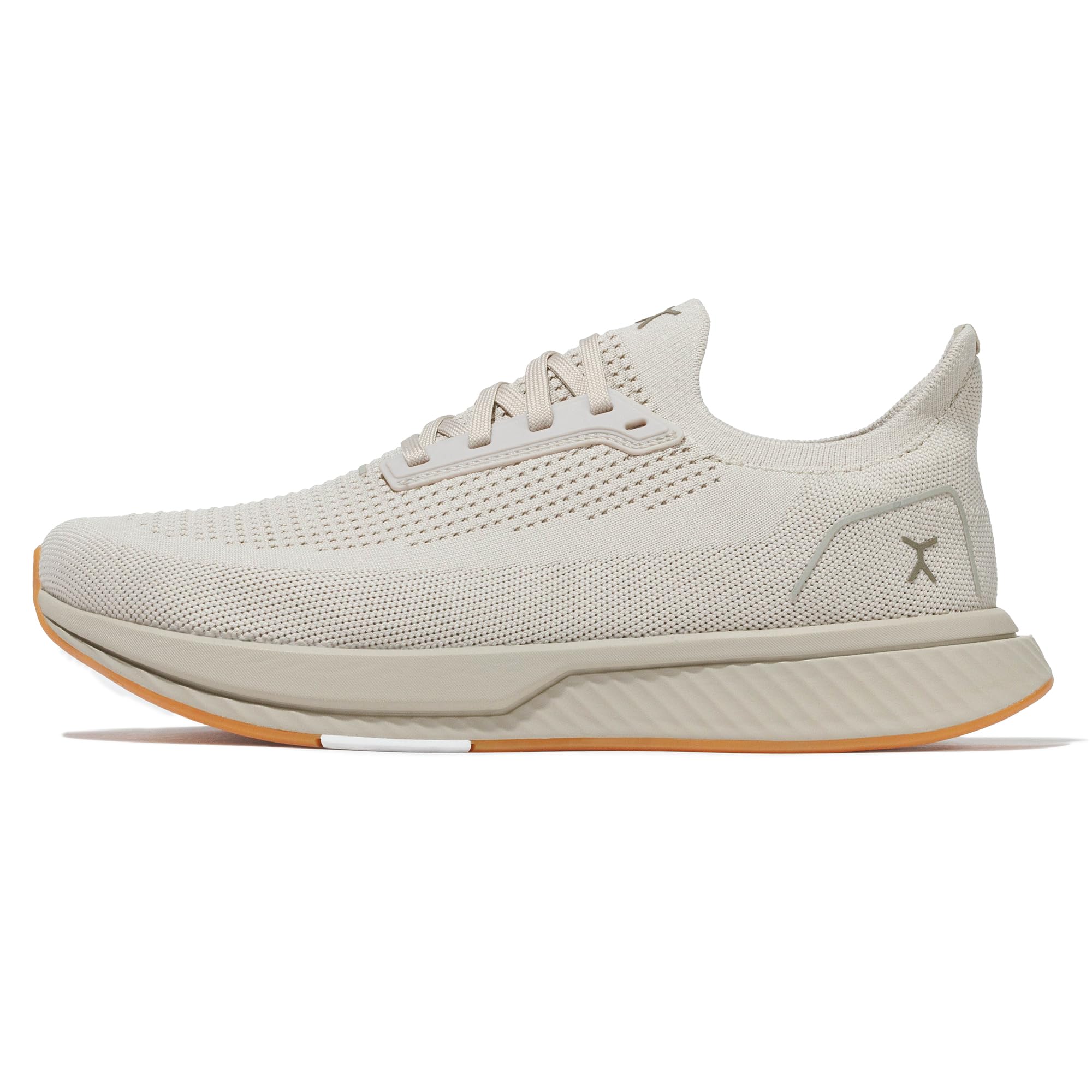
The FLUX FOOTWEAR Adapt Runners deliver a premium balance of durability and ground feel that sets a high bar for the category. Users consistently report exceptional comfort for high-step jobs, with one reviewer noting significant reduction in knee, back, and foot pain after walking 15,000 steps daily. The wide toe box accommodates natural splay without excessive volume, making it a strong option for those with flat feet or post-surgery recovery needs.
The sole is flexible enough to transmit terrain texture while providing enough rubber for extended pavement use. Some users noted the sole beginning to separate at the heel after heavy use, though the majority praised its longevity—one reviewer reported 4 years of daily walking and 5-6 miles per day without significant wear. The shoe runs slightly small, so sizing up 0.5 from your Brannock measurement is recommended for optimal fit.
For those seeking a single-pair solution for work, walking, and casual wear, the Adapt Runners tick nearly every box. The insole can be swapped for additional arch support without compromising ground feel, and the breathable upper keeps feet cool during long hours. While the price sits at the higher end of the mid-range, the build quality and customer satisfaction justify the investment for daily all-rounders.
Why it’s great
- Excellent durability for high-step jobs (15k steps/day)
- Comfortable for flat feet and post-surgery recovery
- Breathable upper with good foot temperature management
Good to know
- Runs slightly small; size up 0.5
- Some reports of sole separation at heel over time
- Break-in period may be needed for maximum comfort
2. JIM GREEN Men’s Barefoot African Ranger Boots

The JIM GREEN African Ranger Boots are a stitch-down construction built from full-grain leather, offering a rugged, work-ready platform that stands up to demanding conditions. The leather is thick and durable, with solid stitching that holds up well to heavy use. The last is wide and round, providing generous toe room that one reviewer noted helped relieve a bunion. The boot sits on a soft outsole that provides good ground feel but lacks aggressive lugs for technical mud.
A significant consideration is the break-in period. Multiple users reported blisters during the first few days, particularly around the ankle, before the leather softened. The boot is designed for barefoot use without insoles—adding one makes the fit snug and can cause friction. The lacing system is functional but not quick-adjust, requiring some patience to dial in. Sizing runs true to Brannock length, though the wide toe box means buyers with narrow feet may find it too voluminous.
For work or hiking on moderate terrain, these boots provide a compelling balance of durability, ground feel, and value. The higher price tier reflects the premium leather and domestic assembly, but the boot’s longevity justifies the spend for those who need a barefoot workhorse. It’s not ideal for technical trail running, but for daily wear and light backpacking, the African Ranger is a top contender.
Why it’s great
- Full-grain leather with durable stitch-down construction
- Wide, rounded toe box accommodates bunions
- Leather interior prevents foot odor
Good to know
- Long break-in with potential blisters
- Not designed for use with insoles
- Lacing takes time to adjust
3. Vivobarefoot Men’s Tracker Leather All Terrain Hiking Shoe
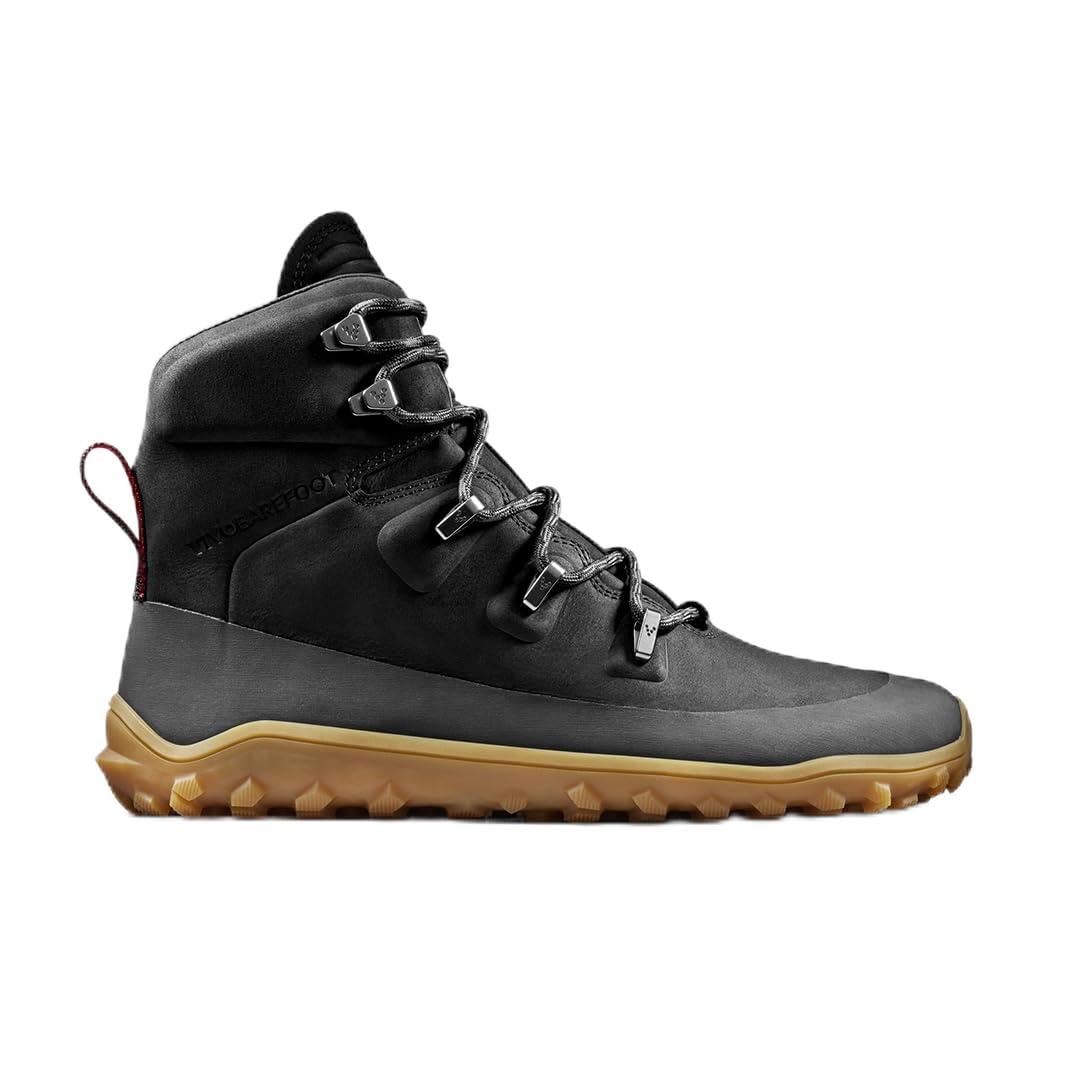
Vivobarefoot’s Tracker Leather boot marries a premium leather upper with a waterproof membrane, delivering a boot that handles wet trails and rocky descents with confidence. The wide toe box is anatomical, allowing toes to splay naturally, while the heel and ankle fit snugly for security. Users praised the grip on wet rocks and loose dirt, noting the outsole provides excellent traction without sacrificing ground feel. The boot is lightweight for its class, making long hikes less fatiguing.
The leather requires a brief break-in to soften, after which it molds comfortably to the foot. Some users reported the sole offers enough protection to feel sharp edges without discomfort, while still transmitting terrain texture for a truly natural hiking experience. Waterproof performance is strong, with one reviewer hiking through deep snow and slush all day without wet feet. A minority of users experienced durability issues, including an eyelit that ripped after a week, though the majority found the build robust over months of use.
For hikers who want the barefoot experience without sacrificing waterproof protection or construction quality, the Tracker Leather is a premium pick. The price reflects the domestic materials and assembly, but the boot’s performance on technical terrain and its comfort over 5-6 mile days make it a worthy investment for serious outdoor enthusiasts.
Why it’s great
- Excellent grip on wet rocks and loose dirt
- Waterproof and breathable for wet conditions
- Wide toe box with secure heel fit
Good to know
- Leather requires break-in to soften
- Minor durability concerns reported with eyelit
- Price sits at the premium end
4. Vivobarefoot Tracker Textile AT
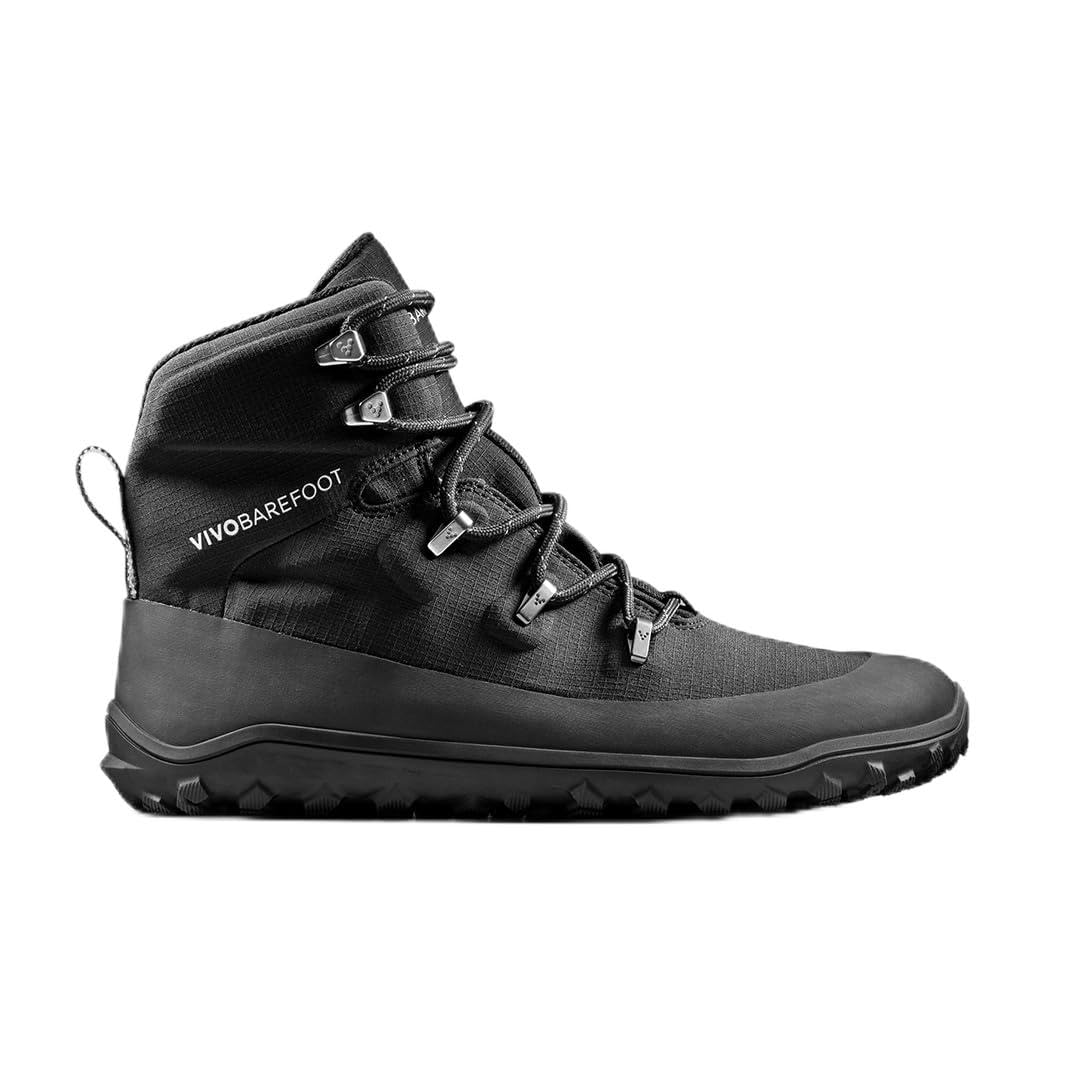
The Tracker Textile AT offers a lighter, more breathable alternative to the leather version while maintaining waterproof and puncture-resistant performance. Users who tested it in the Canadian Rockies—through snow, water, stone, and mud—reported excellent ground feel and comfort, with the boot feeling high-tech and lightweight. The gaiter compatibility is a plus for deep snow, and the sole provides good traction on most terrain, though it can be slippery on wet, icy stone. Sizing runs similar to the leather version; most buyers size up 0.5 from their standard shoe size.
The upper uses a robust textile that breathes better than leather, making it suitable for warmer-weather hiking. Waterproofing held up well in demanding conditions, including deep snow and slush. Durability is a concern for some users; one reviewer reported the boot coming apart at day 96, and another noted the sole started breaking apart within a month or two. These reports are offset by many others who found the boot durable over long use, but the variability is worth noting.
If you prioritize lightweight construction and technical performance for rugged trails, the Tracker Textile AT is a strong choice. Its higher price demands confidence in its longevity, but for those who get a solid pair, it’s among the best hiking barefoot boots available. Consider checking the return policy and warranty before purchase.
Why it’s great
- Lightweight and breathable for warm-weather hiking
- Waterproof with puncture-resistant protection
- Gaiter compatible for deep snow
Good to know
- Mixed durability reports; some early failures
- Traction lacking on wet icy stone
- Sizing can be tricky; size up 0.5
5. ALTRA Men’s Lone Peak 9 Trail Running Shoe
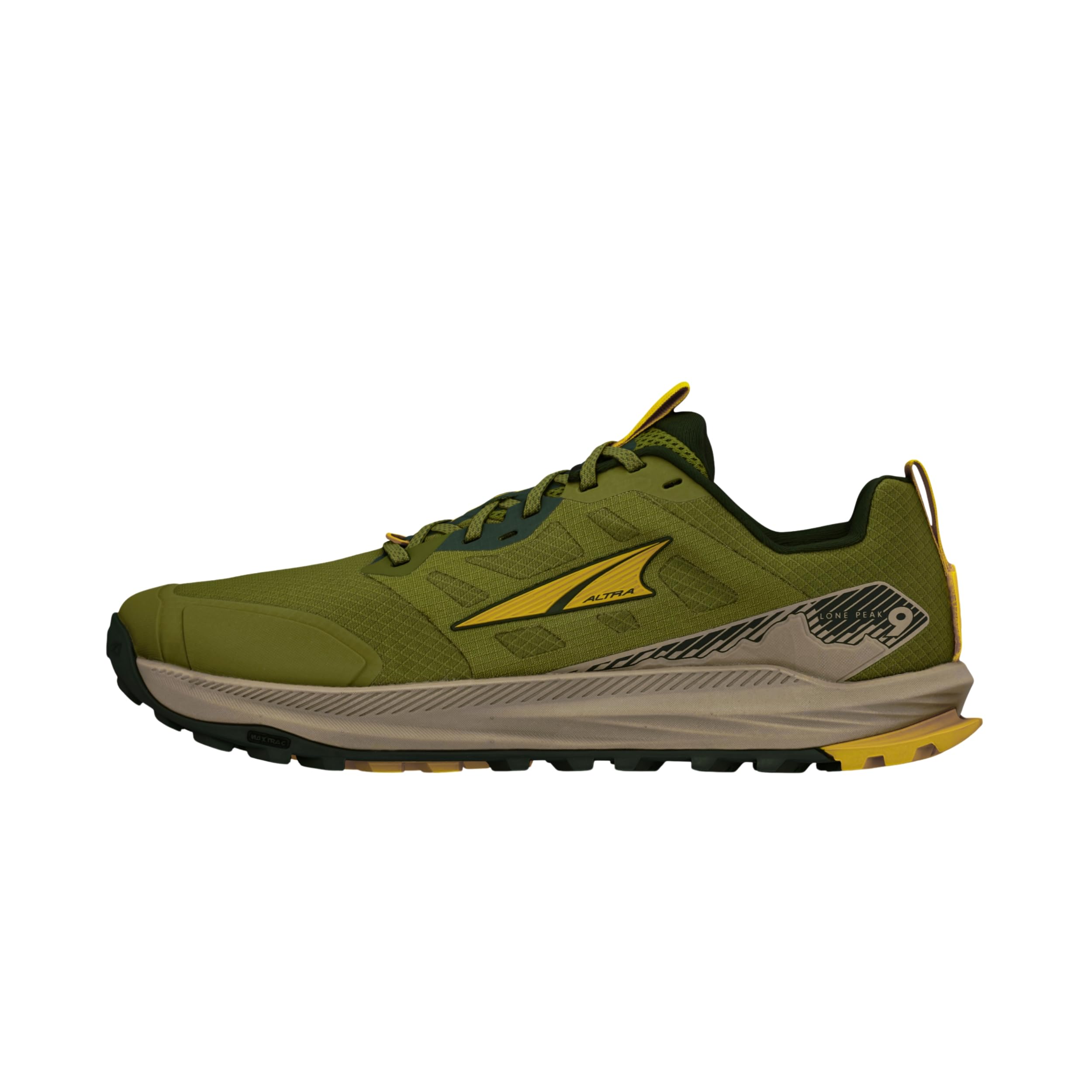
ALTRA’s Lone Peak 9 is a trail running shoe that combines a zero-drop platform with a wide, roomy toe box and balanced cushioning. The MaxTrac outsole provides excellent grip on mud, rock, and snow, users praised its stability on technical terrain. The shoe is lightweight and breathable, with a comfortable upper that doesn’t chafe. It fits orthotic arch supports well, making it a good option for those who need additional support. Some users found the shoe runs large and recommend sizing down half a size.
The cushioning level sits between a traditional barefoot shoe and a standard trail runner, offering enough protection for long miles on rocky trails while maintaining ground feel. Durability is improved over previous versions, with one reviewer reporting their third pair lasting hundreds of kilometers. The wide version accommodates very wide feet, though some users note it runs excessively large in that variant. The shoe is an excellent choice for trail running, hiking, and all-day standing.
For runners and hikers who want the foot-shaped toe box and zero-drop geometry but need a bit more underfoot protection for technical terrain, the Lone Peak 9 is a top contender. The mid-range price delivers strong value given the outsole durability and overall construction, but it is not a true minimalist shoe for those seeking maximal ground feel.
Why it’s great
- Excellent MaxTrac grip on mud, rock, and snow
- Roomy toe box with balanced cushioning
- Improved durability over previous versions
Good to know
- Runs large; size down half
- Not a true minimalist shoe for maximum ground feel
- Wide version may be too large for some
6. Vivobarefoot Primus Lite 3.5

The Primus Lite 3.5 is Vivobarefoot’s versatile everyday trainer, designed for workouts, CrossFit, and daily wear. The zero-drop platform and thin sole deliver excellent ground feel, while the breathable mesh upper keeps feet cool and odor-free. Users appreciate the lightweight construction and seamless interior, which prevents chafing. Sizing is somewhat inconsistent: some users found it runs long and recommend sizing down, while others found it true to size. A thumb’s length of room in the toe is ideal with socks.
Durability is solid for the price tier, with one reviewer reporting over 10,000 steps per day without significant wear. The white color and fabric are prone to staining and are difficult to clean, which is a notable aesthetic drawback. The shoe accommodates narrow feet well, but wider-footed users may find the toebox slightly snug compared to other Vivobarefoot models. For strength training, the thin outsole provides excellent proprioception for squats and deadlifts.
The Primus Lite 3.5 is a strong entry-level option for beginners transitioning to barefoot shoes, as well as for experienced users needing a lightweight trainer. Its mid-range pricing makes it accessible without sacrificing quality, though the whites-only colorway limits versatility for messy environments.
Why it’s great
- Lightweight and breathable for daily wear
- Excellent ground feel for training and walking
- Seamless interior prevents rubbing
Good to know
- White fabric is prone to staining and hard to clean
- Sizing inconsistent; may need to size down
- Toe box may be snug for wider feet
7. Vivobarefoot Men’s Motus Flex Barefoot Training Shoe

The Motus Flex is purpose-built for strength training, mobility work, and gym sessions. It features a zero-drop platform with a grippy outsole that provides excellent traction on gym floors and workout mats. Users praise the barefoot feel and the wide toe box, which allows for proper foot splay during squats and deadlifts. The shoe uses recycled materials in its construction, appealing to eco-conscious buyers. Sizing is a consistent pain point—most users recommend ordering a full size down from your standard shoe size.
Durability is strong, with one reviewer reporting the shoes held up well despite frequent use as daily work shoes for someone on their feet all day. The white color looks great but gets dirty quickly, similar to the Primus Lite. The shoe is lightweight and comfortable enough for all-day wear, though the price sits at the premium end of the scale. Some users found the full price hard to justify and recommend waiting for a sale or buying multiple sizes to find the perfect fit.
For dedicated gym-goers who want a true barefoot feel during strength training, the Motus Flex is a top-tier choice. The premium pricing reflects the specialized design and eco-friendly materials, but the sizing issues mean you should buy with a flexible return policy.
Why it’s great
- Excellent grip for gym floors and mats
- Lightweight and comfortable for all-day wear
- Eco-friendly recycled materials
Good to know
- Runs large; order a full size down
- White color is hard to keep clean
- Premium price point
8. Xero Shoes Glenn Casual Dress Leather Shoes
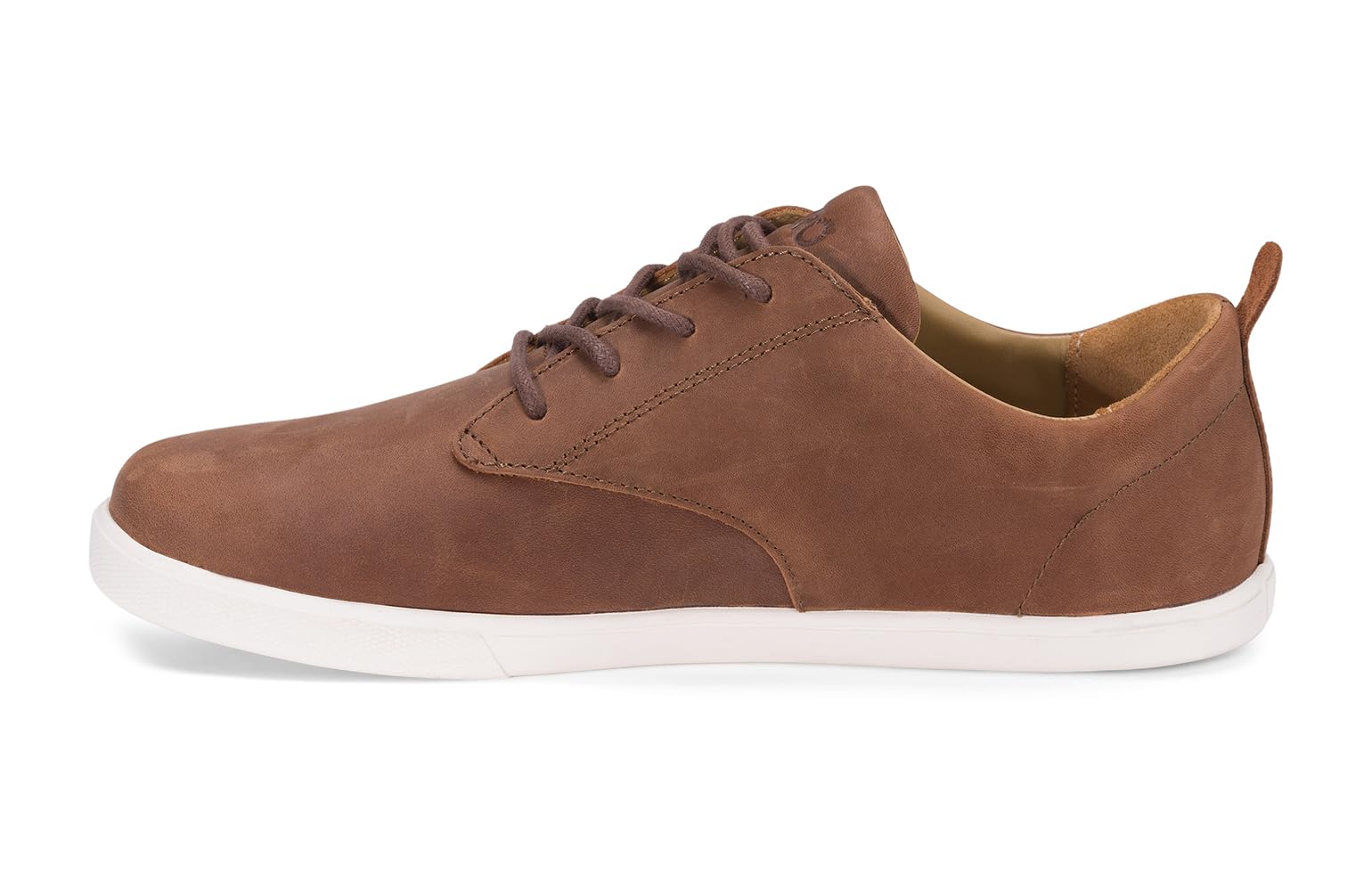
The Xero Shoes Glenn is a rare breed: a dress shoe that looks stylish with nice clothes while delivering a true barefoot experience. The leather upper is high-quality and stain-resistant, holding up well to daily wear. The zero-drop platform and wide toe box provide the hallmarks of a minimalist shoe, though some users with wider feet found the toe box not as spacious as competitors like ALTRAs. The shoe is lightweight and comfortable for all-day wear, suitable for events where you need to dress up but still want natural foot function.
Sizing is consistent with most users finding it true to size. The dark brown variant is true to its color and matches well with both casual and semi-formal outfits. The sole is thin and flexible, offering good ground feel for pavement walking. Some users note the shoe is not as wide as deeper barefoot offerings, making it a better fit for narrow-to-medium-width feet rather than those with very wide forefeet. The price sits in the mid-range but offers good value compared to traditional dress shoes.
For anyone needing a professional barefoot option for office work, weddings, or dressy outings, the Glenn is a solid pick. The stain-resistant leather and clean design make it practical, though it may not satisfy those requiring maximum toe splay or a fully anatomical last.
Why it’s great
- Stylish design suitable for dressy events
- Stain-resistant leather holds up well
- Lightweight and comfortable for all-day wear
Good to know
- Toe box not as wide as some competitors
- Better suited for narrow to medium-width feet
- Not ideal for maximum toe splay
9. Xero Shoes HFS II Barefoot Running Shoes

The HFS II from Xero Shoes is a lightweight, breathable shoe designed for running and all-day wear. The zero-drop platform and thin sole provide excellent ground feel, though some users note the sole is stiffer and slightly thicker than the original HFS, reducing the barefoot sensation for running. The shoe fits comfortably for walking, hiking, and daily errands. Sizing runs small; ordering 0.5 size up is the consensus recommendation for a proper fit.
Durability is a mixed bag. While many users find the shoe well-made and breathable, a significant batch defect was reported for the FW25 production run, where the outsole wore clean holes through after 71 days of pavement use, even though the perimeter showed no wear. This appears to be a manufacturing defect specific to that run rather than a design flaw. The shoe performs well on trails and pavement, though prolonged standing on concrete can cause foot soreness. The price is fair for the category, making it an accessible entry point for barefoot running.
For runners and daily walkers who want a solid all-around shoe with good ground feel, the HFS II is a fine choice. The potential batch defect is a risk to be aware of, but the general construction and comfort scores are high. Consider buying from a source with a good return policy to mitigate the batch issue.
Why it’s great
- Lightweight and breathable for running and daily wear
- Good ground feel for pavement and trails
- Fair pricing for a barefoot shoe
Good to know
- Runs small; order 0.5 size up
- FW25 batch had outsole durability issues
- Thicker sole reduces barefoot sensation for running purists
FAQ
What does “Made in USA” mean for barefoot shoes?
How do I know if a barefoot shoe is truly zero-drop?
What is the break-in period for leather barefoot boots?
Final Thoughts: The Verdict
For most users, the best barefoot shoes made in usa winner is the FLUX FOOTWEAR Adapt Runners because they combine genuine ground feel, all-day comfort, and strong durability at a premium price point. If you want a rugged leather boot for work or hiking, grab the JIM GREEN African Ranger Boots. And for trail running with balanced cushioning and a wide toe box, nothing beats the ALTRA Lone Peak 9.

Mo Maruf
I created WellFizz to bridge the gap between vague wellness advice and actionable solutions. My mission is simple: to decode the research and give you practical tools you can actually use.
Beyond the data, I am a passionate traveler. I believe that stepping away from the screen to explore new environments is essential for mental clarity and physical vitality.