Our readers keep the lights on and my smoothie glass nicely filled. As an Amazon Associate, I earn from qualifying purchases.
For anyone dealing with plantar fasciitis, every step on a stiff, narrow shoe is a micro-trauma to the already-inflamed plantar fascia. The fix is counterintuitive: not more arch support, but more toe splay, a zero-drop platform, and a flexible sole that lets your foot muscles actually engage. That shift in footwear philosophy is exactly what a thoughtfully chosen barefoot shoe delivers.
I’m Mohammad Maruf — the founder and writer behind WellFizz. I’ve spent years analyzing biomechanics research and poring over user feedback on footwear designed to restore natural gait mechanics, specifically for chronic heel pain conditions like plantar fasciitis.
After evaluating the stack heights, toe-box widths, outsole flex, and zero-drop geometry of the current market leaders, I’ve curated a focused list of the best barefoot shoes for plantar fasciitis that prioritize natural foot function and sustained walking comfort.
How To Choose The Best Barefoot Shoes For Plantar Fasciitis
Selecting the right shoe here means rejecting the conventional “maximum cushion and arch support” dogma that often worsens foot weakness. You need a shoe that allows the foot to move naturally while protecting against sharp ground impacts near the heel.
Zero-Drop Geometry
A zero-drop platform means the heel and forefoot sit at exactly the same height off the ground. This prevents the heel from being elevated, which can shorten the calf muscle and pull on the plantar fascia. For plantar fasciitis sufferers, a zero-drop shoe allows the Achilles tendon to lengthen naturally, reducing tension at the heel bone where pain originates.
Wide Toe Box Volume
The toe box must provide enough width for the metatarsal bones to splay out naturally. A cramped toe box forces the big toe inward, altering your gait and putting extra strain on the plantar fascia. Look for a foot-shaped toe box, the one that mimics the natural trapezoidal shape of your foot, not a pointed or tapered design.
Thin, Flexible Sole
A flexible sole is not about sacrificing protection; it is about allowing the foot’s intrinsic muscles to activate. A stack height of around 10mm to 15mm provides enough ground feel to encourage proper gait without exposing the heel to painful pebbles or hard pavement that could aggravate plantar fasciitis. The outsole should bend easily at the ball of the foot.
Quick Comparison
On smaller screens, swipe sideways to see the full table.
| Model | Category | Best For | Key Spec | Amazon |
|---|---|---|---|---|
| Altra Torin 8 | Premium | All-day road walking & gym | Zero-drop, 24mm stack | Amazon |
| Altra Lone Peak 9 | Premium | Trail hiking & rugged terrain | Zero-drop, TrailClaw lugs | Amazon |
| Xero HFS II | Mid-Range | Running & HIIT training | Zero-drop, 5.5mm sole | Amazon |
| Xero Prio Neo | Mid-Range | Cross-training & daily casual | Zero-drop, 5.5mm FeelTrue sole | Amazon |
| Hike Footwear Stride | Mid-Range | Easy slip-on daily wear | Zero-drop, 10mm stack | Amazon |
| Earth Bronnie | Budget-Friendly | Casual city walking | Zero-drop, soft leather | Amazon |
| NORTIV 8 Whitney | Budget-Friendly | Trail running & hiking | 5mm drop, wide toe box | Amazon |
In‑Depth Reviews
1. ALTRA Women’s Torin 8 Road Running Shoe
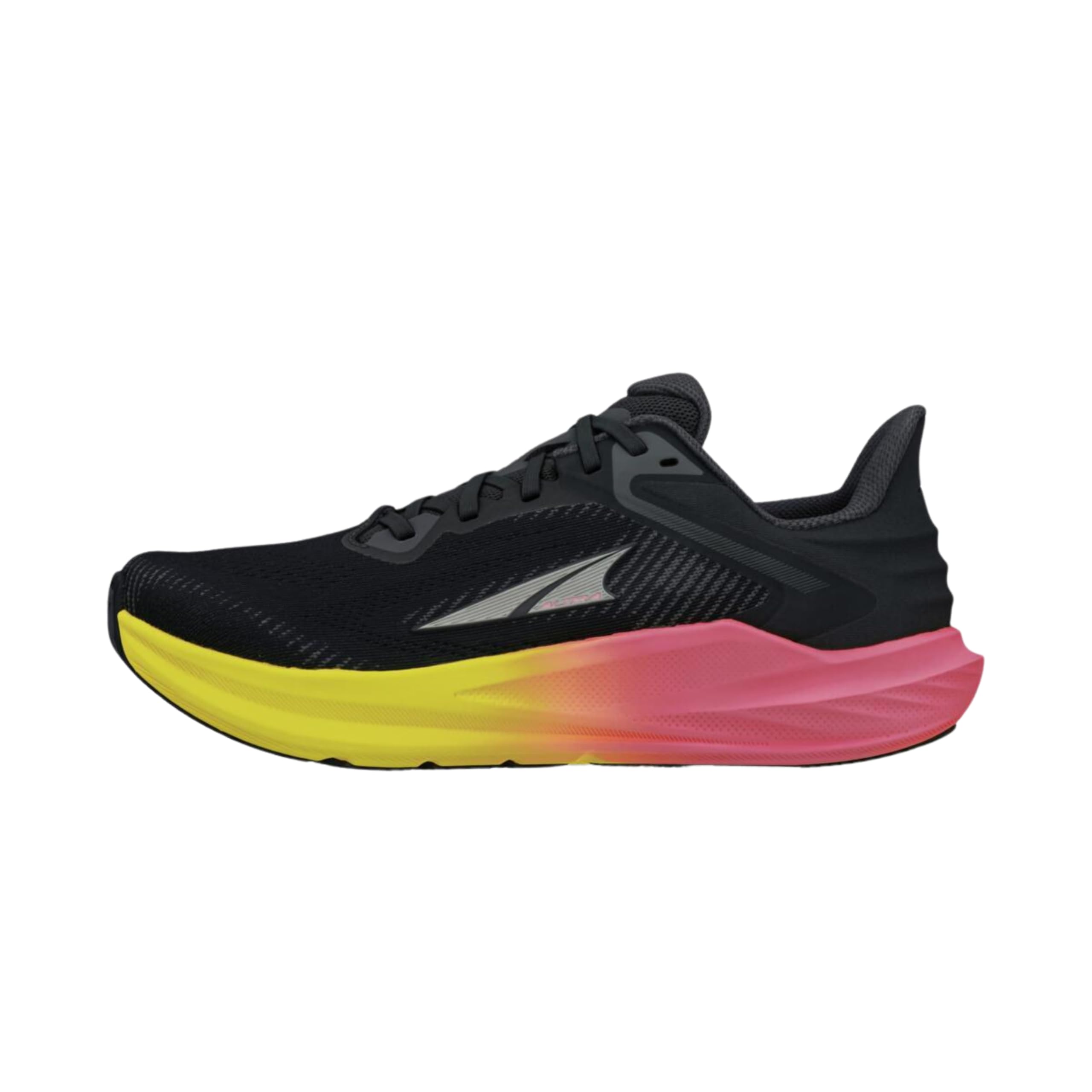
The Altra Torin 8 sits at the premium end of the list, and for good reason. It maintains the company’s signature FootShape toe box, which allows your metatarsals to fully splay without restriction. With a 24mm stack height and generous compression-molded EVA midsole, it delivers more cushion than a pure minimalist shoe, making it the ideal transitional shoe for someone with chronic plantar fasciitis who needs shock absorption during long standing or walking sessions.
The zero-drop platform keeps your Achilles and calves engaged in a natural length, which is therapeutic for the plantar fascia. Unlike many barefoot options, the Torin 8 has a padded heel collar and a secure lacing system that prevents heel slip, a common complaint among heel pain sufferers. The engineered mesh upper is breathable and does not create pressure points over the midfoot.
Customer feedback consistently highlights the comfort right out of the box with zero break-in period needed. Users with Morton’s neuroma and wide feet report that the toe box provides ample wiggle room without feeling sloppy. The outsole is durable enough for 3-5 mile daily walks on pavement and light trails. This is the gentlest entry into the barefoot world for those still needing a touch of plushness under the heel.
Why it’s great
- FootShape toe box provides immediate toe splay relief
- Balanced zero-drop cushioning reduces heel strike impact
- No break-in period fits true to size for most users
Good to know
- Higher stack height offers less ground feel than true barefoot shoes
- Premium price tier compared to minimal sole options
2. ALTRA Women’s Lone Peak 9 Trail Running Shoe
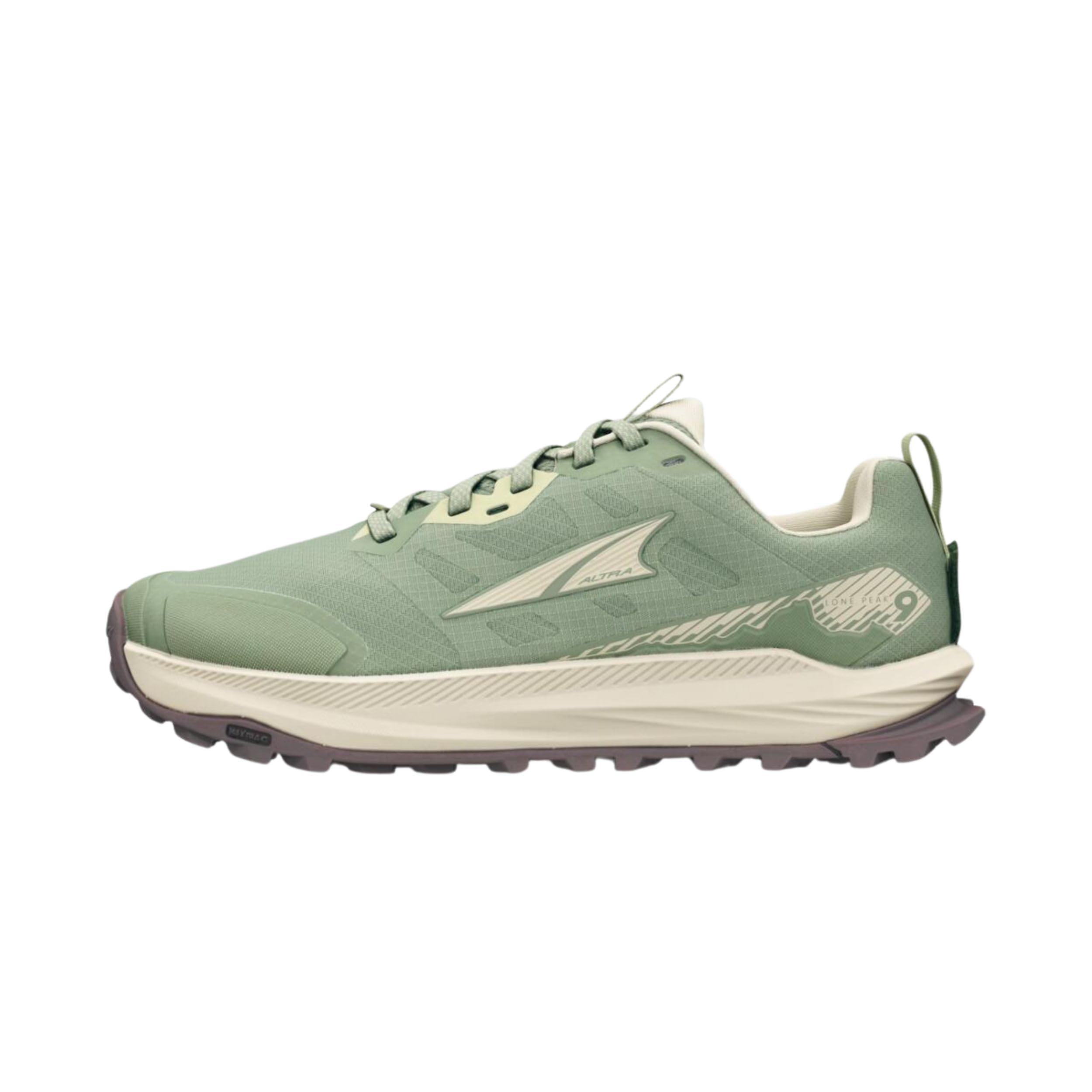
The Lone Peak 9 is the definitive choice for plantar fasciitis sufferers who also enjoy trail hiking or off-road walking. It retains the same zero-drop and FootShape toe box philosophy as the Torin but adds a MaxTrac outsole with TrailClaw lugs for aggressive traction on loose dirt, gravel, and packed mud. The additional rubber under the heel provides a stable platform that can handle sharp rocks without transferring pain.
The upper is reinforced with a toe cap and durable mesh, which adds structure for lateral movements on uneven terrain. The arch support is moderate compared to traditional hiking boots, which is intentional—it allows the plantar fascia to dynamically stretch during the gait cycle. Some users prefer swapping the insole for a Superfeet support hub, but most find the neutral platform relieves lumbar and heel tension after transitioning.
Reviews from extended walking trips confirm zero blister formation even with high-arched and wide feet. The shoe performs well in wet conditions and does not overheat in warmer weather. The balance between ground feel and protection is ideal for hikers who want to maintain natural foot movement without sacrificing safety. It runs slightly large, so sizing down by half a size is a common recommendation.
Why it’s great
- Excellent multi-directional traction for trail stability
- Wide toe box prevents blister formation on long hikes
- Zero-drop geometry reduces heel tension during ascents
Good to know
- Pricey at the top of the market
- Some may need a different insole for additional arch support
3. Xero Shoes Women’s HFS II Barefoot Running Shoes
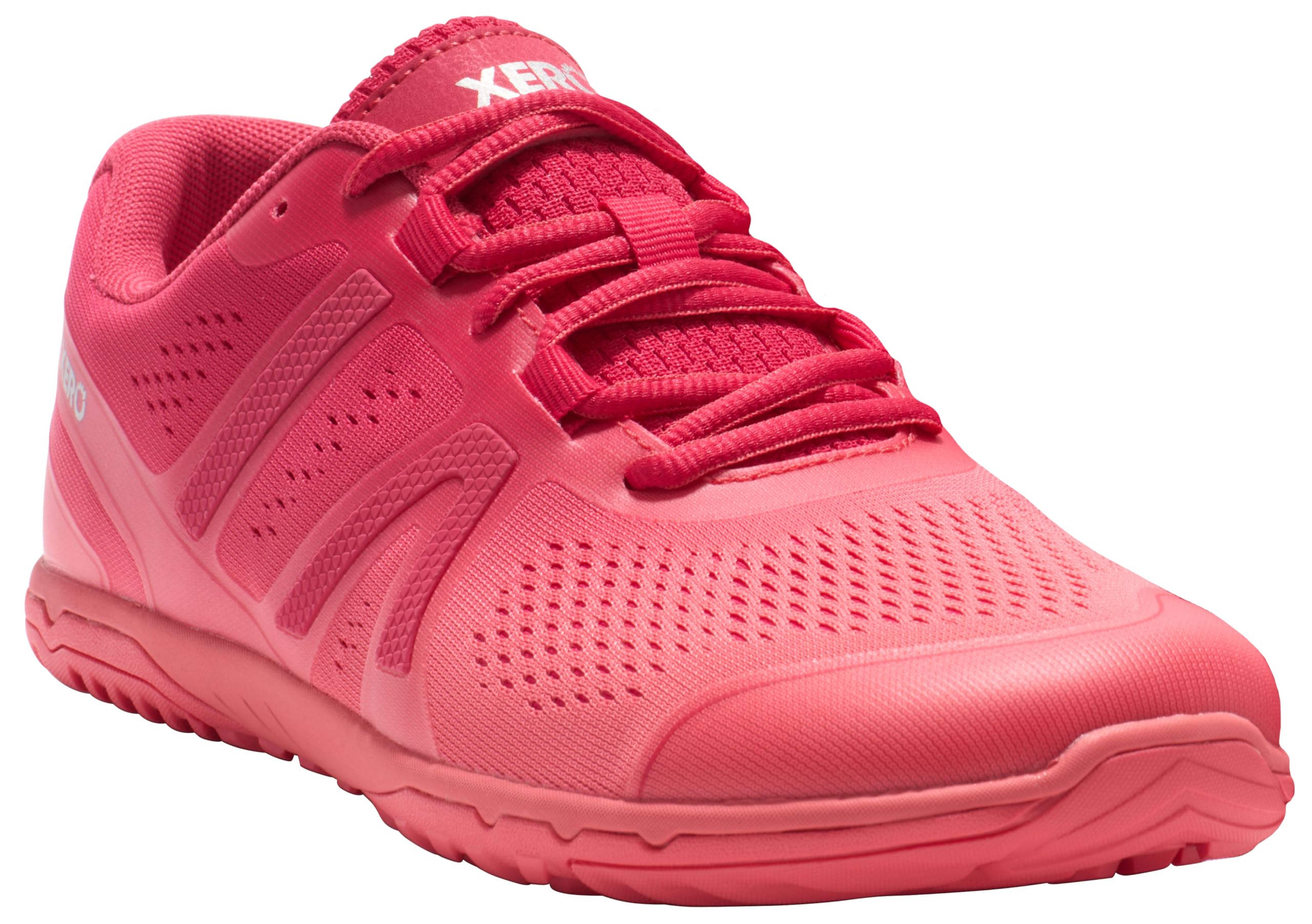
The Xero HFS II is a true minimalist barefoot shoe with a 5.5mm FeelTrue sole that offers exceptional ground feedback. For plantar fasciitis rehab, this level of sensory input forces your foot to adopt a midfoot or forefoot strike rather than a jarring heel strike, which is the primary mechanism that aggravates the inflamed fascia. The upper is lightweight, breathable, and has a secure heel lock despite the minimal padding.
This shoe is narrower than the Prio Neo (product 4), making it a better fit for those with standard-width feet who still want a generous toe box but not balloon-like volume. The outsole has a tread pattern that handles light gravel and pavement well, and the shoe is incredibly packable for travel. The laces are functional but some users report they are overly long and require double knots to prevent them from coming undone during runs.
Customers transitioning from Altras note that the HFS II feels more “barefoot”—less squishy and more connected to the ground. It does not offer any arch support, which is by design. For those already adapted to minimal footwear, this shoe provides the freedom of movement necessary to strengthen the foot intrinsic muscles that support the plantar fascia. Sizing can be tricky: most users recommend going half size down from your normal size.
Why it’s great
- Ultra-thin sole encourages proper midfoot striking
- Lightweight and packable for travel or gym use
- Secure heel fit prevents slipping during quick movements
Good to know
- Narrower than other barefoot shoes on this list
- Long laces may require replacement or careful tying
4. Xero Shoes Women’s Prio Neo Barefoot Training Shoe
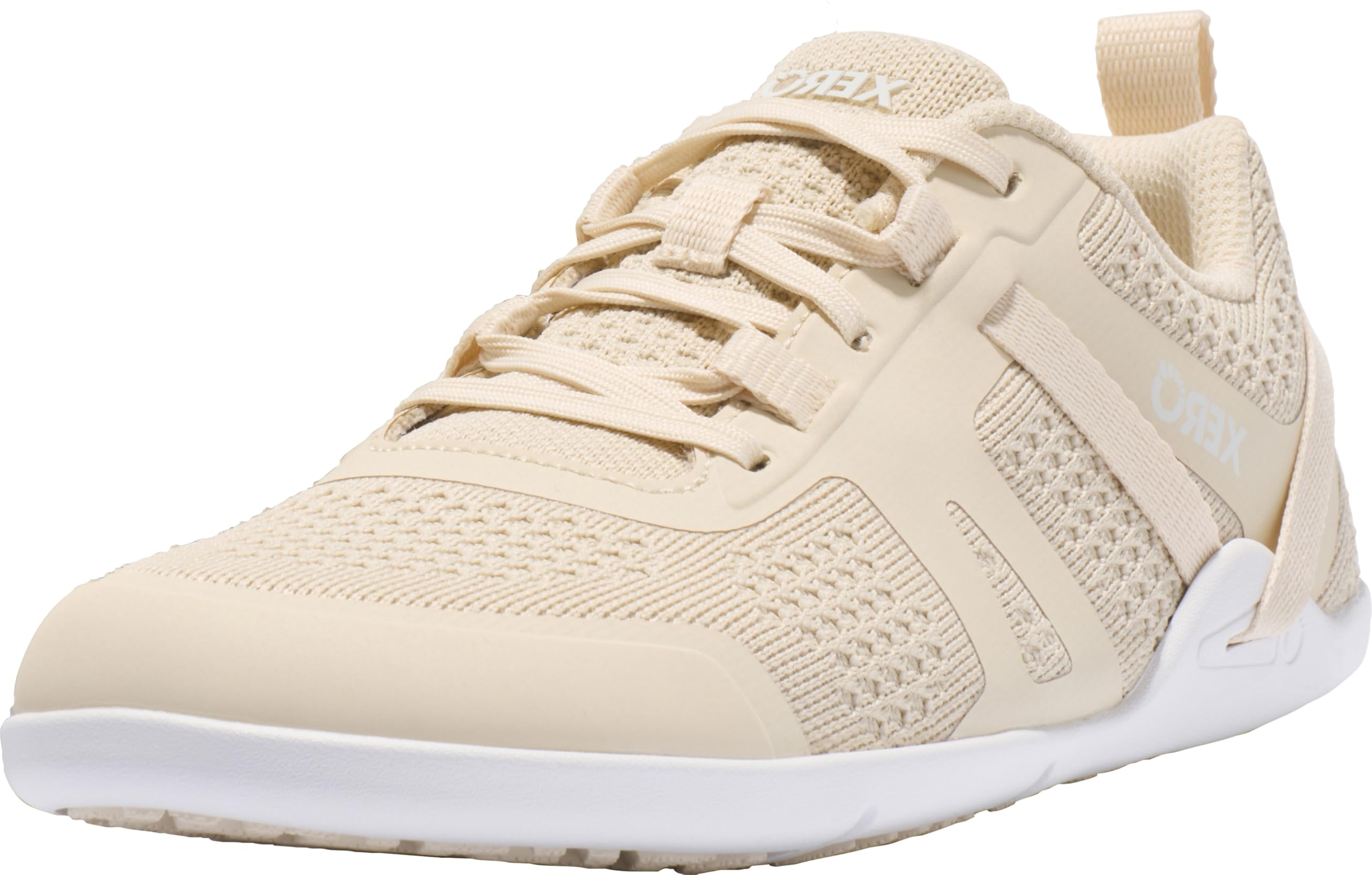
The Xero Prio Neo is a cross-training workhorse that bridges the gap between daily casual wear and gym performance. Its 5.5mm FeelTrue outsole sits low to the ground, offering tactile feedback while providing enough rubber coverage for protection against small debris. The shoe is significantly wider in the toe box than the HFS II, accommodating toes that need maximum splay for balance and stability during lifts or agility drills.
The upper is made from a stretchy, flexible material that molds to the foot shape without creating pressure on bunions or hammer toes. The removable 2mm insole allows for an even more minimalist feel if the user is ready. The lack of arch support is intentional, but users with flat feet transitioning into barefoot shoes may experience calf and knee soreness during the first week—a normal adaptation process that indicates the foot muscles are reactivating.
Customer feedback highlights that these shoes feel like “slippers with a rubber sole” for everyday wear. They stay on the heel during explosive movements like sprints, which is a common failure point in cheaper minimal shoes. The styling is understated enough for casual office or errand use. One minor con is the insole can sometimes bunch up or shift during high-intensity lateral moves, requiring periodic readjustments.
Why it’s great
- Extremely wide toe box accommodates bunions and splay
- Secure heel fit for running and gym agility work
- Very comfortable for all-day wear from day one
Good to know
- Insole may shift during lateral movements
- Requires transition period if coming from cushioned shoes
5. Hike Footwear HF Stride – Hands-Off & Ergonomic
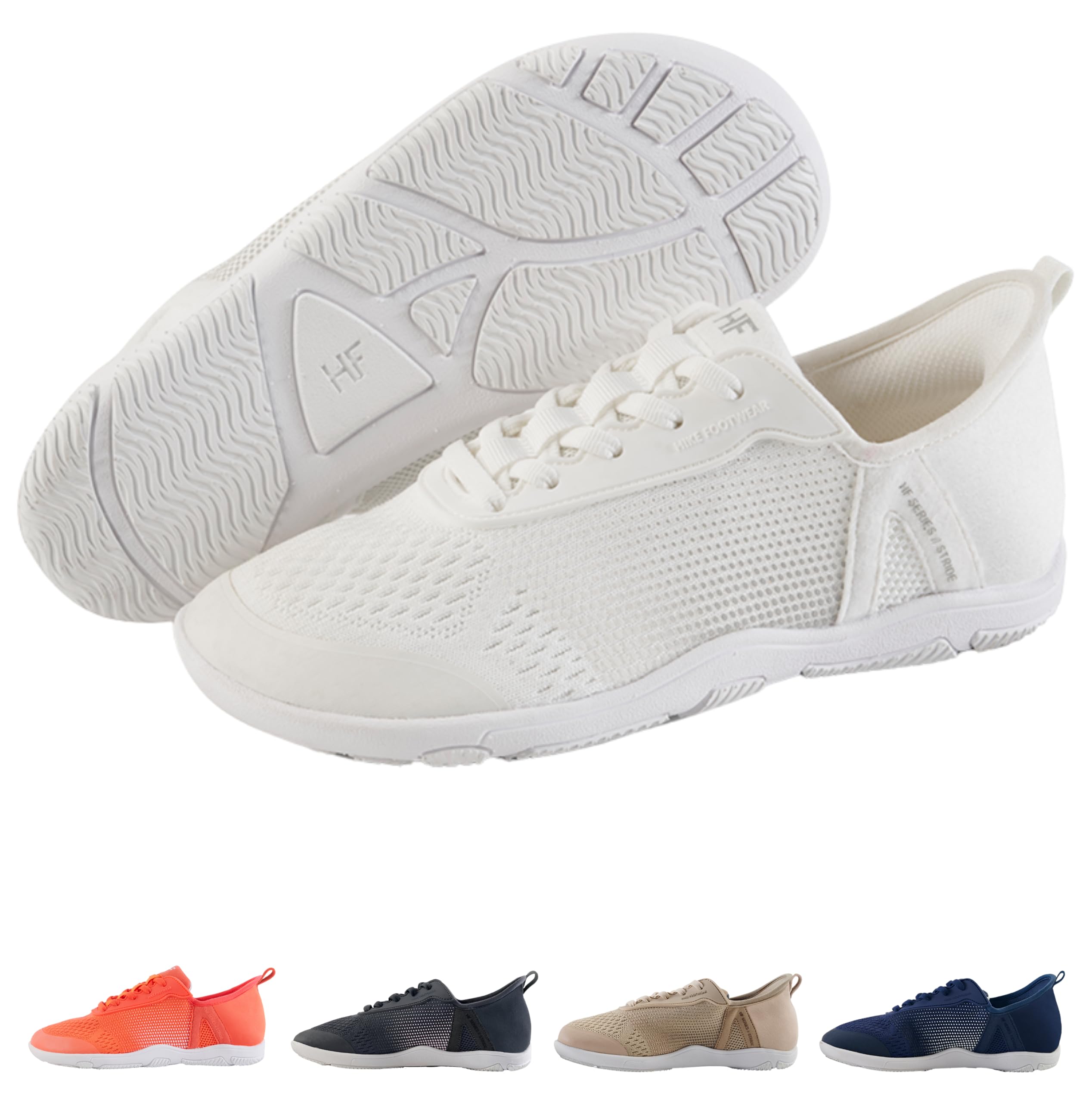
The Hike Footwear HF Stride is the most accessible entry in this list, designed specifically for users who cannot or do not want to bend over to tie shoelaces. The slip-on “hands-off” construction with elastic laces makes it easy to step into while still providing a snug midfoot hold. The 10mm stack height offers more ground feel than a conventional sneaker but enough rubber to protect against sharp objects on tile or pavement.
The sole is made from a flexible rubber compound that bends naturally at the ball of the foot, allowing the metatarsal bones to splay. The zero-drop platform is consistent through the length of the shoe, keeping the heel at the same level as the forefoot. This is particularly beneficial for plantar fasciitis sufferers who spend long hours on hard floors, as it encourages a shorter, quicker stride that reduces heel impact forces.
User feedback is overwhelmingly positive from those recovering from foot surgeries, bunions, or general leg fatigue. Many report a significant reduction in stabbing heel pain after switching from traditional shoes, noting that the shoe feels “barefoot” while still providing a supportive structure. The shoe runs about a half size large, so going down a size (especially when wearing without socks) is a common tip. The color options are limited but stylish enough for casual outings.
Why it’s great
- Slip-on design eliminates need for bending or tying
- Immediate pain relief reported for heel and post-surgery patients
- Very lightweight with good traction on indoor surfaces
Good to know
- Runs large; sizing down is often necessary
- Limited color palette compared to bigger brands
6. Earth Women’s Bronnie
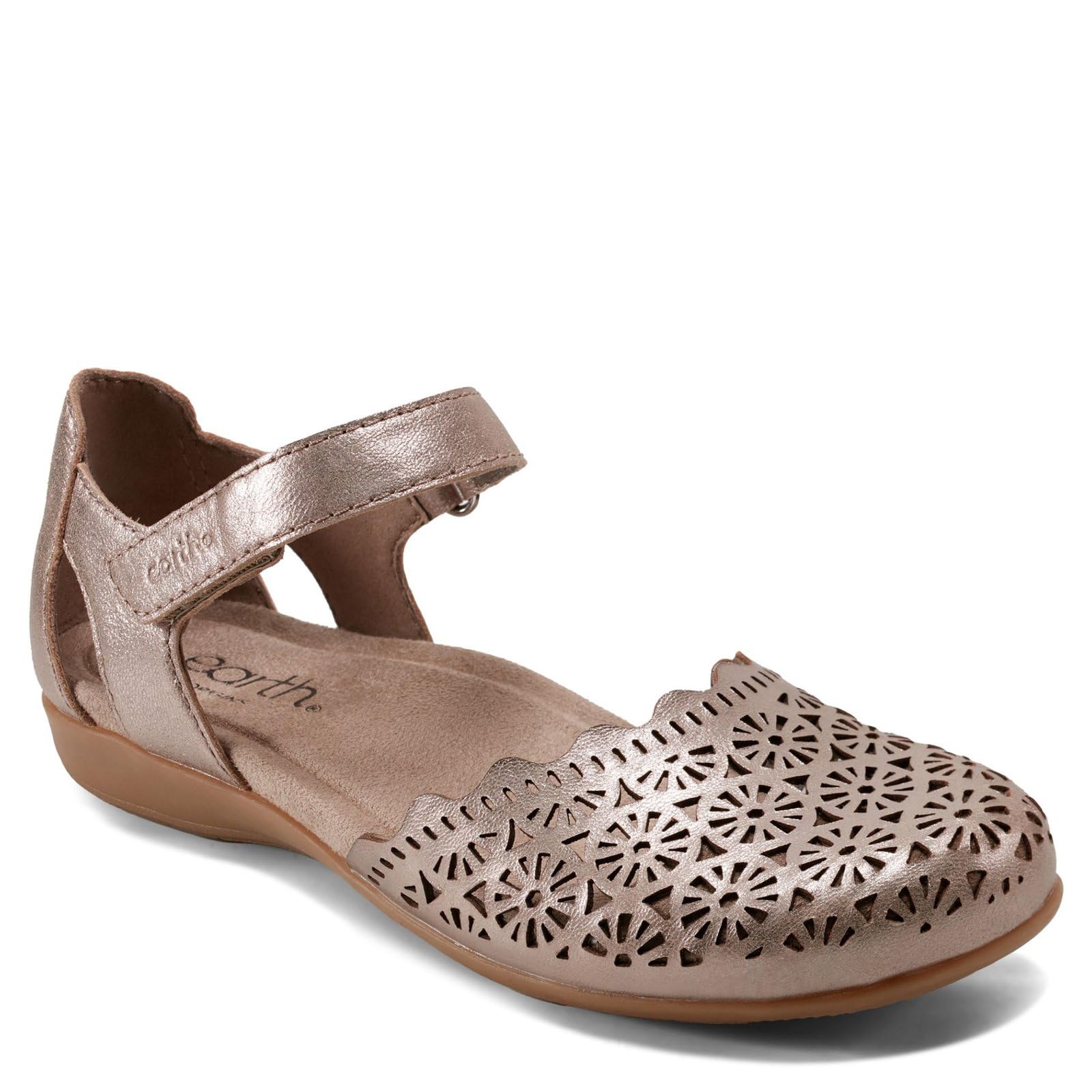
The Earth Bronnie is a budget-friendly option that doesn’t sacrifice anatomical design. It features a zero-drop platform and a soft, flexible leather upper that conforms to the foot shape without pinching. The removable footbed contains decent arch support for a barefoot-inspired shoe, making it a gentler transition for someone with plantar fasciitis who is not yet ready for a completely flat, unsupported insole. The Velcro strap system allows for easy micro-adjustments across the instep.
The outsole has a non-slip tread pattern that provides reliable grip on wet pavement and polished floors, which is important for those with balance concerns linked to heel pain. The toe box is wide enough for most feet, though some with very wide bunions might find the leather slightly snug at the bunion prominence. The shoe is lightweight and has a spongy feel underfoot that absorbs minor impacts without reducing ground feel entirely.
Customer reviews praise the shoe for being cute enough to wear with casual dresses or jeans, a rare quality in the barefoot category. Long shopping trips and all-day walking are comfortable, with multiple users noting that the wide toe box eliminated toe friction and rubbing. The shoe does not provide the same level of stability for trail running or high-impact activity, but for city walking and daily errands, it is a solid value. Durability after several months of wear has been good, with the leather upper showing minimal creasing.
Why it’s great
- Stylish leather design works with casual outfits
- Adjustable Velcro straps for a custom fit
- Good arch support for a zero-drop shoe
Good to know
- Toe box may be tight for very wide bunions
- Not suitable for trail running or high-impact activities
7. NORTIV 8 Men’s Wide Toe Box Trail Running Shoes Whitney
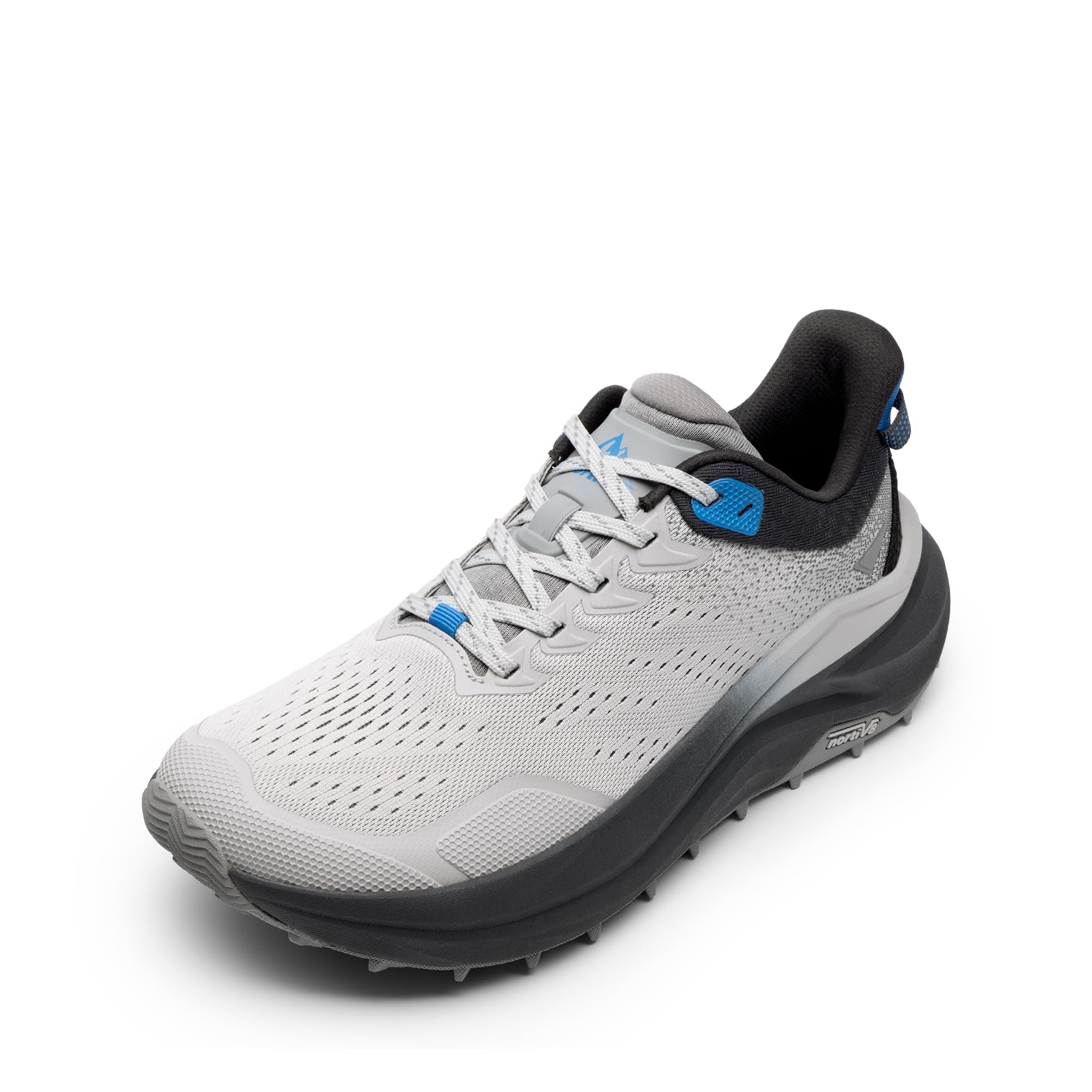
The NORTIV 8 Whitney is the most affordable option in this lineup, designed for those who need a wide toe box and low heel-toe drop on a tight budget. With a 5mm drop, it is not a true zero-drop shoe, but the minimal ramp angle is far less aggressive than typical running shoes with 10-12mm drops. This makes it a good stepping stone for those who want to reduce heel elevation without jumping straight into a completely flat shoe. The toe box is genuinely roomy, reducing friction on the toes by up to 75% according to user feedback.
The outsole features aggressive lugs that perform well on mud, snow, and loose gravel, giving it excellent traction for trail running and hiking. The midsole is firm but provides enough cushion to protect the heel from sharp rocks. This may be a con for runners seeking a lightweight feel, but for walkers and hikers, the added weight translates to durability and tread longevity.
Users in healthcare and construction have praised the Whitney for all-day comfort on hard surfaces. The fit is true to size for most, though half-sizes are not available for sizes above 12. A few users noted that the arch support is minimal, which may require adding an orthotic for those with severe plantar fasciitis. The aesthetic is more utilitarian than sleek, but the wide color selection offers options for different tastes. It is a solid value proposition for anyone wanting to test a wide toe box without committing to a premium price tag.
Why it’s great
- Very budget-friendly with excellent trail traction
- Room toe box significantly reduces friction
- Firm midsole provides good rock protection
Good to know
- 5mm drop is not a true zero-drop platform
- Heavier than most barefoot and minimalist options
FAQ
Can I wear barefoot shoes if my plantar fasciitis is severe?
Should barefoot shoes for plantar fasciitis have arch support?
What is the difference between zero-drop and a minimal sole?
How long does it take to see results after switching to barefoot shoes?
Final Thoughts: The Verdict
For most users, the best barefoot shoes for plantar fasciitis winner is the Altra Torin 8 because it provides the perfect balance of zero-drop geometry and sufficient cushioning for painful heels during the transition phase. If you want a true ground-level sensory experience, grab the Xero HFS II for its ultra-thin 5.5mm sole that forces a midfoot strike. And for rugged trail access, nothing beats the Altra Lone Peak 9 with its aggressive traction and durable construction.

Mo Maruf
I created WellFizz to bridge the gap between vague wellness advice and actionable solutions. My mission is simple: to decode the research and give you practical tools you can actually use.
Beyond the data, I am a passionate traveler. I believe that stepping away from the screen to explore new environments is essential for mental clarity and physical vitality.