Our readers keep the lights on and my smoothie glass nicely filled. As an Amazon Associate, I earn from qualifying purchases.
Twelve-hour shifts on unforgiving hospital floors leave your feet screaming for a reprieve, but conventional athletic shoes with elevated heels and narrow toe boxes often amplify the very foot, knee, and lower back pain they claim to solve. The core problem nurses face daily is a shoe that locks the foot into an unnatural position, restricting the toes and forcing your gait into a pattern that strains the posterior chain over a full shift.
I’m Mohammad Maruf — the founder and writer behind WellFizz. For the last three years, I’ve been deep-diving into the biomechanics of footwear, analyzing stack heights, tread patterns, and material flex across dozens of minimalist brands to find what actually works for people on their feet for ten-plus hours a day.
This guide breaks down the top contenders for barefoot shoes for nurses, filtering by key specs like zero-drop platforms, wide toe boxes, and slip-resistant outsoles that survive a twelve-hour shift without sacrificing ground feel or joint health.
How To Choose The Best Barefoot Shoes For Nurses
Picking the right pair for a nursing shift comes down to three structural traits that directly affect your foot strike and overall fatigue. These aren’t marketing checkboxes — they are biomechanical levers that determine whether your feet feel fresh by the end of a double or feel like lead weights that you can’t wait to kick off.
Zero Drop and Stack Height
Nurses walk on hard surfaces all day, so a shoe’s drop angle matters. Zero-drop puts the heel and forefoot level, which spreads impact more evenly and reduces the load on your lower back and knees. The sole thickness, or stack height, ideally sits between 8mm and 15mm for a balance of ground feedback and minimal cushion against hard concrete.
Toe Box Width and Volume
Crowded toes lead to bunions, hammertoes, and neuromas. Look for a foot-shaped toe box that allows the toes to splay naturally when you step down. This isn’t about just sizing up — it’s about the actual internal geometry. A wide anatomical shape prevents the big toe from being pushed inward and keeps the smaller toes from overlapping over a long shift.
Outsole and Traction
Hospital floors are slick from spills, cleaning solutions, and polished tile. A non-slip outsole with a robust tread pattern is non-negotiable. Pay attention to rubber compound ratings and depth of the lugs. A smooth bottom that works on dry pavement will have you sliding across a wet linoleum hallway in seconds.
Quick Comparison
On smaller screens, swipe sideways to see the full table.
| Model | Category | Best For | Key Spec | Amazon |
|---|---|---|---|---|
| Xero HFS Original | Premium | Zero-drop running & long shift comfort | 5.5mm sole; zero drop | Amazon |
| Xero Prio Neo | Mid-range | Training & transitioning from support shoes | 7mm sole; removable insole | Amazon |
| FLUX Adapt Runners | Premium | All-day durability with wide toe box | Flexible outsole; zero drop | Amazon |
| Laforst Gliders in Design | Premium | Hands-free slip-in & arch support | 2″ platform; slip-resistant | Amazon |
| Hike HF Stride | Mid-range | Effortless slip-in for tile floors | Ultra-light; zero drop | Amazon |
| Hawkwell Cloud Zero Active | Budget-friendly | Nursing shift with cushion | Breathable mesh; non-slip | Amazon |
| Women Wide-Toe Box Walking Sneakers | Budget-friendly | Wide foot with value focus | 1.54 lbs; wide toe box | Amazon |
In‑Depth Reviews
1. Xero Shoes Women’s HFS Original Barefoot Running Shoes
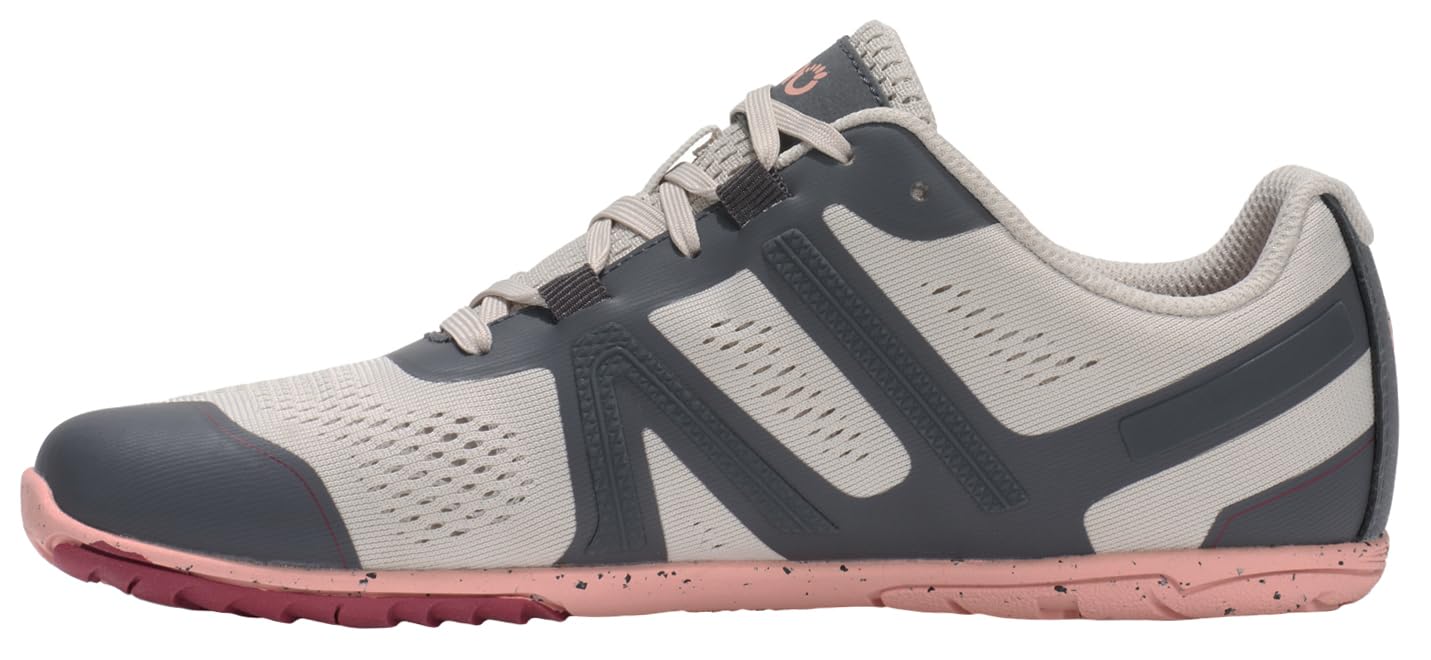
The HFS Original from Xero continues to be the gold standard for nurses making the switch to barefoot footwear, holding a thin 5.5mm FeelTrue sole that offers unmatched ground feedback while still keeping a sliver of protection from needles and debris on a hospital floor. Its zero-drop platform forces your foot into a natural midfoot strike pattern, which explains why one nurse logged over 720 pain-free miles in 100 days after a decade of foot pain. The wide toe box allows toes to splay naturally, a critical factor for nurses who have dealt with bunions or neuromas from years of cramped conventional shoes.
The mesh upper is seam-free and breathable, essential for twelve-hour shifts in warm units where moisture buildup can lead to blisters across the forefoot. Multiple reviewers confirm that the flexible sole solved supination issues and bunion pain by distributing weight evenly across the whole foot. The fit runs on the small side, so ordering a half size larger than your standard Brannock measurement is a common fix that users report working well for both running and full-day standing work.
One long-term user noted that the insoles are thin, and recommended swapping them with a standard athletic insole for extra shock absorption on concrete surfaces — a practical hack for nurses on hard-tile floors. Letters on the outsole can wear off after the first day, but that’s a cosmetic detail that does not affect the shoe’s performance. The HFS is not built for cushion-lovers, but for the nurse who wants functional foot strength and zero pain, it delivers consistently.
Why it’s great
- Extremely flexible sole mimics natural foot bending for improved gait mechanics.
- Wide toe box and seam-free mesh reduce irritation and toe crowding during long shifts.
- Zero drop and low stack height encourage a midfoot strike that eases knee and back strain.
Good to know
- Runs half a size small so sizing up is almost mandatory.
- Minimal padding means a gradual transition period for nurses used to high-cushion sneakers.
2. Xero Shoes Women’s Prio Neo Barefoot Training Shoe
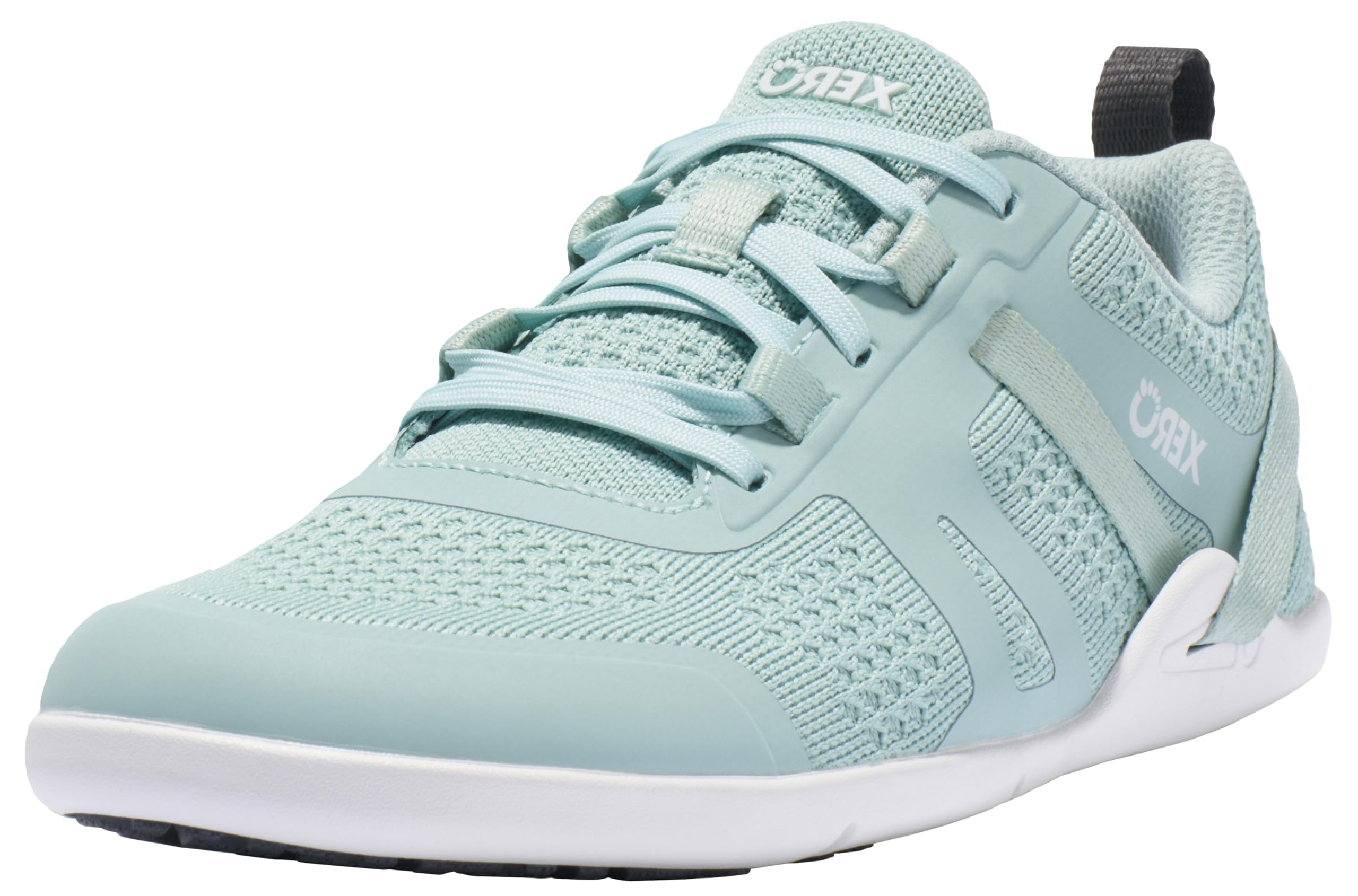
The Prio Neo sits in a sweet spot for nurses who still want a transition-friendly barefoot shoe that doesn’t feel like a complete shock to the system. Its 7mm sole is slightly thicker than the HFS, providing a touch more underfoot protection while still maintaining a zero-drop profile that keeps your heel and forefoot at the same level. The upper uses a stretchy material that one reviewer described as feeling like a slipper with a rubber bottom, which translates to a comfortable lockdown without pressure points across the top of the foot.
The wide toe box specifically accommodates conditions like Morton’s toe and hammer toes, which are common complaints among nurses who have worn pointed or narrow footwear for years. A user with prior foot pain mentioned that after switching from Brooks Glycerine GTS 20, the Prio Neo reduced their heel strike and improved overall stability, even during sprints behind their dog. The removable insoles give you the option to add custom orthotics if you need a touch of arch support during the adaptation period.
One potential drawback is the plastic lace hardware, which a reviewer noted can dig into the top of the foot during the walking motion. This seems to affect a subset of users depending on foot shape, and loosening the laces or using a different lacing pattern can mitigate it. Overall, the Prio Neo is a strong mid-range pick for nurses who want a versatile shoe that works for both the hospital floor and the gym floor.
Why it’s great
- Stretchy upper and wide toe box are comfortable for bunions, hammertoes, and high-volume feet.
- Removable insoles let you add orthotics while maintaining zero-drop geometry.
- Flexible outsole and secure heel cup provide stability during quick lateral movements.
Good to know
- Plastic lace hardware can create pressure on the top of the foot for some wearers.
- Transition period from maximalist shoes requires a slow ramp-up to avoid calf tightness.
3. FLUX FOOTWEAR Adapt Runners
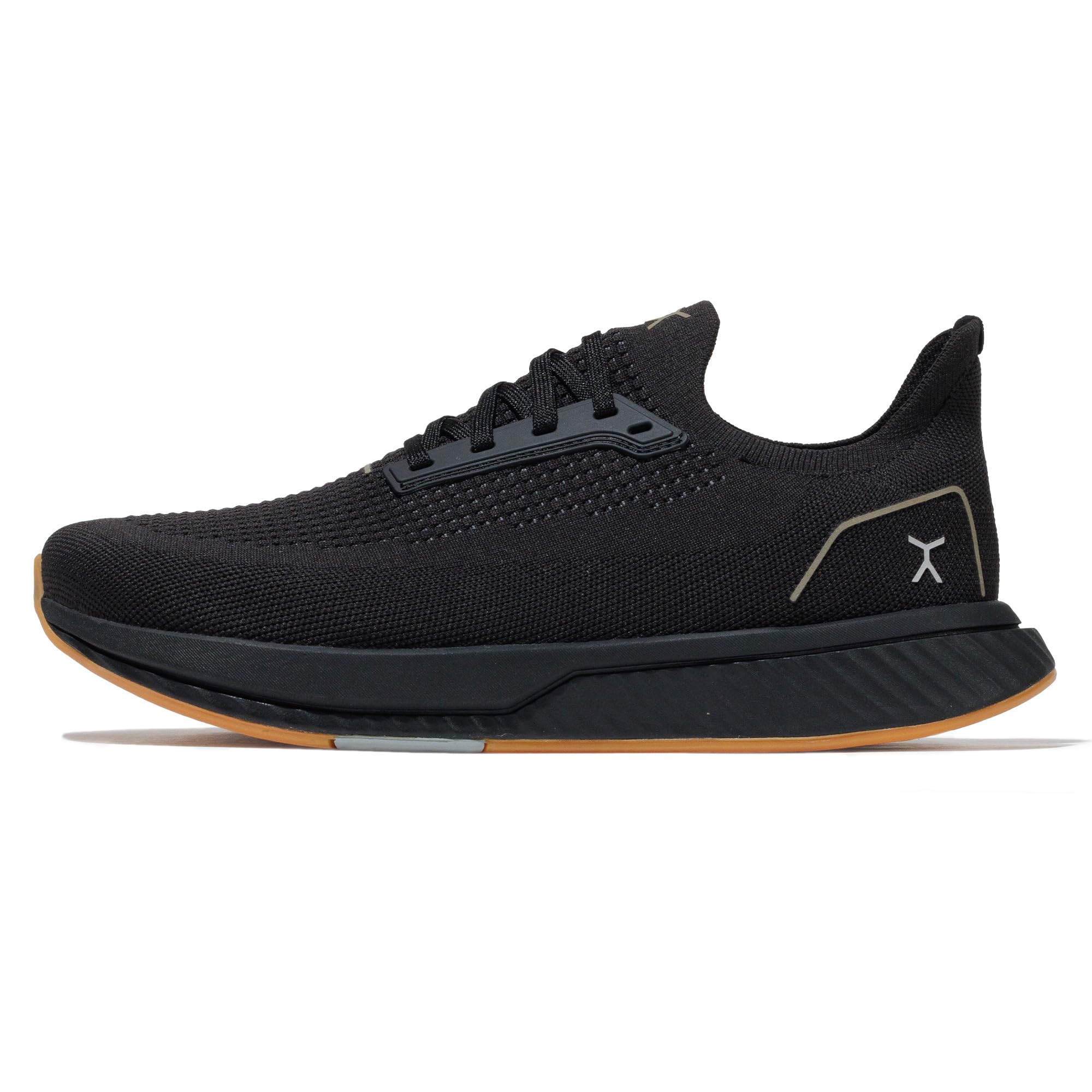
The FLUX Adapt Runners are built for endurance, with a reputation for holding up daily wear for years — one user reported still wearing their first pair after four years of consistent 5-6 mile walks. This longevity matters for nurses who can’t afford to replace their work shoes every three months. The shoe features a truly anatomical toe box that offers plenty of space for splaying, which was specifically cited as a relief for a user with neuropathy who needed room for their toes to spread without pressure.
The outsole is firm but flexible, and the zero-drop platform encourages a natural gait that one automotive painter wearing them for 15k steps a day credited with reducing their knee, back, and foot pain. The upper is constructed from durable materials that resist tearing, and the insoles are replaceable if you need a different level of support. The initial stiffness requires a two-week break-in period, after which the shoe relaxes into a comfortable fit that molds to your foot shape.
There is a reported issue with the ankle collar being too tight for some users, and the lacing system does not allow for easy loosening at the top of the shoe, which could be a deal-breaker for nurses with wider calves or high ankles. Additionally, one long-term user noted the sole began separating at the heel after several months, raising a durability question for anyone expecting a multi-year lifespan. Despite these minor flaws, the Adapt Runners remain a premium option for nurses who prioritize a spacious toe box and zero-drop design for full-day wear.
Why it’s great
- Extremely durable construction with users reporting years of daily use without breakdown.
- Anatomical toe box provides excellent space for toes to splay, helpful for neuropathy and flat feet.
- Zero-drop and flexible outsole reduce knee and back strain over long shifts.
Good to know
- Ankle collar can feel tight and the lacing system lacks easy adjustment at the top.
- Some reports of outsole separation at the heel after heavy daily use.
4. Laforst Gliders in Design Women’s Slip-in Nonslip Work Shoes
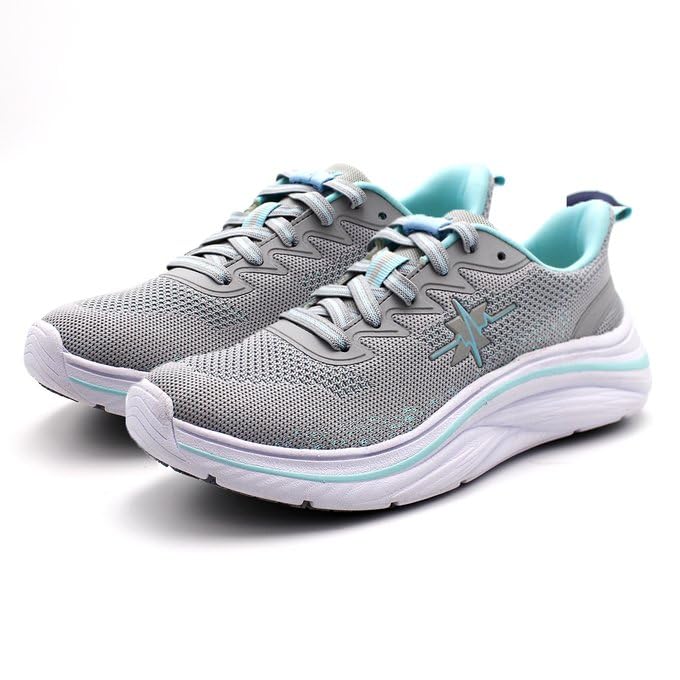
The Laforst Gliders bring a hands-free slip-in design that nurses in fast-paced environments will appreciate for its convenience during quick changes. The shoe features a cushioned 2-inch platform with a built-in arch support system, which is relatively unique within the barefoot category and may appeal to nurses who are not ready to go completely flat. The outsole has a grid-like grip pattern that provides excellent traction on wet surfaces, making it a safe choice for hospital floors prone to spills.
Multiple reviewers, including a CNA on their feet for long shifts, reported that the Gliders eliminated foot pain entirely and provided the kind of all-day comfort that usually requires more expensive brands. The bungee lacing system combined with regular laces gives you the option to customize the fit through the midfoot while keeping the slip-in heel collar secure. The breathable mesh upper helps with moisture management, and the design is described as stylish enough to pair with scrubs or casual work attire.
On the downside, the 2-inch platform means this shoe has a thicker sole than most barefoot purists prefer, which reduces ground feel and may defeat the purpose for someone specifically seeking minimal cushioning. The arch support is also a point of division — some users love it for reducing knee and hip pain, while others feel it interferes with the natural foot mechanics they expect from a barefoot shoe. For nurses who want a hybrid between a conventional work shoe and a minimalist silhouette, the Laforst Gliders offer a compelling middle ground.
Why it’s great
- Hands-free slip-in design saves time during shift changes and quick breaks.
- Grid-like slip-resistant outsole provides excellent traction on wet hospital floors.
- Cushioned platform and arch support reduce leg fatigue for nurses new to barefoot shoes.
Good to know
- Thick 2-inch platform significantly reduces ground feel compared to traditional barefoot shoes.
- Arch support may feel intrusive for users who prefer completely flat, flexible footbeds.
5. Hike Footwear HF Stride – Hands-Off & Ergonomic Barefoot Shoes
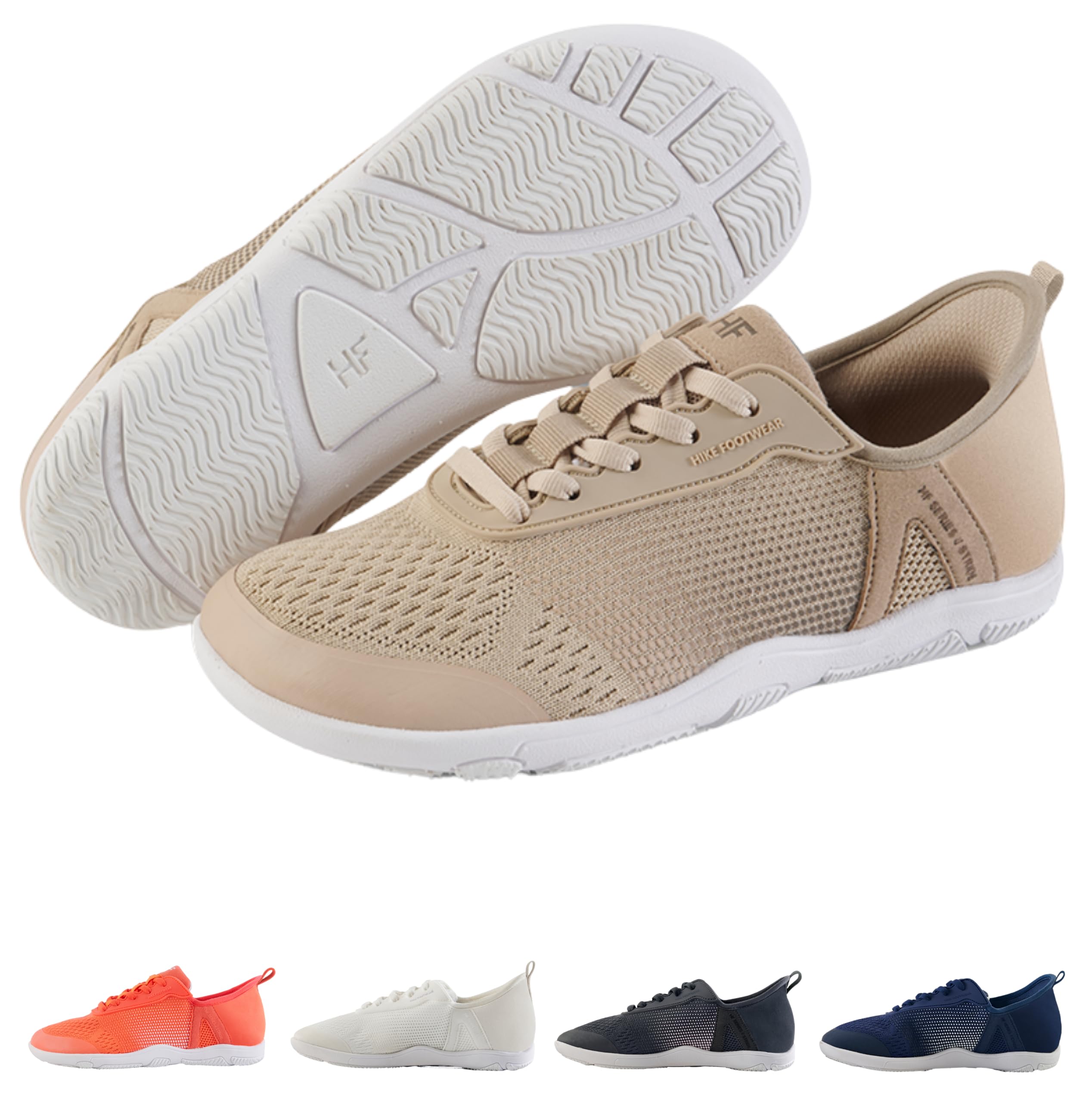
The HF Stride from Hike Footwear is designed around a hands-off slip-in concept that appeals to nurses who want to avoid the hassle of tying laces before every break or shift. The shoe maintains a zero-drop profile and a wide toe box that several users noted helped with balance and stability, especially for seniors or those with balance concerns. The thin sole delivers strong ground feel that a reviewer described as perfect for tile floors, scoring it a 10 out of 10 for that specific surface.
The fit is generous — one user who typically wears an 8-8.5 found a size 9 worked with or without socks, and an 8 would work for barefoot wear. This makes it a good option for nurses who need extra volume in the toe box. The shoe is extremely lightweight, which reduces fatigue during long walks down corridors and between patient rooms. The traction is adequate for dry and slightly damp surfaces, though the outsole is smoother than some competitor models.
The primary complaint revolves around the tongue: one reviewer received a pair with tied laces instead of the pictured slip-in style, and the right shoe’s tongue would not stay centered, making tightening uncomfortable. This QC inconsistency is something to check upon arrival. Overall, the HF Stride is a capable entry-level barefoot shoe for nurses who value convenience and a lightweight build over maximal tread depth or premium materials.
Why it’s great
- Slip-in design eliminates lace-tying time, perfect for fast-paced clinical environments.
- Ultra-light construction reduces drag and foot fatigue during long walking shifts.
- Wide toe box and zero-drop platform improve balance and natural gait mechanics.
Good to know
- Inconsistent QC: some units come with pre-tied laces and a crooked tongue that won’t stay centered.
- Outsole traction is best for tile but may not be aggressive enough for wet outdoor conditions.
6. Hawkwell Women’s Cloud Zero Active Nursing Shoes
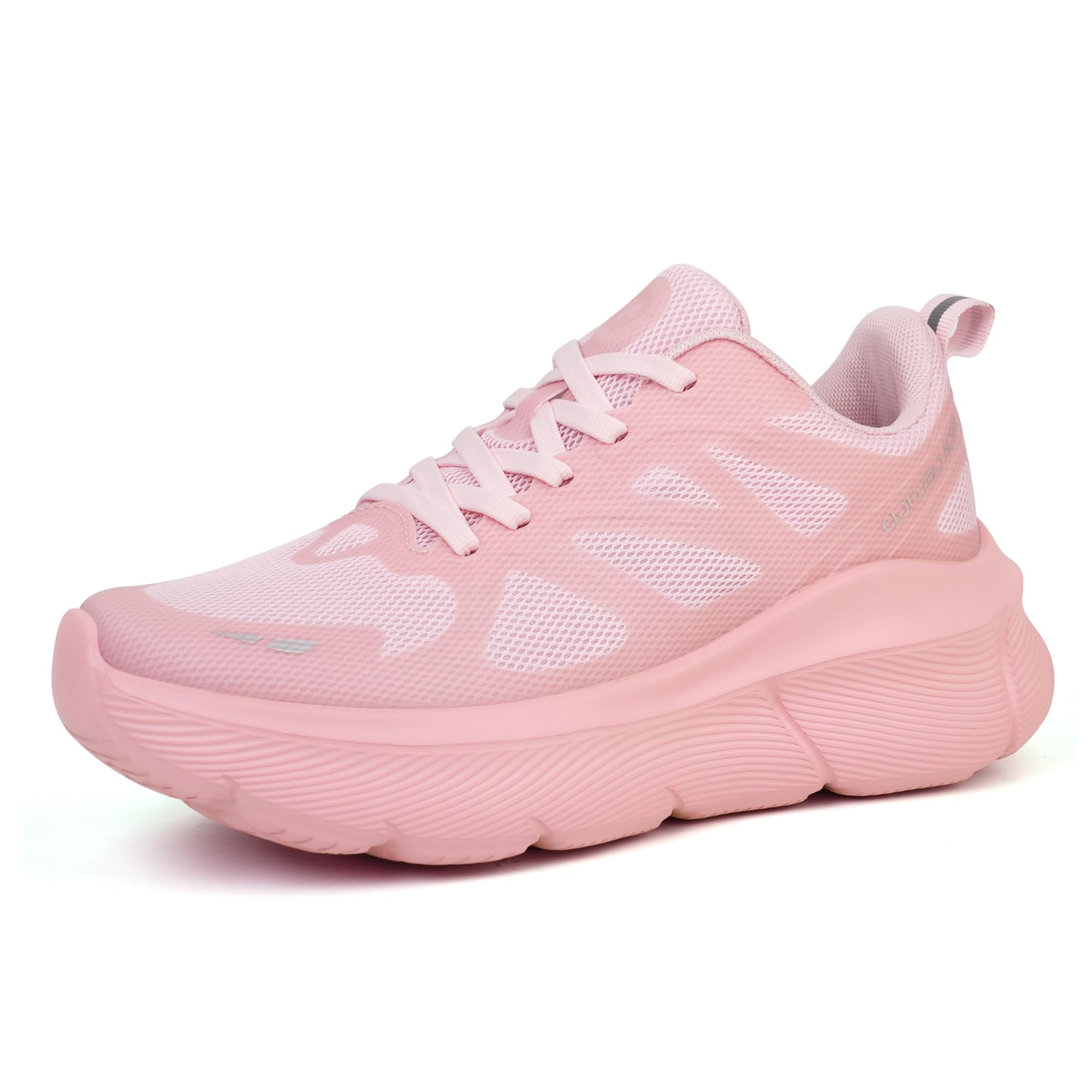
The Hawkwell Cloud Zero Active is explicitly marketed as a nursing shoe, and its combination of breathable mesh, non-slip outsole, and wide width availability makes it a practical entry point for nurses who are budget-conscious but still need a shoe that performs on concrete floors. One reviewer who works in a ballpark on concrete and had Achilles tendon surgery found these shoes comparable to HOKAs in comfort, praising the ankle support and lack of pressure on the surgical site. The shoe includes a cushioned footbed that provides more underfoot padding than a pure minimalist shoe, which may help during the transition phase.
Sizing is inconsistent across colors — one user noted that the lime green version runs half to a full size larger than the same size in other colors, so you may need to order down depending on the colorway you choose. The wide width option satisfied one reviewer with bone-on-bone knees who added Cloud insoles under the stock ones for extra cushioning. The lace-up design keeps the foot secure, but it is not a slip-on, so nurses looking for hands-free convenience will need to consider a different model.
The upper is highly breathable, which is a strong advantage for nurses working in warmer environments or those who tend to sweat heavily during shifts. The non-slip outsole provides adequate grip on typical hospital surfaces, though it is not as aggressive as some work-specific tread patterns. For the price, the Hawkwell Cloud Zero Active delivers a decent balance of cushion, width, and general comfort, but the sizing lottery between colorways is a notable headache to navigate.
Why it’s great
- Affordable price point makes it accessible for nurses on a tight budget.
- Breathable mesh upper helps manage foot moisture during long shifts.
- Wide width option and cushioned footbed provide good comfort for transitioning users.
Good to know
- Sizing varies significantly between colorways, requiring careful ordering and possible returns.
- Not a true barefoot shoe — has a thicker cushioned footbed that reduces ground feel.
7. Women Wide-Toe Box Walking Athletic Sneakers
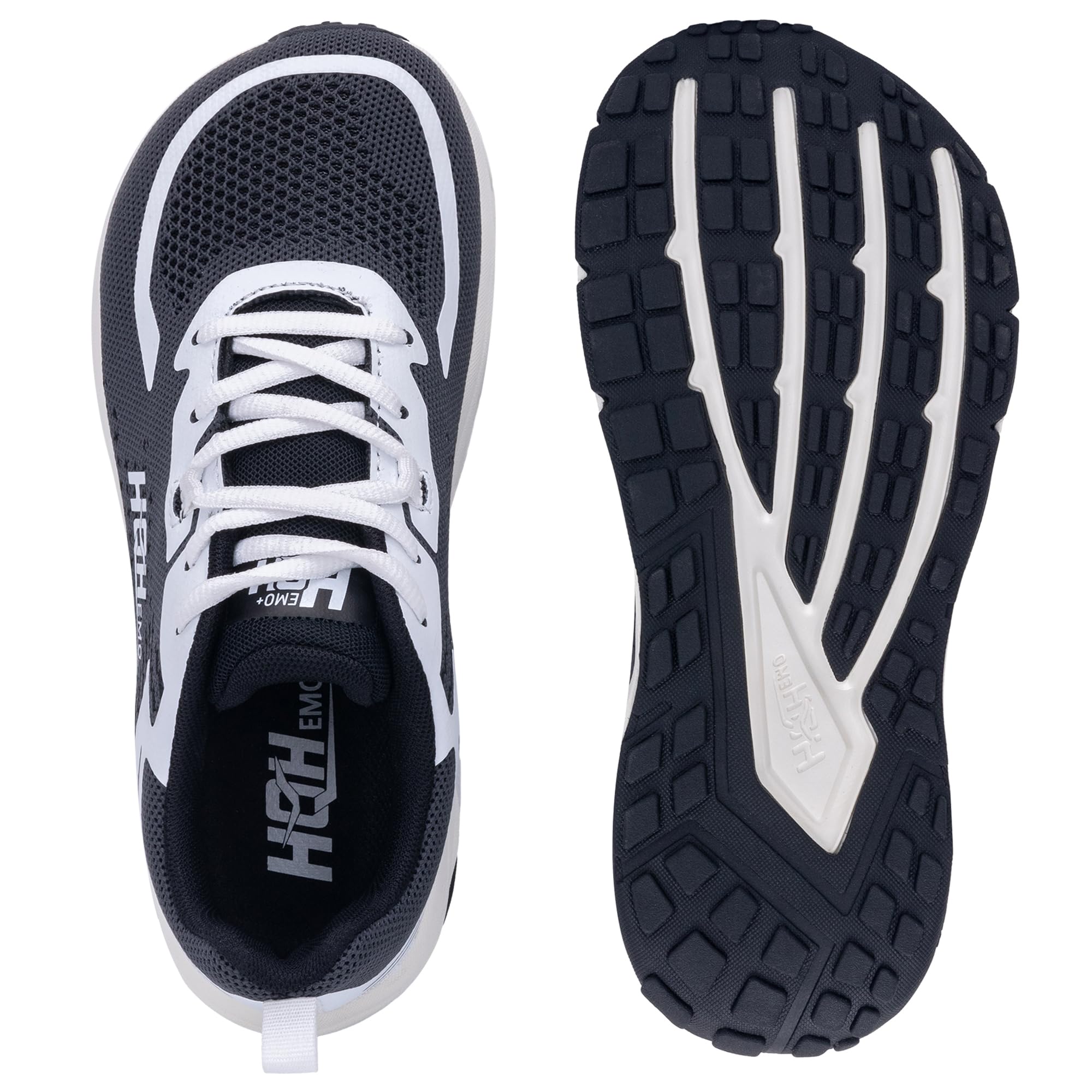
This generic-branded wide-toe box sneaker is the most budget-friendly option in the list and serves as a valid entry point for nurses who want to test the wide-toe-box concept without making a significant financial commitment. The shoe features a thick sole with decent arch support, which several reviewers appreciated for its cushioning and bouncy feel during walks. The non-slip tread is functional on most surfaces, and the lightweight build makes it easy to move in during a typical shift.
The wide toe box is genuinely large — one reviewer described it as firm material that required loosening the laces all the way to accommodate their foot, but once adjusted, it provided relief from foot pain. Another user who was pregnant and dealing with extreme swelling found these shoes wide enough to fit comfortably, though they noted the support was average and would be improved with sole inserts. The sizing runs large, so ordering a half size down is a common recommendation from multiple verified purchasers.
The most significant caveat is that several users mentioned the shoe has minimal arch support and feels unsupportive for long periods of standing. This is a typical trait of budget barefoot-style shoes, but it could lead to foot fatigue for nurses who are not used to zero-cushion walking. The materials feel firm and less premium than higher-priced competitors, but for the price, the shoe delivers a surprisingly functional wide toe box that can accommodate swollen or wide feet without breaking the bank.
Why it’s great
- Extremely wide toe box accommodates swollen feet, bunions, and high-volume feet comfortably.
- Lightweight build and non-slip tread are functional for everyday nursing tasks.
- Budget-friendly price allows for low-risk experimentation with the barefoot style.
Good to know
- Minimal arch support may cause foot fatigue during extended standing periods without inserts.
- Sizing runs large; ordering a half size down is necessary for most users to achieve a proper fit.
FAQ
How long does it take to transition to barefoot shoes for a nursing shift?
Can barefoot shoes provide enough slip resistance for wet hospital floors?
Should I buy barefoot shoes a size larger for swelling during a shift?
Final Thoughts: The Verdict
For most users, the barefoot shoes for nurses winner is the Xero HFS Original because its 5.5mm sole and zero-drop platform provide the most effective ground feedback while still offering enough protection for a full clinical shift. If you want a shoe with a slightly thicker sole and the ability to add custom orthotics, grab the Xero Prio Neo. And for a hands-free design that combines slip-in convenience with dedicated slip resistance, nothing beats the Laforst Gliders in Design.

Mo Maruf
I created WellFizz to bridge the gap between vague wellness advice and actionable solutions. My mission is simple: to decode the research and give you practical tools you can actually use.
Beyond the data, I am a passionate traveler. I believe that stepping away from the screen to explore new environments is essential for mental clarity and physical vitality.