Our readers keep the lights on and my smoothie glass nicely filled. As an Amazon Associate, I earn from qualifying purchases.
The struggle with traditional shoes is that they compress your toes, weaken your arches, and hide every surface texture under a mountain of foam. Barefoot shoes reverse that entirely by mimicking the natural shape and sensory feedback of walking unshod, which can improve balance and foot strength over time. The challenge is finding a pair that fits your daily life—whether that means commuting, training, or walking the dog—without looking like foot gloves.
I’m Mohammad Maruf — the founder and writer behind WellFizz. I’ve spent hundreds of hours analyzing sole compounds, toe-box geometry, and ground-feel metrics across dozens of minimalist footwear models to find the pairs that actually deliver on their promise of natural movement.
My goal is to help you cut through the marketing fluff and identify the best barefoot shoes for everyday use—grounded in real-world customer feedback and measurable specs that actually matter.
How To Choose The Best Barefoot Shoes For Everyday Use
Choosing the right pair for daily wear means looking past the brand name and focusing on how the shoe fits your specific foot shape, your typical walking surfaces, and your tolerance for sensory feedback. Here are the three factors that separate a daily-driver from a novelty shoe.
Toe Box Shape and Volume
The most critical spec for everyday comfort is the toe box. A truly barefoot shoe must allow your toes to splay naturally when weight is on your foot. Look for a foot-shaped toe box—not just a rounded front—that provides enough vertical room for your toes to stack and move. If the toe box tapers like a conventional sneaker, the shoe is not barefoot, regardless of how thin the sole is.
Sole Thickness and Ground Feel
Everyday use demands a balance between sensory feedback and protection. Soles between 4mm and 8mm thick offer good ground feel while still shielding you from sharp pebbles and hot pavement. Thinner soles (under 4mm) provide maximum sensory input but can be uncomfortable on rough urban surfaces. Thicker soles (over 8mm) start to dampen the feedback that makes barefoot shoes effective for improving gait and balance.
Upper Material and Breathability
Since you will wear these shoes for hours daily, the upper material matters for temperature regulation and odor control. Leather uppers offer durability and a more polished look, but they retain heat and can run the risk of uneven coloration from moisture. Mesh uppers breathe well and dry quickly, but they tend to collect debris like sand and seeds. For all-day wear in mixed conditions, a suede or synthetic breathable upper can be the sweet spot.
Quick Comparison
On smaller screens, swipe sideways to see the full table.
| Model | Category | Best For | Key Spec | Amazon |
|---|---|---|---|---|
| Flux Adapt Graphene XT | Cross Trainer | Gym & HIIT | Graphene grip sole, 3.5mm thick | Amazon |
| Astral Loyak | Water Sports | Sailing & river use | Siped sole, quick-drying mesh | Amazon |
| Xero Prio Neo Women’s | Training | Daily training & walking | 5.5mm FeelTrue® sole | Amazon |
| Xero Prio Suede | Men’s Athletic | Urban walking & errands | Suede upper, huarache straps | Amazon |
| New Balance Minimus TR V2 | Training | Gym & light lifting | 4mm drop, Vibram® outsole | Amazon |
| Hike Footwear HF Stride | Unisex Casual | Seniors & balance support | Ultra-light, slip-in design | Amazon |
| XPETI Zen Leather | Casual Leather | Budget pick for style | Leather upper, knobby sole | Amazon |
In‑Depth Reviews
1. Flux Adapt Graphene XT
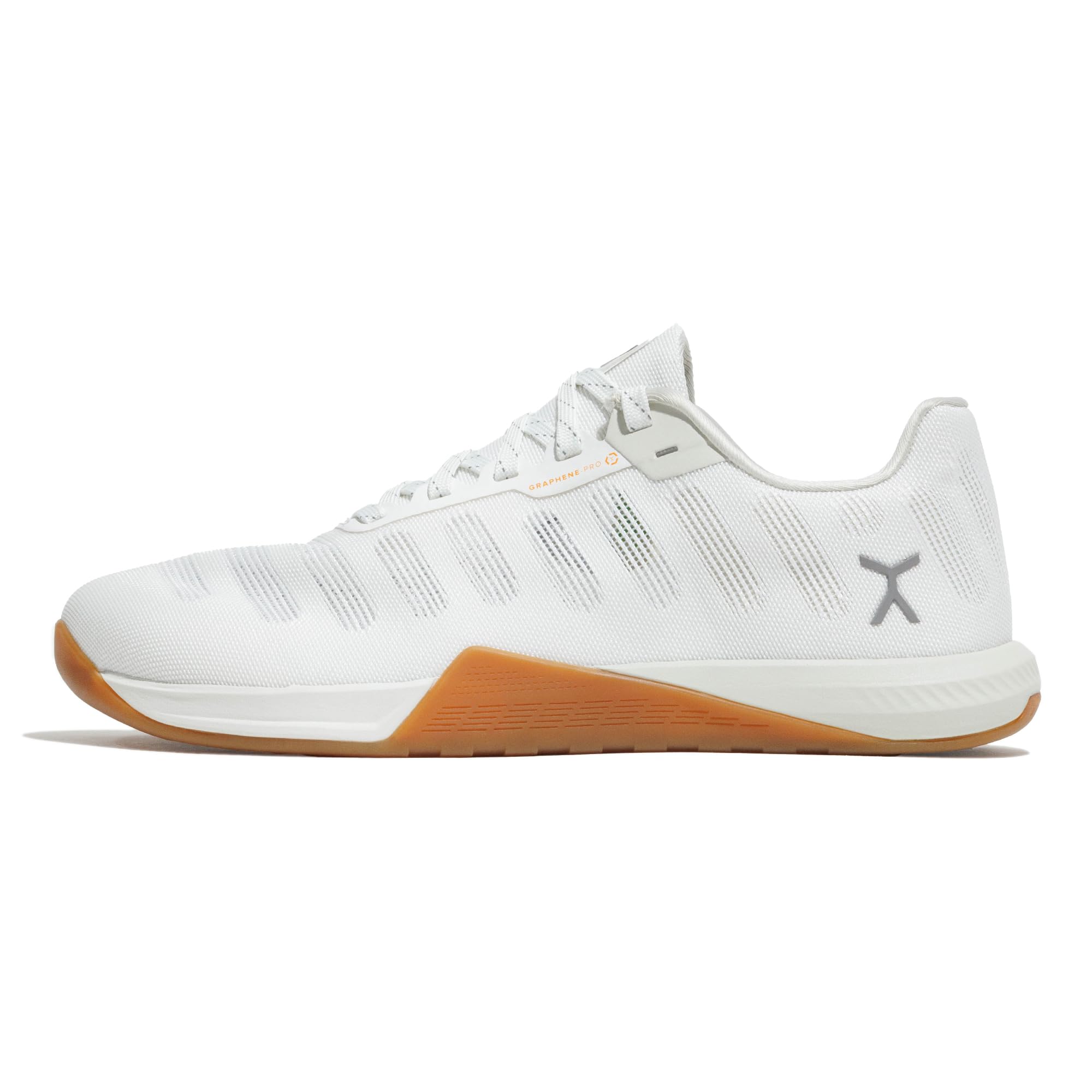
The Flux Adapt Graphene XT sits at the premium end of the spectrum, and its price is justified by the material choices. The sole incorporates graphene particles, which provides an exceptional level of grip on gym floors and paved surfaces while maintaining a thin 3.5mm profile for near-direct ground feedback. The ballistic mesh upper is rugged enough to withstand CrossFit drops and lateral slides without tearing, yet the shoe weighs only a touch over 10 ounces, keeping it nimble for daily errands.
Across customer reports, sizing is the main friction point: the included size chart tends to run long, so ordering a half size down from your usual measurement is wise. The ankle collar is cut higher than many minimalist shoes, which some users with prominent ankle bones found irritating during the break-in period. For those who get the fit right, the durability of the sole after six months of heavy gym use is impressive—nearly zero measurable wear.
Gym-goers who also need a shoe for quick walks to the store or short urban commutes will appreciate the stability during lateral movements and the complete lack of foot pain, even for high-arched wearers. The Flux is not a shoe for soggy trails or wet grass—its grip, while excellent on dry surfaces, loses traction on slick terrain. If your everyday routine is gym-centric with pavement in between, this is a top contender.
Why it’s great
- Graphene sole provides extraordinary grip and durability.
- Ballistic mesh is breathable and tough enough for CrossFit.
- Nearly zero sole wear after 6 months of heavy use.
Good to know
- Sizing runs long; check the chart and potentially order a half size down.
- High ankle collar can irritate prominent malleolus bones.
- Weak grip on wet or slippery surfaces.
2. Astral Loyak
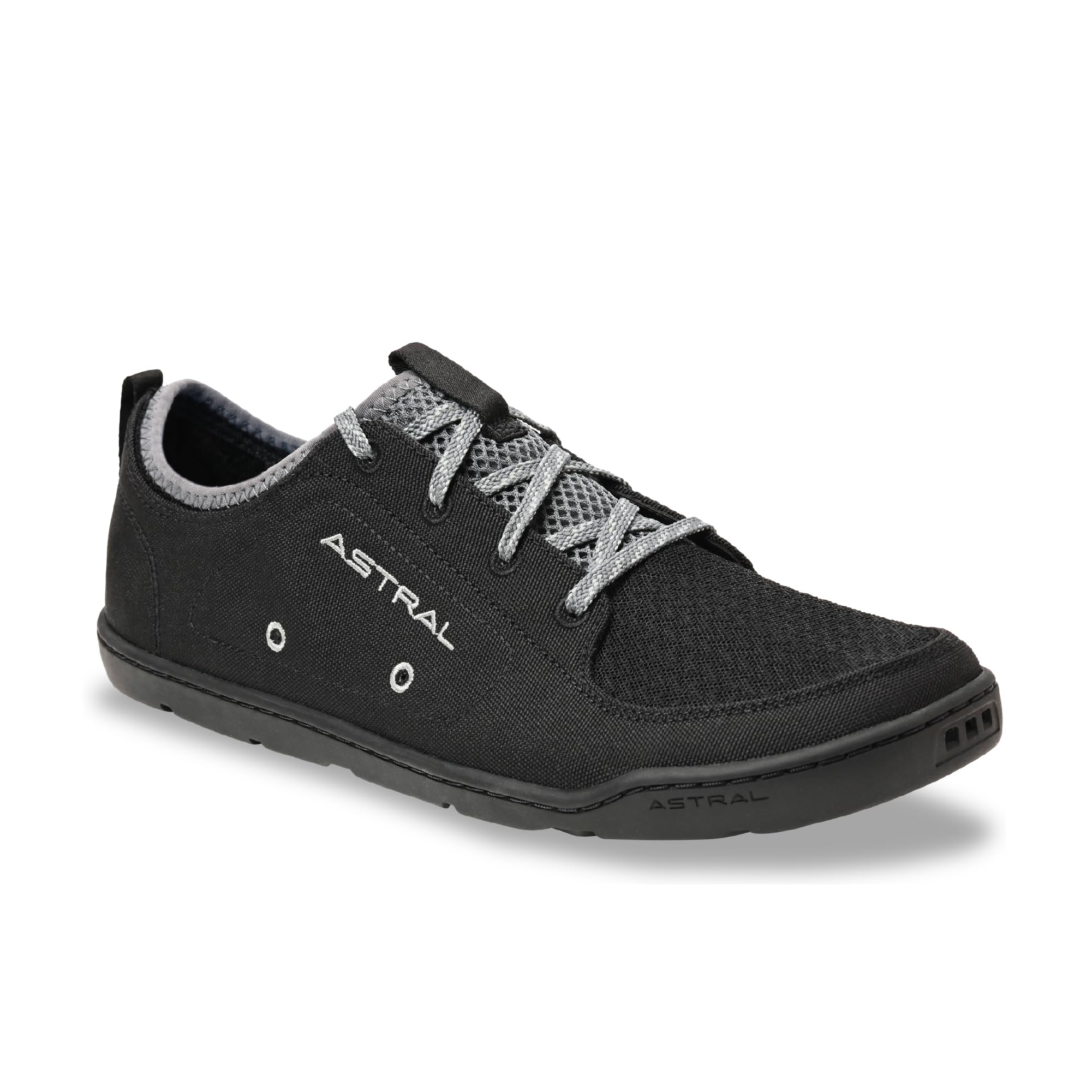
The Astral Loyak is a specialized tool for people who need barefoot performance on wet, unstable surfaces. Its defining feature is the siped sole—a pattern of thin grooves that act like tire sipes to grip slick rock, moss-covered concrete, and boat decks. This gives the wearer a remarkable stability advantage on steep, wet inclines that would cause a standard smooth-soled barefoot shoe to slide out. The mesh upper drains water effectively, allowing the shoe to dry rapidly after submersion.
Customers consistently praise the grip on paddleboards, where one user reported managing a 45-degree stability angle compared to a typical 30-degree limit with other shoes. The wide toe box is generous enough for larger male feet (size 12 and above) without cramping. The trade-off for this specialized performance is that the mesh collects seeds and sand, and several users found that wearing the shoe wet for extended periods—over 11 hours—caused friction blisters on the toes.
For everyday use that involves river crossings, kayaking, sailing, or any activity where water and slippery surfaces are the norm, the Loyak is unmatched. On dry pavement or for all-day office wear, the mesh and drainage holes feel less refined than a leather or suede alternative. Size up half a full number from your usual measurement, as the shoe reportedly runs large.
Why it’s great
- Siped sole delivers exceptional grip on wet rocks and boat decks.
- Mesh upper drains water and dries quickly.
- Wide toe box fits larger feet comfortably.
Good to know
- Runs large; order a half to full size down.
- Mesh collects sand and seeds in dry, dusty environments.
- Prolonged wet wear can cause toe blisters.
3. Xero Shoes Women’s Prio Neo
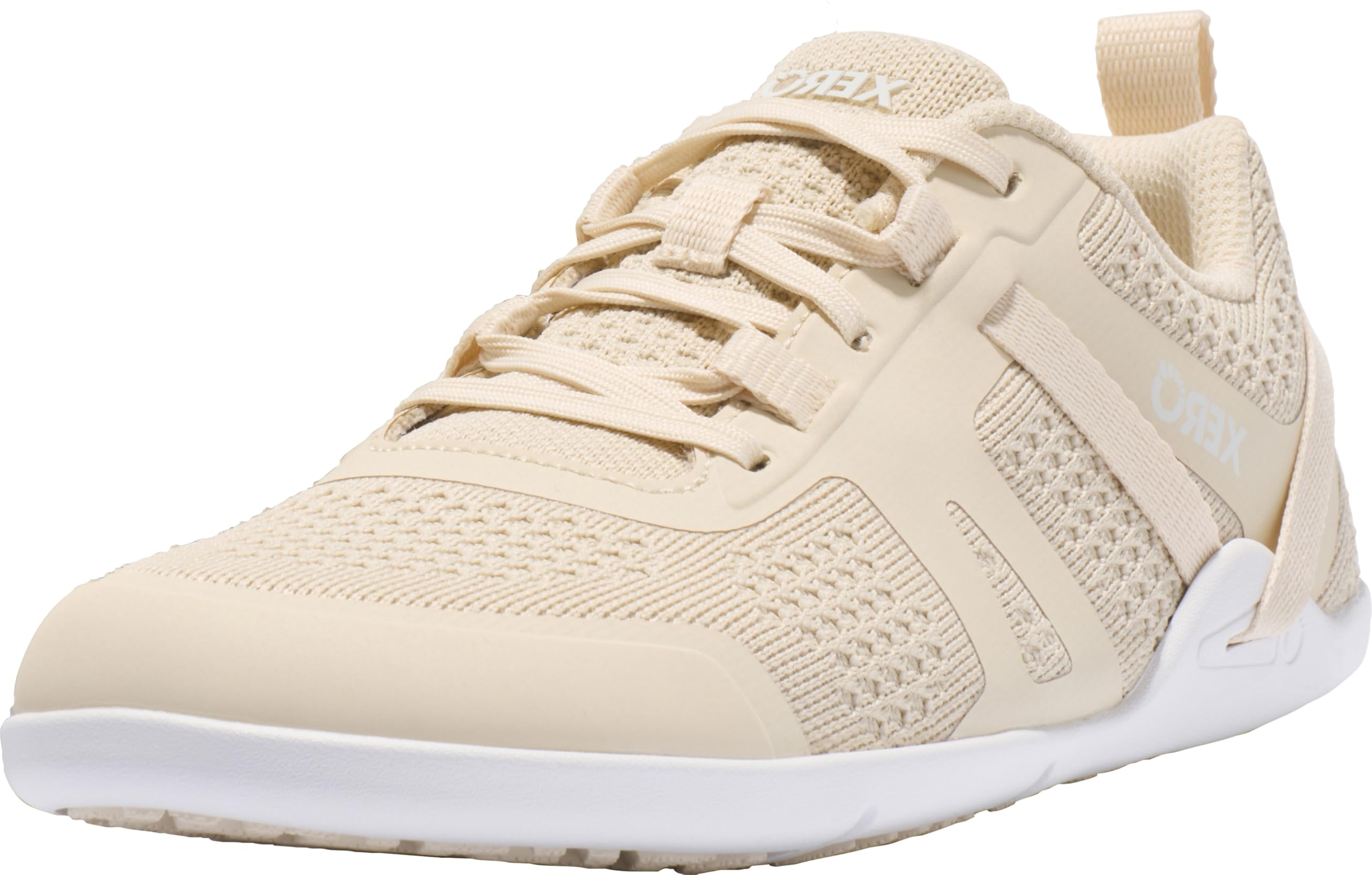
The Xero Prio Neo is the closest you can get to a universal daily barefoot shoe. Its 5.5mm FeelTrue® sole provides a balanced ground feel that is protective enough for pavement walks but thin enough to sense texture changes. The stretchy upper material conforms to the foot’s volume, offering a sock-like fit that accommodates conditions like Morton’s toe and hammer toes without pressure points. Customers consistently describe them as “slippers with a rubber bottom” for good reason.
Several customers noted a necessary transition period: if you are coming from heavily cushioned shoes like the Brooks Glycerine, expect calf and knee soreness for the first week as your gait shifts away from heel-striking. Removing the included insole creates an even more direct feel, though the laces are reported to be comically long and prone to coming undone when stepped on. The beige color option pairs naturally with jeans, and the padding around the ankle is generous enough to prevent heel slip during sudden sprints.
For daily wear that includes walking on concrete, short runs after a dog, gym sessions, and casual errands, the Prio Neo does everything competently. The only area it falls short is extreme cold—the upper is too breathable for winter use, and the thin sole offers no insulation. If you maintain one pair of barefoot shoes for three-season daily wear, this is the one.
Why it’s great
- 5.5mm sole hits the sweet spot for protection and ground feel.
- Stretchy upper accommodates toe deformities comfortably.
- Secure heel fit prevents slip during quick movements.
Good to know
- Transition period required from cushioned shoes; expect initial soreness.
- Laces are excessively long and may untie when stepped on.
- Upper too breathable for cold weather use.
4. Xero Shoes Men’s Prio Suede
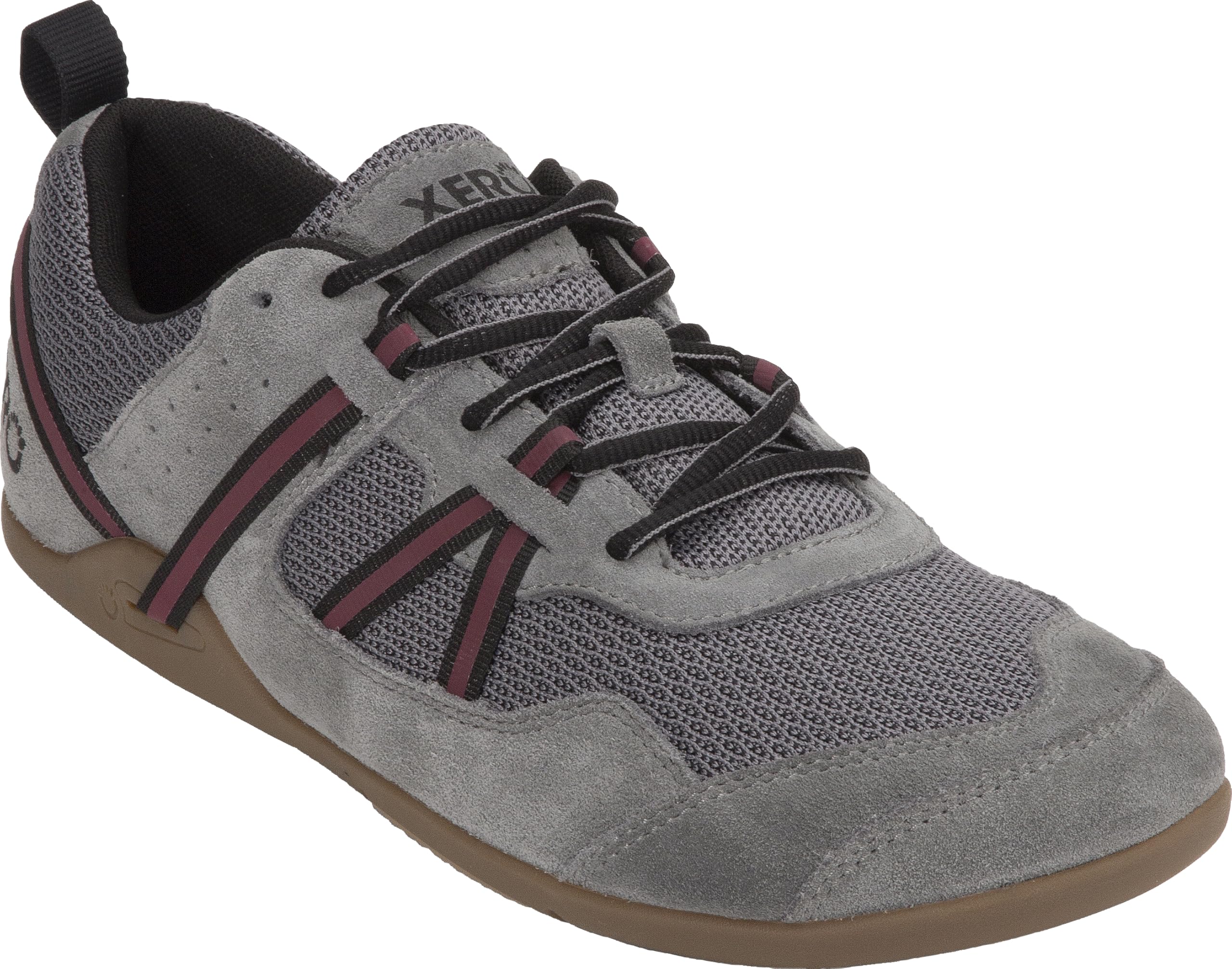
The men’s Prio Suede brings many of the same benefits as the Neo but trades the stretchy upper for a more traditional suede material that looks at home with casual jeans or chinos. The toe box is wide enough to allow full splay without looking clownish, and the huarache-style lacing straps offer a customizable fit that securely locks the midfoot. Users who spend eight-hour shifts walking on concrete warehouse floors report significantly reduced foot and joint fatigue after switching to these.
The suede is reasonably durable, but the weakest structural point is the huarache strap attachment—a small concern for rock climbers who put heavy lateral torque on the shoe. The sole is the same 5.5mm FeelTrue® as the Neo, giving identical ground feel and protection. A word of caution: the tread pattern does not perform well on vinyl or polished concrete with oil residue, so if your workplace has slick industrial floors, look elsewhere.
For urban walking, light hiking, and everyday errands, the Prio Suede offers the best value in the lineup. The suede upper requires a bit more care to keep its color even after rain exposure, but the construction is otherwise solid. If you need a sharp-looking barefoot shoe that still feels like a barefoot shoe, this is the pick.
Why it’s great
- Stylish suede upper pairs well with casual outfits.
- Wide toe box allows functional toe splay without a bulky look.
- Huorache straps provide a secure, customizable midfoot fit.
Good to know
- Sole slips on slick, oily surfaces like vinyl floors.
- Huorache strap attachments are a potential weak point for lateral load.
- Suede color can become uneven after exposure to rain.
5. New Balance Minimus TR V2

The New Balance Minimus line has a devoted following, and the TR V2 iteration continues that tradition with a 4mm drop zero-drop platform and a wide, grippy Vibram® outsole. This shoe is best suited for gym training—think P90x, lifting, and agility drills—where the flat, stable base provides a solid foundation for deadlifts and squats. The neoprene tongue is comfortable against the instep, and the lightweight build makes it easy to pack in a gym bag.
Where this shoe splits opinion is its sizing and the direction of its design evolution. Many customers strongly advise ordering a full size up and one width wider than your usual New Balance size, as the V2 runs notably small. Additionally, purists who loved the original Minimus V1 criticized the V2 for being “beefier, stiffer, and more padded”—essentially moving away from the minimalist ethos. If you want a true barefoot feel, this is a borderline candidate in terms of stack height and stiffness.
For daily gym use and casual wear where you need a recognizable brand and solid grip on dry surfaces, the Minimus TR V2 works. It is not the right choice for long runs, nor for people who want the thinnest possible sole. Consider it a transitional barefoot shoe—closer to a zero-drop trainer than a true minimalist shoe.
Why it’s great
- Vibram outsole provides reliable grip on dry gym floors.
- Zero-drop platform supports natural lifting posture.
- Lightweight and easy to pack for gym sessions.
Good to know
- Runs small and narrow; order a full size up and wider width.
- More padded and stiffer than the original Minimus—less minimalist.
- Not suitable for long-distance running.
6. Hike Footwear HF Stride
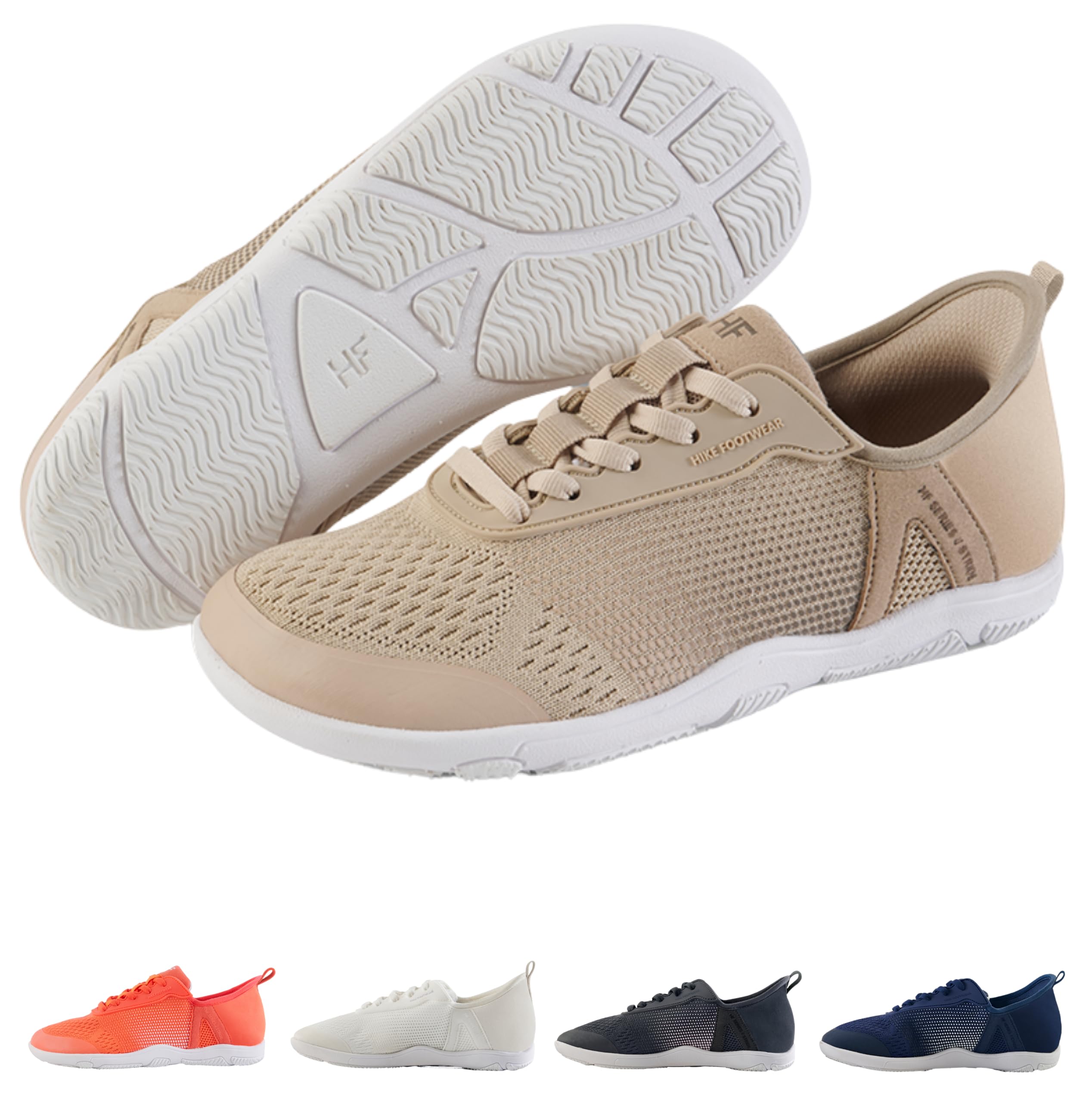
The Hike Footwear HF Stride is the most accessible entry-point to barefoot footwear, both in terms of price and ease of use. Its slip-in design eliminates the need for tying laces, making it an excellent option for seniors or anyone with dexterity challenges. The wide toe box is genuinely foot-shaped, providing ample room for toe splay, and the ultra-light construction makes it feel unobtrusive on the foot—several customers specifically noted improved balance and walking stability after switching to these shoes.
However, the build quality reflects the budget-friendly positioning. The most common complaint concerns the tongue, which tends to slide to one side and cannot be centered easily because the laces are decorative or tied in a way that prevents adjustment. One customer reported receiving shoes with laces already tied (different from the advertised slip-in photo), which reduces the ease-of-use benefit. Additionally, the fit runs slightly large, so consider sizing down half a size if you intend to wear them without socks.
For someone who wants to test the barefoot lifestyle without a major financial commitment, or for a senior looking for improved balance and a shoe that slides on easily, the HF Stride delivers. It is not the most durable or refined option, but for the price, the functional toe box and ground feel are competitive.
Why it’s great
- Easy slip-in design ideal for seniors and those with limited mobility.
- Wide, foot-shaped toe box allows natural toe splay.
- Lightweight construction feels unobtrusive all day.
Good to know
- Crooked tongue issue common; hard to keep centered.
- Runs slightly large; consider sizing down for sockless wear.
- Laces may come pre-tied, conflicting with the advertised slip-in promise.
7. XPETI Men’s Zen Leather
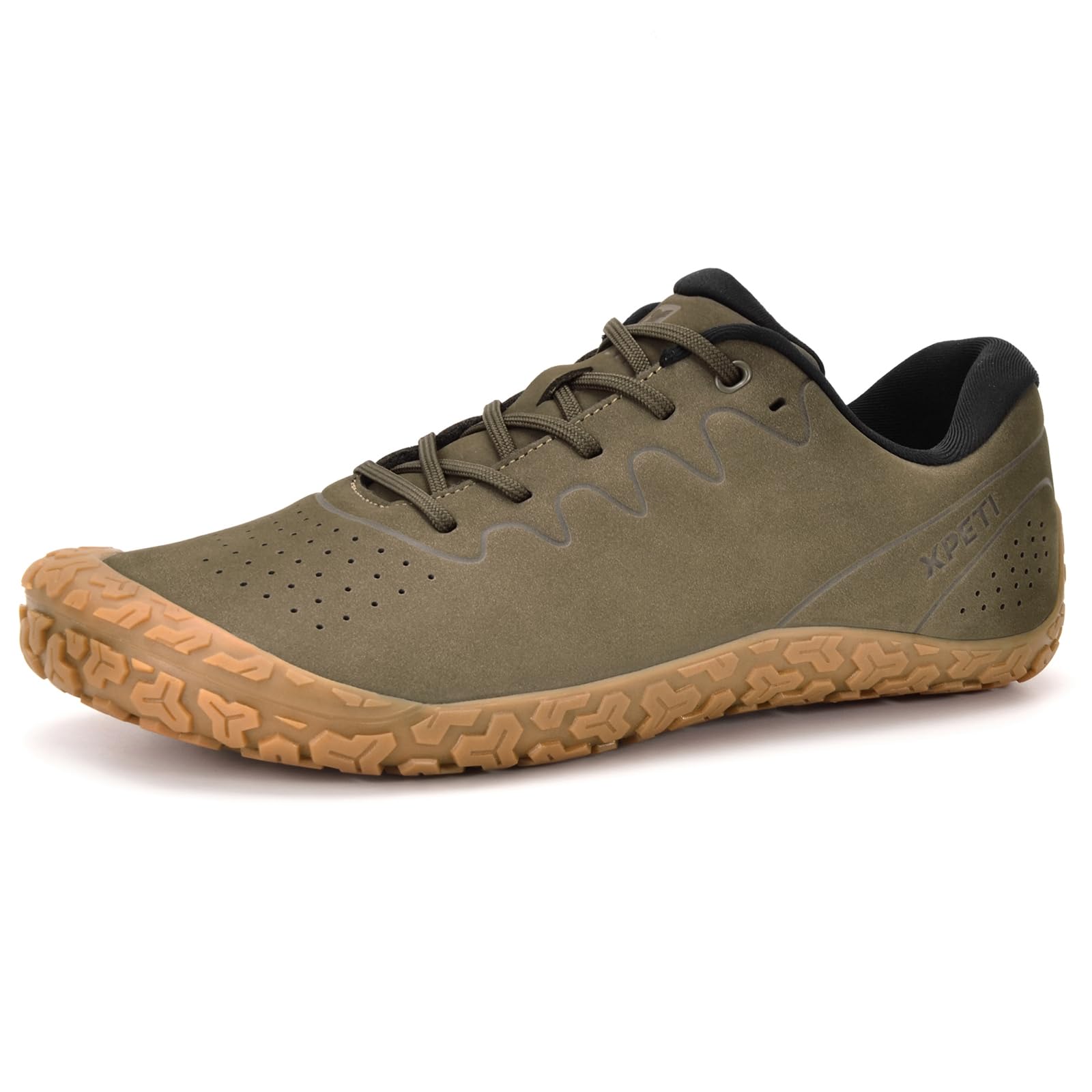
The XPETI Zen Leather is the most budget-conscious option in this roundup, yet it manages to deliver a convincing barefoot experience for a low entry point. The leather upper looks sharp enough for most casual settings, and the zero-drop platform with a thin sole provides the tactile feedback that barefoot enthusiasts seek. The knobby outsole pattern grips bike pedals well, which several users noted as an unexpected benefit for short commutes.
The biggest compromise is the toe box. While the shoe is advertised as barefoot, multiple customers reported that the toe box was “alarmingly small” and would not accommodate natural toe splay—a critical failure for a shoe in this category. The leather upper also showed uneven coloration after exposure to rain, which may be a dealbreaker for users who want a polished look. On the positive side, those with narrower feet who could fit found the material comfortable and the overall construction to be a great value.
If you have narrow to average-width feet and want to try barefoot shoes on a tight budget, the XPETI Zen Leather is a passable starting point. If you have wide feet or prioritize toe splay, skip this model and invest a bit more in a shoe with a genuinely foot-shaped toebox. Consider it a budget gateway, not a long-term daily driver.
Why it’s great
- Leather upper offers a sharp, casual look for daily wear.
- Knobby outsole grips well on bike pedals and pavement.
- Zero-drop platform provides authentic ground feel.
Good to know
- Toe box is small and does not allow adequate toe splay.
- Leather upper shows uneven color after rain exposure.
- Best suited for narrow to average-width feet only.
FAQ
How do I transition from cushioned shoes to barefoot shoes without injury?
Can barefoot shoes correct flat feet or fallen arches?
Why do some barefoot shoes cause blisters at the heel?
Final Thoughts: The Verdict
For most users, the best barefoot shoes for everyday use winner is the Xero Shoes Women’s Prio Neo because it combines a perfectly balanced 5.5mm sole with a stretchy upper that fits a wide range of foot shapes, making it comfortable for walking, light training, and casual outings alike. If you need a shoe that excels on wet surfaces and during water activities, grab the Astral Loyak. And for a budget-friendly entry point with a leather look, nothing beats the XPETI Zen Leather for its price-to-feature ratio.

Mo Maruf
I created WellFizz to bridge the gap between vague wellness advice and actionable solutions. My mission is simple: to decode the research and give you practical tools you can actually use.
Beyond the data, I am a passionate traveler. I believe that stepping away from the screen to explore new environments is essential for mental clarity and physical vitality.