Our readers keep the lights on and my smoothie glass nicely filled. As an Amazon Associate, I earn from qualifying purchases.
Bunions demand footwear that stops squeezing the moment your foot hits the ground. Standard athletic shoes with narrow toe boxes compress the metatarsal heads, aggravating the bony prominence and inflaming the joint with every step. Switching to a shoe that allows toes to splay naturally and eliminates heel elevation can reduce pain at the bunion site and prevent further deviation of the big toe.
I’m Mohammad Maruf — the founder and writer behind WellFizz. I work through hundreds of customer reviews and spec sheets to find footwear designs that actually relieve bunions rather than just looking the part.
A wide toe box and a zero-drop sole are the two non-negotiable traits for bunion relief, and this guide isolates the models that deliver both without sacrificing traction or daily comfort. Welcome to the best barefoot shoes for bunions.
How To Choose The Best Barefoot Shoes For Bunions
Not every minimalist shoe is kind to a bunion. A shoe that claims to be barefoot-style but still tapers at the toes will crush the bunion site just as badly as a conventional sneaker. Prioritize these three factors to ensure real relief.
Toe Box Shape vs. Width
Many buyers confuse a wide width (D, 2E, 4E) with a foot-shaped toe box. A shoe can be wide in the midfoot but still taper sharply at the toes, leaving the hallux valgus compressed. Look for a toe box that is visibly wider at the tip than the ball of the foot — a “foot-shaped” last. A thumb’s width of space beyond the longest toe and lateral room for the fifth metatarsal are reliable benchmarks.
Stack Height and Zero-Drop Geometry
Barefoot shoes typically have a stack height of 8–18 mm and zero heel-to-toe drop. A low stack improves ground feedback, which encourages a forefoot or midfoot strike and reduces the impact load transmitted through the first metatarsophalangeal joint. Shoes with any drop above 4 mm shift weight forward and increase pressure on the bunion. For bunion sufferers, the flatter the platform the better.
Upper Material and Seam Construction
Rigid leather or thick mesh with internal seams can rub directly against the bunion protrusion, causing blistering and inflammation. Soft knit, stretch-woven mesh, or engineered sock uppers minimize friction. Flatlock stitching and seamless interiors around the medial forefoot are ideal. If the shoe has a stitched overlay near the big toe joint, it may cause irritation even if the box is wide.
Quick Comparison
On smaller screens, swipe sideways to see the full table.
| Model | Category | Best For | Key Spec | Amazon |
|---|---|---|---|---|
| FLUX FOOTWEAR Adapt Runners | Premium | All-day travel & high-mileage walking | 4+ year durability reported | Amazon |
| Xero Shoes Prio Neo | Mid-Range | Gym training & transition from traditional shoes | Removable 3mm insole | Amazon |
| Orthopedic Wide Toe Box Walking Shoe | Mid-Range | Plantar fasciitis & long standing hours | TPU arch support + 3mm orthotic insert | Amazon |
| NORTIV 8 Whitney | Budget-Friendly | Trail hiking & healthcare work shifts | 5mm drop + aggressive lugs | Amazon |
| Women’s Wide-Toe Box Athletic Sneaker | Mid-Range | Heat-friendly walking & pregnancy swelling | 1.54 lb weight, thick sole | Amazon |
| Hike Footwear HF Stride | Budget-Friendly | Indoor daily wear & balance improvement | Ultra-light unisex design | Amazon |
| Hike Footwear HF Signature | Budget-Friendly | Errand walking & barefoot feel indoors | Slipper-like knit upper | Amazon |
In‑Depth Reviews
1. FLUX FOOTWEAR Adapt Runners for Women and Men
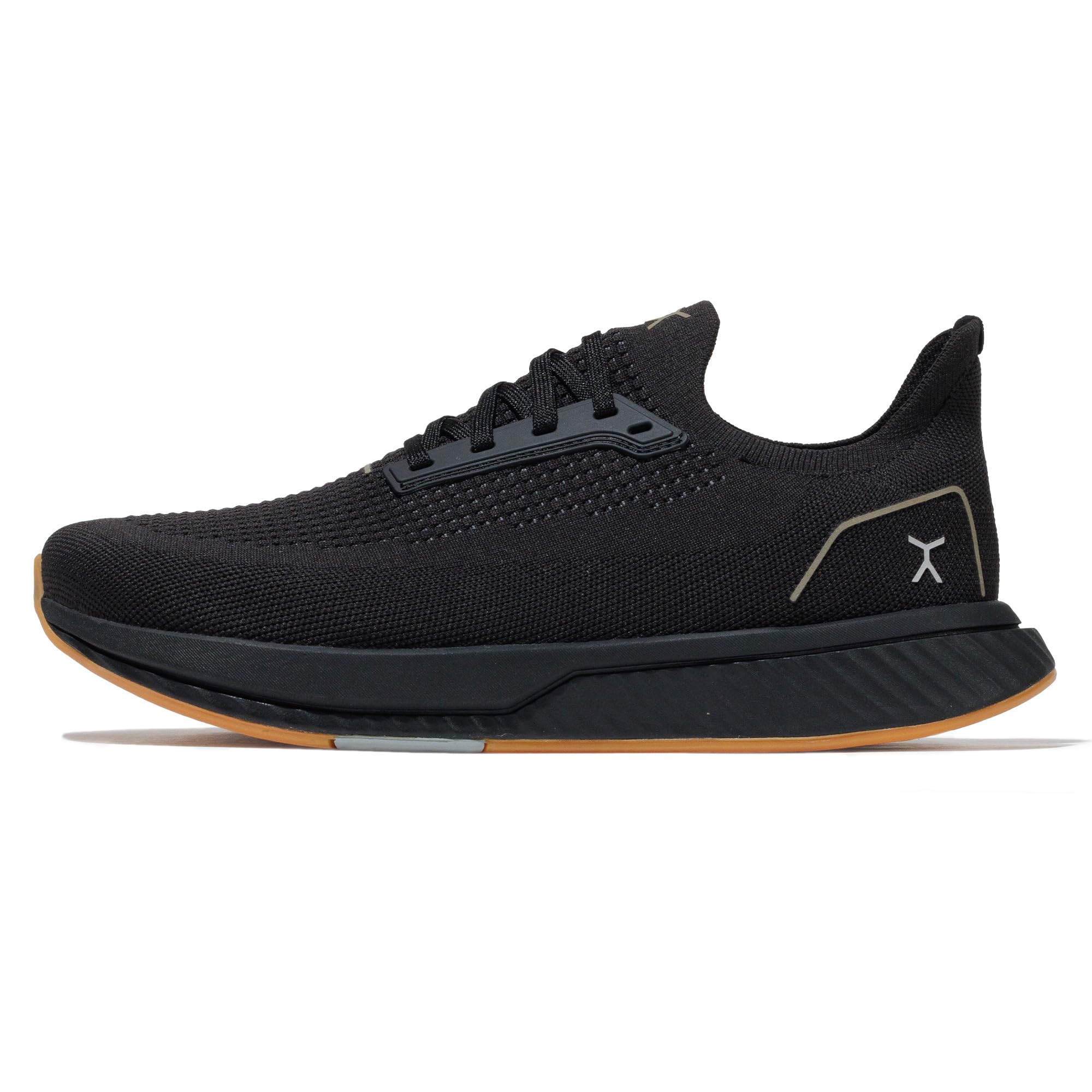
The FLUX FOOTWEAR Adapt Runner earns the top spot because its combination of a genuinely foot-shaped toe box, zero-drop platform, and durable construction directly addresses bunion pressure without compromise. Real-world reports note the shoe holds up for four-plus years of daily 5–6 mile walks, which is exceptional for a minimalist shoe where thin soles typically wear fast. The wide toe box creates ample space for the hallux valgus to rest without rubbing against the upper, and the flexible sole allows the first metatarsal to move naturally during push-off.
Users with flat feet and post-surgical ankles report pain-free all-day wear even after knee surgery and ankle hardware installation, showing the shoe’s support structure works well for complex foot mechanics. The break-in period includes some initial stiffness in the midsole, but most agree the shoe resolves ankle collapse and foot pain once broken in over a week or two of regular use.
The main drawback is a durability concern reported by a high-step user (15k steps/day) whose sole began separating at the heel after a few months, though this appears less common among the majority of long-term owners. The overall build quality justifies the premium positioning for bunion sufferers who need a shoe that lasts through daily commutes and travel rather than wearing out in a single season.
Why it’s great
- Foot-shaped toe box keeps bunion area free of lateral compression
- Zero-drop sole encourages midfoot strike, reducing metatarsal joint load
- Reported 4+ year durability for daily walking routines
Good to know
- Some users experience heel sole separation with extreme step counts
- Initial stiffness requires a short break-in period
2. Xero Shoes Women’s Prio Neo Barefoot Training Shoe
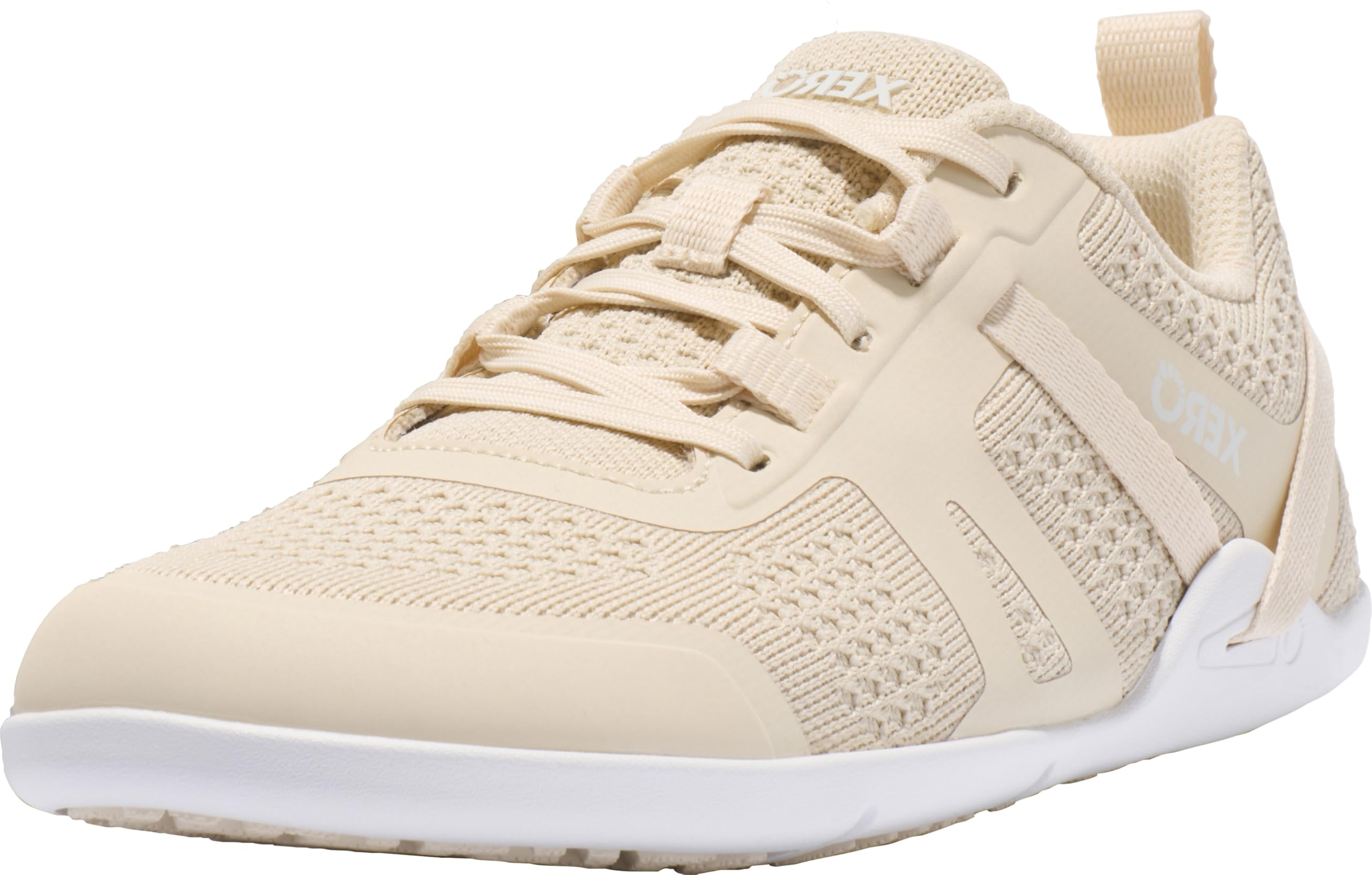
The Xero Shoes Prio Neo is a strong mid-range pick for bunion sufferers transitioning from traditional running shoes like Brooks Glycerine. Its wide toe box accommodates Morton’s toe and hammer toes without pinching, and the removable 3mm insole lets users start with some cushion and gradually progress to a true barefoot feel. The stretchy mesh upper reduces friction points around the bunion, and the flexible outsole bends freely at the metatarsal heads during the gait cycle.
Real users report that after two weeks in the Prio Neo, their old Brooks shoes started causing calf and arch pain — a sign that the zero-drop platform is retraining the foot muscles. The shoe runs about 1–1.5 inches shorter in profile than same-size traditional trainers, but the toe box still provides enough length for natural splay. It works equally well for indoor walking and dog walks, making it a versatile daily option.
Two issues appear consistently: the shoelaces are excessively long, causing tripping during training, and some users experience calf pain during the adjustment period as the Achilles tendon lengthens to the zero-drop geometry. The Prio Neo is best for those who want a gradual transition and plan to use the shoe for gym circuits as well as casual walking.
Why it’s great
- Wide toe box relieves Morton’s toe and hammer toe alongside bunions
- Removable insole allows staged transition from cushioned to minimal
- Stretchy knit upper minimizes bunion irritation
Good to know
- Excessively long laces can cause tripping during activities
- Transition requires calf conditioning to adapt to zero drop
3. Women’s Orthopedic Wide Toe Box Barefoot Shoes
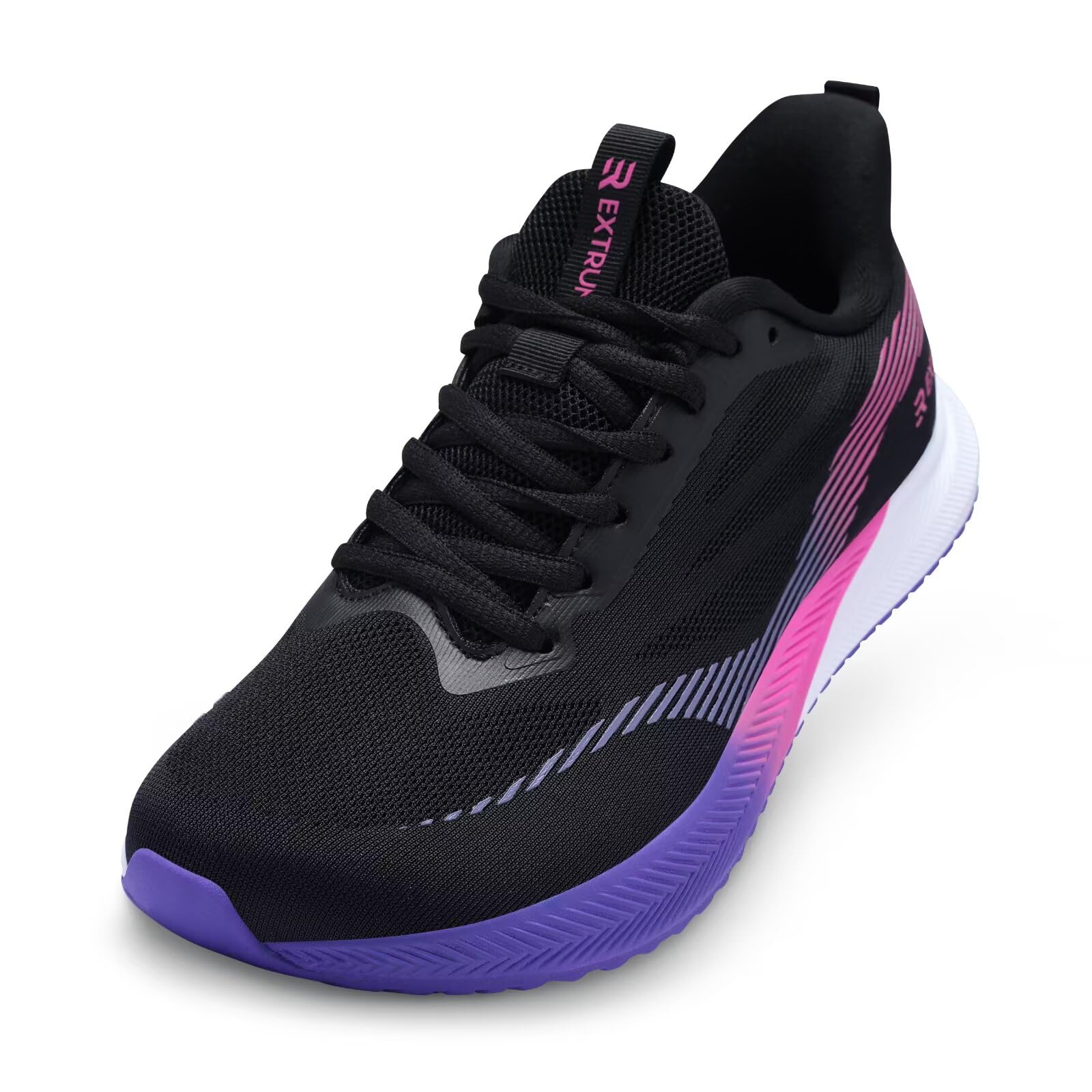
This orthopedic model bridges the gap between barefoot geometry and structured arch support, making it a unique option for bunion sufferers who also deal with plantar fasciitis or over-pronation. The shoe includes a multi-support layering system with a TPU arch insert, two additional thickness inserts for fit adjustment, and plastic heel stabilizers that prevent heel slip — a rare combination in the barefoot category where arch support is often intentionally absent.
Real users wearing these for 8-hour standing shifts and city walking confirm the wide toe box reduces bunion irritation and allows natural toe spread, while the zero-drop sole equalizes pressure across the foot rather than concentrating load at the metatarsal heads. The arch support is noticeable but not aggressive, and the removable inserts let users tune the level of correction. The mesh and PU leather upper is durable but less breathable than knit alternatives, which some users note as a drawback during warm weather.
The main complaint involves sizing inconsistencies caused by Amazon fulfillment errors rather than the shoe itself, and the appearance is described as functional rather than fashionable. For bunion relief combined with arch support, this shoe is the most complete option at its tier.
Why it’s great
- TPU arch support and heel stabilizers reduce over-pronation alongside bunion relief
- Wide toe box and zero drop relieve bunion pressure and metatarsal load
- Multiple insert thicknesses let you customize fit and support level
Good to know
- Less breathable mesh compared to knit-upper barefoot shoes
- Sizing can be inconsistent due to Amazon picking errors
4. NORTIV 8 Men’s Wide Toe Box Trail Running Shoe Whitney
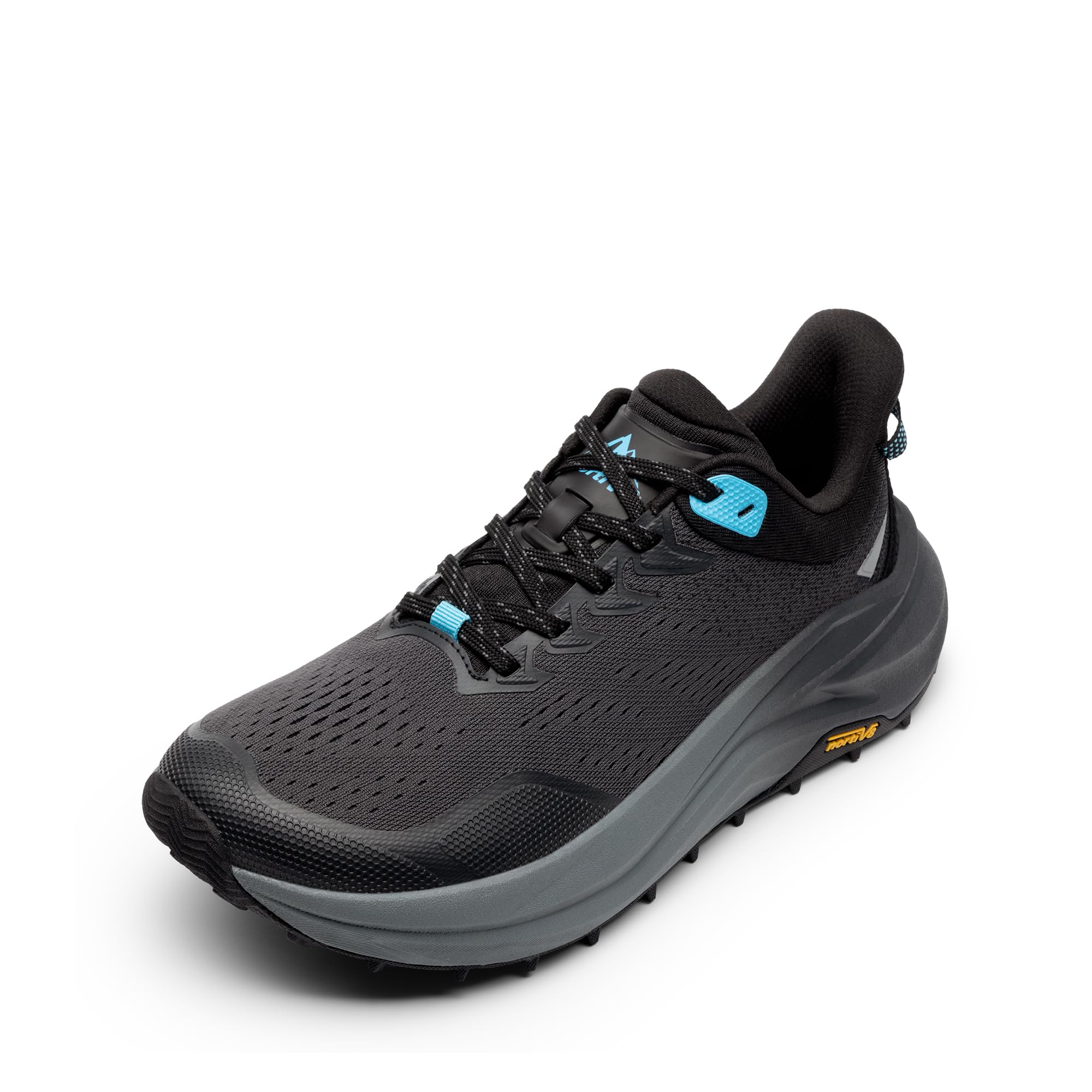
The NORTIV 8 Whitney stands out for bunion sufferers who need a trail-capable shoe at a budget-friendly price point. Its 5mm drop is slightly higher than true barefoot models, but the wide toe box reduces toe friction by 75% according to users, and the firm midsole provides rock protection that thin barefoot soles lack. The aggressive lugs and welded toe bumper make it functional for technical hiking, while the roomy forefoot accommodates bunions without lateral squeeze.
Healthcare workers on their feet for entire shifts praise the Whitney for its comfort and support straight out of the box, noting that the plush cushioning and wide fit relieve foot fatigue better than many traditional nursing shoes. Trail runners have logged over 300 technical miles with the tread unscathed, suggesting the outsole rubber is surprisingly durable for the price. The shoe also drains water and sheds mud effectively, which is useful for wet trail conditions.
On the downside, the shoe is heavier than dedicated barefoot options like the Xero Prio Neo, and some users find the silhouette unattractive — described as a “grandpa shoe” shape. Cushioning is adequate for hiking but insufficient for high-impact running. The Whitney is best for bunion sufferers who prioritize traction and protection over pure minimalist feel.
Why it’s great
- Wide toe box cuts toe friction significantly for bunion relief
- Aggressive lugs and rock plate handle technical trails well
- Outsole durability holds up through hundreds of trail miles
Good to know
- 5mm drop is higher than true zero-drop barefoot shoes
- Heavier and less attractive than minimalist alternatives
5. Women’s Wide-Toe Box Walking Athletic Sneakers
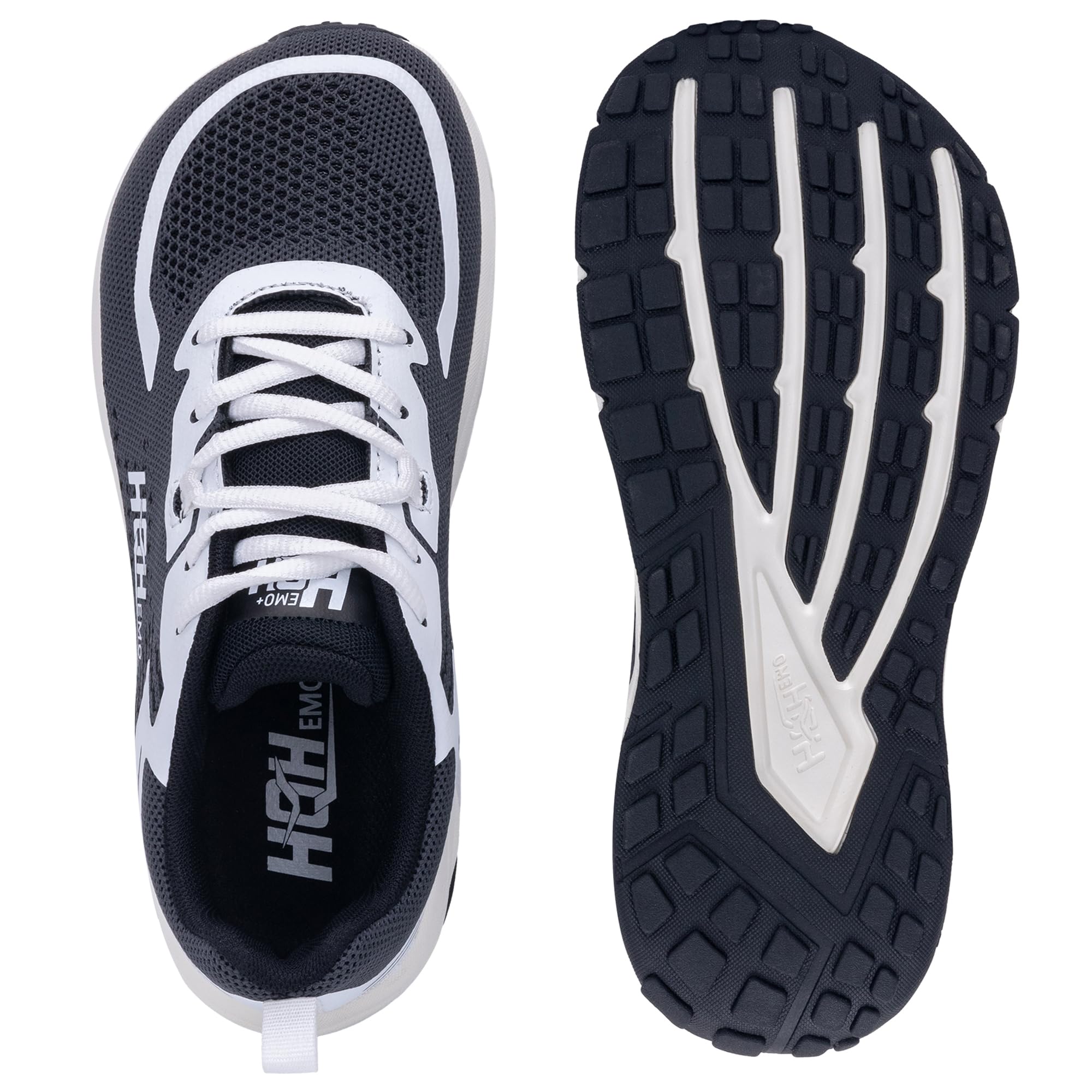
This women’s walking sneaker delivers a thick, durable sole with excellent arch support and a roomy toe box at a mid-range price point, making it a practical choice for bunion sufferers who need substantial cushioning underfoot. The shoe runs large — most users recommend sizing down — and the extra space helps accommodate swollen feet during pregnancy or hot weather. The non-slip tread and lightweight build make it suitable for walking in heat without the foot feeling trapped.
Plus-size users report that the firm material holds shape well and that loosening the laces provides significant extra room for bunion relief. The arch support is noticeable and appreciated by those transitioning from orthopedic shoes, though some users note the support could be better for severe pronation. The shoe gets compliments for its stylish color options, which is a bonus in a category where aesthetics are often secondary to function.
The biggest limitation is the shoe’s unsuitability for running — the stiff plastic sections in the upper cause foot numbness and pain during high-impact cardio, making this strictly a walking and static workout shoe. Additionally, some users experienced initial leg cramps while adjusting to the zero-drop geometry, though this resolved with continued wear.
Why it’s great
- Roomy toe box accommodates severe bunion swelling and pregnancy edema
- Thick sole and arch support provide substantial cushioning for long walks
- Non-slip tread and lightweight build work well in warm conditions
Good to know
- Not suitable for running or high-impact cardio
- Firm upper material may require loosening laces for comfort
6. Hike Footwear HF Stride – Hands-Off & Ergonomic Barefoot Shoes
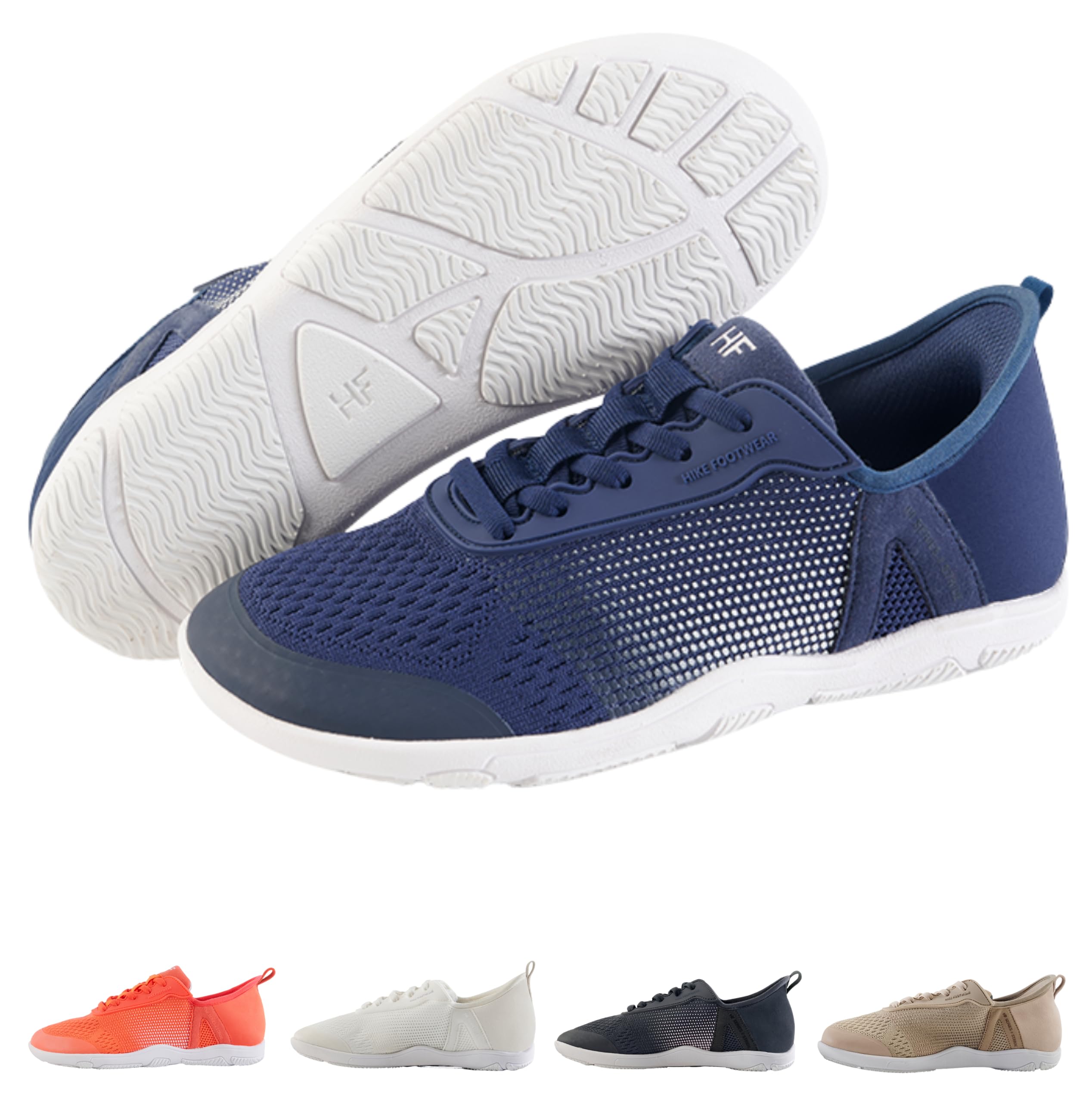
The HF Stride is a budget-friendly unisex barefoot shoe built around the principle of “hands-off” ergonomics — no arch support, no cushioning, just a thin, flexible sole that keeps the foot in its natural ground-contact position. The wide toe box is evident immediately, and the ultra-light construction (under 8 oz per shoe) makes it barely noticeable during indoor wear. Users report dramatic balance improvement, with some noting reduced back, hip, and knee pain after a week of daily use.
The shoe runs small for half sizes — a true 9.5 needs to size up to a 10–10.5 to avoid toe rubbing at the tip. Once properly fitted, the roomy forefoot allows the bunion to sit without lateral pressure, and the zero-drop sole encourages a natural walking gait that alleviates metatarsal stress. The stretchable laces (easily replaced with elastic ones) create a slip-on feel that is ideal for quick errands and indoor environments.
The HF Stride is not suited for trail running or high-impact activities due to its thin sole and lack of rock protection. It is best considered a recovery and movement shoe for bunion sufferers who spend most of their day on tile or hardwood floors and want to strengthen foot muscles while keeping bunions comfortable.
Why it’s great
- Ultra-light, barely-there feel reduces fatigue on indoor surfaces
- Wide toe box eliminates lateral bunion compression
- Improves balance and reduces back, hip, and knee pain
Good to know
- Runs small for half sizes; must size up to avoid toe rubbing
- Thin sole offers no protection from rocks or uneven terrain
7. Hike Footwear HF Signature Healthy & Non-Slip Barefoot Shoes
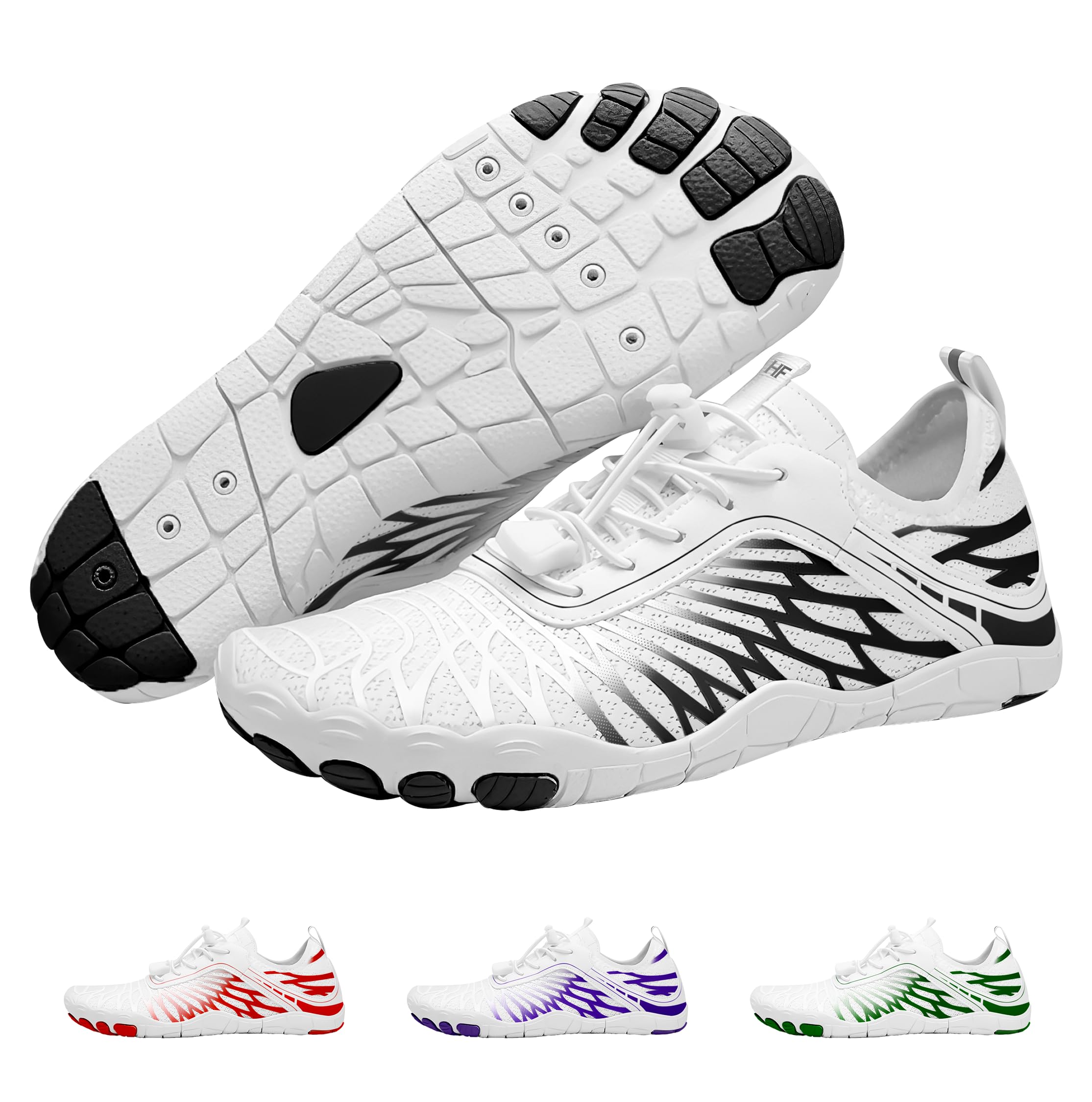
The HF Signature is the softest, most slipper-like option in this guide, constructed from breathable knit that molds to the foot without creating pressure points against a bunion. The sole is extremely thin — users describe feeling gravel through the bottom — which provides the highest level of proprioceptive feedback but also the least protection. The wide toe box is genuinely foot-shaped, and the lightweight design makes it ideal for house shoes, errand walks, and short outdoor trips on smooth pavement.
Users with degenerative foot conditions report that the HF Signature helps improve balance over time, though the adaptation period includes initial foot pain during days 1–3 as the intrinsic foot muscles wake up. The rainbow color option is a fun aesthetic touch, and the shoe is machine-washable, which adds convenience for daily wear in wet grass or rain. No arch support is present — intentional for the barefoot experience — which means bunion sufferers with flat feet may need to add their own orthotic.
The primary limitation is durability: the soft knit and thin sole do not hold up to aggressive hiking or high-mileage running. Some users note the shoe feels dirty after outdoor use and requires frequent washing to maintain appearance. For bunion relief at an entry-level price point, the HF Signature delivers the essentials — room for the toes, zero drop, and a flexible sole — without frills.
Why it’s great
- Soft, breathable knit upper avoids friction on the bunion protrusion
- Wide toe box allows full toe splay for natural foot function
- Machine-washable for easy maintenance
Good to know
- Thin sole offers minimal protection; feels gravel underfoot
- Not durable for trail hiking or high-impact activities
FAQ
Can barefoot shoes actually help reduce bunion pain?
Will barefoot shoes make my bunion worse?
Should I choose zero drop or a low drop shoe for bunions?
Final Thoughts: The Verdict
For most users, the best barefoot shoes for bunions winner is the FLUX FOOTWEAR Adapt Runners because the foot-shaped toe box and zero-drop sole relieve bunion pressure at the source, backed by exceptional durability and all-day comfort for walking and travel. If you need structured arch support alongside bunion relief, grab the Women’s Orthopedic Wide Toe Box Barefoot Shoes. And for a budget-friendly trail option that still provides a wide toe box and reliable traction, nothing beats the NORTIV 8 Whitney.

Mo Maruf
I created WellFizz to bridge the gap between vague wellness advice and actionable solutions. My mission is simple: to decode the research and give you practical tools you can actually use.
Beyond the data, I am a passionate traveler. I believe that stepping away from the screen to explore new environments is essential for mental clarity and physical vitality.