Our readers keep the lights on and my smoothie glass nicely filled. As an Amazon Associate, I earn from qualifying purchases.
The search for genuine barefoot boots often ends in frustration: boots that claim minimal drop but still squeeze toes, or offer a wide toebox but come with a stiff, inflexible sole that blocks all ground feel. The category demands more than just a flat footbed—it requires a specific combination of foot-shaped volume, zero-drop geometry, and a sole flexible enough to twist and bend with natural foot movement.
I’m Mohammad Maruf — the founder and writer behind WellFizz. My research into barefoot footwear focuses on sole flexibility measurements, toebox volume relative to brannock size, and the real-world durability of stitch-down vs. glued constructions across hiking, tactical, and cold-weather scenarios.
Whether you’re hiking rocky terrain, standing for twelve-hour EMS shifts, or simply seeking relief from bunions, finding the right pair requires careful parsing of materials, sole stack height, and insulation. This guide breaks down the market to help you confidently select the best barefoot boots for your foot shape and lifestyle.
How To Choose The Best Barefoot Boots
Selecting barefoot boots requires evaluating three core pillars: sole flexibility, toebox geometry, and stack height. Comfort and durability flow directly from these specifications.
Sole Flexibility and Ground Feel
The defining characteristic of barefoot boots is a sole that bends naturally with your foot. Look for soles that can twist easily in your hands and bend without a hard crease point. Thicker soles often trade ground feel for protection, while overly thin soles may expose your feet to sharp rocks.
Toebox Volume and Shape
A true barefoot toebox accommodates a fan-shaped foot with room for all toes to splay. Measure your foot’s widest point and compare it against the boot’s internal width. Pay attention to the vertical volume as well—some boots taper down at the top, pinching the big toe even if the width is adequate.
Upper Materials and Water Resistance
Leather offers superior durability and natural water resistance but requires a break-in period and conditioning. Synthetics are lighter and dry faster but may scuff or rip more easily. For wet climates, look for boots with a waterproof membrane rather than DWR coating, but understand that membrane boots can be less breathable.
Construction and Resoleability
Stitch-down construction allows the outsole to be replaced, extending the boot’s life significantly. Glued or cemented soles are cheaper to produce but cannot be resoled—when the tread wears out, the entire boot must be replaced. For frequent hikers, stitch-down is a worthwhile investment.
Quick Comparison
On smaller screens, swipe sideways to see the full table.
| Model | Category | Best For | Key Spec | Amazon |
|---|---|---|---|---|
| JIM GREEN African Ranger | Stitch-Down Leather | Rugged hiking and work | Resoleable stitch-down construction | Amazon |
| Vivobarefoot Magna Forest ESG | Leather & Wool | All-day comfort and casual hikes | Michelin rubber outsole | Amazon |
| Vivobarefoot Tracker Forest Esc | Off-Road Hiker | Trail hiking and natural movement | Zero-drop, fan-shaped toebox | Amazon |
| Xero Shoes Alpine | Winter Boot | Snow and moderate cold | Waterproof membrane & insulation | Amazon |
| Vivobarefoot Tracker Leather Low | Everyday Low Top | City walking and casual wear | Full-grain leather upper | Amazon |
| Belleville Mini-Mil TR102 | Tactical Boot | EMS, military, and tactical use | Zero-drop with slip-resistant outsole | Amazon |
| Belleville Mini-Mil Barefoot Shoe | Minimalist Trainer | Running, rucking, and lifting | Shock-dispersing midsole | Amazon |
| Vivobarefoot Magna Lite WR | Light Hiker | Soft ground and light hiking | Ultra-lightweight design | Amazon |
| Xero Shoes Mesa Trail II | Trail Runner | Fast hiking and trail running | Extremely light, flexible sole | Amazon |
In‑Depth Reviews
1. JIM GREEN Men’s Barefoot African Ranger Boots

The JIM GREEN African Ranger boot is a standout for its traditional stitch-down construction, which allows the outsole to be replaced when it wears out—a rare feature in the barefoot boot space. The full-grain leather upper is thick and built for durability, while the intentionally wide toebox provides ample room for toe splay without looking clown-like. The outsole is soft and grippy, delivering solid traction on loose terrain.
Owners consistently praise the boot for curing foot pain and bunions, attributing the benefit to the generous internal volume. The break-in period is real—several users reported blisters before the leather softened completely. The boot runs slightly large; ordering half a size down from Brannock measurement appears to be the consensus for a snug fit.
One quirk: the boots are designed to be worn without insoles. Adding an aftermarket insole can cause the toebox to feel tight and the ankle area to rub uncomfortably. Without the insole, the boot delivers a true barefoot ground feel and the leather interior naturally resists odor accumulation. This is a durable, resoleable investment for serious hikers and daily wearers.
Why it’s great
- Resoleable stitch-down construction extends lifespan significantly
- Extra-wide toebox accommodates 4E feet comfortably
- Full-grain leather interior resists odor and molds to foot
Good to know
- Requires a break-in period with potential for blisters
- Not suitable for sub-freezing winter temperatures
- Lace system can be tricky to dial in for a precise fit
2. Vivobarefoot Magna Forest ESG
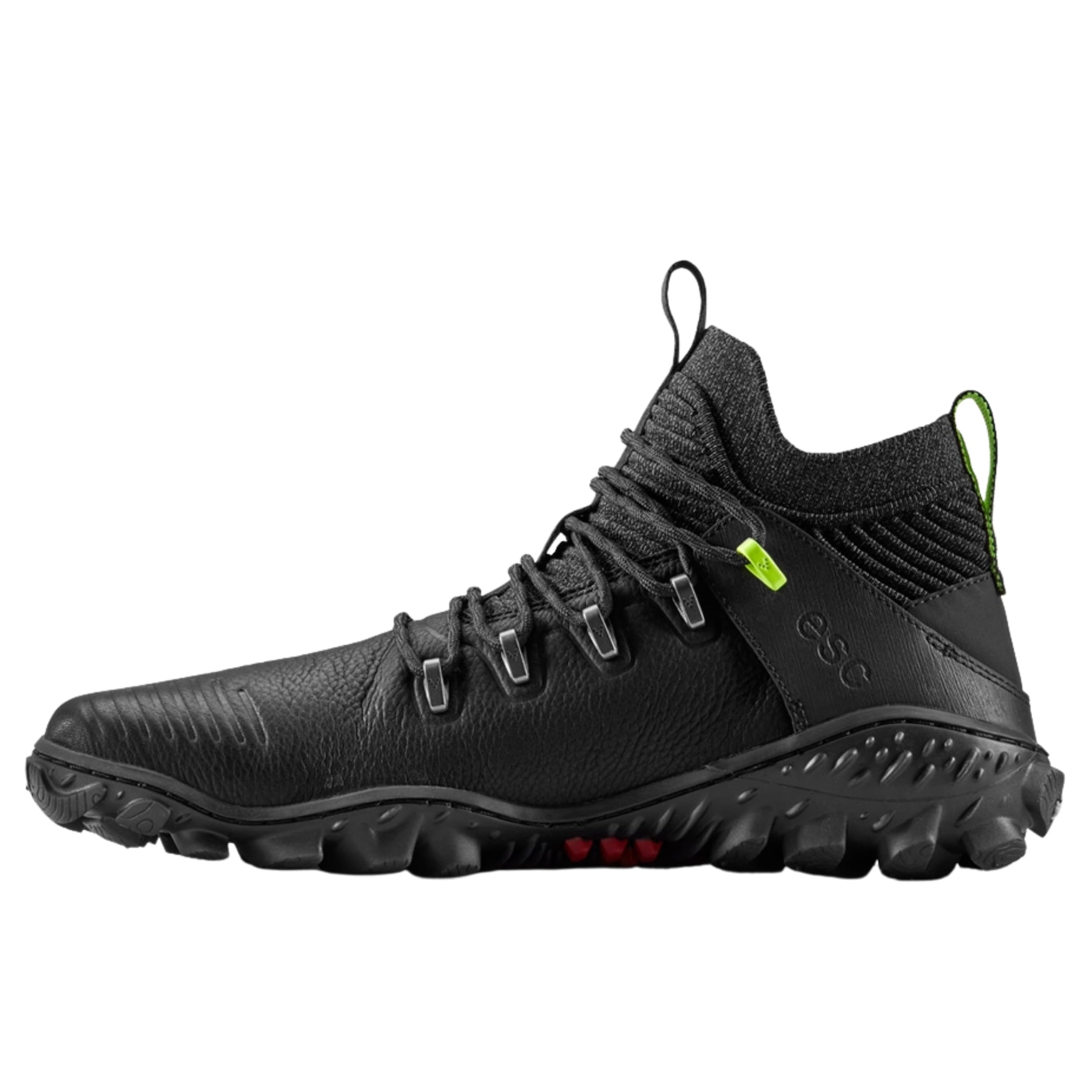
The Magna Forest ESG combines a leather upper with a wool lining for natural temperature regulation, making it a versatile three-season boot. The Michelin rubber outsole offers exceptional grip on damp rock and soft forest floor, a feature that owners of multiple barefoot brands often cite as a standout advantage. The boot is surprisingly light and flexible, feeling more like a trail runner than a traditional boot.
Sizing is a critical consideration: the shoe runs small compared to standard Vivobarefoot sizing. Multiple reviews suggest sizing down one full size from your typical sneaker size for a proper fit. The toebox is foot-shaped rather than uniformly round, which means it works well for naturally splayed feet but may feel restrictive for those with very wide or block-shaped forefeet.
The hook-and-loop lacing system may rub against the ankle, a minor annoyance that can be managed with thicker socks. The boot is not fully waterproof, but the waxed leather provides adequate resistance for light rain and morning dew. For Western Washington or UK terrain with consistent soft ground, this boot is a top performer that wears in beautifully over time.
Why it’s great
- Michelin outsole provides excellent grip on mossy or wet rock
- Lightweight and flexible for a boot with wool lining
- Natural leather and wool construction resists odor
Good to know
- Sizing runs small; order a full size down
- Hook eyelets may rub ankle without high socks
- Not fully waterproof despite waxed finish
3. Vivobarefoot Tracker Forest Esc

The Tracker Forest Esc is a purpose-built off-road boot that prioritizes natural foot movement above all else. The sole is thin and flexible enough to feel the trail surface, yet the tread lugs provide enough bite for moderate inclines and descents. Users with F-width feet report that the toebox accommodates their shape better than any other boot they have tried, with zero pinching or rubbing on the lateral toes.
Durability feedback is mixed: several owners report the inner heel lining wearing through after roughly a year of occasional use. The boot is not waterproof, and the leather requires periodic waxing to maintain water resistance. The trade-off is excellent ground connection and reduced fatigue in the ankles and knees during long hikes.
The lace system uses a series of eyelets that allow for a custom cinch-down pressure. Some users experienced mild ankle discomfort initially, which resolved by loosening the top laces. If your priority is natural movement on technical trails and you are willing to accept a shorter lifespan than a traditional boot, this is a compelling choice that connects you directly to the terrain.
Why it’s great
- Fan-shaped toebox fits F-width feet without pinching
- Thin sole delivers maximum ground feel for technical trails
- Breathable yet warm enough for shoulder-season hiking
Good to know
- Inner heel lining may wear through within a year
- Not waterproof; requires periodic leather waxing
- Expensive relative to expected durability
4. Xero Shoes Men’s Alpine Barefoot Snow Boots
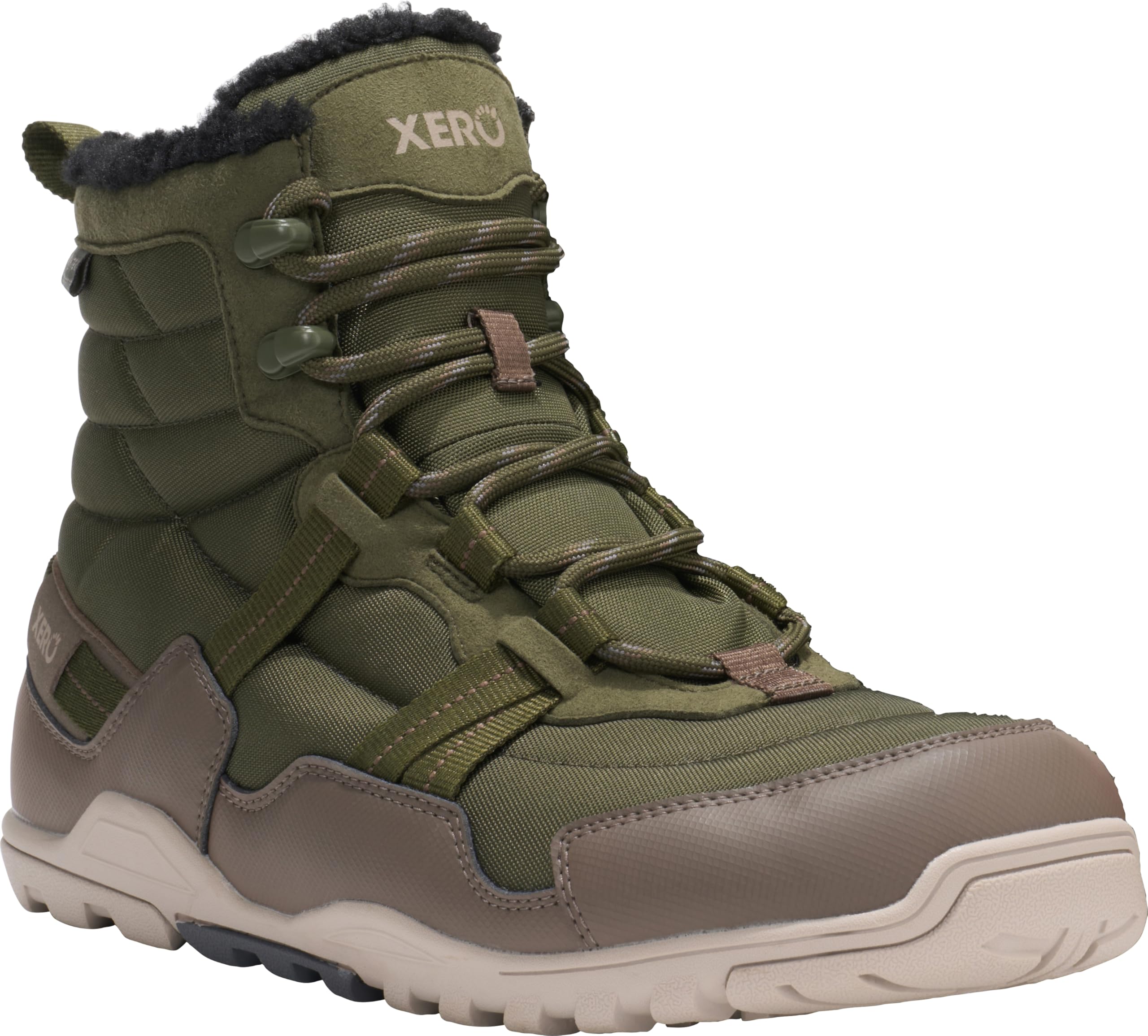
The Alpine from Xero Shoes is one of the few true barefoot snow boots on the market. It combines a waterproof membrane with synthetic insulation to keep feet warm in moderate winter conditions. The outsole features aggressive tread that bites into snow and ice effectively, while the lightweight construction prevents the boot from feeling clunky. The integrated gaiter-style ankle collar helps keep snow out.
Several owners note that the toebox is not as wide as other Xero models—specifically the Mesa Trail. While still roomier than mainstream boots, those with very wide feet may find the toe area slightly restrictive. The boot performs well with a medium-weight wool sock but lacks the insulation for deep sub-zero temperatures. Users report staying comfortable down to about 15°F with proper sock layering.
Durability after several months of use appears solid: waterproofing holds up well, and the outsole lugs show minimal wear. The zero-drop platform improves stability and balance on slick surfaces compared to traditional heeled winter boots. For anyone seeking a barefoot winter boot that does not sacrifice traction or warmth, the Alpine is a capable mid-range option.
Why it’s great
- True waterproof membrane keeps feet dry in slush and snow
- Lightweight feel unusual for a winter boot
- Aggressive outsole grips ice and packed snow well
Good to know
- Toebox narrower than other Xero barefoot models
- Insufficient for extreme cold below 10°F
- Requires adjustment period for minimalist footwear beginners
5. Vivobarefoot Men’s Tracker Leather All Terrain Low
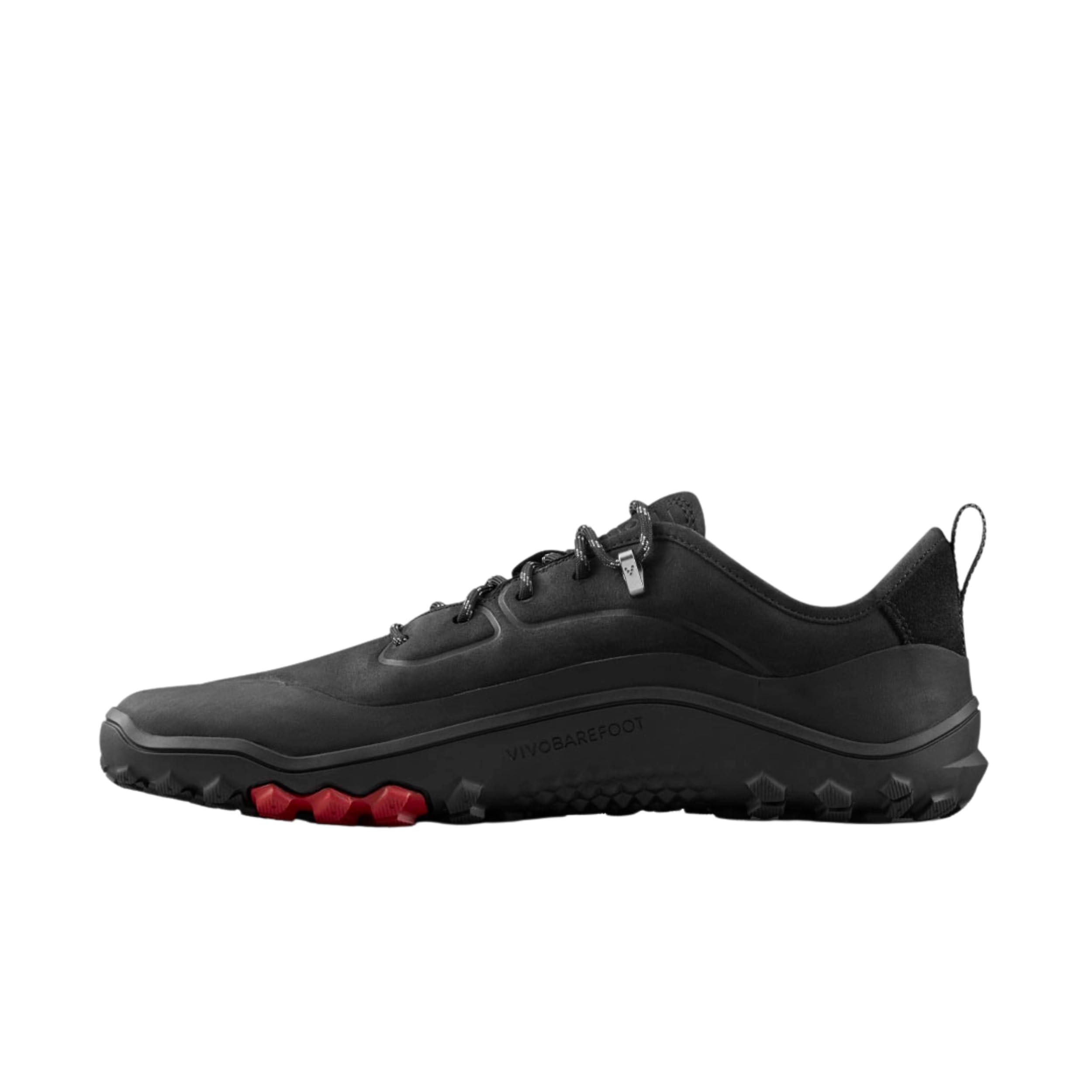
The Tracker Leather Low brings the barefoot experience to a low-cut silhouette that works for daily wear and light urban hiking. The full-grain leather upper is high quality and receives compliments for its classic aesthetic that pairs well with jeans and casual trousers. The zero-drop sole provides the same ground feel as Vivobarefoot’s taller models, offering stability and natural foot positioning throughout the day.
Some users experienced premature wear at the big toe area, with a hole forming after only about ten miles of low-intensity hiking in rocky conditions. Customer service responsiveness appears to be a concern, with one report of an unhelpful warranty process. The boot is comfortable out of the box for most, with no significant break-in period required beyond general leather softening.
The fit is consistent with Vivobarefoot’s sizing, which generally runs true to Brannock length with a moderately wide toebox. If you plan to use these primarily for city walking and occasional light trail use rather than aggressive technical terrain, the Tracker Leather Low offers a compelling blend of barefoot function and everyday style that few other options match.
Why it’s great
- Attractive low-top design that blends with casual outfits
- High-quality full-grain leather construction
- Comfortable out of the box with minimal break-in
Good to know
- Risk of premature toe wear on rocky trails
- Customer service may not resolve durability complaints
- Pricing is high for non-resoleable construction
6. Belleville Mini-Mil TR102 Minimalist Tactical Boot

The Belleville TR102 is a zero-drop tactical boot built for operators and first responders who need barefoot-like ground feel combined with the durability of a military-grade boot. Users report excellent performance during twelve-hour EMS shifts without any break-in period—the boot is comfortable immediately out of the box. The slip-resistant outsole provides reliable grip on wet pavement, grass, and mud.
The upper material scuffs and flakes more quickly than expected, with some owners reporting cosmetic degradation within the first month of use. The boot is not Gore-Tex, despite some listings claiming otherwise, though it is adequately water-resistant for light rain and morning dew. A rubber wrap at the toe would be beneficial for users who kneel frequently, as the current design leaves the forward upper exposed to abrasive surfaces.
Sizing is tricky for this model: women often need to size down significantly and order a wide width for a proper fit. The toe box is wide but the heel section can feel loose for some, requiring careful lacing technique. If you need a zero-drop boot for tactical applications and are willing to accept a shorter cosmetic lifespan, this is the most functional option available.
Why it’s great
- No break-in period—comfortable immediately for long shifts
- Zero-drop platform with good stability under heavy loads
- Slip-resistant outsole works well on multiple surfaces
Good to know
- Upper material scuffs and flake rapidly
- Sizing inconsistent; requires careful width selection
- Poor snow traction compared to dedicated winter boots
7. Belleville Mini-Mil Barefoot Shoes for Men
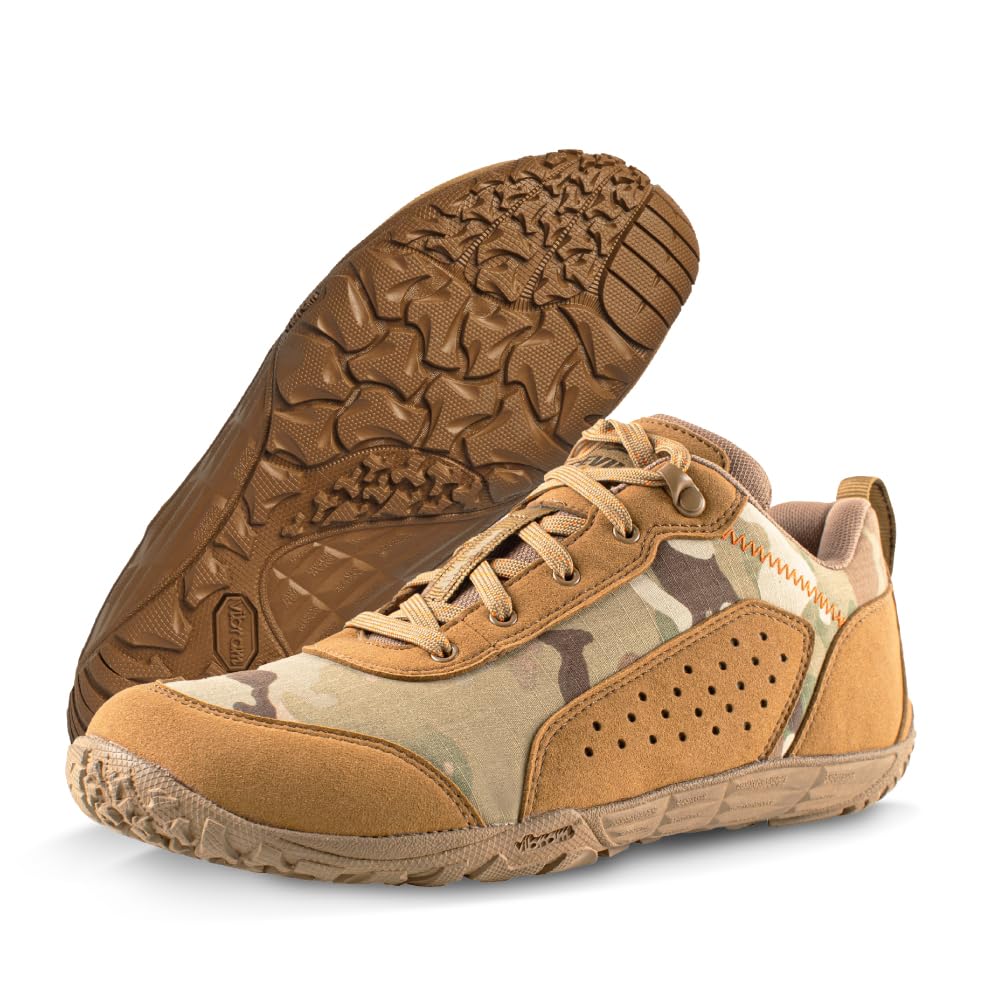
The Belleville Mini-Mil barefoot shoe is a versatile minimal trainer that excels for running, rucking, lifting, and casual wear. The zero-drop platform and wide toe box accommodate fan-shaped feet well, and the shock-dispersing midsole provides just enough cushioning to reduce impact on hard surfaces without sacrificing ground feel. Many users report these as the most comfortable shoes they have ever owned, with no fatigue after full workdays.
The sizing appears to be a common pain point: the shoe runs narrow, and multiple owners recommend ordering a wide width or sizing up by half a size. The shoe is lightweight and easy to slip on, making it a practical choice for quick changes between activities. The outsole offers excellent traction on gravel, grass, and pavement, though it does not have the deep lugs needed for technical trail running.
Durability after thirty miles of rough terrain use appears promising, with the shoe showing minimal signs of wear. The upper is breathable and dries quickly after crossing streams. For anyone seeking a budget-friendly barefoot trainer that transitions seamlessly from the road to the trail, this shoe delivers solid performance without demanding a premium investment.
Why it’s great
- Lightweight and breathable for all-day wear
- Runs true to size for length with a fan-shaped toe box
- Shock-dispersing midsole reduces impact without losing ground feel
Good to know
- Runs narrow; wide width recommended for medium-to-wide feet
- Not suitable for technical trail running due to shallow tread
- Some users found sizing inconsistent even after ordering up
8. Vivobarefoot Men’s Magna Lite WR Soft Ground Hiking Boot
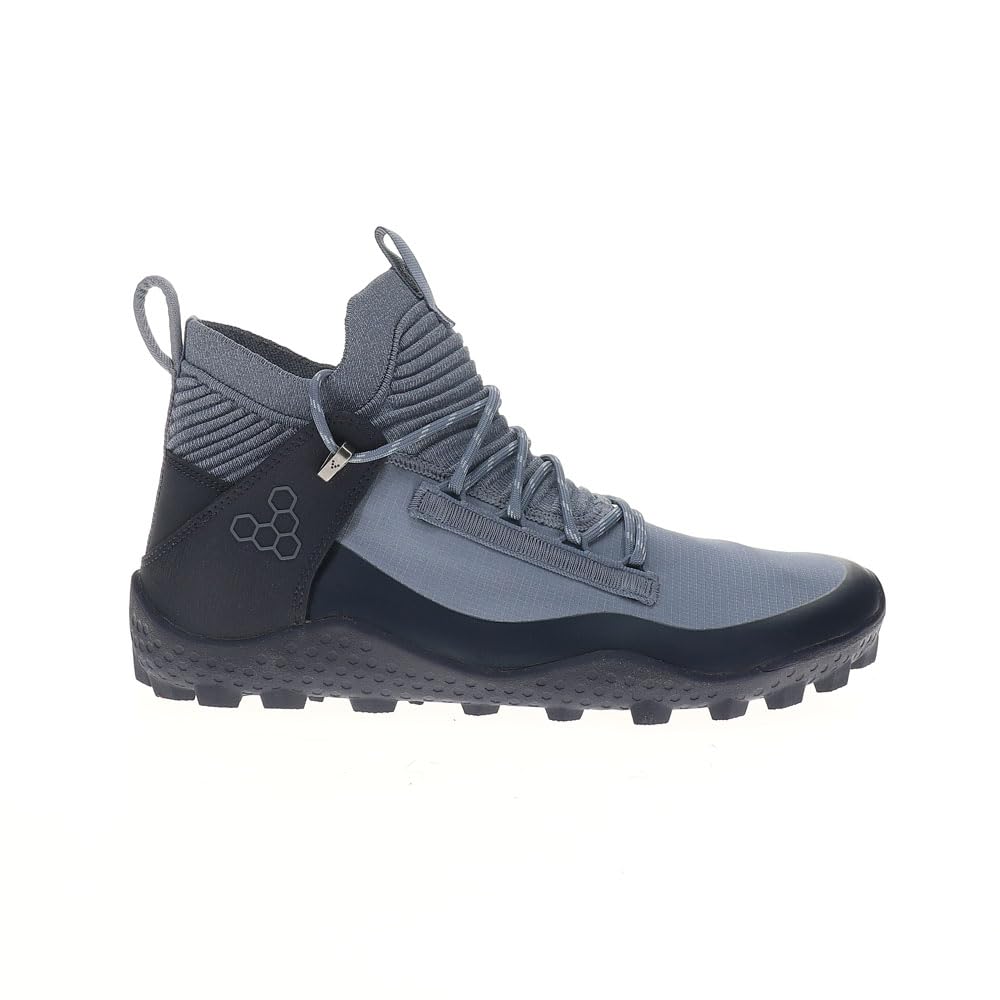
The Magna Lite WR is one of the lightest barefoot hiking boots available, designed for soft ground terrain such as forest trails, boggy paths, and mossy rock. The boot feels barely noticeable on the foot, allowing for natural stride and efficient motion. The outsole grip is excellent on damp, uneven surfaces, providing confidence while navigating roots and loose stone.
A significant issue is the water resistance: despite “WR” in the name, the boot is not fully waterproof. Several owners report that walking in steady drizzle for half a mile results in wet feet at the top of the boot. The manufacturer’s official site classifies it as water-resistant rather than waterproof, which is an important distinction for buyers expecting full wet-weather protection.
The sole wears faster than expected, with some users seeing noticeable tread reduction after only a few months of regular use. The upper material may tear if scraped against sharp rocks. Despite these durability concerns, the boot remains comfortable and provides excellent ground feel for its weight class. It is best suited for fair-weather hikers who prioritize weight savings over all-weather capability.
Why it’s great
- Extremely lightweight for a mid-height hiking boot
- Excellent traction on soft ground and wet surfaces
- Comfortable and warm with thinner socks
Good to know
- Not waterproof despite the “WR” designation
- Outsole tread wears down relatively quickly
- Upper material prone to tearing on sharp obstacles
9. Xero Shoes Men’s Mesa Trail II Barefoot Trail Run Shoes

The Mesa Trail II is a dedicated trail running shoe that excels in speed and agility for barefoot enthusiasts. The shoe is exceptionally light and flexible, allowing the foot to move naturally while providing just enough outsole protection for rocky terrain. Users report putting over one hundred and seventy miles on the shoe with minimal visible tread wear—about one-eighth of an inch of wear on the most-used lugs after two months of heavy use.
The insole has a tendency to slip inside the shoe during strenuous activity, leading some users to remove it entirely. Without the insole, the ground feel is even more direct, though sharp rocks can be felt more acutely. The shoe dries slowly after getting wet, taking up to two days to fully dry when soaked through. Sizing varies between generations: some users find the size thirteen too small and the fourteen is too long, indicating inconsistent sizing across different Xero models.
The Mesa Trail II is best suited for runners and hikers who cover high mileage and prioritize weight and flexibility over ankle support or weather protection. The outsole grips well on dry trails but becomes slippery on greasy tile or wet smooth surfaces. As an entry point into the barefoot boot category or as a lightweight summer hiking shoe, it delivers strong value for the features offered.
Why it’s great
- Extremely light and flexible for fast running and hiking
- Durable outsole shows minimal wear after high mileage
- Wide toe box accommodates natural foot splay
Good to know
- Insole slips during activity; may need removal
- Sizing varies between generations and models
- Not waterproof; dries very slowly after submersion
FAQ
Can I wear barefoot boots in the snow?
How do I measure my foot for barefoot boots?
Are resolable barefoot boots worth the extra cost?
Final Thoughts: The Verdict
For most users, the best barefoot boots winner is the JIM GREEN African Ranger because it combines a generous foot-shaped toebox with durable, resolable stitch-down construction that extends its lifespan far beyond glued competitors. If you want a lightweight, zero-drop option for winter, grab the Xero Alpine. And for tactical or EMS use where you need immediate comfort with no break-in, nothing beats the Belleville TR102.

Mo Maruf
I created WellFizz to bridge the gap between vague wellness advice and actionable solutions. My mission is simple: to decode the research and give you practical tools you can actually use.
Beyond the data, I am a passionate traveler. I believe that stepping away from the screen to explore new environments is essential for mental clarity and physical vitality.