Our readers keep the lights on and my smoothie glass nicely filled. As an Amazon Associate, I earn from qualifying purchases.
Most winter and work boots force your foot into a narrow, raised-heel cage that weakens your natural gait and crushes your toes. A proper barefoot boot flips that script: a zero-drop platform, a wide anatomical toe box, and a flexible sole that lets your foot move, bend, and sense the ground beneath you. The hard part is separating the true minimalist designs from the marketing ones that just look the part.
I’m Mohammad Maruf — the founder and writer behind WellFizz. I’ve spent years digging through construction specs, outsole durometer data, and insole stack heights to map out which barefoot boots genuinely deliver the widest toe splay, thinnest puncture protection, and most functional waterproofing without turning into clunky boots.
This guide breaks down nine specific models, from lightweight snow boots to resoleable leather work boots, to help you finally buy with confidence. Read on for the definitive best barefoot boots for men list built on real specs, not marketing fluff.
How To Choose The Best Barefoot Boots For Men
Not every boot labeled “barefoot” actually gets the basics right. Three specs separate a true minimalist boot from a standard boot with a flat insole: zero-drop height, stack height, and toe-box shape. Ignore any of them and you risk buying a boot that looks minimal on paper but feels tight and clunky on your feet.
Zero-Drop (Heel-to-Toe Offset)
A zero-drop boot places your heel and forefoot at the same height above the ground, mimicking your natural standing posture. Any offset above 4mm tilts your pelvis forward and compresses your lower back over a full day of wear. Every boot on this list is zero-drop or close to it — we rejected any model with an offset above 5mm.
Stack Height and Ground Feel
Stack height measures the thickness of the sole between your foot and the ground. A true barefoot boot sits between 8mm and 15mm total. Below 10mm you feel every pebble and root (excellent for proprioception, rough on beginners). Above 14mm you start losing sensory feedback but gain protection on sharp scree. Match stack height to your terrain tolerance, not to fashion.
Toe-Box Volume and Shape
Your toes should be able to fully splay inside the boot without touching the upper at any point. Look for a “foot-shaped” or “anatomical” toe box that widens at the metatarsal heads and tapers naturally toward the big toe. A boot that is simply “wide” across the whole forefoot is not a barefoot boot — it’s a wide standard boot. Measure the widest part of your forefoot and compare it to the boot’s internal width at the same point.
Quick Comparison
On smaller screens, swipe sideways to see the full table.
| Model | Category | Best For | Key Spec | Amazon |
|---|---|---|---|---|
| JIM GREEN Barefoot African Ranger | Leather Work/Hike | All-day wear & resoleability | Stitch-down construction | Amazon |
| Vivobarefoot Tracker Leather AT | All-Terrain Hike | Technical trails & wet rock | Warm-lasted leather | Amazon |
| Belleville Mini-Mil TR102 | Tactical | Long shifts & heavy packs | 10mm stack height | Amazon |
| Vivobarefoot Magna Forest ESC | Leather & Wool Hike | Cool-weather hiking | Michelin outsole | Amazon |
| Xero Shoes Alpine Snow | Winter Snow | Moderate cold & snow traction | Waterproof membrane | Amazon |
| Camper PEU Cami 36458 Boot | Fashion Boot | Casual urban wear | Elastic lacing system | Amazon |
| Topo Athletic Trailventure 2 WP | Trail Runner Boot | Light multi-day hikes | 5mm offset | Amazon |
| Vivobarefoot Primus Lite 3.5 | Minimalist Train/Life | Gym & daily commute | 3mm outsole | Amazon |
| Camper Peu Fashion Sneaker | Casual Leather | Office & social wear | Natural foot shape | Amazon |
In‑Depth Reviews
1. JIM GREEN Men’s Barefoot African Ranger Boots

The JIM GREEN African Ranger is a resoleable stitch-down boot made from thick full-grain leather — a construction method usually reserved for + work boots. The wide toe box is genuinely anatomical, not just round, allowing full toe splay without the duck-foot look. At roughly 12–14mm stack height with a soft, grippy outsole, it provides good ground feel while protecting against sharp rocks.
Multiple buyers report complete relief from bunions and toe crowding after switching from mainstream boots. The barefoot design means zero cushioning, so expect a transition period of about 10–14 days if you’re coming from padded footwear. The leather interior naturally controls odor and wicks moisture better than synthetic liners.
One consistent note: remove the insoles immediately. The boot is designed to be worn without them, and adding an insert reduces toe volume and can cause ankle pinching. Lace hooks require some patience to adjust evenly, but once set, the fit stays locked. For the price, this is the most durable barefoot boot on the market.
Why it’s great
- Stitch-down construction enables resoling, extending boot life by years
- Extremely wide anatomical toe box relieves bunions and allows natural splay
- Full-grain leather upper is rugged and breathable
Good to know
- Long break-in period with potential blisters on first wears
- High-volume fit may feel loose for narrow or low-volume feet
- Lace hooks are snug and require careful adjustment
2. Vivobarefoot Tracker Leather AT
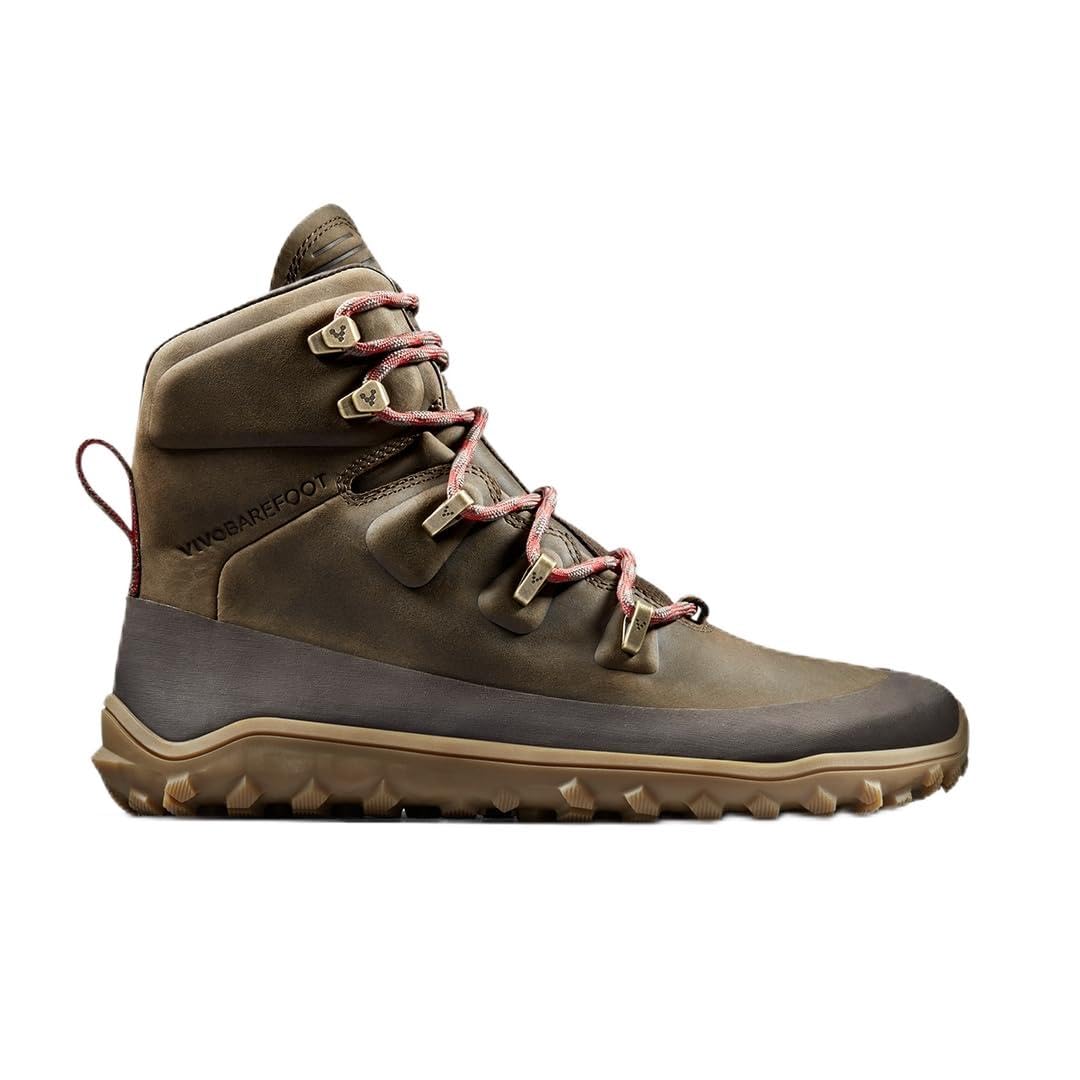
The Vivobarefoot Tracker Leather AT is the premium benchmark for all-terrain barefoot hiking. The warm-lasted leather upper wraps the foot without pressure points, and the outsole uses aggressive lugs that grip wet rock and loose dirt far better than the smoother soles found on most minimalist boots. It is fully waterproof without relying on a stiff membrane, thanks to the leather density and sealed seams.
With a stack height around 15mm, it offers more protection than the JIM GREEN while still providing excellent sensory feedback. Hikers report zero knee or back pain after 5–6 mile days, and the ankle collar locks securely without restricting dorsiflexion. The toe box is wide enough for natural splay but also fits narrower feet better than the JIM GREEN.
Durability is excellent for the weight — the leather holds up to desert scree and alpine granite alike. The only durability concern is in the eyelit area; one user reported a failure within a week. Ensure you check the fit carefully: order half to one full size down from your Brannock measurement.
Why it’s great
- Warm-lasted leather provides waterproofing without a stiff membrane
- Excellent traction on wet rock and loose dirt
- Secure ankle fit with good heel lock
Good to know
- Eyelit durability can be inconsistent on early units
- Requires a break-in period of 3–5 days of hiking
- Premium price point; check for sales before buying
3. Belleville Mini-Mil TR102

The Belleville Mini-Mil TR102 is the only true zero-drop tactical boot built for 12+ hour shifts and heavy pack loads. The 10mm stack height and exceptionally flexible sole deliver ground feel that standard-issue boots completely lack. Users with 40-pound packs report no foot fatigue after full days of technical terrain, and the lightweight build (under 1.5 pounds) helps prevent hip and knee fatigue.
The wide fit works well for medium to wide feet, but the sizing is unusual — many users need to go half a size or a full size down from their normal US size. The leather coating is water-resistant but not Gore-Tex, so deep puddles will eventually soak through. The toe lacks a rubber wrap, meaning kneeling on rough surfaces accelerates wear.
Durability feedback is mixed: the upper leather scuffs easily on the toe cap, and the lace loops can dig into the top of the foot if tightened too hard. For dedicated tactical use with light to moderate ankle support needs, these boots excel. They are not ideal for deep snow or true winter conditions.
Why it’s great
- True zero-drop platform eliminates foot fatigue during long stand/walk shifts
- Highly flexible sole provides excellent ground feel and stability on uneven terrain
- Lightweight and breathable for extended wear
Good to know
- Sizing is unreliable; plan to order two sizes and return one
- Leather coating scuffs quickly, especially on the toe
- Not Gore-Tex waterproof — water-resistant only
4. Vivobarefoot Magna Forest ESC
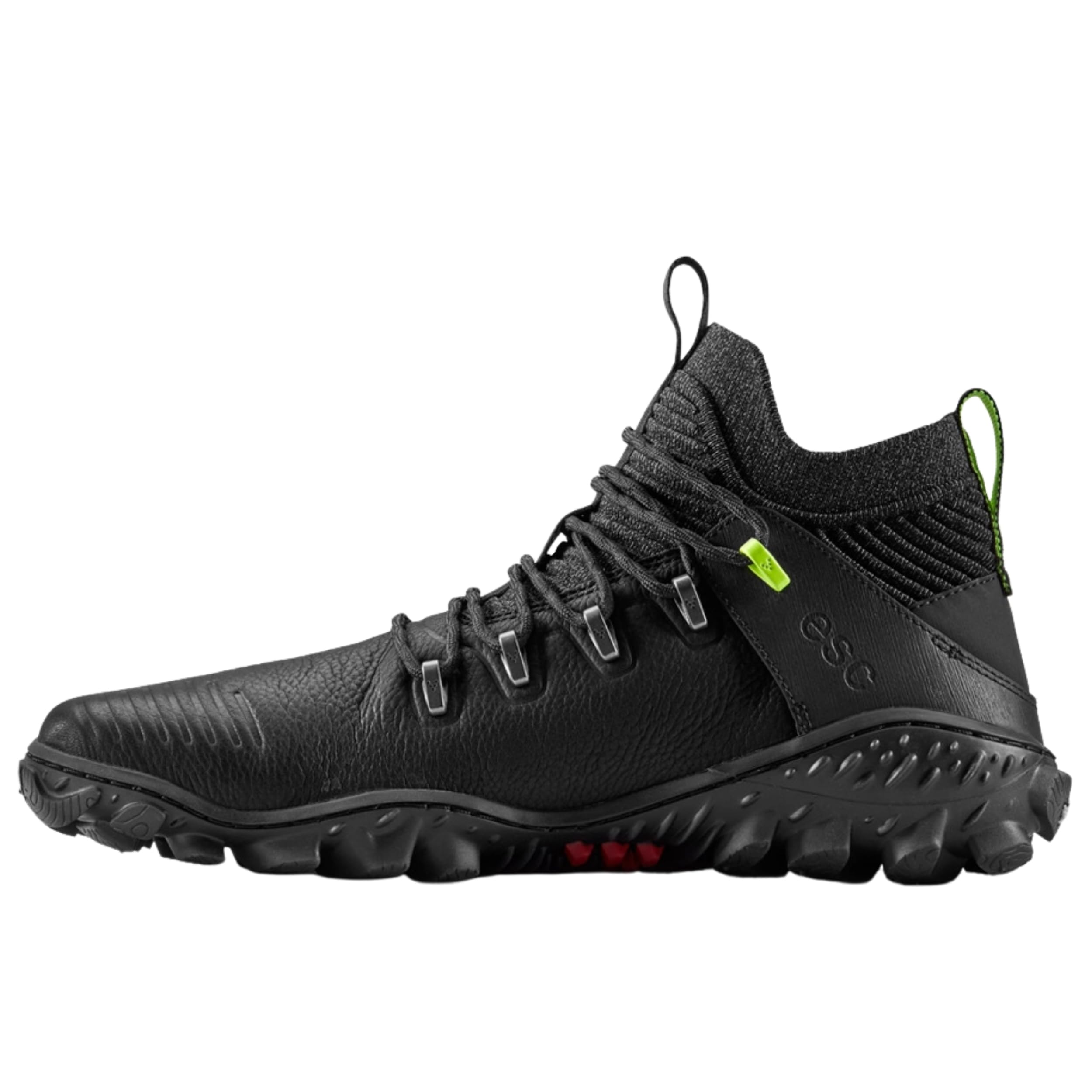
The Magna Forest ESC combines a supple leather upper with an elastic wool collar that seals out debris and light moisture without restricting ankle movement. The Michelin outsole provides aggressive traction on muddy slopes and loose gravel, though the tread is noticeably stiffer than a bare rubber sole, reducing lateral flexibility for toe curl and side bending.
Wearers describe the feel as a “rugged moccasin” — the zero-drop stance and flexible sole dramatically improve natural stride and posture. Several users report complete elimination of knee and back pain after switching from cushioned hiking boots. The toe box is massive, even by Vivobarefoot standards, accommodating very wide feet without crowding.
The sock-like wool collar is comfortable but not waterproof; heavy rain or stream crossings will soak the interior. The Michelin tread pattern also makes these boots louder on pavement than traditional barefoot soles. For cool-weather hiking on non-technical trails, they deliver unmatched comfort and ground feedback.
Why it’s great
- Elastic wool collar seals out debris and stays secure
- Michelin outsole grips well on mud and gravel
- Massive toe box accommodates wide feet and natural toe splay
Good to know
- Michelin sole is stiffer than bare rubber, reducing lateral flex
- Wool collar and upper are not fully waterproof
- Higher stack height reduces fine ground feel compared to thinner soles
5. Xero Shoes Alpine Barefoot Snow Boots
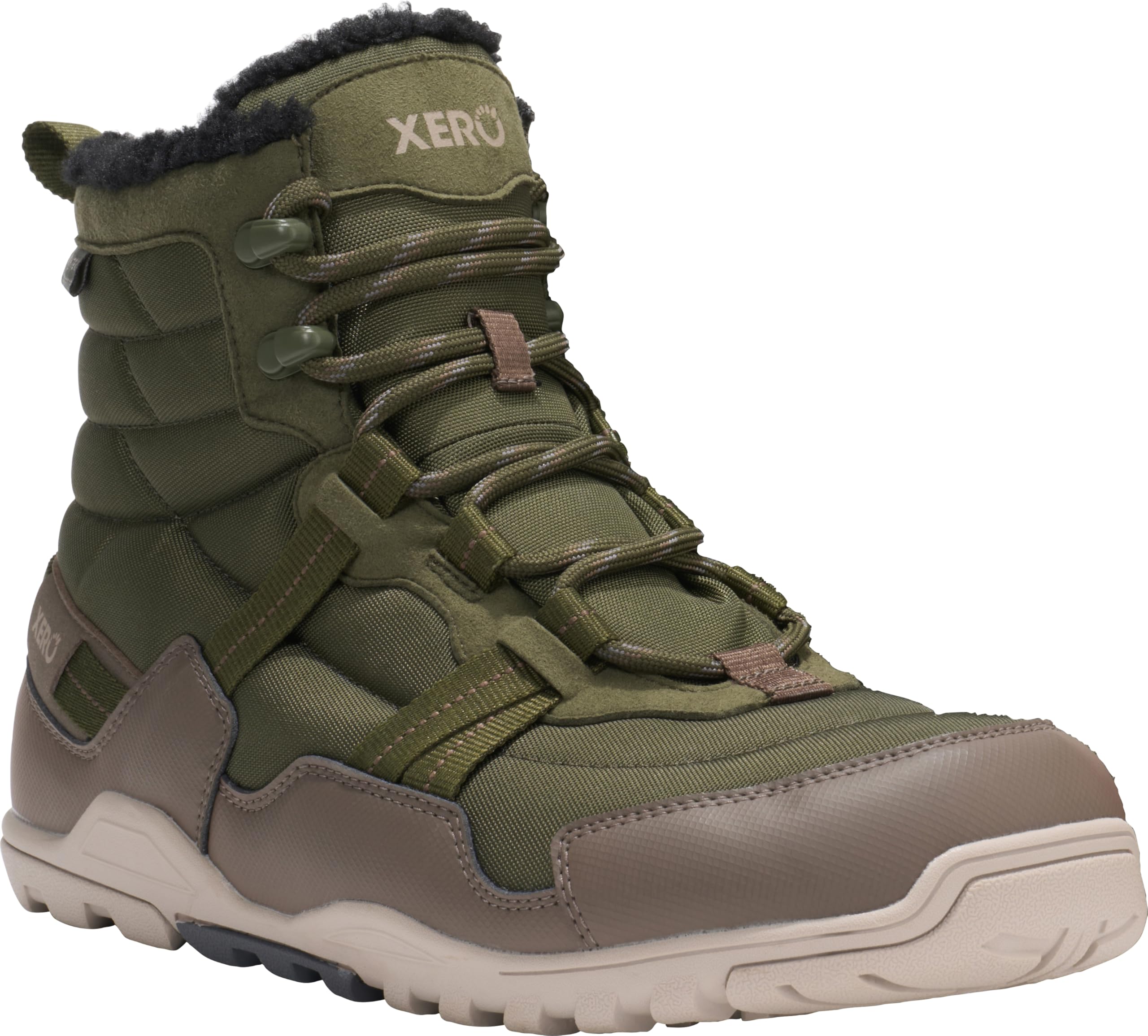
The Xero Shoes Alpine is one of the few true barefoot snow boots on the market, featuring a wide toe box, a flexible zero-drop sole, and a waterproof membrane. The outsole lugs provide solid traction on packed snow and light ice without the rigid stiffness of a traditional winter boot. Weighing significantly less than insulated boots, they reduce fatigue during extended winter walks.
Warmth is adequate down to around 20°F with a good merino wool sock, but these are not built for arctic conditions — the insulation is moderate, and the thin sole transmits cold from the ground more quickly than heavily insulated boots. The toe box, while wider than mainstream boots, is not as spacious as the JIM GREEN or Magna Forest, and some users with very wide feet find it restrictive.
The hook lacing system is fast and secure, and the ankle support is good for a minimalist boot. Waterproofing holds up in snow and light rain, but deep puddles or extended submersion will eventually seep through. For moderate winter conditions and daily commutes, the Alpine is the best budget-conscious barefoot snow boot available.
Why it’s great
- Lightweight and flexible for a snow boot — no clunky stiffness
- Good traction on snow and ice with easy hook lacing
- Waterproof membrane keeps feet dry in most winter conditions
Good to know
- Toe box is wider than mainstream but not full anatomical width
- Insulation is moderate; not suitable for extreme cold without thick socks
- Not fully waterproof in deep puddles or prolonged submersion
6. Camper PEU Cami 36458 Boot
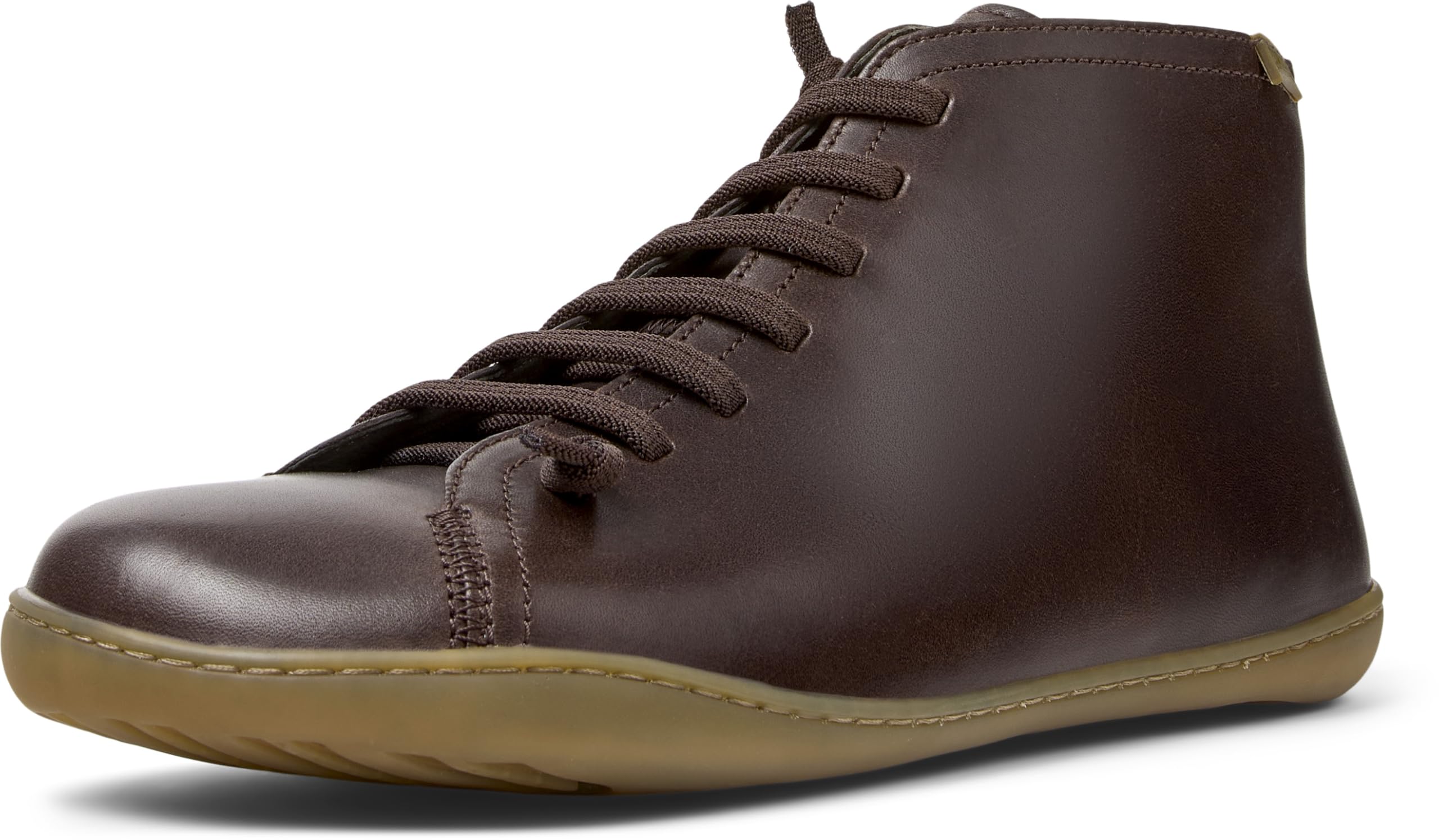
The Camper PEU Cami boot brings barefoot principles into a sleek, fashion-forward silhouette that works with chinos, jeans, and even casual work attire. The natural foot shape and elastic lacing system create a glove-like fit that requires no break-in. Genuine leather uppers are soft and develop a nice patina over time.
The sole is moderately flexible for a fashion boot, though not as thin or ground-sensitive as dedicated barefoot hiking boots. Several users note that these boots attract compliments — the rounded toe and minimal profile look natural, not orthopedic. The fit runs large; most buyers need to size down by half to a full size.
One trade-off: the elastic laces, while convenient, make it harder to achieve a truly locked-down heel fit. The sole provides minimal traction on wet surfaces, so these are best kept for dry urban environments. They are a true lifestyle barefoot boot for those who prioritize aesthetics without sacrificing toe space or zero-drop posture.
Why it’s great
- Stylish design that looks natural, not orthopedic or bulky
- Soft genuine leather with elastic lacing for an easy glove-like fit
- Natural foot shape with good toe room for a fashion boot
Good to know
- Elastic laces struggle to lock the heel securely
- Sole lacks aggressive traction — not for wet or uneven terrain
- Runs large; sizing down is almost always required
7. Topo Athletic Trailventure 2 WP
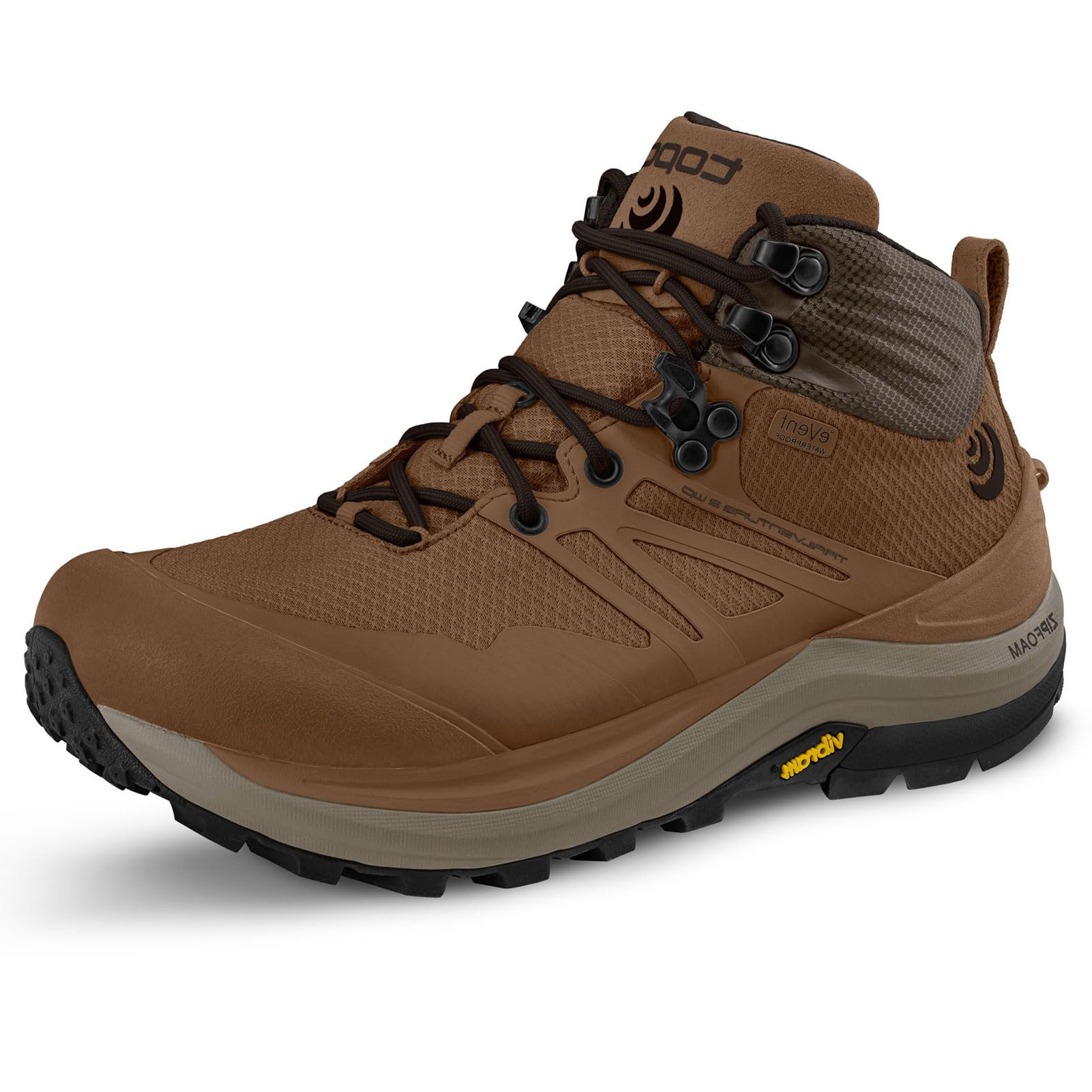
The Topo Athletic Trailventure 2 WP sits at the intersection of a trail runner and a hiking boot, with a 5mm drop that makes it toe-friendly for those transitioning from traditional footwear. The waterproof membrane keeps feet dry in wet conditions, and the wide toe box (especially in the forefoot) is comfortable for long days on the trail. Multiple users report 3,000+ miles on previous versions before needing replacement.
The current generation fits tighter than earlier models, especially in the midfoot and heel. Buyers with wide feet who previously wore Topo may need to order half a size up to accommodate thicker socks. The traction is reliable on most surfaces, though the lugs are not as aggressive as dedicated boot treads. Lace hooks feel slightly less durable than competitors and require double-knotting to stay secure.
This is not a true zero-drop boot, so purists will notice the slight heel elevation. For hikers who want a low-drop option with generous toe room and proven durability, the Trailventure 2 is a strong mid-range choice. The classic style appeals to hikers who prefer a less “minimal” look.
Why it’s great
- Proven durability with reports of 3,000+ miles on earlier versions
- Comfortable wide toe box for long hikes
- Waterproof membrane performs well in wet conditions
Good to know
- 5mm drop is not zero-drop — purists will notice the heel lift
- New version fits tighter; may need half size up for wide feet
- Lace hooks feel less durable and require frequent retying
8. Vivobarefoot Primus Lite 3.5

The Primus Lite 3.5 is the classic Vivobarefoot training shoe adapted for daily life. The 3mm outsole provides exceptional ground feel and feedback, making it ideal for the gym, CrossFit, running, and daily commuting. The upper is a lightweight synthetic material that breathes well and dries quickly. Multiple users note improved toe spread and reduced foot tightness after two weeks of regular wear.
Despite the “barefoot” label, several reviewers and experienced barefoot users point out that the toe box, while wider than mainstream shoes, is still relatively narrow compared to dedicated barefoot brands. If you have naturally splayed toes, the African Ranger or Magna Forest will offer more room. Sizing is critical: most buyers need to size down a full size from their Brannock measurement.
The shoe is extremely flexible and quiet, with no internal seams to cause irritation. Durability is surprisingly good for such a lightweight design — users report thousands of steps daily without structural issues. This is not a boot, so don’t expect ankle support or rugged terrain protection. As an everyday zero-drop shoe, it earns its place for versatility.
Why it’s great
- Extremely flexible 3mm sole delivers excellent ground feel
- Lightweight and breathable for all-day wear
- Versatile — suitable for training, daily wear, and light running
Good to know
- Toe box is narrower than other barefoot brands — not ideal for very wide feet
- Sizing is inconsistent; most users must size down a full size
- Not a boot — no ankle support or rugged protection
9. Camper Peu Men’s Fashion Sneakers
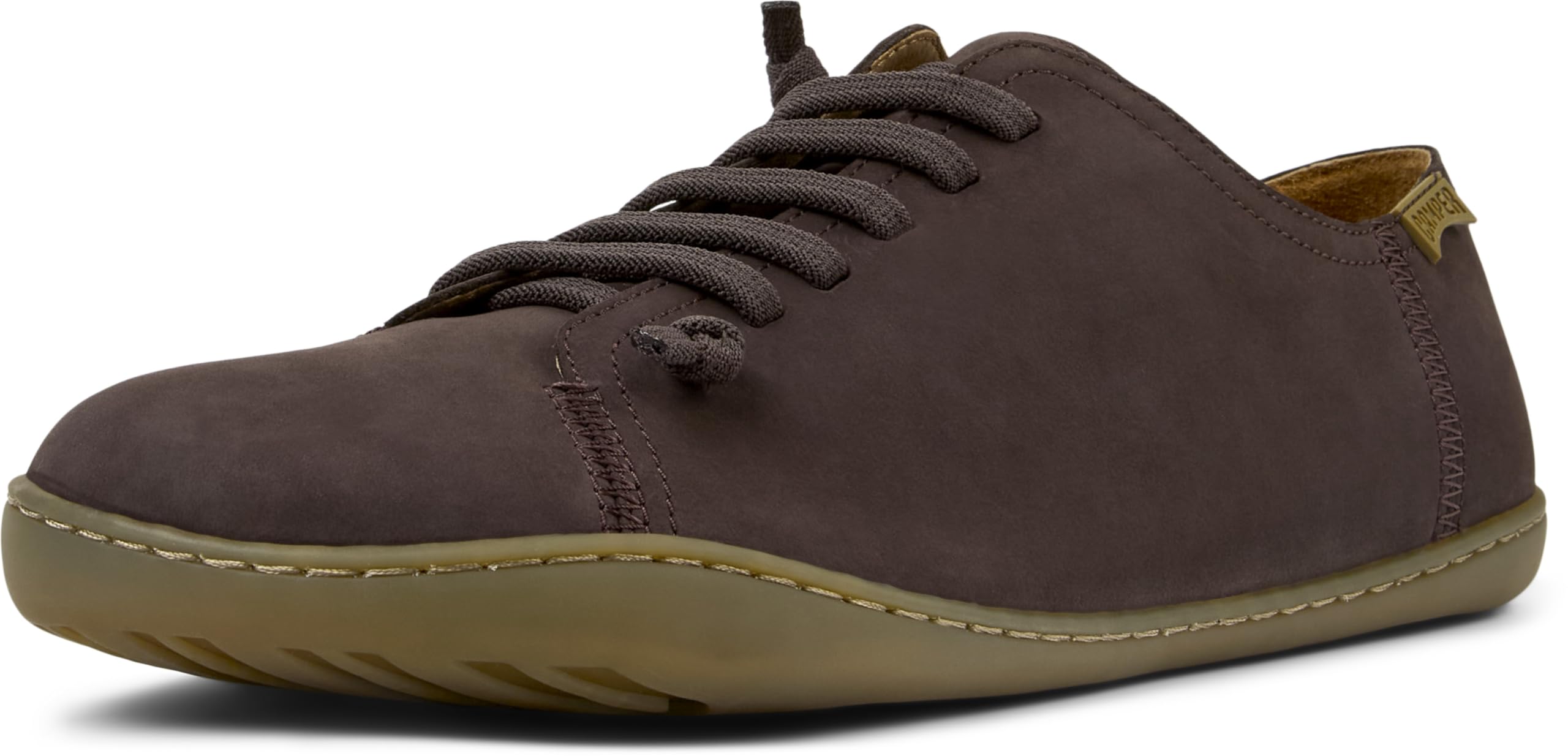
The Camper Peu Fashion Sneakers bring barefoot shape into a dress-casual package that works in offices and social settings. The leather upper is high-quality and breathable, and the natural foot shape provides more toe room than any conventional sneaker. The elastic lacing system makes them easy to slip on and off, and the style consistently earns compliments from non-barefoot wearers.
Several users note the surprising lack of arch support, unusual for Camper’s typical comfort-focused designs. Buyers transitioning from heavily padded shoes may find the flat interior uncomfortable at first. Adding a gel insole solves this, though it reduces toe volume. The fit runs large; use European sizing as reference. A 46 EUR corresponds to a US 13, not 12.
While not a technical barefoot boot, the Peu serves as an excellent gateway shoe for those who want the toe shape and zero-drop posture in a socially acceptable form factor. Durability is strong — the leather holds up well to regular wear. This is a lifestyle barefoot shoe, not a hiking or work boot. For casual daily wear, it balances style and natural foot function effectively.
Why it’s great
- Stylish design that blends barefoot shape with office-appropriate aesthetics
- High-quality leather upper that breathes and develops patina
- Elastic lacing system for easy on/off wear
Good to know
- Lacks arch support — may require an insole for transition users
- Sizing is inconsistent; use EUR size and check against Brannock
- Not designed for rugged terrain or cold weather use
FAQ
Can I wear barefoot boots in snow and freezing temperatures?
How long does it take to transition to barefoot boots?
What is the difference between stitch-down and cement construction?
Final Thoughts: The Verdict
For most users, the best barefoot boots for men winner is the JIM GREEN Barefoot African Ranger because it combines resoleable stitch-down construction with a genuinely massive toe box and full-grain leather at a price that undercuts premium competitors by a wide margin. If you need a fully waterproof boot for technical alpine terrain, grab the Vivobarefoot Tracker Leather AT — its warm-lasted leather and aggressive tread handle wet rock better than anything else here. And for tactical or security work where you stand 12+ hours, nothing beats the Belleville Mini-Mil TR102 for ground feel and zero-drop stability under heavy packs. Choose based on your primary terrain, not on looks — your feet will thank you.

Mo Maruf
I created WellFizz to bridge the gap between vague wellness advice and actionable solutions. My mission is simple: to decode the research and give you practical tools you can actually use.
Beyond the data, I am a passionate traveler. I believe that stepping away from the screen to explore new environments is essential for mental clarity and physical vitality.