Our readers keep the lights on and my smoothie glass nicely filled. As an Amazon Associate, I earn from qualifying purchases.
Waking up with a raw, chapped nose or a red pressure line across the bridge of your nose is a nightly battle that makes CPAP therapy feel like a punishment. That irritation, often from mask friction combined with blasted dry air, undermines the restorative sleep you are chasing. The right balm transforms that experience, letting you sleep leak-free without sacrificing skin comfort.
I’m Mohammad Maruf — the founder and writer behind WellFizz. I’ve spent hundreds of hours cross-referencing ingredient safety, mask-compatibility standards, and real user outcomes for CPAP skincare to separate effective formulas from those that just feel greasy.
After evaluating dozens of options, these five picks represent the most effective and practical solutions within the balm for dry nose cpap use category, balancing immediate soothing relief with long-term skin health and mask seal integrity.
How To Choose The Best Balm For Dry Nose CPAP Use
Not every moisturizer is safe for CPAP users. The wrong base can eat through silicone cushions or trap bacteria against your skin. Focus on three factors to make a sound decision.
Base Type: Water vs. Oil vs. Petroleum
Petroleum jelly (Vaseline) is the most common mistake. It degrades silicone masks over time and coating your nose in a hydrocarbon barrier can trap moisture against the skin rather than letting it breathe. Water-based gels (like those using sodium hyaluronate or aloe) absorb quickly and rarely react with mask materials. Oil-based formulas, particularly those using sesame or jojoba oil, offer deeper, longer-lasting hydration for the interior of the nostril but may feel heavier under a mask seal.
Mask Compatibility & Residue
If a balm leaves a greasy film, it can break the pneumatic seal of your cushion, causing loud air leaks that wake you up. Look for products described as “non-greasy” or “drip-free” that dry down to a semi-matte finish. Many users test a balm by applying a thin layer and letting it set for 60 seconds before putting the mask on. The best options actually help the mask grip better, allowing you to loosen the straps and reduce pressure marks.
Application Location: Inside vs. Outside the Nose
Some balms are designed specifically for the external skin where the cushion presses, while others are safe to insert a tiny amount just inside the nostril rim. Using the right one in the wrong place can either suffocate the interior lining or fail to protect the pressure point. Read the label carefully: products intended for “under the mask” are typically thicker, while “nasal moisturizer” products are thinner and safe for the membrane.
Quick Comparison
On smaller screens, swipe sideways to see the full table.
| Model | Category | Best For | Key Spec | Amazon |
|---|---|---|---|---|
| Baraka Nasal Oil | Oil-Based | Deep interior dryness | Organic sesame oil base | Amazon |
| Mars Wellness CPAP Gel | Barrier Cream | Pressure sores & leaks | Allantoin healing formula | Amazon |
| Aquegel Nasal Moisturizer | Water-Based Gel | 12-hour time-release relief | Micro-encapsulated water | Amazon |
| AeroMate CPAP Lotion | Non-Petroleum Lotion | Redness & facial marks | Aloe & shea butter base | Amazon |
| NeilMed NasoGel Spray | Spray Gel | Mess-free application | Drip-free spray nozzle | Amazon |
In‑Depth Reviews
1. Baraka Dry Nose Nasal Oil

Baraka uses cold-pressed organic sesame oil as the carrier, delivering deep, long-lasting moisture that penetrates the nasal membrane rather than just coating it. The blend of Cardamom, Everlast, and German & Roman Chamomile essential oils offers a gentle herbal aroma that supports breathing without being medicinal. A single drop per nostril applied with a finger or Q-tip provides coverage that lasts through an entire CPAP session, and a 1-ounce dropper bottle typically lasts around three months with twice-daily use.
This formula was developed with the Pacific Institute of Aromatherapy, giving it a legitimate therapeutic backing rather than just marketing copy. Many users report that this is the only product that has healed chronic, cracked nasal wounds, including one case of a 10-year-old injury that conventional gels and petroleum-based products could not resolve. Unlike saline sprays which can feel drying as they evaporate, the oil base maintains a protective layer without causing rebound dryness the next morning.
The dropper application takes a bit of practice — it is easy to squeeze out too much if you press the bulb too aggressively. The oil has a viscosity similar to olive oil, so it will drip if you apply it while leaning back too far. A Q-tip offers a more precise application for those who prefer not to use their fingers.
Why it’s great
- Organic, food-grade ingredients with no artificial preservatives.
- Lasts through the night without reapplication for interior dryness.
- Non-greasy feel once absorbed into the membrane.
Good to know
- Dropper bottle design makes dosing inconsistent without careful handling.
- Oil texture may feel unusual for users accustomed to gel-based products.
2. Mars Wellness CPAP Gel Skin Protectant

This tube delivers a clear, colorless gel that feels like a mid-weight serum rather than a heavy ointment. The key active ingredient is allantoin, a compound known for wound healing and skin regeneration, which actively repairs the chafed skin rather than just lubricating it. A very small drop — roughly the size of a peppercorn — is enough to coat the area where the cushion meets your skin, and letting it dry for 60 seconds before donning the mask improves the seal noticeably.
The gel creates a micro-thin film that fills the tiny gaps between skin and silicone, reducing air leaks and allowing many users to loosen their headgear by one or two notches. Less tension on the straps means fewer red pressure marks in the morning. Multiple reviewers confirm that this single tube, despite looking small, lasts for months of nightly use because the application is so thin.
Some users initially complain about the tube size thinking it is too small for the price, but the rich consistency means you should not be applying it heavily. The product is entirely fragrance-free, which is critical for those who find even mild scents distracting during sleep. A minority of users with very sensitive skin report a slight warming sensation upon application, which dissipates within a minute.
Why it’s great
- Allantoin actively repairs chapped skin rather than just masking dryness.
- Improves mask seal gasket to eliminate air leaks overnight.
- Fragrance-free and non-damaging to silicone mask materials.
Good to know
- Tube appears small; new users may mistakenly over-apply on the first use.
- May cause a temporary warm sensation for sensitive skin types.
3. Aquegel Nasal Moisturizer + Lavender
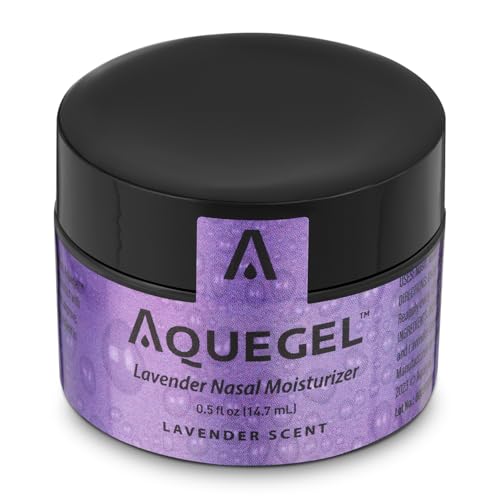
Aquegel employs a unique time-release technology where micro-encapsulated water droplets are embedded in a gel base that dissolves layer by layer as your body heat activates it. This provides a full 12 hours of moisture release, which aligns perfectly with the average CPAP session. The 0.5-ounce jar is deceptively small — the manufacturer notes one jar provides 30 to 45 days of daily use because you only need a tiny dab per nostril.
The water-based formula is a critical advantage for oxygen and CPAP users because it is non-flammable and will not degrade polycarbonate tubing or silicone cushions. The lavender essential oil is subtle and non-medicinal, earning praise from users who want a calming pre-sleep scent without feeling overwhelmed. Those who dislike lavender entirely may find the scent too persistent, but it fades significantly within the first fifteen minutes of application.
Some units have arrived with the inner foil seal compromised, allowing a small amount of the liquid essential oil to leak into the cap and cardboard packaging. This appears to be a quality-control inconsistency rather than a design flaw, but it is worth inspecting the seal carefully upon delivery. The gel is safe for all ages and is non-addictive, containing no steroids or irritating binders.
Why it’s great
- Time-release technology prevents the nose from drying out mid-sleep.
- Water-based formula is 100% safe for CPAP and oxygen equipment.
- One jar lasts over a month of nightly use.
Good to know
- Intermittent quality control issues with the inner foil seal.
- Lavender scent, while pleasant, is a dealbreaker for scent-sensitive users.
4. AeroMate CPAP Nasal Moisturizing Lotion with Aloe
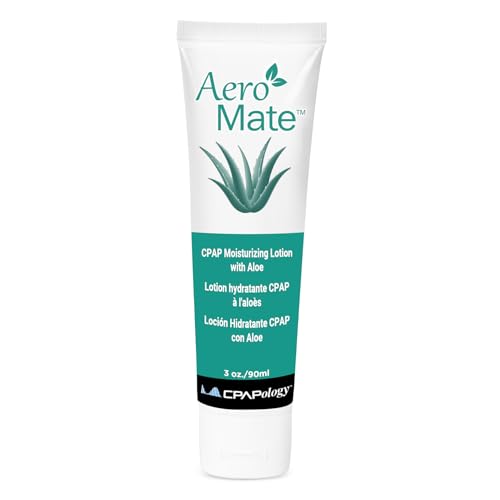
AeroMate combines aloe vera, shea butter, and argan oil into a lightweight lotion that is specifically formulated for CPAP and oxygen users. The application targets the external skin around the nostrils and the bridge of the nose — areas most prone to redness, facial marks, and irritation from cushion pressure. Because the base is non-petroleum, it will not degrade your mask’s silicone, and the formula is completely unscented to avoid sensory interference during sleep.
The lotion texture is noticeably thinner than petroleum-based options, so it spreads easily and absorbs within about 30 seconds. Users report that applying a thin coat around the nostril rim helps prevent the CPAP pillow from irritating the skin’s outermost layer, and one user specifically mentioned it allowed them to use a smaller full-face mask with a looser fit because the product improved the cushion’s grip. The 3-ounce tube is one of the larger offerings in this category, providing good value for the number of applications.
The thinner consistency means it is not as effective for sealing air leaks as a thicker gel. It is a recovery lotion rather than a barrier seal. Users who apply it inside the nostril hoping for interior moisture will be disappointed — the instructions and reviews consistently place it as an external protectant. It also requires a brief drying period before putting on the mask to avoid slipping.
Why it’s great
- Rich botanical blend (aloe, shea, argan) soothes redness and irritation effectively.
- Larger 3-ounce bottle provides better volume than most competitors.
- Unscented and non-petroleum, safe for all standard CPAP masks.
Good to know
- Thin formula does not fill gaps or improve mask seal like a gel.
- Designed for external use only — not effective for interior nasal membrane.
5. NeilMed NasoGel Drip Free Gel Spray
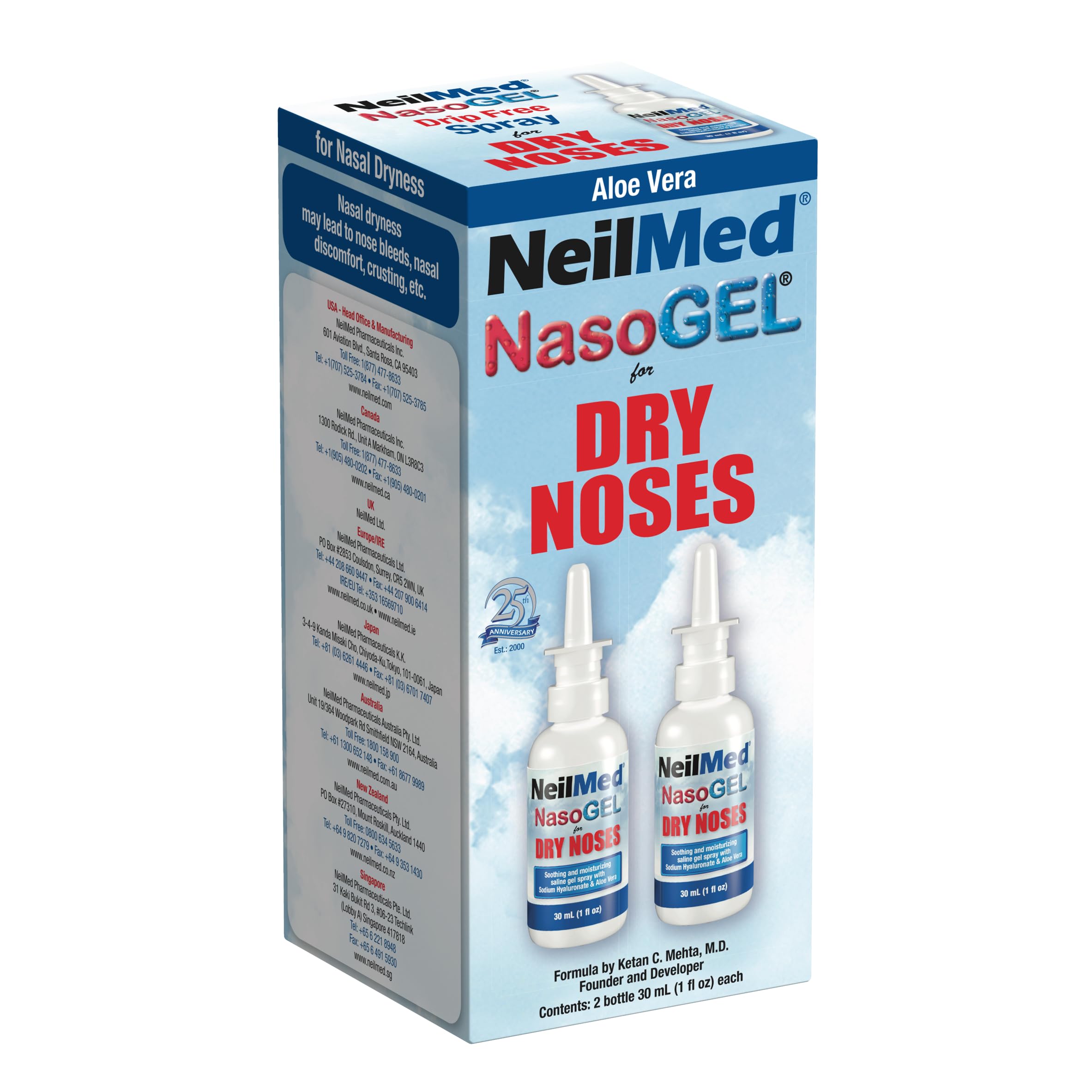
NeilMed turns the typical balm concept upside-down by delivering a saline-based gel through a spray nozzle that creates a fine mist without dripping down the throat. The formula includes aloe vera for soothing and sodium hyaluronate (hyaluronic acid) for deep hydration — the same ingredient used in high-end skincare serums for its ability to hold water. The 2-pack configuration provides two separate 30mL bottles, making it easy to keep one at home and one in a travel bag or at the office.
The spray mechanism is the standout feature here. Unlike tube balms that require a finger swipe or a Q-tip, this bottle delivers targeted moisture with one press, making it ideal for users who wear bi-pap or CPAP masks and want a quick application before bed without getting product on their hands. The drip-free claim holds up well in practice, and the spray is gentle enough not to trigger a sneeze reflex. Users on oxygen concentrators report that this reduces the morning hacking and throat clearing associated with dry nasal passages.
Because it is a saline-based gel, it may require reapplication if you sleep for more than eight hours or if your humidifier is set very low. Some users transitioning from thicker oil-based balms or petroleum jelly find the gel insufficient for severe dryness. The texture is light and watery rather than creamy, and while it hydrates the membrane, it does little to protect the external skin where the mask cushion presses.
Why it’s great
- Spray nozzle allows hands-free application with no mess or residue on fingers.
- Hyaluronic acid and aloe provide deep, soothing hydration without sting.
- 2-pack value makes it cost-effective over single-tube competitors.
Good to know
- Water-based gel may require mid-night reapplication for severe dryness.
- Does not protect the external skin or improve mask seal performance.
FAQ
Can I use Vaseline with my CPAP mask?
Should I apply the balm inside my nostril or outside on the skin?
How do I stop my CPAP mask from leaking without over-tightening the straps?
Final Thoughts: The Verdict
For most users, the balm for dry nose cpap use winner is the Mars Wellness CPAP Gel because it repairs damaged skin while simultaneously improving the mask seal, delivering two benefits in one application. If you primarily suffer from deep interior nasal dryness during the night, grab the Baraka Nasal Oil. And for a completely hands-off, mess-free experience, the NeilMed NasoGel Spray is the fastest pre-bed solution with no cleanup required.

Mo Maruf
I created WellFizz to bridge the gap between vague wellness advice and actionable solutions. My mission is simple: to decode the research and give you practical tools you can actually use.
Beyond the data, I am a passionate traveler. I believe that stepping away from the screen to explore new environments is essential for mental clarity and physical vitality.