Our readers keep the lights on and my smoothie glass nicely filled. As an Amazon Associate, I earn from qualifying purchases.
Specs are compiled from manufacturer listings and verified buyer reviews and can change over time — please confirm the key details on the product page before buying.
Dropping a tomato plant into plain bagged topsoil is a recipe for pale leaves, leggy vines, and disappointing harvests. Tomatoes are heavy feeders that need specific drainage, aeration, and nutrients that generic dirt cannot provide. This guide walks you through the best bagged soil for tomatoes — mixes that deliver the root structure and feeding schedule your plants actually need from the first transplant to the final fruit set.
I’m Mohammad Maruf — the founder and writer behind WellFizz. This guide is built by comparing the manufacturers’ published specifications and the patterns across verified customer reviews, so you get each pick’s real strengths and trade-offs instead of marketing spin.
Whether you are planting in raised beds, containers, or amending heavy clay, the right bag starts with knowing what your variety demands. This is your complete, no-nonsense breakdown of the bagged soil for tomatoes that earns a spot in a serious gardener’s shed.
Our Picks at a Glance


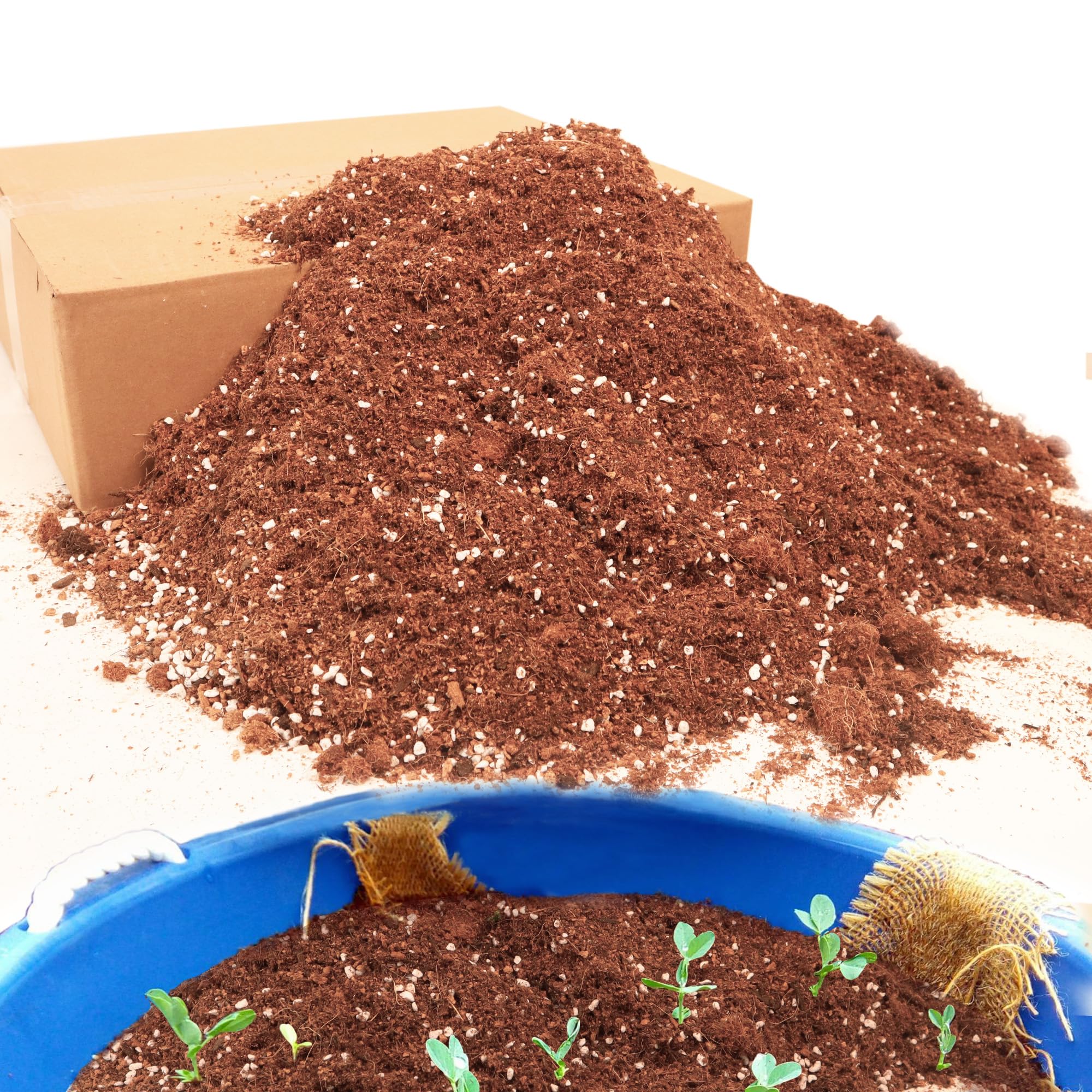
How To Choose The Best Bagged Soil For Tomatoes
Tomatoes are not forgiving. Pick a soil that packs down or holds too much water, and you invite root rot, blossom-end rot, and stunted growth. The right bag has three things: drainage, a steady nutrient supply, and a structure that lets roots roam without hitting a hardpan.
Drainage and Aeration are Non-Negotiable
Tomato roots need oxygen as much as they need water. A mix with perlite, vermiculite, or rice hulls (light, porous materials that create air pockets) keeps the soil from turning into mud after a rain. Look for those ingredients near the top of the list; they are your first defense against root suffocation.
Organic Matter and Feeding
Composted manure, worm castings, kelp meal, and lobster or crab meal are slow-release foods that feed the plant week after week without burning the roots. A “feeds up to 6 months” label means you can skip fertilizer for a full season, but check if the bag also contains a mycorrhizal inoculum — a beneficial fungus that forms a partnership with the root system to pull more water and nutrients from the soil.
Container vs. In-Ground
A mix designed for containers needs to be lighter and drain faster than one meant for ground beds, because a pot has no subsoil to wick away excess water. Most bagged soil sold for vegetables works for both, but if you are growing in a 5-gallon pot, you want something specifically labeled for containers or potting.
Avoid the Fungus Gnat Trap
Soggy, poorly stored soil is a magnet for fungus gnats — tiny black flies that lay eggs in damp organic matter. Several quality brands have drawn negative reviews for this exact reason. If you have indoor starts or a small greenhouse, consider a mix that gets consistently high marks for hygiene, or let the bag sit open and dry slightly before planting.
Quick Comparison
| Model | Best For | Volume | Key Ingredient | Mycorrhizae | Amazon |
|---|---|---|---|---|---|
| Espoma Land and Sea Compost★ Best Overall | Amending garden beds | 1 cu ft | Lobster & Crab Meal | Yes | Amazon |
| Espoma Organic Potting MixBest Value | Indoor & outdoor pots | 8 qt | Earthworm Castings | Yes | Amazon |
| Avalution Potting MixLight & Airy | Aeration-hungry vegetables | 9 qt | Rice Hull Charcoal | No | Amazon |
| Coast of Maine Tomato & Veggie | Tomato-specific container growing | 20 qt | Composted Manure | No | Amazon |
| Espoma Vegetable & Flower Garden Soil | In-ground gardens | 1 cu ft | Earthworm Castings | Yes | Amazon |
| Miracle-Gro Potting Mix (3-Pack) | Beginner convenience | 8 qt (x3) | Fertilizer blend | No | Amazon |
| Premier Pro Mix with Mycorrhizae | Seed starting & fine roots | 2.8 cu ft | Peat & Perlite | Yes | Amazon |
| Miracle-Gro Moisture Control | Large containers & forgetfulness | 2 cu ft | AquaCoir Formula | No | Amazon |
In‑Depth Reviews
1. Espoma Organic Land and Sea Gourmet Compost
Our pick — over 4.5★ from 950+ verified ratings; the strongest balance of quality and price.
Lobster and crab meal deliver slow-release nitrogen while mycorrhizae (a beneficial fungus that partners with roots) boost water and nutrient uptake, making this amendment the top pick for yield.
This 24-pound bag is not a standalone potting mix — it is a soil amendment designed to be blended into native ground or container mixes. What makes it special is the lobster and crab meal, which delivers a slow-release hit of nitrogen and chitin (a natural pest-deterrent compound found in shellfish shells). Reviewers report that after amending with this bag, tomatoes became noticeably more productive and larger after a single season. At 1 cubic foot, a single bag amends a decent-sized raised bed or several large containers.
The secret weapon is Myco-Tone — a proprietary blend of endo and ecto mycorrhizae (two types of root-colonizing fungi) that pull more water and phosphorus from the soil. Expect a rich, earthy compost with granules that mix easily into your existing dirt. The quality earns the most praise by a wide margin, followed closely by the boost in plant health. A handful of owners note the cost is noticeable, but almost all consider the results worth the premium.
The honest trade-off is that this is a supplement, not a complete soil. If you are filling pots from scratch, you will need a base potting mix to blend it into. For gardeners who already have decent soil and just want a supercharged season, this is the single bag that changes everything.
Why It Wins
- Lobster and crab meal provide a unique, slow-release nutrient profile
- Mycorrhizae significantly boost root absorption and plant vigor
- Versatile as an amendment for both in-ground and container gardens
Head’s Up
- Must be mixed with a base soil, not used on its own
- Some gardeners find it pricey for a single 24-pound bag
Grab it if: You already have decent soil and want one potent, organic boost that pushes your tomatoes into their peak.
Think twice if: You need a complete one-bag potting mix; this is an amendment, and you will need a base soil to blend it into.
2. Espoma Organic Potting Soil Mix
An all-natural mix that feeds your tomato plant a steady diet through five different organic ingredients — no chemical shock.
This 8-quart bag is built for container gardening — indoor or outdoor. The ingredient list reads like a soil superfood smoothie: sphagnum peat moss, humus, perlite, earthworm castings, alfalfa meal, kelp meal, and feather meal. Each of those organic components releases nutrients at a different pace, meaning your tomato plant gets a steady diet rather than a one-time chemical shock. Myco-Tone is also included here, giving roots the same fungal partnership that makes the Land and Sea compost so effective.
The bag is featherlight at 4.4 pounds, which makes it far easier to handle than a heavy 24-pound brick — a 5.5x weight gap compared to the Land & Sea amendment. Owners say the consistency is excellent and that plants respond well from the first week. The catch that surfaces repeatedly is pest issues: a portion of bags arrive with fungus gnats. It is not universal, but if you are starting seeds indoors, it is worth letting the soil air out for a day or two before planting. The quality is high, but the gnat risk is real for sensitive indoor setups.
Given the volume, this is best for a few patio pots or a single large container. For a bigger raised bed, you would need multiple bags, which starts to push the cost. As an entry-level organic option that includes mycorrhizae without the premium price of the Land and Sea, it is tough to top for a small-scale gardener.
What Works
- Loaded with diverse organic amendments for steady feeding
- Includes mycorrhizae to improve root efficiency
- Lightweight and easy to handle for container work
What to Watch
- Fungus gnats are a recurring complaint in some batches
- Small 8-qt bag size means you will need several for larger projects
Best for: The container gardener with a few pots of herbs, tomatoes, or peppers who wants an organic mix with minimal fuss.
Not ideal for: Large raised beds or gardeners who cannot risk introducing gnats near indoor plants.
3. Avalution Potting Soil Mix
This mix uses 55% coconut coir fiber and four other ingredients to create air pockets that stop containers from waterlogging — a stronger aeration package than the Espoma Potting Mix.
This mix from Avalution is a precise recipe: 55% coconut coir fiber, 12% peat moss, 11% perlite, 11% vermiculite, and 11% rice hull charcoal. The first thing you notice is how light it is — owners consistently call out the fluffy, airy texture that water runs through easily without pooling. That is critical for tomatoes in containers, where compacted soil is the fastest way to stunt growth. The rice hull charcoal also adds a subtle detox effect, binding to impurities in the soil.
The bag is 9 quarts, which is slightly larger than the Espoma Organic Potting Mix’s 8 quarts. Multiple owners point out that this soil is much better than name-brand big-box mixes. The value-for-money opinions are mixed, and a few note the bag size could be bigger for the cost. But the trade-off is clear: you are paying for aeration science, not filler. One reviewer noted: “Very soft, airy, fluffy, clean, and much better than name brand stuff.” If your tomatoes have struggled with waterlogged pots in the past, this is the structural fix.
Unlike the Espoma offerings, this mix does not include mycorrhizae or a built-in fertilizer. You will need to add your own feeding schedule. Think of it as a premium base that handles the root environment while you handle the nutrition.
Strengths
- Exceptional aeration and drainage from the balanced perlite and vermiculite
- Lightweight texture that handles easily in containers
- Rice hull charcoal adds unique porosity and purification
Limitations
- No added mycorrhizae or long-term fertilizer
- Some owners feel the bag is small for the price
Reach for this if: You want maximum drainage for tomatoes in containers and plan to manage your own liquid fertilizer routine.
Pass if: You prefer a mix that already includes slow-release feeding and mycorrhizae for a truly hands-off season.
4. Coast of Maine Organic Tomato & Vegetable Planting Soil

A 20-quart tomato-specific blend with a composted manure base that fills one 5-gallon pot perfectly, and its lightweight texture makes carrying from car to garden easy.
Coast of Maine formulated this bag specifically for tomatoes and vegetables, which means the composted manure base is already balanced for the heavy feeding these plants demand. At 20 quarts, it is a generous size for multiple pots, and buyers report that a single bag fills one 5-gallon pot perfectly — tomatoes and zucchini thrive in that setup. The soil is noticeably lightweight, making it easy to carry from the car to the garden bed without breaking your back.
The moisture retention and drainage are both strong — plants show visible new growth within days of transplanting, according to experienced growers. Many specifically recommend it for heirloom tomatoes that need excellent drainage. On the downside, the occasional bag contains undecomposed twigs (common with truly organic compost), which can be annoying if you expect a refined mix. A few owners also mention infestation concerns with fungus gnats, though far less frequently than with the Espoma Potting Mix. Soil quality and plant health are the most-discussed positives by a large margin — 51 mentions for soil quality alone, according to one review analysis.
It is OMRI-listed for organic use, so it passes the clean-label test. If you are a dedicated tomato grower looking for a mix that understands the crop’s specific needs, this is the most targeted option here.
Pros
- Specifically formulated for tomatoes and vegetables
- Lightweight texture eases handling and container use
- OMRI-listed organic with excellent nutrient density
Cons
- Occasional woody debris in the bag
- Gnat issues reported by a minority of buyers
Grab it for: A targeted container mix that lets you plant and walk away, knowing the pH and nutrients are already dialed in for tomatoes.
Look elsewhere for: Indoor seed starting where any risk of gnats is unacceptable.
5. Espoma Organic Vegetable & Flower Garden Soil

Side-by-side tests by owners showed this in-ground mix produced greener leaves and earlier fruit set than a generic big-box organic mix, thanks to Myco-Tone and earthworm castings.
This is the in-ground version of the Espoma family, designed to be mixed thoroughly with your native garden soil rather than used solo in a pot. The ingredient list is simpler but effective — earthworm castings and Myco-Tone are the stars, with no heavy meals or shellfish products. The instruction is straightforward: mix it with the existing dirt in your bed, and let the mycorrhizae start working. Multiple owners who ran side-by-side tests report that plants in Espoma this mix visibly outperformed plants grown in a generic big-box organic mix — greener leaves, more flowers, earlier fruit set.
At 1 cubic foot, it covers a substantial garden patch. Some owners mention that the bags arrive bug-free, which is a relief for anyone burned by gnats in other mixes. However, a few buyers did experience gnats after using it outdoors in pots, possibly due to drainage conditions rather than the soil itself. The quality and plant health are the dominant praise points, with organic richness and ease of use getting frequent nods. It is a trusted workhorse for anyone with an existing garden bed who just needs a nutrient bump and a mycorrhizal kickstart.
The main distinction: this is not for containers. If you are potting, go with the Espoma Organic Potting Mix. For ground beds, this is the one.
Why It Shines
- Rich organic formula with earthworm castings for steady nutrition
- Mycorrhizae strengthen root systems in native soil
- Proven in side-by-side tests against competitor mixes
Consider This
- Designed for in-ground use, not container potting
- A small number of owners mention gnat issues in potted scenarios
Best for: The gardener who wants to amend a full garden bed with one bag and get a measurable yield increase from their tomato patch.
Not for: Container-only gardeners; pick the Espoma Potting Mix or Coast of Maine instead.
6. Miracle-Gro Potting Mix (3-Pack)

Three 8-quart bags eliminate the back strain of heavy soil while providing up to 6 months of feeding, making this a beginner-friendly alternative to the organic Espoma mixes.
Miracle-Gro is the brand almost every gardener knows, and this 3-pack of 8-quart bags makes it easy to grab exactly what you need without wrestling a massive sack. The selling point is the built-in fertilizer that feeds for up to 6 months and, according to the maker, produces plants twice as big as unfed ones. For a beginner or someone who forgets to fertilize, that is a meaningful safety net — the mix keeps releasing nutrients so your tomatoes get consistent feeding even when you are busy.
The texture is well-draining without packing down, and owners consistently praise it for both outdoor and indoor containers. A regular buyer specifically likes the smaller bags because they are lighter to carry and store. The value-for-money reviews are mixed: some appreciate the convenience of a 3-pack, while others feel the bags are small for the price. If you are filling numerous large pots, you will need several packs. The quality is praised, and plant health is the second most-discussed positive, but the bag size and cost divide opinions.
Versatility stands out here — one gardener uses it for flowers, vegetables, shrubs, and perennials, all from the same bag. It may not have the organic pedigree or mycorrhizae of Espoma, but for pure feeding convenience and reliable results, this 3-pack is a practical, low-hassle choice.
Pros
- Built-in fertilizer feeds plants for up to 6 months
- Smaller bags are much easier to carry and store
- Works well for both indoor and outdoor containers
Cons
- Not organic; uses synthetic fertilizer
- Value for money is polarizing — small bags for the price
Reach for it if: You want a set-and-forget potting mix for a few containers and do not mind synthetic feeding for the convenience.
Skip if: You are committed to organic, natural growing and want mycorrhizae or compost-based nutrition.
7. Premier Pro Mix with Mycorrhizae
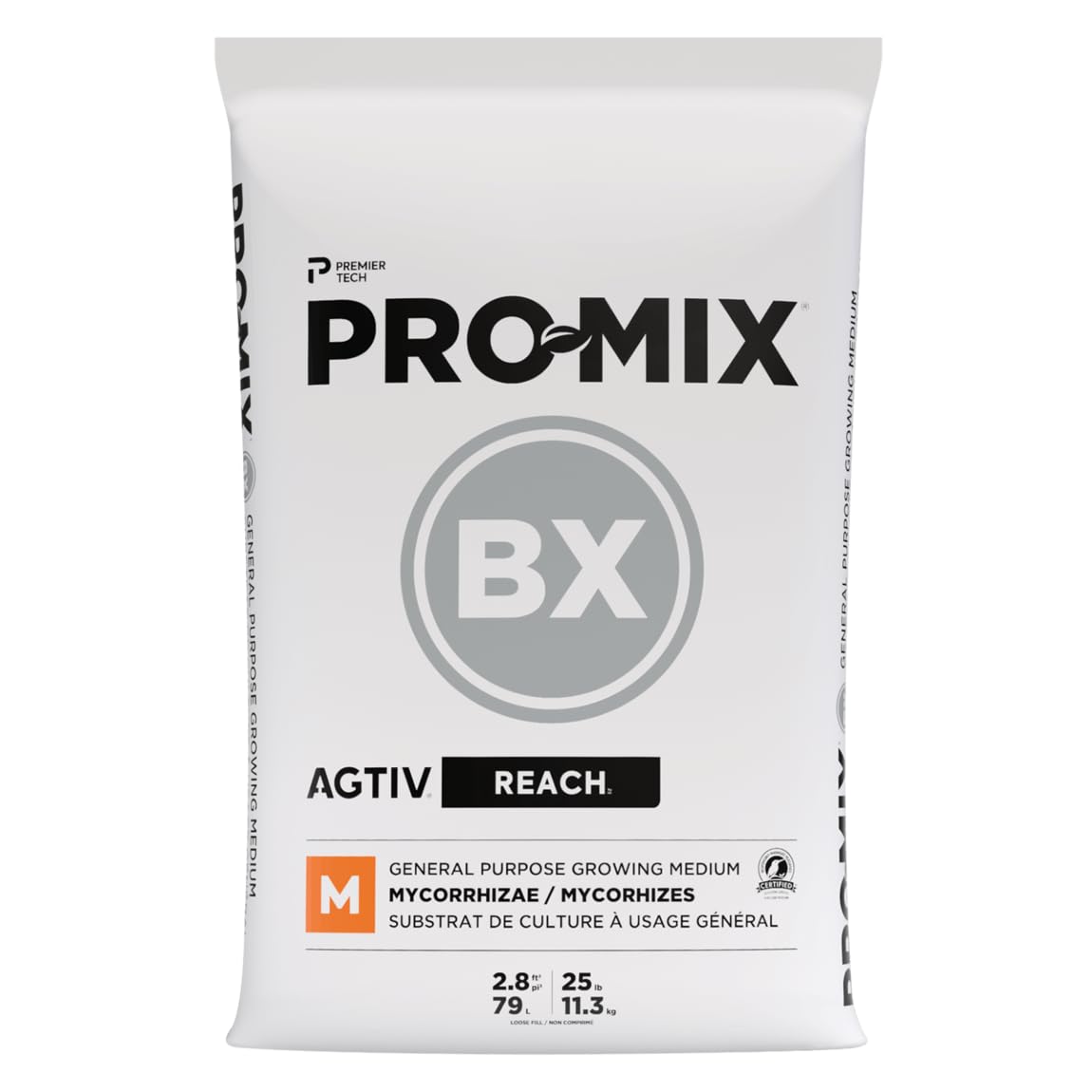
This 2.8-cubic-foot soilless mix, the largest volume on the list at 25 pounds, gives tomato seedlings near-100% germination with minimal gnat problems — a clean base for growers who control every gram of fertilizer.
Premier Pro Mix is a different animal than the bagged soils above. It is a soilless, peat-based growing media designed for greenhouse starts, seed trays, and plants with fine, delicate root systems like African Violets. The 2.8 cubic foot bag is enormous — the largest volume in this list — and at 25 pounds, it is still manageable. The mix includes a mycorrhizal inoculum (Glomus intraradices, a specific fungus strain) that forms a symbiotic relationship with the root system, increasing water and nutrient acquisition.
among the most useful things about this mix is how clean it is. Several owners who switch to Pro Mix report no fungus gnat problems compared to other bagged soils — the peat texture holds moisture without staying soggy. The soil quality is the most praised aspect, and owners note that it works perfectly as a nutrient-free additive to lighten organic living soil mixes. Because it is nutrient-free by design, you must supply all your own feeding from day one. That is a feature for growers who want total control, but a drawback for anyone hoping for a grab-and-go solution.
For tomato growers starting plants from seed, this is tough to beat. The fine texture and oxygenation give young roots the best possible start. Just remember: this is a base, not a complete meal.
What Stands Out
- Excellent for seed starting and propagation
- Mycorrhizae included for improved root function
- Bag is massive — great value for serious planters
- Very low gnat complaints compared to other organic soils
Limitations
- Nutrient-free — you must add your own fertilizer
- Not a complete soil for container tomatoes on its own
Best for: The serious seed starter or greenhouse grower who wants a sterile, consistent base and prefers to control every gram of fertilizer.
Not for: Anyone looking for an all-in-one bag to dump into a pot and plant.
8. Miracle-Gro Moisture Control Potting Mix

The AquaCoir formula claims to absorb up to 33% more water than basic potting soil, protecting tomatoes from over- and under-watering — and at 2 cubic feet, it costs less per quart than the 3-pack of smaller Miracle-Gro bags.
This is the big bag that fills two 14-inch containers, and the star feature is the AquaCoir Formula — the maker claims it absorbs up to 33% more water than basic potting soil. For tomato growers who travel, work long hours, or simply forget to water on schedule, this moisture control is a genuine lifesaver. It also feeds plants for up to 6 months, with the same claim of growing plants twice as big as unfed ones. The volume alone makes it the most economical option for large container projects.
Owners who start 500 to 700 plants annually in deep six-packs say this mix ensures near-100% germination and rapid growth, allowing them to delay their start dates and still get a full harvest. That kind of repeated, high-volume use is a strong endorsement. The soil quality and plant health dominate the praise with 58 and 33 mentions, respectively, per one review analysis. However, moisture retention gets mixed feedback — some find it holds water for up to 8 days, while others find it dry. Pest resistance is also split: many report zero bugs, while a few do encounter gnats.
At 40.5 pounds, this is a heavy bag, so factor in delivery to your front door. Compared to the 3-pack of smaller Miracle-Gro bags, this single big bag offers far better value per volume for the budget-conscious tomato grower.
Pros
- Large volume gives excellent value per container
- Moisture control protects plants from inconsistent watering
- Feeds for up to 6 months with no extra fertilizer needed
- Long history of reliable results for seed starters
Cons
- Heavy bag at 40.5 pounds
- Moisture retention can be too much for some setups
- Not organic; relies on synthetic fertilizer
Grab it if: You want an affordable, large-volume bag for big containers and appreciate having a watering buffer that stops your tomatoes from wilting on a hot day.
Consider something else if: You are growing in small pots that need fast drying between waterings, or you prefer an organic approach.
Understanding the Specs
Mycorrhizae
This is a beneficial fungus you add to the root zone. It colonizes the root system and forms a partnership that pulls more water, phosphorus, and trace minerals from the soil than the roots could reach alone. Bags that include “Myco-Tone” or “Glomus intraradices” on the label are giving your tomatoes a built-in nutrient-scavenging team.
Volume and Bag Size
Tomatoes need room to spread roots. A 2-cubic-foot bag fills about two 14-inch pots; an 8-quart bag is roughly a quarter of that. Match the bag size to your container count. For a single 5-gallon grow bag, 20 quarts is the balance. Larger volumes almost always mean better value per quart, but a bigger bag is heavier and harder to store.
FAQ
Can I use regular garden soil for tomatoes in containers?
How many quarts of soil does one tomato plant need?
What is the difference between potting mix and garden soil?
Is bagged soil with mycorrhizae worth paying extra for?
Will bagged soil attract fungus gnats?
Can I mix two bags together for better results?
How often should I replace bagged soil in containers?
Do I need to add fertilizer if the soil says “feeds up to 6 months”?
Final Thoughts: The Verdict
If you want one dependable pick, the bagged soil for tomatoes winner is the Espoma Organic Land and Sea Gourmet Compost because the lobster and crab meal, teamed with mycorrhizae, delivers the most dramatic yield improvement per bag — a proven boost that regular composts simply cannot match. If you want a dedicated container mix that knows your tomato crop, grab the Coast of Maine Tomato & Veggie. And for the biggest bang for your buck when filling lots of large pots, the Miracle-Gro Moisture Control Potting Mix is the one to reach for, just account for the extra weight at delivery.
How We Picked
We do not accept paid placement. Every pick is matched to a real buyer and a real use-case; we do not hands-on test units.
Sources & Methodology
Specifications: manufacturer listings and product documentation. Review insights: verified customer reviews, as of July 2026. Pricing: not shown on this page (it changes often); check the current price via the retailer link.
As an Amazon Associate, WellFizz earns from qualifying purchases. This does not affect which products we feature.
Related Guides

Mo Maruf
I created WellFizz to bridge the gap between vague wellness advice and actionable solutions. My mission is simple: to decode the research and give you practical tools you can actually use.
Beyond the data, I am a passionate traveler. I believe that stepping away from the screen to explore new environments is essential for mental clarity and physical vitality.