Our readers keep the lights on and my smoothie glass nicely filled. As an Amazon Associate, I earn from qualifying purchases.
A teen’s backpack isn’t just a bag—it’s a mobile locker, a gym duffel, a laptop case, and a snack carrier all rolled into one. The real test isn’t how it looks on day one, but how the zippers, straps, and stitching hold up after a full semester of hallway drags, cafeteria floor drops, and overstuffed Friday afternoons.
I’m Mohammad Maruf — the founder and writer behind WellFizz. I’ve spent years analyzing the hardware specs that separate a school-year survivor from a mid-semester return, from S-curve harness geometry to the denier count of water-resistant polyester.
Every bag in this guide was chosen because it answers a specific teen need, whether that’s a 16-inch laptop sleeve, a deep side pocket for a 32-ounce bottle, or a padded back panel that doesn’t sweat. This is the definitive guide to the best backpacks for teens across every real-world school scenario.
How To Choose The Best Backpacks For Teens
Teen backpacks face a unique stress profile: the weight of multiple textbooks, the daily abuse of being thrown into a locker, and the need to fit a laptop, lunch, and gym clothes simultaneously. A bag that works for a college student may be too large or lack the right compartment geometry for a middle or high schooler. The right choice balances capacity, durability, and ergonomic fit for a growing frame.
Harness Design: S-Curve vs. Straight Straps
An S-curve harness contours to the natural shape of the shoulders and chest, distributing weight more evenly across the upper back. Straight-cut straps, common on classic daypacks, tend to slide off narrower shoulders and concentrate pressure on the trapezius muscles. For a teen carrying 15–20 pounds of books, an S-curve design reduces fatigue significantly over a full school day.
Capacity and Compartment Layout
Capacity is measured in liters, and the sweet spot for most teen school loads is 20L to 26L. Below 20L, you struggle to fit binders and a change of shoes. Above 26L, the bag becomes unwieldy for smaller torsos. The compartment count matters just as much: a dedicated padded laptop sleeve, two water bottle pockets, and an organized front pocket for chargers and pens separate a functional backpack from a black hole.
Material and Zipper Quality
The abrasion-resistant coating on the bottom panel and the gauge of the zipper teeth are the two most overlooked durability factors. A backpack made from water-resistant polyester with a reinforced coated base will survive being dropped on concrete and set down on wet grass. Metal zippers with large, corded pulls are far less likely to jam or break than lightweight plastic alternatives, especially when the bag is overstuffed.
Quick Comparison
On smaller screens, swipe sideways to see the full table.
| Model | Category | Best For | Key Spec | Amazon |
|---|---|---|---|---|
| Under Armour Hustle 6.0 | Mid-Range | All-around durability | 26L volume, UA Storm coating | Amazon |
| Simple Modern Ellis | Premium | Premium build quality | 20L, 16″ laptop sleeve, Cordura | Amazon |
| WINDARS School Backpack | Mid-Range | Trendy organization | 25L, 20 pockets, USB port | Amazon |
| JanSport Cross Town Plus | Mid-Range | Classic reliability | 15″ padded laptop sleeve | Amazon |
| The North Face Court Jester | Premium | Kid-specific ergonomics | 24.6L, 14.5 oz weight | Amazon |
| adidas Weekender | Premium | Compact daily carry | 19L, 1.01 lbs, nylon | Amazon |
| Lohol Daypack | Budget | Lightweight value | 15.6″ laptop slot, 1.56 lbs | Amazon |
In‑Depth Reviews
1. Under Armour Unisex Hustle Sport 6.0 Backpack
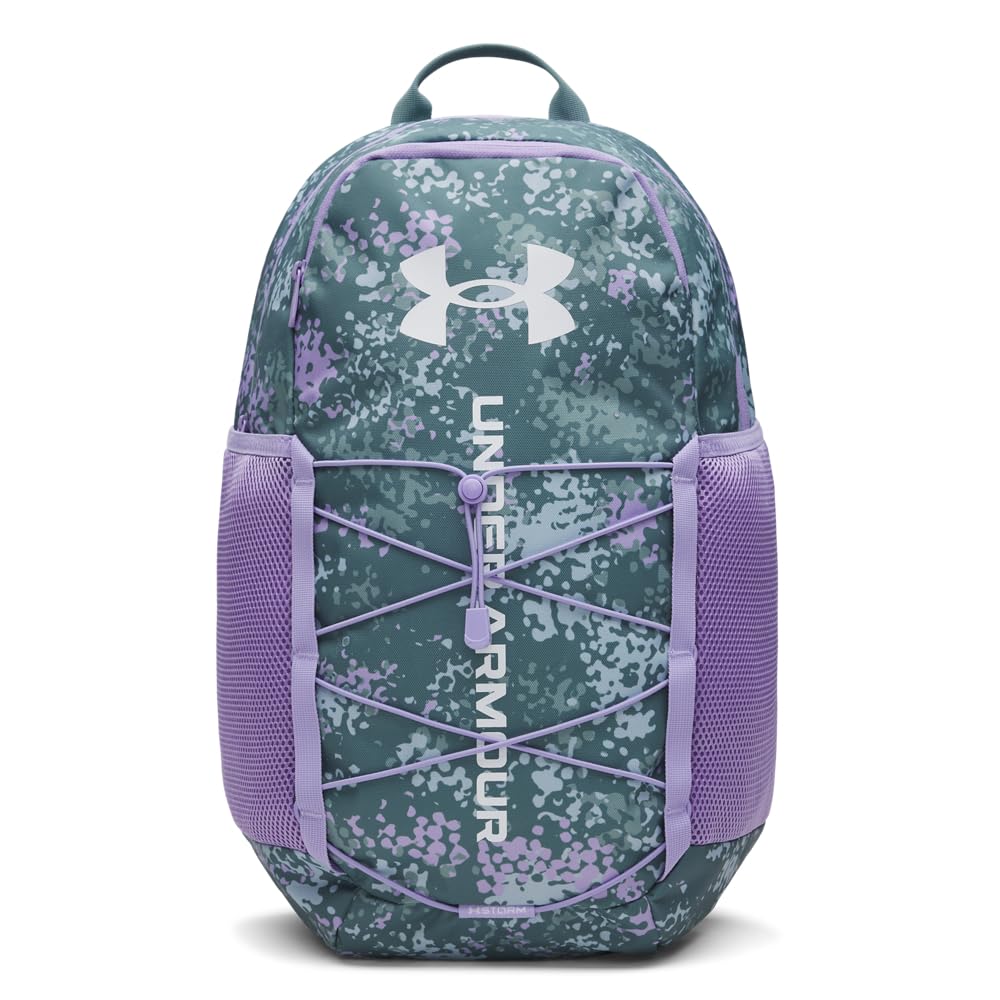
The Hustle 6.0 hits the capacity sweet spot at 26 liters, which is large enough to swallow a 16-inch MacBook Pro, a full set of textbooks, a lunch box, and a jacket without forcing the teen to over-stuff. The UA Storm water-resistant coating is a practical addition for rainy commutes and wet bus stops, and the abrasion-resistant coated bottom handles concrete classroom floors well.
The S-curve harness is the key ergonomic feature here. Instead of straight straps that dig into narrow shoulders, the contoured design helps distribute the load across the chest and upper back. The padded back panel adds a layer of ventilation that prevents the sweaty-back problem common with cheaper foam panels.
Customer feedback consistently praises the deep side pockets, which easily accommodate a 32-ounce bottle on one side and an umbrella on the other. The front bungee closure is useful for stashing a jacket or a pair of shoes without opening the main compartment, and the zippers hold up well under daily use. Multiple users report the bag looks new after months of abuse.
Why it’s great
- 26L capacity fits nearly every school-day item
- UA Storm coating adds real water resistance
- S-curve straps improve weight distribution
Good to know
- Strap length may be slightly long for smaller middle-schoolers
- Limited color options compared to lifestyle brands
2. Simple Modern Ellis Backpack
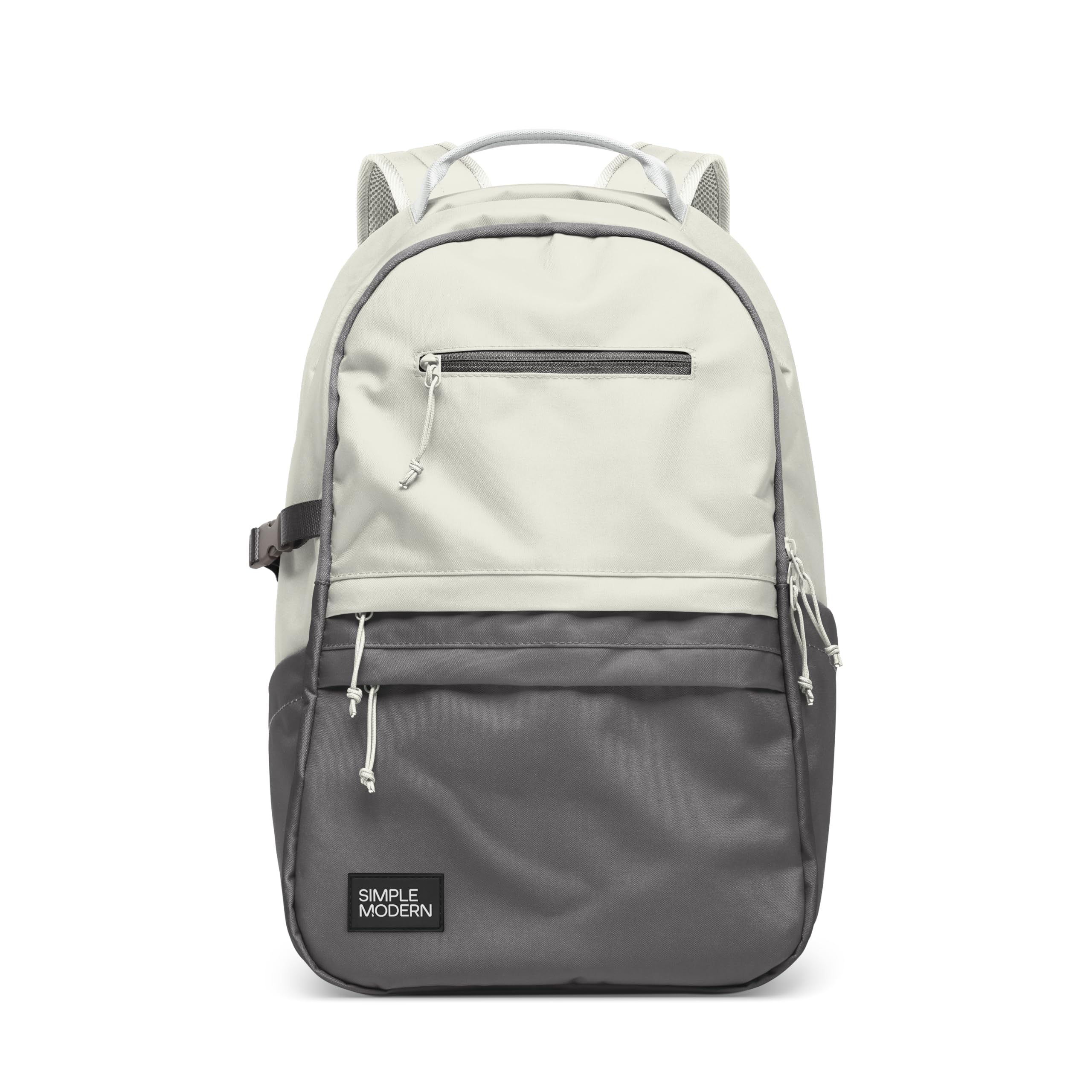
The Ellis backpack uses Cordura polyester, a fabric with a higher denier count than standard backpack material, making it significantly more resistant to snags, abrasion, and fading. The water-resistant finish is a functional layer for wet school mornings, and the reinforced stitching at stress points—the strap attachment and the base—points to a bag built for multiple school years.
At 20 liters, the Ellis is a smaller carry than the Under Armour Hustle, making it a better fit for middle schoolers or teens with lighter daily loads. The padded laptop sleeve accepts up to a 16-inch device, and the two expandable bottle pockets on the sides use a buckle closure to keep larger bottles secure. The luggage sleeve is a useful detail for travel.
Customer reviews highlight the quality of the zippers and the overall build feel. One parent noted that the bag lasted a full year without any visible wear, and another appreciated the versatility for both boys and girls. The 20L capacity does mean it gets tight with binders, multiple folders, and a gym change—something to consider for high school students with heavier schedules.
Why it’s great
- Cordura fabric is exceptionally durable
- Expandable side pockets with secure buckles
- Reinforced stitching at high-stress points
Good to know
- 20L is tight for heavy high school loads
- Light interior fabric shows dirt quickly
3. WINDARS School Backpack for Teen Girls
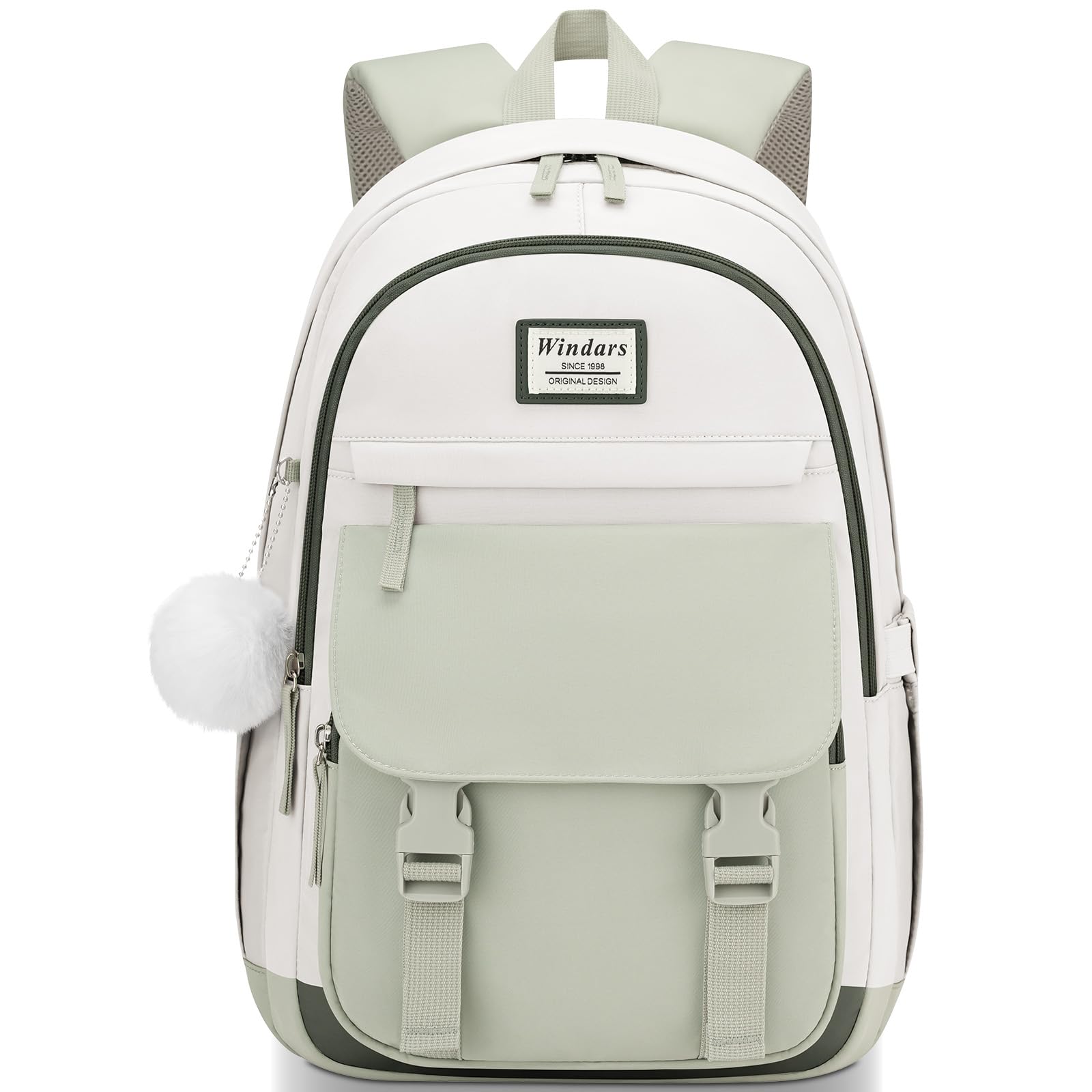
The WINDARS backpack leans into organization with 20 separate pockets spread across four compartments. The front tool compartment includes multiple slots for pens, a charger, and small accessories, which eliminates the need to dig through a main compartment for everyday items. The laptop compartment has a padded sleeve with an elastic belt to secure a device up to 15.6 inches.
The aesthetic appeal is clear: a double-buckle front design and a removable fluffy ball key pendant give it a distinct look that many teens prefer over plain tactical-style packs. The waterproof polyester fabric and premium zippers add practical durability, and the S-curve padded straps with breathable mesh help reduce shoulder fatigue during heavy load days.
The built-in USB charging port is a modern convenience that allows a teen to charge a phone from a power bank inside the bag without opening it. Customer reports note that the bag held up through an entire school year with no zipper failures or fabric tears. One user measured the lifespan at 18 months before the zipper finally gave out—reasonable for a bag at this price point.
Why it’s great
- Exceptional pocket organization reduces clutter
- USB charging port is genuinely useful for school
- S-curve straps with breathable mesh panel
Good to know
- Stylish double-buckle design adds a little weight
- Zipper life may peak around 18 months with heavy use
4. JanSport Cross Town Plus Backpack

The JanSport Cross Town Plus is an evolution of the classic daypack design that has been a school staple for decades. The large main compartment is straightforward and roomy, with a 15-inch padded laptop sleeve that keeps a device secure without adding bulk. The front utility pocket includes an organizer for pens and small items, and the padded bottom boot adds a layer of protection against floor drag.
The iconic straight-cut shoulder straps are well-padded, though they don’t have the S-curve contouring of some competitors. For a teen with a lighter load or a shorter commute, this is less of an issue. The side water bottle pocket is generously sized and accessible without taking the bag off, and the corded zipper pulls are easy to grip with cold hands or gloves.
Customer feedback highlights the bag as “perfect for middle school” and notes that the navy color matches the product images. One reviewer pointed out that the straps fit a tween better than an adult, which is actually a positive for the intended age group. The padded back panel is comfortable for all-day wear, and the overall construction feels solid for the price point.
Why it’s great
- Proven classic design with reliable durability
- Padded bottom boot protects against wear
- Large water bottle pocket stays accessible
Good to know
- Straight-cut straps may not suit all shoulder shapes
- Not ideal for very heavy loads of binders and books
5. The North Face Kids’ Court Jester Backpack
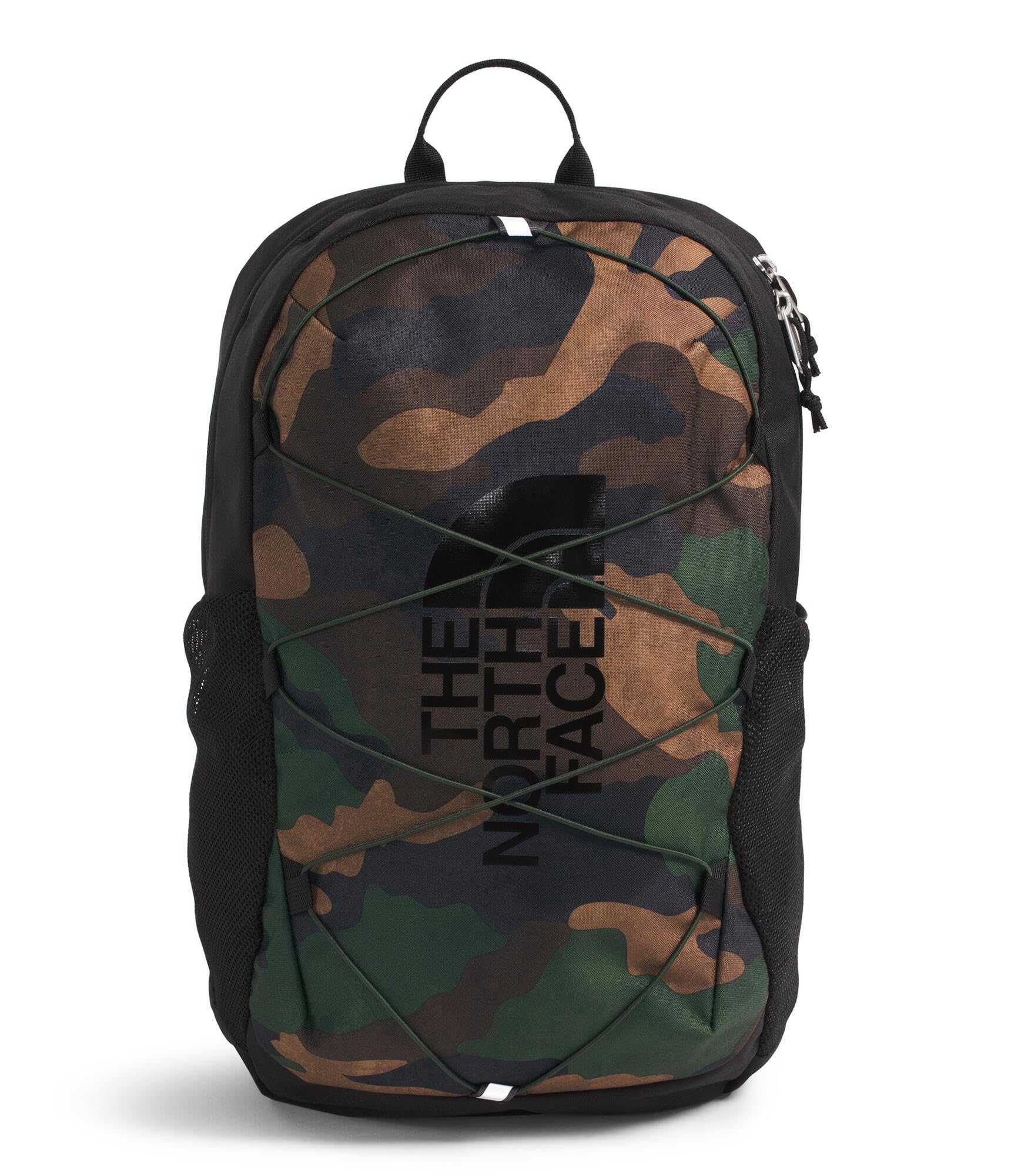
The Kids’ Court Jester is scaled specifically for smaller torsos, which makes a measurable difference for tweens and younger teens who are still growing. The padded back panel and shoulder straps are tailored to a child’s frame, and the sternum strap adds an extra layer of load stability that prevents the bag from swinging during movement. At just 14.5 ounces, it is one of the lightest bags in this guide.
The 24.6-liter capacity is generous for the size, and the built-in divider sleeve inside the main compartment helps separate a laptop or tablet from books and folders. The front bungee system is practical for stashing a jacket or a sweatshirt, and the reflective details add a safety element for low-light walks to the bus stop or school.
Customer feedback consistently mentions the durability: one parent reported buying this as the third North Face bag for their child, with each lasting multiple years. The water-repellent finish and quality zippers hold up well to daily abuse. The recommended age range is 3–12 years, but many parents find it works well through middle school and even into early high school for smaller teens.
Why it’s great
- Specifically sized for tweens and younger teens
- Extremely lightweight at 14.5 ounces
- Reflective details improve safety in low light
Good to know
- May be too small for tall or older high school teens
- Front bungee can snag on locker hooks
6. adidas Weekender Backpack

The adidas Weekender is a compact 19-liter bag designed for teens who carry a lighter daily load—an iPad, a few notebooks, a water bottle, and maybe a jacket. The nylon fabric is lighter than standard polyester and wipes clean easily, which is practical for a bag that gets tossed on gym floors and cafeteria tables. The two side pockets are expandable and can fit larger 32-ounce bottles with the help of adjustable ties.
The padded shoulder straps are comfortable for a bag this size, and the trolley strap on the back makes it easy to slip over a suitcase handle for travel. The internal zipper pocket is a secure spot for a wallet or keys, and the wipe-able lining is a thoughtful touch for teens who tend to spill snacks or drinks inside their bag.
Customer reviews repeatedly note that the bag looks and feels high-quality, with zippers that operate smoothly and a color selection that appeals to style-conscious teens. The 19-liter capacity works well for middle school or as a secondary bag for weekends, but it will struggle to fit a full set of high school textbooks and a laptop simultaneously.
Why it’s great
- Lightweight nylon fabric is easy to clean
- Expandable side pockets accommodate large bottles
- Trolley strap adds travel convenience
Good to know
- 19L is too small for heavy textbook loads
- Not ideal as a primary bag for high school
7. Lohol Water Resistant Backpack
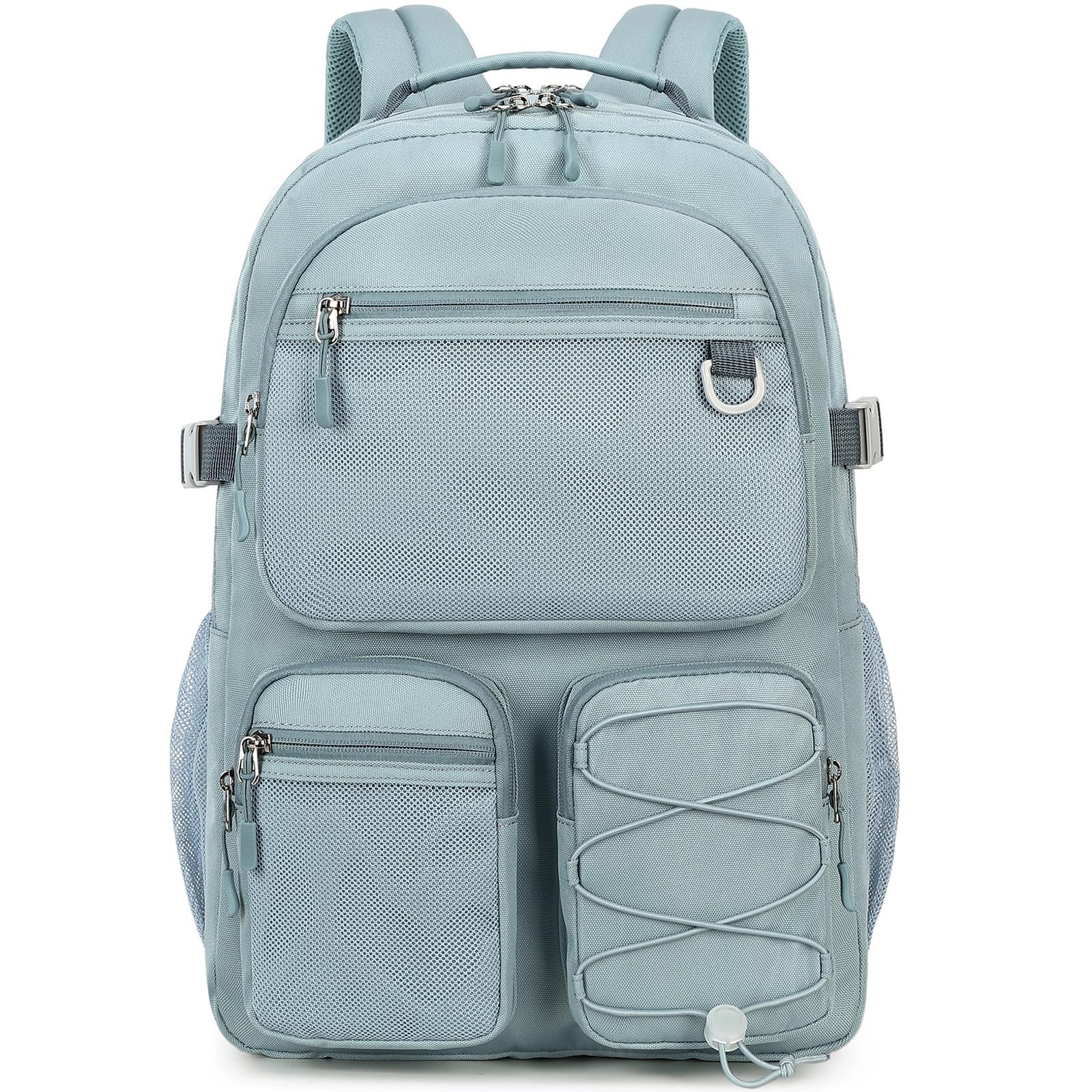
The Lohol backpack is a lightweight option at 1.56 pounds, making it easy for a teen to carry even when empty. The water-resistant polyester fabric and metal zippers provide a baseline level of durability that outperforms many ultra-budget bags. The main compartment includes a 15.6-inch laptop slot, and the multiple front pockets offer organized storage for smaller items like chargers, pens, and a wallet.
The shoulder straps are adjustable and feature a luggage strap that allows the bag to slide over a suitcase handle. The side pockets are large enough for a water bottle or umbrella, and the overall dimensions (12.4 x 6.7 x 17.3 inches) keep the bag compact enough for a middle schooler while still fitting a standard set of textbooks and a laptop.
Customer feedback is overwhelmingly positive, with multiple users reporting that the bag lasted two years of college use with no visible wear and tear. One reviewer specifically noted that it balanced weight well and showed no damage after two years of heavy book loads. The key trade-off is that the harness is a standard shoulder strap design rather than an S-curve, which may reduce comfort on very heavy days.
Why it’s great
- Very lightweight at 1.56 pounds
- Metal zippers add durability at a low price
- Proven two-year lifespan in customer reviews
Good to know
- Standard shoulder straps, not S-curve design
- Limited color and style options
FAQ
How many liters should a high school backpack be?
Are S-curve straps really better for teens?
How do I clean a backpack with a padded laptop sleeve?
Final Thoughts: The Verdict
For most users, the best backpacks for teens winner is the Under Armour Hustle 6.0 because it combines the ideal 26-liter capacity, a water-resistant UA Storm coating, and an S-curve harness that improves weight distribution across growing shoulders. If you want premium fabric and a more compact carry, grab the Simple Modern Ellis for its Cordura polyester and reinforced stitching. And for a tween or younger teen who needs a bag sized to their frame, nothing beats the The North Face Kids’ Court Jester with its ultralight design and kid-specific ergonomics.

Mo Maruf
I created WellFizz to bridge the gap between vague wellness advice and actionable solutions. My mission is simple: to decode the research and give you practical tools you can actually use.
Beyond the data, I am a passionate traveler. I believe that stepping away from the screen to explore new environments is essential for mental clarity and physical vitality.