Our readers keep the lights on and my smoothie glass nicely filled. As an Amazon Associate, I earn from qualifying purchases.
The wrong backpack turns a daily commute into a nagging spinal stress test. Poorly distributed weight, inadequate lumbar support, and straps that dig into the shoulders can amplify existing back issues or create new ones. The key to finding relief lies in the anatomy of the pack itself—the frame, the hip belt, the suspension system, and how it transfers the load away from your spine and onto your skeletal structure where it belongs.
I’m Mohammad Maruf — the founder and writer behind WellFizz. I analyze product specifications and consumer data to identify how design features like foam density, harness geometry, and panel ventilation directly impact spinal health during daily carry.
With the right structural design, you can carry your daily essentials without aggravating your lower back or shoulders. This guide breaks down the top options to help you find the best backpacks for back pain that actually deliver on ergonomic support.
How To Choose The Best Backpacks For Back Pain
Choosing a backpack to alleviate back pain goes beyond picking a padded strap. You need to analyze the entire suspension system. Look for a frame that keeps the load close to your center of gravity, a hip belt that transfers weight to your pelvis, and a sternum strap that stabilizes the shoulder harness. Without these three elements, even the plushest padding will let the weight sag and pull on your spine over time.
The Hip Belt Is Non-Negotiable
A padded hip belt is the single most important feature for anyone with lower back issues. It redirects up to 80% of the load from your shoulders to your hips, which are designed to bear weight. If you are looking at a pack without a proper hip belt, it will never deliver the spinal relief you need for long carry sessions.
Quick Comparison
On smaller screens, swipe sideways to see the full table.
| Model | Category | Best For | Key Spec | Amazon |
|---|---|---|---|---|
| Osprey Tempest 20L | Technical Hiking | Dynamic load transfer with hipbelt | AirScape backpanel, BioStretch harness | Amazon |
| The North Face Vault | Everyday Commuter | ACA-endorsed ergonomic suspension | FlexVent, 27L volume | Amazon |
| Timbuk2 Authority DLX | Work & Travel | Slim profile, padded back, sternum strap | Airmesh panel, 20L volume | Amazon |
| Bellroy Transit Workpack | Minimalist EDC | Contoured backpanel, clamshell access | 20L, 950g weight | Amazon |
| Samsonite Tectonic Sweetwater | Business Premium | Heavy-duty laptop protection | 3.1lb, fits 17″ laptop | Amazon |
| Thule EnRoute 23L | Urban Commuter | Lightweight, padded airflow back | 0.8 kg, 23L volume | Amazon |
| NOBLEMAN Laptop Backpack | Budget Travel | Entry-level ergonomic chest strap | 16.5H x 11.8D inches | Amazon |
In‑Depth Reviews
1. Osprey Tempest 20L Women’s Hiking Backpack
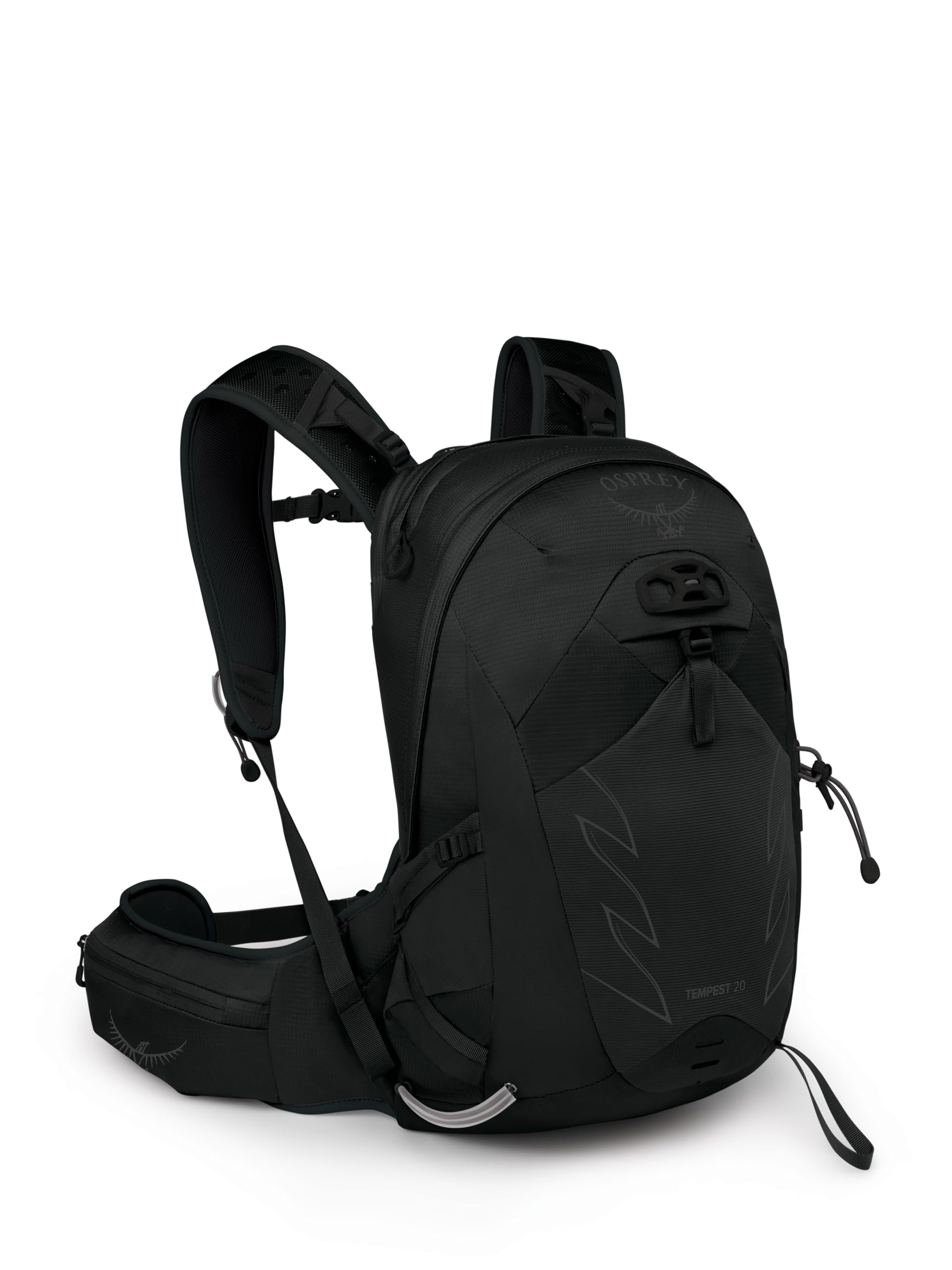
The Osprey Tempest 20L excels because it treats the spine as the priority. Its injection-molded AirScape backpanel conforms to your torso while maintaining a breathable gap, and the BioStretch harness wraps the lumbar-to-hipbelt region in a continuous curve. This design transfers the load directly to the pelvis, bypassing the lower back entirely. Extended-fit hipbelt options accommodate hip circumferences up to 70 inches, ensuring the weight sits on bone rather than soft tissue.
At 2.1 pounds, the pack is lightweight for its structural rigidity, and the dual-zippered panel access makes packing and unpacking straightforward without twisting your torso. The sternum strap adds stability during dynamic movement, whether you are hiking a trail or rushing through an airport terminal. Users consistently report zero mid-back fatigue even after hours of carrying a full load.
The 20-liter capacity is targeted for day trips or a loaded personal item on flights, not extended backpacking. Some users find the waist belt pockets snug for larger phones, and the bladder sleeve is tight for 3-liter reservoirs. Still, for pure spinal ergonomics in a compact package, this is the most effective solution on the list.
Why it’s great
- BioStretch harness transfers load off the spine
- Extended hipbelt fits a wide range of body types
- Breathable AirScape panel reduces sweat buildup
Good to know
- Waist belt pockets are small for modern smartphones
- Bladder compartment is tight for larger reservoirs
- 20L capacity limits heavy office or school loads
2. The North Face Women’s Vault Everyday Laptop Backpack
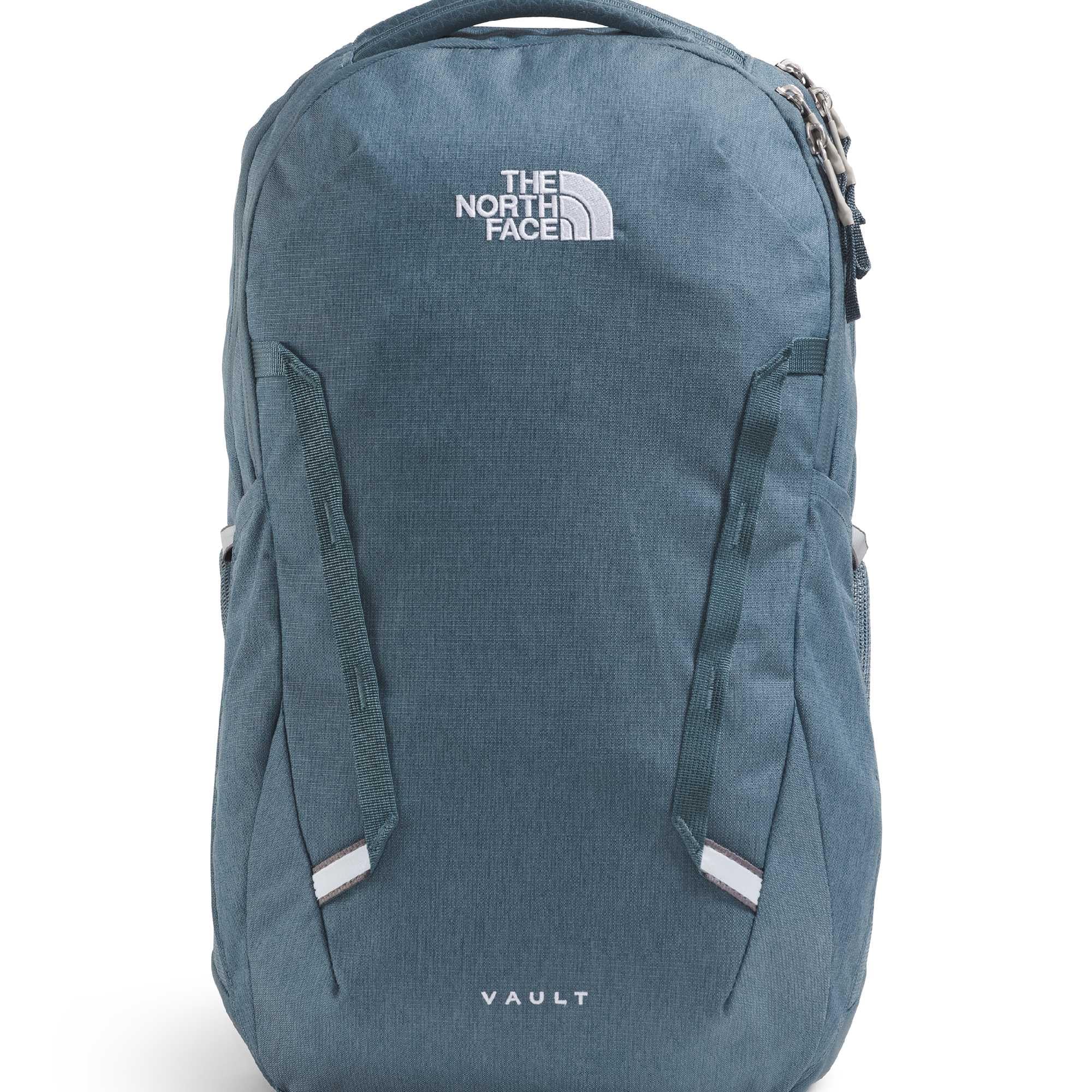
The North Face Vault comes endorsed by the American Chiropractic Association, a credential that directly speaks to its spinal safety. The FlexVent suspension system uses injection-molded shoulder straps with a padded mesh back panel and a dedicated lumbar panel for ventilation. This design keeps the load balanced and prevents the pack from sagging away from your back, which is the primary cause of lower back strain in commuter packs.
With 27 liters of capacity, it easily accommodates a laptop, lunch, water bottles, and an extra layer without overstuffing. The self-standing structure and water-repellent finish add everyday convenience. The sternum strap is adjustable, helping to secure the shoulder straps in the correct anatomical position so they don’t slide outward and pull on your trapezius muscles.
Some users note that the pack runs smaller than the dimensions suggest, but for most commuters and students, the fit is ideal. The overall weight of 1 pound 11 ounces keeps the empty pack light, which is critical because any excess base weight transfers directly to your shoulders.
Why it’s great
- ACA-endorsed ergonomic suspension system
- Breathable lumbar panel reduces back sweat
- Roomy 27L capacity for daily essentials
Good to know
- Runs slightly smaller than stated dimensions
- Limited lower back support for heavy loads
- No hip belt for weight transfer
3. Timbuk2 Authority Laptop Backpack Deluxe

Timbuk2’s Authority DLX proves that a slim profile does not have to sacrifice back support. The airmesh ventilated back panel and padded shoulder straps provide a close-to-body fit that keeps the load centered. The rear-access laptop compartment allows you to reach your device without unzipping the entire pack, preventing the awkward twisting motion that can tweak your back during a busy commute.
The removable sternum strap stabilizes the harness, while the bottom compression straps let you cinch the load tight against the frame. This reduces sway, which is a silent aggravation for lower back pain sufferers. The water-resistant bottom boot adds durability for wet surfaces. Users report that the pack hugs the back closely, distributing weight evenly rather than letting it pull away.
At 20 liters, the capacity is moderate—it fits a 17-inch laptop, tablet, and daily essentials, but leaves little room for bulky gym gear. Some users note that closing the top zippers requires two hands, which can be a minor hassle. Still, for professional environments where appearance and spinal health must coexist, this pack delivers.
Why it’s great
- Slim profile keeps weight close to the spine
- Airmesh ventilated back panel reduces sweat
- Rear-access laptop compartment prevents twisting
Good to know
- 20L capacity limits bulkier loads
- Top zippers can require two hands to close
- Strap adjustment may slip under very heavy loads
4. Bellroy Transit Workpack Second Edition

Bellroy designed the Transit Workpack with a contoured, breathable back panel and shoulder straps that are sculpted to follow the natural curve of the upper back. The full-zip clamshell main compartment opens completely, allowing you to pack evenly from top to bottom, which prevents heavy items from settling at the base and pulling on your lumbar region. The separate laptop section with a false bottom adds an extra layer of protection for your device.
At just 950 grams, this is one of the lightest premium packs on the list, which directly benefits back pain sufferers by reducing base weight. The side-access water bottle pocket keeps hydration accessible without shifting the load. Users praise the structured nylon fabric that holds its shape even when partially empty, preventing the bag from collapsing and sagging away from the spine.
Some users report that the shoulder strap pads can feel thick and may not conform perfectly to all body types, and a few note the absence of a sternum strap at this price point. The pack also tends to fall over when set down due to its rounded base. But for everyday carry where spinal alignment is the priority, this is a strong contender.
Why it’s great
- Contoured back panel follows spinal curve
- Clamshell opening enables balanced packing
- Ultra-lightweight at 950 grams
Good to know
- No sternum strap included
- Tends to fall over when set down
- Straps may not suit very narrow shoulders
5. Samsonite Tectonic Lifestyle Sweetwater Business Backpack

The Samsonite Tectonic Sweetwater is built for professionals who need to carry heavy tech without compromising back health. Its dedicated padded laptop compartment fits devices up to 17 inches, and the ergonomic shoulder straps are reinforced with dense foam that resists collapsing under weight. The padded back panel adds a layer of cushion between the load and your spine, reducing pressure points during long commutes.
The internal organization is exceptional—folders in the main compartment keep documents flat and centered, which prevents uneven weight distribution. The durable nylon fabric and reinforced stitching make this pack heavy when empty at 3.1 pounds, but the trade-off is a rigid structure that holds its shape and keeps the load from shifting. The pass-through panel for luggage handles is a welcome feature for travelers.
Some users report that the side umbrella pocket is insufficient for water bottles, and the main compartment zippers can slide open under weight if not carefully positioned. The weight of the empty pack itself may be a drawback for those with severe spinal sensitivity. Still, for a business context where durability and organization are paramount, this pack provides reliable spinal protection.
Why it’s great
- Reinforced ergonomic straps reduce shoulder strain
- Excellent internal organization for balanced loading
- Durable construction holds shape under load
Good to know
- Heavy empty weight of 3.1 pounds
- Zippers on main compartments can slide open
- Side pocket unsuitable for standard water bottles
6. Thule EnRoute Backpack 23L
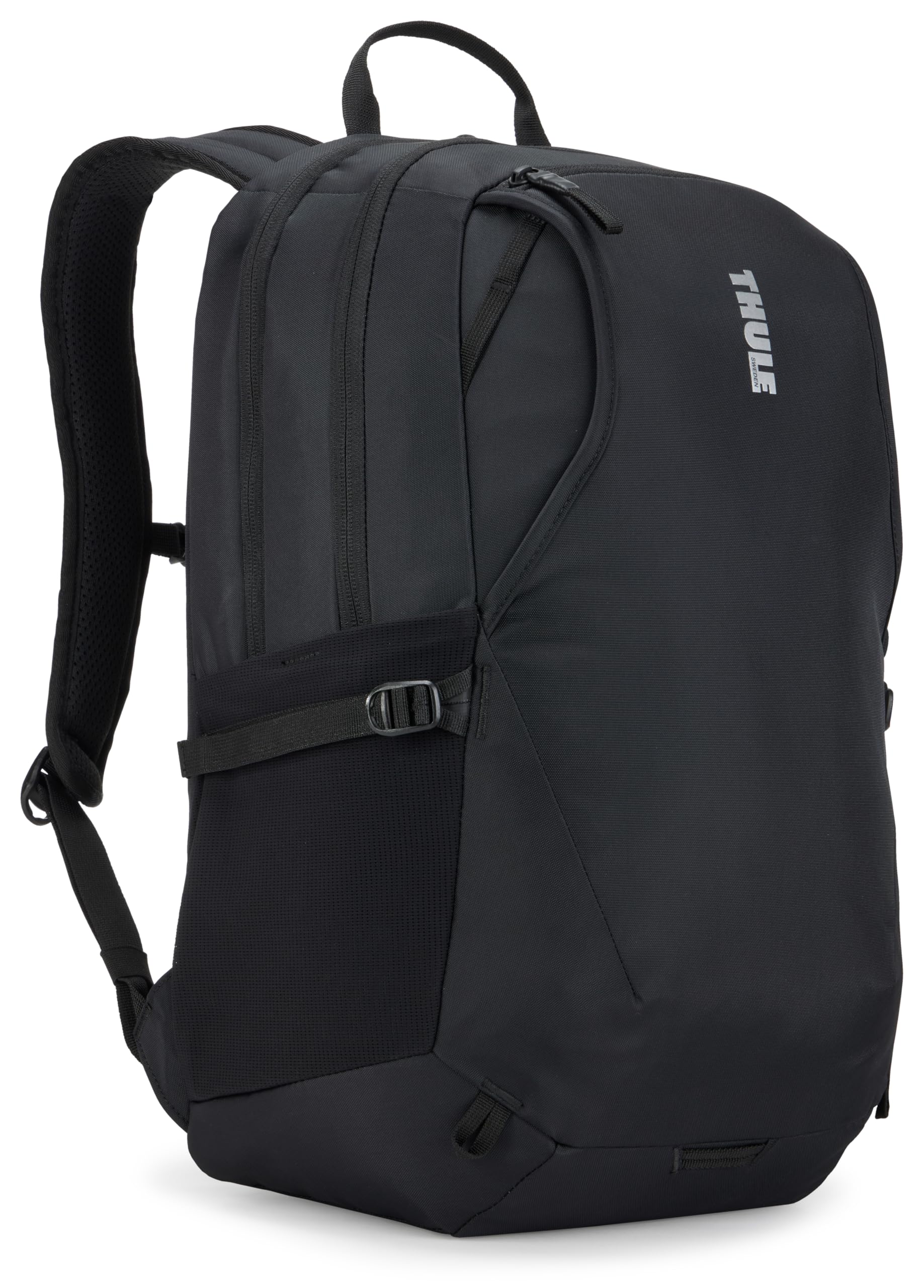
Thule approaches back-friendly design through a combination of lightweight materials and ventilation. The EnRoute’s padded back panel features an airflow channel that reduces the surface contact area, minimizing heat buildup while maintaining structural support. The sternum strap is adjustable, and the shoulder straps are contoured to distribute weight evenly across the upper back, reducing the pressure on any single point.
At 0.8 kilograms, this is one of the lightest packs in the mid-range category, which directly reduces the baseline load on your spine. The elevated laptop pocket suspends your device away from the bottom of the bag, preventing impact shocks that can reverberate through the back panel. The secondary compartment with a TPU pocket is useful for separating wet or dirty items from the main load.
Some users find the 23-liter capacity tight for a full workday load including a lunch bag and change of clothes. The front panel can look oddly shaped when the pack is underfilled. But for a lightweight commuter pack that prioritizes back ventilation and load stability, the EnRoute is a solid choice.
Why it’s great
- Lightweight at 0.8 kg reduces baseline spinal load
- Airflow channel back panel minimizes sweat
- Elevated laptop pocket absorbs shock
Good to know
- 23L capacity is tight for bulky gear
- Front panel looks misshapen when empty
- No hip belt for weight transfer
7. NOBLEMAN Laptop Backpack for Women

The NOBLEMAN backpack offers an entry-level approach to back-friendly carry with its chest shoulder strap design that helps distribute weight across the upper torso. While it lacks the sophisticated suspension systems of pricier packs, the sternum-style strap prevents the shoulder straps from slipping outward, which reduces tension on the trapezius muscles and upper back. The upgraded polyester fabric provides water resistance without adding significant weight.
The internal organization includes a padded laptop compartment that fits devices up to 16 inches, and multiple pockets help keep items from shifting around during movement. The USB charging port adds convenience for commuters. Many users note that the pack is comfortable for medium loads and fits well under airline seats, making it a practical choice for light travel where back pain is a concern but budget is limited.
Some users point out that the interior zippers and bottom reinforcement are not as robust as premium options, and the overall padding is moderate rather than plush. For those with severe chronic back pain, the lack of a true hip belt and structured frame may limit long-carry comfort. But for everyday lightweight carry, this is a cost-effective option.
Why it’s great
- Chest strap reduces shoulder strap migration
- Water-resistant fabric protects contents
- Lightweight and fits under airplane seats
Good to know
- No hip belt for weight transfer
- Zippers and bottom reinforcement could be stronger
- Moderate padding may not suit severe back pain
FAQ
Can a backpack actually help with lower back pain or make it worse?
What is the ideal capacity for a backpack if I have back issues?
Do I need a sternum strap if I already have a hip belt?
How much should a backpack weigh empty for spinal safety?
Final Thoughts: The Verdict
For most users, the backpacks for back pain winner is the Osprey Tempest 20L because its BioStretch harness and AirScape panel provide the most effective load transfer off the spine in a compact package. If you want a daily commuter endorsed by chiropractors, grab the The North Face Vault. And for a slim professional profile that still prioritizes back health, nothing beats the Timbuk2 Authority DLX.

Mo Maruf
I created WellFizz to bridge the gap between vague wellness advice and actionable solutions. My mission is simple: to decode the research and give you practical tools you can actually use.
Beyond the data, I am a passionate traveler. I believe that stepping away from the screen to explore new environments is essential for mental clarity and physical vitality.