Our readers keep the lights on and my smoothie glass nicely filled. As an Amazon Associate, I earn from qualifying purchases.
When a downpour hits miles from the trailhead, your rain suit isn’t just gear—it’s your ticket to staying warm, dry, and on schedule. A poorly chosen suit turns a wet hike into a miserable, chafing ordeal, while the right one breathes well enough to keep you from stewing in your own sweat.
I’m Mohammad Maruf — the founder and writer behind WellFizz. I’ve spent years analyzing outdoor gear markets, comparing waterproof membrane technologies, seam-sealing methods, and fabric weights to find what genuinely works for backpacking.
This guide helps you sort through the options and find the best backpacking rain suit that fits your pace, your climate, and your layering strategy.
How To Choose The Best Backpacking Rain Suit
A backpacking rain suit is a long-term investment in comfort. The wrong choice means you either get wet from the rain outside or soaked from sweat inside. You need a suit that balances waterproofing, breathability, weight, and durability for the kind of miles you cover.
Waterproofing vs. Breathability
The membrane is the heart of any rain suit. A high waterproof rating (measured in mm) tells you the fabric can withstand heavy rain without leaking, while breathability (measured in g/m²/24h) tells you how well moisture vapor escapes. For active backpacking, look for a breathability rating above 10,000g. If you push hard on climbs, pit zips give you an instant venting option even if the membrane is less breathable.
Weight and Packability
Every ounce counts on a multi-day trip. A lightweight rain jacket that stuffs into its own pocket or a small stuff sack saves space and reduces fatigue. Heavier neoprene or insulated suits have their place in cold-weather fishing or winter camping, but for three-season backpacking, aim for a suit that weighs under a pound.
Layering and Fit
Your rain suit needs to fit over a mid-layer (fleece or thin puffy) without restricting arm movement. A trim cut saves weight but limits layering; a relaxed fit feels roomier but adds fabric. Check for articulated elbows, adjustable cuffs, and a helmet-compatible hood if you ski or climb.
Quick Comparison
On smaller screens, swipe sideways to see the full table.
| Model | Category | Best For | Key Spec | Amazon |
|---|---|---|---|---|
| Marmot Precip Eco | Mid-Range | Light hikers & budget-conscious backpackers | NanoPro membrane with pit zips | Amazon |
| Helly Hansen Gale | Mid-Range | Work & wet-weather durability | PU-coated polyester, 240g/m² | Amazon |
| FROGG TOGGS Pilot 2 Guide | Mid-Range | Versatile all-day rain protection | 3-layer construction, removable hood | Amazon |
| Rab Kinetic 2.0 | Premium | High-output hiking & climbing | Stretchy Proflex membrane, 11.85 oz | Amazon |
| Outdoor Research Foray 3L | Premium | Light rain & wind shell layering | 3-layer construction, standard fit | Amazon |
| SITKA Dew Point | Premium | Hunting & extreme waterproofing | Lightweight, waterproof membrane | Amazon |
| Mammut Hardshell | Premium | Mountain hiking & eco-conscious buyers | Dry Active 20k/20k, 190g | Amazon |
| STORMR Strykr Neoprene | Budget | Cold-weather fishing & stationary use | Neoprene with fleece interior, 5lbs flotation | Amazon |
| Rab Kangri GTX | Premium | Mountaineering & heavy downpours | Gore-Tex 70D fabric, 2-way zipper | Amazon |
In‑Depth Reviews
1. Marmot Precip Eco Rain Jacket
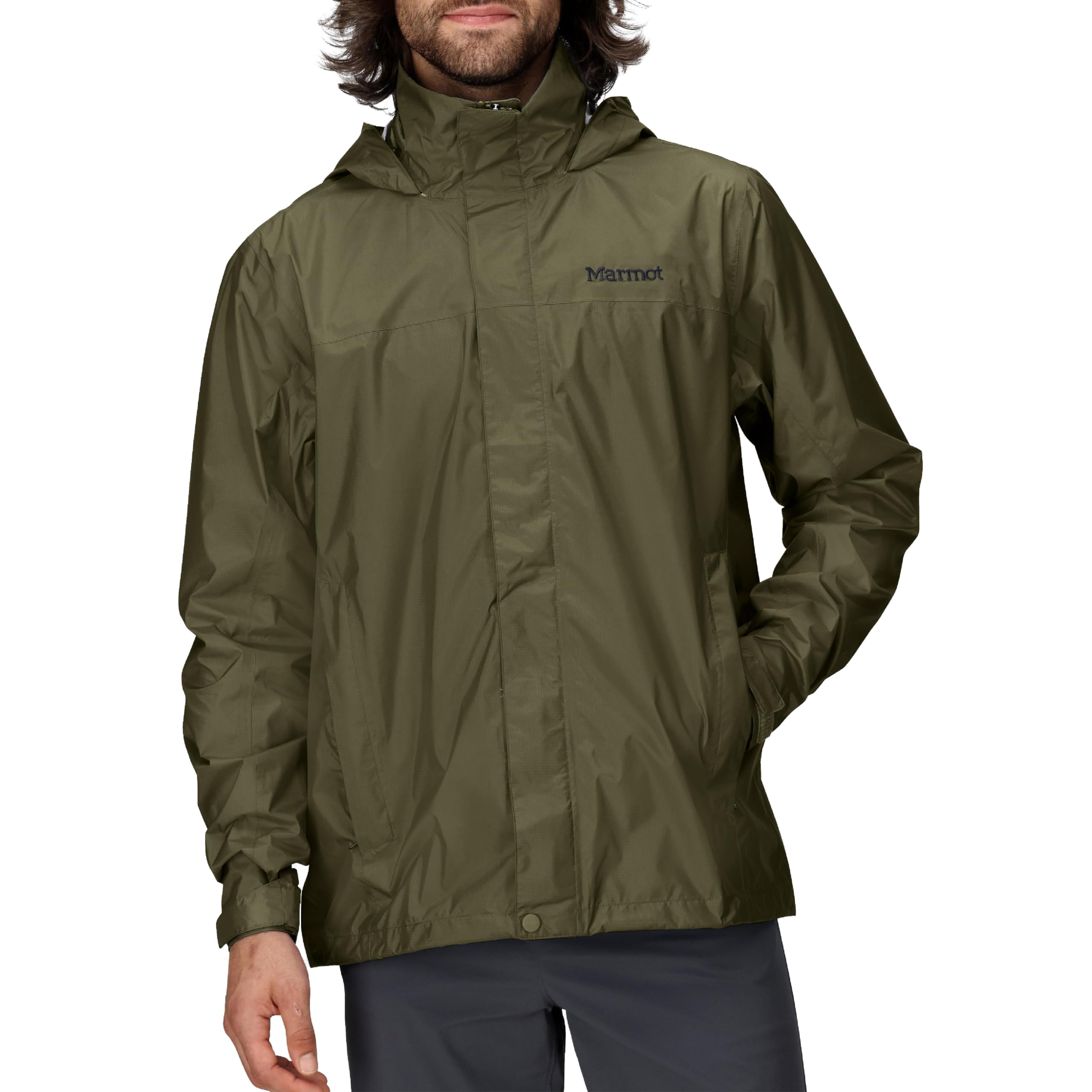
The Marmot Precip Eco is a perennial favorite among backpackers for good reason. Its NanoPro membrane delivers reliable waterproofing that handles sustained drizzle and moderate downpours, while the 100% pre-consumer recycled nylon ripstop shell keeps the weight low and the environmental impact lower. The 100% seam-taped construction ensures no leaks at the shoulders or hood line, even during a full day of rain.
What sets this jacket apart at this tier is the inclusion of pit zips—a rare feature on entry-level rain suits. These underarm vents let you dump heat during steep climbs without removing the jacket. The DriClime-lined chin guard reduces neck irritation, and the entire jacket packs into its own pocket for easy stowage in a backpack.
Fit runs true to size but is somewhat trim, so if you plan to layer a thick puffy underneath, consider sizing up. The breathability is good for the price but not exceptional—on high-exertion days in warm rain, you’ll still accumulate some moisture inside without the pit zips fully open.
Why it’s great
- Pit zips provide excellent ventilation for active hiking
- Lightweight and packs into its own pocket
- Made from recycled materials without sacrificing durability
Good to know
- Trim cut limits heavy layering underneath
- Breathability is mid-range compared to premium membranes
2. Helly Hansen Gale Rain Jacket
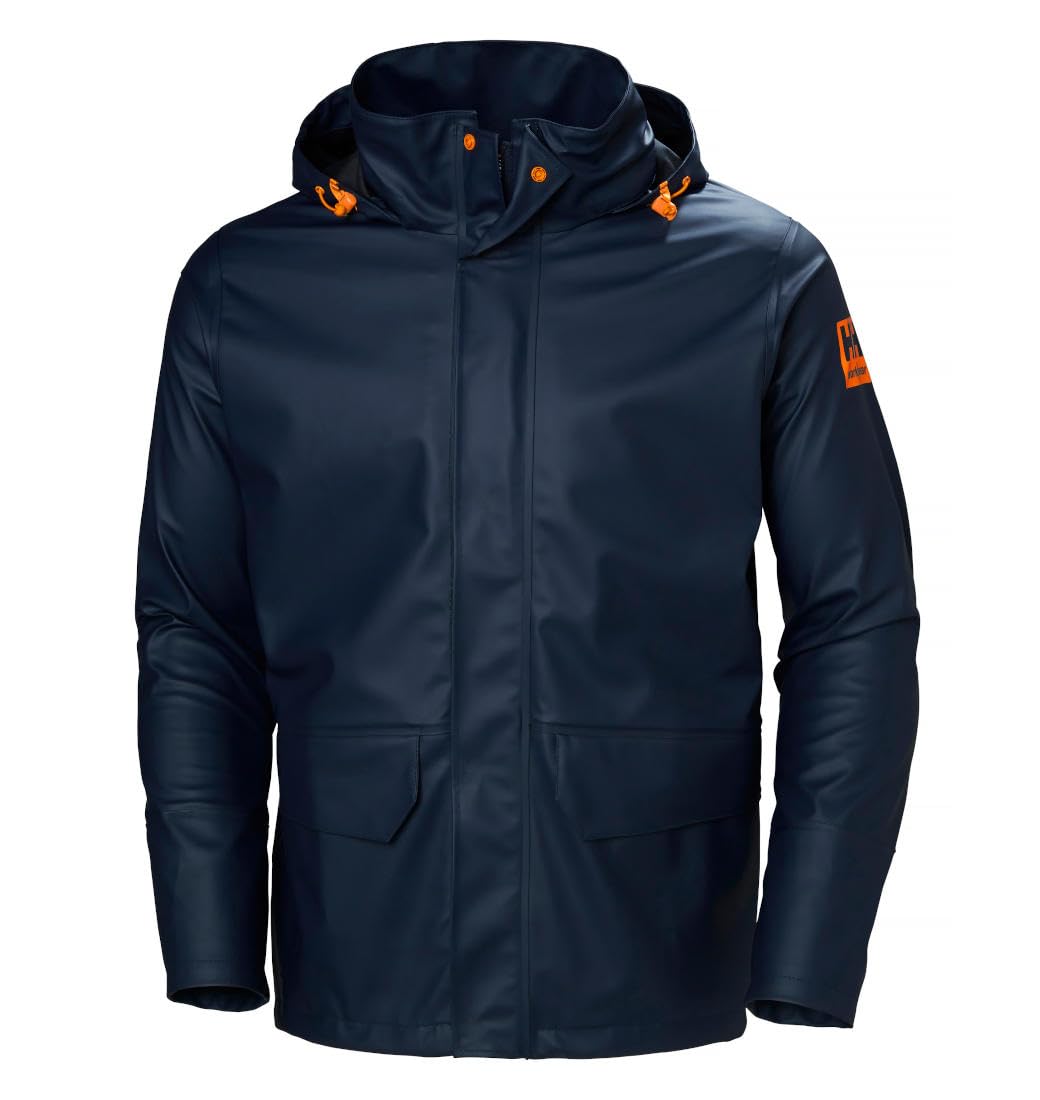
The Helly Hansen Gale Rain Jacket is built for those who need a workhorse shell that can take abuse. Its polyurethane-coated polyester fabric feels substantial and resists abrasion better than many ultralight options. The neoprene cuffs are a standout detail—they seal around your wrists to keep water from running down your sleeves when your arms are raised, something membrane-only jackets often fail at.
Designed with an adjustable hood and a zippered chest pocket, this jacket handles wet conditions from fishing trips to trail work. The 240 g/m² fabric weight gives it a solid, reassuring feel, but that also means it’s less packable than lighter shells. It’s not insulated, so you’ll need a mid-layer for cold-weather use.
Breathability is adequate for low to moderate exertion but lags behind breathable membranes like Gore-Tex or NanoPro. If you’re biking or hiking uphill aggressively, expect some condensation inside. The fit runs slightly small in the sleeves, so double-check sizing if you have long arms.
Why it’s great
- Neoprene cuffs keep water out effectively
- Very durable fabric resists tears and abrasion
- Reliable in sustained rain without leaking
Good to know
- Less breathable than membrane-based rain jackets
- Sleeves run slightly short for some users
3. FROGG TOGGS Pilot 2 Guide Rain Jacket
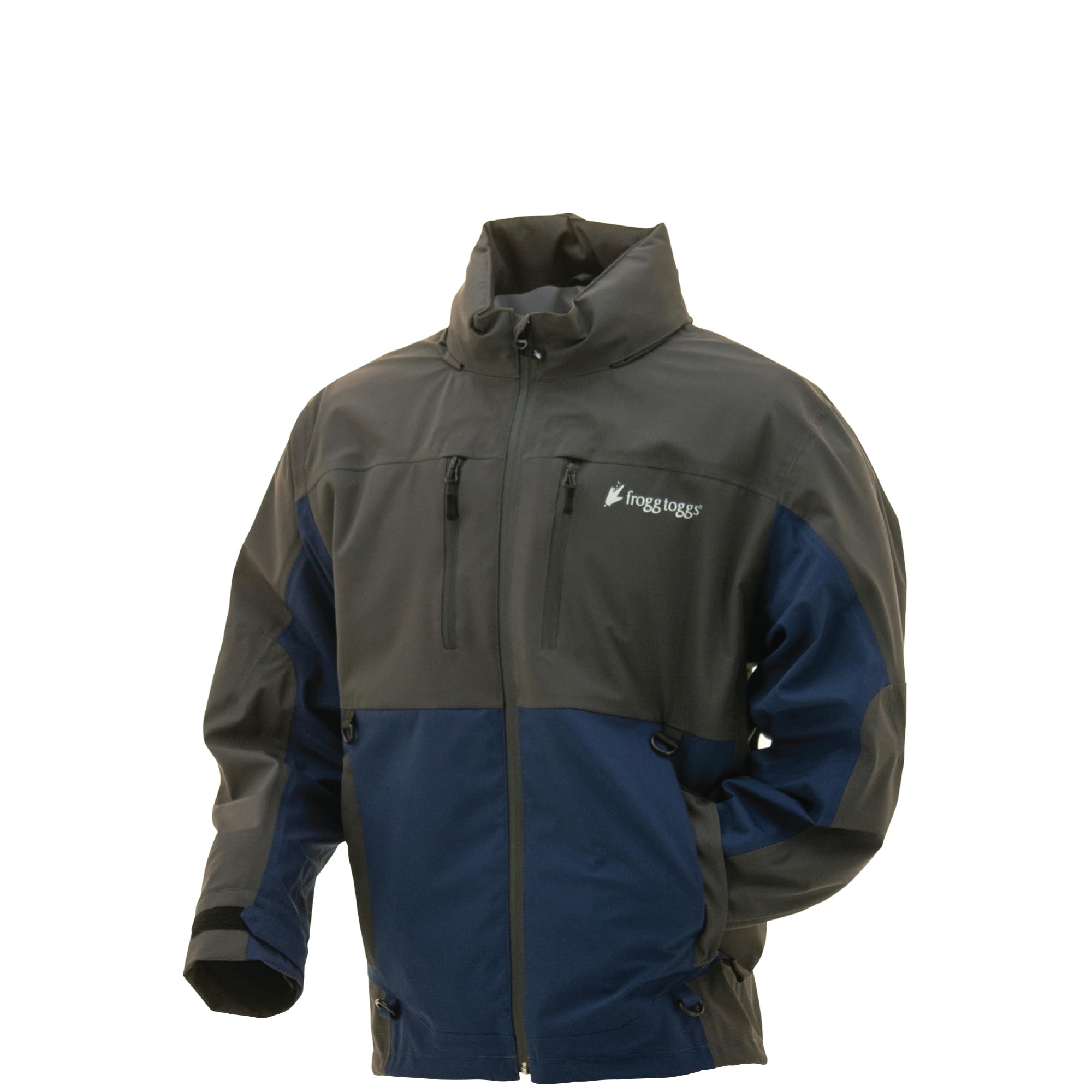
The FROGG TOGGS Pilot 2 Guide Jacket punches above its price bracket with a 3-layer build that rivals more expensive shells. Taped seams seal every stitch line, and the waterproof pockets keep your phone and map dry even when you’re standing in a downpour. The removable hood is a versatile touch—unzip it when you don’t need it, but note that there’s no dedicated stow pocket for it.
Cuffed inner sleeves are a thoughtful design detail that stops water from running up your forearms when you reach overhead, a common problem on less refined rain jackets. The fit is loose enough to accommodate a fleece or light puffy underneath, making this a solid choice for three-season backpacking.
Customer reports note that the hood can restrict peripheral vision when fully cinched, and the sleeve length may feel short for taller hikers. At its standard price it’s a good mid-range option, but if you find it on sale, it becomes a steal.
Why it’s great
- Waterproof pockets keep essentials dry
- Removable hood adds flexibility for different conditions
- Durable 3-layer construction for the price
Good to know
- Hood can slightly restrict side vision
- Sleeves may be short for taller frames
4. Rab Kinetic 2.0 Jacket
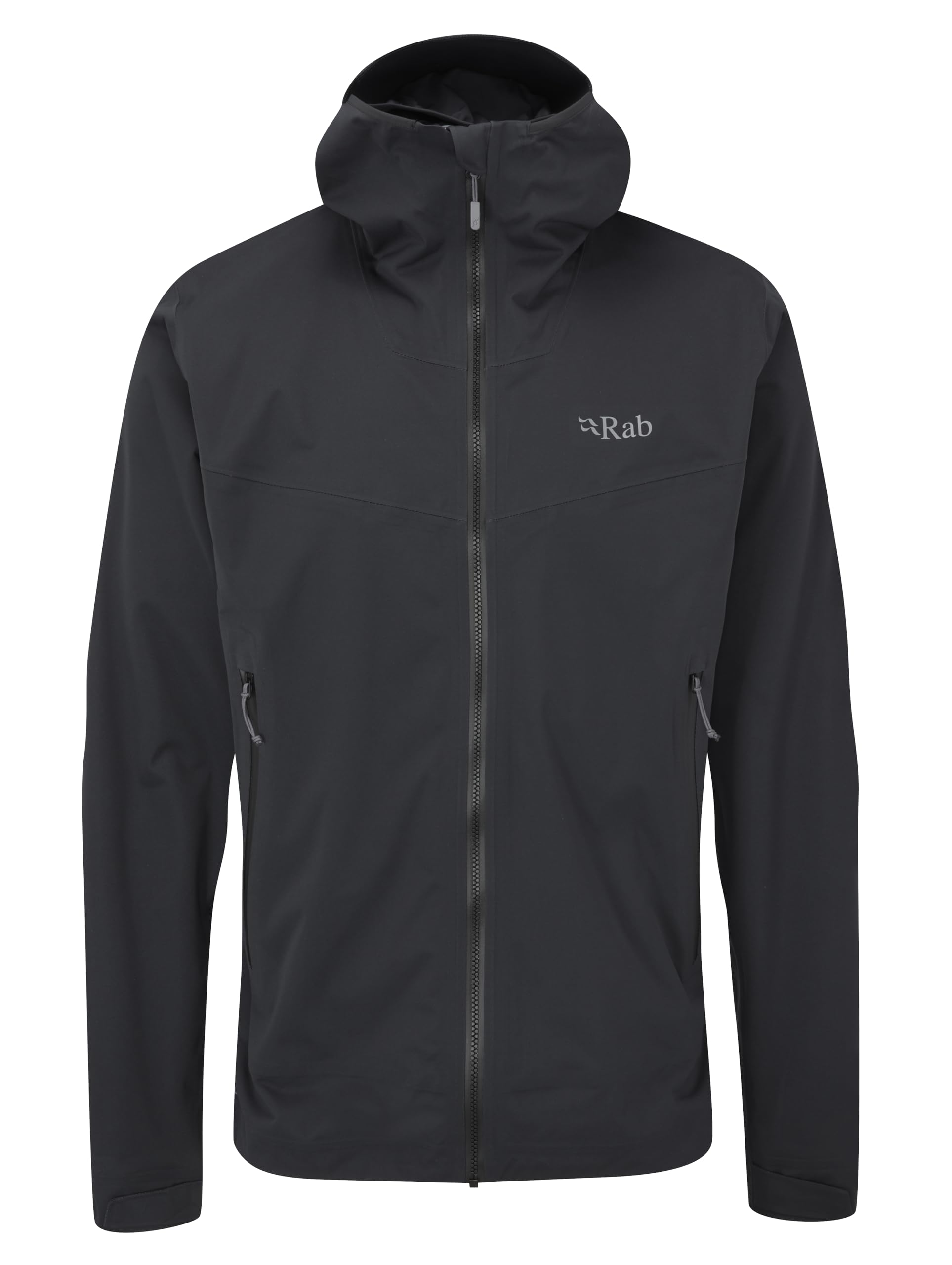
The Rab Kinetic 2.0 challenges the hard-shell category by using a stretchy Proflex membrane that moves with your body like a soft shell. This fabric is quiet, flexible, and remarkably breathable—you can hike at a high tempo without feeling clammy. At just 11.85 ounces, it’s one of the lightest truly waterproof options you can pack.
The hood uses an elastic face seal that fits snugly over a climbing helmet or bare head, and the Velcro cuffs let you dial in the wrist seal. The jacket lacks pit zips, but the fabric’s natural breathability compensates well enough for most conditions. The high-set pockets stay clear of a backpack hipbelt.
Fit is athletic and slightly small in the shoulders for broad-chested hikers. The waterproofing works great for light to moderate rain but can wet out in prolonged heavy downpours—think of it as a permanent, semi-worn DWR feel that requires less maintenance than standard coated shells.
Why it’s great
- Stretchy, quiet fabric mimics a soft shell feel
- Very breathable for a waterproof jacket
- Lightweight and packable for ultralight trips
Good to know
- Can wet out in extended heavy rain
- Tight in shoulders for some body types
5. Outdoor Research Foray 3L Jacket

The Outdoor Research Foray 3L Jacket brings a sleek, modern profile to the rain shell market. Its 3-layer construction balances weather resistance with a trim fit that looks sharp on the trail and in town. The jacket performs well as a windproof outer shell during winter layering and handles light rain with ease.
Breathability is decent for a standard 3-layer membrane, but high-output activities in humid conditions will still produce some internal moisture. The jacket requires special tech-wash detergent to maintain its DWR coating, which is worth remembering if you’re not used to caring for performance fabrics.
Sizing runs notably slim, especially through the chest and stomach. Most buyers recommend ordering one size up if you intend to layer underneath. Some users wish for more pocket space, as the design keeps things minimal.
Why it’s great
- Sleek, modern design with clean lines
- Effective wind and light rain protection
- 3-layer build offers good durability
Good to know
- Runs very slim—size up for layering
- Requires special detergent to maintain DWR
- Limited pocket count
6. SITKA Dew Point Hooded Jacket

The SITKA Dew Point Jacket is engineered for hunters who need silent, bombproof waterproofing in the backcountry. The fabric is lightweight enough to pack for long hikes yet delivers exceptional weather resistance that keeps you bone dry even in hard driving rain. It layers well over insulating pieces for cold-weather sits or can be worn alone in warmer rain.
Fit is true to size and allows for a full range of motion during active hunting or fishing. The jacket has received consistent praise for its ability to withstand prolonged exposure without wetting out. It also works perfectly for everyday outdoor use if you don’t mind the technical look.
One trade-off is noise—the fabric is crinkly, which is fine for rifle hunting but may spook game in bow season. The price point places it firmly in the premium tier, but the construction quality and waterproofing performance justify the investment for serious users.
Why it’s great
- Extremely waterproof—stays dry in prolonged heavy rain
- Lightweight and packable for backcountry hunts
- Excellent range of motion for active use
Good to know
- Fabric is noisy, less ideal for bow hunting
- Premium pricing
7. Mammut Hardshell Hooded Jacket
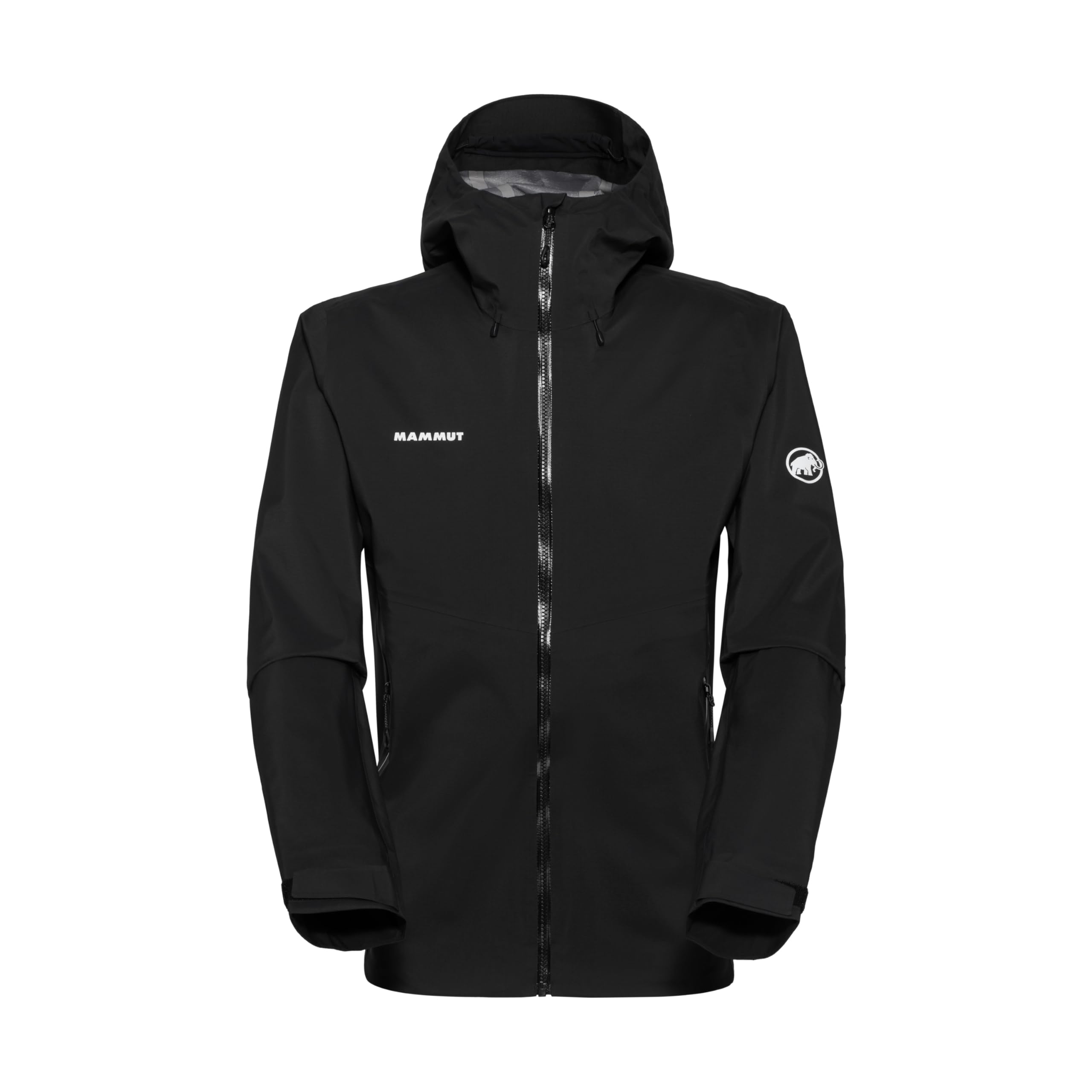
The Mammut Hardshell Jacket is a premium alpine shell that weighs just 190 grams—remarkably light for a 3-layer construction. Its Dry Active technology delivers 20,000mm waterproofing and 20,000g/m²/24h breathability, numbers that rival far more expensive competitors. The fabric is 100% recycled polyamide, appealing to eco-conscious backpackers who don’t want to sacrifice performance.
The athletic fit allows for freedom of movement during scrambling or trail running, and the jacket packs into its own large chest pocket for convenient storage. Windproofing is excellent, making this a capable outer layer for exposed ridgelines and cold alpine mornings.
Some hikers find the fit to be trim for thick layering underneath—it works best with a thin fleece or baselayer plus a light puffy. Customer feedback consistently praises the build quality and the way it balances featherlight portability with serious storm protection.
Why it’s great
- Extremely lightweight at 190 grams
- High waterproof and breathability ratings (20k/20k)
- Made from 100% recycled materials
Good to know
- Trim fit limits heavy layering underneath
- Packs into chest pocket, but pocket space is minimal
8. STORMR Strykr Neoprene Fishing Jacket

The STORMR Strykr Neoprene Jacket fills a very specific niche: cold-weather fishing and stationary outdoor use where warmth is the priority. Its neoprene construction with fleece interior provides significant insulation without requiring multiple layers—ideal for steelhead fishing or boat trips in windy, near-freezing conditions.
A unique benefit is the 5-pound inherent flotation, which adds a layer of safety for anglers working around deep water. The jacket is certified to keep you warm even in extreme wind and rain, as confirmed by users who faced 60 mph gusts without getting cold or wet.
The trade-offs are substantial for backpacking: this jacket is heavy, bulky, and much less breathable than membrane-based shells. It’s overkill for summer hikes or high-output treks. But for its intended use in cold, wet environments, it’s one of the most effective options available.
Why it’s great
- Keeps you warm in extreme cold without layering
- Provides 5 pounds of flotation for water safety
- Very durable construction for rough conditions
Good to know
- Heavy and bulky—not suitable for traditional backpacking
- Minimal breathability for high-exertion activities
9. Rab Kangri GTX Jacket
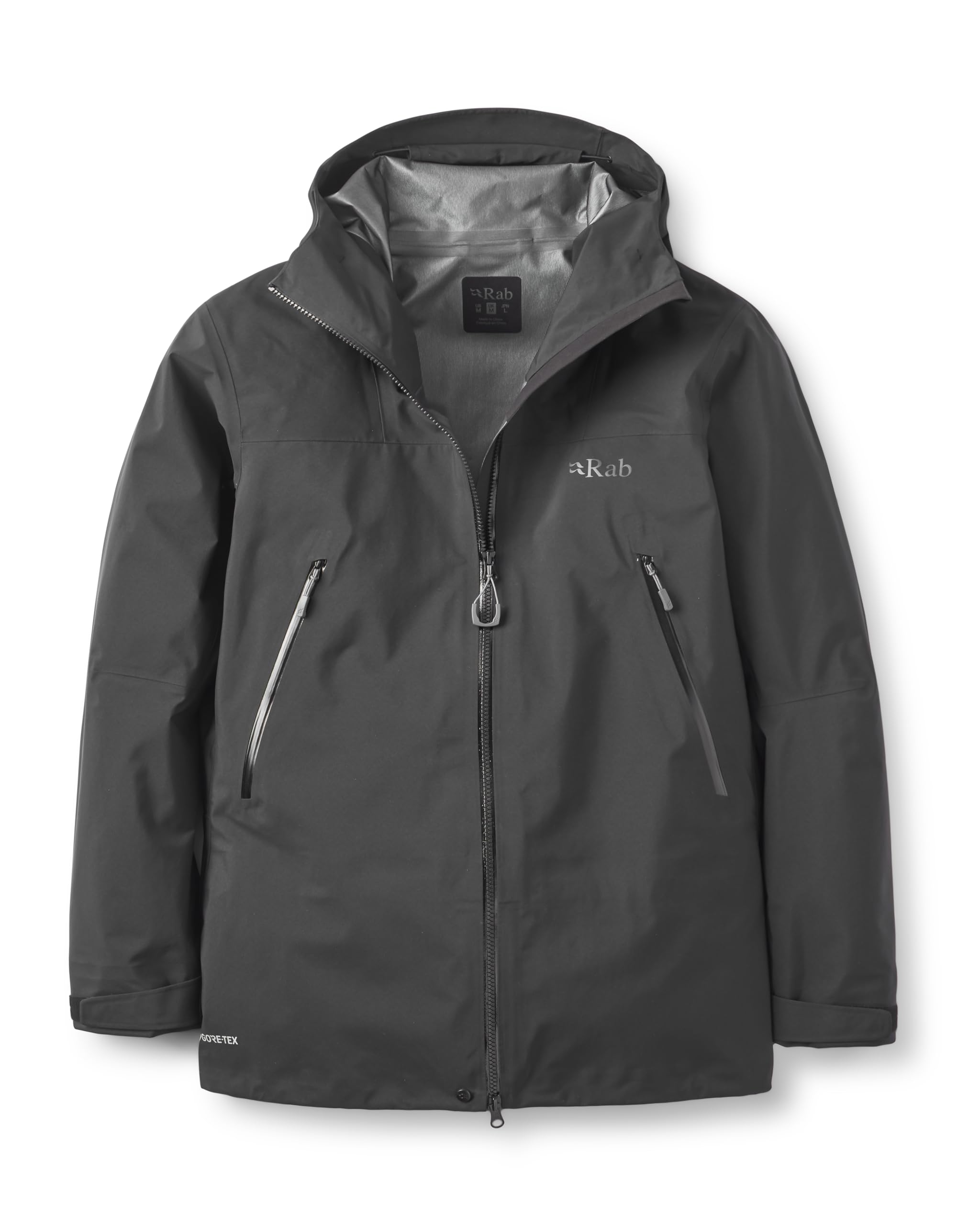
The Rab Kangri GTX Jacket is a no-compromise shell for mountaineering and alpine backpacking. Its 70-denier Gore-Tex fabric feels substantial and durable, resisting abrasion from rock contact and pack straps far better than ultralight shells. The 2-way front zipper adds versatility for harness access and venting from the bottom.
Pocket placement is thoughtfully designed for climbing—high enough to clear a hipbelt, with an internal stash pocket for a phone or wallet. The fleece-lined neck cuff prevents chin chafing and beard pull, a small detail that makes a big difference on long stormy days. The hood adjusts cleanly over a helmet and stays put in gusty wind.
This jacket is heavier than the ultralight options on this list, but the trade-off is long-term durability. It’s built to survive years of hard alpine use. The price is premium, but compared to similar Gore-Tex Pro shells from other brands, it offers competitive value.
Why it’s great
- Extremely durable 70D Gore-Tex fabric
- Excellent pocket placement for climbing and mountaineering
- Fleece-lined neck cuff prevents chafing
Good to know
- Heavier than ultralight rain shells
- Premium price point
FAQ
Can I use a budget rain suit for alpine backpacking?
How do I maintain the DWR coating on my rain suit?
What’s the real difference between Gore-Tex and proprietary membranes?
Final Thoughts: The Verdict
For most backpackers, the best backpacking rain suit winner is the Marmot Precip Eco because it nails the trifecta of reliable waterproofing, pit-zip ventilation, and a price that doesn’t break the bank. If you want a stretchy, breathable shell that moves like a soft shell, grab the Rab Kinetic 2.0. And for serious alpine durability in heavy downpours, nothing beats the Rab Kangri GTX.

Mo Maruf
I created WellFizz to bridge the gap between vague wellness advice and actionable solutions. My mission is simple: to decode the research and give you practical tools you can actually use.
Beyond the data, I am a passionate traveler. I believe that stepping away from the screen to explore new environments is essential for mental clarity and physical vitality.