Our readers keep the lights on and my smoothie glass nicely filled. As an Amazon Associate, I earn from qualifying purchases.
A backpacking rain jacket is a paradox. It needs to stop liquid water from the outside while simultaneously letting vapor from your body escape. Most fail at one or both tasks, leaving you either wet from the rain or wet from your own sweat. The real metric that separates a good shell from a bad one is measured in grams of moisture vapor transmission rate (MVTR) per square meter over 24 hours—a breathability spec most casual buyers never check.
I’m Mohammad Maruf — the founder and writer behind WellFizz. My research focuses on deep-diving into laminate technologies like Gore-Tex, Pertex Shield, and proprietary fabrics to find the jackets that actually balance hydrostatic head ratings with MVTR numbers for real-world trail performance.
After evaluating dozens of options across weight, packability, and venting features, this guide breaks down the top shells that can handle a serious downpour without turning your base layer into a swamp. Here is the complete breakdown for finding your ideal best backpacking rain jacket.
How To Choose The Best Backpacking Rain Jacket
A backpacking rain jacket needs to feel like a second skin when you’re climbing a pass and a fortress when sleet hits at camp. Three key parameters separate mediocre shells from gear you’ll trust for years.
Breathability vs. Waterproofing Balance
High hydrostatic head ratings (20,000mm+) are impressive for waterproofing, but if the MVTR dips below 10,000 g/m²/24h, you’ll soak from the inside during aerobic activity. Look for jackets that pair a solid waterproof membrane with mechanical venting features like pit zips or two-way front zippers.
Weight and Packability
Every gram matters when it’s stuffed in your pack. A true backpacking shell should weigh under 400 grams (14 ounces) and pack into its own pocket or a stuff sack roughly the size of a Nalgene bottle. Heavier jackets are better suited for resort use or car camping.
Layer Construction
2-layer jackets are budget-friendly but have a separate mesh lining that holds moisture. 2.5-layer designs add a protective coating that saves weight and packs smaller. 3-layer jackets bond the membrane directly to inner and outer fabrics for maximum durability and next-to-skin feel, which justifies the premium price for frequent users.
Quick Comparison
On smaller screens, swipe sideways to see the full table.
| Model | Category | Best For | Key Spec | Amazon |
|---|---|---|---|---|
| Rab Men’s Downpour Mountain Jacket | Premium 3-Layer | High-output hiking in wet conditions | 20K / 20K HH & MVTR | Amazon |
| Outdoor Research Men’s Foray 3L Jacket | Premium 3-Layer | Active use in cold wind and light rain | 3-layer waterproof membrane | Amazon |
| Helly Hansen Sogn Shell 2.0 Jacket | Ski Touring Shell | Freeride and mountaineering in harsh conditions | Helly Tech Professional membrane | Amazon |
| THE NORTH FACE Men’s Antora Rain Hoodie | Mid-Range Hoodie | Everyday rain protection and casual use | DryVent 2.5-layer membrane | Amazon |
| MARMOT Women’s PreCip Rain Jacket | Mid-Range 2.5-Layer | Light hiking and packable daily use | NanoPro 2.5-layer membrane | Amazon |
| Helly Hansen Gale Rain Jacket | Heavyweight PU | Work and cool-weather boating | 240 g/m² PU coating | Amazon |
| MARMOT Cascade Rain Jacket | Mid-Range 2-Layer | Wet weather with a budget-friendly shell | Marmot MemBrain 2-layer | Amazon |
| The North Face Mens Venture 2 Jacket | Entry-Level 2.5-Layer | Light packable rain protection | DryVent 2.5-layer | Amazon |
| Columbia Lillian Ridge II Jacket | Everyday Rain Coat | Casual waterproof with style | Columbia Hydroplus shell | Amazon |
In‑Depth Reviews
1. Rab Men’s Downpour Mountain Jacket

The Rab Downpour uses a Pertex Shield 3-layer laminate that achieves a 20,000mm hydrostatic head and a 20,000 g/m²/24h MVTR. That dual 20K rating is the sweet spot for backpacking—water can’t get in, and your body’s vapor can get out. Reviewers confirm it survived a hose test and heavy Florida downpours without wetting out from the inside.
Weighing roughly 10.5 ounces, this jacket packs down small enough to carry on any summit push. The fabric is quiet, not crinkly, and it layers well over a base and mid-layer. Sizing runs slightly small, so ordering up a size is common for loftier insulation underneath.
Pit zips would push this into perfect territory, but the membrane’s inherent breathability is high enough that most users report less clamminess than other shells. The muted red color is a nice touch for visibility without being a billboard.
Why it’s great
- Exceptional 20K/20K waterproof and breathability balance
- Extremely lightweight and packable for its protection level
- Quiet fabric with good mobility for active use
Good to know
- Runs small; size up if you plan to layer
- No pit zips for manual venting
2. Outdoor Research Men’s Foray 3L Jacket
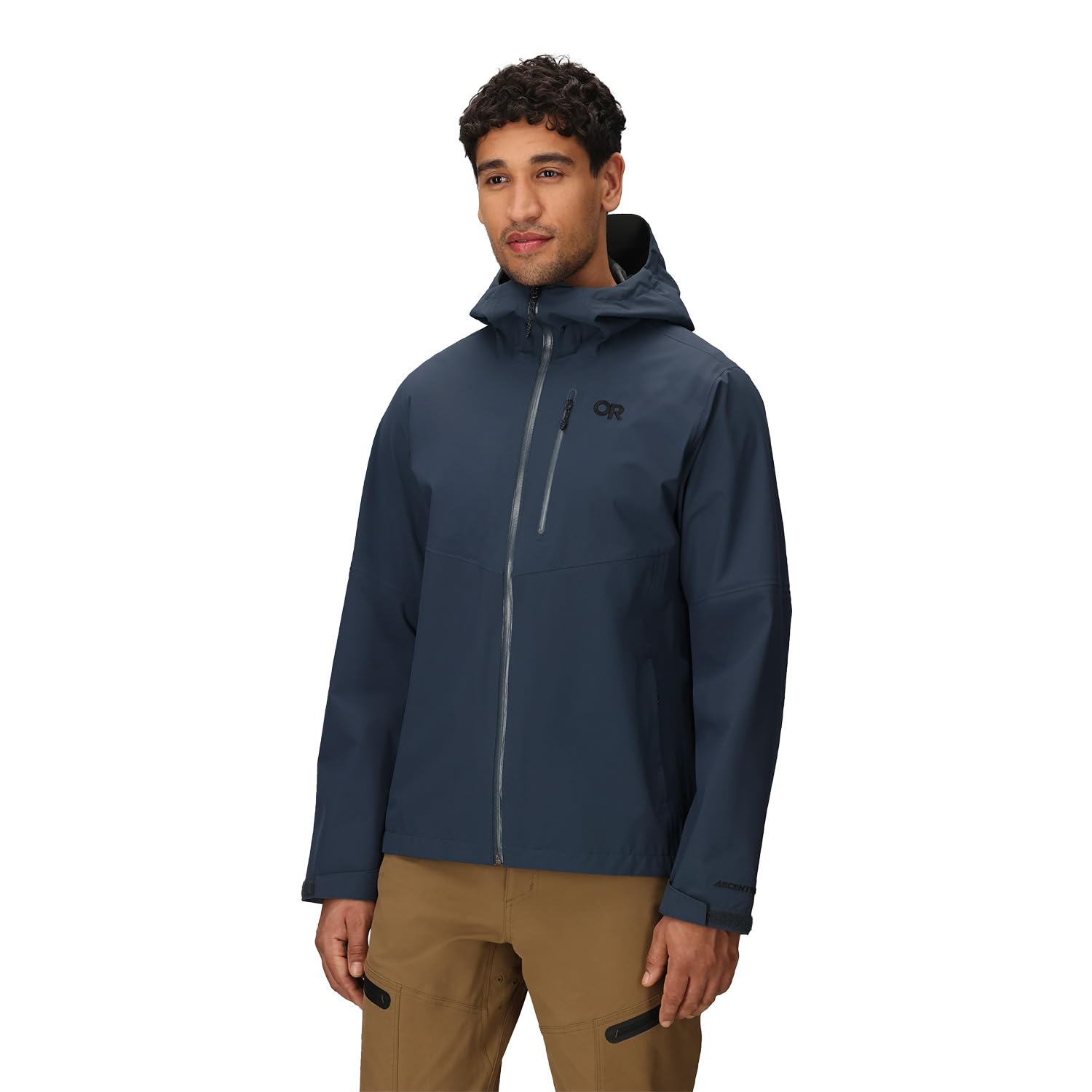
The Foray 3L is a well-regarded shell from OR that uses a 3-layer construction for durability in a package that’s lighter than many 2.5-layer alternatives. The fabric feels substantial without being heavy, and the pit zips are a major boon for dumping heat during sustained climbs. Reviewers praise its windproofing and rain resistance for active cold-weather use.
This jacket runs noticeably slim, especially through the chest and stomach. Most buyers, including the source reviewer at 5’10” and 180 lbs, found a Large necessary for a comfortable fit with any layering. The sleeve length is accommodates, but the torso taper may not suit all body types.
The waterproofing is effective for moderate rain and shows signs of wetting out if you’re standing still in a sustained downpour. A proper wash with manufacturer-recommended detergent restores DWR performance after a season of use. It’s a high-value pick for those who prioritize venting features.
Why it’s great
- Pit zips offer excellent mechanical venting for active use
- Durable 3-layer construction without heavy weight
- Great windproof performance in cold weather
Good to know
- Runs small and slim; consider a size up
- Waterproofing may not hold up in prolonged heavy rain without re-treatment
3. Helly Hansen Sogn Shell 2.0 Jacket
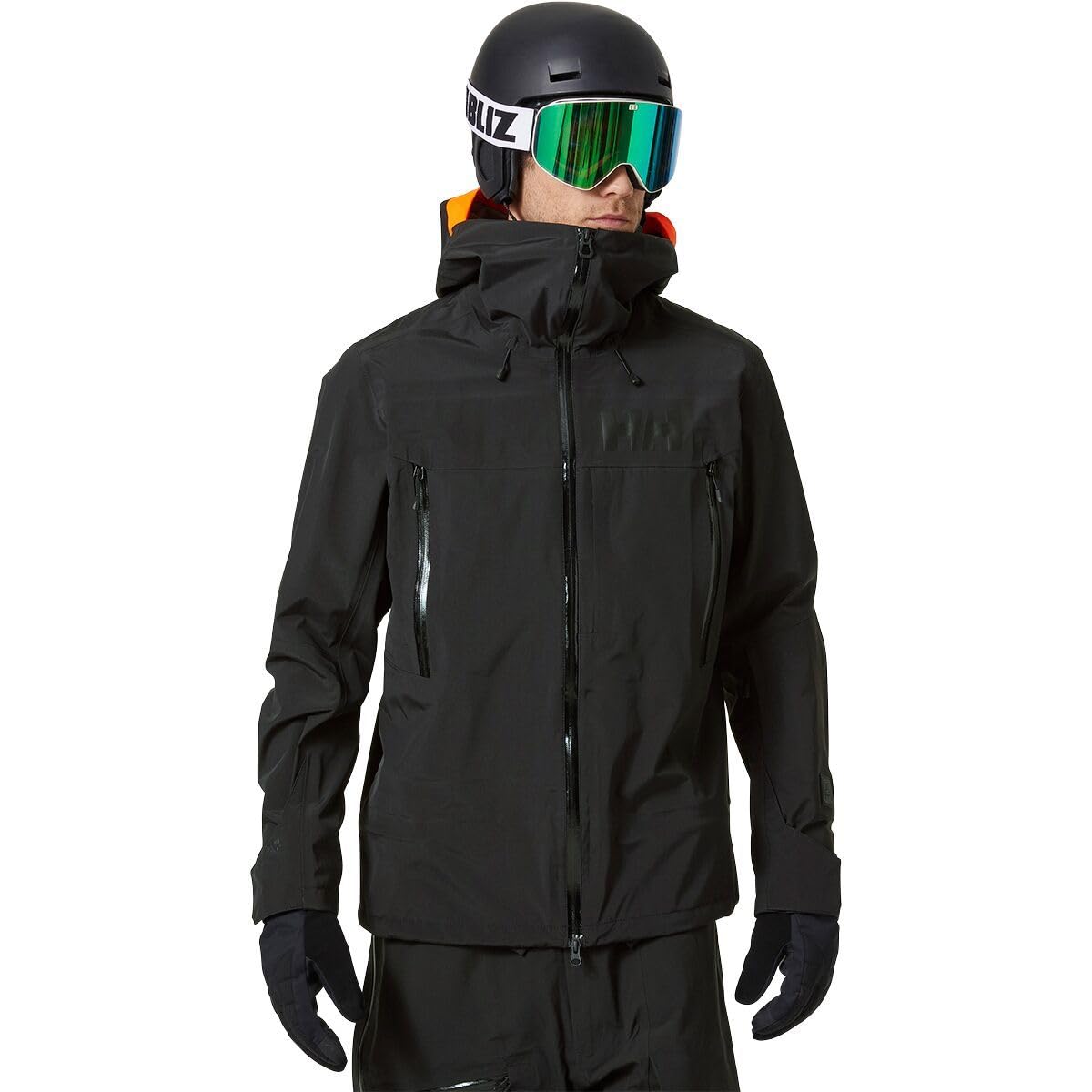
The Sogn Shell 2.0 is a fully featured alpine shell built around Helly Tech Professional, the brand’s top-tier 3-layer waterproof/breathable membrane. It’s designed for skiing, snowboarding, and mountaineering, not light summer hikes, but its construction quality and weather protection are exceptional for wet, cold backpacking trips.
Features include a helmet-compatible hood with a high-vis brim, a RECCO reflector, a LIFE POCKET to keep your phone warm, a powder skirt, and a modular fusion system to attach it to compatible pants. At a heavyweight build, this is not a packable trail runner; it’s a serious piece of gear for extended wet exposure in cold environments.
Reviewers confirm it’s Seattle rainproof, blocks all wind, and keeps you warm at 40°F with a merino base layer. The fit is relaxed with room for heavy insulation. If your backpacking involves winter conditions or you need a do-everything resort and alpine shell, this delivers top-tier performance.
Why it’s great
- Extremely waterproof and durable Helly Tech Professional membrane
- Fully featured for alpine use: helmet hood, RECCO, powder skirt
- Relaxed fit accommodates heavy layering
Good to know
- Heavy and bulky, not suitable for packable use
- Pockets can be hard to access with a pack waist belt
- Premium price point
4. THE NORTH FACE Men’s Antora Rain Hoodie
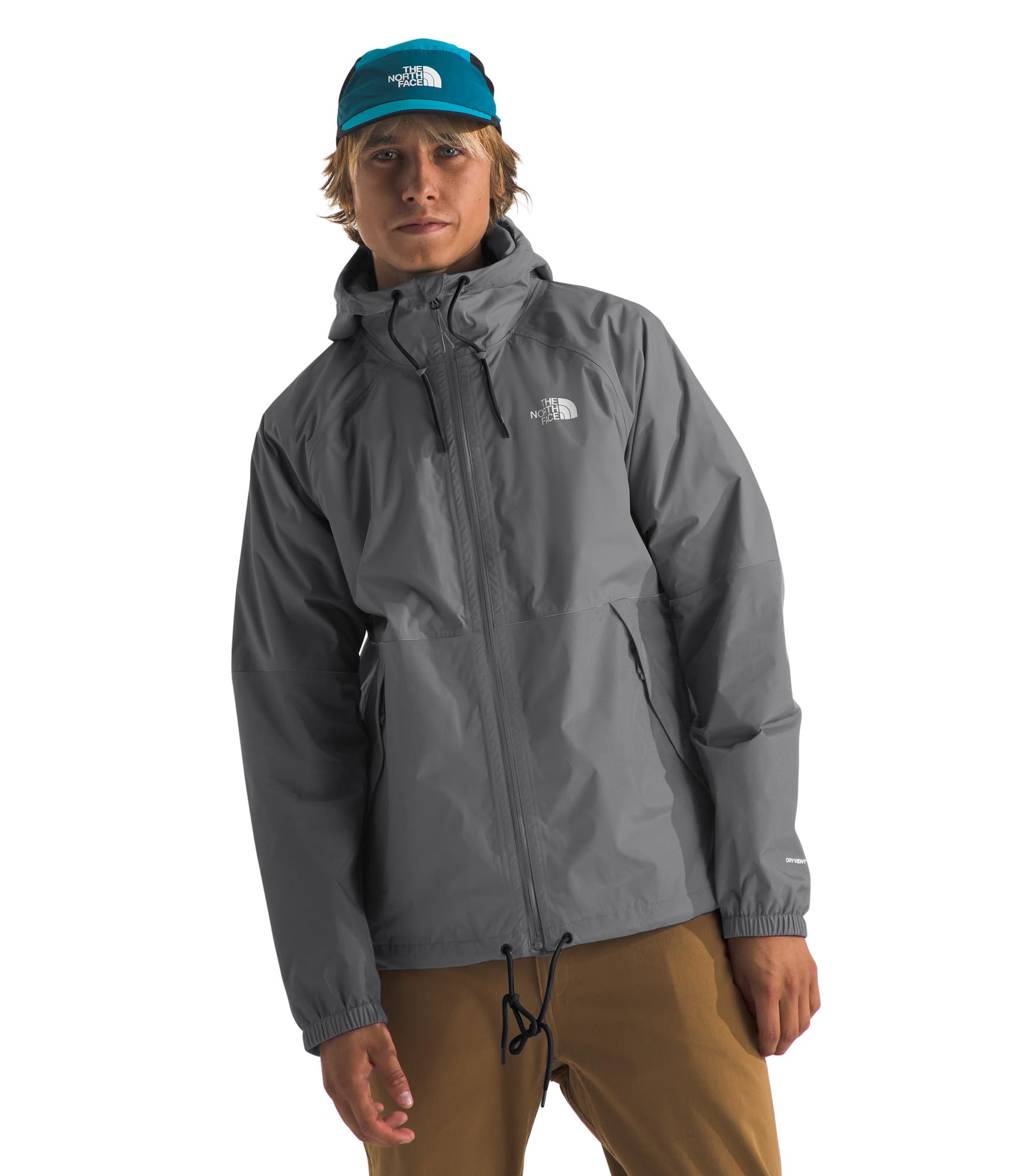
The Antora Rain Hoodie is a 2.5-layer DryVent shell that hits a fantastic middle ground between protection and wearability. It’s not a full expedition jacket, but it handles daily rain and moderate trail use with aplomb. Reviewers praise the water repellency and the lightweight feel that still stops rain effectively.
This jacket is not insulated—it’s a pure shell—so you’ll need a mid-layer underneath for cold weather. The cut is true to size, with a generous enough fit for a fleece. The fabric has a matte finish that looks sharp without feeling shiny or technical, making it a good choice for both commuting and short hikes.
The packability is decent for a jacket that offers full waterproofing. The hood adjusts easily, and the drawcord hem locks out drafts. Pockets are zippered for security. For those who want a reliable, everyday rain shell without a huge weight penalty, the Antora delivers consistent performance.
Why it’s great
- Great value for a reliable waterproof from a trusted brand
- Lightweight and comfortable for all-day wear
- Adjustable hood and hem seal out weather
Good to know
- Not a warm jacket; requires layering for cold conditions
- 2.5-layer construction is less durable than 3-layer shells over time
5. MARMOT Women’s PreCip Rain Jacket

The PreCip is a classic backpacking jacket for a reason. Marmot’s NanoPro 2.5-layer membrane offers a strong balance of waterproofing and breathability at a weight that makes it easy to stash in your pack. The underarm zips are a crucial addition for venting when you’re working hard on the trail.
At 5’2″ and 100 lbs, reviewers found the XS fits perfectly with room for a thin layer. The jacket hits below the butt, offering good coverage for rain. The fabric is lightweight with a distinct windbreaker feel, and the adjustable cuffs keep water out. The color options provide good visibility without being garish.
The PreCip handles light rain and moderate downpours well, but for sustained heavy rain, the DWR may need occasional reapplication to keep water beading. It’s a proven, packable shell that weighs around 11 ounces and packs into its own pocket. An excellent choice for women looking for a reliable hiking jacket.
Why it’s great
- Lightweight and packs into its own pocket for easy travel
- Underarm pit zips provide good ventilation
- True-to-size fit with good coverage length
Good to know
- DWR may need periodic reapplication for heavy rain performance
- Not as durable against wear and tear as 3-layer alternatives
6. Helly Hansen Gale Rain Jacket
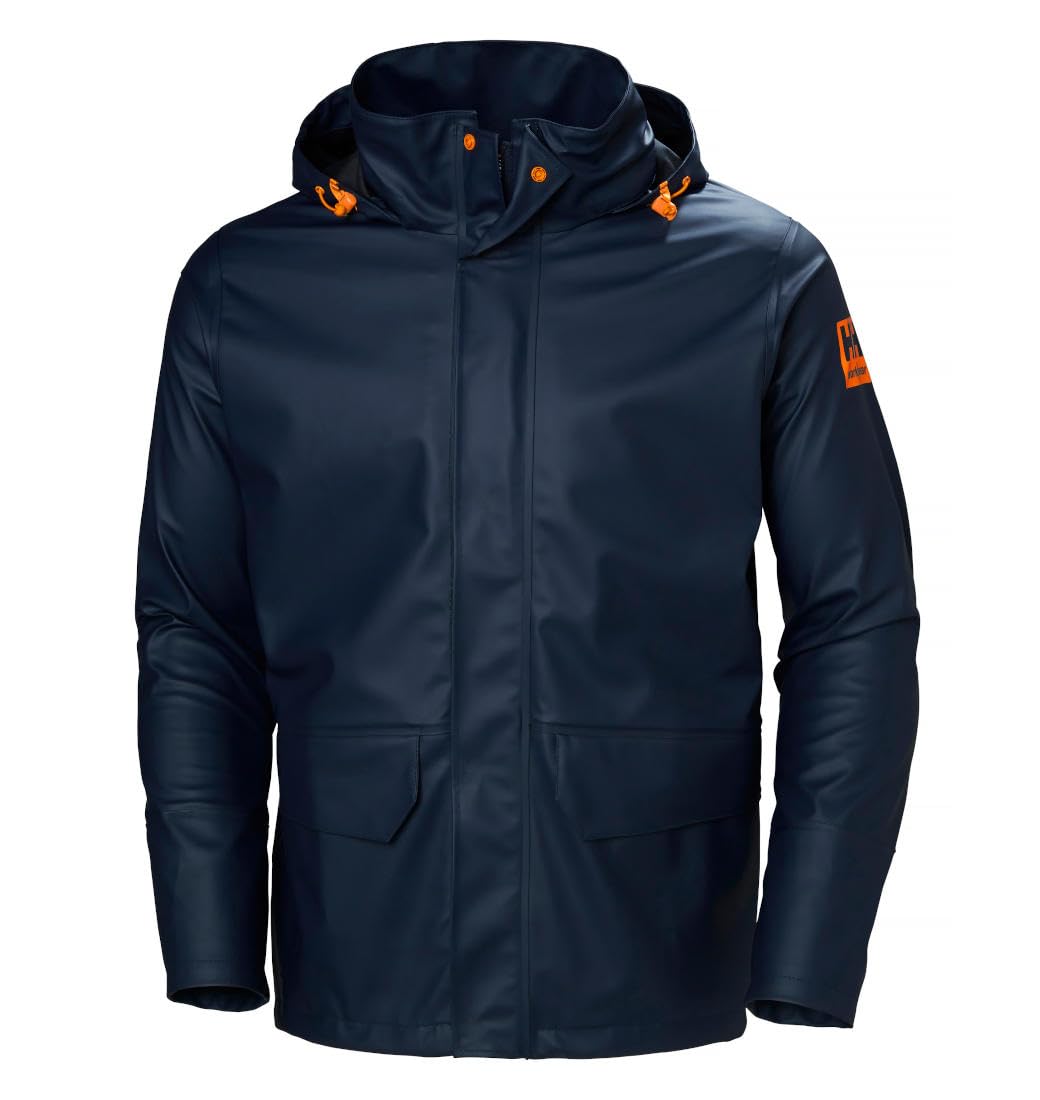
The Gale is a different breed of rain jacket. It uses a 240 g/m² polyurethane coating on polyester, which makes it exceptionally waterproof and durable. The build is heavy and substantial, more akin to a work rain jacket than a backpacking shell. Reviews confirm it is “100% waterproof” with great water beading.
The neoprene cuffs and adjustable hood are well-executed and keep the elements out. However, the heavyweight fabric restricts movement slightly and does not pack down small. It’s best suited for cool-weather outdoor work, boating, or walking in a steady downpour where packability is not a priority.
Fit runs on the snug side. At 5’10” with a 46″ chest, XL fits tight; sizing up is recommended if you plan to layer. The jacket is also phthalate-free, adding an eco-friendly note. This is a specialized tool for wet, cold, and rough environments, not a general backpacking piece.
Why it’s great
- Extremely waterproof and durable PU-coated build
- Neoprene cuffs and adjustable hood are excellent for storm weather
- Handles cold, wet conditions well with good coverage
Good to know
- Heavy and not packable; not for ultralight backpacking
- Restricts movement and runs small
- Not breathable for aerobic activity
7. MARMOT Cascade Rain Jacket
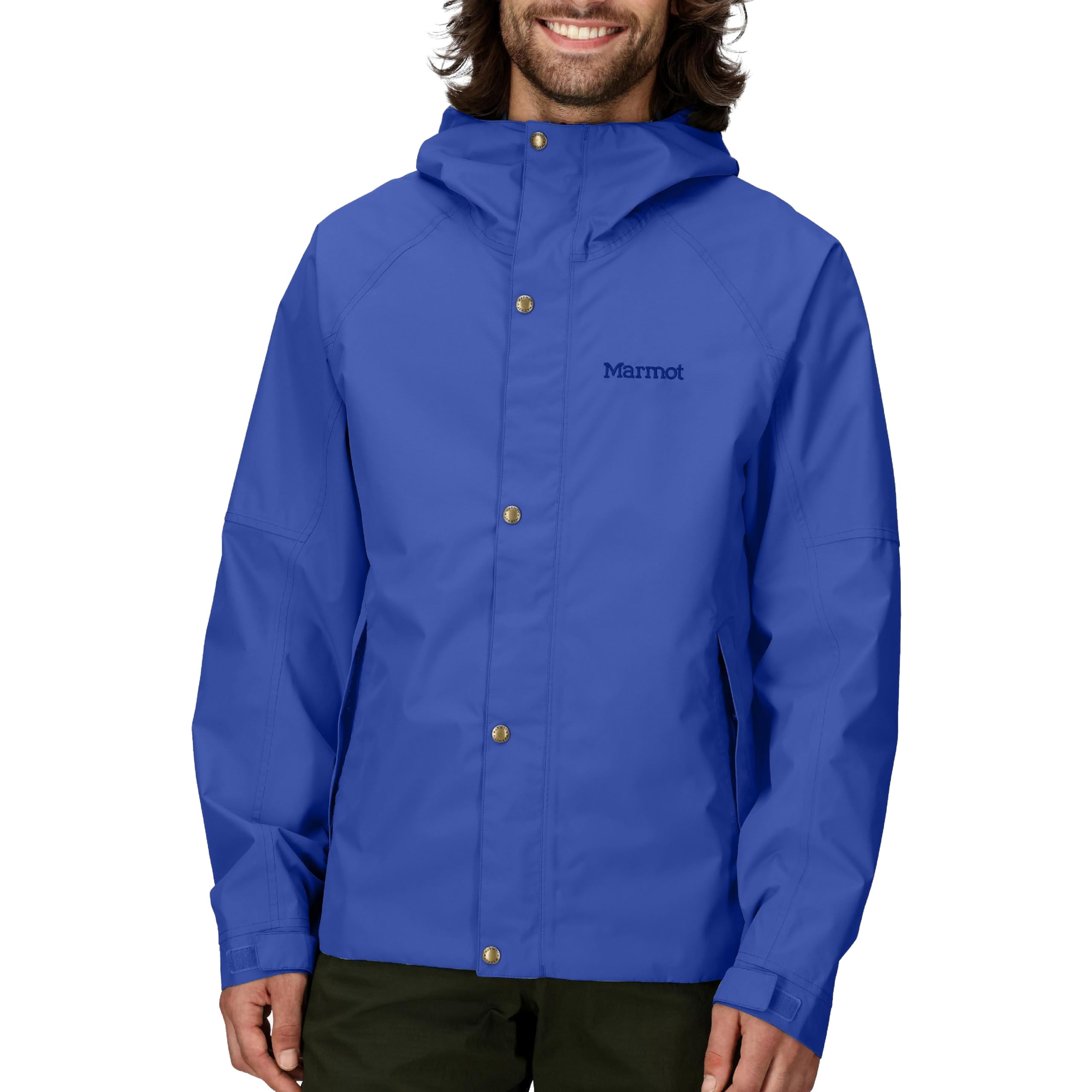
The Cascade is a straightforward 2-layer Marmot shell that delivers solid waterproofing at a mid-range price point. Its MemBrain membrane keeps heavy rain and wind out, and the fabric has a quiet, comfortable feel. Reviewers who have worn it for a full season noted no tears or abrasion, and the jacket folds up nicely for travel.
Breathability is adequate for light activity, but extended exertion will reveal the limits of a 2-layer construction. The sleeves run slightly long, but elastic cuffs prevent water from riding up your arms. Fit is slightly loose, which allows for layering but may feel a bit baggy without a mid-layer beneath.
A common note is that the DWR fails after one to two months of frequent use in running. That is typical for a 2-layer jacket and means you’ll need to reapply a durable water repellent to maintain beading performance. For the moderate price, the Cascade is a durable, reliable rain protection layer for hiking and everyday wet weather.
Why it’s great
- Durable build holds up well over a season of use
- Good waterproofing for heavy rain and wind
- Packs down reasonably well for its class
Good to know
- DWR needs reapplication after a month or two of regular use
- Limited breathability for high-output activity
8. The North Face Mens Venture 2 Jacket

The Venture 2 is North Face’s entry-level DryVent 2.5-layer shell that provides a reliable waterproof barrier at a very accessible price. Reviewers consistently mention the lightweight feel and nice fit. For the budget-conscious backpacker, it’s a strong introduction to the category without the high price tag of premium 3-layer membranes.
The trade-off is breathability. The DryVent 2.5-layer can feel clammy during active use, as some reviewers noted. There is no separate mesh lining, which helps keep weight down but means the inner coating touches base layers directly. It’s fine for short bursts in the rain, but less comfortable for sustained all-day hiking in a drizzle.
Sizing runs small; you’ll likely need to go up a size for layering room. The jacket is completely unlined, which maximizes packability but reduces comfort against the skin. If North Face durability is your expectation, this jacket will last, but it’s a “good for the price” option, not a high-performance backpacking piece.
Why it’s great
- Very lightweight and easy to pack
- Trusted North Face build quality at an accessible price
- Effective waterproofing for moderate rain
Good to know
- Breathability is limited; can feel clammy during activity
- Runs small; size up for layering
- Unlined, less comfortable without a mid-layer
9. Columbia Lillian Ridge II Jacket
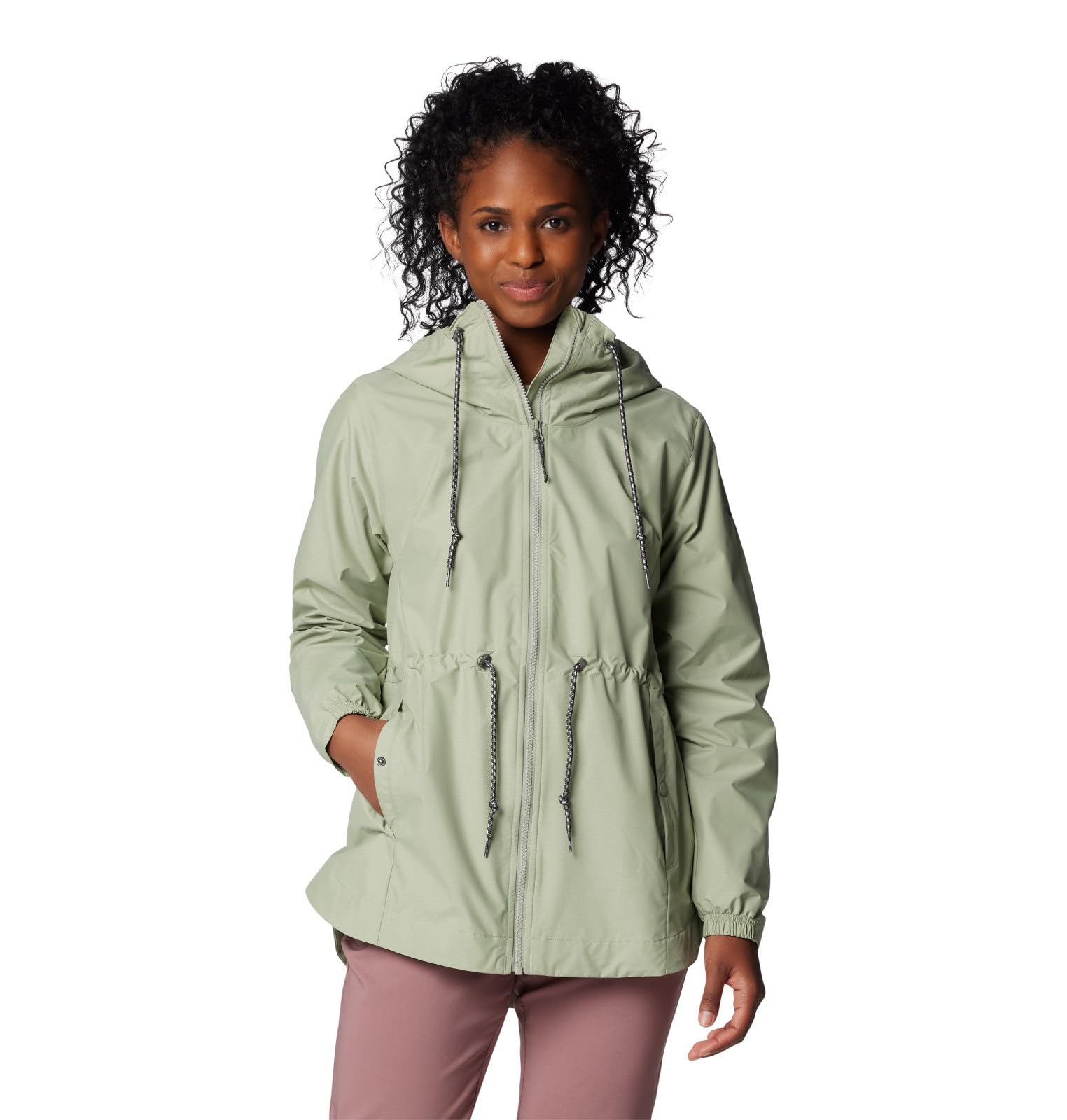
The Lillian Ridge II is Columbia’s take on an everyday waterproof coat that looks stylish while providing solid rain protection. The Hydroplus shell kept reviewers dry during a one-hour steady rain and wind. The aesthetic is more fashion-forward than technical, with a cinchable waist and a clean silhouette that garners compliments.
Fit is a key variable here. Taller women at 5’9″ found the sleeve and torso length adequate, but a 5’11” reviewer noted that the waist cinch and hip flaps sit too high, creating an awkward fit and the potential for rain ingress in windy conditions. It’s best suited for those under 5’8″.
For backpacking, the lack of pit zips and a smaller hood limit its utility for high-exertion trail use. It is not a packable technical shell. This is a great jacket for urban commuting, light hiking, and everyday rain, but not a dedicated backpacking piece. If your trail days involve mellow walks, it works; for serious summit attempts, look at the higher-tier options.
Why it’s great
- Stylish design with a flattering cinchable waist
- Solid waterproofing for moderate rain
- Good sleeve and body length for taller average-height women
Good to know
- Fit challenges for women over 5’8″ and taller
- Hood lacks tension adjustment for a snug fit
- Not technical or packable for backcountry use
FAQ
What MVTR rating is good for hiking in a backpacking rain jacket?
How often should I reapply DWR to my rain jacket?
Can I use a ski shell jacket for backpacking?
Final Thoughts: The Verdict
For most users, the best backpacking rain jacket winner is the Rab Men’s Downpour Mountain Jacket because it delivers a rare 20K/20K waterproof-breathability balance in a lightweight, packable package. If you want pit zips for active venting without breaking the bank, grab the Outdoor Research Men’s Foray 3L Jacket. And for high-alpine or winter conditions where weight isn’t the primary concern, nothing beats the all-out protection of the Helly Hansen Sogn Shell 2.0 Jacket.

Mo Maruf
I created WellFizz to bridge the gap between vague wellness advice and actionable solutions. My mission is simple: to decode the research and give you practical tools you can actually use.
Beyond the data, I am a passionate traveler. I believe that stepping away from the screen to explore new environments is essential for mental clarity and physical vitality.