Our readers keep the lights on and my smoothie glass nicely filled. As an Amazon Associate, I earn from qualifying purchases.
The wrong choice leaves you either shivering at camp or sweating under a bulky parka that eats pack volume you need for food and shelter.
I’m Mohammad Maruf — the founder and writer behind WellFizz. For years I’ve analyzed fill-power ratings, shell fabric denier, and baffle construction to separate genuine alpine performers from casual commuter puffers.
Editor’s Note: After evaluating dozens of models across price tiers, I’ve curated the most packable, warm, and weather-resistant options to help you find the ideal backpacking down jacket that matches your trail style and budget.
How To Choose The Best Backpacking Down Jacket
Selecting the right down jacket for backpacking requires balancing three often-competing priorities: weight, warmth, and weather resistance. The jacket that works for a weekend in the Sierra Nevada might be overkill for a summer trek in the Appalachians, so understanding the key specs before you buy is critical.
Fill Power: The Warmth-to-Weight Metric
Fill power measures how many cubic inches one ounce of down occupies. A higher number (600, 700, 800, 900+) means the down traps more air per gram, giving you more warmth with less weight. For backpacking, 700-fill is a solid baseline, while 800-fill or higher is ideal for ultralight trips where every gram counts. Lower fill power jackets are heavier and less compressible, making them better suited for casual wear than serious trail use.
Shell Fabric and DWR: Staying Dry Matters
Down loses nearly all insulating value when wet. A durable water repellent (DWR) finish on the outer shell is essential to shed light snow and mist, buying you time before the down absorbs moisture. Look for fabrics in the 10D to 20D range — lighter shells (10D) pack smaller but are more prone to snagging, while 20D fabrics offer better abrasion resistance for bushwhacking or wearing under a pack hipbelt. For sustained rain, a dedicated hardshell worn over the down jacket is the smarter approach.
Fit and Layering Considerations
A backpacking down jacket should fit trim enough to layer under a rain shell without excess fabric, but not so restrictive that it limits arm movement for scrambling or setting up camp. Pay attention to armhole height (high armholes improve mobility) and hem length — a hip-length cut saves weight, while a longer rear drop offers extra coverage when bending over. If you plan to wear a mid-layer like a fleece underneath, size up accordingly.
Quick Comparison
On smaller screens, swipe sideways to see the full table.
| Model | Category | Best For | Key Spec | Amazon |
|---|---|---|---|---|
| Arc’teryx Cerium Hoody | Premium | Alpine climbs & four-season layering | 850-fill goose down, 11.68 oz total | Amazon |
| Mountain Hardwear Ghost Whisperer/2 | Premium | Ultralight thru-hikes & alpine missions | 800FP down, integral stuff sack | Amazon |
| Rab Microlight Alpine | Mid-Range | Hiking & skiing in variable conditions | 700FP down, 1.03 lbs total weight | Amazon |
| Marmot Zeus Jacket | Mid-Range | Camp use & shoulder-season backpacking | 700FP down, packs into left pocket | Amazon |
| SITKA Gear Kelvin Lite Down | Mid-Range | Cold-weather hunting & glassing sessions | DWR finish, quiet shell material | Amazon |
| Columbia Delta Ridge II Down | Mid-Range | Budget-conscious day hikes & casual use | Lightweight down insulation, 2024 model | Amazon |
| Lands’ End Wanderweight | Value | Mild-weather day trips & travel | Ultralight 0.16 oz garment weight | Amazon |
| Marmot Jena Jacket | Value | Women’s everyday warmth & style | Windproof down, slim fit design | Amazon |
| Pioneer Camp Men’s Long Coat | Budget | Extreme cold static use & parka preference | Waterproof shell, fleece-lined pockets | Amazon |
In‑Depth Reviews
1. Arc’teryx Cerium Hoody
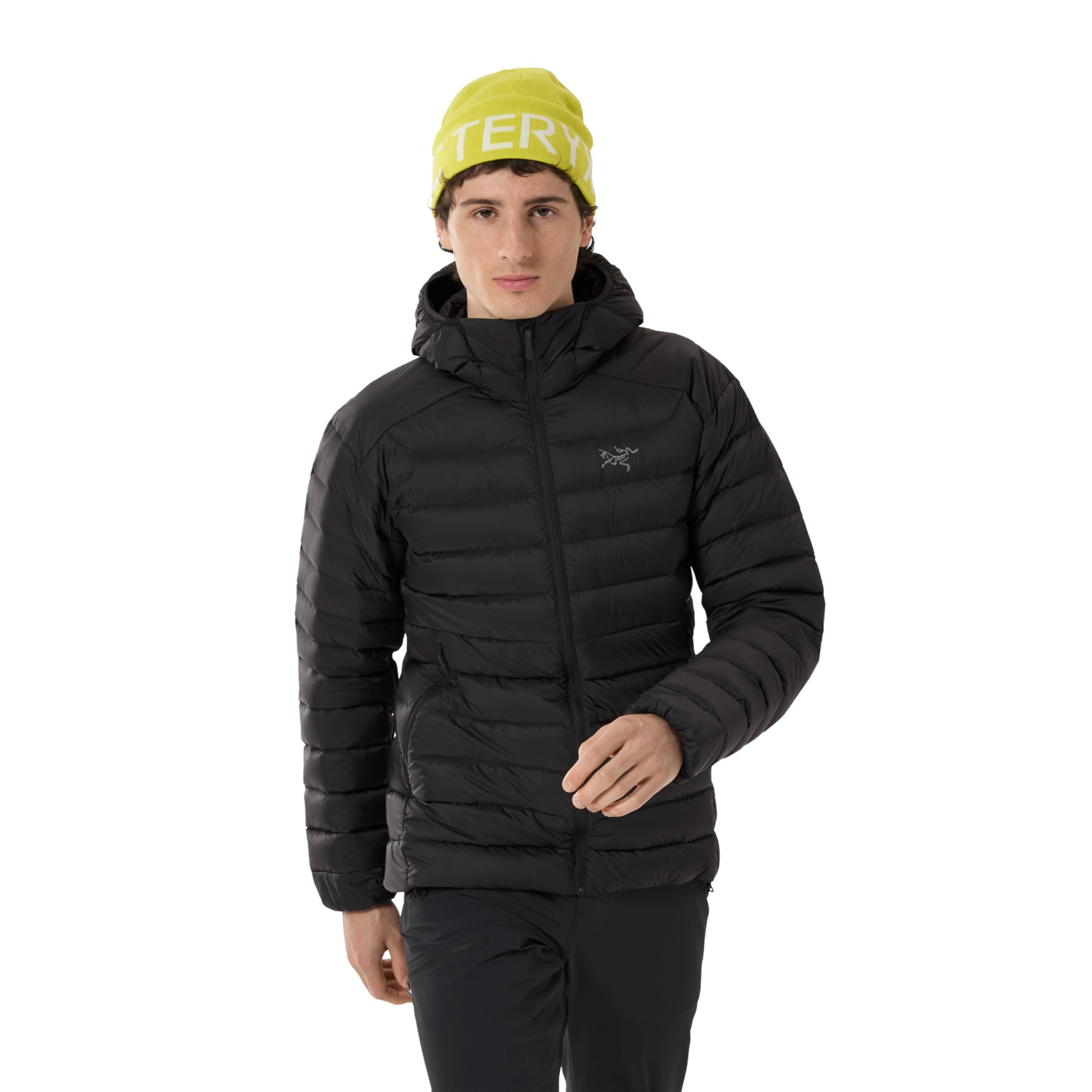
The Cerium Hoody sits at the apex of packable warmth, using 850-fill goose down to deliver exceptional loft in a shell that weighs only 11.68 ounces. The combination of Coreloft synthetic insulation in areas prone to moisture (cuffs, collar, and hem) with high-loft down in the torso and sleeves makes it a truly four-season alpine layer. The hood fits snugly under a climbing helmet and provides solid peripheral warmth without blocking vision during a traverse.
On trail, this jacket shines as a belay layer or camp insulation that disappears into your pack. The 10-denier Arato shell is whisper-thin to save weight, but it does demand careful handling around sharp granite or dense brush. A DWR coating sheds light snow effectively, but prolonged rain requires a hardshell over top. Testers in Alaska reported reliable warmth on sub-zero days when layered with a fleece and shell.
For the backpacker who demands the highest warmth-to-weight ratio without compromise, the Cerium justifies its premium tier with construction quality that holds up season after season. The main zipper is light-duty, but that’s the trade-off for shaving every possible gram. If you want an expedition-grade puffer that packs smaller than a Nalgene, this is your jacket.
Why it’s great
- 850-fill down provides unmatched loft for the weight.
- Smart use of synthetic insulation in moisture-prone zones.
- Excellent layering fit under a hardshell for alpine missions.
Good to know
- Thin shell fabric snags easily on sharp rock or brush.
- Premium price point may exceed casual users’ budgets.
2. Mountain Hardwear Ghost Whisperer/2

The Ghost Whisperer/2 is the benchmark that other ultralight down jackets are measured against. With 800-fill power down and a 10-denier ripstop nylon shell, it compresses into its own pocket to roughly the size of a grapefruit. A thru-hiker who used this on a 7-day Colorado trek reported that layering two Ghost Whisperers provided comfortable warmth down into the 20s, highlighting its modular versatility as both an active mid-layer and a static camp insulator.
At just around 8 ounces, this jacket disappears into a pack’s stuff sack without leaving a trace. The fit is athletic with slightly longer arms, which helps when reaching overhead for a hold or adjusting a tarp. The DWR coating handles light precipitation, but users note the shell fabric can snag and tear if brushed against rough bark or granite. The small zipper pull is a concession to weight savings and can require two hands to operate.
For gram-counters planning a Pacific Crest Trail section or a multi-day alpine traverse, the Ghost Whisperer/2 delivers essential warmth without demanding pack space. It’s not a full-on winter parka, but as a dedicated ultralight insulation piece, it remains a top choice for serious endurance missions.
Why it’s great
- Exceptional compressibility for ultralight packing.
- Works brilliantly as a mid-layer under a shell.
- Proven performance on multi-day alpine routes.
Good to know
- Shell is delicate and prone to fabric tears.
- No internal pockets for storing small items.
3. Rab Men’s Microlight Alpine
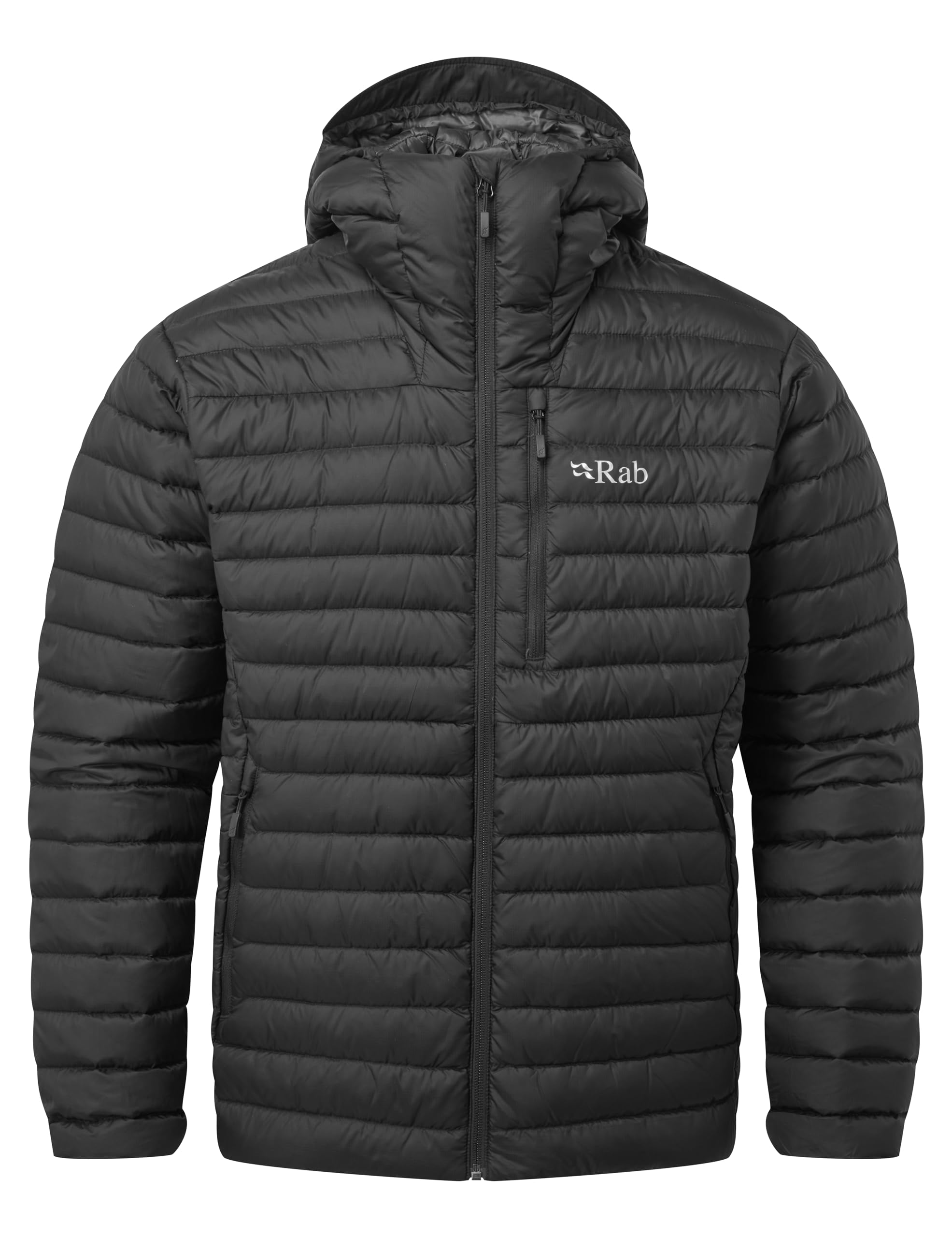
The Rab Microlight Alpine packs 700-fill European goose down into a construction that balances weight, durability, and weather resistance for the discerning hiker. Tested on both the W and O circuits in Patagonia’s Torres del Paine, this jacket proved itself against high winds and variable precipitation, maintaining warmth when conditions turned raw. The hood stays secure even in gusty conditions, a feature that backpackers in exposed ridgelines will appreciate.
Weighing just over a pound, this jacket is slightly heavier than ultralight specialists, but it gains that weight back in fabric toughness. The Pertex Quantum shell resists tears better than 10D options, making it a better choice for trips that involve scrambling or bushwhacking. Several users noted the zipper feels a bit lightweight for the price, and the left-side zipper pull (common with European brands) takes some adjustment for those used to American standard orientation.
For backpackers who want a single jacket that can handle hiking, belaying, and camp life without excessive babying, the Microlight Alpine delivers a compelling value. It’s warm enough for temperatures down to around 25°F with proper layering, and its athletic cut layers well under a hardshell for winter approaches.
Why it’s great
- Durable Pertex shell handles real trail abrasion.
- Excellent warmth-to-weight with 700FP down.
- Hood stays put in strong wind during alpine travel.
Good to know
- Zipper feels less robust than jacket price suggests.
- Fit runs trim; size up if layering over thick fleece.
4. Marmot Men’s Zeus Jacket
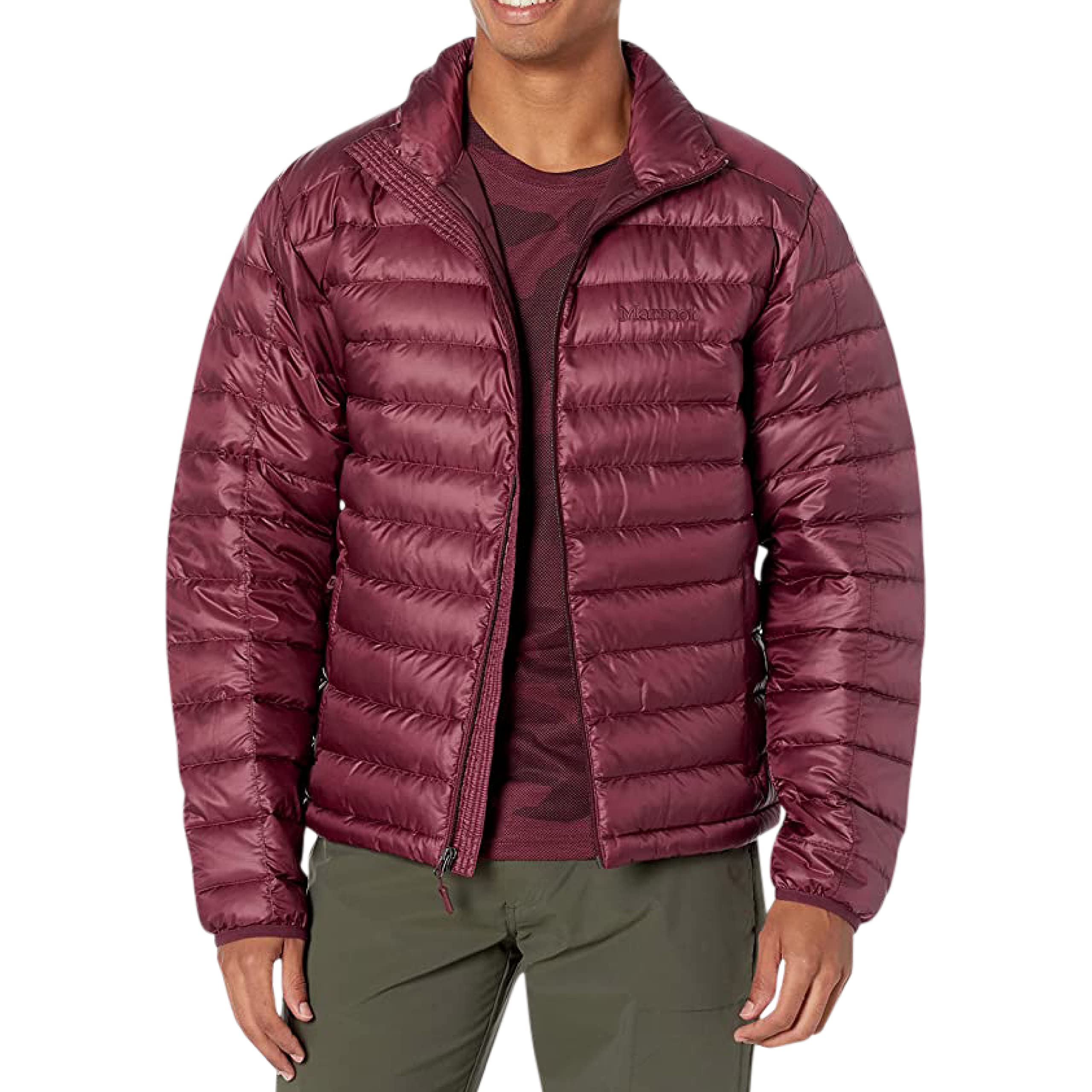
The Marmot Zeus Jacket uses 700-fill down in a slim, athletic cut designed for active use in cold conditions. Its defining feature is the ability to pack into its own left hand pocket, creating a compact 5x7x2 inch bundle that fits easily into a backpack’s corner. Several users reported that this jacket is surprisingly warm for its weight, providing comfortable insulation down to about 10°F when paired with a t-shirt and hoodie beneath.
The shell fabric includes a solid DWR treatment that offers decent water resistance in light drizzle and wet snow. Some users found the fit to be snug in the chest and shoulders, particularly those who carry more muscle mass, so ordering up is recommended if you plan to layer underneath. The zippered pockets are functional but can be slightly tricky to operate with gloves on, and the jacket’s wind resistance fades once gusts exceed 20 mph.
For the backpacker seeking a do-it-all puffer for shoulder-season trips and weekend campouts, the Zeus delivers reliable warmth in a compact package. It won’t replace a true winter parka for sub-zero expeditions, but its versatility and self-stuffing convenience make it a strong contender for three-season use.
Why it’s great
- Self-stuffs into its own pocket for compact packing.
- 700FP down provides great warmth in normal backpacking temps.
- Wind-resistant enough for breezy alpine conditions.
Good to know
- Fit is athletic and snug for broad-shouldered users.
- Zippered pockets can be fiddly with gloves.
5. SITKA Gear Men’s Kelvin Lite Down Jacket

The SITKA Kelvin Lite Down Jacket is purpose-built for cold-weather hunting where staying warm during long glassing sessions is critical. Users describe it as feeling like an oven the moment you zip it up, with enough insulation to keep you toasty during late-season elk hunts or early morning stand sits. The DWR-treated shell sheds light moisture well, and the jacket’s design prioritizes mobility for drawing a bow or raising binoculars.
One notable characteristic is the fabric’s noise level — while it provides excellent warmth, the shell material is somewhat loud, especially around the hood when it rubs against your ears. Many users praised its lightweight feel and mobile cut, but the fabric noise was a dealbreaker for some who need absolute stealth. The jacket runs true to size and offers good range of motion in the shoulders and arms.
For backpackers who also hunt or those who simply want a warm puffer that can handle wet conditions without soaking through, the Kelvin Lite is a capable choice. It’s less packable than ultralight specialist jackets, but its warmth output when stationary makes it a solid camp puffer for cold-weather base camps.
Why it’s great
- Exceptional warmth retention for static use in cold temps.
- Great mobility for active pursuits like glassing or hiking.
- DWR finish handles wet snow and light rain well.
Good to know
- Shell fabric is loud and not stealth-quiet.
- Less compressible than ultralight down jackets.
6. Columbia Delta Ridge™ II Down Jacket

The Columbia Delta Ridge II Down Jacket offers a compelling mid-range option for backpackers who want proven warmth without the high price tag. Users consistently praise its lightweight feel and quick warming properties, noting that it heats up fast once zipped. The fit is true to size with a modern cut that looks as good on the trail as it does around town, making it a versatile choice for travelers.
One common point of criticism is the snugness around the armpits, which limits range of motion for overhead reaching. Several users reported that raising their arms felt restricted, as if the jacket might tear under tension. This is worth considering if your backpacking style involves scrambling, climbing, or frequent overhead movement. The down insulation provides reliable warmth for typical three-season conditions, and the outer fabric feels durable for its weight class.
For the hiker who wants a performance down jacket for day hikes and overnights without paying for premium fill power, the Delta Ridge II represents a solid value. It doesn’t match the compressibility of 800FP jackets, but for casual to moderate backpacking use, it offers strong warmth and style at a mid-range price point.
Why it’s great
- Quick warmth on zip-up for variable temps.
- Great fit and style for both trail and casual wear.
- Durable construction for the weight category.
Good to know
- Armpit fit is restrictive for overhead movement.
- Not as compressible as higher-fill-power jackets.
7. Lands’ End Men’s Wanderweight Ultralight Packable Down Jacket
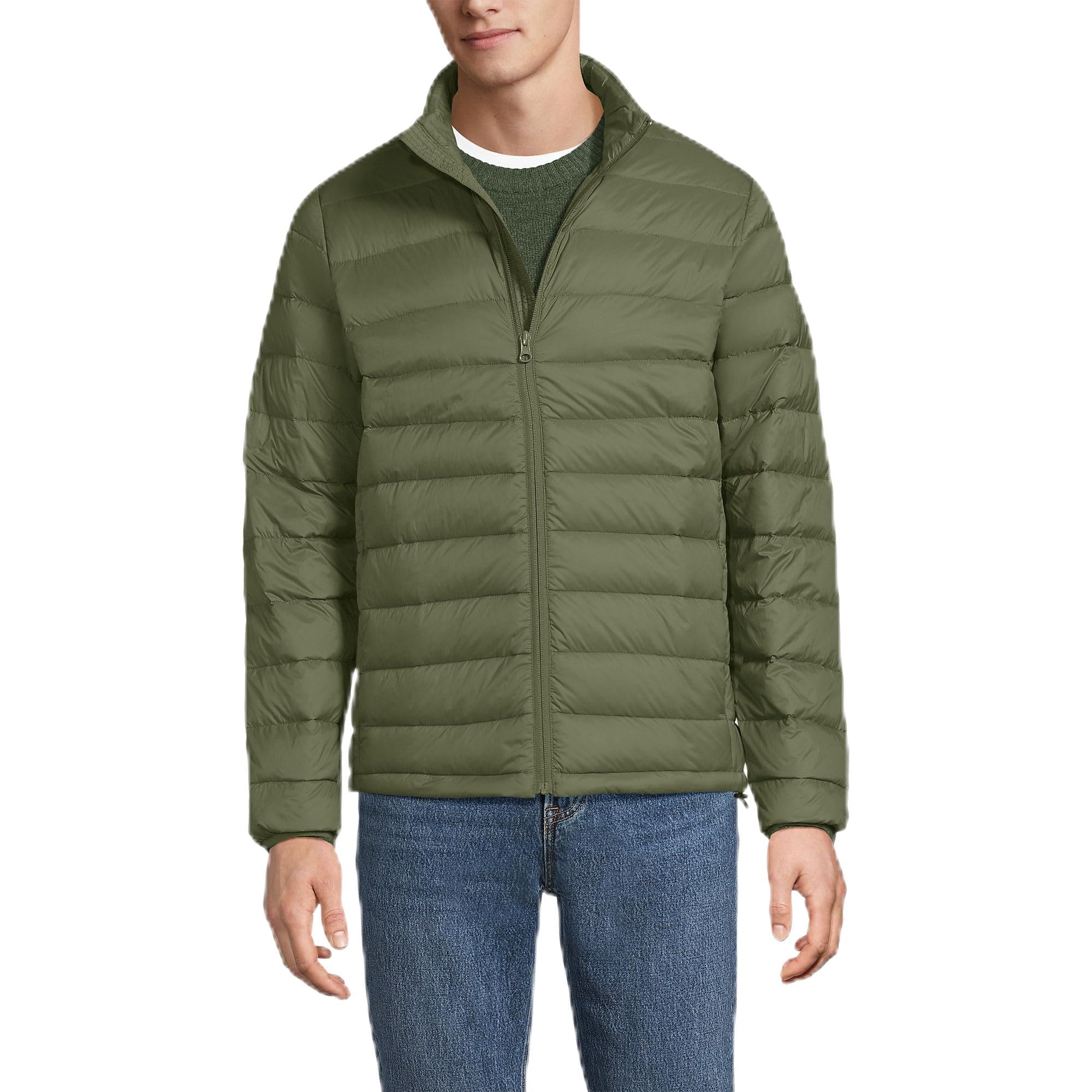
The Lands’ End Wanderweight focuses on extreme portability and lightweight warmth for casual adventurers. Weighing just a fraction of an ounce, this jacket is one of the lightest options available for backpackers who prioritize pack space above all else. Users found it comfortable in 30-40 degree weather with a base layer, making it suitable for mild shoulder-season trips or as an emergency insulation layer.
The jacket stores into its own pocket, similar to premium designs, creating a compact bundle that fits into any pack corner. The fabric is thin and not designed for bushwhacking, but it handles light trail use and camp lounging well. Some users noted the lack of a hood (despite product imagery) and wished for tighter elastic or snaps at the wrists to block cold air from rushing up the arms during active use.
For the day hiker or travel backpacker who needs a warm layer that barely registers on a scale, the Wanderweight delivers on its promise. It’s not a jacket for technical alpine use or extreme cold, but as a lightweight piece for mild weather, it offers exceptional value for its simplicity.
Why it’s great
- Extremely lightweight for effortless packing.
- Self-storing design saves pack space.
- Comfortable warmth for mild temps with a base layer.
Good to know
- No hood despite some marketing expectations.
- Wrist cuffs could seal better against cold drafts.
8. Marmot Jena Jacket
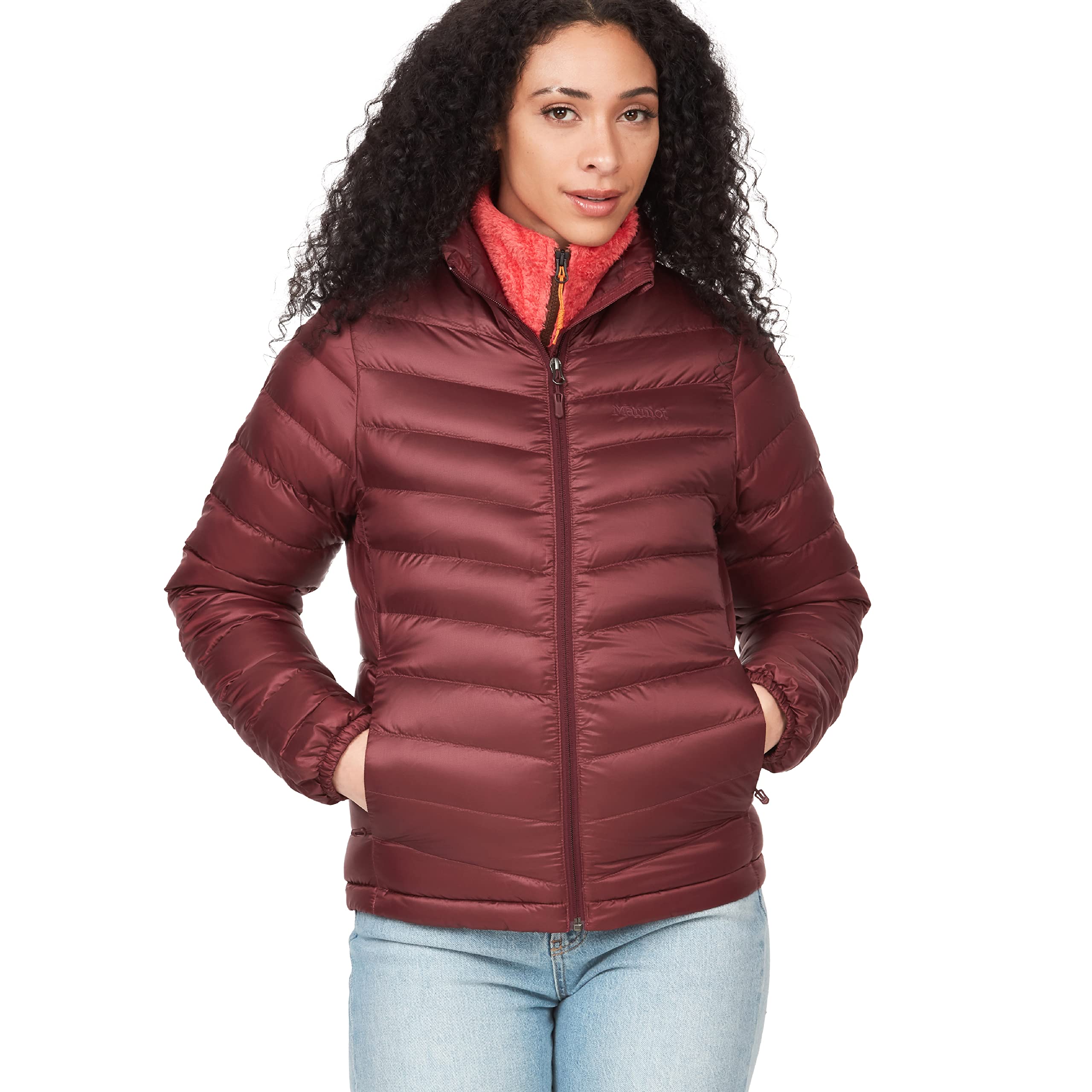
The Marmot Jena Jacket is crafted specifically for women who want a puffy that works for both town and trail without sacrificing style. Testers in wheelchairs praised its short hip length, which prevents bunching during seated activities, and noted its windproof down construction keeps warmth locked in without allowing cold air to blow up the hem. The jacket is lightweight and offers a slim, flattering silhouette that layers well under a rain shell.
Fit feedback is mixed — some users found it runs narrow through the hips and chest, recommending sizing up if you plan to wear thick layers underneath. The cut is trim enough that wearing a bulky sweater beneath it may be uncomfortable. The color matches online photos well, and the stitching and fabric quality reflect Marmot’s reputation for durability. The jacket provides solid warmth for winter outings and looks polished for après-hike dinners.
For women seeking a down jacket that transitions seamlessly from the trailhead to the campsite to the cafe, the Jena delivers a tailored fit with performance features. It’s less suited for technical alpine climbing due to its trim cut, but as a general backpacking and casual cold-weather piece, it’s a strong, stylish choice.
Why it’s great
- Windproof down construction prevents cold penetration.
- Short hip length ideal for seated activities and mobility.
- Fashionable design that works for casual wear.
Good to know
- Runs narrow in hips and chest; size up for layering.
- Trim fit doesn’t accommodate thick sweaters.
9. Pioneer Camp Mens Long Winter Coat
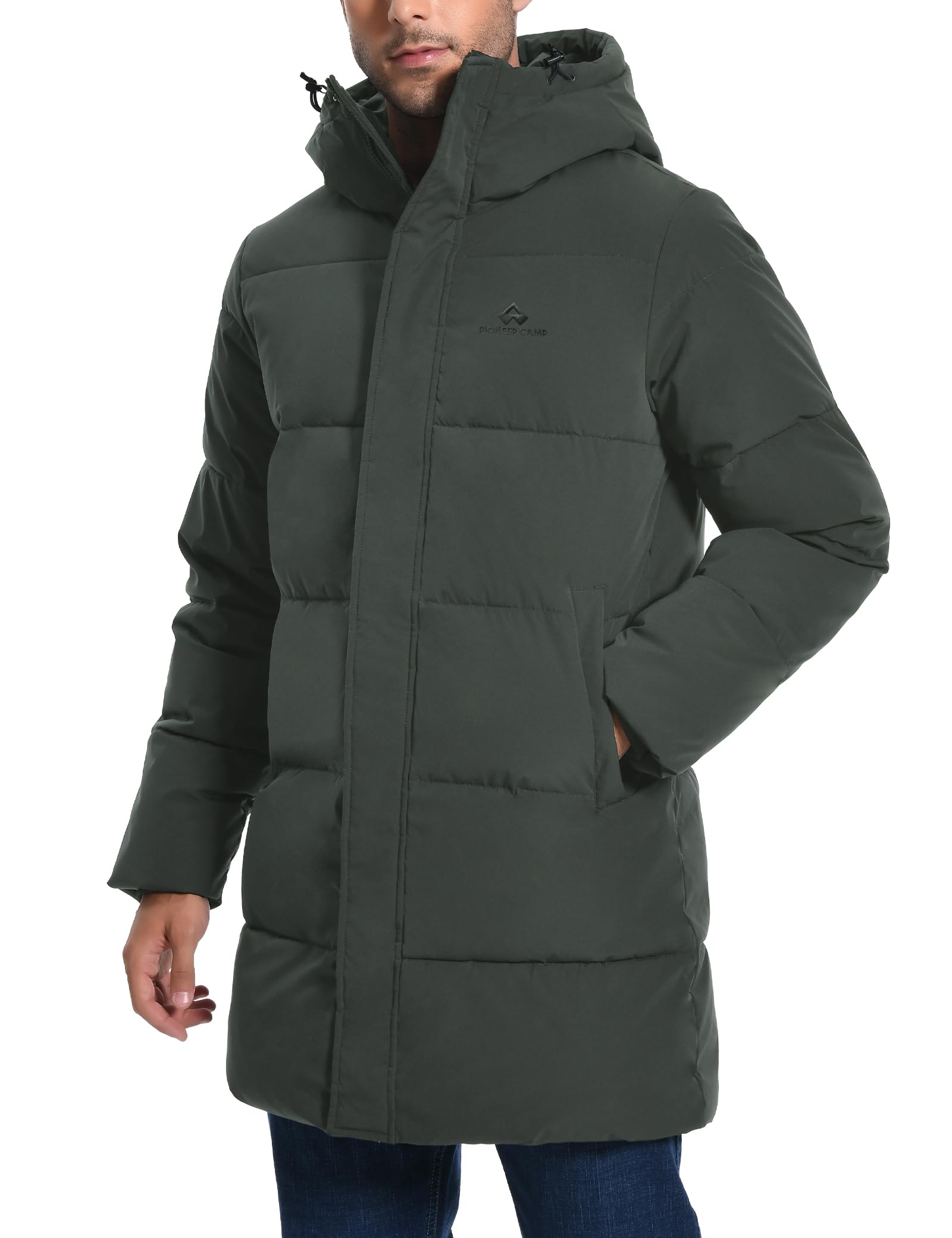
The Pioneer Camp Men’s Long Winter Coat is a thick, insulated puffer that prioritizes extreme warmth and weather protection over packability. At mid-thigh length with an adjustable hood and double zipper, it’s designed for sub-zero conditions where staying warm is the primary concern. Users in New England and Cleveland reported wearing it daily in 3°F wind chills without risk of frostbite, a testament to its serious insulation power.
The shell is fully waterproof, which is rare in the down jacket category, making it a solid choice for wet, cold environments where you might not want to bring a separate rain shell. Fleece-lined pockets keep hands warm, and the cut is athletic with a roomy fit that accommodates layers. However, the coat is bulky and heavy compared to packable down jackets, eating significant pack volume that backpackers may need for other gear.
For backpackers who camp in extreme cold or who want a single jacket that handles both camp life and snowstorms, the Pioneer Camp is a standout budget-friendly option. It won’t win any awards for compressibility or trail weight, but for static warmth and waterproof protection, it offers outstanding value.
Why it’s great
- Fully waterproof shell for wet, snowy conditions.
- Extremely warm for sub-zero camps and daily use.
- Generous fit with double zipper and lined pockets.
Good to know
- Very bulky and not packable for backpacking.
- Chest fits tight over thick hoodies for some users.
FAQ
Can I use a down jacket as my only insulation layer on a multiday trek?
What temperature range should my backpacking down jacket handle?
How do I maintain the loft of my down jacket on a long trip?
Final Thoughts: The Verdict
For most backpackers, the clear winner for a backpacking down jacket is the Arc’teryx Cerium Hoody because it delivers exceptional 850-fill warmth in an ultralight 11.68-ounce package with intelligent synthetic reinforcement in high-moisture areas. If you want the ultimate in packability for long thru-hikes, grab the Mountain Hardwear Ghost Whisperer/2. And for a durable, value-packed alpine performer that can handle real trail abuse, nothing beats the Rab Microlight Alpine.

Mo Maruf
I created WellFizz to bridge the gap between vague wellness advice and actionable solutions. My mission is simple: to decode the research and give you practical tools you can actually use.
Beyond the data, I am a passionate traveler. I believe that stepping away from the screen to explore new environments is essential for mental clarity and physical vitality.