Our readers keep the lights on and my smoothie glass nicely filled. As an Amazon Associate, I earn from qualifying purchases.
A scoliosis curve shifts your entire posture out of alignment, creating a cascade of muscle strain, nerve pressure, and fatigue that standard lumbar supports simply cannot fix. The right orthotic brace does more than compress your waist—it applies targeted, three-dimensional force to counter the lateral curvature and stabilize the thoracic and lumbar regions where the spine needs realignment most.
I’m Mohammad Maruf — the founder and writer behind WellFizz. I analyze medical-grade orthopedics and consumer rehabilitation products full-time, evaluating their biomechanical design, material science, and clinical utility so you don’t have to guess what actually works for structural spinal conditions.
Whether you are managing adolescent idiopathic scoliosis, adult degenerative curves, or post-surgical recovery, this guide walks through the critical engineering details that separate a true scoliosis support from a generic back belt. Here is the definitive, category-specific breakdown of the best back brace for scoliosis available right now.
How To Choose The Best Back Brace For Scoliosis
Selecting a brace for scoliosis is fundamentally different from picking a simple lumbar support. The brace must resist lateral (side‑to‑side) bending while also providing enough vertical leverage to counteract the rotational component of the curve. Focus on these three make‑or‑break factors.
Rigid vs. Semi‑Rigid Panel Construction
The stiffest scoliosis braces—often called LSO (lumbo‑sacral orthosis) models—use removable polypropylene or steel plates that form a rigid shell around the torso. Semi‑rigid braces rely on multiple embedded stays (usually four to six) and a molded bionic plate. For curves above 20 degrees, rigid panels provide the counter‑force needed to prevent progression; for milder curves or post‑surgical support, semi‑rigid designs offer a better balance of mobility and stabilization.
Pulley Mechanics and Tension Distribution
A dual‑ or five‑to‑one pulley system multiplies the user’s pulling force, allowing even users with limited hand strength to achieve clinical‑grade compression. Critically, the pulley arrangement must pull from both sides evenly—not just from the front—so the brace cinches around the iliac crests and lower ribcage uniformly. Lopsided tension can actually worsen a scoliotic curve by shifting the spine off its compensatory axis.
Breathability and All‑Day Wear Comfort
Because scoliosis braces are often prescribed for eight to twelve hours a day, the fabric must wick moisture and resist odor. Neoprene traps heat and sweat; open‑cell foam and multi‑density mesh are far superior. Also check that the brace’s height clears the lower ribs and sits firmly above the pubic bone without digging into the hip flexors during prolonged seated work.
Quick Comparison
On smaller screens, swipe sideways to see the full table.
| Model | Category | Best For | Key Spec | Amazon |
|---|---|---|---|---|
| BaxMAX | Premium | Active adults needing light, targeted lumbar compression | 5‑to‑1 pulley, 5 oz weight | Amazon |
| VertebrAlign LSO | Medical‑Grade | Post‑op and severe disc degeneration | PDAC L0631‑L0650, 23‑50″ | Amazon |
| Comfyorthopedic LSO | Premium | High‑curve correction with removable side pads | PDAC L0648/L0631, 25‑48″ | Amazon |
| LSO Max Decompression | Premium | Users needing three‑level arch adjustability | 26‑degree bionic lumbar stretcher | Amazon |
| NEENCA Lower Back Brace | Mid‑Range | Everyday lumbar support with low‑profile fit | Multi‑point support, elastic Velcro | Amazon |
| T TIMTAKBO Dual‑Pulley | Mid‑Range | Heavy lifting and bending tasks | Dual‑pulley traction, wide back panel | Amazon |
| TIMTAKBO 11″ Bionic | Mid‑Range | Rigid support for moderate scoliosis curves | Removable bionic vertebra plate, 11″ height | Amazon |
In‑Depth Reviews
1. BaxMAX Adjustable Back Brace
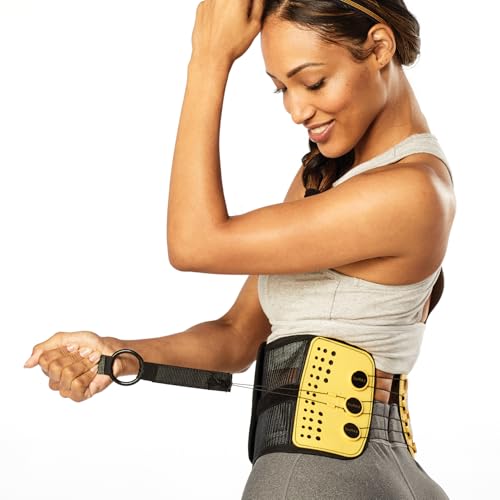
The BaxMAX uses a patented 5‑to‑1 pulley system that delivers five times the compression force with a single pull—critical for scoliosis users who need precise, even tension around the lower ribcage and iliac crests without straining their hands. At just five ounces, its nylon/kevlar blend mesh is substantially lighter than any other brace in this tier, making it ideal for active users who refuse to be weighed down.
Chiropractor‑recommended and trusted in over 3,000 clinics for fifteen years, the brace’s three‑way wearing position lets you dial compression up for standing and walking or release it slightly during seated work. The Kevlar‑reinforced pulley cable shows no fraying after months of daily use, and the breathable mesh prevents the clammy heat build‑up that plagues neoprene competitors.
For scoliosis specifically, the 5‑to‑1 system pulls from both sides evenly, providing the balanced lateral stabilization needed to counter C‑curves without shifting the spine off its compensatory axis. Users report immediate relief from sciatica and lumbar facet irritation, with the brace holding fast even during repeated bending.
Why it’s great
- Unmatched 5‑to‑1 compression multiplier for precise scoliosis tension
- Only 5 oz—worn comfortably under clothing all day
Good to know
- Material can roll up when sitting for extended periods
- Best suited for standing and active movement, not prolonged sleep
2. VertebrAlign LSO Lumbar Back Brace
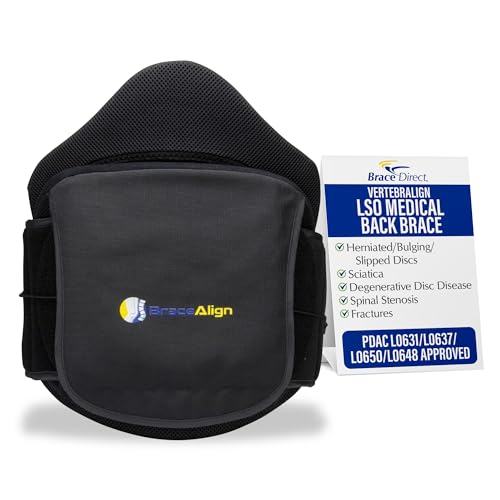
PDAC‑approved under codes L0631, L0637, L0648, and L0650, the VertebrAlign is a true medical‑grade LSO that doctors routinely prescribe for post‑surgical recovery and degenerative scoliosis. Its universal fit covers 23 to 50 inches at the navel, and the plus extension pushes that to 66 inches, accommodating a wide range of body types without compromising stabilization.
The one‑handed pull tabs tighten evenly from both sides—a critical feature for scoliosis patients whose curves create asymmetrical muscle tension. Removable rigid panels let you dial between firm and flexible support, while the lightweight mesh core keeps you cool during the eight‑plus‑hour wear sessions typical of scoliosis management.
Users recovering from discectomy and fusion surgeries report that the VertebrAlign prevents slouching and poor lifting form far better than over‑the‑counter belts. An American‑owned company offers free video fitting sessions, which is invaluable for first‑time brace users trying to achieve the perfect wrap.
Why it’s great
- PDAC L0631‑L0650—same codes used by hospitals and insurance
- Free video fitting session included for perfect scoliosis alignment
Good to know
- Pull cords may not retract smoothly after months of daily use
- Back padding can detach if machine washed (hand wash only)
3. Comfyorthopedic LSO Back Brace

The Comfyorthopedic LSO stands out with its patented adjustable sizing that spans 25 to 48 inches in a single brace—no need to buy a new brace if you lose or gain weight. It comes with a detachable hard back support foam cushion that contours to the spinal curve, plus two removable side support pads that provide the lateral stability scoliosis demands.
PDAC‑approved under L0648 and L0631, this brace uses dual medical‑grade drawstrings for smooth, even tightening across the lumbo‑sacral region. The foam cushion is thick enough to offload pressure from a herniated disc or degenerative curve, yet the overall build remains flexible enough for daily chores and light exercise.
User feedback highlights instant pain relief for chronic scoliosis and post‑surgical recovery, with one buyer reporting near‑complete elimination of sciatica within a day. The one‑year warranty against manufacturer defects adds peace of mind for long‑term wear.
Why it’s great
- Removable side pads deliver targeted lateral correction for scoliosis curves
- Single brace adjusts 25‑48″—excellent for fluctuating waist size
Good to know
- May sit too short for taller users lacking L5‑S1 coverage
- Black‑on‑black fabric hard to read in low light
4. LSO Back Brace with Maximum Decompression Plate

This LSO brace features a bionic decompression plate that stabilizes vertebrae from L1 down to S1, paired with a three‑level arch support system. The arch can be set to its maximum 26‑degree lift for lumbar correction and extension, decreased for general protection, or removed entirely to prevent problems during lighter activity. That range of adjustability makes it suitable for scoliosis patients whose curves fluctuate in severity.
The dual‑pulley system provides targeted compression with easy finger tabs—essential for seniors or post‑op users with limited grip strength. An extension belly support piece and removable soft plastic abdominal plate accommodate abdominal obesity and postpartum lumbar pain, expanding the brace’s use beyond pure scoliosis management.
Users report that the brace immobilizes roughly 80 percent of lower back movement during acute flare‑ups, allowing them to function when their back is completely out. For scoliosis with concurrent disc herniation, the combination of arch support and rigid plates offers a level of stabilization that moderately‑priced braces rarely match.
Why it’s great
- 26‑degree bionic lumbar stretcher provides aggressive correction for moderate scoliosis
- Three arch settings suit varying curve severity throughout the day
Good to know
- Bulkier than standard lumbar belts—may not fit under fitted clothing
- Abdominal extension piece adds warmth in hot weather
5. NEENCA Lower Back Brace

For scoliosis users who need discreet, all‑day support without a bulky shell, the NEENCA brace uses a multi‑point support design that reduces spinal pressure while remaining thin enough to wear under a shirt. Made from medical‑grade polyester and spandex, its breathable mesh fabric prevents overheating during desk work or light manual labor.
Two elastic Velcro straps provide a personalized, snug fit—ideal for mild to moderate scoliosis curves that don’t require rigid panel reinforcement. The brace’s low‑profile silhouette allows natural movement through the thoracic spine while stabilizing the lumbar region, making it a practical daily companion for users who sit for long hours.
Customer feedback highlights effective relief for sciatica and bulging discs, with one RN noting it helped her stay on her feet during twelve‑hour shifts. The five‑size range (Small through XXL) covers waist measurements from 26 to 65 inches, accommodating a broad spectrum of body types.
Why it’s great
- Thin enough to wear under clothing—no visible bulk
- Breathable mesh prevents sweat build‑up during extended wear
Good to know
- No rigid side panels—less effective for curves above 30 degrees
- Metal rod provides moderate support but may bend over time
6. T TIMTAKBO Dual‑Pulley Lower Back Brace

The dual‑pulley system on this TIMTAKBO brace is concentrated entirely on the lower back, where scoliosis‑related lumbar pain most often originates. Both pulleys work together to multiply pulling force, delivering compression and decompression far stronger than a standard single‑strap brace—users report feeling genuine traction effect right at the source of their pain.
Designed with a wide back panel and heavy‑duty nylon build, the brace resists rolling, bunching, and sliding down even during repeated bending, squatting, and lifting. The inner lining is skin‑friendly, moisture‑wicking, and odor‑free out of the box, making it suitable for extended wear during physical work or gym sessions.
For scoliosis users who combine their brace with weightlifting or manual labor, the locked‑in fit provides the confidence to lift heavy without worrying about brace migration. One verified buyer with a herniated disc noted this was the best support product they had found among a dozen previous attempts.
Why it’s great
- Dual‑pulley traction amplifies compression for deep lumbar decompression
- Wide back panel stays put during heavy bending and lifting
Good to know
- Only two sizes (S/M and L/XL)—tightens to fit but may gap on extreme body types
- Not recommended for users with recent spinal surgery or vascular issues without doctor approval
7. TIMTAKBO 11‑Inch Height Back Brace
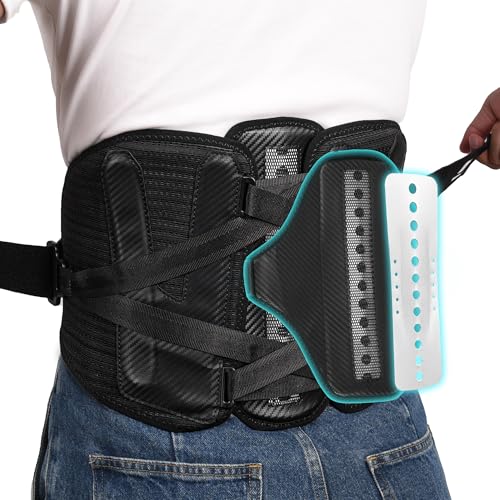
At eleven inches tall, this TIMTAKBO brace covers the T11‑L5 spine segment—substantially more vertical real estate than most lumbar supports. The removable ergonomic bionic vertebra plate, combined with four steel plate supports, disperses lumbar pressure evenly across a large area, providing the firm stabilization that moderate scoliosis curves require.
The brace offers two wearing styles: remove the bionic plate for first‑time users or mild pain, and keep it fitted for strong support. The carbon‑fiber material reduces overall weight and prevents the brace from feeling like a rigid cage, and the dual‑pulley system lets you fine‑tune tightness without struggling with short straps.
Users with degenerative lumbar conditions praise its ability to reduce pain during repetitive bending and active hobbies like cycling. The sizing runs slightly small, so portly users should measure carefully—one reviewer with a 50‑inch waist needed a 2XL instead of XL. For the price, the combination of height, plate support, and pulley tension is hard to beat.
Why it’s great
- 11‑inch height provides full T11‑L5 coverage for comprehensive scoliosis support
- Removable bionic plate lets users choose between rigid and flexible wear
Good to know
- Runs small—measure waist and consider sizing up
- Lumbar area can get warm during extended wear despite breathable material
FAQ
How many hours a day should I wear a scoliosis brace?
Will a rigid LSO brace stop my scoliosis curve from progressing?
Can I exercise or lift weights while wearing a scoliosis back brace?
Final Thoughts: The Verdict
For most users, the best back brace for scoliosis winner is the BaxMAX because its 5‑to‑1 pulley system delivers precisely adjustable lateral compression in an ultra‑lightweight, breathable frame that active adults can wear all day without fatigue. If you need full medical‑grade stabilization with PDAC codes for post‑surgical recovery, grab the VertebrAlign LSO. And for a rigid, high‑coverage brace that supports moderate curves with a removable bionic plate, the TIMTAKBO 11‑Inch Brace offers unbeatable value for the price.

Mo Maruf
I created WellFizz to bridge the gap between vague wellness advice and actionable solutions. My mission is simple: to decode the research and give you practical tools you can actually use.
Beyond the data, I am a passionate traveler. I believe that stepping away from the screen to explore new environments is essential for mental clarity and physical vitality.