Our readers keep the lights on and my smoothie glass nicely filled. As an Amazon Associate, I earn from qualifying purchases.
Few experiences rival the helplessness of watching your newborn writhe with gas pain, arch their back during a feed, or cry inconsolably for hours on end. The root cause of colic, reflux, and chronic fussiness often traces back to a delicate, immature digestive system struggling to break down proteins or lactose in standard milk-based formulas. Identifying a formula designed specifically for this issue is a targeted intervention, not a guess. The right choice means shifting from managing symptoms to providing genuine digestive comfort.
I’m Mohammad Maruf — the founder and writer behind WellFizz. My research methodology focuses on parsing the mechanics of digestive tolerance across different protein structures, carbohydrate sources, and prebiotic blends, translating complex biomedical formulations into clear, actionable buying decisions for parents.
After continuous market analysis, the formulation of proteins, the presence of specific prebiotics like 2′-FL HMO, and the reduction of lactose are the key drivers of a successful switch to the best baby formula for sensitive stomach.
How To Choose The Best Baby Formula For Sensitive Stomach
The market is flooded with ‘gentle’ and ‘sensitive’ labels, but the underlying biochemistry differs significantly. Your choice must match the specific source of your baby’s distress, whether it is lactose intolerance, a cow’s milk protein allergy (CMPA), or general digestive immaturity. Focus on the protein source and carbohydrate profile above all else.
Protein Structure: The Most Critical Differentiator
Standard formula uses intact cow’s milk proteins, which are large and complex. For a sensitive stomach, Partially Hydrolyzed (gentle) formulas break these proteins into smaller, easier-to-digest fragments. Extensively Hydrolyzed (hypoallergenic) formulas break them down even further, and Amino Acid-based (elemental) formulas contain no protein fragments at all—just the building blocks. Choose partially hydrolyzed for general fussiness and gas, but move to extensively hydrolyzed or amino acid-based if you suspect a true CMPA.
The Role of Prebiotics and Probiotics
Prebiotics—specifically Human Milk Oligosaccharides (HMOs) like 2′-FL and LNnT—feed the beneficial bacteria already in your baby’s gut, promoting a healthy microbiome that naturally reduces gas and supports stool regularity. Probiotics add active bacteria. For a sensitive stomach, formulas with HMOs (prebiotics) are often better tolerated because they work with the baby’s existing gut ecosystem without introducing live cultures that can sometimes cause initial gas in extremely sensitive infants.
Lactose Content and Carbohydrate Sources
While lactose is the primary carbohydrate in breast milk, some babies lack sufficient lactase enzyme to digest it efficiently, leading to gas and diarrhea. Sensitive formulas often reduce lactose significantly, replacing it with corn syrup solids or maltodextrin for easier digestion. Soy-based formulas use no lactose and are a viable option for infants who react poorly to cow’s milk protein but do not have a soy allergy. For true lactose intolerance, a low-lactose or lactose-free formula is essential.
Quick Comparison
On smaller screens, swipe sideways to see the full table.
| Model | Category | Best For | Key Spec | Amazon |
|---|---|---|---|---|
| Mama Bear Gentle Premium | Gentle Milk | Budget-friendly relief from fussiness & gas | Partially Hydrolyzed Proteins | Amazon |
| Happy Baby Organics A2 | Organic Gentle | Organic A2 milk with probiotics | A2 Protein + Probiotics | Amazon |
| Mama Bear Sensitivity | Low-Lactose | Lactose sensitivity & gas relief | 99% Less Lactose | Amazon |
| Nutricia Neocate Infant | Elemental | Severe CMPA & multiple allergies | 100% Amino Acids | Amazon |
| Similac Alimentum | Hypoallergenic | Colic & CMPA relief within 24 hours | Extensively Hydrolyzed | Amazon |
| Similac Soy Isomil | Plant-Based | Plant-based alternative for milk intolerance | 100% Soy Protein | Amazon |
| PurAmino Junior | Toddler Elemental | Severe allergies & GI conditions in toddlers | Amino Acid-based | Amazon |
In‑Depth Reviews
1. Mama Bear Gentle Premium Infant Formula

This formula bridges the gap between premium performance and everyday affordability. It uses partially hydrolyzed proteins to break down larger milk proteins into smaller fragments, making them significantly easier for a sensitive digestive system to process. The result, as confirmed by thousands of parent reviews, is a marked reduction in crying, fussiness, and visible gas within just a few days of switching.
Nutritionally, it is designed to match the standards of Enfamil NeuroPro Gentlease, containing DHA for brain support and a gentle immune blend. It is completely free of artificial growth hormones and non-GMO, offering a level of ingredient transparency that is surprising at its price tier.
Parents consistently note that it mixes well without clumps and that their babies accept the taste without protest. While it is a store brand manufactured by Perrigo, the quality control and consistency have made it a reliable staple for many families seeking a mid-range, effective gentle formula.
Why it’s great
- Effectively reduces gas, crying, and fussiness via partially hydrolyzed proteins
- Exceptional value compared to brand-name gentle formulas with similar ingredient profiles
- Non-GMO, no artificial growth hormones, and certified kosher
Good to know
- Contains palm olein oil, which can cause constipation in some babies
- Not suitable for confirmed CMPA; it is a gentle formula, not a hypoallergenic one
2. Happy Baby Organics Stage 1 A2 Infant Formula

This option targets sensitive stomachs from a different angle. Instead of breaking down proteins, it uses A2 milk, which lacks the A1 beta-casein protein found in conventional milk that some studies link to digestive inflammation. Parents of babies with mild reflux or eczema report significant improvement, as the A2 protein structure is inherently more gentle on the gut lining.
It is the only USDA organic formula that combines this A2 protein with a patented blend of both probiotics and prebiotics, clinically shown to promote softer, more regular stools. The formula is also made in Europe under EU organic standards, a higher regulatory bar for ingredient purity.
Customer feedback highlights its effectiveness in reducing reflux symptoms and even clearing up eczema in some infants. The main caveat is availability; while Amazon carries it, stock can be inconsistent, and the brand suggests buying directly from the manufacturer for more reliable auto-ship fulfillment.
Why it’s great
- Unique A2 protein structure is naturally easier to digest than standard A1 milk
- Combines probiotics + prebiotics for comprehensive gut health support
- USDA and EU certified organic with strict ingredient sourcing
Good to know
- Amazon stock can be inconsistent; consider direct-to-consumer subscription
- Not suitable for true CMPA or severe protein allergies
3. Mama Bear Sensitivity Premium Infant Formula
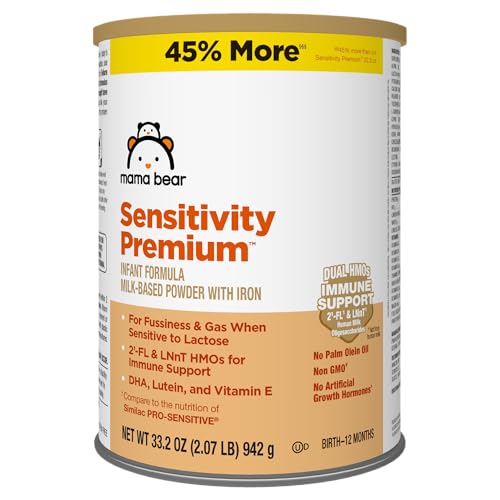
When the culprit is specifically lactose intolerance rather than protein sensitivity, this formulation is the targeted solution. It reduces lactose content by 99 percent compared to standard milk-based formulas, replacing it with more easily digestible carbohydrates. This makes it ideal for babies who experience explosive diarrhea, excessive gas, and stomach upset directly linked to lactose overload.
It goes beyond simple lactose reduction by incorporating dual Human Milk Oligosaccharides (2′-FL and LNnT), which are prebiotics that feed beneficial gut bacteria. This dual approach—removing the irritant while supporting good flora—provides a comprehensive digestive support system. It also excludes palm olein oil to help improve calcium absorption and prevent constipation.
Parents transitioning from breastfeeding to this formula report the smoothest transitions of any formula they tried. It mixes well and is affordable enough for long-term use, though a small number of users note that it can cause a temporary change in baby’s breath odor, which is generally harmless.
Why it’s great
- 99 percent reduced lactose targets the root cause of gas due to lactose sensitivity
- Dual HMO prebiotics (2′-FL and LNnT) support immune and digestive health
- No palm olein oil, reducing the risk of constipation seen in other formulas
Good to know
- Not a suitable option for babies with a cow’s milk protein allergy
- Some parents report a change in baby’s breath odor while using this formula
4. Nutricia Neocate Infant
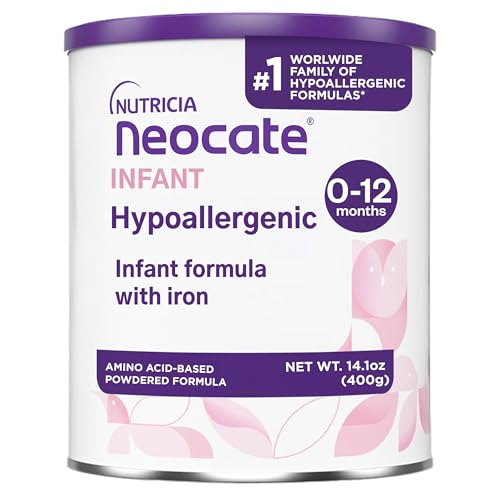
When a baby cannot tolerate any intact or partially broken-down protein, elemental formulas like Neocate are the last line of defense. It is 100 percent amino acid-based, meaning the immune system does not see any recognizable protein fragments to react against. For infants with severe Cow’s Milk Protein Allergy (CMPA), multiple food protein allergies, or complex GI conditions, this is often the only option that provides symptom relief without causing an allergic reaction.
Clinical evidence shows symptom relief in as little as three days for severe allergies. It contains DHA and ARA to support brain and eye development and nucleotides for immune support. It is dairy-free, soy-free, and contains no artificial colors, flavors, or sweeteners.
The primary trade-off is that the protein fragments are so small that the taste can be less palatable than standard formulas, and it is one of the most expensive options per can. Parents also note that the powder can clog bottle nipples in cold weather, requiring careful preparation to ensure a smooth feed. For babies with confirmed severe allergies, however, the trade-off is non-negotiable and life-changing.
Why it’s great
- 100 percent amino acid-based formula eliminates allergic reactions in severe CMPA babies
- Clinically shown to provide relief from food allergy symptoms in as little as 3 days
- Contains DHA, ARA, and nucleotides for comprehensive developmental support
Good to know
- High cost per can; check insurance coverage or manufacturer assistance programs
- Powder can clog bottle nipples in cold conditions; requires warm water preparation
5. Similac Alimentum With 2′-FL HMO
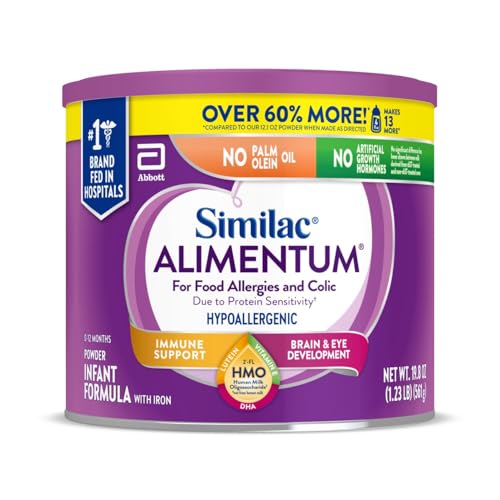
Similac Alimentum is a long-standing, pediatrician-recommended hypoallergenic formula that uses extensively hydrolyzed cow’s milk protein. This process breaks down the protein into tiny fragments, making it virtually unrecognizable to the immune system of most babies with CMPA or colic caused by protein sensitivity. The brand’s clinical data claims that colic symptoms due to protein sensitivity begin to reduce within 24 hours in most infants.
This version includes 2′-FL HMO, an immune-nourishing prebiotic found in breast milk, making it the first hypoallergenic formula to include this specific ingredient. This addition helps support the baby’s developing immune system while managing their allergic responses.
User reviews consistently label it a ‘lifesaver’ for babies with reflux and colic. It is widely available and has a proven track record. The main downside is that it is a premium-priced product, though its effectiveness often justifies the cost when other formulas have failed.
Why it’s great
- Hypoallergenic with extensively hydrolyzed proteins for CMPA and colic relief
- Contains 2′-FL HMO for immune support, unique among hypoallergenic formulas
- Clinically proven to reduce colic symptoms in 24 hours for most infants
Good to know
- Premium-tier pricing compared to gentle formulas
- Has a distinctive smell and taste that some babies may reject initially
6. Similac Soy Isomil Infant Formula

For families seeking a plant-based alternative or a way to avoid cow’s milk protein entirely without resorting to hydrolyzed formulas, Similac Soy Isomil is a proven standard. It uses 100 percent soy protein and contains no lactose, making it a solid choice for babies with a confirmed lactose intolerance or a mild sensitivity to cow’s milk protein.
Clinically shown to reduce fussiness and gas when switching from milk-based formulas, it provides complete nutrition with DHA and lutein for brain and eye development. It also lacks palm olein oil to support calcium absorption and contains prebiotics for digestive health.
Parents of babies with dairy protein intolerance report that stools normalize and fussiness settles down quickly after switching. The pack of 4 value cans offers significant savings over buying individual cans. However, it is not suitable for babies with a soy allergy, which is common in infants with CMPA, and it should not be used for severe protein allergies or colic caused by protein sensitivity.
Why it’s great
- Lactose-free, plant-based protein for babies intolerant to cow’s milk
- Pack of 4 provides excellent value and convenience for bulk buying
- Contains DHA, lutein, and prebiotics for comprehensive nutrition
Good to know
- Not suitable for babies with a soy allergy (common comorbidity with CMPA)
- May not be effective for severe colic or confirmed protein allergy
7. PurAmino Junior
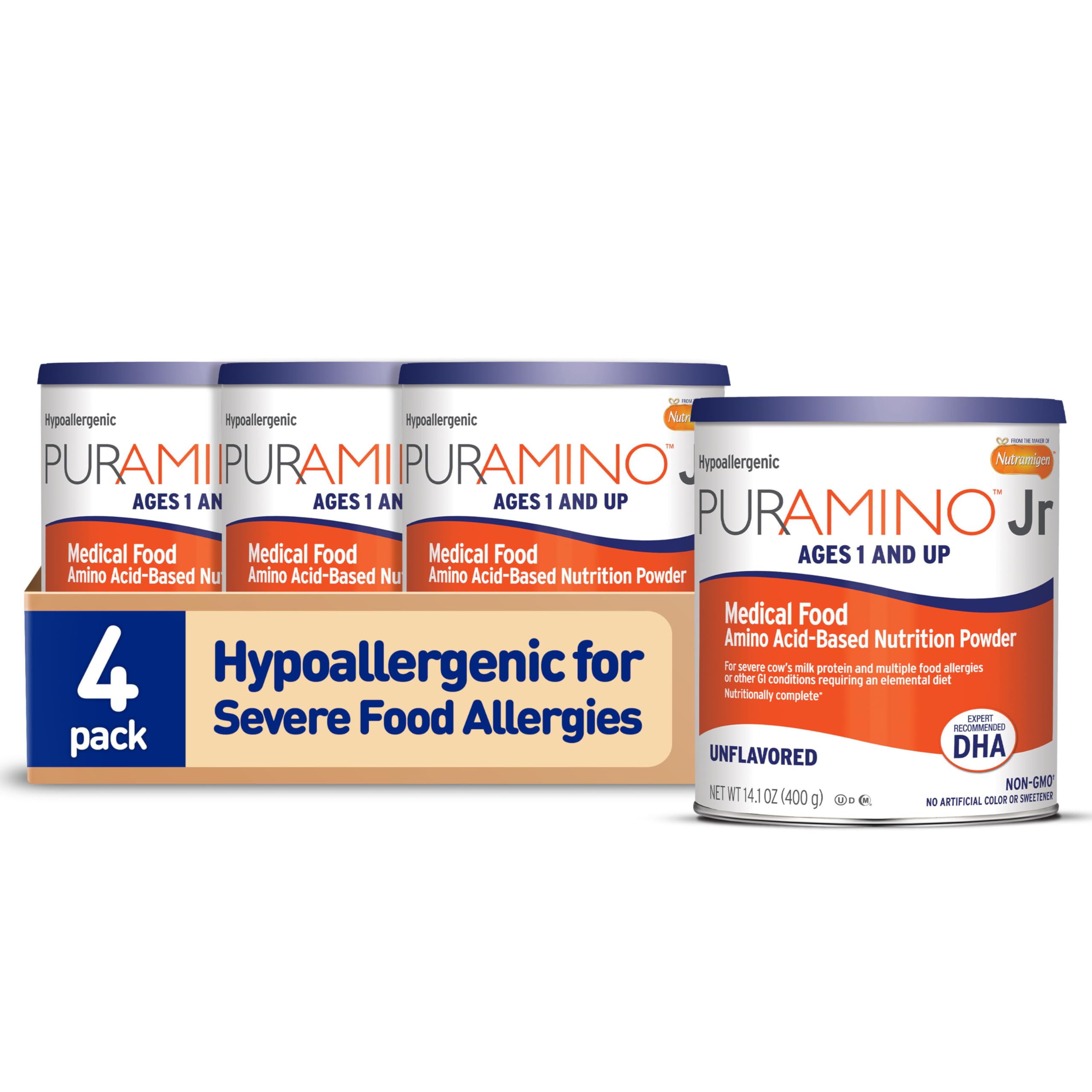
PurAmino Junior is the gold-standard amino acid-based formula for children aged 1 year and older who suffer from severe food allergies, CMPA, FPIES, EoE, or other GI conditions that prevent them from tolerating any intact or hydrolyzed proteins. Like Neocate, it is 100 percent amino acid-based, providing complete nutrition without triggering any allergic cascade.
It is designed to support growth and development with expert-recommended DHA levels. It is non-GMO, gluten-free, and certified Kosher Dairy (OU-D) and Halal. The pack of 4 is a practical option for consistent supply given that this is a long-term dietary necessity for many children with severe allergies.
Parent testimonials are dramatic—describing it as a ‘miracle formula’ that reversed projectile vomiting and failure to thrive after other formulas failed. It is essential for pediatrician oversight due to its cost and the need for proper diagnosis. Many parents report success getting insurance to cover the cost with a Letter of Medical Necessity (LOMN), as it is a medical food.
Why it’s great
- Amino acid-based formula provides complete nutrition without any allergenic proteins
- Specifically formulated for toddlers ages 1-13 with severe GI conditions
- Many insurance plans cover this with a Letter of Medical Necessity
Good to know
- Extremely high out-of-pocket cost; insurance coverage is crucial for affordability
- May cause taste aversion in some toddlers due to the lack of protein fragments
FAQ
How quickly should a formula for a sensitive stomach show results?
What is the difference between ‘Gentle’ and ‘Hypoallergenic’ formulas?
Can a soy-based formula help a baby with a sensitive stomach?
Final Thoughts: The Verdict
For most users, the best baby formula for sensitive stomach winner is the Mama Bear Gentle Premium because it delivers all the benefits of a partially hydrolyzed, clinically-proven gentle formula at a fraction of the cost of national brands. If you want a clean, organic option with A2 protein and probiotics for extra digestive support, grab the Happy Baby Organics A2. And for babies with severe, diagnosed allergies where standard gentle formulas fail, nothing beats the Similac Alimentum or, for the most extreme cases, the Nutricia Neocate.

Mo Maruf
I created WellFizz to bridge the gap between vague wellness advice and actionable solutions. My mission is simple: to decode the research and give you practical tools you can actually use.
Beyond the data, I am a passionate traveler. I believe that stepping away from the screen to explore new environments is essential for mental clarity and physical vitality.