Our readers keep the lights on and my smoothie glass nicely filled. As an Amazon Associate, I earn from qualifying purchases.
A pair of audiophile headphones should reveal layers in your favorite recordings you never knew existed—the subtle breath of a vocalist, the texture of a bass string, the precise decay of a cymbal. But the journey to that sound is often blocked by marketing noise, over-hyped specs, and a sea of choices that all claim to be “the best” for your money. This guide cuts through that static to deliver a no-nonsense ranking of the top performers in the critical research zone between entry-level and enthusiast gear.
I’m Mohammad Maruf — the founder and writer behind WellFizz. I’ve spent over a decade dissecting the raw technical data of hundreds of headphones, comparing driver types, impedance curves, and build-quality metrics to separate genuine engineering achievements from clever packaging.
Whether you’re chasing planar magnetic speed, dynamic driver punch, or neutral monitoring accuracy, this deep-dive review of the audiophile headphones under 500 market will show you exactly where your money delivers the biggest sonic return.
How To Choose The Best Audiophile Headphones Under 500
Selecting the right set of critical listening headphones requires understanding three key pillars: driver technology, transducer type (open vs. closed), and system synergy with your source gear. Making the wrong call on any one of these can leave you with a headphone that sounds lifeless, uncomfortable, or underpowered.
Driver Technology: Planar Magnetic vs. Dynamic
Planar magnetic drivers use a thin, ultra-light diaphragm suspended between two magnet arrays. This design delivers exceptionally fast transient response, low distortion, and incredible detail retrieval—making them the darling of detail-oriented listeners. Dynamic drivers, by contrast, use a voice coil attached to a cone. They are capable of more visceral bass punch and are generally easier to drive, but can suffer from higher distortion at high volumes. The choice here defines your headphone’s fundamental character.
Open-Back vs. Closed-Back: Transparency vs. Isolation
Open-back headphones have perforated ear cups that let air and sound pass through freely. This creates a vast, natural soundstage that mimics listening to speakers in a room, but they leak sound and offer zero isolation. Closed-back headphones seal the ear, blocking ambient noise and preventing sound leakage—ideal for commuting or recording—but the enclosed chamber often compromises soundstage width and can introduce unnatural bass resonance. Your listening environment dictates the winner here.
Impedance, Sensitivity, and Amplification Needs
High-impedance headphones (150Ω and above) draw less current from your source but require higher voltage swing to reach loud volumes. Low-impedance models (under 50Ω) are easier to drive from a phone or laptop but may reveal noise floor issues. Sensitivity, measured in dB/mW, tells you how loud a headphone gets per unit of power. A headphone with high impedance and low sensitivity is dead weight without a dedicated headphone amplifier. Know your gear before you buy.
Quick Comparison
On smaller screens, swipe sideways to see the full table.
| Model | Category | Best For | Key Spec | Amazon |
|---|---|---|---|---|
| Sennheiser HD 660S2 | Open-Back Dynamic | Natural vocal reference | 42mm dynamic driver, 150Ω impedance | Amazon |
| Sennheiser HD 490 PRO | Open-Back Dynamic | Mixing & precise imaging | Frequency range 5-36,000 Hz | Amazon |
| HIFIMAN Edition XS | Open-Back Planar | Massive soundstage & bass | Stealth magnet array, NsD diaphragm | Amazon |
| MEZE AUDIO 105 AER | Open-Back Dynamic | Warm, lush, all-day listening | 50mm driver, 42Ω impedance | Amazon |
| HIFIMAN SUNDARA | Open-Back Planar | High-resolution neutral tuning | Supernano diaphragm, 80% thinner | Amazon |
| Sennheiser HD 620S | Closed-Back Dynamic | Isolated listening with open sound | Angled 42mm drivers, 150Ω | Amazon |
| Audio-Technica ATH-AD900X | Open-Back Dynamic | Lightweight comfort & vocal clarity | 53mm driver, CCAW voice coil | Amazon |
| FiiO FT1 | Closed-Back Dynamic | Warm tonality & wood cup build | 60mm nano-wood fiber driver | Amazon |
| Audio-Technica ATH-M50X | Closed-Back Dynamic | Durable studio monitor alternative | 45mm driver, rare earth magnet | Amazon |
In‑Depth Reviews
1. Sennheiser HD 660S2
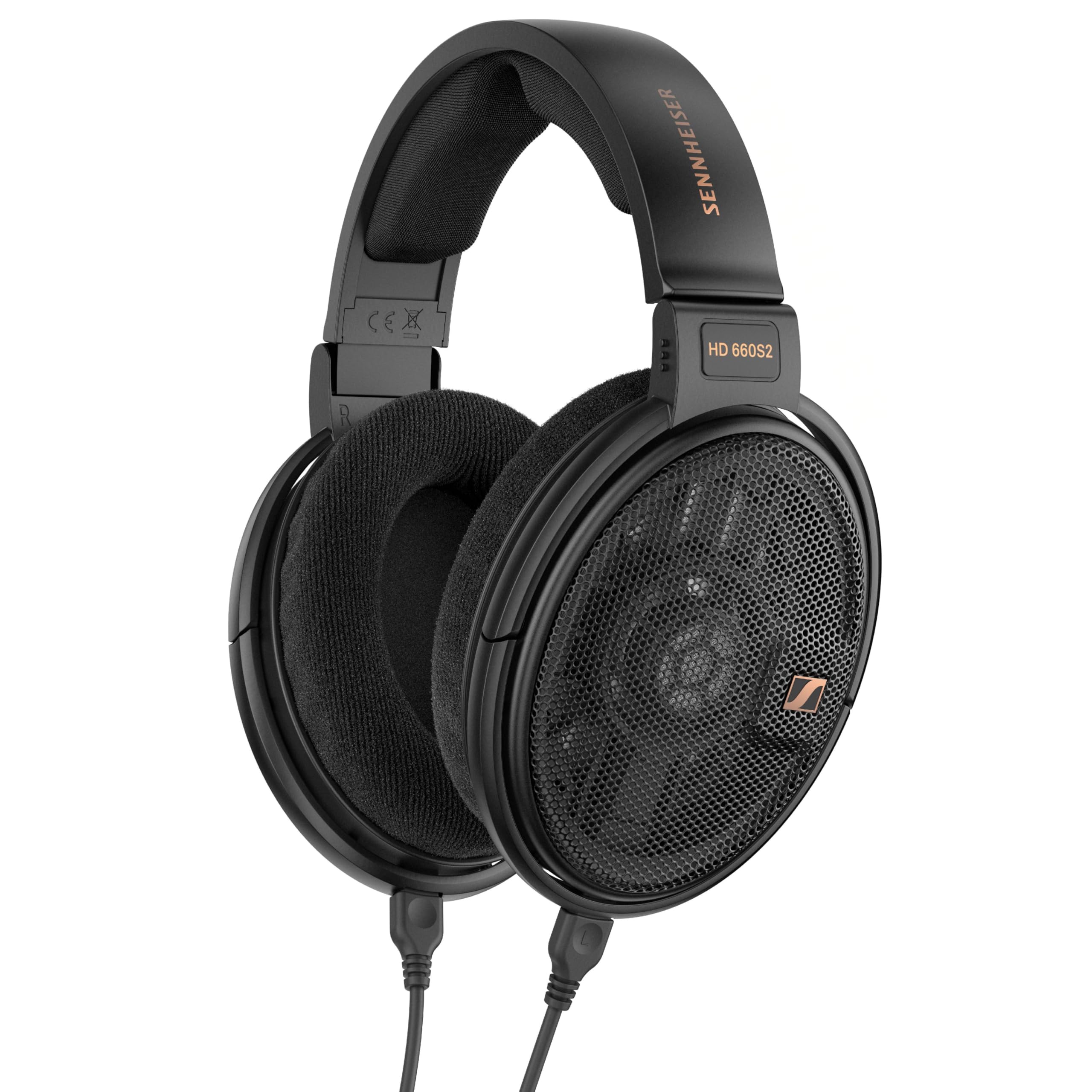
The HD 660S2 is Sennheiser’s refined take on the classic HD 600-series formula, and it delivers the most naturally balanced and intimate vocal presentation in its class. The 42mm dynamic drivers, powered by an ultra-light aluminum voice coil, produce a warm yet detailed sound with genuinely extended sub-bass that reaches down to 27.5 Hz. The midrange is where these truly shine—vocals feel lifelike and present without any shouty harshness, while treble extension remains smooth and non-fatiguing.
Impedance sits at 150Ω, which means you will need a dedicated amplifier to unlock their full potential. Paired with a neutral DAC/amp, the soundstage is wide and layered, with excellent instrument separation that makes complex arrangements easy to follow. The included 4.4mm balanced cable is a nice touch for those with balanced outputs, though the stock cable is slightly shorter than ideal for desktop use.
Build quality is typically Sennheiser: lightweight, durable, and comfortable for hours. The open-back design gives a very airy feel but zero isolation, so these are strictly for quiet environments. For the listener who values a natural, non-fatiguing sound that reveals the soul of a recording above sheer excitement, the HD 660S2 is the top pick at this price point.
Why it’s great
- Lifelike, intimate vocal reproduction with deep sub-bass extension.
- Extremely comfortable for all-day listening sessions.
- Includes both single-ended and balanced 4.4mm cables.
Good to know
- Requires a quality amplifier to reach full potential.
- Narrower soundstage compared to planar competitors.
- Stock cables are slightly microphonic near the ear cups.
2. Sennheiser HD 490 PRO

The HD 490 PRO is Sennheiser’s modern professional mixing tool, engineered with an open-frame architecture that minimizes harmonic distortion and resonance. It delivers an uncolored frequency response from 5 Hz to 36 kHz, giving engineers and critical listeners a brutally honest view of their mix without coloration. The low-frequency cylinder system ensures bass is tight and clearly defined, avoiding the bloat that plagues lesser open-backs.
Comfort is exceptional—the lightweight fiberglass-reinforced polymer frame and velour pads make these feel barely there, even after eight-hour shifts. The dual ear pad system (mixing and producing pads) is a clever inclusion that lets you tweak the soundstage and bass presentation without EQ. Imaging is pinpoint accurate, making these a top contender for competitive gaming where positional audio matters.
The mini-XLR connector at each ear cup allows for balanced operation and easy cable replacement, a welcome feature for studio longevity. Sensitivity is high enough that these run fine from a laptop, but they scale beautifully with a clean amp. If your priority is objective, analytical sound reproduction for mixing or critical evaluation, the HD 490 PRO is a powerhouse.
Why it’s great
- Extremely low distortion for honest, accurate monitoring.
- Two sets of ear pads included for mixing vs. producing.
- Lightweight and incredibly comfortable for long sessions.
Good to know
- Sound can feel slightly clinical for casual enjoyment without EQ.
- Proprietary pads are expensive to replace.
- Premium price pushes the top of the budget.
3. HIFIMAN Edition XS

The HIFIMAN Edition XS is the benchmark for soundstage at its price tier, using Stealth Magnet technology to let sound waves pass through the magnet structure without diffraction interference. The result is a cavernously wide, transparent presentation that places instruments in a 3D space with remarkable precision. The NEO supernano diaphragm is 75% thinner than previous designs, delivering fast planar-magnetic transient response that reveals micro-details in recordings like no dynamic driver can.
Bass extension is excellent and punchy, with real sub-bass weight that makes electronic and orchestral tracks feel immersive. The midrange is open and clean, while the treble is extended without crossing into harshness. These are easy to drive compared to other planars—they will reach satisfying volume from a phone, though they benefit greatly from a dedicated amplifier to control the low end and add authority.
The main caveat is comfort: the headband is large and can slide around on smaller heads, and the clamp force is light enough that leaning back may cause them to shift. Aftermarket ear pad or headband modifications are common fixes. For sheer sonic value and the widest soundstage available under , the Edition XS is nearly unbeatable.
Why it’s great
- Massive, holographic soundstage with precise imaging.
- Fast, detailed planar magnetic bass and transients.
- Easy to drive for a planar of this class.
Good to know
- Headband fit can be loose and uncomfortable for some users.
- Build quality feels budget-friendly relative to the sound.
- Stock cable is short and basic.
4. MEZE AUDIO 105 AER
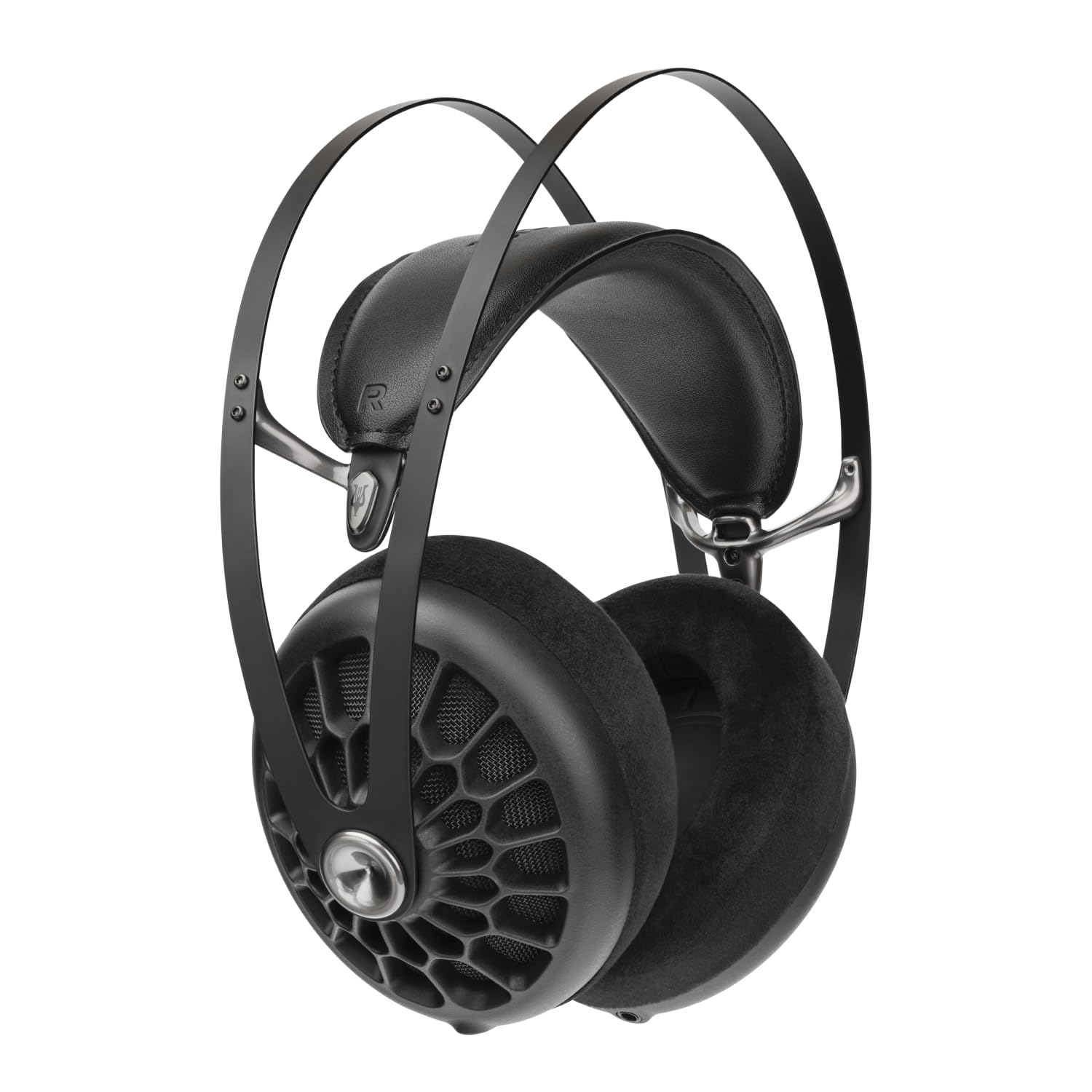
The MEZE 105 AER is a headphone designed for pure enjoyment, with a warm, full-bodied sound that prioritizes musicality without sacrificing detail. Its 50mm dynamic driver delivers a slightly emphasized bass and sub-bass region that adds satisfying depth and texture rather than one-note thump. The midrange is lush and organic, making vocals and acoustic instruments feel rich and present.
Build quality is where MEZE sets itself apart: zinc alloy hardware with PVD coating, a manganese spring steel headband, and walnut wood accents give the 105 AER a premium, timeless look that rivals headphones costing twice as much. The suspension headband and velour ear pads provide exceptional comfort for extended listening sessions, though the ear cups are slightly shallow for very large ears.
At just 42Ω impedance, these are extremely easy to drive from any source—phones, laptops, and low-power DACs will have no trouble. The detachable Kevlar-reinforced cable is a nice inclusion, though the stock cable is mediocre and most owners upgrade it. If you want a beautiful, warm-sounding headphone that disappears on your head and makes every genre enjoyable, the 105 AER is a compelling choice.
Why it’s great
- Warm, lush, non-fatiguing sound signature that suits all genres.
- Outstanding build quality with premium materials and replaceable parts.
- Very easy to drive from any portable source.
Good to know
- Stock cable is mediocre and may need replacement.
- Ear cup depth is shallow for some ear shapes.
- Bass emphasis may be too much for purist neutral fans.
5. HIFIMAN SUNDARA

The HIFIMAN Sundara (2020 revision) is the headphone that redefined mid-fi planar magnetic performance. Using a diaphragm that is 80% thinner than its predecessor, it achieves incredible transient speed and detail retrieval that competes with models well above its asking price. The tonality is neutral with a slight tilt towards brightness—treble is airy and extended without sibilance, while the bass is clean and articulate, responding very well to EQ if you want more sub-bass weight.
Soundstage on the Sundara is wide and well-layered, with imaging that lets you pinpoint individual instruments across the stereo field. It excels with complex acoustic and orchestral recordings where its speed shines. The 2020 revised headband uses a separate suspension strap that distributes weight evenly, making it more comfortable than earlier versions, though the clamp force is moderate.
The Sundara demands a dedicated amplifier—it is a low-sensitivity planar that will sound thin and lifeless from a phone or laptop headphone jack. Build quality is mostly metal, giving it a sturdy feel, though the plastic yokes and adjustment mechanism are common pain points. For the listener who wants planar speed and refinement without stretching into premium tiers, the Sundara remains a benchmark.
Why it’s great
- Extremely fast and detailed planar magnetic transient response.
- Neutral-bright tonality that resolves micro-details effortlessly.
- Wide soundstage with excellent imaging for the price.
Good to know
- Requires a powerful amplifier to sound its best.
- Build quality has some potential longevity concerns (yokes, headband).
- Bass is lean and needs EQ for sub-bass punch.
6. Sennheiser HD 620S
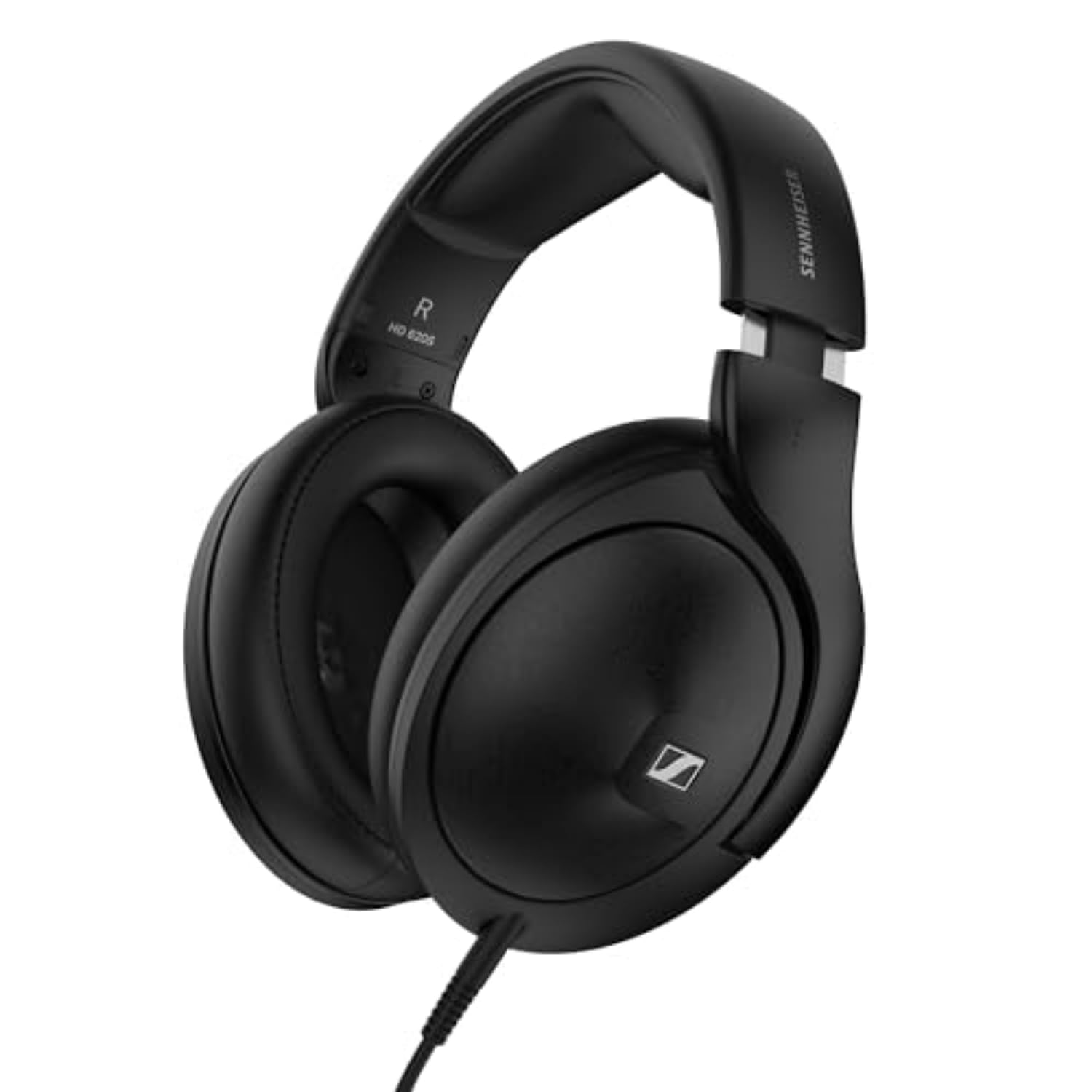
The Sennheiser HD 620S is the rare closed-back headphone that sounds almost like an open-back. Its angled 42mm dynamic drivers and open-baffle design create a spacious, natural soundstage that defies the typical “closed-in” sensation. The sound signature is neutral with a slight boost in bass and treble for clarity, avoiding the muddy low end that plagues many closed-back designs.
Isolation is solid without being oppressive—ambient noise is reduced enough for focused listening in shared spaces, while the vented ear cups prevent pressure build-up. Comfort is excellent thanks to plush artificial leather pads and a steel-reinforced headband that feels durable without being heavy. The detachable cable uses a standard 3.5mm jack at the ear cup, making replacements easy.
At 150Ω impedance, the HD 620S benefits from a dedicated desktop DAC/amp, though it is sensitive enough to run from a laptop at moderate volumes. They pair well with tube amplifiers, adding a touch of warmth to the already neutral presentation. For anyone who needs isolation without sacrificing soundstage or tonal balance, the HD 620S is the best closed-back under .
Why it’s great
- Wide, open-like soundstage for a closed-back headphone.
- Balanced, neutral sound with good bass definition.
- Durable build with replaceable ear pads and cable.
Good to know
- Stock tuning is slightly wonky and benefits from EQ.
- Regular price pushes the limit for this budget tier.
- Headband padding is not replaceable.
7. Audio-Technica ATH-AD900X
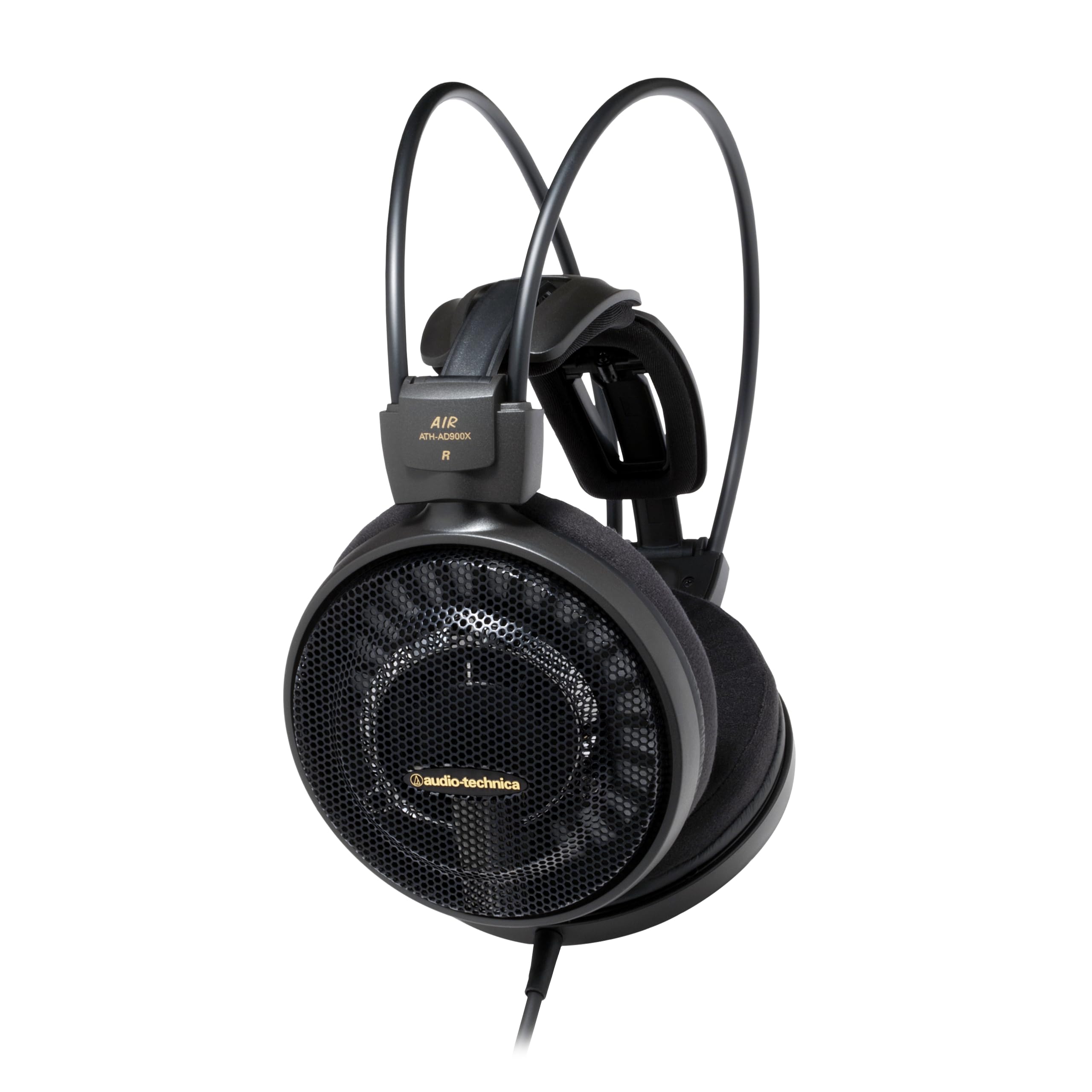
The ATH-AD900X is Audio-Technica’s open-back specialist, designed for clarity and comfort above all else. Its 53mm dynamic drivers with CCAW voice coils produce a brilliantly clear, detailed sound with a forward midrange that pushes vocals to the front of the stage. Treble is extended and crisp without being harsh, perfect for female vocals, acoustic guitars, and classical performances.
The 3D Wing Support headband is unique and extremely comfortable—the wings rest on your head with minimal pressure, making these some of the lightest (at 265g) and most breathable headphones available. The large velour ear pads are deep enough for big ears, and the open design keeps your ears cool during long sessions. Bass is tight and clear but naturally light—these are not for bassheads.
The non-removable cable is a downside for longevity, and the wing system can feel insecure when moving around. These require a quiet environment to sound their best, as the open-back design offers zero isolation. For detail-focused listeners who prioritize vocal clarity, instrument separation, and all-day comfort, the AD900X is a specialized gem.
Why it’s great
- Extremely lightweight and breathable for long listening sessions.
- Clear, forward vocal presentation with excellent detail.
- Unique wing suspension system eliminates headband pressure.
Good to know
- Non-removable cable limits repairability and portability.
- Bass is lean and lacks sub-bass weight.
- Wing support feels less secure than a standard headband.
8. FiiO FT1

The FiiO FT1 is a revelation in the closed-back budget category, offering deep, textured bass and a rich, warm tonality that belies its aggressive pricing. The 60mm nano-wood fiber composite diaphragm delivers sub-bass extension that is both deep and articulate—good bass, not just loud bass. The midrange is present and musical, while the treble is smooth and non-fatiguing, making these a joy for genres like electronic, ambient, and IDM.
Build quality is exceptional for the price: solid wood cups with genuine wood veneer, metal yokes, and a suede-covered headband that looks and feels premium. The detachable cable system includes both 3.5mm single-ended and 4.4mm balanced cables, both using oxygen-free copper with silver plating. At 32Ω impedance, they are very easy to drive and sound excellent straight from a laptop or dongle.
The main trade-off is isolation—the FT1 is a semi-open closed-back that leaks some sound and lets in ambient noise. The clamp force is light, leading to excellent comfort but a potentially loose fit for very active head movement. For the warm, musical listener who wants closed-back convenience without sacrificing bass quality, the FT1 is a stunning value.
Why it’s great
- Deep, textured sub-bass with a warm, musical tonality.
- Premium wood cup and metal build at a budget-friendly price.
- Includes both 3.5mm and 4.4mm balanced cables.
Good to know
- Isolation is average for a closed-back design.
- Stock cable is slightly microphonic.
- Light clamp feels less secure for active use.
9. Audio-Technica ATH-M50X

The Audio-Technica ATH-M50X is the most recognized name in studio monitoring for good reason—it offers a punchy, engaging sound signature with excellent build quality and portability. The 45mm large-aperture drivers with rare earth magnets deliver a bass-forward presentation that is deep and punchy but not overpowering. The midrange is clear, and the treble has a slight peak that adds detail and sparkle, though some listeners find it a touch sibilant on poor recordings.
Build quality is professional-grade: the metal adjustment yokes and swiveling ear cups are designed for the abuse of daily studio use and one-ear monitoring. The included detachable cables (a coiled 1.2m straight, a 3m straight, and a short 1.2m straight) give flexibility for desktop and portable use. The collapsible design makes them genuinely portable compared to most audiophile headphones.
Comfort is decent but not class-leading—the ear pads are relatively shallow, and the clamp force can be strong for larger heads. Aftermarket pads are a common upgrade. The M50X is not a neutral reference headphone; it is colored for a fun, engaging listen that works well for monitoring, gaming, and casual listening. As an entry point into high-quality sound, it remains a solid choice.
Why it’s great
- Punchy, fun, bass-forward sound that is engaging across genres.
- Durable foldable design with multiple cables included.
- Industry-standard for closed-back monitoring in studios.
Good to know
- Sound is colored and not reference-neutral.
- Ear pads are shallow and clamp force is high for some.
- Treble can be sibilant on bright recordings.
FAQ
Do I need a separate headphone amplifier for audiophile headphones under ?
What is the main difference between open-back and closed-back for home listening?
Can I use these headphones for competitive gaming?
How do I know if a headphone will fit my head comfortably?
Final Thoughts: The Verdict
For most users, the audiophile headphones under 500 winner is the Sennheiser HD 660S2 because it offers the most natural, balanced, and immersive listening experience without the sonic flaws of cheaper models. If you want a massive soundstage and planar magnetic speed, grab the HIFIMAN Edition XS. And for a warm, lush, all-day listen that is easy to drive and beautifully built, nothing beats the MEZE AUDIO 105 AER.

Mo Maruf
I created WellFizz to bridge the gap between vague wellness advice and actionable solutions. My mission is simple: to decode the research and give you practical tools you can actually use.
Beyond the data, I am a passionate traveler. I believe that stepping away from the screen to explore new environments is essential for mental clarity and physical vitality.