Our readers keep the lights on and my smoothie glass nicely filled. As an Amazon Associate, I earn from qualifying purchases.
An athletic smartwatch is no longer just a step counter on your wrist. For runners, triathletes, and gym-goers, the difference between a good workout and a great season comes down to real-time metrics — ground contact time, VO2 max estimates, training load, and recovery readiness. Choosing the wrong watch means missing the data that actually drives performance.
I’m Mohammad Maruf — the founder and writer behind WellFizz. I’ve analyzed the hardware specs and real-world performance of dozens of wearables, from budget-friendly fitness trackers to premium multi-sport GPS watches built for endurance athletes.
Whether you’re training for a marathon, logging open-water swims, or just want precise heart rate zones during strength sessions, this guide cuts through the noise to find the best athletic smart watches that deliver on the metrics that actually matter.
How To Choose The Best Athletic Smart Watches
Choosing the right athletic smartwatch requires matching the device’s sensor suite, battery life, and software ecosystem to your specific training style. A marathon runner’s needs differ drastically from a CrossFit athlete’s, and a casual jogger’s requirements sit somewhere in between. Here are the key factors to evaluate.
GPS Accuracy and Multi-Band Support
For outdoor running, cycling, and hiking, multi-band (dual-frequency) GPS is the gold standard. It locks onto multiple satellite frequencies simultaneously, reducing signal dropout under tree cover and between tall buildings. Watches without multi-band support may show inaccurate distance and pace on twisty trails or urban routes. If you race in open fields or dense forests, this spec alone can make or break your post-run analysis.
Heart Rate Sensor and Optical HR Technology
Optical heart rate sensors have improved significantly, but they still struggle during rapid cadence changes — think sprint intervals or heavy weightlifting. Look for watches that use multi-LED or eight-sensor arrays for better signal consistency. For serious zone-based training, many athletes still pair their watch with a separate chest strap via ANT+ or Bluetooth for beat-by-beat accuracy. A watch that can broadcast HR to gym equipment is a bonus.
Battery Life and Charging Speed
Battery life separates everyday smartwatches from true athletic tools. A watch that needs nightly charging is a non-starter for multi-day races or backpacking trips. Look for at least 10 days in smartwatch mode and over 20 hours in full GPS mode. Fast charging — enough to get several hours of GPS tracking in 15 minutes — is a practical feature for athletes who forget to charge before a morning run.
Training Metrics and Recovery Tools
Beyond step counts, elite-level training metrics include VO2 max estimation, training load, HRV status, and recovery time. Some watches offer a “Training Readiness” or “Energy Score” that synthesizes sleep, HRV, and recent exertion into a single number — telling you when to push hard and when to back off. If you follow structured training plans, look for a watch that supports custom workouts, interval timers, and auto-sync with platforms like Training Peaks or Strava.
Quick Comparison
On smaller screens, swipe sideways to see the full table.
| Model | Category | Best For | Key Spec | Amazon |
|---|---|---|---|---|
| Garmin Forerunner 970 | Running/Triathlon | Serious runners & triathletes | 26 hrs GPS battery | Amazon |
| Garmin Fenix 8 AMOLED | Adventure/Multisport | Trail runners & outdoor adventurers | 47 hrs GPS battery | Amazon |
| Apple Watch Ultra 3 | Premium Multisport | iOS endurance athletes | 42 hrs normal use | Amazon |
| Samsung Galaxy Watch Ultra | Premium Android | Android adventurers | 60 hrs battery | Amazon |
| Samsung Galaxy Watch 8 Classic | Stylish Performance | Daily athletes & Samsung users | 30 hrs battery | Amazon |
| Google Pixel Watch 4 (45mm) | Android Lifestyle | Fitbit-integrated training | 40 hrs battery | Amazon |
| Apple Watch SE 3 | Entry-Level iOS | Budget-conscious iPhone users | 18 hrs battery | Amazon |
| Amazfit Active Max | Value Fitness | Budget-friendly training | 25-day battery life | Amazon |
| CARBINOX Edge Rugged | Rugged Utility | Worksite & outdoor durability | IP69K / 5ATM | Amazon |
In‑Depth Reviews
1. Garmin Forerunner 970

The Garmin Forerunner 970 is the gold standard for runners and triathletes who demand serious training metrics. Its bright 1.4-inch AMOLED touchscreen pairs with a titanium bezel and sapphire lens for scratch resistance, while multi-band GPS locks onto satellites with precision even under dense tree cover. The built-in LED flashlight is a practical touch for early-morning or late-night runs when visibility is low.
Battery life hits up to 15 days in smartwatch mode and 26 hours in full GPS mode, which covers ultra-distance races and multi-day training camps without needing a charge. The watch includes Garmin Coach adaptive training plans, wrist-based running dynamics like cadence and ground contact time, and an ECG app for heart rhythm monitoring. It also supports music storage, contactless payments, and smartphone notifications.
For triathletes, the multisport auto-transition feature automatically detects sport changes between swim, bike, and run, so splits stay clean during races. The training readiness score — which factors sleep quality, HRV, and training load — helps you decide when to push hard and when to recover. It’s a professional-grade tool that happens to look good on the wrist.
Why it’s great
- Premium AMOLED panel with sapphire lens for durability
- Comprehensive triathlon mode with auto-transition
- Long 26-hour GPS battery covers ultra distances
Good to know
- Requires optional HRM monitor for running dynamics
- Steeper learning curve than casual fitness watches
- Premium pricing places it above mid-range competitors
2. Garmin Fenix 8 AMOLED

The Garmin Fenix 8 is the ultimate tool for adventurers who need a watch that handles everything from trail ultras to scuba diving. Its 1.4-inch AMOLED screen is vibrant and readable in bright sunlight, and the stainless steel bezel survives rock scrapes and gear bumps. The integrated LED flashlight is widely praised by users for its usefulness during nighttime navigation and camp setup.
Battery performance is class-leading: up to 16 days in smartwatch mode and 47 hours in GPS mode, meaning you can tackle multi-day expeditions without a power bank. The dive rating of 40 meters with leakproof metal buttons supports scuba and apnea activities, and multi-band GPS with SatIQ technology automatically adjusts satellite frequency for optimal accuracy in canyons and forests. Off-grid voice commands let you control watch functions without a smartphone connection.
Training features include real-time stamina tracking, targeted strength training plans, and a comprehensive training readiness score. The 24/7 health monitoring suite covers wrist-based heart rate, advanced sleep tracking, Pulse Ox, and an ECG app. If you want a single watch that transitions from alpine climbing to boardroom meetings without looking out of place, the Fenix 8 delivers.
Why it’s great
- Exceptional dive-rated durability up to 40 meters
- Massive 47-hour GPS battery for expeditions
- SatIQ multi-band GPS for accurate off-grid tracking
Good to know
- Heavier and bulkier than everyday smartwatches
- Premium cost reflects its professional-grade build
- Strength training plans require some setup
3. Apple Watch Ultra 3
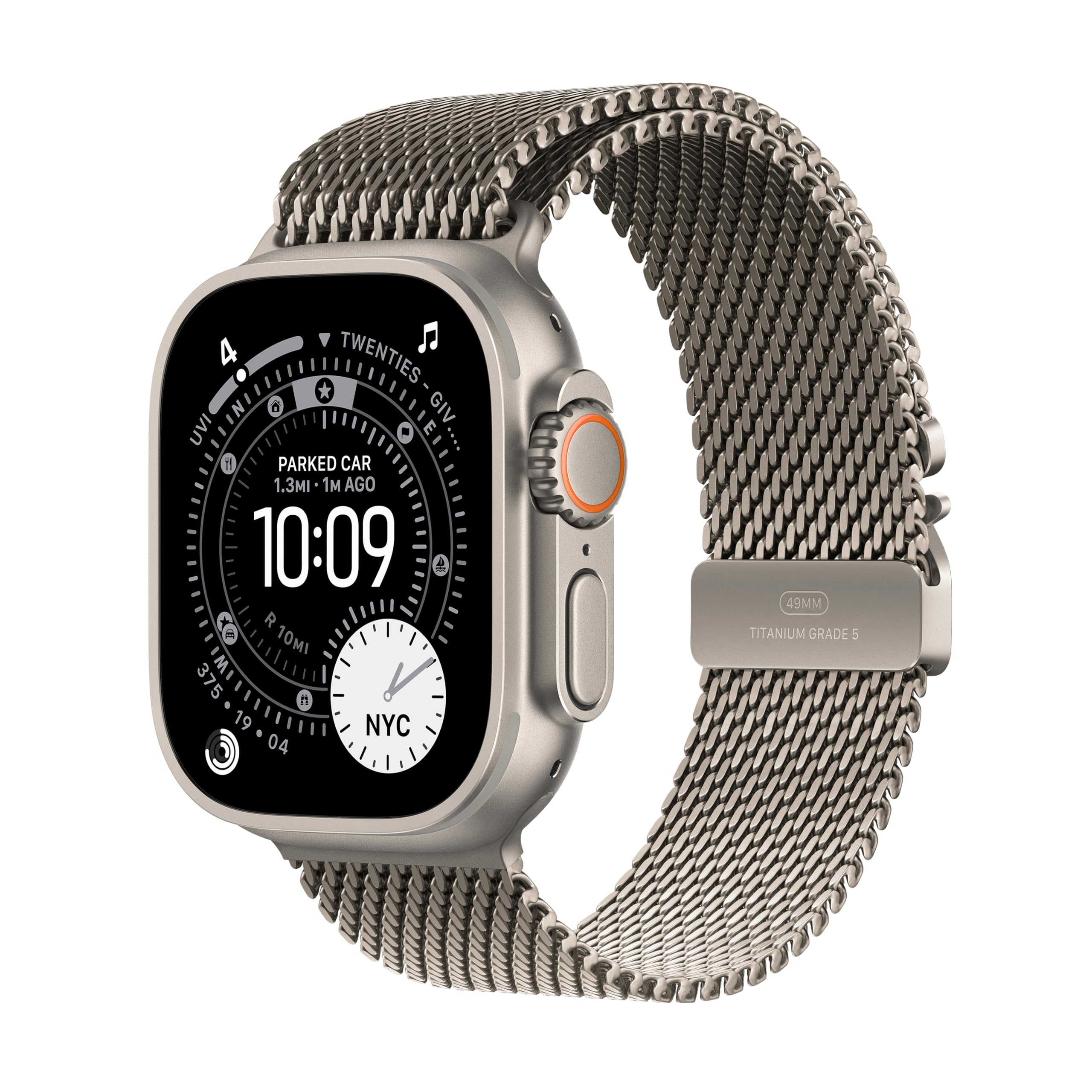
For iPhone users who push their training into endurance territory, the Apple Watch Ultra 3 is the obvious choice. The 49mm titanium case is rugged yet surprisingly wrist-friendly, and the sapphire crystal display resists scratches from rock scrambles and gym equipment. The customizable Action Button gives one-press access to start a workout, mark a lap, or trigger the flashlight — no screen taps needed during a sprint.
Battery life stretches to 42 hours in normal use and up to 72 hours in Low Power Mode, which is strong for an Apple wearable. The precision dual-frequency GPS delivers reliable tracking for trail runs and open-water swims alike. Built-in satellite communications let you text emergency services when cellular and Wi-Fi are unreachable — a genuine safety net for backcountry training sessions.
Health monitoring includes blood oxygen readings, temperature sensing for retrospective ovulation estimates, sleep apnea notifications, and a Vitals app that aggregates overnight metrics into a single status. Running features like Pacer, Heart Rate Zones, and Custom Workouts integrate seamlessly with Apple Fitness+. The watch pairs naturally with AirPods for offline music and podcast playback, making it a self-contained training partner for iOS athletes.
Why it’s great
- Built-in satellite SOS for off-grid safety
- Excellent dual-frequency GPS for trail accuracy
- Customizable Action Button for quick workout starts
Good to know
- Requires iPhone for full functionality
- Battery still behind dedicated Garmin watches
- High price reflects premium materials and features
4. Samsung Galaxy Watch Ultra
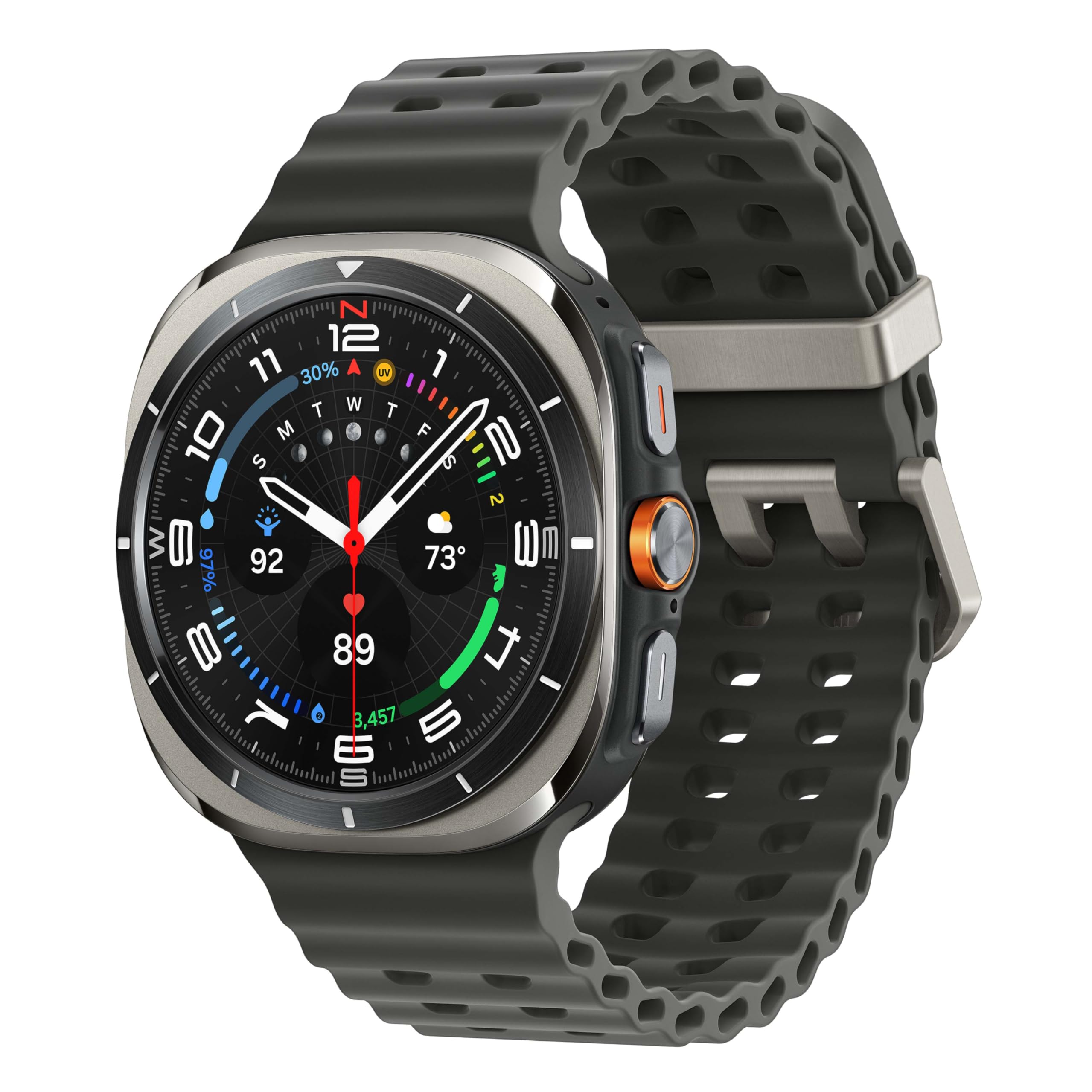
The Samsung Galaxy Watch Ultra (2024) brings a rugged titanium design and a 47mm super AMOLED display that’s bright enough for outdoor use in direct sunlight. It’s built to handle ocean swimming, dusty trails, and rainy conditions — backed by an IP68 rating and MIL-STD-810H certification. The programmable Quick Button is a standout feature, giving you immediate access to a workout, flashlight, or voice assistant.
Battery life reaches up to 60 hours in typical usage, which puts it ahead of most Android-based smartwatches. Heart rate tracking uses Galaxy AI to filter out motion artifacts during intense workouts, improving accuracy during interval runs and cycling. The Energy Score synthesizes yesterday’s sleep, heart rate, and step count to provide a daily readiness metric — useful for deciding whether to push hard or take a rest day.
Wellness Tips deliver personalized daily suggestions based on your biometric data, and the watch supports full LTE connectivity for calls and texts without your phone. Users praise its long battery life and durable construction, though some note it’s heavier than standard smartwatches. For Android athletes wanting a premium rugged device, this is a strong contender.
Why it’s great
- Rugged titanium build with ocean-ready water resistance
- Strong 60-hour battery for multi-day use
- AI-enhanced heart rate filtering during workouts
Good to know
- Health tracking less detailed than dedicated Garmin line
- Bulky for smaller wrists
- Samsung Health ecosystem, not compatible with Training Peaks directly
5. Samsung Galaxy Watch 8 Classic
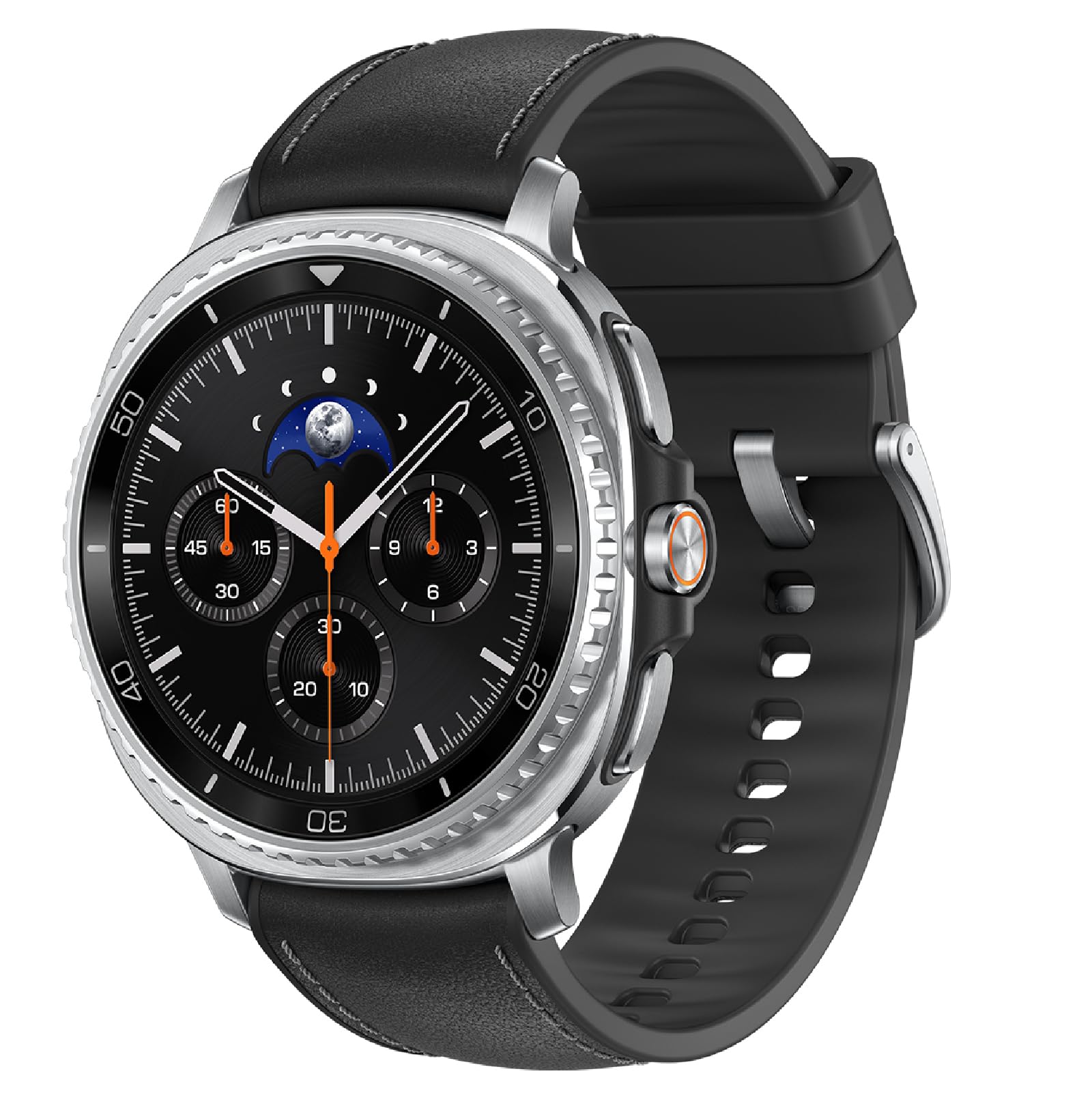
The Galaxy Watch 8 Classic returns the beloved rotating bezel that provides satisfying tactile feedback for navigating apps and workout screens — a real advantage when your fingers are sweaty or gloved. The 46mm stainless steel case with a scratch-resistant sapphire display gives it a premium feel that works in the gym and at the office. The Running Coach feature analyzes your age, weight, oxygen levels, and heart rate to guide you through runs with real-time pacing advice.
Battery life averages around 30 hours, which means daily charging for most users, but fast charging provides a quick top-up before a workout. Advanced Sleep Coaching breaks down your sleep stages and provides actionable tips, while the Energy Score offers a daily wellness snapshot based on the previous day’s activity and heart rate. The watch supports blood pressure monitoring after calibration with a cuff, and an ECG app is on board for heart rhythm checks.
The new lug system makes band swapping simpler, and the eco-leather band option adds a dressier look compared to standard silicone. Integration with Samsung Health is seamless, and the Wear OS ecosystem provides access to Google Maps, Google Pay, and third-party apps. It’s a fine balance of style and substance for daily athletes.
Why it’s great
- Satisfying rotating bezel for glove-friendly navigation
- Detailed Running Coach with personalized pacing
- Blood pressure monitoring and ECG onboard
Good to know
- 30-hour battery requires nightly charging
- Proprietary bands limit third-party strap options
- Health tracking less intensive than Garmin equivalents
6. Google Pixel Watch 4 (45mm)

The Google Pixel Watch 4 (45mm) is a refined Android companion with deep Fitbit integration for health and fitness tracking. Its 40-hour battery life with fast charging — 15 minutes gives 15 hours of use — makes it practical for daily training without constant charging anxiety. The Actua 360 display is crisp and bright, and the dual-frequency GPS provides accurate route tracking for runs and hikes.
Gemini AI is built directly into the watch, enabling voice-activated workout queries, quick replies to messages with AI-generated suggestions, and hands-free control during exercise. The 40+ exercise modes cover everything from indoor rowing to outdoor cycling, and Fitbit’s Daily Readiness Score gives you a green light or red light for training intensity based on recovery status. Sleep tracking includes sleep stages and a Sleep Score that correlates well with user-reported energy levels.
Users praise the fast charging and excellent GPS accuracy, though some note that the included silicone band is less comfortable than Google Store alternatives. For runners who want interval training, the interface could be more refined — some reviewers mention that a Timex handles interval splits more intuitively. Still, for most Android athletes, the combination of Pixel integration, Fitbit wellness features, and reliable battery is compelling.
Why it’s great
- Deep Fitbit integration for sleep and readiness tracking
- Fast charging gives 15 hours from a 15-minute charge
- Dual-frequency GPS for accurate outdoor route logging
Good to know
- Interval training interface less refined than competitors
- Only works with Android phones
- Band quality may require aftermarket upgrade
7. Apple Watch SE 3
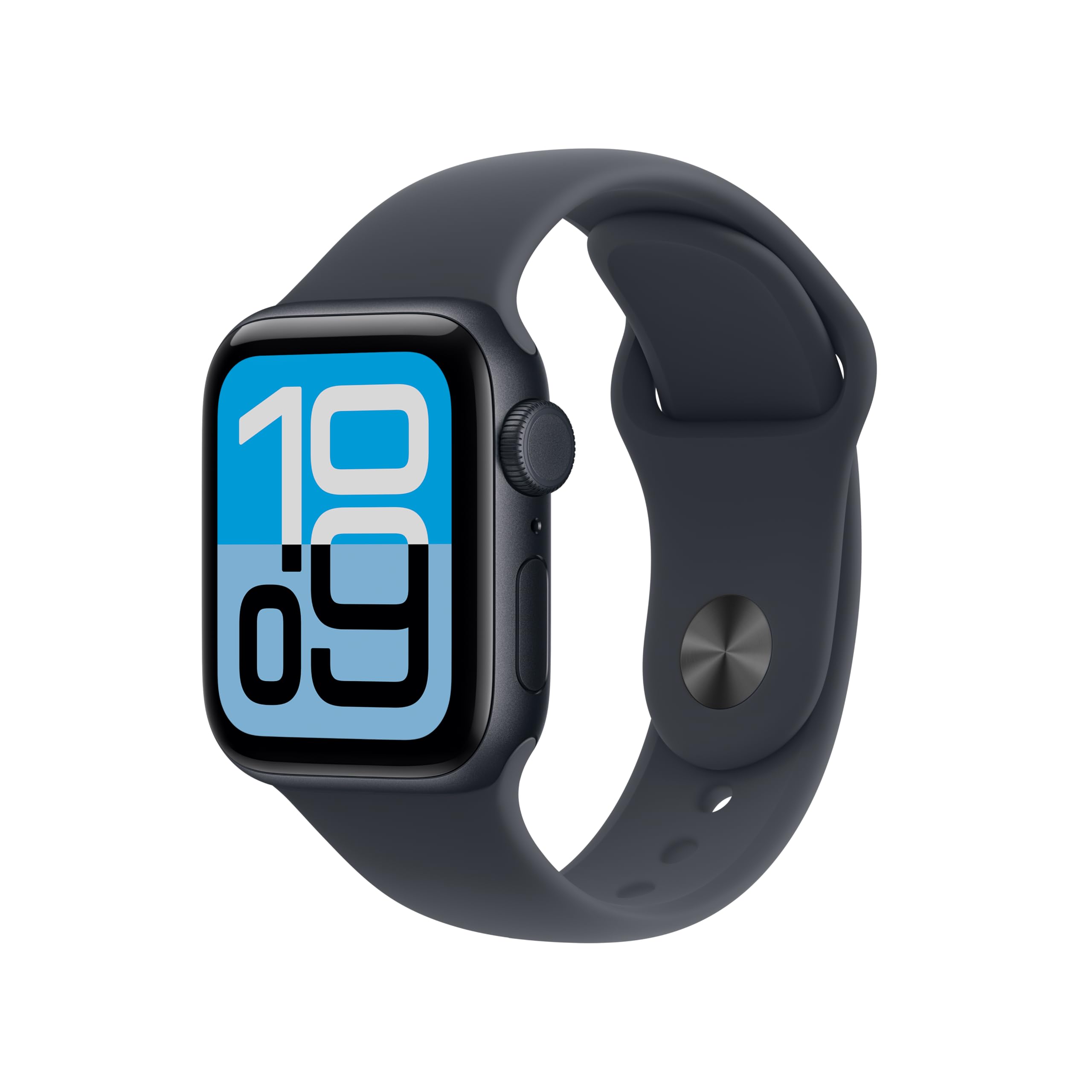
The Apple Watch SE 3 delivers core athletic tracking features at a more accessible price point for iPhone users. The 40mm aluminum case is lightweight and comfortable for smaller wrists, and the Always-On Retina display means you can check pace and split times without raising your wrist. Workout tracking covers running, strength training, cycling, and swimming with reliable heart rate monitoring.
Battery life is rated at 18 hours, which gets you through a full day with a single workout, but you’ll need to charge daily. Charging is up to twice as fast as the previous generation — 15 minutes provides 8 hours of battery — which helps if you need a quick top-up before a run. Safety features like fall detection, car crash detection, and Check In provide peace of mind for solo athletes.
Temperature sensing enables retrospective ovulation estimates and deeper insights in the Vitals app, though the SE lacks the blood oxygen sensor and ECG found on higher-end Apple Watches. For runners and gym-goers who want reliable fitness tracking within the Apple ecosystem without the premium price, the SE 3 is a smart choice. It also supports Family Setup, letting parents manage a watch for a child without their own iPhone.
Why it’s great
- Affordable entry point into Apple Watch fitness ecosystem
- Lightweight 40mm design comfortable for smaller wrists
- Fast charging gives 8 hours of battery in 15 minutes
Good to know
- Lacks blood oxygen sensor and ECG
- 18-hour battery requires nightly charging
- Limited to iPhone ecosystem
8. Amazfit Active Max
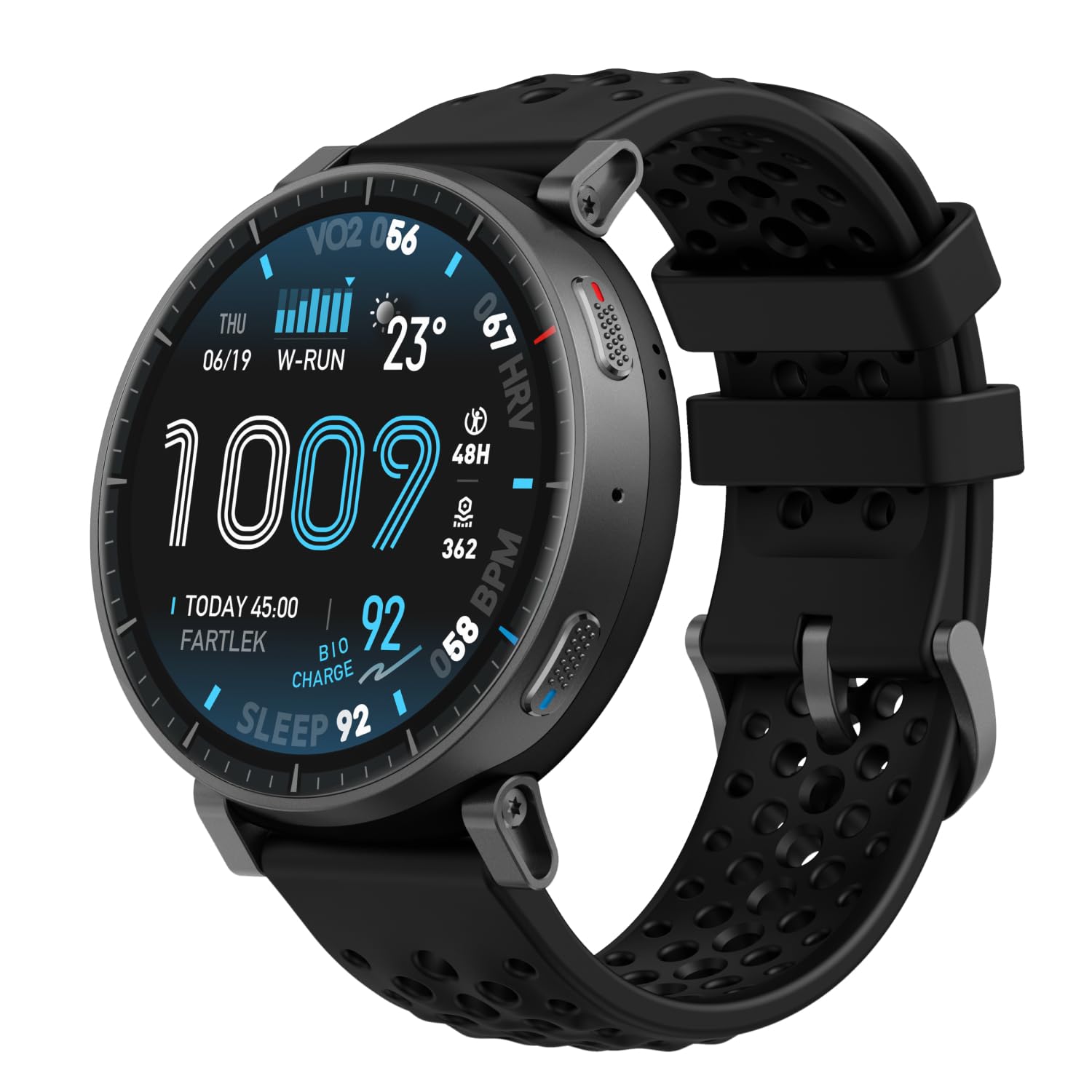
The Amazfit Active Max proves that a budget-friendly price doesn’t have to mean sacrificing serious battery life. With up to 25 days of typical use, this watch can go weeks between charges — a huge advantage for athletes who don’t want yet another device to plug in every night. The 1.5-inch AMOLED display reaches 3,000 nits of brightness, making it one of the most readable screens under direct sunlight in its price range.
GPS tracking supports five satellite systems for accurate route logging, and the watch comes with 4GB of onboard storage for music and downloadable offline maps with turn-by-turn directions. With 170+ sport modes, from strength training to swimming, the Active Max covers a wide variety of activities. The BioCharge energy monitoring system combines workout and stress data to tell you when to push harder and when to rest.
Zepp Coach creates personalized AI-driven training plans for distances from 3K to full marathons, adapting based on your performance and recovery. Bluetooth calling and Zepp Flow voice control let you respond to messages hands-free when connected to an Android phone. Users consistently praise the bright display, accurate heart rate and SpO2 readings, and the sheer value of the feature set. If you want maximum endurance per dollar, this is a strong pick.
Why it’s great
- Exceptional 25-day battery life in smartwatch mode
- Bright 3,000-nit AMOLED for outdoor readability
- Offline maps with turn-by-turn navigation built in
Good to know
- Zepp OS app ecosystem smaller than Wear OS or watchOS
- Voice replies limited to Android connections
- No onboard ECG or blood pressure monitoring
9. CARBINOX Edge Rugged Smart Watch
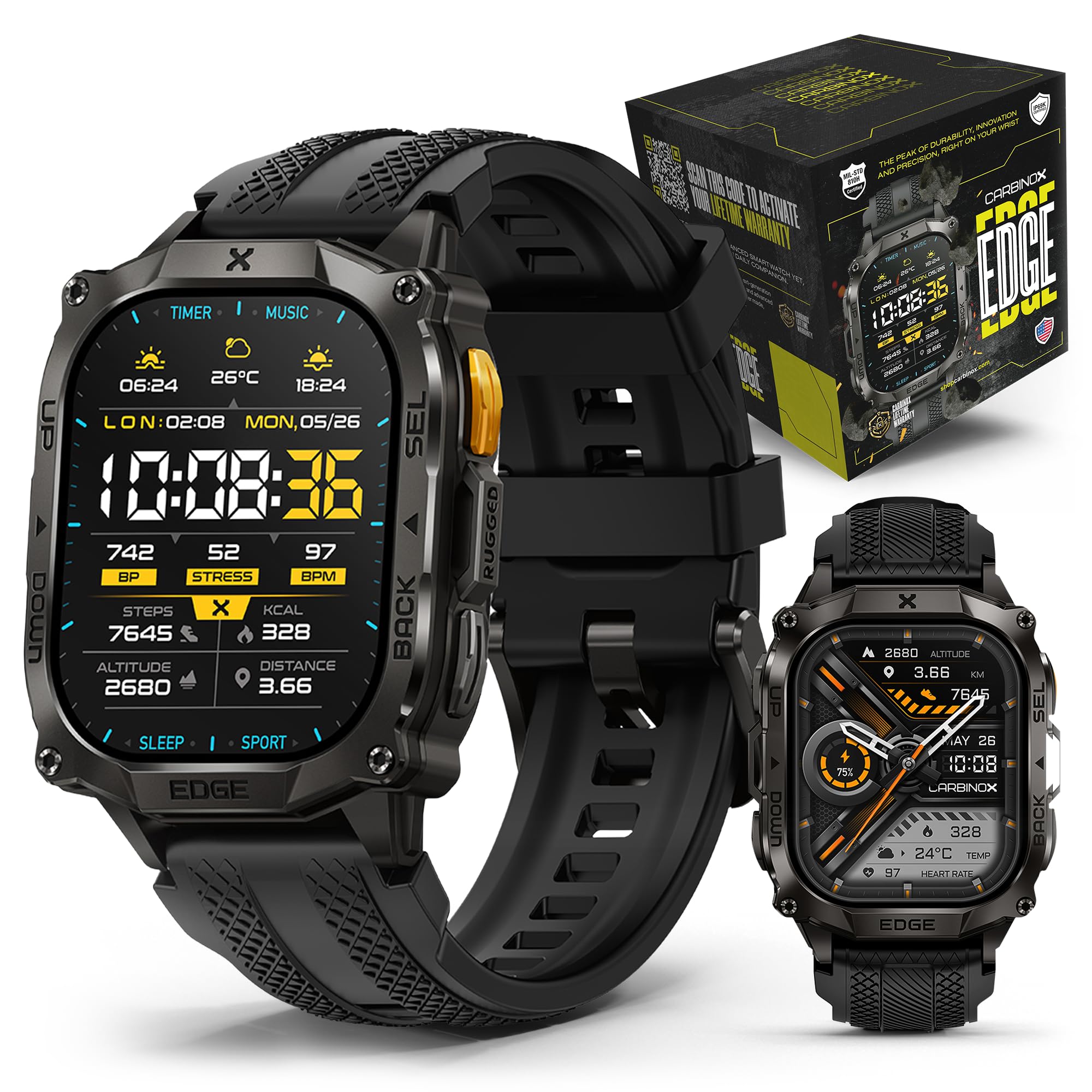
The CARBINOX Edge Rugged Smart Watch is built for environments where standard smartwatches fail — construction sites, muddy trails, and heavy rain. Its IP69K rating means it withstands high-temperature, high-pressure water jets, while 5ATM water resistance makes it pool and ocean safe. The 1.96-inch AMOLED display is protected by Gorilla Glass over a stainless steel case, providing impact resistance that most budget watches lack.
A 500mAh battery delivers up to 25 days of typical use or 15 days with heavy GPS activity. Dual-band GNSS with six satellite systems provides phone-free location tracking on remote job sites or backcountry routes. Built-in sensors include altimeter, barometer, compass, heart rate, SpO2, sleep, and stress monitoring. Bluetooth calling and AI voice texting let you send and receive messages hands-free — useful when wearing work gloves.
The 22mm quick-release strap fits wrists from 150 to 240 mm, and the Carbinox Max app syncs data to iOS and Android. Some users report durability issues over multiple months, which suggests buying from Amazon with a return policy for peace of mind. For weekend warriors and tradespeople who need a rugged device with smartwatch features at a moderate price, the CARBINOX Edge delivers impressive specs on paper.
Why it’s great
- Extreme IP69K water and dust resistance rating
- Large 500mAh battery for up to 25 days life
- Dual-band GNSS with six satellite systems for remote tracking
Good to know
- Some user reports of durability issues over several months
- Larger and heavier than standard fitness watches
- Setup requires third-party app rather than native OS
FAQ
How does multi-band GPS improve workout accuracy for trail running?
Can an athletic smartwatch replace a dedicated heart rate chest strap for zone training?
What battery life do I need for an ultramarathon or multi-day race?
Final Thoughts: The Verdict
For most athletes, the best athletic smart watches winner is the Garmin Forerunner 970 because it combines professional-grade running and triathlon metrics with a bright AMOLED display and a long 26-hour GPS battery — all in a package that suits competitive and recreational athletes alike. If you want unmatched multi-day battery and off-grid durability, grab the Garmin Fenix 8. And for iOS endurance athletes seeking satellite SOS and deep Apple ecosystem integration, nothing beats the Apple Watch Ultra 3.

Mo Maruf
I created WellFizz to bridge the gap between vague wellness advice and actionable solutions. My mission is simple: to decode the research and give you practical tools you can actually use.
Beyond the data, I am a passionate traveler. I believe that stepping away from the screen to explore new environments is essential for mental clarity and physical vitality.