Our readers keep the lights on and my smoothie glass nicely filled. As an Amazon Associate, I earn from qualifying purchases.
The squeeze. The pinch. The desperate hunt for a shoe that lets your toes actually splay naturally inside the toe box while still providing the lateral stability you need to run, lift, or walk for miles. Standard-width athletic shoes are built for a foot that most adults don’t have, and for those with wide feet, every step in a narrow shoe is a compromise between comfort and performance.
I’m Mohammad Maruf — the founder and writer behind WellFizz. I’ve spent years analyzing foot-health hardware, poring over last measurements, outsole durometer data, and real-world wear reports to separate the shoes that truly accommodate wide feet from those that just claim they do.
After evaluating seven of the most promising contenders across multiple price tiers, I’ve built a focused guide to help you find your match. This is your reliable reference for choosing the best athletic shoes for wide feet that actually deliver on their width promise.
How To Choose The Best Athletic Shoes For Wide Feet
Buying wide-width athletic shoes involves more than just sizing up. A longer shoe changes your gait mechanics; a properly designed wide shoe accommodates volume without altering the length-to-width ratio. Here are the three specs that matter most.
Toe Box Geometry and Volume
The toe box is the single most critical zone for a wide-footed athlete. Look for a shoe that provides at least 98 mm of forefoot width in the 4E or 2E size. A rounded or foot-shaped toe box—where the big toe isn’t forced inward—allows natural toe splay, improving balance and reducing blisters. Some shoes, like the NORTIV 8 Whitney, use a low-drop platform combined with a roomy toe box to mimic barefoot mechanics while still offering cushioning.
Midsole Drop and Cushioning Profile
Drop refers to the height difference between the heel and forefoot. A zero-to-5mm drop encourages a midfoot strike and gives the toes more room to flex, but can strain the Achilles if you’re used to high-drop shoes. For walkers and runners who need heel cushioning, a 8-12mm drop is safer. The Skechers Max Cushioning Endeavour uses a thick slab of foam that provides high-level impact absorption without narrowing the forefoot platform, a common compromise in cheaper wide shoes.
Arch Support and Insole Shape
Wide feet often mean flat arches or high-volume insteps. A shoe with a removable, flat insole (like the FitVille or the New Balance 608 V5) allows you to swap in custom orthotics. The shape of the insole’s arch—whether it runs the full length or ends at the midfoot—determines how much pressure is placed on the navicular bone. In wide-foot reviews, buyers consistently flag arch support as the difference between a shoe they can wear for 10-hour shifts and one they kick off by lunch.
Quick Comparison
On smaller screens, swipe sideways to see the full table.
| Model | Category | Best For | Key Spec | Amazon |
|---|---|---|---|---|
| New Balance 608 V5 | Cross-Trainer | All-day standing & gym | 100% leather upper, 4E width | Amazon |
| Skechers Max Cushioning Endeavour | Walking/Casual | Hands-free slip-on comfort | Max cushioning sole, wide toe box | Amazon |
| NORTIV 8 Whitney | Trail Runner | Trail running with wide toes | 5mm drop, low cushioning | Amazon |
| FitVille Wide Shoes | Work/Walking | Flat feet & plantar fasciitis | Extra-wide (6E), orthotic-ready | Amazon |
| Skechers Afterburn E’lite | Casual/Walking | Slip-in ease for wide feet | Hands-free slip-in, 4E width opt | Amazon |
| adidas Kaptir 4.0 | Lifestyle/Running | Roomy toe box in standard width | Bunion-friendly toe box shape | Amazon |
| adidas Terrex Tracefinder | Trail Running | Light trail & wide-foot fit | Very light for a trail shoe | Amazon |
In‑Depth Reviews
1. New Balance Men’s 608 V5 Casual Comfort Cross Trainer

The 608 V5 is a classic for a reason. The 100% leather upper provides a structured, supportive wrap that doesn’t stretch out over time, and the composite outsole offers solid traction on gym floors and pavement. Available in up to 4E widths, this shoe is built for the foot that needs space without sacrificing the heel lock that keeps you stable under load.
Buyers consistently report that this shoe handles 20,000-step days and eight-plus hours on concrete floors with no foot fatigue. The insole is removable, which means you can drop in custom orthotics without fighting a pre-molded arch. One reviewer noted the shoe held up to a year of heavy daily use before the sole separated—a strong durability signal for a mid-range cross-trainer.
The mint-colored logo accents are more subtle in person than the product photos suggest, but the overall look is clean and versatile enough for casual wear. The leather upper also provides a degree of water repellency, though the tongue area can soak through in heavy rain.
Why it’s great
- Genuine leather upper holds shape and breathes better than synthetics.
- 4E width option provides genuine forefoot room without heel slip.
- Removable insole makes orthotic integration simple.
Good to know
- Not designed for technical trail running or aggressive lateral cuts.
- Some users find the arch support minimal for flat feet without aftermarket insoles.
2. Skechers Men’s Hands Free Slip-ins Max Cushioning Endeavour Cardova Sneaker
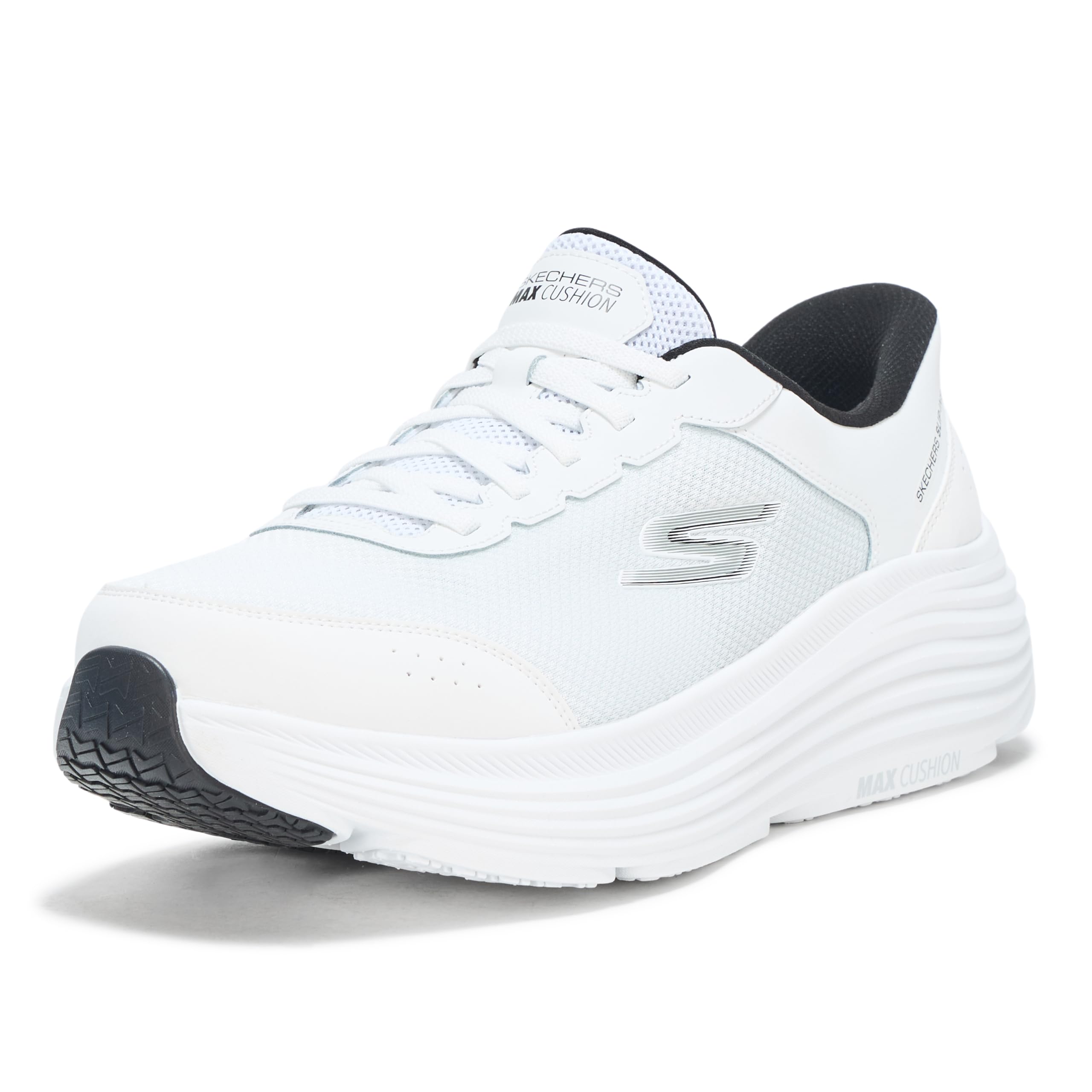
The Endeavour is the answer to the question “What if a wide shoe didn’t require laces?” The Hands Free Slip-in technology uses a heel-pull system and a flexible heel counter that collapses under pressure but snaps back to lock the foot in place. The Max Cushioning midsole is a thick slab of Skechers’ proprietary foam that absorbs shock without making the shoe feel like a platform—critical for wide-foot users who often feel unstable in overly tall shoes.
Reviewers with wide feet, including those recovering from orthopedic surgery, report that the 13W size fits perfectly with a wide toe box that doesn’t pinch. The rounded heel geometry makes the shoe suitable for both walking and light running, and the outsole inserts show resistance to wear after several weeks of daily use. The slip-in design is especially valued by users who have difficulty bending over or who want to minimize the morning struggle of lacing up.
It’s worth noting that this shoe is not intended for high-intensity sports like running or pickleball. The foam midsole, while plush, lacks the responsiveness needed for cutting actions at speed. But as an everyday walking and standing shoe for wide feet, it’s among the most comfortable options on the market.
Why it’s great
- Hands-free entry is genuinely effortless and fast.
- Max Cushioning foam provides thick, plush impact absorption.
- Wide toe box accommodates bunions and splay comfortably.
Good to know
- Not designed for running, agility work, or sports with lateral movement.
- The foam midsole may feel too soft for those who prefer firm ground feedback.
3. NORTIV 8 Men’s Wide Toe Box Trail Running Shoes (Whitney)
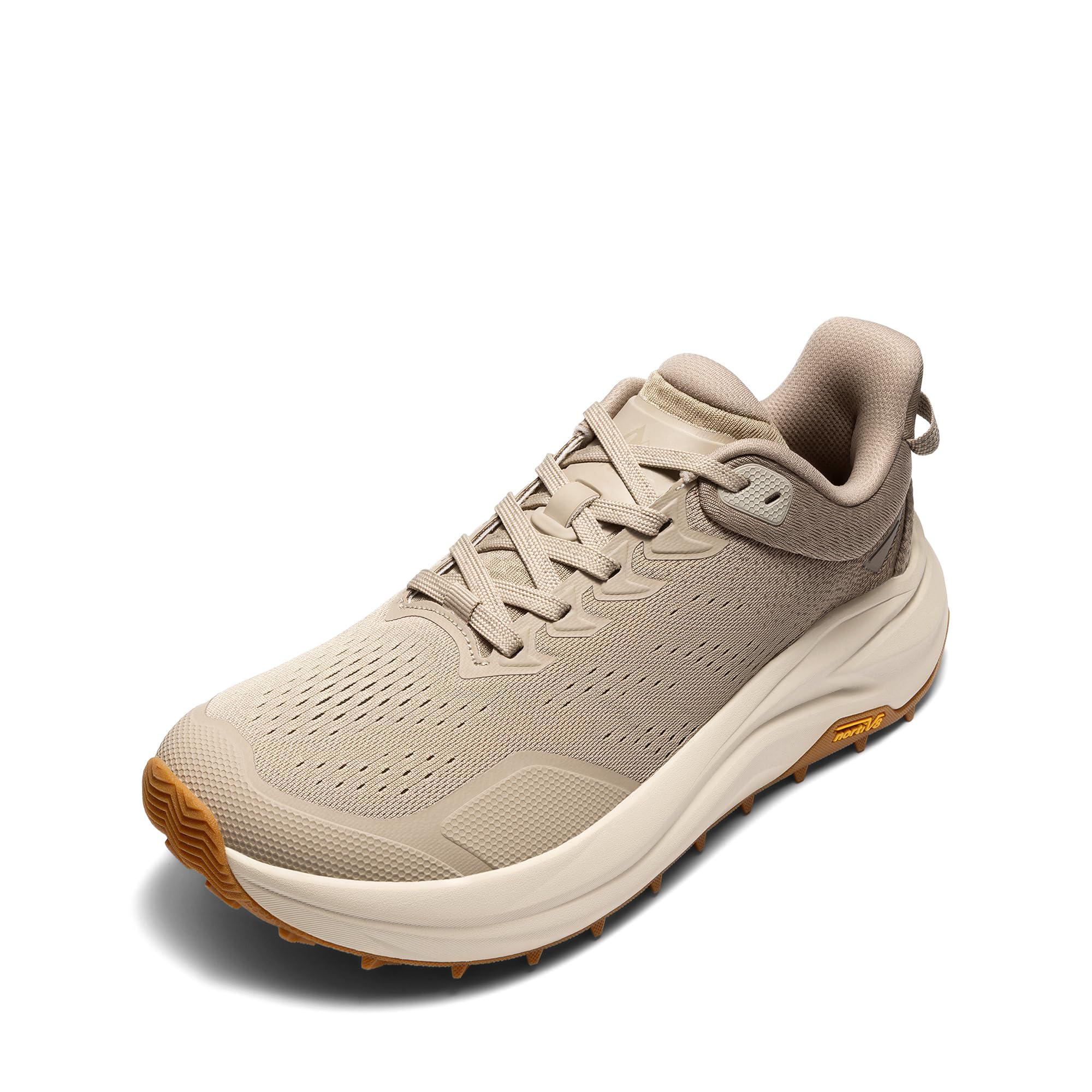
The NORTIV 8 Whitney is a trail-specific shoe that prioritizes a low drop and a wide toe box, making it a rare find for runners who need space for natural toe splay on uneven terrain. The 5mm drop encourages a midfoot strike, and the firm midsole provides the ground feel that technical trail runners prefer over plush road shoes. Large welded toe bumpers add protection against rocks and roots.
Buyers report this shoe holds up well through 300 or more technical trail miles, with aggressive lugs and good mud drainage. The low cushioning profile means it’s not the best choice for pavement running or long days on hard-packed surfaces, but for singletrack and mountain trails, the Whitney delivers a stable, connected feel. One reviewer in healthcare even praised the wide toe box for reducing friction on sore toes during long hospital shifts.
The shoe runs true to size for most wide-foot wearers, though there are no half-sizes above 12. The style is more function-forward than fashion-forward, with a look that some describe as “grandpa shoe” territory. If you prioritize performance over appearance on the trail, the NORTIV 8 is a budget-friendly workhorse.
Why it’s great
- Low 5mm drop encourages natural, efficient gait on trails.
- Wide toe box with welded bumper protects toes on technical terrain.
- Excellent value for the level of trail-specific performance.
Good to know
- Firm midsole may be uncomfortable for road running or all-day standing.
- No half-sizes available above US men’s 12.
- Lacks gaiter attachments (easy DIY fix).
4. FitVille Wide Shoes for Men Non-Slip Trail Running Shoes

FitVille specializes in extra-width shoes, and this model offers a true 6E width that rivals custom-fit options. The shoe is designed specifically for people with flat feet, heel pain, and plantar fasciitis—conditions that often accompany wide feet. The outsole features aggressive tread for light trail work, but the real strength is the insole platform that provides ample room for orthotics without raising the heel height awkwardly.
Buyers with long toes and bunions report that the 8.5W fits well after a short break-in period, and the support is sufficient for 10-hour shifts on feet. The shoe is flexible yet sturdy, and while it’s not built for high-speed running, it excels as a walking and standing shoe for those who need maximum forefoot width. One reviewer noted the arch area is notably wider than comparable Skechers models, making it a better choice for those with high-volume feet.
The trade-off is that the shoe has a relatively low heel height, which some users with plantar fasciitis find insufficient for their preferred level of heel support. If you need a pronounced heel-to-toe drop for Achilles relief, the New Balance 608 V5 is a better fit. But if forefoot width and orthotic compatibility are your primary concerns, the FitVille earns its keep.
Why it’s great
- True 6E width provides exceptional forefoot and arch space.
- Removable insole is designed for orthotic drop-in without volume loss.
- Flexible yet sturdy construction handles daily wear and light trails.
Good to know
- Low heel height may not suit those who need a high-drop shoe for heel pain.
- Some users find the toe box initially tight across the top before break-in.
5. Skechers Men’s Afterburn E’lite Grill Corporal Hands Free Slip-in

The Afterburn E’lite takes Skechers’ slip-in technology and applies it to a more traditional sneaker silhouette. The hands-free entry system works well for wide-foot users who have trouble with standard lacing, and the shoe is lightweight enough for long walking days. A review from a user who typically wears wide width confirms that ordering the wide version through Amazon (after initially trying a regular 11.5) provides a perfect fit.
The shoe is described as stylish and comparable in look to Nike or Fila sneakers, with a sole that holds up to heavy use without visible wear. It’s particularly favored by those recovering from knee surgery, as the slip-in design eliminates the need to bend over. The cushioning is moderate—not as plush as the Endeavour but more than adequate for casual walking and all-day errands.
One caveat: while the shoe is comfortable for wide feet, it is not a true wide-width shoe across the board. Buyers with significantly wide feet should order the wide option directly. The regular width may feel snug if you require 4E or wider, especially after a long day when feet swell during activity.
Why it’s great
- Hands-free slip-in design is a game-changer for mobility-limited users.
- Lightweight build reduces fatigue during all-day wear.
- Stylish silhouette that works for casual daily use.
Good to know
- Wide version must be ordered separately; standard width is not wide-friendly.
- Cushioning is moderate, not max-level for high-impact activities.
6. adidas Men’s Kaptir 4.0 Sneakers
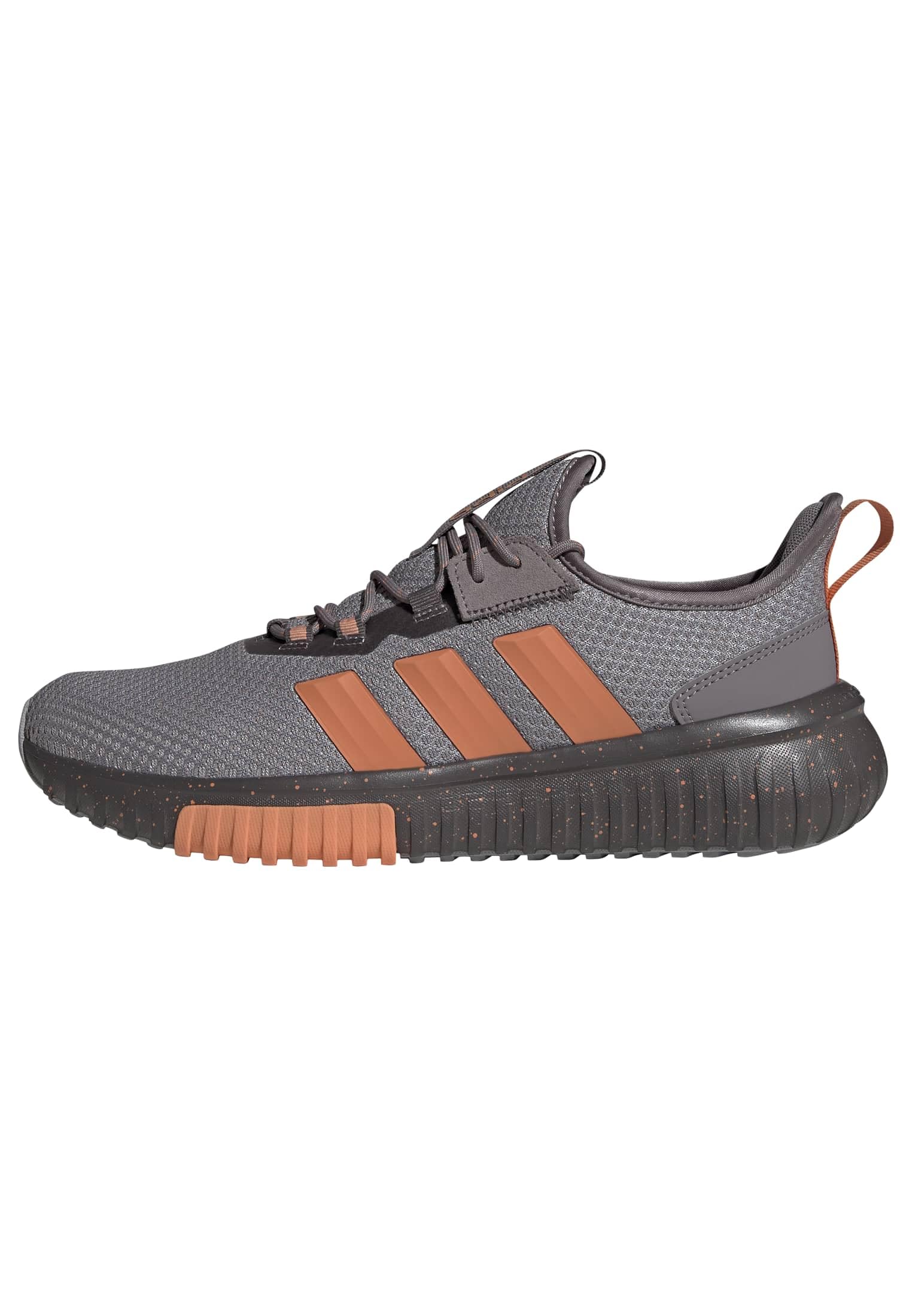
The Kaptir 4.0 is an interesting case: it fits wide feet without being marketed as a wide shoe. Multiple reviewers with bunions and wide forefeet report that the standard-width Kaptir provides enough room in the toe box to accommodate their foot shape, unlike many competing models from Brooks, Nike, or New Balance. The shoe is lightweight and comfortable out of the box, with a cushioned midsole that works well for walking and treadmill running.
The shoe’s upper is breathable and the sock-like construction reduces irritation points, though the laces are notably long and may need to be trimmed or double-knotted. Some users recommend sizing up 1.5 sizes if using the shoe primarily for treadmill running, as the foot tends to slide forward during higher-impact movements. The arch support is mild, which suits some users but leaves others wanting more for all-day wear.
While the Kaptir 4.0 is not a true wide-width shoe and lacks the structured upper of the New Balance 608 V5, it offers a generous toe box within a standard-width package. For those whose width is borderline—needing a bit more room in the forefoot but not a full 4E—this is a budget-friendly alternative that doesn’t look like a medical shoe.
Why it’s great
- Standard width fits wide forefeet with a roomy, bunion-friendly toe box.
- Lightweight and breathable for everyday casual wear.
- Good value for a recognizable brand with solid construction.
Good to know
- Not available in dedicated wide sizing; may not suit extreme widths.
- Laces are excessively long and may require trimming.
- Arch support is mild, not suited for heavy pronation or all-day standing.
7. adidas Men’s Terrex Tracefinder Trail Running Shoes

The Terrex Tracefinder is an entry-level trail shoe that performs well above its price point for wide-foot users. The shoe is remarkably light for a trail runner—reviewers note it feels like a regular road shoe—with a supportive midsole and good grip on uneven surfaces. One reviewer with a wide foot confirmed the shoe accommodates wide feet comfortably, though the size chart may run slightly large.
After 500 miles of heavy use (15,000 steps per day for three months), one reviewer reported minimal wear aside from tread erosion consistent with mileage. The insoles are the weak point, described as poor quality and needing replacement with aftermarket options like Dr. Scholl’s for long-term comfort. The breathable upper holds up well, and the shoe fits true to size for those who wear a 9.5 in other adidas models.
The Terrex Tracefinder is best suited for light trail running and everyday wear where you need a touch of off-road grip without the weight of a full technical trail shoe. It’s not a dedicated wide-width model, but its naturally roomy fit accommodates many wide-footed users. If you need a dedicated 4E trail runner, the NORTIV 8 Whitney is a better choice, but for a versatile, lightweight option that works for wide feet, the Tracefinder is a solid entry.
Why it’s great
- Exceptionally lightweight for a trail shoe, feels like a road runner.
- Good grip and breathability for light to moderate trail use.
- Durable construction holds up well over hundreds of miles.
Good to know
- Stock insoles are low quality and should be replaced for long-term wear.
- Size chart may run large; some users need a half-size down.
- Not a dedicated wide-width model; best for borderline wide feet.
FAQ
How do I know if I need a 2E versus a 4E width?
Can I use a wide toe box trail shoe like the NORTIV 8 for road running?
Why do my feet swell during activity and can a wide shoe help?
Final Thoughts: The Verdict
For most users, the athletic shoes for wide feet winner is the New Balance 608 V5 because it offers the best combination of a genuine 4E width, a supportive leather upper, and a removable insole that accommodates orthotics. If you want a hands-free slip-in that feels plush and roomy, grab the Skechers Max Cushioning Endeavour. And for technical trail running with a low drop and wide toe box, nothing in this price range beats the NORTIV 8 Whitney.

Mo Maruf
I created WellFizz to bridge the gap between vague wellness advice and actionable solutions. My mission is simple: to decode the research and give you practical tools you can actually use.
Beyond the data, I am a passionate traveler. I believe that stepping away from the screen to explore new environments is essential for mental clarity and physical vitality.