Our readers keep the lights on and my smoothie glass nicely filled. As an Amazon Associate, I earn from qualifying purchases.
The first time your foot rolls inward on a long walk, you feel it: that deep ache that travels from your arch up through your knee. For anyone with flat feet, plantar fasciitis, or simply a desire for stable movement, standard athletic shoes just don’t cut it. The wrong pair can turn a daily jog into a session of joint pain, while the right pair makes you forget you ever had a problem. That’s the difference a properly supportive shoe makes.
I’m Mohammad Maruf — the founder and writer behind WellFizz. I’ve spent the last 15 years analyzing hundreds of footwear specs, from foam density and heel-to-toe drop to medial post construction, to find the shoes that truly deliver on their support promises.
After reviewing dozens of models for stability, cushioning, and real-world durability, I’ve filtered the market down to seven standouts. Whether you’re a runner, a gym regular, or someone on their feet all day, this guide to the best athletic shoes for support will help you land on a pair that keeps you stable and pain-free.
How To Choose The Best Athletic Shoes For Support
Support isn’t a marketing feature—it’s a mechanical property of how the shoe’s midsole, outsole, and upper work together to control foot motion. Here’s what to look for to avoid the wrong pair.
Midsole Density and Medial Posting
The most crucial support element is the midsole’s firmness, especially on the inner side (medial side). Shoes with a medial post—a denser foam or plastic insert—resist excessive inward rolling (overpronation). If you have flat feet, look for a shoe with a visible medial post in the midfoot area, not just soft cushioning.
Heel-to-Toe Drop
Drop is the height difference between the heel and forefoot. A lower drop (0–4mm) encourages a more natural, midfoot strike, which can reduce knee stress for some runners, but it demands stronger calves and Achilles. A higher drop (8–12mm) is often more forgiving for heel strikers. For general support and stability, a drop around 8mm is a safe, versatile starting point.
Heel Counter and Upper Structure
A rigid heel counter (the plastic cup around the back of your heel) locks your foot in place and prevents slipping, which is critical for stability during lateral movements. The upper should be structured but not overly restrictive—materials like engineered mesh with internal reinforcement provide a secure hold without pinching.
Quick Comparison
On smaller screens, swipe sideways to see the full table.
| Model | Category | Best For | Key Spec | Amazon |
|---|---|---|---|---|
| Hoka Arahi 8 | Stability Road | All-day stability & balance | J-Frame™ medial support | Amazon |
| Saucony Endorphin Shift 3 | Cushioned Stability | Plantar fasciitis relief | 8mm drop / Speedroll rocker | Amazon |
| ASICS Gel-Cumulus 27 | Cushioning | Long runs & walking | PureGEL™ rearfoot insert | Amazon |
| UA TriBase Reign 6 | Cross Training | Weightlifting & HIIT | TriBase outsole / wide toe box | Amazon |
| ANTA PG7 | Max Cushion | Budget high-cushion trainer | PG Foam / 310-400g weight | Amazon |
| ASICS Gel-Excite 11 | Daily Trainer | All-day standing & walking | GEL™ rearfoot cushioning | Amazon |
| UA Project Rock 5 | Cross Training | Versatile daily wear & lifting | UA TriBase outsole | Amazon |
In‑Depth Reviews
1. Hoka Womens Arahi 8
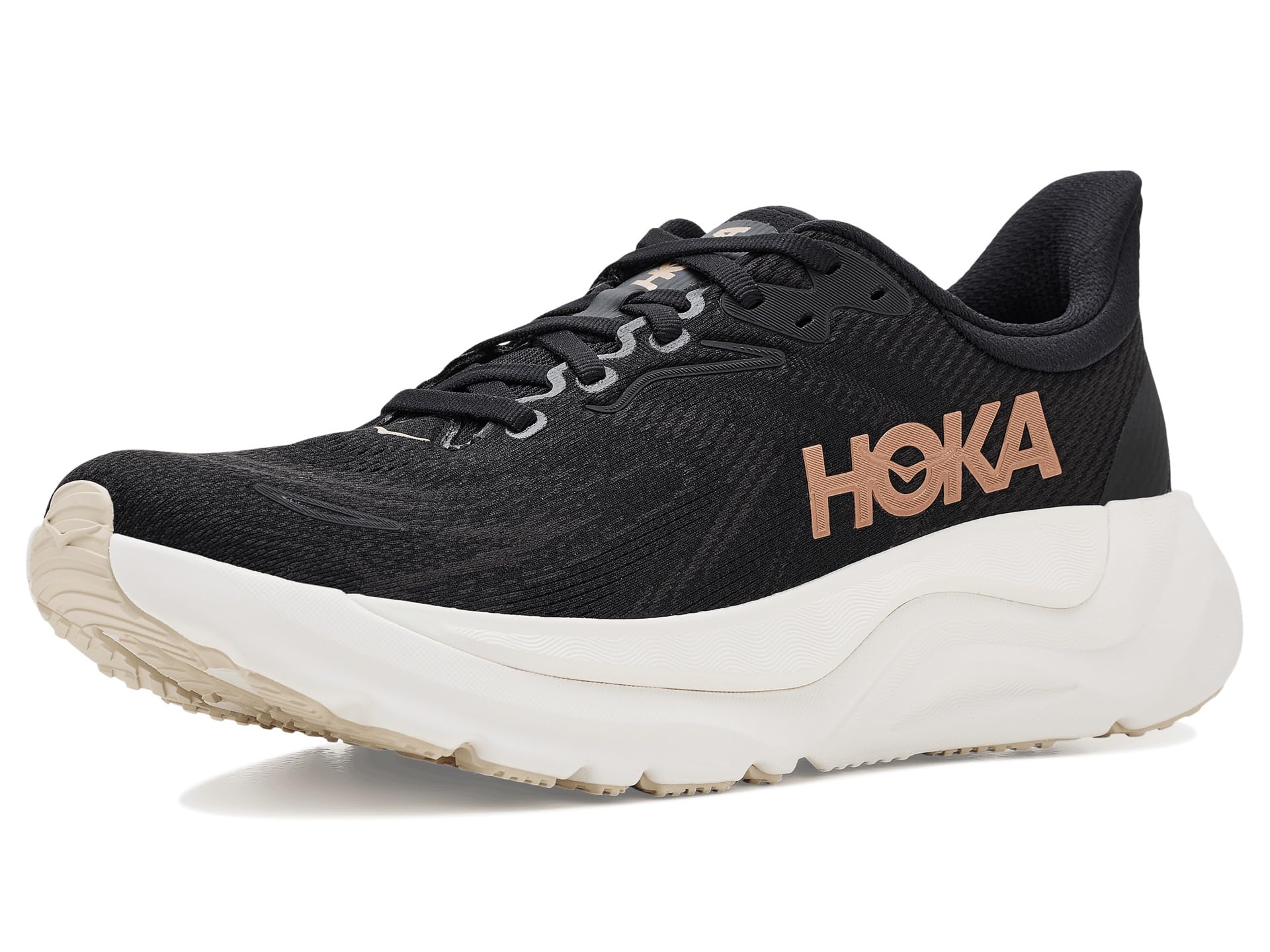
The Hoka Arahi 8 is the benchmark for modern stability shoes. Instead of a traditional hard medial post, it uses Hoka’s J-Frame technology—a denser foam that extends from the heel through the midfoot on the inner side, guiding your foot without the stiff, board-like feel of older stability designs. The result is a smooth, supportive ride that feels softer than a standard stability shoe while still controlling overpronation.
Users recovering from neurological conditions that affect balance, as well as those with general stability concerns, report immediate improvement in walking confidence. The wide platform at the heel and forefoot creates a very stable landing zone, and the beveled heel encourages a natural gait cycle. The cushioning is plush enough for long treadmill sessions yet firm enough for daily errands, and the lightweight build (about 8.6 oz) prevents fatigue during extended wear.
The only genuine downside is the premium price point, which places it firmly in the high-end tier. Some users find the toe box slightly narrower than previous Hoka models, so those with wider feet may want to try the wide version. However, for uncompromising stability that works out of the box, the Arahi 8 is the gold standard.
Why it’s great
- J-Frame provides targeted medial support without a rigid feel
- Wide, stable platform ideal for balance issues
- Plush cushioning works for walking, light jogging, and all-day wear
Good to know
- Premium price tag puts it out of reach for budget buyers
- Toe box may feel snug for users with wider feet
2. Saucony Women’s Endorphin Shift 3
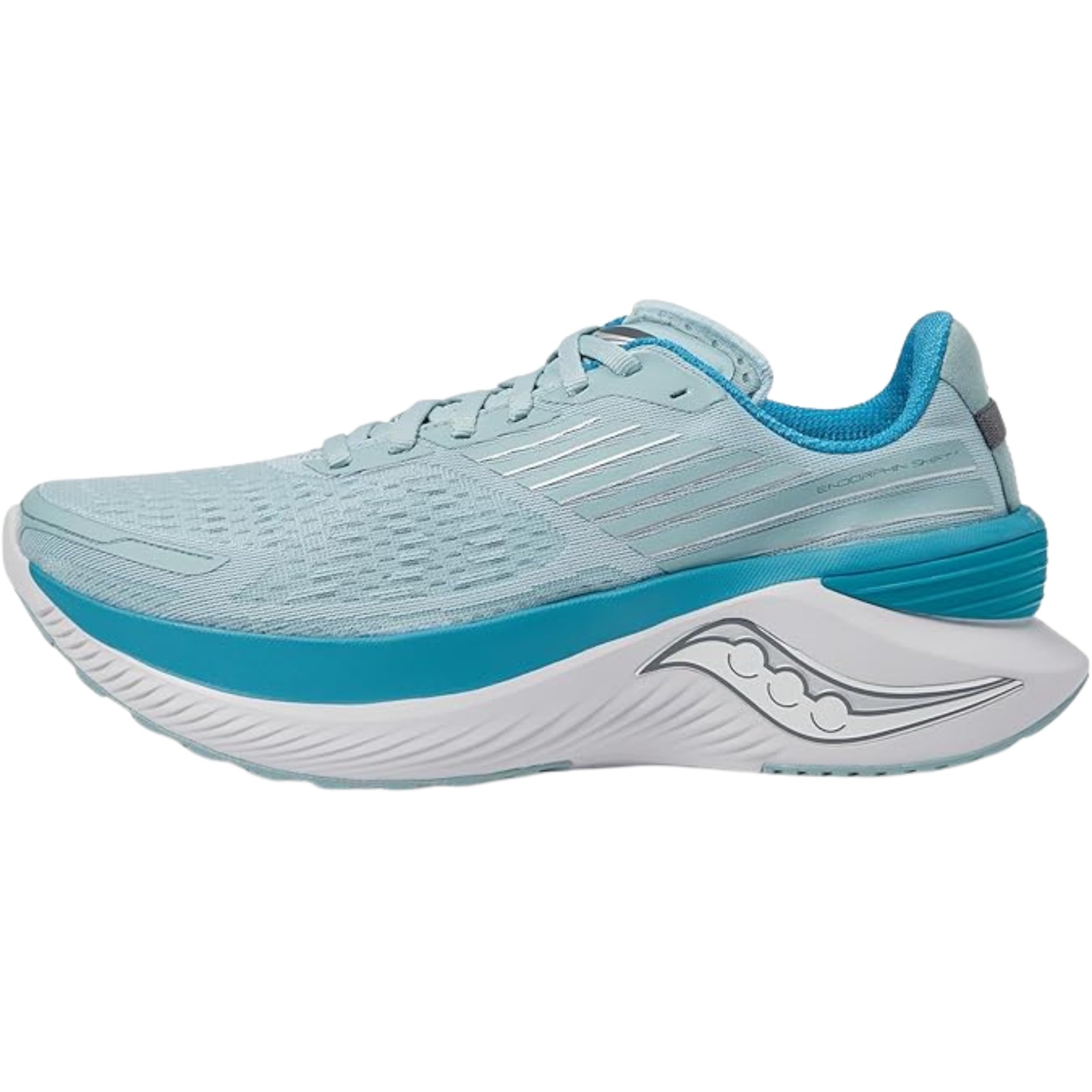
If your primary goal is resolving arch pain or plantar fasciitis, the Endorphin Shift 3 deserves your full attention. The shoe’s Speedroll rocker geometry—a curved sole that propels you from heel strike to toe-off—reduces the strain on your fascia by minimizing the need for your foot to flex. Combined with a dense, supportive midsole, this design has enabled many users to ditch their orthotics entirely and walk or jog pain-free for the first time in years.
The fit leans slightly narrow, which actually helps lock the heel in place and prevents the internal sliding that can aggravate plantar fasciitis. The 8mm drop is the ideal middle ground for heel strikers transitioning to a more efficient gait. The outsole is made with high-abrasion rubber that holds up well on pavement, though the softer foam may show wear after about six months of heavy use. Users with extremely wide feet should size up.
The shoe’s firmer ride may feel less plush than a Hoka or ASICS Cumulus on first wear, but that firmness is exactly what provides the structural support your arch needs. If you value a stable, rockered platform that actively reduces foot fatigue over pure squish, this is the shoe to buy.
Why it’s great
- Speedroll rocker actively reduces plantar fascia strain
- Firm, supportive midsole works without orthotics for many users
- Heel lock fit prevents internal slipping
Good to know
- Firmer feel may not appeal to those who prefer max cushioning
- Midsole foam can compress faster than competitors (~6 months heavy use)
3. ASICS Men’s Gel-Cumulus 27
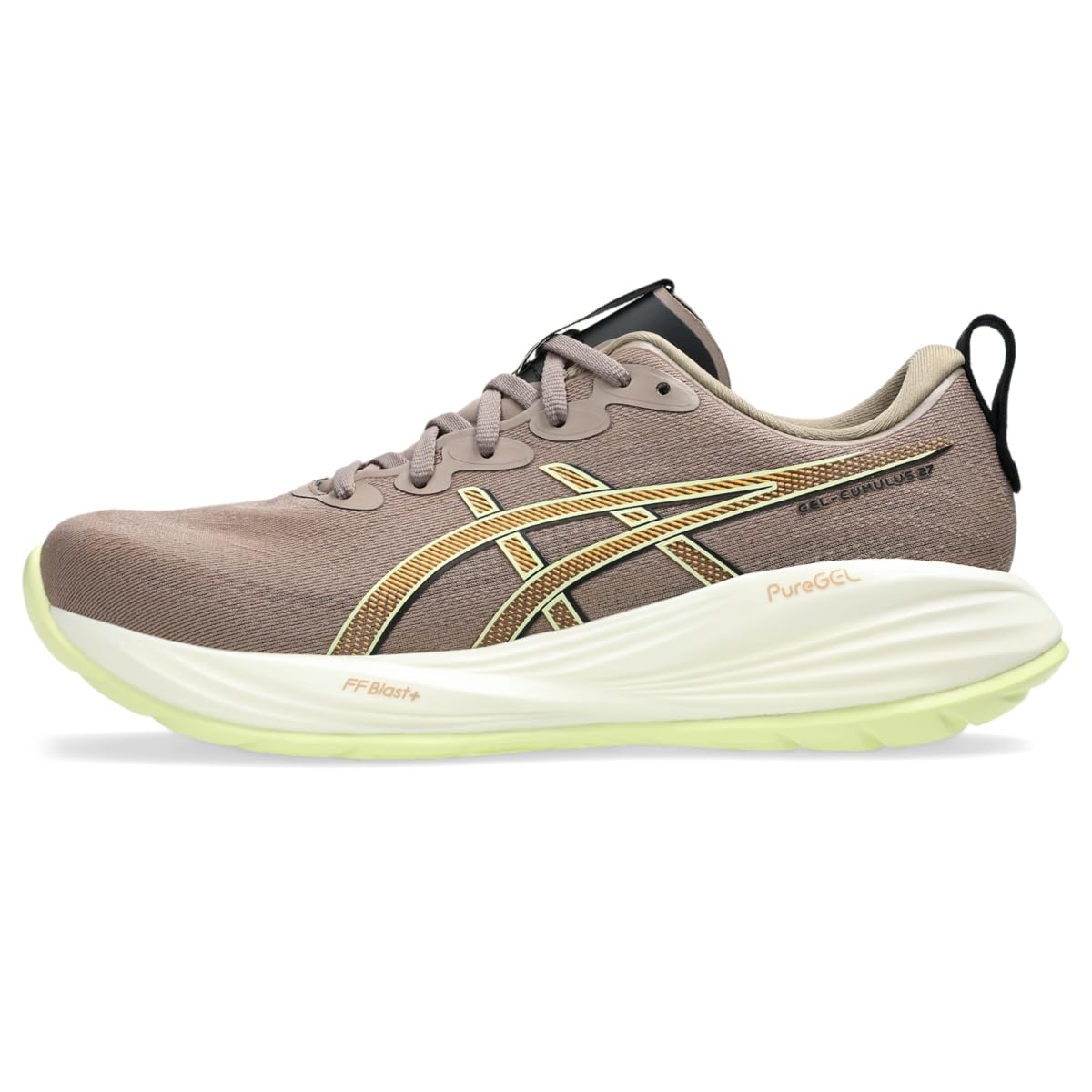
The Gel-Cumulus 27 is ASICS’s premium neutral cushioned trainer, and the latest iteration brings a redesigned PureGEL rearfoot insert that is softer than previous gel units while maintaining excellent shock absorption. This matters for support because a shoe that absorbs impact effectively reduces the force traveling up through your ankles and knees. For runners with a neutral gait who want maximum protection without a stability post, the Cumulus 27 is the top choice.
Reviewers consistently praise its ability to eliminate pain under the middle toe and in the ball of the foot—common issues for those who log daily miles or stand for hours. The toe cap is generous, preventing the mashed-toe feeling that plagues many performance trainers, and the upper uses a lightweight, engineered mesh that breathes well even in warmer weather. The outsole rubber placement is durable, showing minimal wear after hundreds of miles on asphalt.
The trade-off is that this shoe lacks a medial post, so it won’t correct severe overpronation on its own. If you need active motion control, look at the Hoka or Saucony instead. But for neutral runners seeking a supportive, well-damped ride that reduces joint stress, the Gel-Cumulus 27 is nearly perfect.
Why it’s great
- PureGEL insert delivers exceptional rearfoot impact protection
- Generous toe box prevents foot fatigue on long runs
- Breathable mesh upper keeps feet cool during extended activity
Good to know
- No medial post—not designed for heavy overpronators
- Premium pricing places it at the high end of the mid-range tier
4. Under Armour Men’s TriBase Reign 6
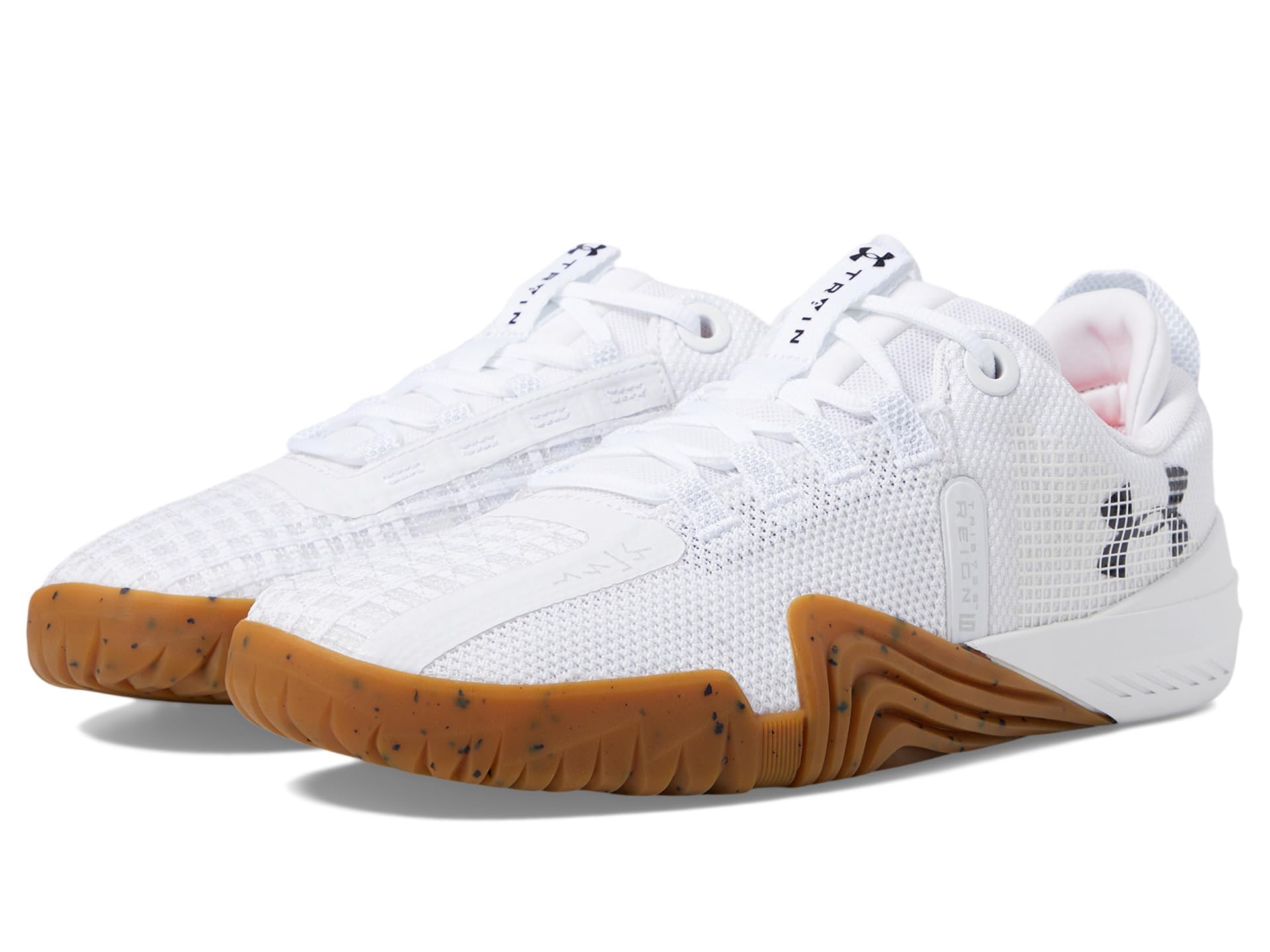
For gym-goers who split their time between heavy squats, deadlifts, and short cardio bursts, the TriBase Reign 6 is the best support-focused cross trainer on the market. Its TriBase outsole uses a wide, flat contact patch that maximizes ground connection for stable lifting, while the midsole is softer than previous Reign models, making it tolerable for short runs (2–3 miles) and incline treadmill work. The wide toe box allows your toes to splay naturally, which improves balance during single-leg exercises.
The shoe has very low arch support from the footbed, which is actually a feature for lifters with flat feet—it allows them to feel the ground better for proprioception. The heel is firm and stable, preventing wobbling during heavy squat reps. After a break-in period of about five sessions, the upper loosens slightly and becomes very comfortable. The rubber outsole grips well on gym flooring and shows minimal wear after months of daily training.
The main limitation is that this is not a long-distance running shoe. The cushioning is dense and firm, which is great for stability but less forgiving on pavement beyond a few miles. If you do dedicated running, buy a separate shoe. But for cross-training specifically, the Reign 6 offers unmatched support for the price.
Why it’s great
- Flat, wide TriBase outsole provides rock-solid stability for lifting
- Wide toe box allows natural toe splay for better balance
- Firm heel counter prevents wobble during squats and deadlifts
Good to know
- Not built for long-distance running—cushioning is too firm
- Low arch support from footbed (not ideal for high arches without an insole swap)
5. ANTA Men’s PG7 Running Shoes

The ANTA PG7 is a budget-friendly max-cushioned trainer that punches well above its weight class. Its proprietary PG foam is noticeably bouncy and responsive, offering a ride that firms up at faster paces for better propulsion while remaining soft enough to protect joints on longer, slower runs. The shoe weighs between 310–400g depending on size, which is competitive for the cushioning stack it provides. The wide toe box and breathable upper make it comfortable for wide-footed runners.
Several reviewers noted that the cushioning can cause a slight heel sink effect during casual walking, which creates a forward lean—something to be aware of if you plan to use these primarily for walking rather than running. For running, however, the cushioning works beautifully, providing excellent knee and hip protection. The carbon-infused outsole rubber grips well on wet pavement and dry asphalt alike. The lacing system may require some adjustment for a secure midfoot fit, especially for high arches.
The design is understated and functional, lacking flashy branding or vibrant colorways. At this price point, the PG7 competes directly with the ASICS Gel-Excite 11 on value but offers higher cushioning volume. If you want a supportive, joint-friendly running shoe that doesn’t drain your budget, the PG7 is an outstanding choice.
Why it’s great
- Excellent cushioning volume protects knees and hips at a budget price
- Wide toe box and breathable upper comfortable for wide feet
- Carbon-infused outsole provides good wet surface grip
Good to know
- Cushioning causes heel sink during walking, leading to a forward lean
- Lacing may need adjustment for a secure midfoot fit
6. ASICS Men’s Gel-Excite 11
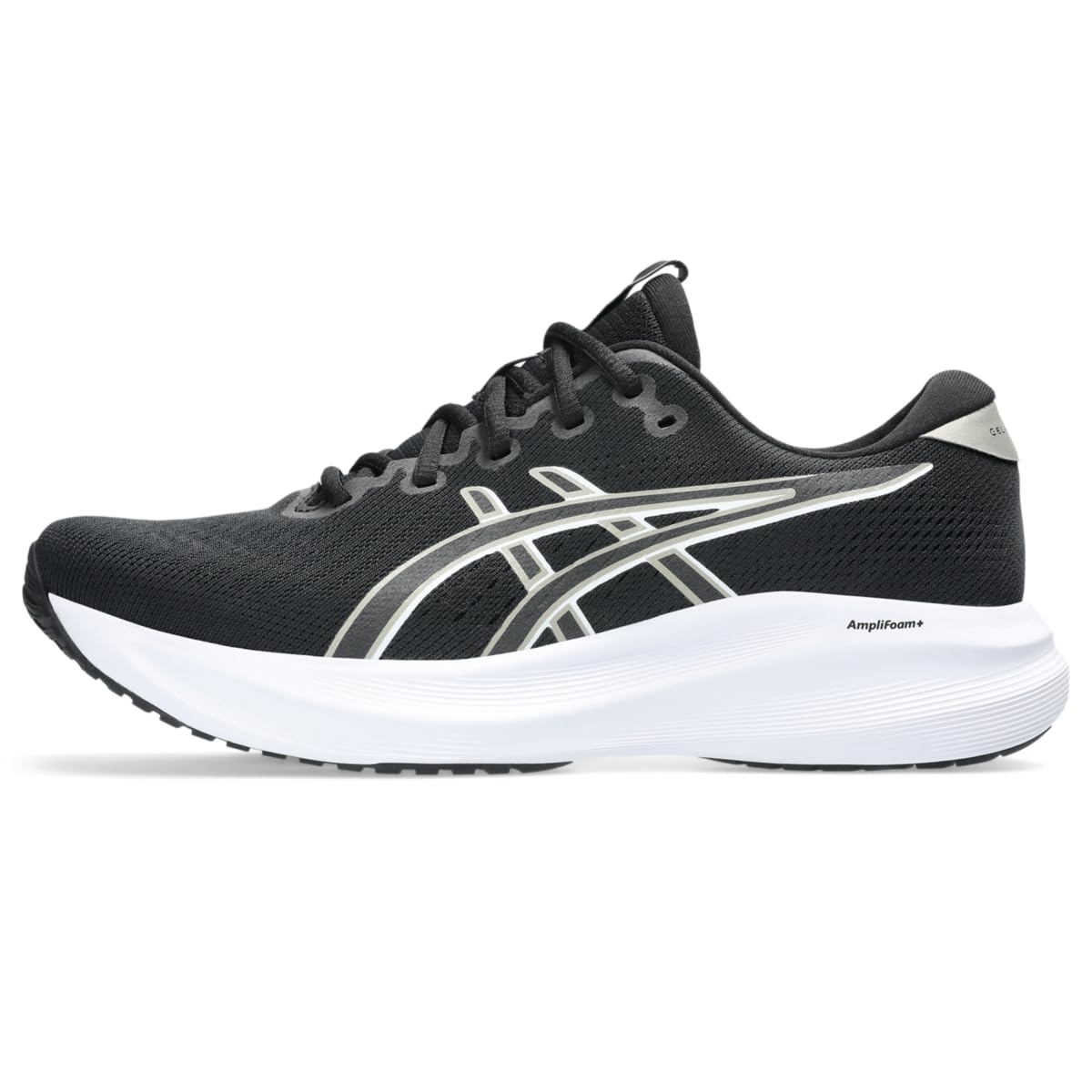
The Gel-Excite 11 is ASICS’s solid daily trainer that focuses on all-day comfort and shock absorption at a very reasonable price. It features a rearfoot GEL unit that effectively dampens impact on every heel strike, making it a strong option for anyone who spends long hours on their feet—whether standing at work or walking through a city. The shoe’s upper is highly breathable, and the overall fit runs true to size with a slightly larger toe box compared to the Cumulus series.
Users with “terrible feet” who normally require orthotic supports have reported wearing these shoes comfortably without their inserts, thanks to the stable, well-cushioned platform. The outsole rubber is thick enough to withstand months of daily use on asphalt, and the shoe cleans up easily with a damp cloth. The stable ride is enhanced by a wide heel base that provides a solid landing platform even on uneven surfaces.
The main compromise is that the Gel-Excite 11 is built more for walking and light jogging than for high-mileage running. The midsole is not as responsive as the Cumulus or ANTA PG7, and it lacks a medial post for motion control. For casual, everyday use where support means comfort and impact reduction rather than active overpronation correction, the Gel-Excite 11 delivers excellent value.
Why it’s great
- Rearfoot GEL unit provides reliable heel impact protection
- Stable, wide heel base ideal for all-day standing and walking
- Breathable, easy-to-clean upper holds up well in daily use
Good to know
- Midsole lacks responsiveness for high-mileage or tempo running
- No medial post—not designed for significant overpronation correction
7. Under Armour Men’s Project Rock Blood Sweat Respect 5
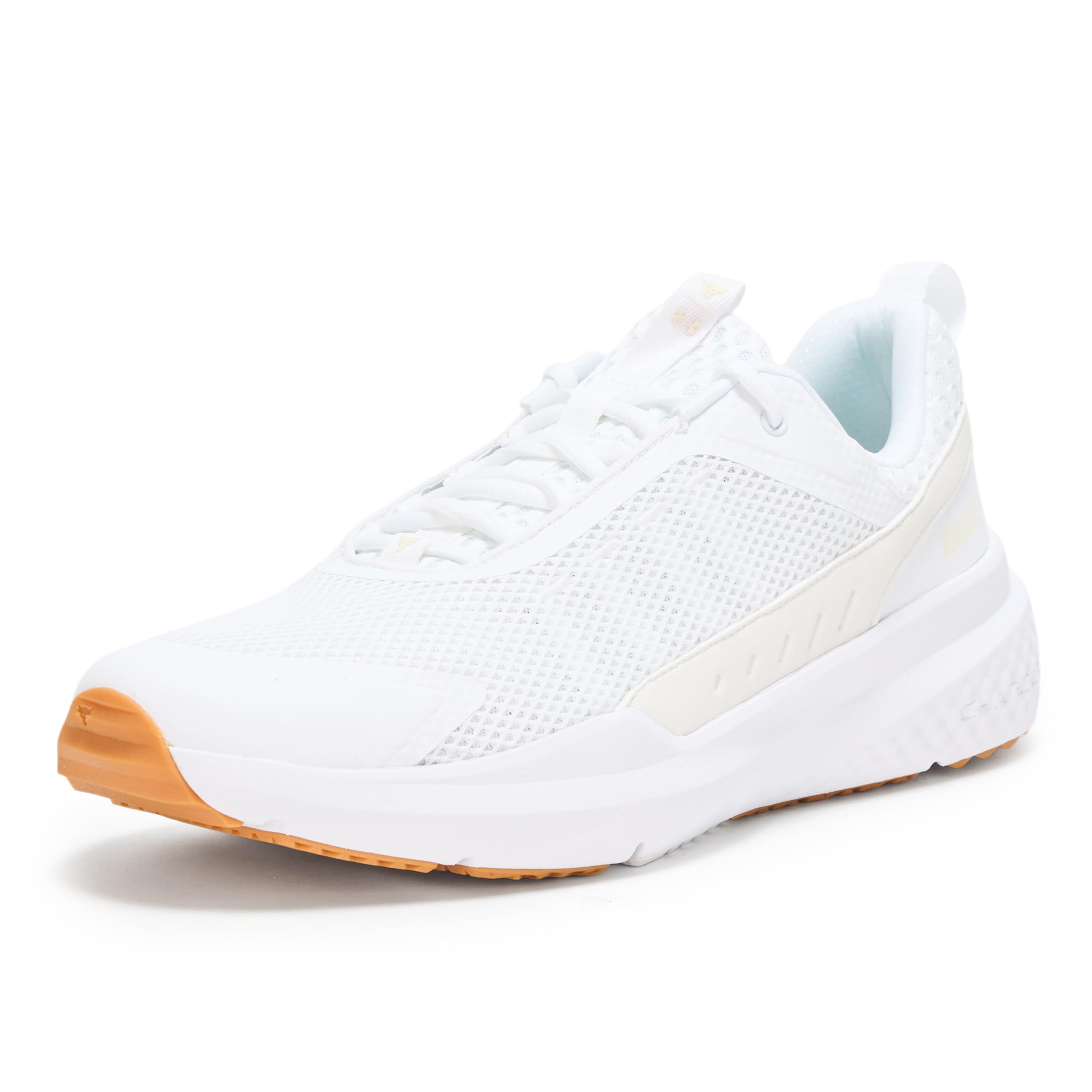
The Project Rock 5 from Under Armour straddles the line between gym shoe and daily sneaker. It uses a lightweight, breathable mesh upper with a glove-like fit that wraps the midfoot securely, and the outsole borrows from UA’s TriBase technology for a flat, stable contact patch. The cushioning is firm and supportive, making it suitable for weightlifting, walking, and even stationary bike sessions. The shoe has a reputation for lasting well over two years with proper care.
Users consistently praise the shoe’s aesthetic appeal and the compliments it attracts, but the real story is in its versatility. It functions as a competent lifting shoe for moderate weights, a comfortable walking shoe for daily errands, and a decent cardio companion for low-impact gym work. The fit is true to size, and the shoe requires virtually no break-in period. The colorways are bold and distinctive, setting it apart from the sea of monochrome trainers.
The main criticism is that the cushioning, while supportive, is not as plush as dedicated running shoes like the ASICS Cumulus or Hoka Arahi. Users coming from older Project Rock models note that the cushioning feels slightly less luxurious than previous versions. This shoe is best viewed as a cross-training and lifestyle shoe with strong support, not a high-mileage performance runner. For the price, it offers exceptional build quality and a great look.
Why it’s great
- Glove-like fit with secure midfoot wrap for stable movement
- TriBase outsole provides flat, stable platform for lifting
- Highly durable construction that can last over two years
Good to know
- Cushioning is firmer than dedicated running shoes
- Some users find it less comfortable than previous Project Rock models
FAQ
What is the difference between a stability shoe and a motion control shoe?
How do I know if my shoe has enough arch support for my flat feet?
Can I use a support shoe for both running and weightlifting?
How often should I replace my athletic support shoes?
Are lighter shoes always less supportive?
Final Thoughts: The Verdict
For most users, the best athletic shoes for support winner is the Hoka Arahi 8 because its J-Frame technology delivers targeted stability without the stiff, uncomfortable feel of older support shoes. If you want maximum plantar fasciitis relief and a rocker geometry that reduces foot strain, grab the Saucony Endorphin Shift 3. And for a gym-focused support shoe that excels under heavy loads, nothing beats the Under Armour TriBase Reign 6.

Mo Maruf
I created WellFizz to bridge the gap between vague wellness advice and actionable solutions. My mission is simple: to decode the research and give you practical tools you can actually use.
Beyond the data, I am a passionate traveler. I believe that stepping away from the screen to explore new environments is essential for mental clarity and physical vitality.