Our readers keep the lights on and my smoothie glass nicely filled. As an Amazon Associate, I earn from qualifying purchases.
A full shift on concrete, tile, or hardwood sends a shock through your feet, knees, and lower back that no standard running shoe can absorb. The difference between a tolerable workday and one spent shifting weight every five minutes comes down to the midsole foam, the arch geometry, and how well the heel cup locks your foot in place. That is why choosing the right shoe for prolonged standing is not about style or brand hype — it is about measurable support and energy return.
I’m Mohammad Maruf — the founder and writer behind WellFizz. I spend months analyzing foam compression rates, outsole wear patterns, and customer durability reports to separate shoes that look supportive from shoes that actually protect your feet during eight-hour standing sessions.
After reviewing dozens of models across price tiers, these seven pairs stand out for their ability to reduce fatigue and maintain structure over long periods. Use this guide to find the best athletic shoes for standing that match your arch type, foot width, and daily surface conditions.
How To Choose The Best Athletic Shoes For Standing
The wrong shoe selection for all-day standing leads to plantar fasciitis, achilles strain, and knee misalignment. Three variables separate a shoe that cradles your foot from one that collapses after three months of daily use.
Midsole Foam vs. Cushioning Longevity
Most budget shoes use EVA foam that compresses permanently within 200 hours of standing. Look for nitrogen-infused foams (like Brooks DNA Loft or New Balance FuelCell) or proprietary blends (Skechers Max Cushioning, Gravity Defyer VersoShock) that retain 90% of their original thickness after prolonged weight-bearing. Softer foam feels good in the store but bottoms out fast — medium-density foam with a structured heel counter delivers better durability for standing.
Heel-to-Toe Drop and Arch Type
A zero-drop or low-drop shoe (0-6mm) places your heel and forefoot level, which can aggravate achilles tendons if you are not accustomed to it. For standing all day, a moderate drop (8-12mm) reduces calf fatigue by transferring some load to the midfoot. Flat-footed users need firm arch support from the insole or an orthotic-friendly interior; high-arched users require a neutral platform with flexible forefoot grooves.
Toe Box Volume and Upper Material
Standing causes feet to swell after the second hour. A tapered toe box pinches the metatarsals and restricts circulation. Look for a wide toe box — at least the equivalent of a 2E width in men’s or a D width in women’s — combined with a mesh or knit upper that expands without creating pressure points. Leather or heavy overlays restrict swelling and can cause numbness by hour six.
Quick Comparison
On smaller screens, swipe sideways to see the full table.
| Model | Category | Best For | Key Spec | Amazon |
|---|---|---|---|---|
| New Balance 990v6 | Premium | All-day standing + overpronation | FuelCell foam / ENCAP stability | Amazon |
| Gravity Defyer Energiya | Orthopedic | Plantar fasciitis / back pain | VersoShock sole / wide toe box | Amazon |
| Brooks Trace 4 | Neutral | Soft cushion + neutral stride | DNA Loft foam / 10mm drop | Amazon |
| Skechers Glide Step Slip-ins | Convenience | Quick on/off + max cushion | Max Cushioning foam / hands-free | Amazon |
| New Balance 608v5 | Value | Long hours + medium arch | Leather upper / 8mm drop | Amazon |
| Hoka Mach 6 | Lightweight | Light cushion + sleek profile | Crepe rubber outsole / 5mm drop | Amazon |
| ASICS Versablast 4 | Budget | Casual walking + gym floor | Scoop last design / 8mm drop | Amazon |
In‑Depth Reviews
1. New Balance Made in USA 990v6

The 990v6 is the benchmark for all-day standing shoes because it combines FuelCell foam — a nitrogen-infused midsole that retains its bounce after 200+ miles — with an ENCAP stability wedge that prevents the foot from rolling inward. Unlike softer shoes that compress under a stationary load, this shoe maintains its structure when you stand still as well as when you walk. The pigskin suede and mesh upper breathe while holding shape against a swollen foot, and the blown-rubber outsole handles both indoor tile and light asphalt without slipping.
Customer reports confirm this shoe works for overpronators and those with wide feet. One user logged 200 miles in four months and reported zero midsole collapse, a 10-hour comfort window, and no heel slip thanks to the molded heel counter. The roomy toe box allows splaying without feeling loose in the midfoot — a rare balance for a stability shoe.
The only real downside is the premium investment, but the build quality is bombproof: the upper resists tearing, the outsole shows minimal wear, and the insole stays glued after repeated use. This is the one pair that survives a full year of daily standing without losing its core performance characteristics.
Why it’s great
- FuelCell midsole resists compression even under static weight
- ENCAP wedge supports flat arches without adding weight
- Premium upper material stretches with foot swelling
Good to know
- Higher price point may exceed casual buyer budget
- Run slightly snug for ultra-wide feet (5E+)
2. Gravity Defyer Energiya Cross Training
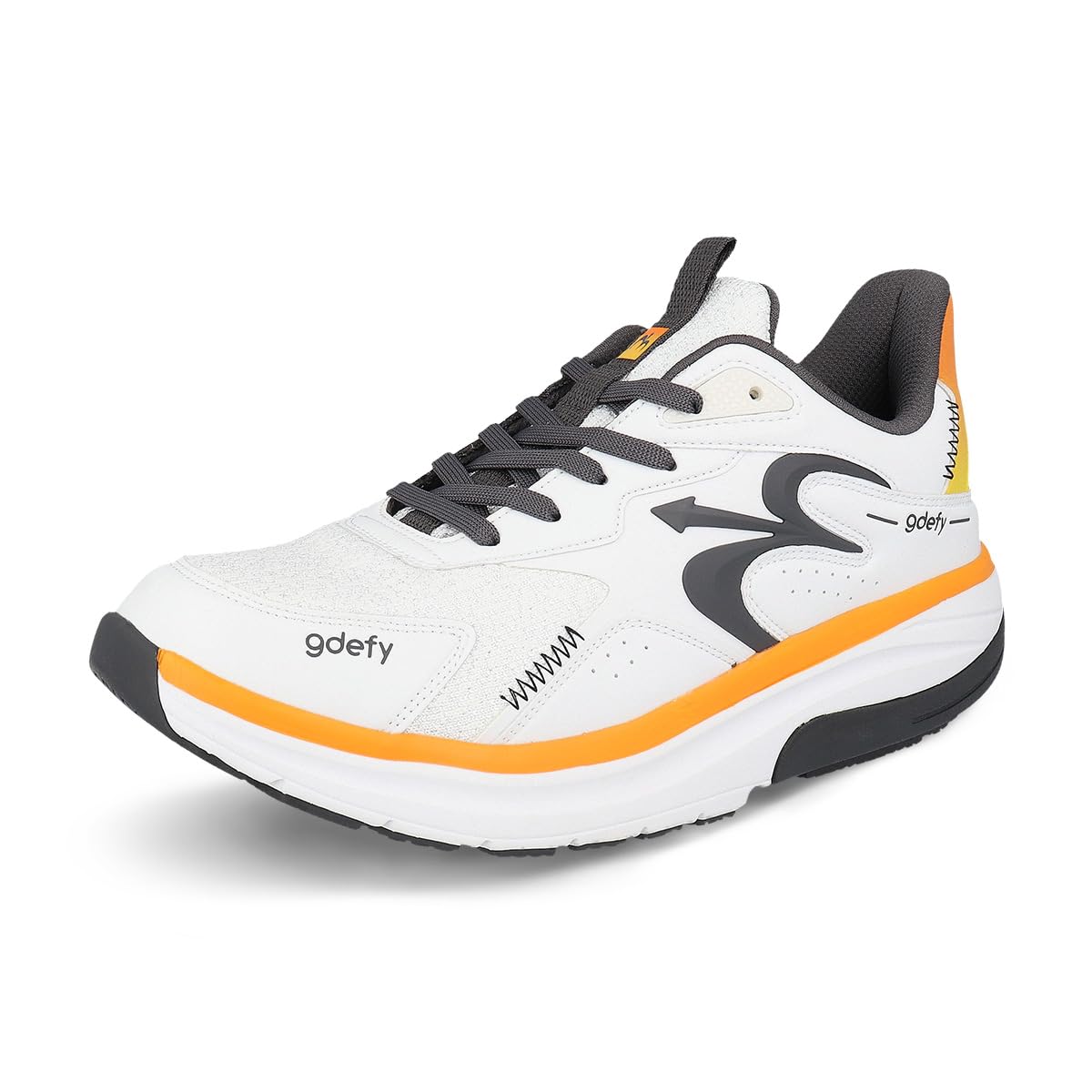
Gravity Defyer built the Energiya specifically for people who cannot find relief from plantar fasciitis, heel spurs, or lower back pain during prolonged standing. The patented VersoShock sole uses a spring-like deflection zone in the heel that absorbs ground impact before it reaches the knee and hip. The removable orthotic insole provides a firm arch cradle that users report relieved chronic pain in under a week — one forklift operator standing ten hours daily described the pain vanishing completely after the break-in period.
The wide toe box is a standout feature for standing all day: it allows natural metatarsal splay without pinching the pinky toe, and the size-up recommendation (many users order half to one full size larger) accommodates foot swelling. The heel cup is snug and deep, locking the rear foot in place to prevent the achilles strain that plagues softer, flatter shoes.
Potential buyers should note that the deep crosshatch outsole pattern picks up gravel and small debris, which can reduce traction on smooth surfaces and scratch wood floors. This shoe is not ideal for clean-room environments or polished concrete labs. For warehouse, retail, or factory floors, however, it is exceptionally durable and supportive.
Why it’s great
- VersoShock heel reduces impact force to knees and back
- Firm arch support resolves plantar fasciitis within days
- Wide toe box accommodates natural toe spread
Good to know
- Outsole pattern traps small rocks and gravel
- Runs 0.5-1 size small; order up for proper fit
3. Brooks Trace 4 Neutral Running Shoe
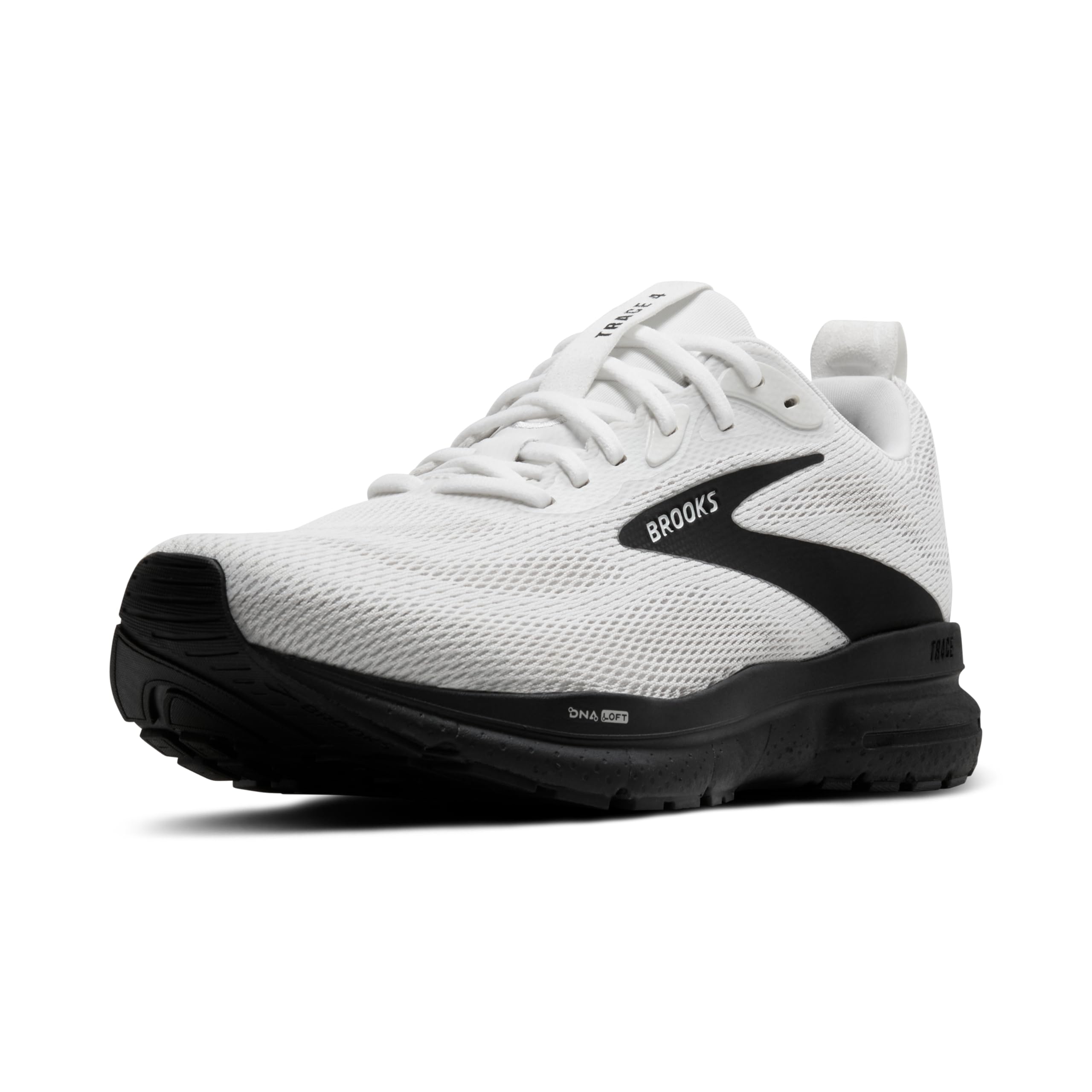
Brooks DNA Loft foam is the softest midsole material designed for neutral gaits, making the Trace 4 ideal for standing on concrete floors where every step sends a vibration through the arch. The 10mm heel-to-toe drop lifts the heel slightly, reducing calf tension during stationary standing — a critical detail for anyone who locks their knees while on their feet. The engineered mesh upper is lightweight and flexible, moving with the foot instead of resisting it.
Users with high arches or mild plantar fasciitis praise the Trace 4 for its immediate comfort — no break-in period, no heel blistering, and consistent midsole feel from hour one to hour eight. The outsole uses a dense rubber that grips tile and epoxy floors without marking, and the internal heel counter stabilizes the rear foot without adding bulk. Multiple reviewers reported that this shoe helped resolve lower back pain during walking and standing routines.
Because this is a neutral shoe, it does not provide medial post support. Overpronators who roll inward will need a stability model like the Brooks Adrenaline or the 990v6 covered above. Also, the foam is plush — excellent for comfort, but heavier runners may notice slight bottoming out after 500 miles of mixed use.
Why it’s great
- DNA Loft delivers soft, responsive cushion without weight penalty
- 10mm drop reduces calf and achilles strain during standing
- No break-in period; comfortable from first wear
Good to know
- Neutral platform lacks medial support for overpronators
- Foam may compress sooner for users over 220 lbs
4. Skechers Max Cushioning Glide Step Slip-ins
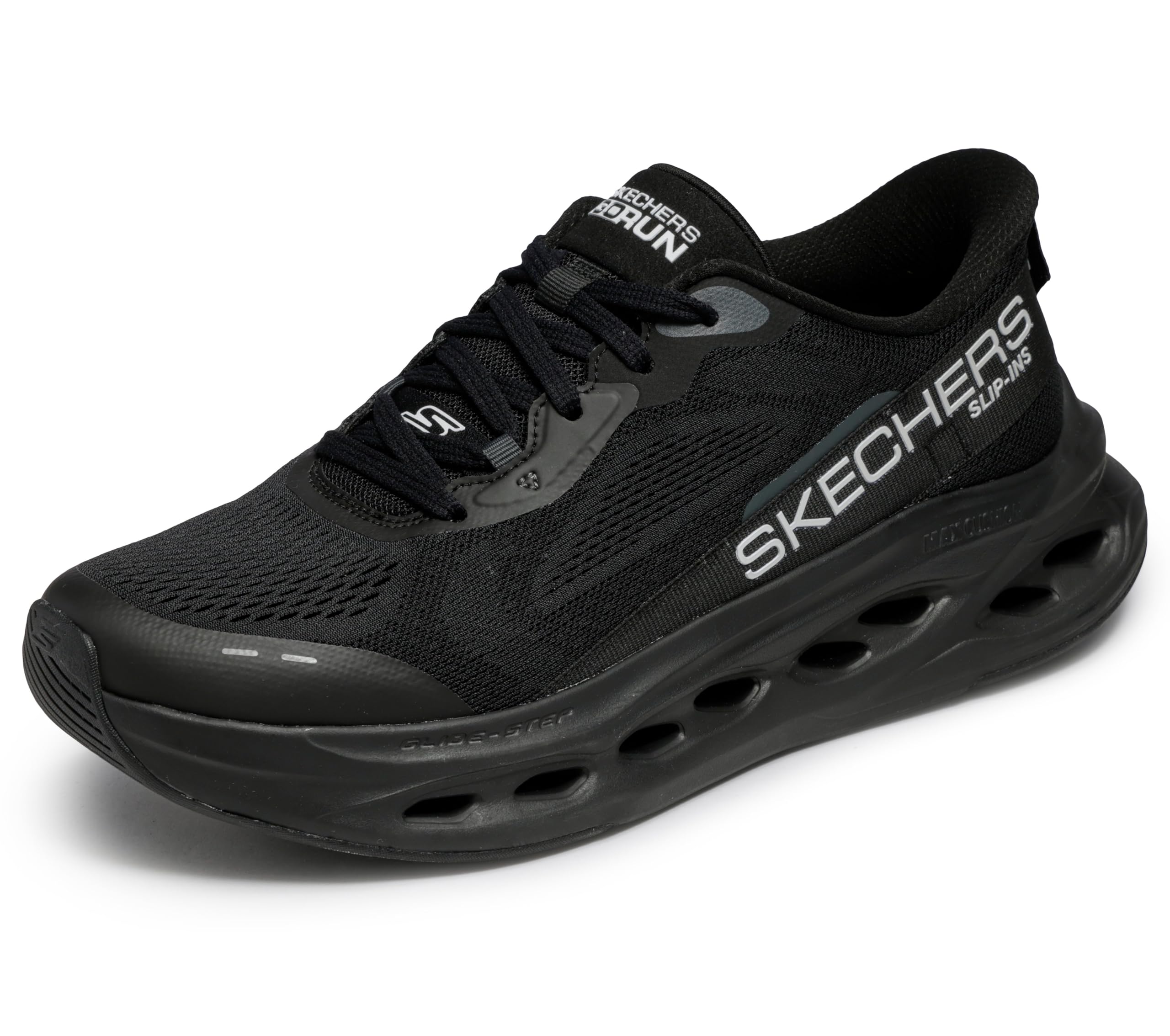
The Glide Step Slip-Ins solve a pain point no other shoe in this list addresses: the act of bending over to tie laces multiple times a day. The hands-free design uses a collapsible heel panel that expands when you step in and snaps back to lock your foot. The Max Cushioning midsole is Skechers’ thickest foam layer — users describe it as walking on clouds — and it holds up to twelve-hour shifts on hard floors without deflating.
One operating room nurse reported wearing these for twelve-hour standing shifts with no foot fatigue, crediting the combination of Glide-Step rocker geometry (which propels the foot forward) and the ultra-plush insole. The outsole uses a flexible rubber that grips hospital-grade polished concrete. Reviewers also noted the real laces (not decorative) stay tied and provide snugness adjustment despite the slip-in entry.
The trade-off is that the plush foam lacks the rigid arch support some users need for flat feet. Several customers added high-arch insoles to get the right footbed shape. The shoe is also less stable for lateral movement — ideal for standing and walking in straight lines, less suited for quick pivots or ladder climbing. For clinic, classroom, or service counter shifts, however, the convenience is unmatched.
Why it’s great
- Hands-free slip-in design eliminates daily lace tying
- Max Cushioning foam holds up during extended standing shifts
- Rocker geometry reduces walking effort over long distances
Good to know
- Foam is plush but lacks firm arch support for flat feet
- Less stable for lateral or quick pivoting movements
5. New Balance 608v5 Casual Comfort Cross Trainer

The 608v5 is built like a tank: a 100% genuine leather upper, a stability midsole with a medial post, and an outsole that one user described as surviving 20,000 steps per day for a full year before the tread separated. The leather resists liquid splashes and wipes clean — critical for kitchen, lab, or outdoor standing environments where fabric shoes would soak through. The 8mm drop sits in the Goldilocks zone for standing all day: enough lift to reduce calf pull, not so much that it forces you onto your toes.
Customer feedback consistently highlights the supportive yet soft cushion that works for normal to slightly wide feet. The shoe fits true to size and does not require a break-in period. The slip-resistant rubber outsole grips slick floors, and the padded tongue and collar prevent irritation around the ankle. After four months of daily wear, users report the shoe holds its shape with zero midsole wrinkling or upper stretching.
Where the 608v5 struggles is weight — at roughly 13 ounces per shoe, it is heavier than modern knit trainers. The leather upper also lacks breathability compared to mesh, so this is not the best choice for hot kitchens or summer warehouse shifts without ventilation. The sole unit can fail suddenly rather than gradually, with some users experiencing complete tread detachment after months of abuse.
Why it’s great
- Genuine leather upper repels liquids and cleans easily
- Stability midsole with medial post supports flat arches
- Reported to survive 20,000 steps daily for 12+ months
Good to know
- Heavier construction compared to modern knit shoes
- Leather upper lacks airflow for hot environments
6. Hoka Mach 6
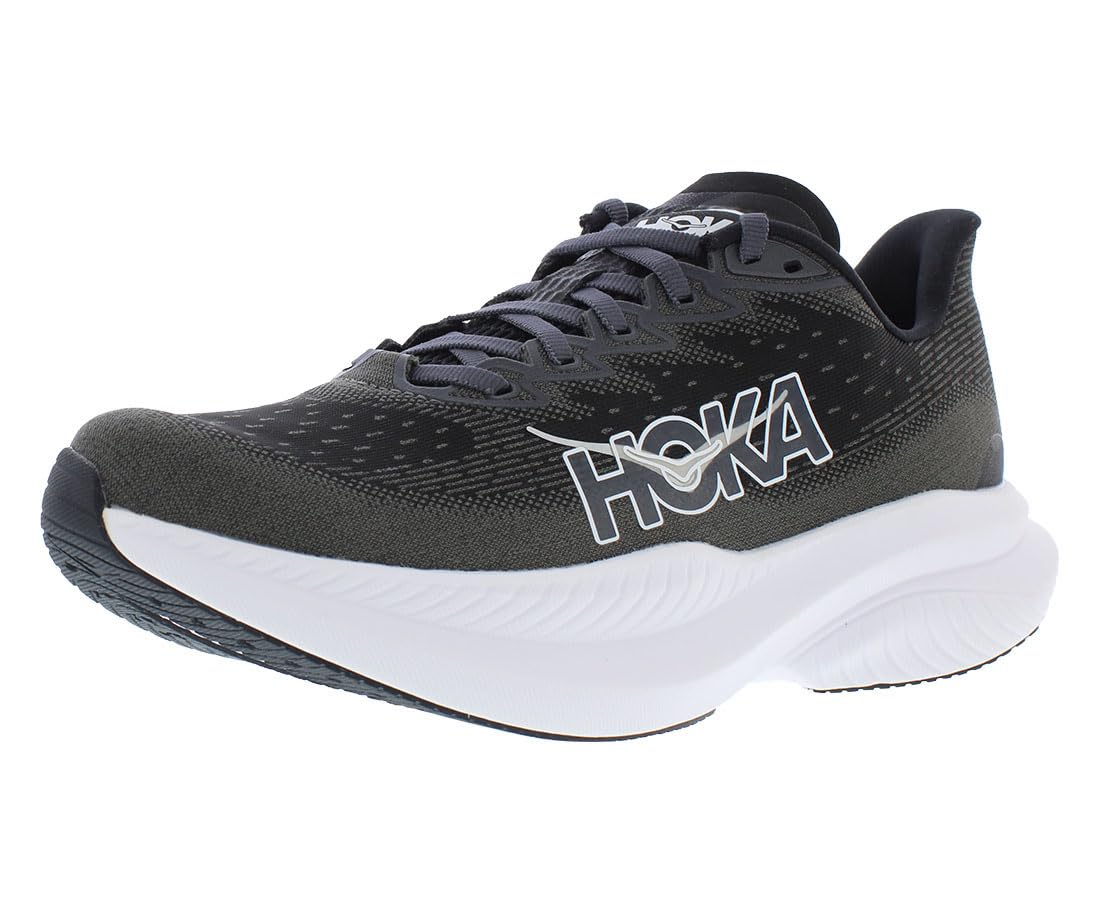
Hoka built its reputation on maximal cushion with minimal weight, and the Mach 6 continues that philosophy with a crepe rubber outsole and a forgiving midsole that softens every heel strike. At just under 8 ounces for a women’s size 7, this shoe feels barely noticeable on the foot — a massive advantage for standing workers who log miles of walking between stations. The 5mm drop places the foot in a more natural position, which strengthens the calf and arch over time.
Users with chronic heel pain — particularly pain above the heel bone — reported near-complete relief after switching to the Mach 6. The supportive heel counter and plush collar stabilize the rear foot without rubbing, and the breathable mesh upper prevents heat buildup during extended wear. Reviewers loved the look and feel immediately, noting zero break-in requirement and a true-to-size fit.
The trade-off for the low weight is reduced outsole durability. The crepe rubber is grippy on dry surfaces but wears faster than dense carbon rubber, especially on asphalt or rough concrete. The 5mm drop also demands some calf flexibility — users accustomed to a 10-12mm drop may feel initial achilles tightness during the first week. This is an excellent secondary shoe for lighter standing days or for those who already have strong foot intrinsic muscles.
Why it’s great
- Extremely lightweight body reduces foot fatigue over long shifts
- Heel counter relieves pain above the heel bone effectively
- Breathable mesh upper prevents overheating during extended wear
Good to know
- Crepe rubber outsole wears faster on rough surfaces
- 5mm drop requires adaptation from higher-drop footwear
7. ASICS Versablast 4
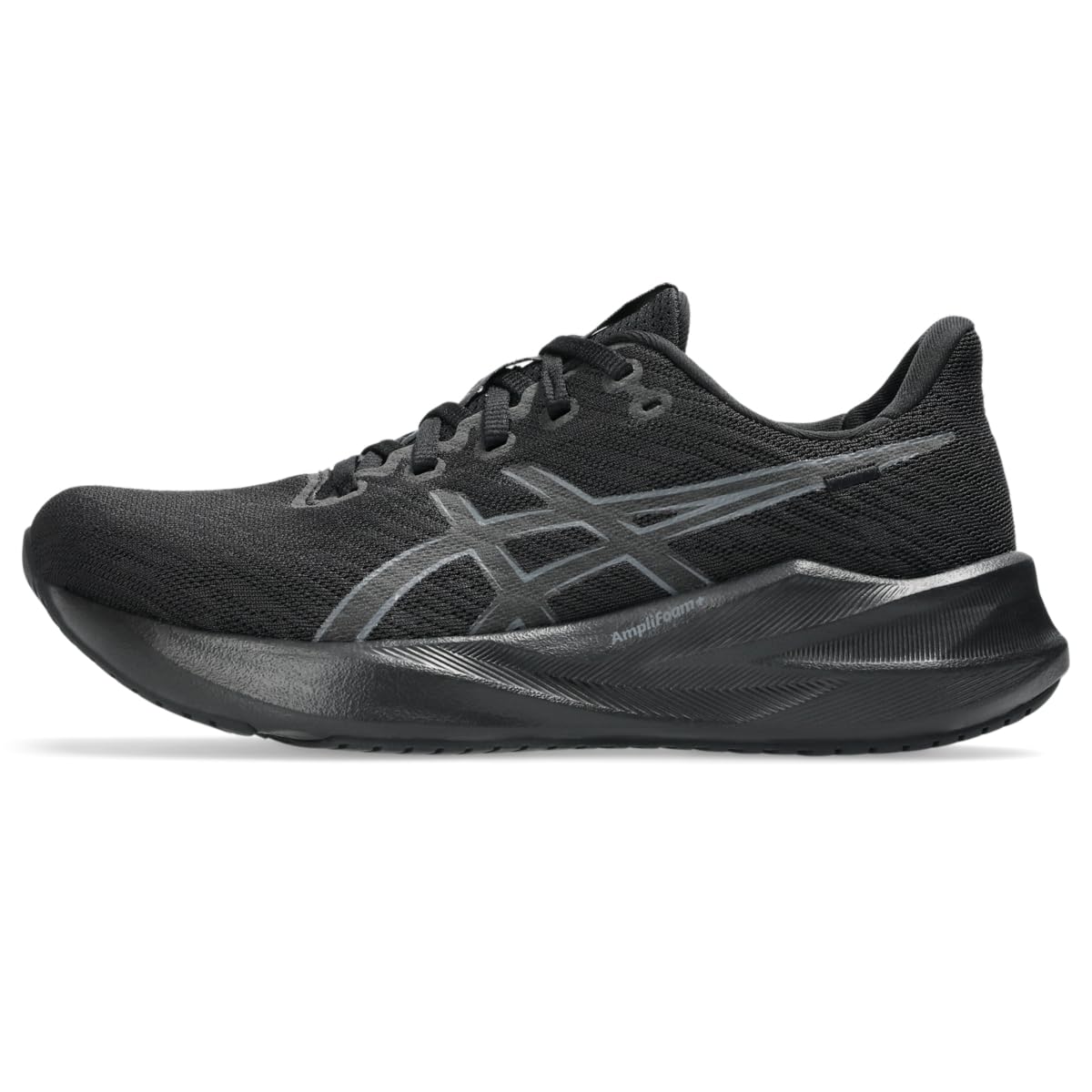
The Versablast 4 uses a scooped last design that cradles the heel and guides the foot into a natural rolling motion — a geometry borrowed from ASICS’ higher-end running lineup. The midsole offers a noticeable bounce underfoot that several reviewers described as better than On and Hoka models at a lower entry point. The mesh upper is breathable and flexible, accommodating moderate foot swelling without pressure points.
Reviewers consistently praised the cushion for high-impact activities and walking, noting the shoe’s ability to transition from gym floor to pavement without losing comfort. The true-to-size fit works for average-width feet, and the outsole rubber grips indoor surfaces reliably. One user specifically mentioned that the shoe is durable enough to be machine-washed without damage, which extends the lifespan for daily standing use where sweat and dirt accumulate.
The limitation is that the Versablast 4 lacks substantial arch support. Flat-footed users or those with diagnosed plantar fasciitis will need to add an aftermarket orthotic. The cushioning is soft — great for walking, but it compresses under static standing load faster than denser foams used in the premium models listed above. For lighter-framed users or casual standing scenarios (retail floor, classroom, light assembly), it is an outstanding value that outperforms its price tier.
Why it’s great
- Scoop last design promotes natural foot rolling motion
- Bouncy foam outperforms many premium brands at lower cost
- Machine-washable upper extends useable lifespan
Good to know
- Minimal arch support; requires aftermarket orthotic for flat feet
- Soft foam compresses faster under prolonged static standing
FAQ
How many hours should a pair of athletic shoes last for standing work?
Can I use running shoes for all-day standing at work?
What is the ideal outsole pattern for concrete and tile floors?
Final Thoughts: The Verdict
For most users, the best athletic shoes for standing winner is the New Balance 990v6 because its FuelCell foam resists compression under static load and the ENCAP stability wedge supports flat arches without sacrificing comfort. If you need targeted orthopedic relief from plantar fasciitis or heel pain, grab the Gravity Defyer Energiya. And for a lightweight, zero-lace-convenience option perfect for healthcare or service counters, nothing beats the Skechers Glide Step Slip-ins.

Mo Maruf
I created WellFizz to bridge the gap between vague wellness advice and actionable solutions. My mission is simple: to decode the research and give you practical tools you can actually use.
Beyond the data, I am a passionate traveler. I believe that stepping away from the screen to explore new environments is essential for mental clarity and physical vitality.