Our readers keep the lights on and my smoothie glass nicely filled. As an Amazon Associate, I earn from qualifying purchases.
That sharp, throbbing pain along your shinbone can turn a simple jog into a frustrating ordeal. The right pair of athletic shoes doesn’t just make you run faster—it absorbs the ground impact that triggers shin splints, allowing you to move without that familiar ache.
I’m Mohammad Maruf — the founder and writer behind WellFizz. My research into athletic footwear focuses on how midsole foam density, heel-to-toe drop, and medial support interact with the biomechanics of impact-related lower leg pain.
After analyzing hundreds of customer reviews and technical specifications, I’ve identified the models that consistently reduce tibial stress. This guide breaks down the top performers to help you find the best athletic shoes for shin splints that match your foot type and activity level.
How To Choose The Best Athletic Shoes For Shin Splints
Shin splints are an overuse injury of the tibialis anterior muscle and the connective tissue along the shinbone. Shoes that fail to absorb ground impact or correct poor foot mechanics force the lower leg to absorb stress with every stride. The right shoe reduces this strain before it becomes chronic pain.
Cushioning and Midsole Stack Height
The midsole is the primary shock absorber. Shoes with a thicker stack of plush foam — typically over 30mm in the heel — compress more under load, meaning less vibration travels up your shin. Look for proprietary foams like ASICS FlyteFoam, Brooks DNA Loft, or Saucony PWRRUN that balance softness with rebound so your foot doesn’t sink too far.
Arch Support and Stability Features
Flat feet or overpronation cause the shin muscle to work overtime to stabilize the foot. A shoe with medial posting, a guidance truss, or a wider base can correct this. If you have high arches, a neutral shoe with good arch contour in the insole is sufficient — too much stability on a rigid foot can feel uncomfortable. Examine whether the shoe offers a structured heel counter and a supported midfoot.
Heel-to-Toe Drop
The drop is the height difference between the heel and forefoot. A higher drop (10-12mm) shifts impact toward the heel and reduces strain on the Achilles and calf, which can relieve the tibialis anterior. Lower drops (4-6mm) engage the calf more and may aggravate an already irritated shin. For active shin splints, stick to the higher end of the drop range.
Quick Comparison
On smaller screens, swipe sideways to see the full table.
| Model | Category | Best For | Key Spec | Amazon |
|---|---|---|---|---|
| ASICS Superblast 2 | Premium | Versatile high-mileage runners | 45mm heel stack / 8mm drop | Amazon |
| Saucony Endorphin Shift 3 | Premium | Runners needing guided stability | 4mm drop / Speedroll rocker | Amazon |
| Brooks Glycerin Stealthfit 22 | Premium | All-day wear & long training runs | DNA Loft v3 cushioning / 10mm drop | Amazon |
| ASICS Gel-Cumulus 27 | Mid-Range | Daily training & walking | Rearfoot PureGEL / 8mm drop | Amazon |
| Ryka Devotion X Max RS | Mid-Range | Women with wide feet | Max-cushion midsole / wide toe box | Amazon |
| Skechers Max Cushioning Elite 2.0 | Budget | Plush cushion at a low entry price | Ultra Go cushion / 1.5” midsole | Amazon |
| ASICS Versablast 4 | Budget | Budget-friendly beginner runners | Scoop Lasting / minimal weight | Amazon |
In‑Depth Reviews
1. ASICS Superblast 2
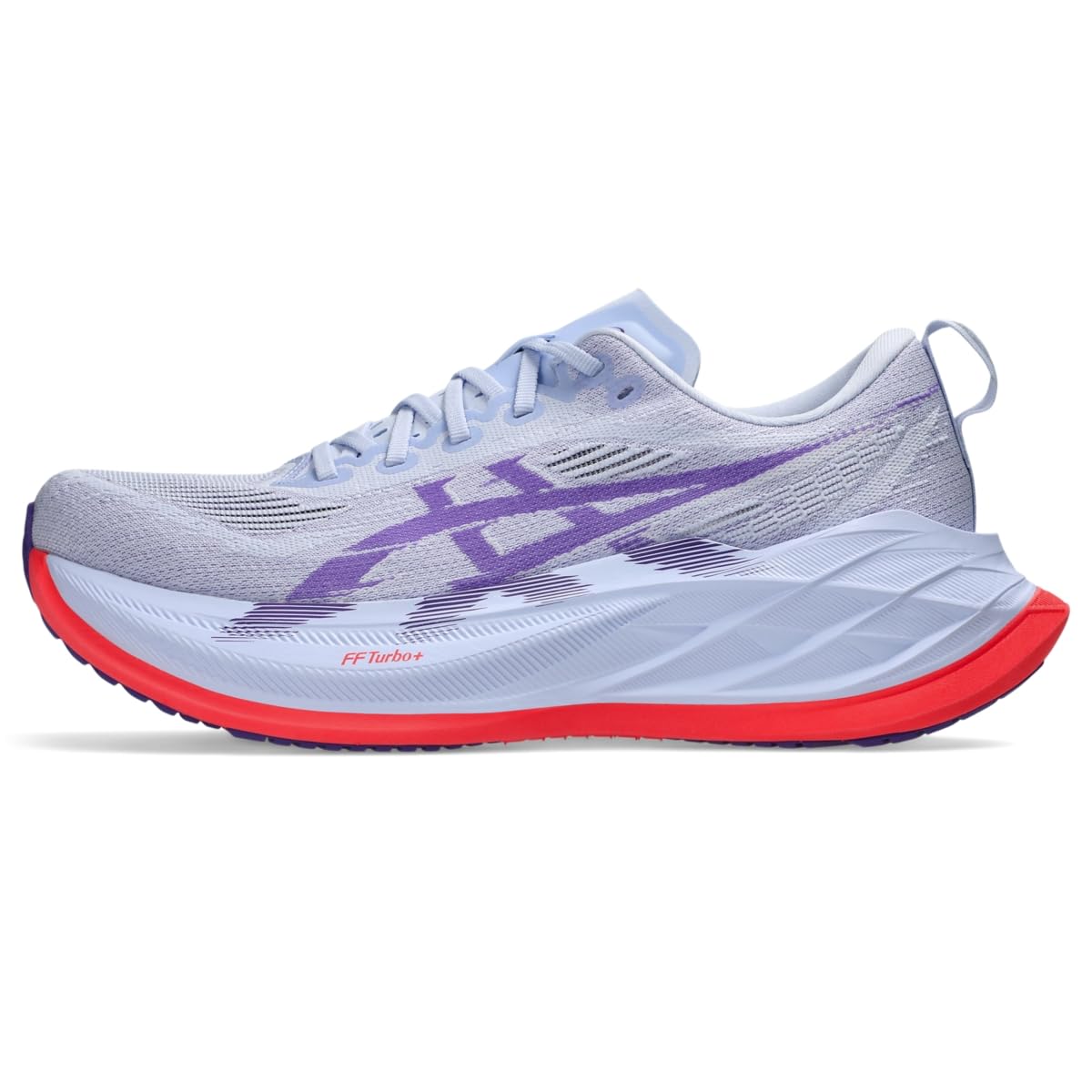
The Superblast 2 sits at the top of ASICS’s cushioning hierarchy with a massive 45mm stack height in the heel. That thick bed of FlyteFoam Turbo compresses deeply on impact, which means less shock travels up your tibia. Runners reviewing this shoe consistently mention “protects the feet on longer runs” and “combines cushioning and springiness better than some carbon-plated shoes.” The 8mm drop keeps the calf relatively relaxed, reducing the tension that can pull on the shin attachment point.
What sets this shoe apart is its ability to serve both slow recovery miles and faster-paced running without feeling mushy. The midsole provides noticeable energy return (rebound) even at a heavier runner’s weight—one reviewer at 155lbs called it the “best shoe money can buy.” The rockered sole geometry encourages a smooth heel-to-toe transition, minimizing the dorsiflexion that aggravates an inflamed anterior tibialis.
Some users with wide feet recommend sizing up half a step to accommodate the toe box. The upper is well-ventilated but not fully waterproof, so keep that in mind for wet-weather runs. At a premium price point, it’s an investment, but the dual-density foam construction gives you both protection and bounce that budget foams can’t match.
Why it’s great
- Extremely high stack height (45mm) absorbs heavy impact
- Excellent energy return protects shins without feeling dead
- Versatile for both slow long runs and faster training paces
Good to know
- Premium pricing; best for committed runners
- Narrower toe box; may need half-size up for wide feet
2. Saucony Endorphin Shift 3
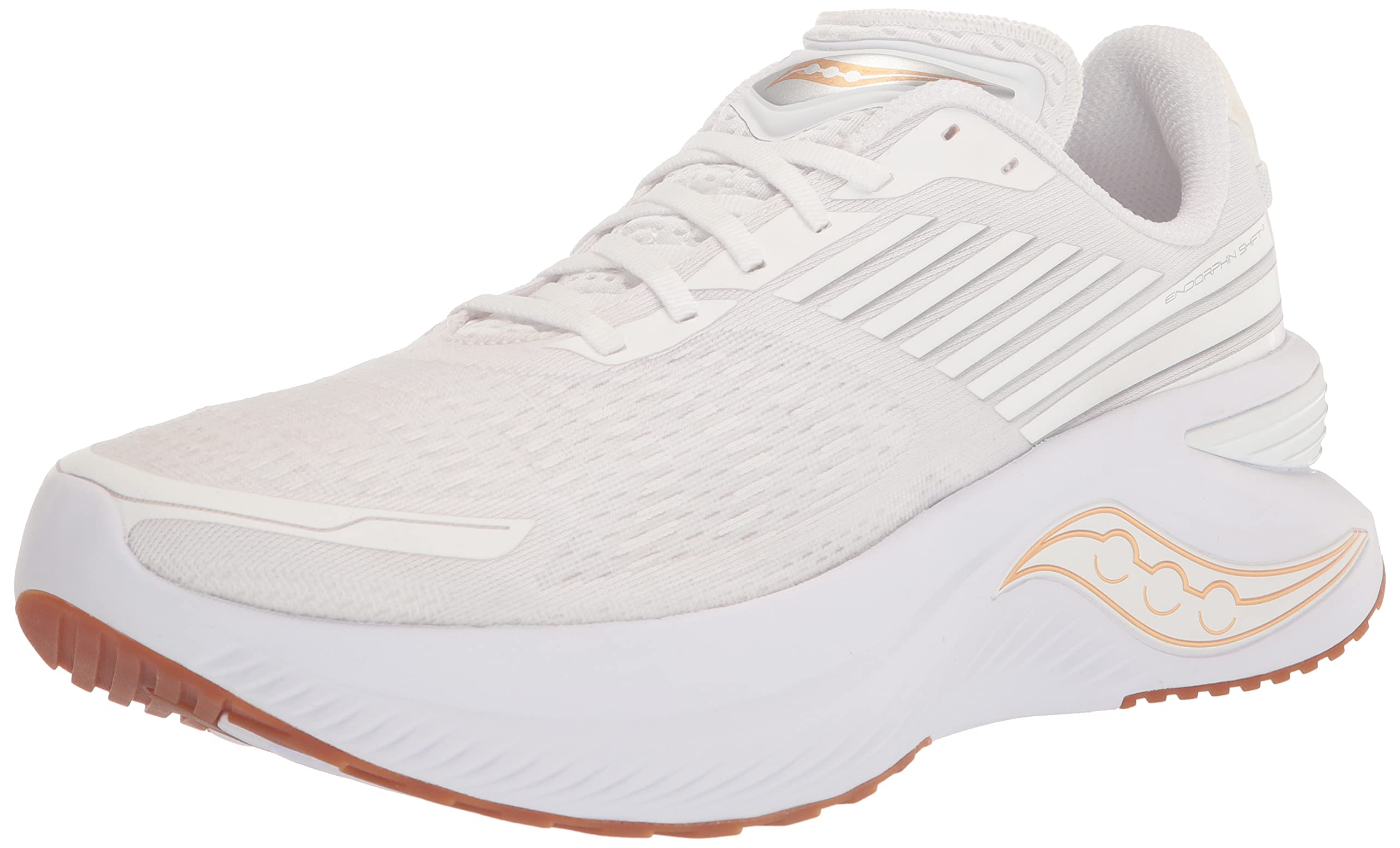
The Endorphin Shift 3 takes a unique approach to shin splint relief: instead of just adding more foam, it uses a Speedroll rocker geometry to roll you forward, reducing the amount of time your foot spends in dorsiflexion on the ground. Less dorsiflexion means less eccentric loading of the tibialis anterior, which is the primary muscle that hurts during shin splints. Reviewers with plantar fasciitis and flat feet report that this shoe “enabled faster walking and jogging” and that they no longer needed orthotics.
The midsole feels firmer than the Superblast 2, but that firmness provides a stable platform that prevents overpronation. For runners who overstride or land heavy on their heel, the rocker encourages a midfoot strike pattern that naturally reduces tibial stress. One reviewer noted the shoe fixed their “knee pain and flat feet” after just a few weeks of use.
Be aware that the 4mm drop is lower than most recommendations for shin splints. While the rocker compensates, people with tight calves may feel additional Achilles strain at first. The shoe runs slightly narrow and the tongue can slip sideways on some foot shapes. It’s best for those who already land midfoot or forefoot and need guidance rather than plushness.
Why it’s great
- Speedroll rocker reduces dorsiflexion time on ground
- Guided stability prevents overpronation
- Resolved plantar fasciitis and knee pain for many users
Good to know
- 4mm drop may feel low for heel-strikers
- Tongue can slip; may require different lacing
3. Brooks Glycerin Stealthfit 22
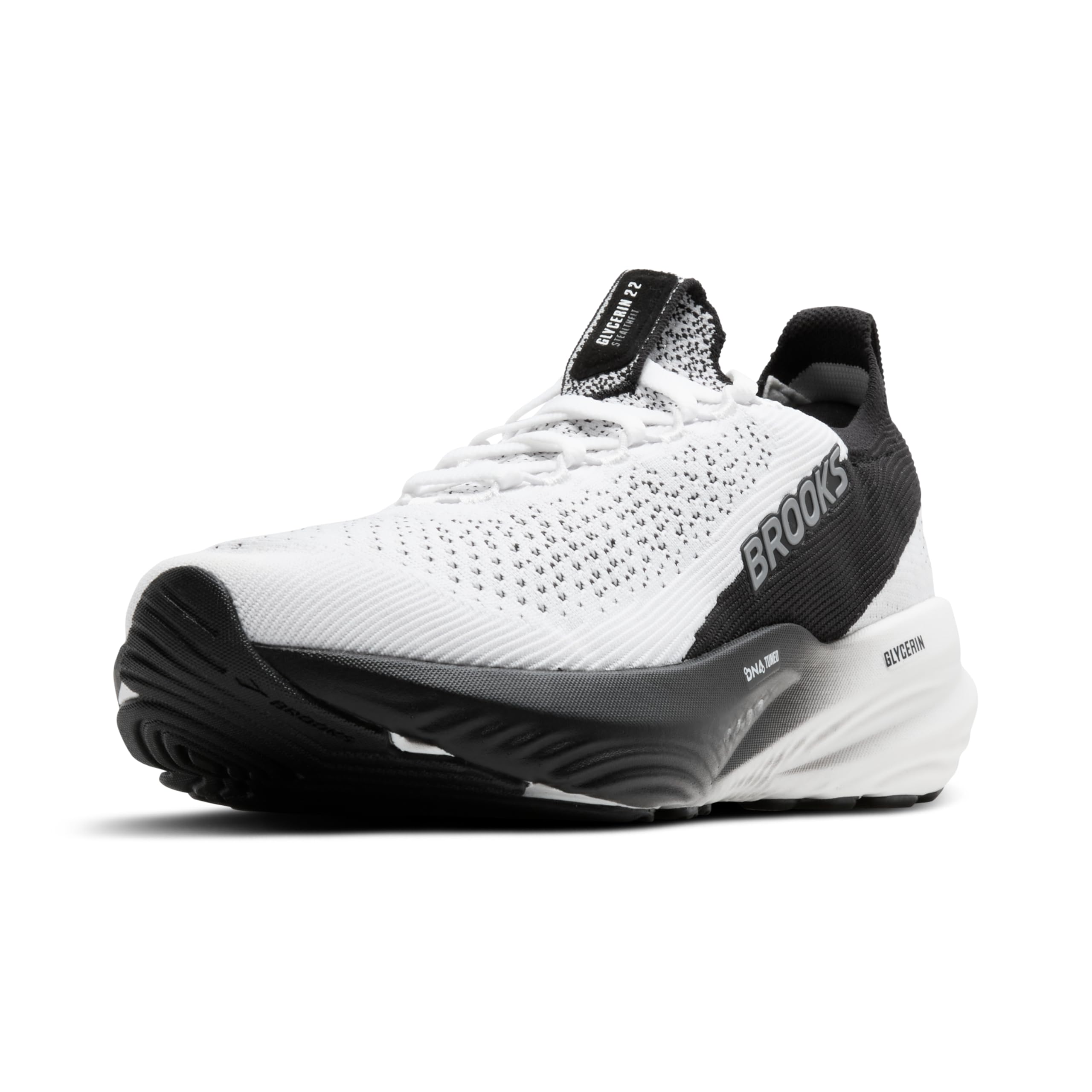
The Glycerin line is Brooks’s most cushioned model, and version 22 introduces DNA Loft v3, a nitrogen-infused foam that is lighter, softer, and more resilient than its predecessor. The heel pad area is noticeably thick (the 10mm drop is ideal for shin splint mitigation) and the Stealthfit construction uses a stretchy knit collar that locks the heel down without pressure points. Multiple reviewers who stand on their feet all day—custodians, nurses—say these are the best shoes they’ve ever worn for foot fatigue.
The Stealthfit upper wraps like a sock, which eliminates tongue slippage and creates a secure midfoot hold. This is important for shin splints because any slipping inside the shoe causes the foot to grip harder, firing the tibialis anterior more aggressively. The outsole has enough grip for treadmill gym floors and asphalt, but not for technical trails.
Some users with normal-width feet found the toe box slightly snug; if you have wider feet, consider the Glycerin GTS 22 (the stability version) or go half-size up. The shoe is also on the heavier side compared to the Superblast 2, so speed work may feel less snappy. But for daily miles and all-day walking comfort, this is a top-tier pick.
Why it’s great
- Nitrogen-infused DNA Loft v3 absorbs shock on every stride
- 10mm drop reduces calf and shin tension
- Snug Stealthfit upper eliminates heel slip
Good to know
- Heavier than some competitors for speed work
- Toe box may be snug for wide feet
4. ASICS Gel-Cumulus 27
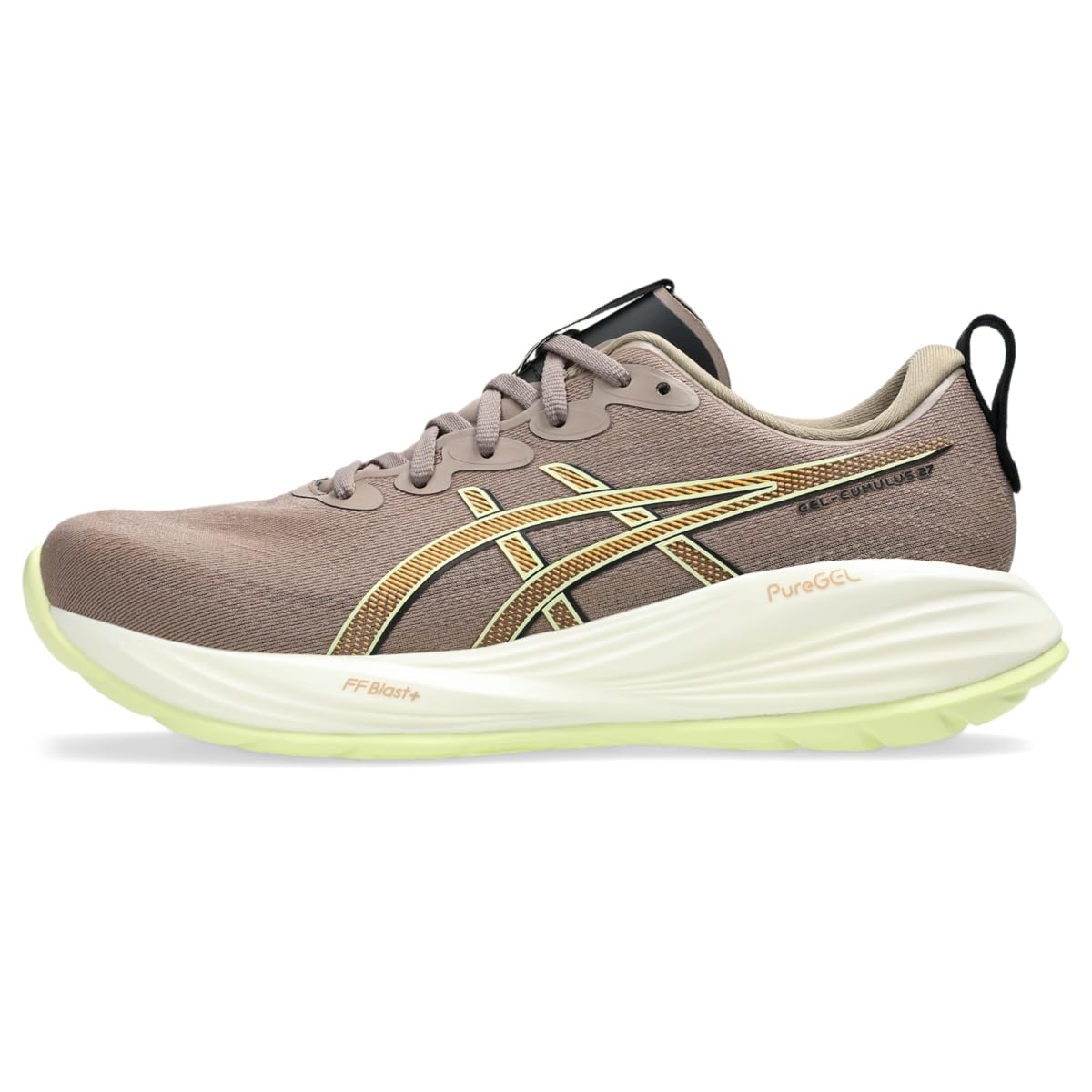
The Gel-Cumulus 27 sits squarely between the budget Versablast and the premium Superblast 2 in the ASICS lineup, offering serious shin-saving technology without the flagship price. The shoe uses Rearfoot PureGEL—a softer, more deformable gel insert embedded in the heel—to dissipate impact forces before they reach the tibia. Reviewers note it “eliminated foot pain” and that the cushioning feels excellent for daily training and long runs.
FlyteFoam LITE technology provides a light, responsive ride that doesn’t pack down over time. The 8mm drop is a sweet spot for shin splints: high enough to offload the calf, low enough to maintain a natural gait. The toe box is slightly wider than the Superblast, which prevents toe mashing and allows better blood flow to the feet—helpful for reducing cramping in the lower leg.
One minor complaint from the reviews is that the heel grip could be stronger—some users felt a slight slip if they didn’t lace tightly. The shoe is also not designed for trail running; the outsole is smooth-road oriented. But for daily pavement pounding and gym sessions, the Cumulus 27 delivers reliable impact protection.
Why it’s great
- Rearfoot PureGEL absorbs heel strike shock
- Balanced 8mm drop for shin relief and natural gait
- Spacious toe box allows foot splay
Good to know
- Heel grip could be more secure
- Road-only outsole; not for trails
5. Ryka Devotion X Max RS
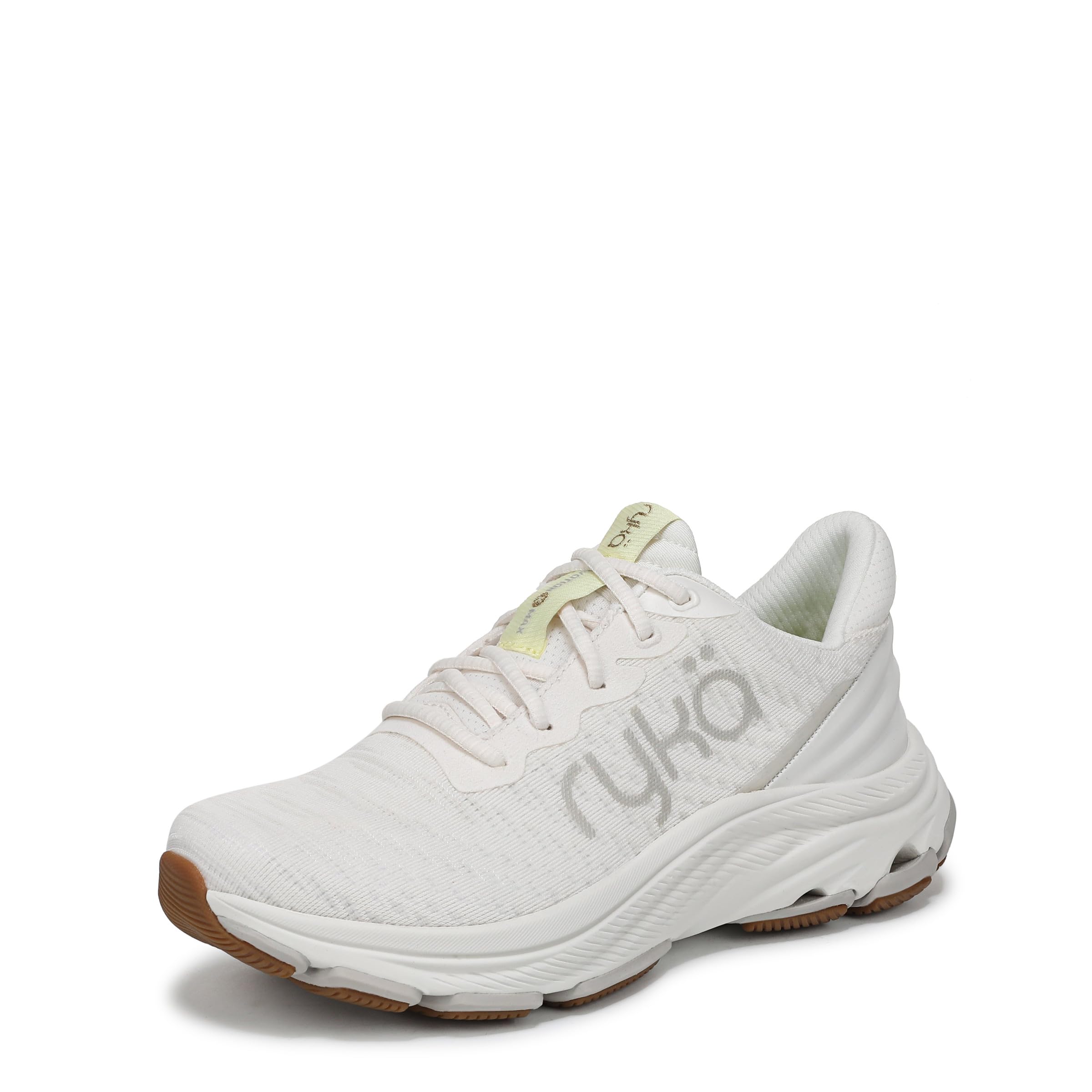
The Devotion X Max RS is purpose-built by Ryka, a brand that designs athletic shoes specifically for women’s foot anatomy—narrower heel, wider forefoot, higher instep. This anatomical precision matters for shin splints because a shoe that fits the female foot shape eliminates micro-slippage that causes the foot to grip and overwork the shin muscles. One reviewer wrote they “ran for the first time in a long time without any leg and foot pain.” Another called it “more cushiony than my Hoka Bondi 9s.”
The max-cushion midsole is thick yet lightweight, and the shoe comes with a removable insole that allows you to insert custom orthotics if needed. The wide toe box is legitimately wide (unlike some Nike or Saucony models that taper), and it accommodates swollen feet after long walks. The outsole offers non-slip traction, making it a safe choice for power walking on wet surfaces.
A few buyers with narrow feet found the toe box too voluminous, causing puckering when tied tightly. If you have a narrow foot, you may need to size down half. The arch support is more aggressive than many neutral shoes, so those with high arches should test them first. But for medium-to-wide feet with flat arches, this shoe is a remarkable value.
Why it’s great
- Women-specific anatomical fit reduces foot slip
- Max cushion rivals premium brands at lower cost
- Removable insole for custom orthotics
Good to know
- Toe box may be too wide for narrow feet
- Arch support is aggressive for high arches
6. Skechers Max Cushioning Elite 2.0

Skechers has been quietly improving its running-specific cushioning, and the Max Cushioning Elite 2.0 is a strong example. The Ultra Go midsole is thick enough to absorb a significant amount of ground shock, and the copper-infused footbed lining adds a layer of moisture management and antimicrobial protection. One reviewer wrote she “felt like a cloud” and that the shoes “gave me no pain like my others did.”
The softness of the foam means the shoe does not offer much stability—if you overpronate heavily, this might feel unstable. However, for neutral runners whose shin splints stem from impact alone (rather than poor foot mechanics), the plush foam provides a forgiving landing that reduces tibial stress. The outsole has a rocker-like shape that aids the gait cycle, making walking feel effortless.
Several buyers noted the insoles are removable and have replaced them with arch-supporting orthotics, which improved the shoe’s performance for their flat feet. The upper is breathable and lightweight, but the thin rubber outsole may wear faster than competitors. For the price, it’s a solid entry point for someone whose shin pain is triggered by hard pavement.
Why it’s great
- Plush Ultra Go foam absorbs hard impact
- Breathable, light upper reduces foot fatigue
- Removable insole for custom orthotics
Good to know
- Minimal stability for heavy overpronators
- Thin outsole may wear faster on rough roads
7. ASICS Versablast 4
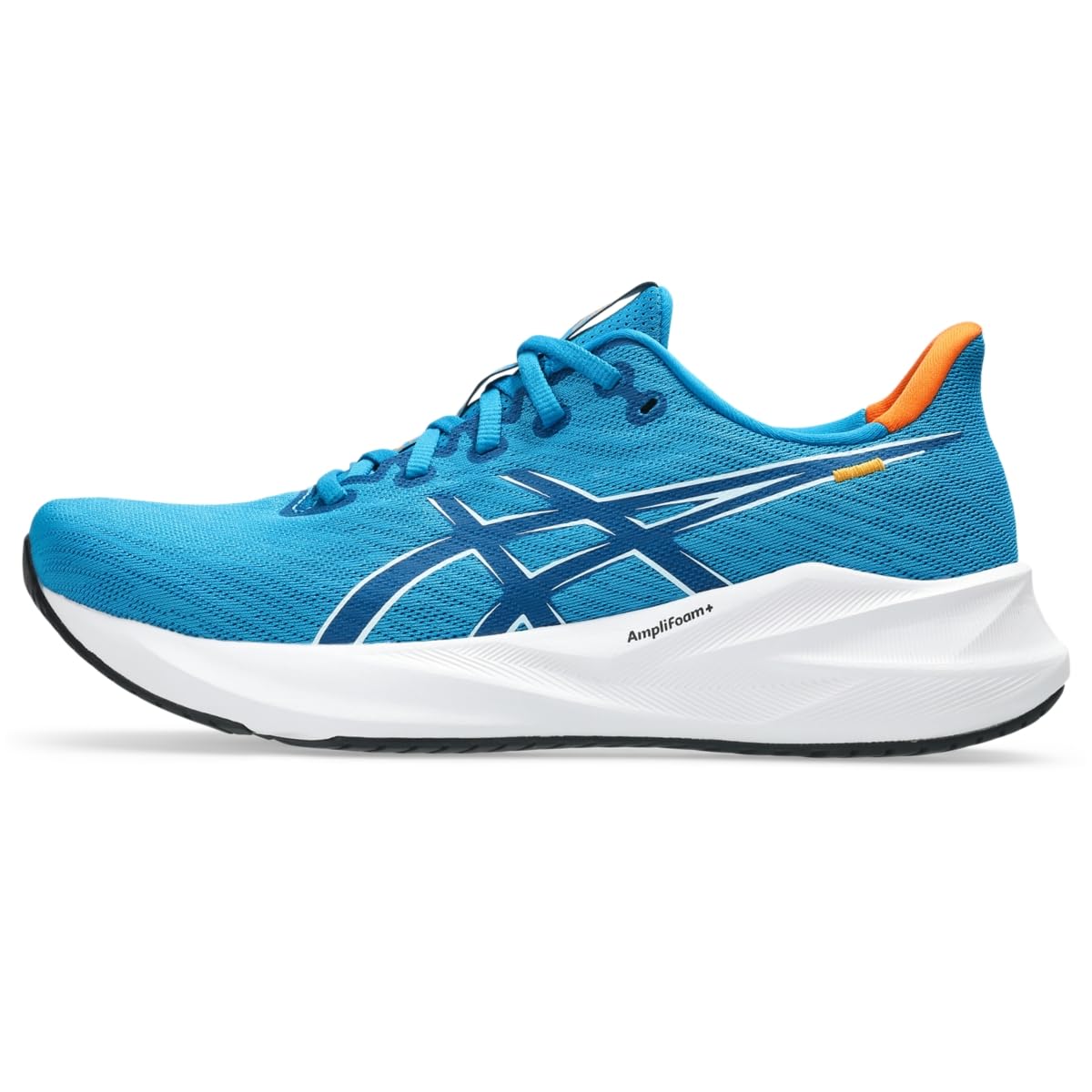
The Versablast 4 is ASICS’s entry-level neutral trainer, and it’s a great proof of concept for buyers who aren’t sure if they need premium cushioning. The Scoop Lasting technology creates a smooth heel-to-toe transition that reduces the ankle’s sudden plantarflexion at toe-off, which in turn lowers the eccentric load on the shin. Reviewers consistently mention “good arch support,” “lightweight,” and “comfortable for all-day wear.”
The midsole uses a less expensive foam than the Cumulus or Superblast, so it won’t have the same long-term rebound. But at this price, it still delivers a neutral platform with decent shock absorption for beginners who are running short distances or walking. The shoe fits true to size and accommodates wider feet well, according to a reviewer who said “Asics are best for wider feet.”
The trade-off is longevity: the outsole rubber is thin and the foam may compress faster under heavier runners. Some users noted the arch support is present but not aggressive—adequate for mild overpronation but not corrective. For someone just starting a running routine or looking for a casual walking shoe to ease shin pain, the Versablast 4 offers the lowest barrier to entry.
Why it’s great
- Affordable neutral platform for beginner runners
- Scoop Lasting promotes smooth transitions
- True-to-size fit works for wider feet
Good to know
- Foam and outsole may wear faster than premium models
- Arch support is mild—not corrective
FAQ
What is the ideal heel-to-toe drop for shin splints?
Can stability shoes help with shin splints if I have flat feet?
Should I use custom insoles inside my athletic shoes for shin splints?
Final Thoughts: The Verdict
For most users, the athletic shoes for shin splints winner is the ASICS Superblast 2 because its 45mm stack height and energetic midsole foam provide the highest impact protection without sacrificing responsiveness. If you want a rockered stability platform that corrects overpronation, grab the Saucony Endorphin Shift 3. And for all-day walking comfort with a perfect 10mm drop and proven durability, nothing beats the Brooks Glycerin Stealthfit 22.

Mo Maruf
I created WellFizz to bridge the gap between vague wellness advice and actionable solutions. My mission is simple: to decode the research and give you practical tools you can actually use.
Beyond the data, I am a passionate traveler. I believe that stepping away from the screen to explore new environments is essential for mental clarity and physical vitality.