Our readers keep the lights on and my smoothie glass nicely filled. As an Amazon Associate, I earn from qualifying purchases.
That first step out of bed in the morning shouldn’t feel like a needle stabbing your heel. For millions of women, plantar fasciitis turns a simple walk into a painful negotiation, and the wrong athletic shoe can make the inflammation worse rather than better. The right shoe, however, provides targeted arch support and strategic cushioning that absorbs shock exactly where the plantar fascia attaches to the heel bone, reducing strain with every stride.
I’m Mohammad Maruf — the founder and writer behind WellFizz. I’ve spent years analyzing biomechanical data, outsole geometry, and midsole foam compositions to understand exactly how footwear design either aggravates or alleviates chronic foot pain.
This guide breaks down seven models that have earned real-world trust from women managing this condition, so you can confidently find the best athletic shoes for plantar fasciitis women need to stay active without the sting.
How To Choose The Best Athletic Shoes For Plantar Fasciitis Women
Not every cushioned shoe is built for this condition. Plantar fasciitis demands specific engineering — a shoe that holds the arch at a neutral angle while dispersing heel-strike impact. Three factors separate the good from the ineffective.
Arch Support Stiffness vs. Cushion Softness
Many women assume that a plusher midsole equals better relief. That’s a common mistake. If the foam is too soft, the arch collapses under weight, pulling on the fascia. What you need is a firm medial post or a structured arch shank that resists compression. Look for shoes with a visible arch contour or a removable insole that accommodates a custom orthotic — that’s a sign the shoe was designed with foot health in mind, not just step count.
Heel-to-Toe Drop and the Fascia Stretch
The drop — the height difference between the heel and forefoot — directly influences how much the plantar fascia stretches during push-off. A higher drop (10-12mm) offloads the Achilles tendon, which in turn reduces tension on the fascia. Zero-drop shoes like the ALTRA Torin 8 can work if your feet are accustomed to minimalist geometry, but for most women with active plantar fasciitis, a moderate drop of 8-10mm provides a safer balance between natural gait and pain reduction.
Toe Box Width and Heel Lock
A shoe that pinches your toes forces you to grip with your foot muscles, creating strain all the way up the kinetic chain. A spacious toe box lets the metatarsals splay naturally, while a snug heel counter prevents the foot from sliding forward — which would jam the toes and pull on the fascia. The ideal combination is a wide forefoot with a secure heel lock, a geometry that brands like Altra and Hoka have engineered explicitly for this reason.
Quick Comparison
On smaller screens, swipe sideways to see the full table.
| Model | Category | Best For | Key Spec | Amazon |
|---|---|---|---|---|
| ALTRA Torin 8 | Road Running | Wide toes & zero-drop | Zero drop, 28mm stack | Amazon |
| Hoka Gaviota 5 | Stability Running | Overpronation & max cushion | J-Frame support, 6mm drop | Amazon |
| ASICS Gel-Cumulus 27 | Neutral Running | High arches & heel comfort | PureGEL insert, 8mm drop | Amazon |
| Brooks Trace 4 | Neutral Running | All-day standing & walks | DNA Loft foam, 10mm drop | Amazon |
| On Cloudgo | Everyday Wear | Lightweight daily walking | CloudTec pod system | Amazon |
| Skechers Arch Fit Arcade | Walking/Casual | Hands-free slip-on ease | Podiatrist-designed arch | Amazon |
| Skechers Go Walk Arch Fit 2.0 | Walking/Casual | All-day comfort & value | Arch Fit insole, slip-in | Amazon |
In‑Depth Reviews
1. ALTRA Women’s Torin 8 Road Running Shoe
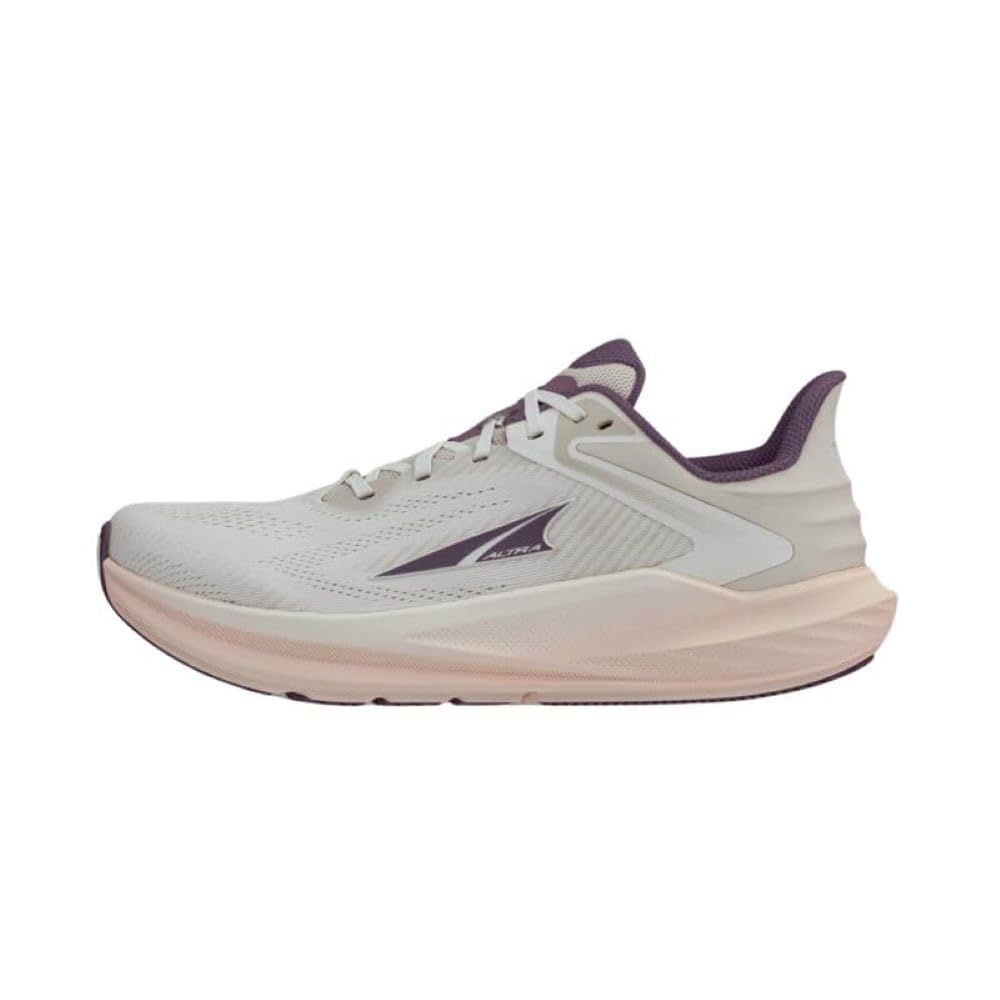
The ALTRA Torin 8 is the rare shoe that treats the foot’s natural anatomy as a feature, not an afterthought. Its signature FootShape toe box allows the metatarsals to spread fully during push-off, which reduces clawing and the resulting tension on the plantar fascia. The zero-drop platform — a 0mm height difference between heel and forefoot — encourages a midfoot strike that bypasses the heel-strike impact many women find painful. At 28mm of stack height, the EVA-based midsole offers enough compression to absorb road shock while remaining firm enough to prevent arch collapse, a balance most shoes in this category struggle to achieve.
Physical therapists frequently recommend this model for women transitioning from conventional running shoes because the wide forefoot naturally stabilizes the gait without forcing the foot into a rigid correctional frame. The heel counter is snug but not constrictive, locking the rearfoot in place so the fascia isn’t tugged by excessive lateral motion. Reviewers with Morton’s neuroma and bilateral foot pain consistently mention that the Cinderella-like fit eliminated the need for a break-in period, which is a strong indicator that the architectural geometry is correct from the first mile.
Durability holds up well over three months of daily wear, with minimal outsole wear reported. The trade-off is that the zero-drop design can feel unfamiliar if you’re accustomed to a raised heel — expect a short adjustment period of a few days as your calves and Achilles adapt. For women who prioritize natural foot mechanics over plush heel cushioning, this shoe delivers the most medically sound relief on this list.
Why it’s great
- Anatomically wide toe box eliminates toe-cramping and reduces fascial strain
- Zero-drop platform encourages natural midfoot strike, reducing heel impact
- Firm EVA midsole prevents arch collapse while offering 28mm of shock absorption
Good to know
- Zero-drop design requires a short adaptation period for those used to elevated heels
- Less arch support than stability-oriented shoes; best with optional orthotic inserts
2. Hoka ONE ONE Womens Gaviota 5

Hoka’s Gaviota 5 is the stability-maximizing counterpoint to the neutral Torin 8, engineered specifically for women whose plantar fasciitis is compounded by overpronation. The key technology is the J-Frame — a firmer density foam that wraps from the medial arch around the heel, creating a cradle that resists inward rolling without feeling like a rigid orthotic. The stack height is generous, typical of Hoka’s max-cushion philosophy, but the foam is tuned to be supportive rather than marshmallowy, so the arch stays elevated under load.
Multiple reviewers with hypermobility and Ehlers-Danlos syndrome noted that the Gaviota 5 ran slightly wide and large, which actually worked in their favor — they could size down half a step for a locked-in heel fit while still enjoying room in the forefoot. The 6mm drop is lower than traditional stability shoes, which helps maintain a more natural gait cycle while still offloading some heel tension. Users consistently describe this as the most comfortable shoe they’ve owned for all-day wear, from walking to light jogging, with machine-washable construction that extends its lifespan through sweaty seasons.
The main consideration here is the premium price tier, which reflects the advanced dual-density foam engineering and the brand’s reputation for high-mileage durability. If you need motion control to prevent pronation from aggravating your plantar fasciitis, the Gaviota 5 justifies its cost with structural support that budget shoes simply cannot replicate.
Why it’s great
- J-Frame support cradles the foot to prevent overpronation without stiffness
- Generous cushion absorbs heel strike forces effectively for long walks or runs
- Runs slightly wide, accommodating custom orthotics or swollen feet comfortably
Good to know
- Premium build cost places it at the higher end of the category
- Some users may need additional arch support if they have hypermobile joints
3. ASICS Women’s Gel-Cumulus 27 Running Shoes
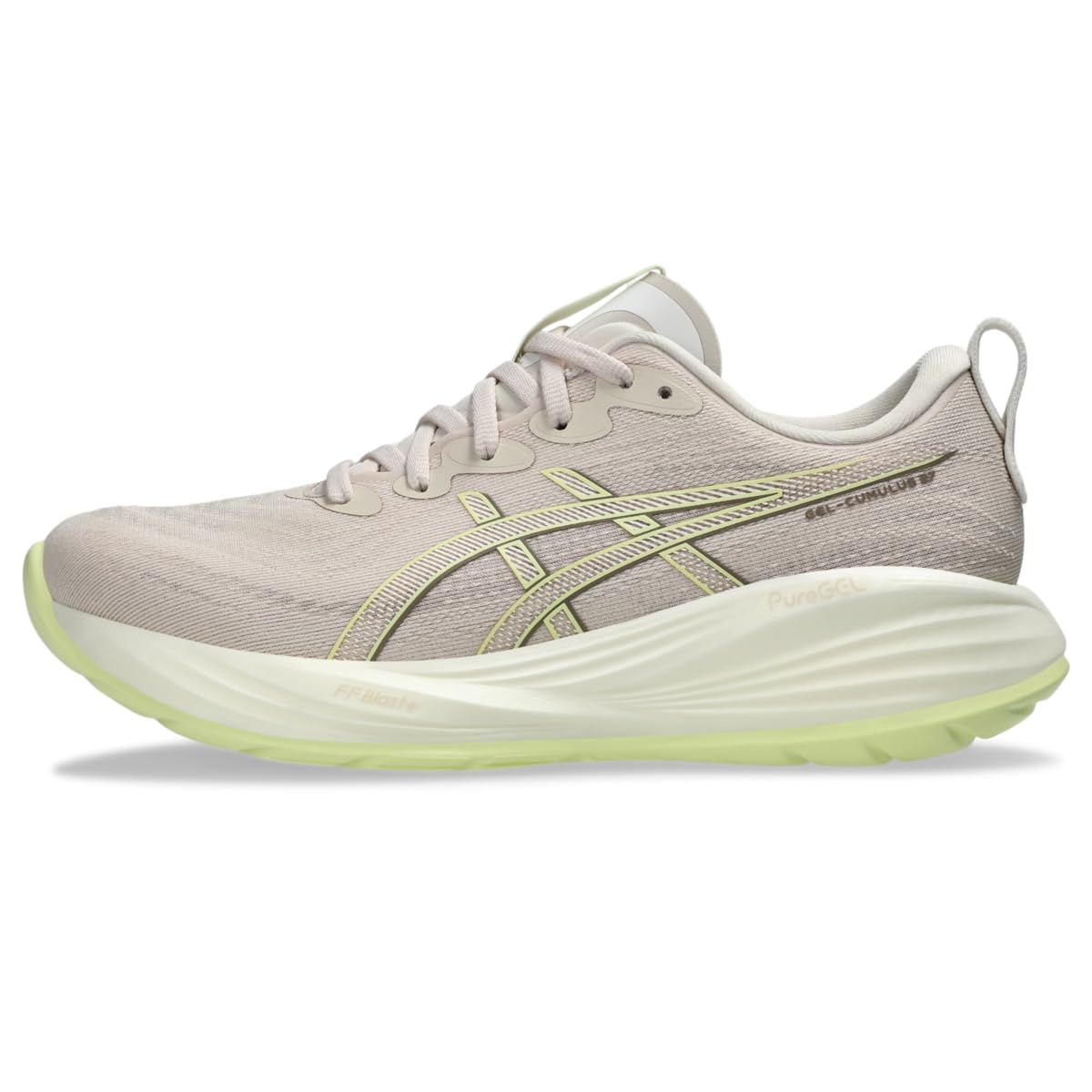
ASICS has refined the Gel-Cumulus series over 27 iterations, and the latest version brings PureGEL — a softer, more pliable silicone-based insert embedded in the rearfoot that deforms under impact to scatter ground reaction forces away from the heel. For women whose plantar fasciitis pain is concentrated at the calcaneal attachment, this targeted damping makes a measurable difference during heel-strike. The 8mm drop keeps the Achilles at a moderate angle, reducing fascial tension without forcing a full forefoot landing.
The upper features a relatively narrow heel cup that reviewers with slim heels praised for eliminating slippage, while the forefoot allows enough width for natural toe splay. However, several runners noted that the toe box is slightly tight for long distances, so if you have a wider forefoot or Morton’s neuroma, you may want to size up by half. The midsole uses FlyteFoam technology, which strikes a good balance between responsiveness and softness — it’s not as plush as Hoka, but it provides enough feedback for tempo runs and gym sessions.
A standout detail is the outsole durability: the AHAR rubber compound holds up well over hundreds of miles, making this a smart long-term investment for women who walk or run frequently. The neutral platform works best for those with high arches who don’t need motion correction, but users with flat feet should pair it with a supportive insole for optimal results.
Why it’s great
- PureGEL rearfoot insert provides focused impact absorption at the heel
- 8mm drop effectively reduces fascial tension during walking and running
- Durable AHAR outsole maintains grip and structure over extended mileage
Good to know
- Toe box runs slightly narrow for some foot shapes; consider half-size up
- Neutral platform lacks built-in pronation control for overpronators
4. Brooks Women’s Trace 4 Neutral Running Shoe
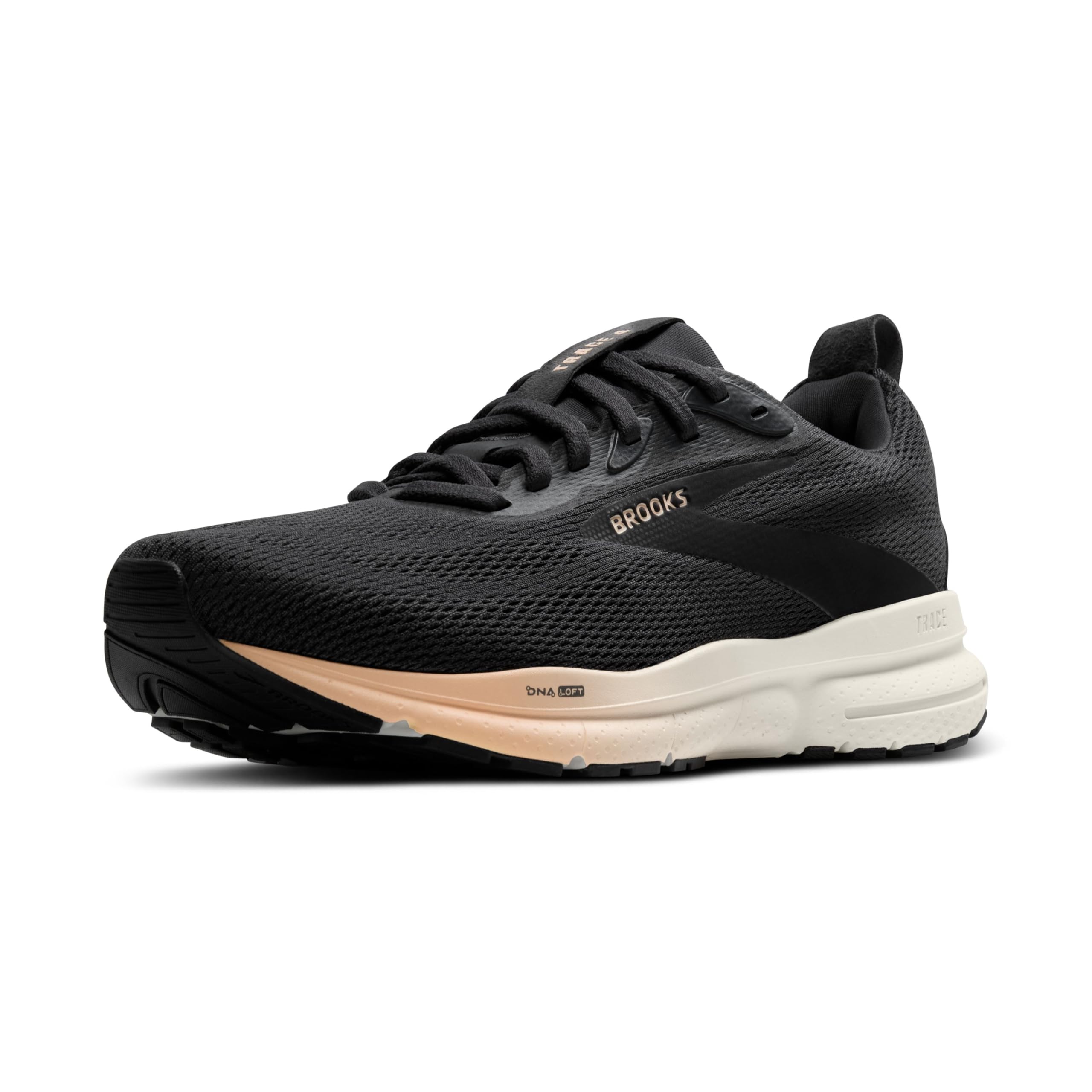
Brooks positions the Trace 4 as the accessible entry point to its performance lineup, but that classification undersells its efficacy for plantar fasciitis. The DNA Loft foam midsole uses a blend of EVA and rubber that delivers a soft yet responsive ride, and the 10mm drop — the highest on this list — actively lifts the heel to reduce tension on the fascia during the gait cycle. This geometric choice makes the Trace 4 an excellent option for women who stand for 8-9 hours a day, as the elevated heel shifts weight forward and takes pressure off the heel spur attachment point.
Reviewers consistently describe the fit as accurate to size with a roomy toe box, similar to the Brooks Ghost 16 but at a lower price tier. The engineered mesh upper is breathable and flexible, accommodating slight foot swelling during long shifts without creating pressure points. The outsole uses Green Rubber, a carbon-infused compound that provides reliable traction on pavement and gym floors while being more environmentally sustainable than standard rubber.
The principal difference between the Trace 4 and premium Brooks models like the Glycerin is the absence of a plush Ortholite sockliner — the stock insole is adequate but thin. If you require maximum arch support, swapping in a dedicated orthotic will substantially improve the relief. For women seeking a cost-effective neutral shoe with a proven drop profile for fascia relief, this model delivers where it matters most.
Why it’s great
- 10mm drop actively reduces plantar fascia tension during heel-strike and standing
- DNA Loft foam balances softness and responsiveness for all-day comfort
- Roomy toe box and flexible mesh accommodate foot swelling and orthotic inserts
Good to know
- Stock insole is thin; serious arch support may require aftermarket orthotics
- Neutral build lacks lateral stability features for overpronators
5. On Women’s Cloudgo Sneakers
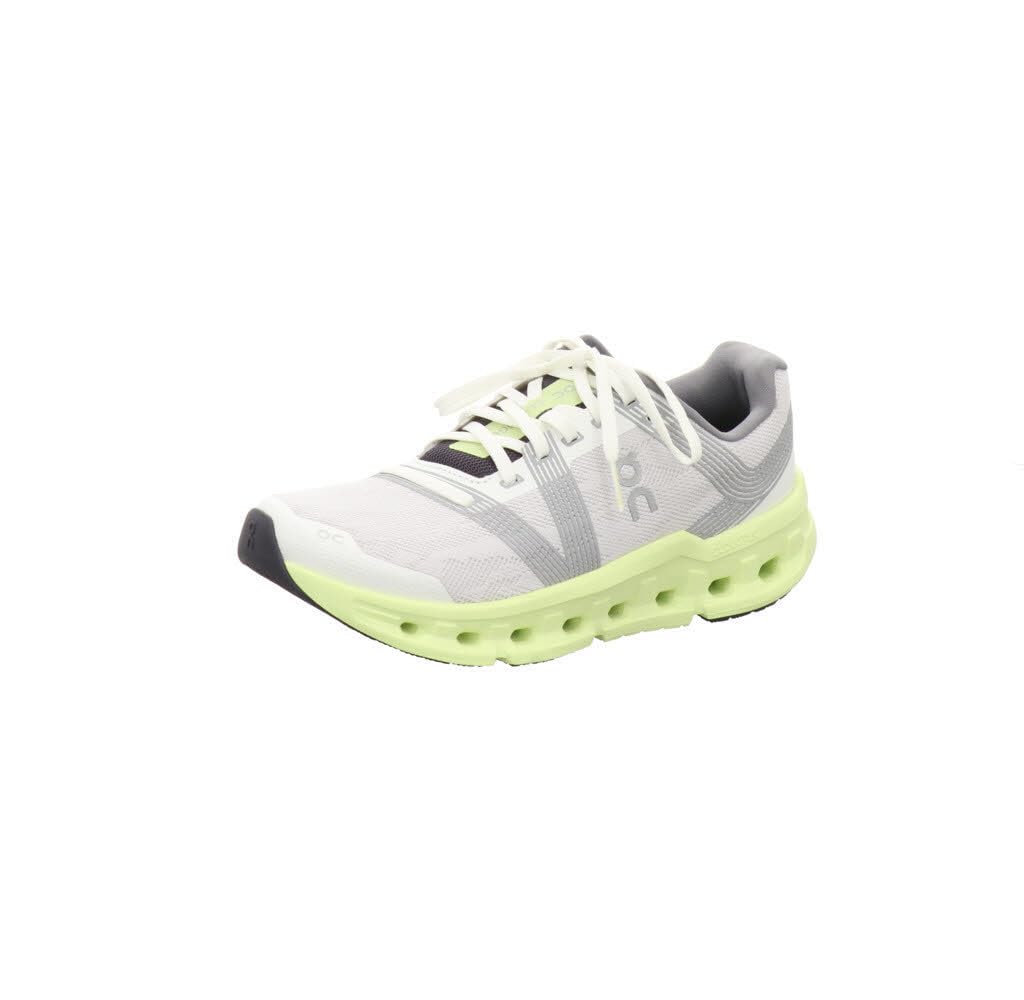
The On Cloudgo takes a different approach to plantar fasciitis management — rather than building a high-volume stability shoe, it focuses on lightweight flexibility and a proprietary CloudTec pod system that compresses vertically under impact to soften the landing. This makes it ideal for women who want a versatile sneaker for walking, errands, and casual wear without the bulk of a max-cushion trainer. The upper is a soft, stretch-knit material that conforms to the foot, and the slip-on design with a heel tab eliminates the bending and tugging that can irritate heel pain first thing in the morning.
Feedback from users with diagnosed plantar fasciitis indicates that the Cloudgo effectively reduces pain during daily walking, though it’s less suited for high-impact running due to the lower stack height compared to models like the Gaviota. The shoe runs about half a size short in length, so ordering up is recommended to avoid the toes hitting the front of the mesh, which could accelerate wear. The curved sole encourages a rolling gait transition that naturally offloads the heel during the push-off phase.
The main compromise is the arch support — the Cloudgo provides moderate but not aggressive arch contour, and some users found it less foot-forming than the CloudRunner. If your plantar fasciitis is mild to moderate and you prioritize a lightweight, breathable shoe for non-running activity, this is a strong candidate. For severe cases requiring rigid arch posts, consider pairing it with a slim orthotic insert.
Why it’s great
- CloudTec pod system compresses vertically to reduce heel-strike impact
- Ultralight stretch-knit upper and slip-on design minimize foot fatigue and morning hassle
- Curved sole promotes a rolling gait that reduces push-off strain on the fascia
Good to know
- Runs half a size short; order up to prevent toe contact
- Arch support is moderate — may need an orthotic for severe pronation
6. Skechers Women’s Arch Fit Arcade-See Ya There Hands Free Slip-ins Sneaker
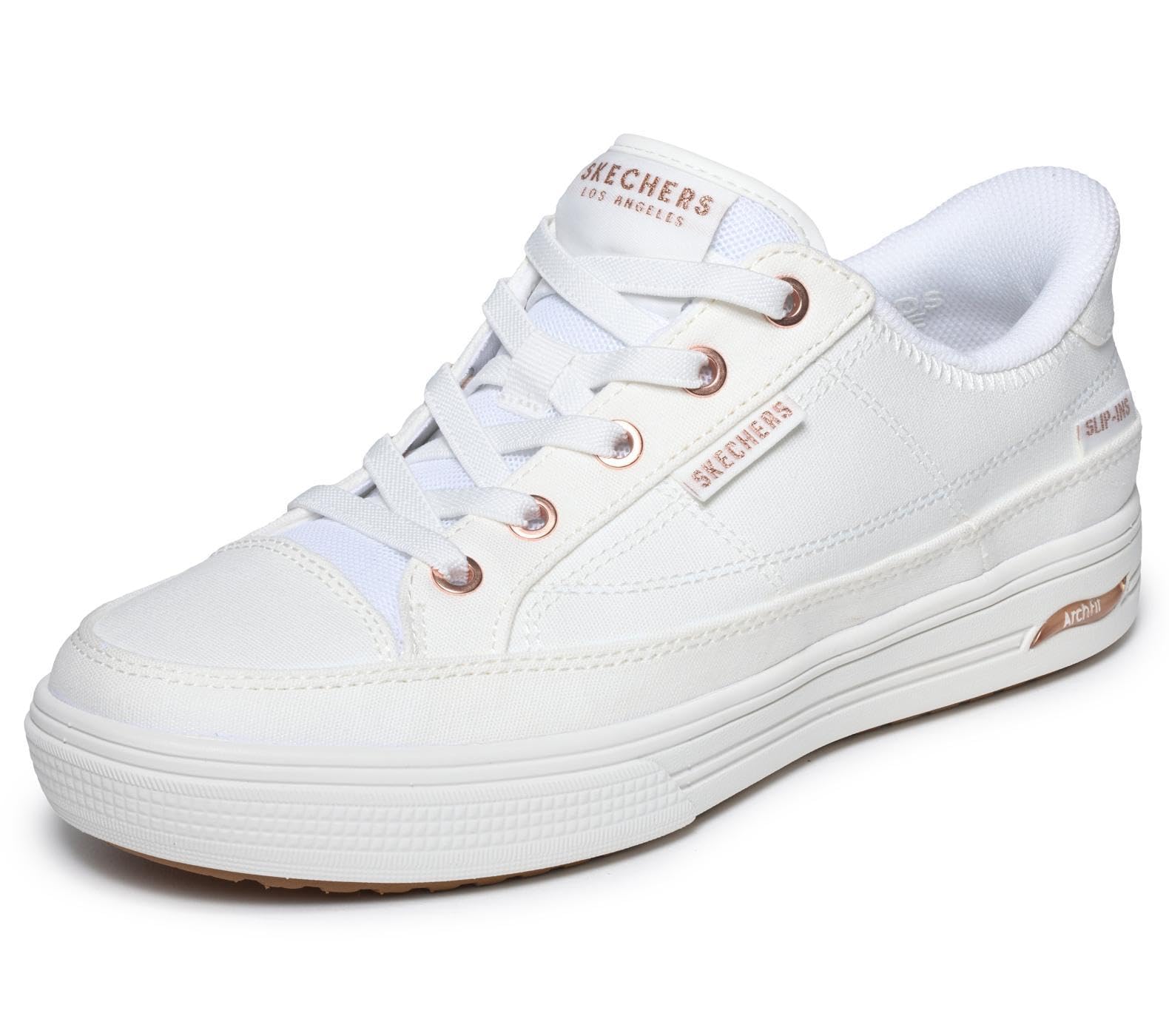
Skechers’ Arch Fit line was developed with podiatrist input, and the Arcade model brings that expertise into a hands-free slip-in format that solves a specific pain point: the agony of bending down to tie laces when your heel already hurts. The Arch Fit insole is a removable, pressure-mapped unit that contours to the medial arch with noticeable firmness, providing the kind of structured support that budget shoes often fake with soft foam. The outsole is surprisingly grippy for a casual sneaker, and the mesh upper keeps the weight low enough for all-day wear without dragging on the midfoot.
Customers consistently mention that these shoes are cute, lightweight, and comfortable right out of the box, with a mold-to-foot quality that improves after a few wears. The primary drawback is the narrow fit — several reviewers with standard-width feet found the forefoot tight, and women with wide feet should look at the Skechers Go Walk Arch Fit 2.0 instead. The heel cup is moderate, not deep, which may allow some slippage if you have very narrow heels.
For the price point, the Arcade delivers an impressive level of arch engineering. It’s not a running shoe — it’s a walking and casual sneaker that happens to have real structural support built into its insole. If your plantar fasciitis is manageable with consistent arch support and you want a stylish, slip-on option for errands and short walks, this is a solid value choice.
Why it’s great
- Podiatrist-designed Arch Fit insole provides firm, pressure-mapped arch support
- Hands-free slip-in design eliminates painful bending and lace-tugging
- Lightweight mesh upper and attractive styling for casual daily wear
Good to know
- Runs narrow; not suitable for wide feet in standard sizing
- Casual walking shoe — not built for running or high-impact activity
7. Skechers Women’s Go Walk Arch Fit 2.0 Valencia Hands Free Slip-ins Sneaker

The Go Walk Arch Fit 2.0 Valencia resolves the width limitation of the Arcade line by offering a slightly more accommodating forefoot and a roomier toe cap, while retaining the same Arch Fit insole technology that makes Skechers’ podiatrist-backed platform effective for plantar fasciitis. This shoe is built on the Go Walk outsole, which uses a rubber-like foam that provides good ground feedback without being too stiff — a compromise that works well for women who need arch support but find traditional stability shoes too clunky.
User feedback from plantar fasciitis sufferers is enthusiastic: multiple reviewers describe it as “amazing” for heel pain, with one noting that it worked for tennis, walking, and general daily activity. The slip-in feature uses a heel ramp design that lets you step in without using your hands, which is genuinely helpful when morning stiffness makes bending difficult. The upper is a breathable knit that stretches comfortably over the midfoot without creating pressure points, and the heel cushion is generous enough to soften the first few steps after sitting.
The trade-off for the roomier fit is a slightly less secure heel lock — some users reported occasional heel rub during longer sessions, though this seems to depend on individual foot shape. The arch support scores a consistent 10/10 from customers, and the value proposition is strong given the dual benefit of slip-in convenience and medical-grade insole design. For women who need a supportive walking shoe that doesn’t require a budget stretch, this is the most practical entry-level option on the list.
Why it’s great
- Arch Fit insole delivers podiatrist-level arch support that earns a 10/10 from users
- Slip-in heel ramp design eliminates bending for easy morning wear
- Roomy forefoot accommodates wider feet and custom orthotic inserts
Good to know
- Heel lock could be more secure; occasional rub reported during extended walks
- Not designed for running — optimized for walking and casual daily use
FAQ
How does heel-to-toe drop affect my plantar fasciitis?
Can I replace the stock insole if I need more arch support?
Should I choose a stability shoe or a neutral shoe for plantar fasciitis?
How quickly should I expect pain relief from switching shoes?
Final Thoughts: The Verdict
For most users, the athletic shoes for plantar fasciitis women winner is the ALTRA Torin 8 because its zero-drop platform and wide toe box address the root mechanical causes of fascial strain while offering 28mm of protective stack height. If you need motion control to correct overpronation, grab the Hoka Gaviota 5. And for a budget-friendly slip-in option with proven podiatrist-designed arch support, nothing beats the Skechers Go Walk Arch Fit 2.0.

Mo Maruf
I created WellFizz to bridge the gap between vague wellness advice and actionable solutions. My mission is simple: to decode the research and give you practical tools you can actually use.
Beyond the data, I am a passionate traveler. I believe that stepping away from the screen to explore new environments is essential for mental clarity and physical vitality.