Our readers keep the lights on and my smoothie glass nicely filled. As an Amazon Associate, I earn from qualifying purchases.
That telltale wear on the inside edge of your outsole after just a few months isn’t bad luck — it’s the signature of overpronation, where your foot rolls inward excessively with every step. Choosing a shoe with the right medial support and a rigid heel counter isn’t just about comfort; it’s the difference between joint pain and stable, pain-free miles.
I’m Mohammad Maruf — the founder and writer behind WellFizz. I’ve spent hundreds of hours analyzing pronation control technologies, midsole densities, and outsole wear patterns to build guides that cut through the marketing noise and focus on what actually stabilizes your stride.
Whether you’re logging daily miles or just trying to stand without foot fatigue, the best athletic shoes for overpronation share one non-negotiable trait: a guide rail or density-engineered post that prevents your arch from collapsing without restricting natural movement.
How To Choose The Best Athletic Shoes For Overpronation
Overpronation isn’t a foot type you just live with — it’s a mechanical issue that requires a shoe built to resist that inward roll. If you skip the support features, you risk shin splints, plantar fasciitis, and knee pain over time. Here are the three most critical elements to evaluate before you buy.
Stability Technology: Guide Rails vs. Medial Posts
The oldest approach uses a firm density foam or plastic post on the arch side of the shoe. That works, but it can feel intrusive on shorter runs. Modern stability shoes from Brooks and Hoka use a continuous guide rail system that wraps the heel and midfoot, only engaging resistance when your foot starts to roll too far inward. For daily trainers, guide rails often feel smoother during the gait cycle. For heavy overpronators who need maximum control, a traditional medial post may still be the better call.
Midsole Density and Stack Height
A stability shoe must balance cushioning with firmness. Too soft, and your foot sinks right through the post — negating the support. Look for a midsole that’s described as “responsive” rather than “pillowy soft” if you have moderate to severe overpronation. Stack height (the foam thickness between your foot and the ground) should generally stay under 35 millimeters in the heel for stability models, as higher stacks reduce ground feel and can make pronation harder to control.
Heel Counter Rigidity and Toe Box Width
The heel counter locks your rearfoot in place, which is essential for keeping your gait aligned. Too flimsy, and your heel wobbles inside the shoe regardless of the midsole tech. Run the pinch test: if the back of the shoe collapses with light finger pressure, it’s not supportive enough for overpronation. Equally important is a wide enough toe box — if your toes are cramped, your foot can’t stabilize naturally, which often worsens pronation as you walk.
Quick Comparison
On smaller screens, swipe sideways to see the full table.
| Model | Category | Best For | Key Spec | Amazon |
|---|---|---|---|---|
| Brooks Men’s Beast GTS 26 | Premium Stability | Maximum support, wide feet | Guide Rails + 4E width | Amazon |
| Brooks Women’s Glycerin GTS 23 | Premium Cushion | Long-distance runs, plush feel | Guide Rails + DNA Loft v3 | Amazon |
| Hoka Mens Arahi 8 | Premium Stability | Lightweight stability, daily training | J-Frame support + Meta-Rocker | Amazon |
| Hoka Womens Arahi 8 | Premium Stability | Balanced stability, balance issues | J-Frame support + Meta-Rocker | Amazon |
| Saucony Men’s Hurricane 24 | Mid-Range Stability | Heavy overpronators, long miles | Center Path Technology | Amazon |
| Saucony Women’s Hurricane 24 | Mid-Range Stability | Heavy overpronators, recovery runs | Center Path Technology | Amazon |
| ASICS Men’s GT-1000 14 | Mid-Range Value | Budget-friendly daily training | LITETRUSS medial support | Amazon |
| Saucony Men’s Guide 18 | Mid-Range Value | Mild overpronation, walking | Center Path Technology | Amazon |
| ASICS Women’s GT-1000 14 | Mid-Range Value | Budget-friendly walking & running | LITETRUSS medial support | Amazon |
In‑Depth Reviews
1. Brooks Men’s Beast GTS 26 Supportive Running & Walking Shoe
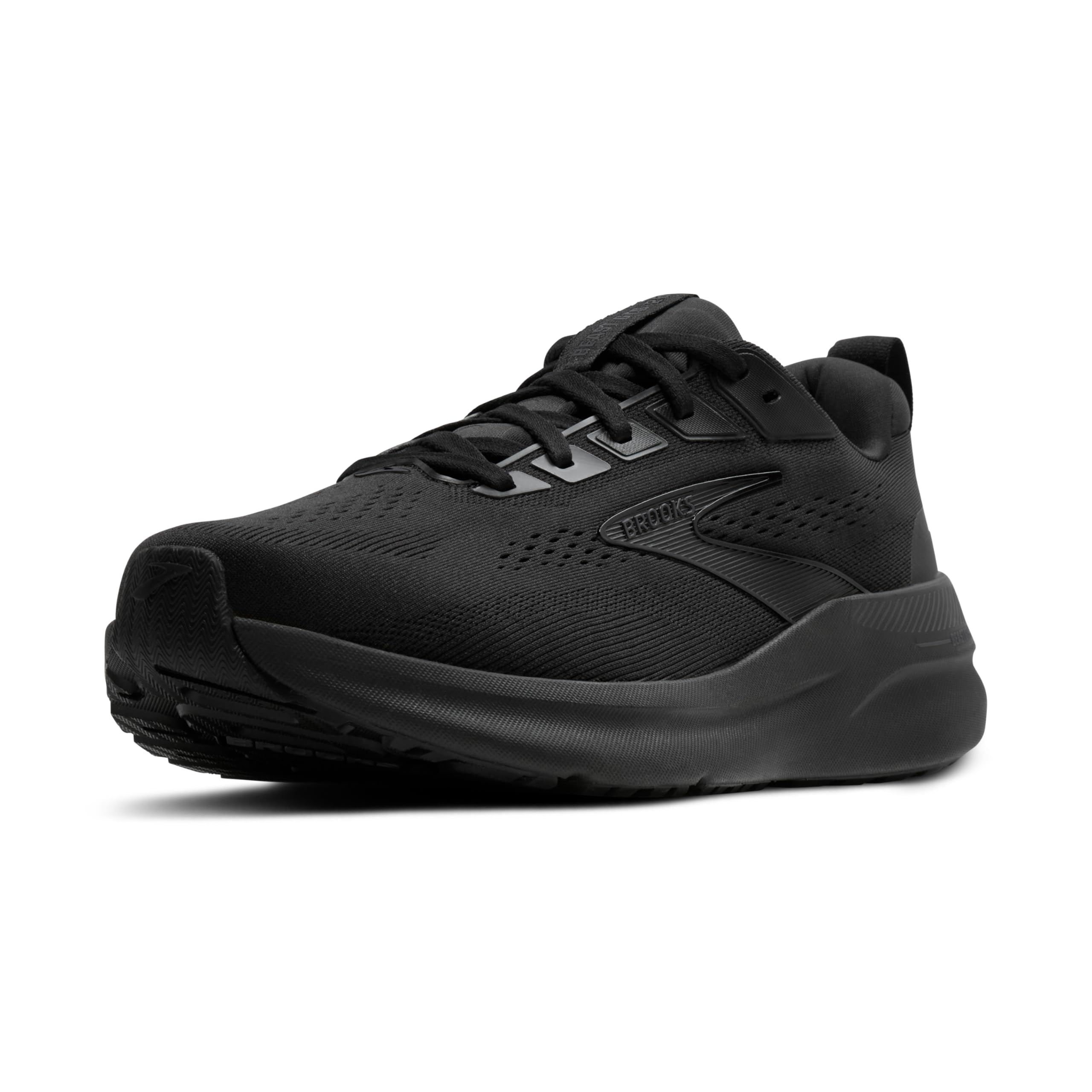
The Beast GTS 26 is the gold standard for heavy overpronators who also need extra width. Brooks integrates their Guide Rails system — essentially firm foam walls on both sides of the heel — which automatically corrects excess inward roll without requiring you to consciously adjust your stride. The updated midsole uses DNA Loft v3 for a softer yet responsive feel, so you get stability without the slab-like ride of older motion control shoes.
This shoe prioritizes structure over speed. The heel counter is noticeably rigid, locking the rearfoot during lateral movements, and the broad platform provides a stable base for walking or power workouts. The toe box offers generous splay room, even in standard widths, which is rare for a stability model. Multiple reviewers with bunions and severe pronation report immediate relief from foot pain after switching to this model.
The only notable shortcoming is the laces — at 48 inches, they come up short for secure heel-lock lacing in the 4E version. Budget for replacement laces if you plan to cinch the top eyelets. Otherwise, this is the most confidence-inspiring stability shoe on the list for larger frames and serious pronation.
Why it’s great
- Guide Rails provide non-intrusive, automatic pronation correction
- Wide width availability (2E, 4E) for bunions and swollen feet
- Extremely rigid heel counter locks rearfoot in place
Good to know
- Laces are too short for heel-lock lacing in extra-wide sizes
- Heavier than daily trainers, not ideal for tempo runs
2. Brooks Women’s Glycerin GTS 23 Supportive Running Shoe
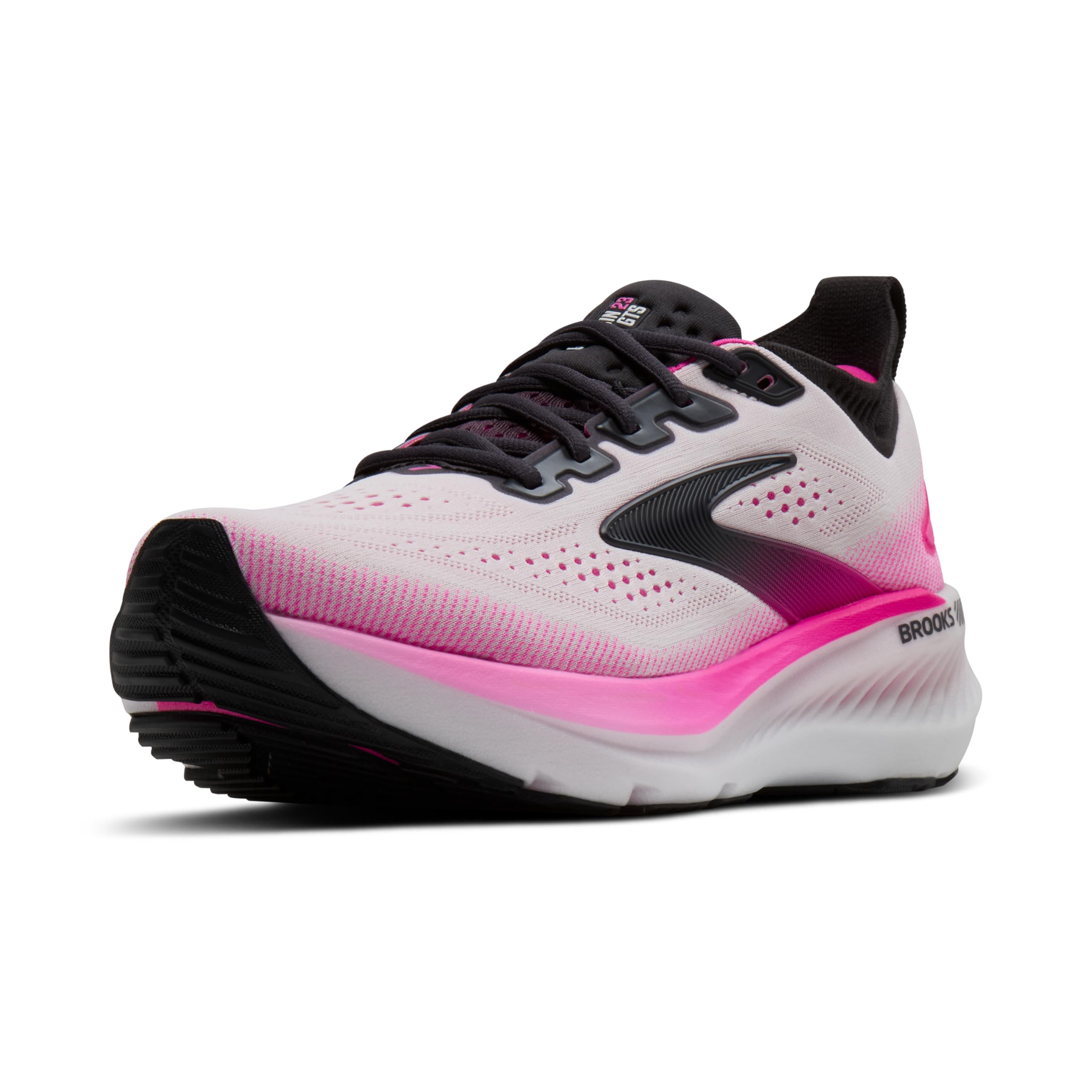
The Glycerin GTS 23 is essentially the plush cousin of the Beast — it pairs Brooks’ Guide Rails stability system with their softest nitrogen-infused DNA Loft v3 midsole. For women with moderate overpronation who want a luxuriously cushioned ride rather than a rigid support structure, this is the optimal middle ground. The cushioning absorbs impact effectively without collapsing under load, which is crucial for maintaining pronation control over long distances.
The toe box offers notably more room than the Adrenaline GTS series, a common point of frustration for runners who develop blisters or black toenails on long runs. Multiple reviewers report zero rubbing or soreness after half-marathon distances. The heel fit is snug without being tight, and the internal heel counter wraps securely without pressure points. For plus-size users or those with plantar fasciitis, the bounce-back character of the foam provides comfort that lasts through daily wear.
The downsides are subtle but real. Some wearers find the toe box causes light rubbing on the sides of the pinky toe during long walks exceeding 9,000 steps. Additionally, the color selection for wide widths is limited, which frustrates buyers who prefer darker, low-maintenance uppers. Overall, if you prioritize cushioning and have mild to moderate pronation, this is the premium choice.
Why it’s great
- Plush DNA Loft v3 foam with responsive, not mushy, feel
- Roomy toe box prevents blisters and black toenails on long runs
- Guide Rails system corrects pronation gently
Good to know
- Can cause minor rubbing on the pinky toe after very long walks
- Limited wide-width color options
3. Hoka Mens Arahi 8
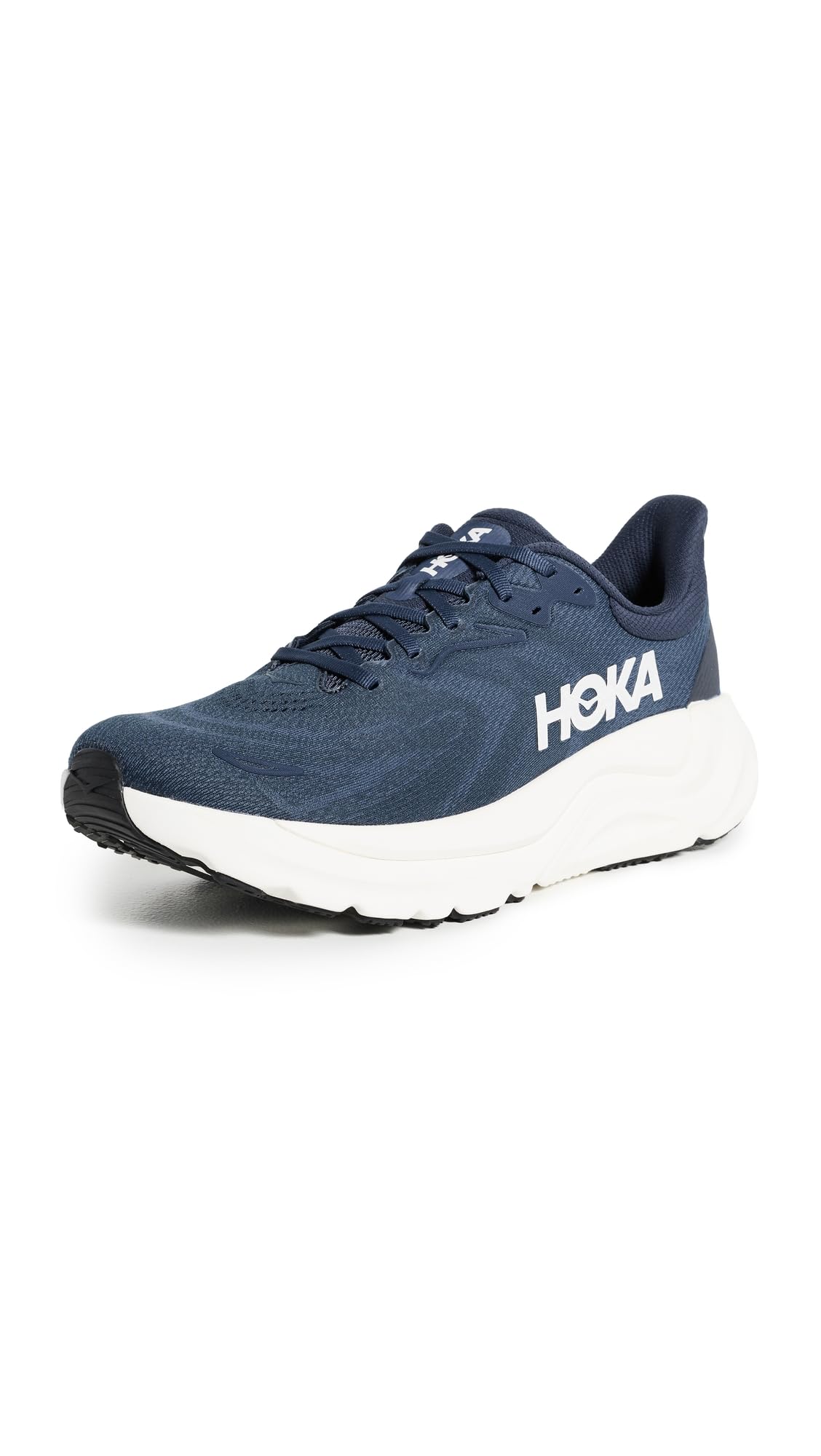
Hoka takes a fundamentally different approach to pronation control with the Arahi 8. Instead of a medial post or plastic shank, it uses a J-Frame — a firmer foam density that wraps from the medial heel through the arch, progressively resisting inward roll as pronation increases. This delivers stability that feels less intrusive than traditional posts, making the Arahi 8 feel lighter and more natural during the gait cycle. The Meta-Rocker geometry also promotes a smooth heel-to-toe transition, reducing the braking effect that plagues heavy stability shoes.
The out-of-box comfort is exceptional: multiple reviewers describe it as “walking on a cloud” despite the firmness of the J-Frame. The shoe is noticeably lightweight for a stability model, which reduces leg fatigue on longer walking days or recovery runs. The bladder-molded upper conforms well to the midfoot without causing hot spots, and the heel pocket fits securely even for narrow heels.
The main trade-off is the distinct heel-to-toe rocker feel, which some runners find takes a few miles to adjust to — especially if you’re used to flat platform shoes. Additionally, while the J-Frame works well for mild to moderate overpronation, severe pronators may need a more aggressive structure like the Brooks Beast or Saucony Hurricane.
Why it’s great
- J-Frame provides progressive support without a rigid post feel
- Remarkably lightweight for a stability shoe
- Meta-Rocker encourages efficient, smooth gait
Good to know
- Rocker feel requires a short adjustment period
- Not aggressive enough for severe overpronation
4. Hoka Womens Arahi 8
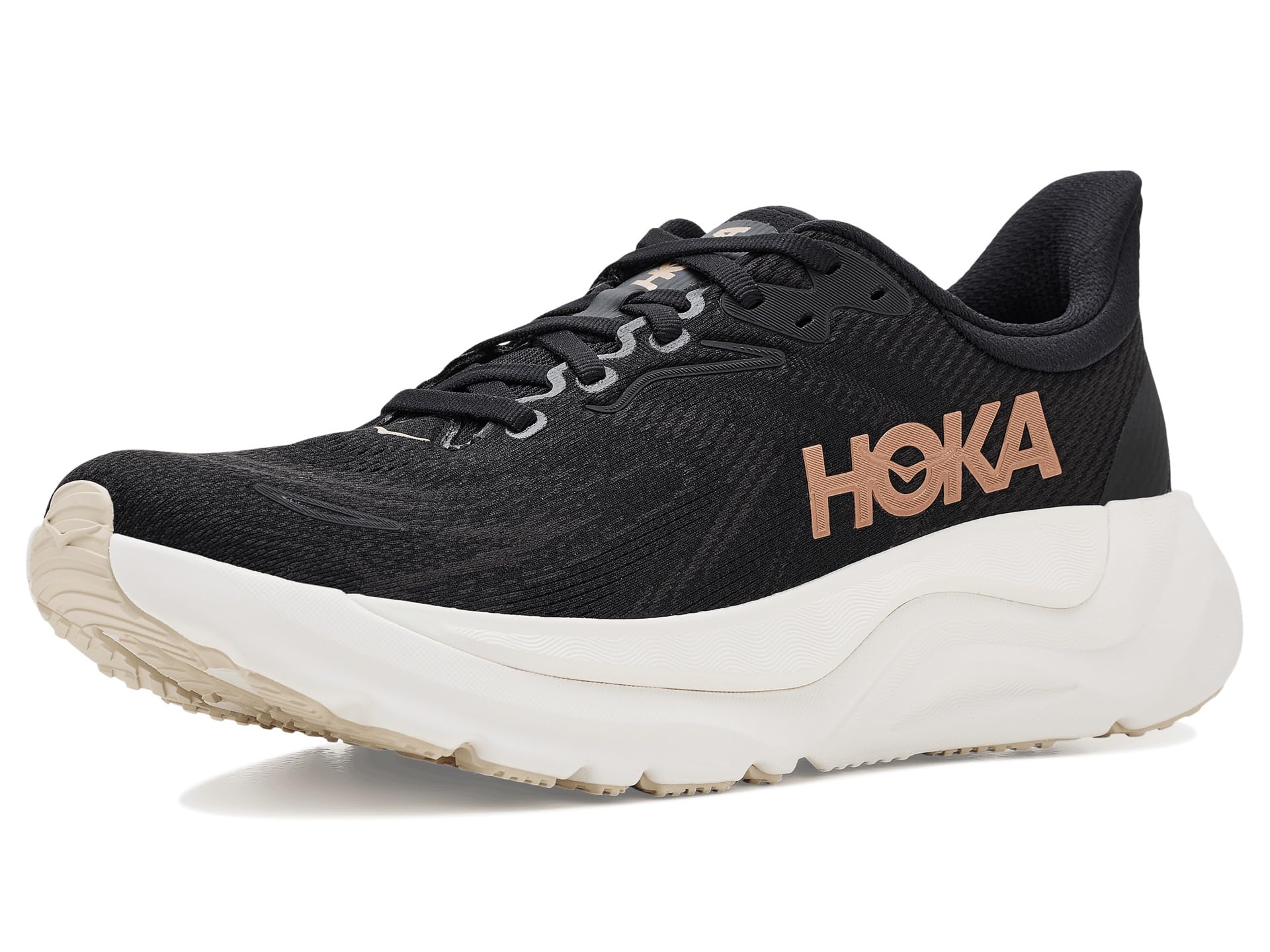
The women’s Arahi 8 mirrors the men’s version in its J-Frame stability architecture but is tuned for a woman-specific last with a narrower heel and slightly lower volume midfoot. Reviewers with balance issues from conditions like Guillain-Barré report that the wide base and soft-yet-supportive platform provide exceptional confidence on uneven surfaces. The light weight — roughly 7.8 ounces in a standard women’s size — makes it easy to wear for errands, gym sessions, and daily walks without the heavy feeling typical of stability shoes.
The cushioning strikes a rare balance: it’s soft enough to reduce foot fatigue during eight-hour shifts on hard floors yet firm enough that the J-Frame can engage when needed. Multiple buyers mention immediate reduction in ankle and knee pain after switching from neutral shoes. The breathable mesh upper manages moisture well, preventing the hot, sweaty feeling that often accompanies denser stability liners.
The biggest concern reported is inconsistent build quality — some units show slight staining on the mesh or reflective strips peeling within the first week. While not universal, it’s a risk worth noting for a premium shoe. For women who need mild to moderate pronation support in a featherlight package, the Arahi 8 is hard to beat.
Why it’s great
- Very light and comfortable for all-day wear
- J-Frame gives confidence without intrusive feel
- Excellent for balance issues and joint pain
Good to know
- A few reports of quality control issues with mesh and reflective strips
- Not ideal for severe overpronation
5. Saucony Men’s Hurricane 24 Sneaker
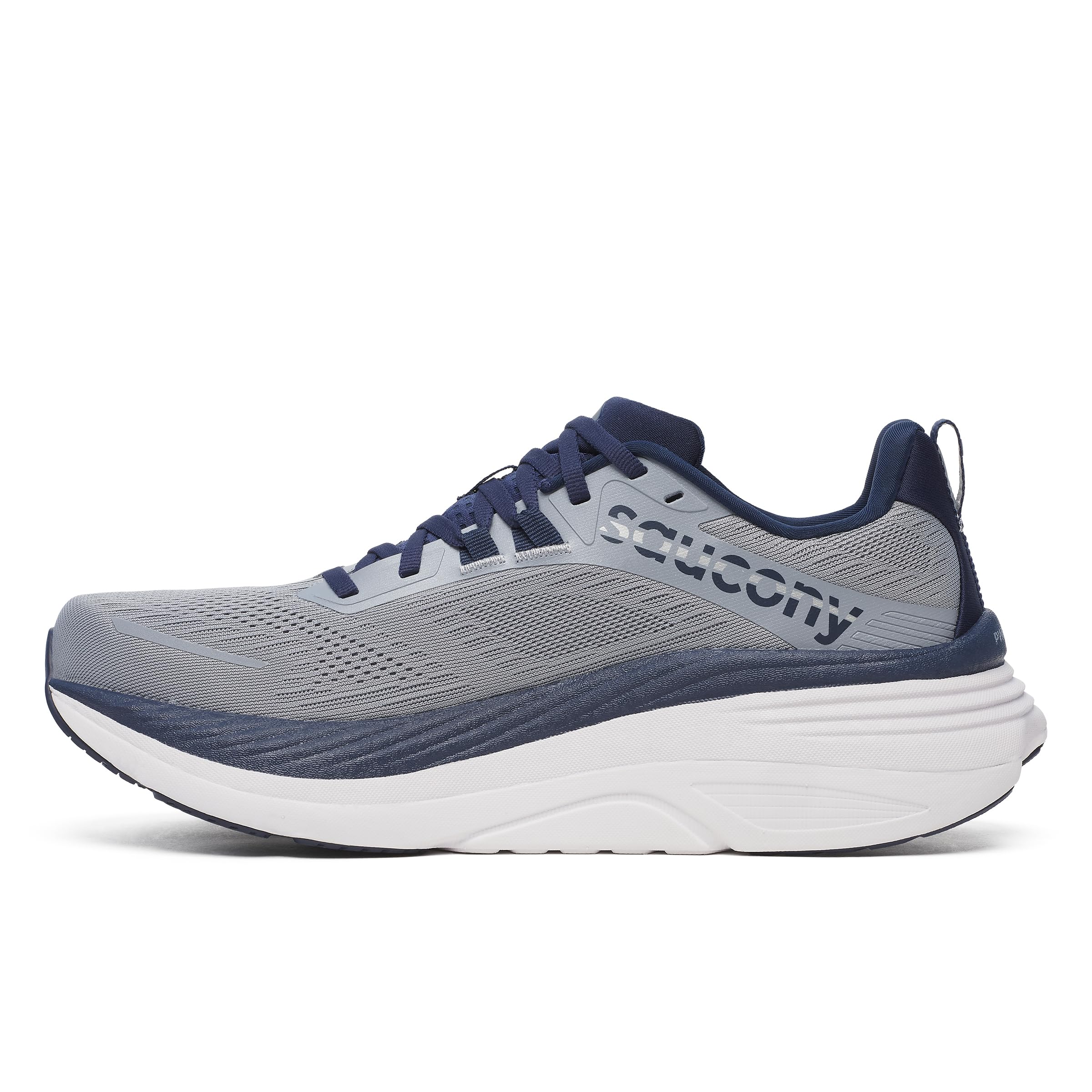
The Hurricane 24 is Saucony’s answer to severe overpronation. It employs a technology called Center Path, which uses a wide, flat platform combined with a firmer medial foam density to guide the foot into a neutral alignment. Unlike guide rail systems that sit higher on the sidewall, Center Path works from the ground up, providing a stable base that resists rolling. This makes it effective for heavier runners or those with very flat feet who have not found enough control in mid-range stability shoes.
The PWRRUN PB midsole is a pebbled foam that offers a lively, bouncy ride — unusual for a motion-control shoe. Long-distance runners report completing 20-plus miles in the Hurricane 24 without the numbness or hotspots that plague overly stiff stability models. The forefoot is noticeably roomy, accommodating toe splay without pinching, and the heel counter is firm without feeling intrusive.
The primary trade-off is weight — the Hurricane 24 is heavy enough that you’ll feel it during speed work. It’s a dedicated long-run and recovery-day shoe, not a 5K racer. Some users also note inconsistent sizing between pairs manufactured in different factories, with one version running narrower in the midfoot. Despite that, the durability (roughly a year of regular use) and sub-100-dollar price point make it an exceptional value for a max-cushion stability shoe.
Why it’s great
- Center Path technology provides aggressive pronation control
- PWRRUN PB foam is bouncy and responsive even at high mileage
- Roomy forefoot for toe splay
Good to know
- Heavy — not suitable for speed work or racing
- Inconsistent sizing reported between different production batches
6. Saucony Women’s Hurricane 24 Sneaker
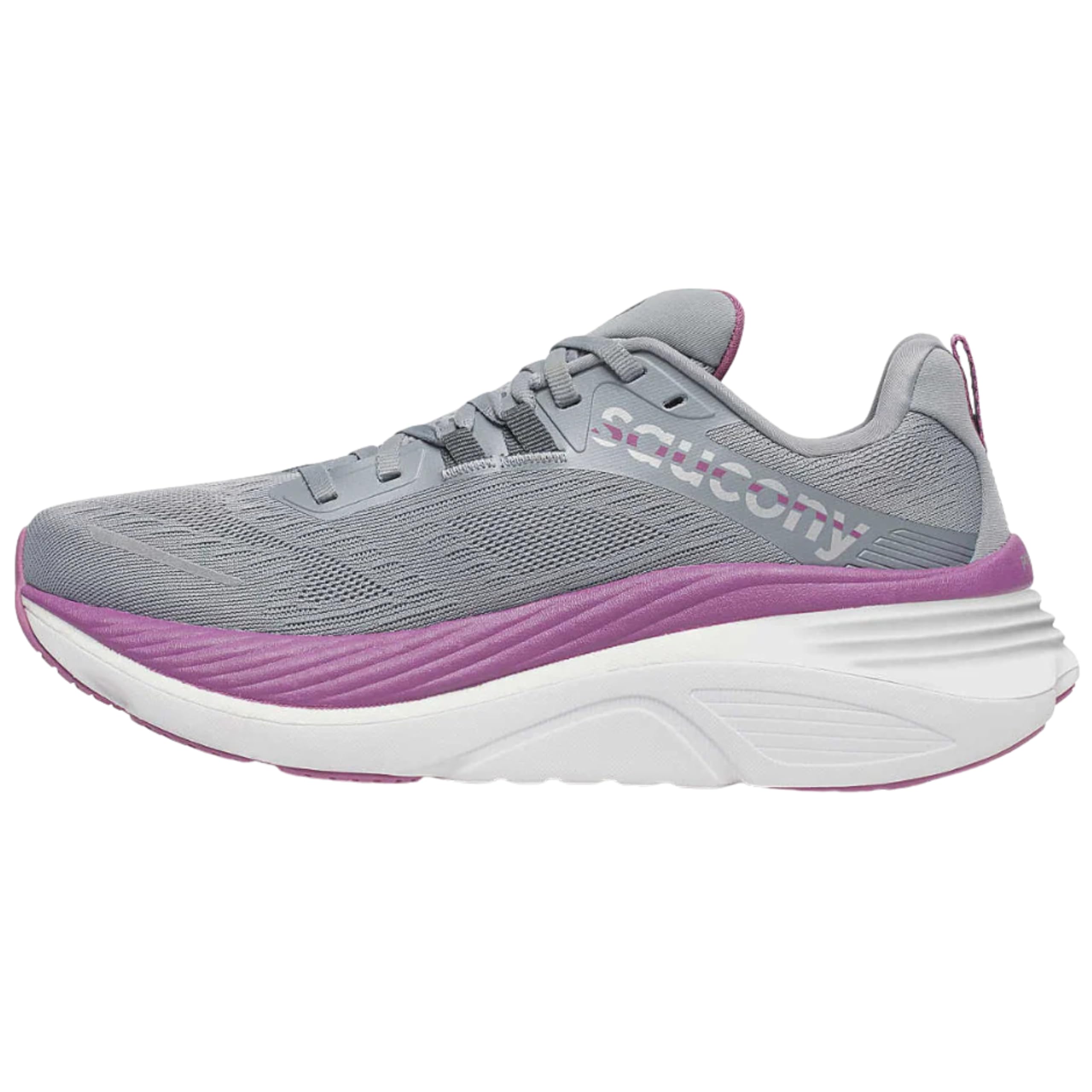
The women’s Hurricane 24 offers the same Center Path stability system as the men’s version, tuned for a woman-specific last with a narrower heel and lower overall volume. Reviewers with plantar fasciitis and hammer toes report that the aggressive toe rocker takes pressure off the forefoot, reducing pain during the push-off phase. The PWRRUN PB foam delivers a cloud-like cushion that remains stable rather than collapsing, making it a strong candidate for recovery runs and post-injury transition wear.
The platform is wide and feels planted during lateral movement, which gives confidence during gym sessions or after balance impairments. The upper is well-ventilated and the fit is true to size, though some users with narrow heels find the heel pocket slightly loose. The build quality is generally solid, though there is one report of the insole color bleeding onto the mesh after cleaning, so spot-test any cleaning solution.
At roughly 9.8 ounces in a women’s size 8, the Hurricane 24 is heavier than a neutral trainer, and some runners who prioritize speed may find it cumbersome for daily training. However, for women who need maximum pronation control and don’t mind the weight for longer, slower miles, this shoe is a reliable workhorse that outlasts lighter competitors.
Why it’s great
- Aggressive Center Path control for severe overpronation
- Toe rocker reduces forefoot pain during push-off
- Durable construction with generous cushioning
Good to know
- Heavier than neutral shoes — not for speed work
- Insole color may bleed on mesh if cleaned improperly
7. ASICS Men’s GT-1000 14 Running Shoes
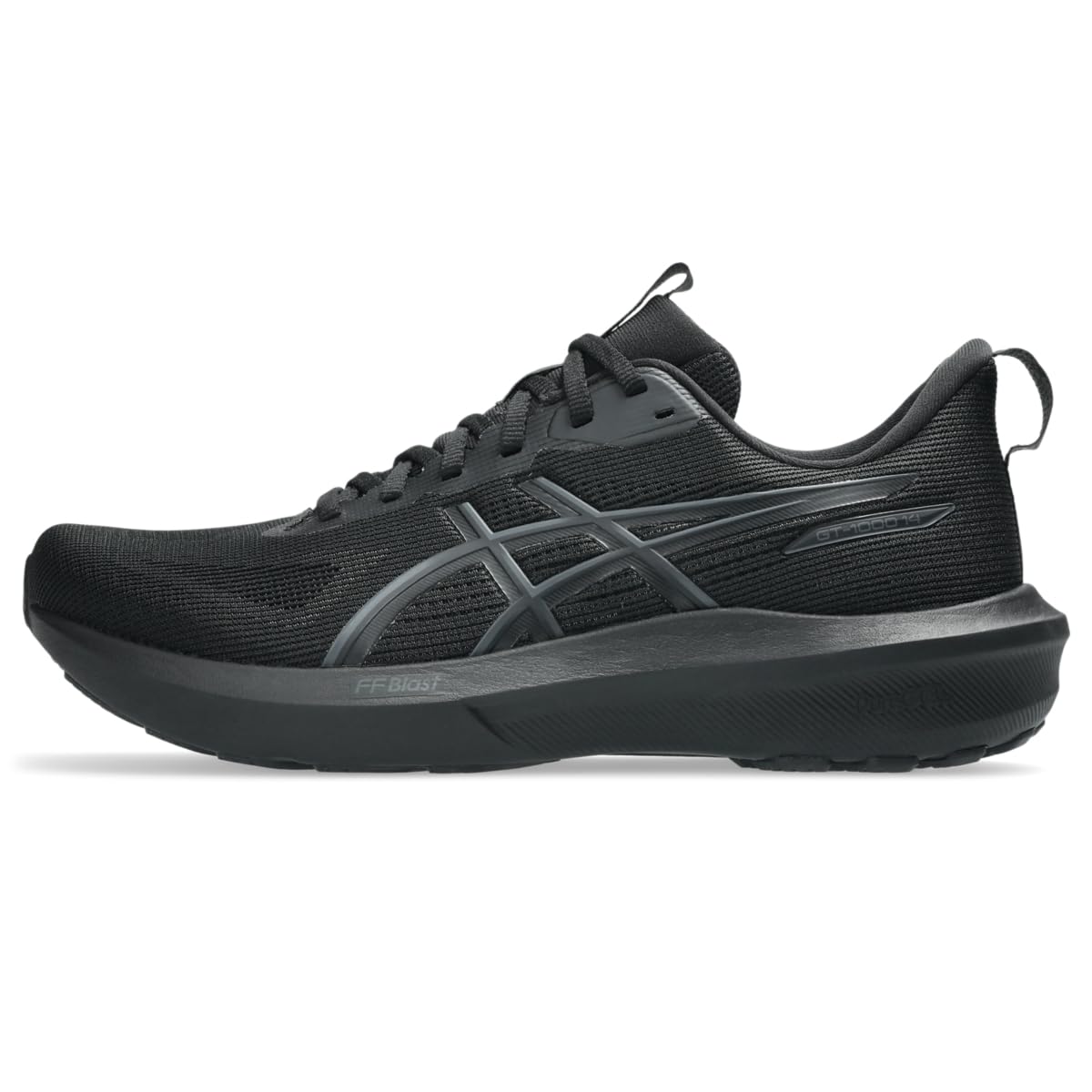
The GT-1000 14 is the entry-level stability shoe in ASICS’ lineup, but that doesn’t mean it skimps on pronation control. It uses LITETRUSS — a firmer foam density placed on the medial side of the midsole — to resist inward roll without the weight penalty of a plastic medial post. The latest version is noticeably more cushioned than its predecessors, rivaling the feel of the GT-2000 for about forty dollars less. This makes it one of the strongest values on the market for mild to moderate overpronators.
Reviewers consistently mention that the shoe is comfortable for both running and daily walking — one user wears them for 10,000 steps a day and replaces a pair every six months. The toe box is wide enough to avoid pinching, and the heel collar is padded to prevent irritation for those with neuropathy or sensitive ankles. The outsole grip is reliable on both road and packed trail, though it’s not designed for technical terrain.
The GT-1000 is less supportive than the GT-2000 or Kayano series. Heavy overpronators who wear down the inner edge of their outsole quickly may find that the LITETRUSS foam wears out faster than a denser plastic post. For that reason, it’s best suited for runners and walkers with mild to moderate pronation who want a lightweight, breathable shoe that won’t break the bank.
Why it’s great
- Excellent value with surprisingly good cushioning
- Lightweight and breathable for daily wear
- LITETRUSS foam provides effective mild pronation control
Good to know
- Less durable support for severe overpronation
- LITETRUSS foam may compress faster than hard plastic posts
8. Saucony Men’s Guide 18 Sneaker
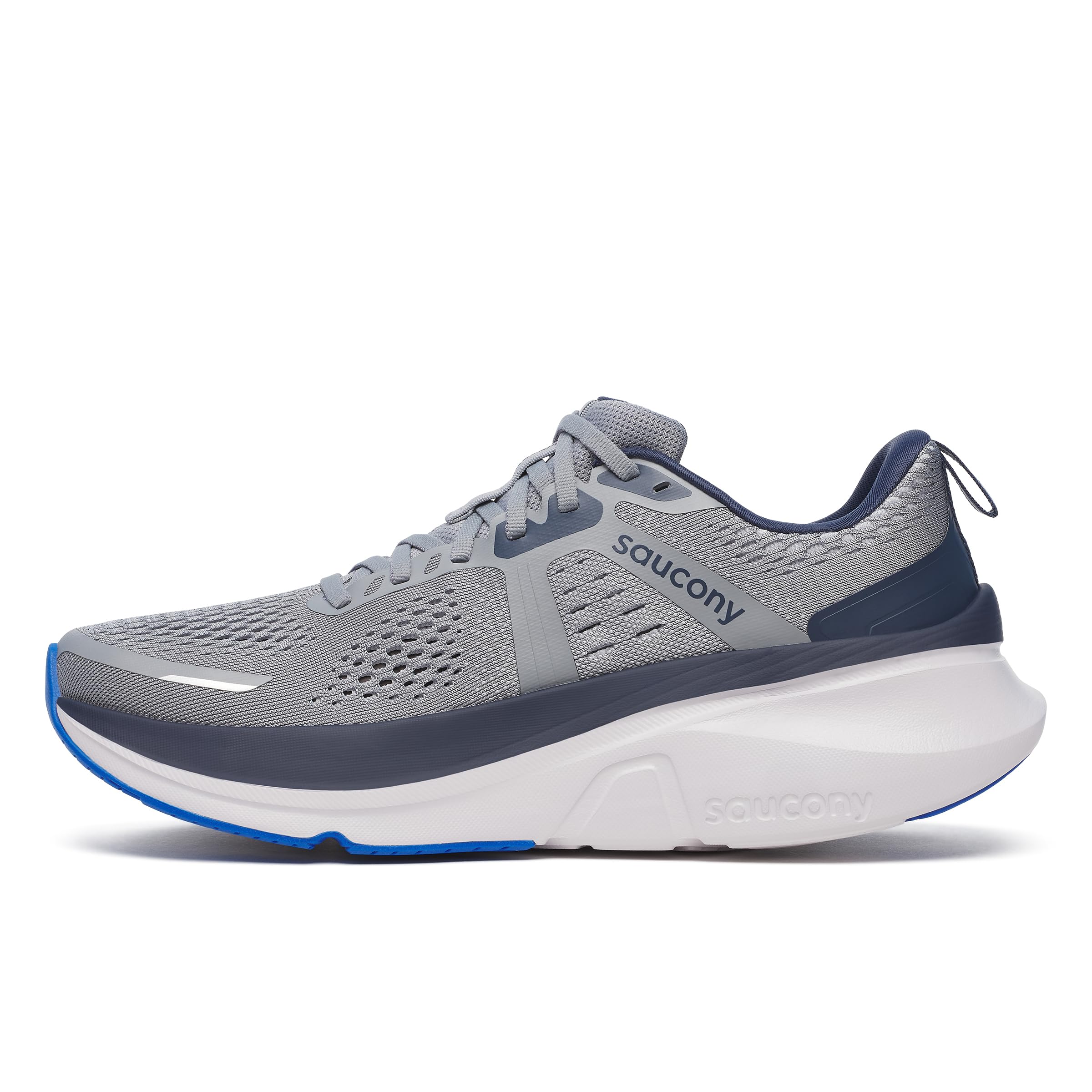
The Guide 18 is Saucony’s more accessible stability shoe, positioned below the Hurricane but still offering real pronation control. It uses Center Path technology in a softer, more forgiving configuration — the midsole is less aggressive than the Hurricane, making it a better choice for walkers and casual runners with mild overpronation. The PWRRUN midsole is firm enough to provide guidance without feeling plank-like, and the heel-to-toe drop is standard at 8mm, encouraging a natural stride.
Reviewers praise the out-of-the-box comfort: no break-in period required, and the fit is true to size. The upper is breathable and the shoe is notably lightweight, which makes it appropriate for all-day wear on hard surfaces. Those with flat feet appreciate the moderate arch support embedded in the midsole, which eliminates the need for aftermarket insoles in many cases.
The Guide 18 has a slightly narrower toe box than the Hurricane, which may cause discomfort for those with wider feet or bunions. Additionally, the all-white sole shows dirt quickly and can be hard to clean. It’s not designed for severe overpronators — if you’ve needed motion control shoes in the past, stick with the Hurricane or a Brooks Guide Rails model.
Why it’s great
- Zero break-in period — comfortable from the first wear
- Moderate arch support works well for flat feet
- Lightweight and breathable for long days on your feet
Good to know
- Narrower toe box not ideal for wider feet
- White outsole shows dirt and scuffs quickly
9. ASICS Women’s GT-1000 14 Running Shoes
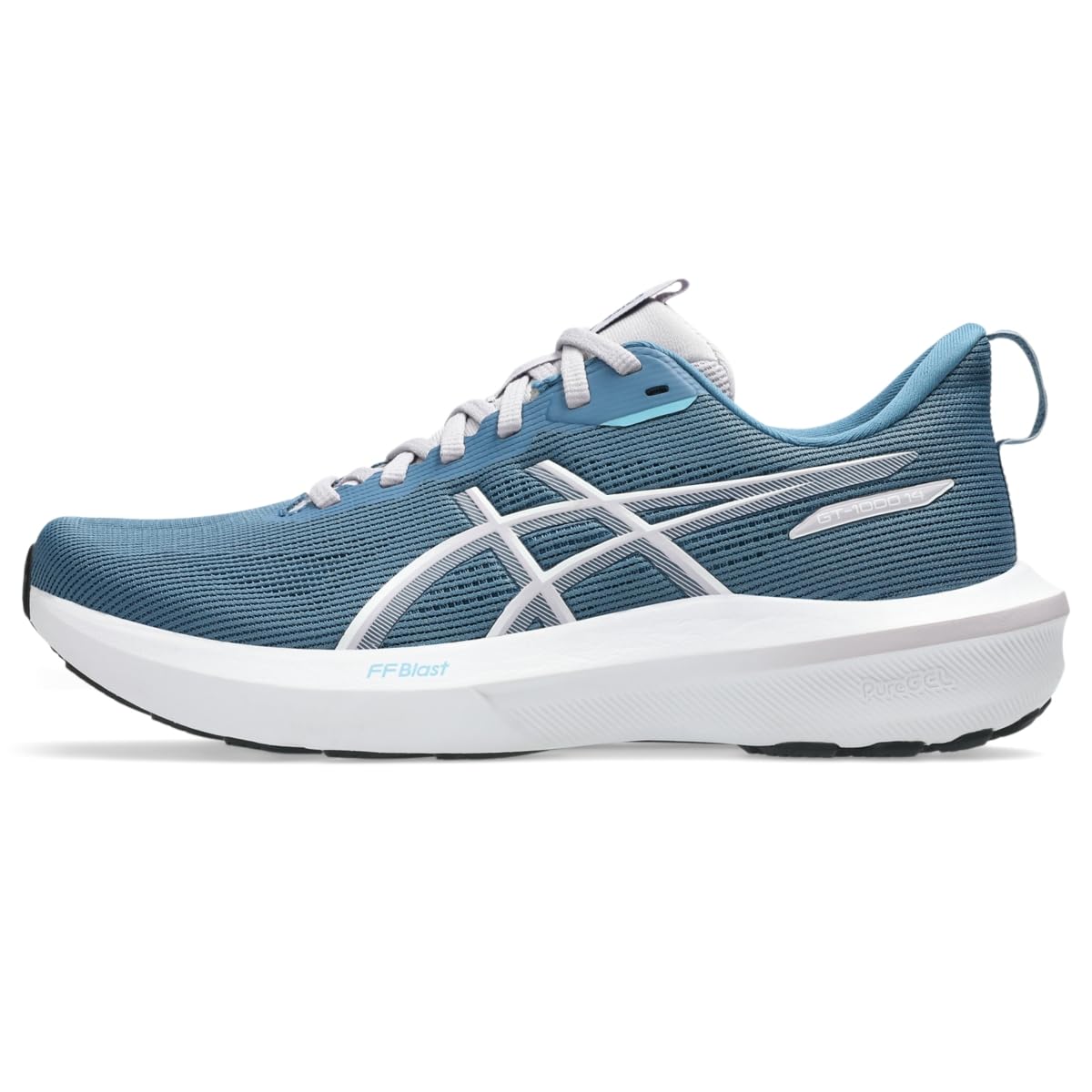
The women’s GT-1000 14 mirrors the men’s version in its core technology — a LITETRUSS medial support system and FlyteFoam cushioning — but with a last designed for women’s foot geometry. It’s the most budget-friendly option on this list that still offers genuine pronation control, not just a neutral shoe dressed up with marketing. Multiple reviewers confirm that it provides stable support for overpronators while remaining lightweight enough for treadmill running, walking, and daily errands.
The most common praise is the exceptional out-of-box comfort. Users report walking ten-hour shifts on concrete or cement floors without foot pain, and the wide option offers enough room for those who need extra space without going to a full 2E or 4E. The cushioning is described as “cloud-like” but with enough underlying structure that the shoe doesn’t collapse inward. The color options are modern and visually appealing, particularly the black and lilac combination which reads as a subdued navy in natural light.
The GT-1000 offers less aggressive support than the premium stability models. If your pronation is severe enough that you’ve worn through the inside edge of multiple shoe pairs in under six months, you will likely outlast the LITETRUSS foam before the outsole wears out. In that case, consider the Hurricane 24 or Brooks GTS line. For mild to moderate overpronators on a tighter budget, the GT-1000 is the smartest buy on this list.
Why it’s great
- Best budget-friendly option with real pronation control
- Lightweight and breathable for long shifts or daily walks
- Wide toe box and comfortable heel collar
Good to know
- LITETRUSS foam may not hold up for severe overpronators
- Limited long-term durability compared to premium models
FAQ
How can I tell if I actually overpronate and need a stability shoe?
Can I use stability shoes for overpronation if I have high arches?
How often should I replace my athletic shoes for overpronation?
What is the difference between the GT-1000 and GT-2000 for overpronation?
Final Thoughts: The Verdict
For most users, the athletic shoes for overpronation winner is the Brooks Men’s Beast GTS 26 because its Guide Rails system provides non-intrusive, reliable pronation control that works for walkers and runners of all sizes without feeling plank-like. If you want premium cushioning with stability that still feels plush, grab the Brooks Women’s Glycerin GTS 23. And for severe overpronation where maximum control is non-negotiable, nothing beats the Saucony Men’s Hurricane 24 — a max-stability workhorse that handles high mileage and heavy frames with confidence.

Mo Maruf
I created WellFizz to bridge the gap between vague wellness advice and actionable solutions. My mission is simple: to decode the research and give you practical tools you can actually use.
Beyond the data, I am a passionate traveler. I believe that stepping away from the screen to explore new environments is essential for mental clarity and physical vitality.