Our readers keep the lights on and my smoothie glass nicely filled. As an Amazon Associate, I earn from qualifying purchases.
The wrong athletic shoe can warp the function of a custom orthotic, turning a support system into a source of heel slippage, arch ache, or pinched toes. A shoe built for orthotics needs a removable sockliner, a deep heel cup that locks the insert in place, and a midfoot volume that accommodates the extra height without strangling the top of your foot.
I’m Mohammad Maruf — the founder and writer behind WellFizz. Over years of analyzing biomechanical footwear, I’ve cross-referenced podiatric guidelines with real-world durability data to identify which models actually hold an orthotic steady through a gait cycle without introducing new pain points.
After evaluating heel-cup depth, insole removability, toe-box geometry, and midfoot volume across dozens of designs, I’ve narrowed the field to nine models that genuinely work. This is your complete guide to finding the best athletic shoes for orthotics that stay stable, feel balanced, and keep your feet comfortable through every mile.
How To Choose The Best Athletic Shoes For Orthotics
Dropping a custom orthotic into any old trainer creates a cascade of fit problems: the heel rides up, the arch sits in the wrong spot, and the toebox crushes your toes against the sidewall. This section breaks down the three critical specs you must verify before buying.
Removable Sockliner and Heel-Cup Depth
The shoe’s factory insole must come out completely — not just peel away in a thin layer. Once removed, you need a heel cup deep enough to cradle the orthotic’s heel post without letting it tilt. If the orthotic sits above the heel collar, you’ll feel edge pressure with every step. Look for models where the heel cup measures at least 20mm from the footbed to the collar.
Toe-Box Width and Midfoot Volume
Orthotics raise your foot inside the shoe by roughly 3-6mm, which reduces vertical space in the toebox and midfoot. A shoe that fits fine without an insert will squeeze your toes or press against the top of your arch once the orthotic is in. Prioritize models labeled as having a wide toe box, and leave a thumb’s width of space between your longest toe and the front of the shoe with the orthotic inside.
Outsole Rigidity and Stack Height
A flexible sole bends under the orthotic’s arch support, reducing its corrective effect. Shoes with a moderate-to-stiff outsole and a stack height between 25mm and 35mm let the orthotic work as designed — controlling motion through the midfoot without forcing your heel into excessive drop. High-drop shoes (above 10mm) can shift pressure forward, so aim for a drop between 4mm and 8mm for optimal orthotic compatibility.
Quick Comparison
On smaller screens, swipe sideways to see the full table.
| Model | Category | Best For | Key Spec | Amazon |
|---|---|---|---|---|
| Orthofeet Tilos | Orthopedic | All-day standing & walking | 4 orthotic insoles included | Amazon |
| Brooks Glycerin Max | Neutral Cushion | Maximum soft landing | 42mm stack height | Amazon |
| ASICS Gel-Nimbus 28 | Premium Cushion | Long-distance running | Hybrid gel foam midsole | Amazon |
| New Balance Fresh Foam X Hierro v9 | Trail | Hiking & off-road traction | Vibram Megagrip outsole | Amazon |
| ALTRA Lone Peak 8 | Zero-Drop Trail | Wide toe-box trail runners | Zero-drop platform | Amazon |
| Gravity Defyer Energiya | Orthopedic Cross | Walking & plantar fasciitis relief | VersoShock sole technology | Amazon |
| ASICS Gel-Cumulus 27 | Neutral Daily | Everyday road running | Rearfoot GEL unit | Amazon |
| Under Armour TriBase Reign 6 | Training | Weightlifting & HIIT | TriBase outsole | Amazon |
| Adidas Dropset 3 | Training | CrossFit & stable lifting | Wide flat base | Amazon |
In‑Depth Reviews
1. Orthofeet Men’s Tilos Hands-Free Walking Sneaker

The Orthofeet Tilos arrives with four separate orthotic inserts — two arch boosters plus 1/8-inch and 1/16-inch risers — allowing you to dial in lift without stacking your custom orthotic on a thick base. The heel cup is deep enough to hold a custom post steady, and the water-repellent upper keeps the shoe from soaking through after morning dew or light rain. A nurse reported that foot and back pain dropped dramatically within two weeks, and a 76-year-old walker called it the best money spent after trying Skechers and Ortho Comfort alternatives.
The hands-free heel collar eliminates bending over, a genuine convenience for anyone with back stiffness or limited mobility. The outsole uses a moderate flex pattern that does not fight your orthotic’s arch support during the push-off phase. Several reviewers noted that the “water-repellent” claim is modest — wet grass will still dampen your socks — but the shoe’s core strength remains its orthopedic adjustability and immediate comfort.
If you need a shoe that works out of the box without a separate insert purchase, the Tilos is the most complete orthotic-ready package on this list. The removable insoles and adjustable risers accommodate high and low arches equally well, making it a strong pick for walkers, nurses, teachers, and anyone who stands for shifts longer than eight hours.
Why it’s great
- Comes with four orthotic inserts for custom arch height
- Deep heel cup keeps orthotics stable during long walks
- Hands-free entry reduces strain on back and hips
Good to know
- Water-repellent upper does not handle wet grass well
- Bland styling — best matched with scrubs or neutral outfits
2. Brooks Women’s Glycerin Max Neutral Running & Walking Shoe

The Glycerin Max is Brooks’ highest-stack neutral shoe at 42mm, which provides a cushioned platform that absorbs impact without collapsing under an orthotic. The sockliner is fully removable, and the heel cup has enough depth — around 22mm — to hold a medium-length orthotic post without edge discomfort. Several users with a history of bunion surgery and plantar fasciitis reported that this model eliminated lingering pain during long runs and hikes.
Despite the plush feel, the Glycerin Max is not an unstable marshmallow. The rocker-shaped sole promotes a smooth heel-to-toe transition, which pairs well with orthotics by reducing the need for your foot to bend through the midsole. The trade-off is weight: at roughly 10.5 ounces for a women’s size 8, it feels heavier than the ASICS Gel-Nimbus, and one reviewer noted it is better suited for standing and walking than for high-mileage running.
The toe box is roomier than the standard Glycerin 22, though not as wide as the ALTRA Lone Peak. Users with wide feet should consider the Glycerin Max in a wide width, but the standard D width accommodates most orthotic inserts without pinching the toes. If maximum cushion with a stable heel cup is your priority, this is your candidate.
Why it’s great
- Luxuriously thick cushioning without sacrificing heel stability
- Removable insole and deep heel cup fit medium orthotics well
- Zero break-in period — comfortable straight out of the box
Good to know
- Heavier than many neutral trainers at 10.5 oz
- Not ideal for fast-paced running due to high stack weight
3. ASICS Women’s Gel-Nimbus 28 Running Shoes
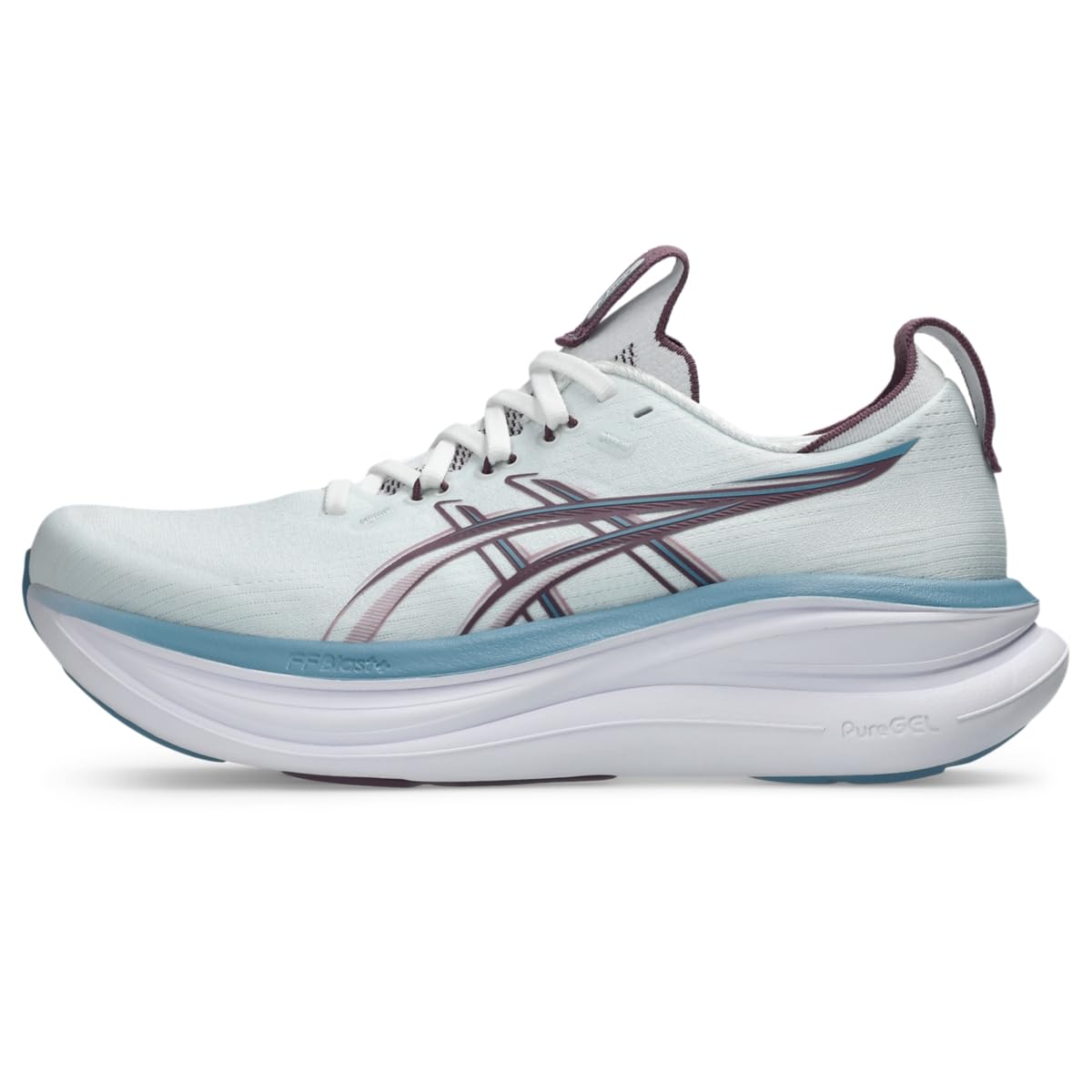
The Gel-Nimbus 28 uses a hybrid gel-and-foam midsole that delivers a soft landing without the mushy bottom-out that can render an orthotic less effective. The sockliner comes out cleanly, exposing a smooth footbed that accepts aftermarket inserts without ridges. Reviewers with flat feet and high arches both praised the arch support — a sign that the Nimbus 28’s midfoot geometry accommodates orthotics without forcing your foot into an unnatural position.
At a 35mm heel stack and 25mm forefoot stack, the 10mm drop works well for runners who heel-strike, but may feel too pitched for midfoot strikers using orthotics. Several long-distance walkers reported using the Nimbus on 6-7 mile daily city tours without foot pain, and one user specifically noted that the wide-width option provides generous vertical toe space for custom inserts. The upper is breathable mesh that does not create pressure points across the top of the foot.
The outsole has a flex groove pattern that bends in the forefoot but stays rigid through the arch, preventing the orthotic from being forced into an unnatural curve during push-off. The heel counter is firm and slightly external, helping to lock the orthotic’s heel post in place. If you prioritize distance running or long walking days with a reliable orthotic platform, the Nimbus 28 justifies the premium price.
Why it’s great
- Hybrid gel-foam midsole absorbs shock without distorting orthotic support
- Wide widths provide extra toe-box volume for inserts
- Stiff arch section prevents orthotic from bending out of shape
Good to know
- 10mm drop may feel steep for midfoot strikers
- Limited color selection in wide sizes
4. New Balance Men’s Fresh Foam X Hierro V9
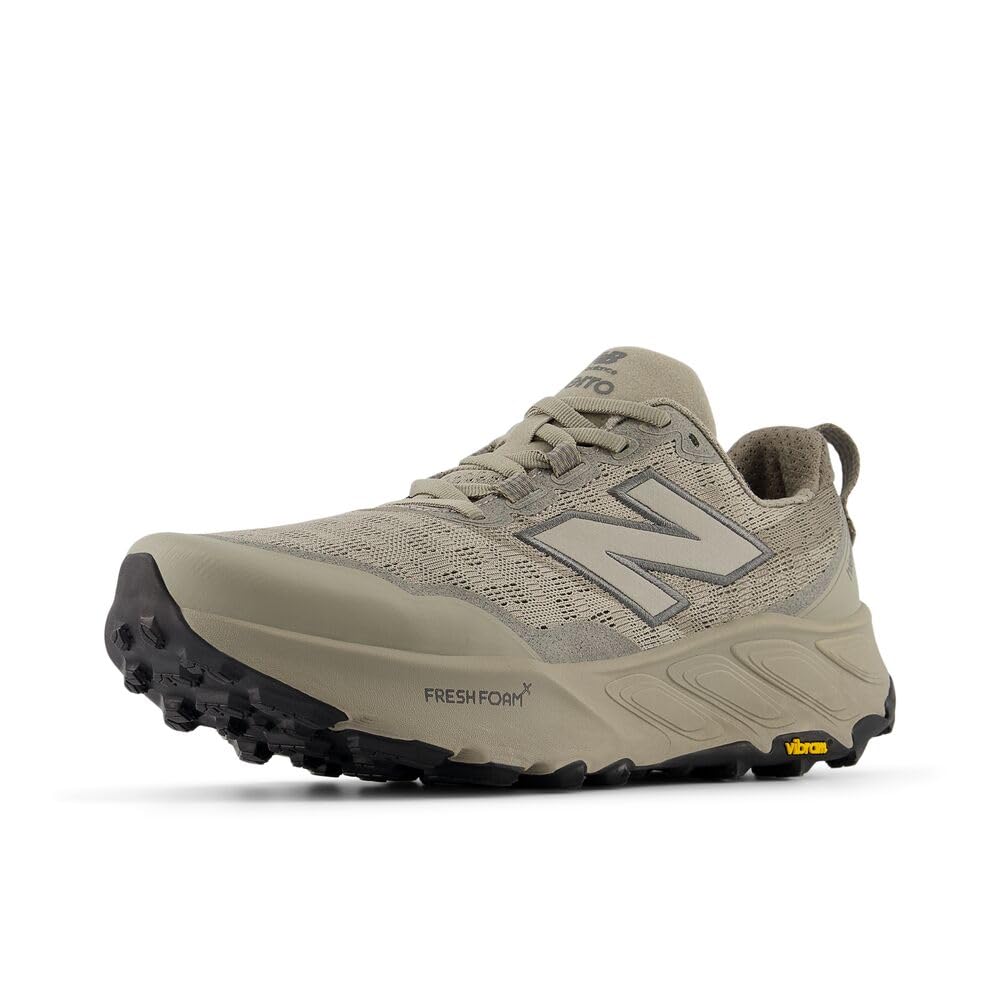
The Hierro v9 combines a Vibram Megagrip outsole with Fresh Foam X cushioning, creating a trail shoe that grips loose rock and wet roots while still letting your orthotic work. The sockliner is removable, and the heel cup — while not as deep as the Orthofeet Tilos — is structured enough to hold a standard-length orthotic without tilting. Several hikers noted that the shoe fits narrow in the toe box with the factory insole; ordering a half size up or selecting the wide width solves the tightness when adding an orthotic.
The outsole uses 4mm lugs that provide confident traction without feeling aggressive on pavement. The midsole foam is plush but does not bottom out under a 200-pound load, maintaining a stable base for the orthotic’s arch support. One reviewer who logged 450 miles on the Hierro reported that the cushioning held up well, though the heel outsole wore faster than the front — a common issue with soft trail rubber.
The upper uses a synthetic mesh with a toe cap that protects against rock strikes. The lace bed allows for a secure midfoot lockdown, which is crucial when you have an orthotic lifting your heel slightly higher than the empty shoe designed for. If you need a trail shoe that works with orthotics on technical terrain, the Hierro v9 is the most capable option here.
Why it’s great
- Vibram Megagrip outsole provides excellent traction on loose surfaces
- Removable insole with moderate heel-cup depth works for standard orthotics
- Fresh Foam X cushioning stays supportive for high-mileage hikes
Good to know
- Toe box runs narrow — go half size up or choose wide width
- Heel outsole wears faster than forefoot on paved surfaces
5. ALTRA Women’s Lone Peak 8 Trail Running Shoe
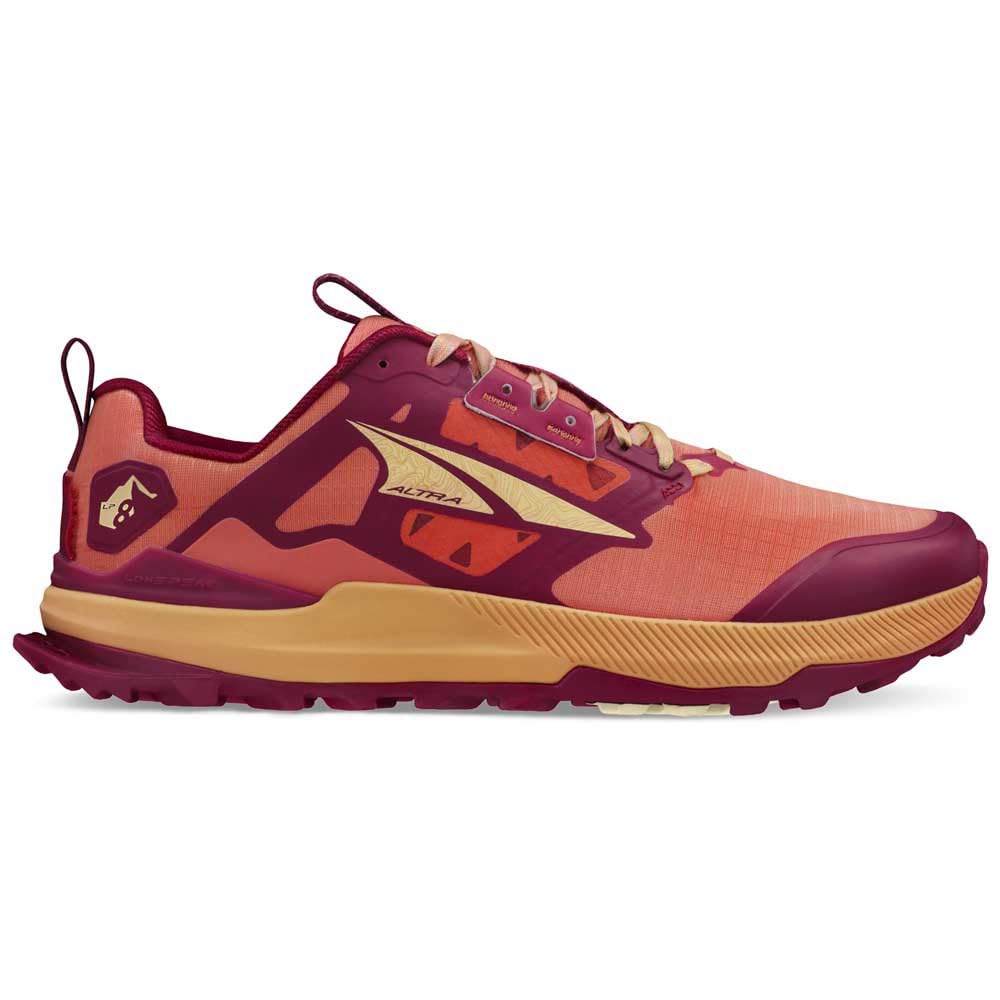
The Lone Peak 8 features ALTRA’s Original FootShape toe box — a wide, foot-shaped forefoot that does not squeeze toes sideways, leaving ample room for orthotics that extend past the ball of the foot. The zero-drop platform keeps your heel and forefoot at the same height, which is ideal for orthotic users who want their insert to control pronation without a heel-toe ramp interfering. Trail runners consistently report that this shoe eliminates the foot fatigue and rubbing that narrower shoes cause on rocky, steep terrain.
The insole is fully removable, and the internal volume is generous enough to accommodate both a medium orthotic and a thick hiking sock without compressing the toes. The outsole uses ALTRA’s MaxTrac rubber with chevron lugs that grip loose dirt and rock without catching debris like the Gravity Defyer’s fine crosshatch pattern. The toe guard and gaiter compatibility add durability for technical trails.
The Lone Peak 8 is not for everyone — zero-drop requires an adjustment period for runners used to a 10mm drop, and the wide toe box can feel sloppy for narrow-footed users. But if you need a zero-drop trail shoe with generous volume for bulkier orthotics, this is the benchmark. The LiteStrand mesh upper breathes well and dries quickly after water crossings.
Why it’s great
- Wide FootShape toe box accommodates bulky orthotics without toe pinch
- Zero-drop platform lets orthotics control pronation naturally
- Excellent traction on loose dirt and rock
Good to know
- Zero-drop requires a slow transition for heel-strikers
- Wide fit may feel loose for narrow-footed users
6. Gravity Defyer g-defy Energiya Cross Training Shoes
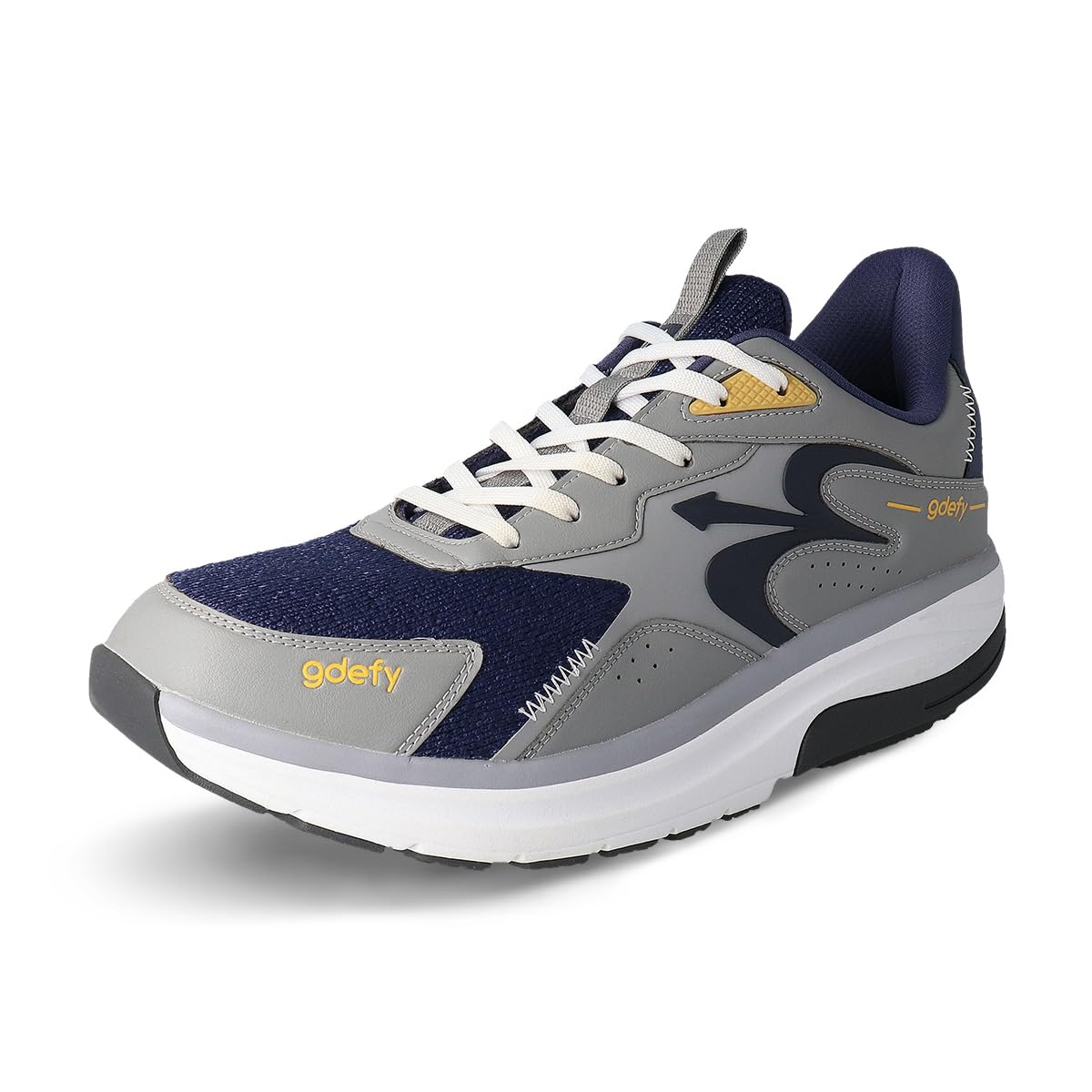
The Gravity Defyer Energiya comes with two sets of insoles: a Comfort Fit layer for general wear and an Orthotic Fit insole that provides firmer arch support and a deeper heel cup. The VersoShock sole uses a spring-like trampoline effect under the heel that propels your foot forward — a design that several users with plantar fasciitis say dramatically reduced pain within four days. One forklift operator who stands ten hours daily reported that the shoe eliminated arch and heel pain that custom orthotics alone had not fixed.
The shoe runs small — reviewers consistently recommend going a half to a full size up, especially if you plan to use your own orthotics. The heel cup is snug and secure, but the fine crosshatch pattern on the outsole picks up small gravel and holds onto it, which creates traction problems indoors and a clicking noise on hard floors. The upper is a sparkle-patterned fabric that looks better in person than in photos, but it is not breathable enough for hot-weather runs.
The Energiya is best suited for walking and standing, not running. The thick sole and trampoline heel make it feel clunky at faster paces. For orthotic users who spend their day on concrete floors — warehouse workers, retail staff, nurses — the pain relief is immediate and dramatic, but be prepared for gravel trapping.
Why it’s great
- Two-insole system includes a dedicated Orthotic Fit insert with deep heel cup
- VersoShock heel significantly reduces plantar fasciitis pain
- Excellent for those standing or walking on hard floors all day
Good to know
- Fine outsole pattern traps gravel and small debris
- Runs small — order at least a half size up
- Not suitable for running or fast-paced movement
7. ASICS Women’s Gel-Cumulus 27 Running Shoes
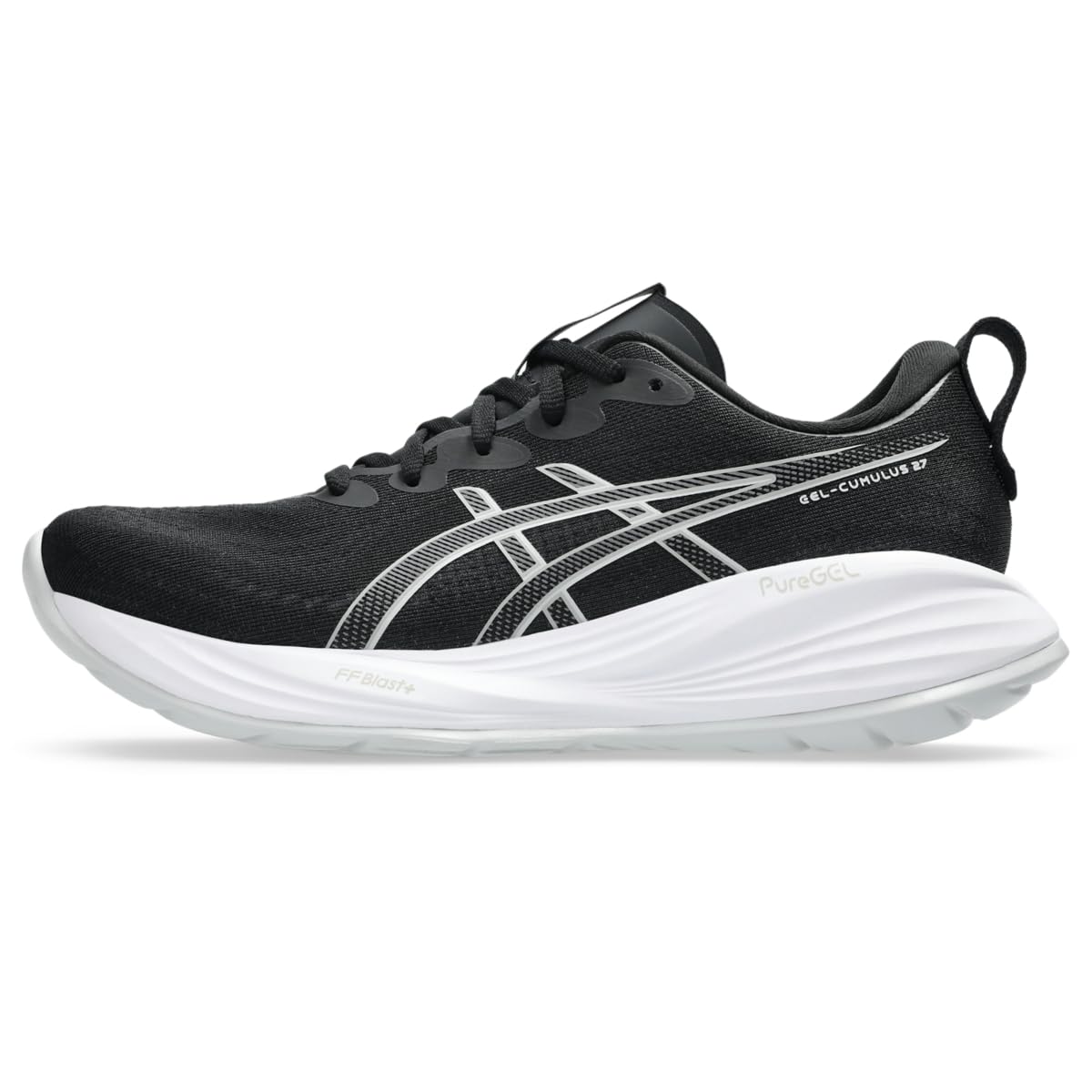
The Gel-Cumulus 27 is a neutral daily trainer with a rearfoot GEL unit that softens heel strikes without adding bulk. The sockliner comes out cleanly, and the heel cup is relatively narrow — a feature that customers with narrow feet specifically praised for preventing heel slip. The midsole uses ASICS’ FlyteFoam technology, which is medium-density: springy enough for easy runs but firm enough to support an orthotic’s arch post without collapsing.
Several users who wore the Cumulus 27 after Morton’s neuroma diagnosis found the toe box tight for the condition when using custom orthotics, though women with neutral to high arches reported excellent overall comfort. The shoe is best suited for shorter distances (up to 6 miles) or as a walking and gym shoe. The 10mm drop is standard for a road trainer, but users accustomed to lower-drop shoes may feel the heel pitch.
Durability is strong — the outsole uses blown rubber in the forefoot and carbon rubber in the heel, giving roughly 350-400 miles of use before noticeable wear. The engineered mesh upper is lightweight and breathable, but does not stretch, so the toe box volume is fixed. If you have narrow feet and a medium-size orthotic, the Cumulus 27 is a reliable budget-friendly option that does not skimp on support.
Why it’s great
- Narrow heel cup prevents orthotic shifting for narrow-footed users
- Medium-density FlyteFoam supports orthotics without being too soft
- Durable outsole rubber delivers 350+ miles of use
Good to know
- Toe box is too tight for bulky orthotics or neuroma conditions
- 10mm drop may feel aggressive for midfoot strikers
8. Under Armour Men’s TriBase Reign 6 Trainer Shoes
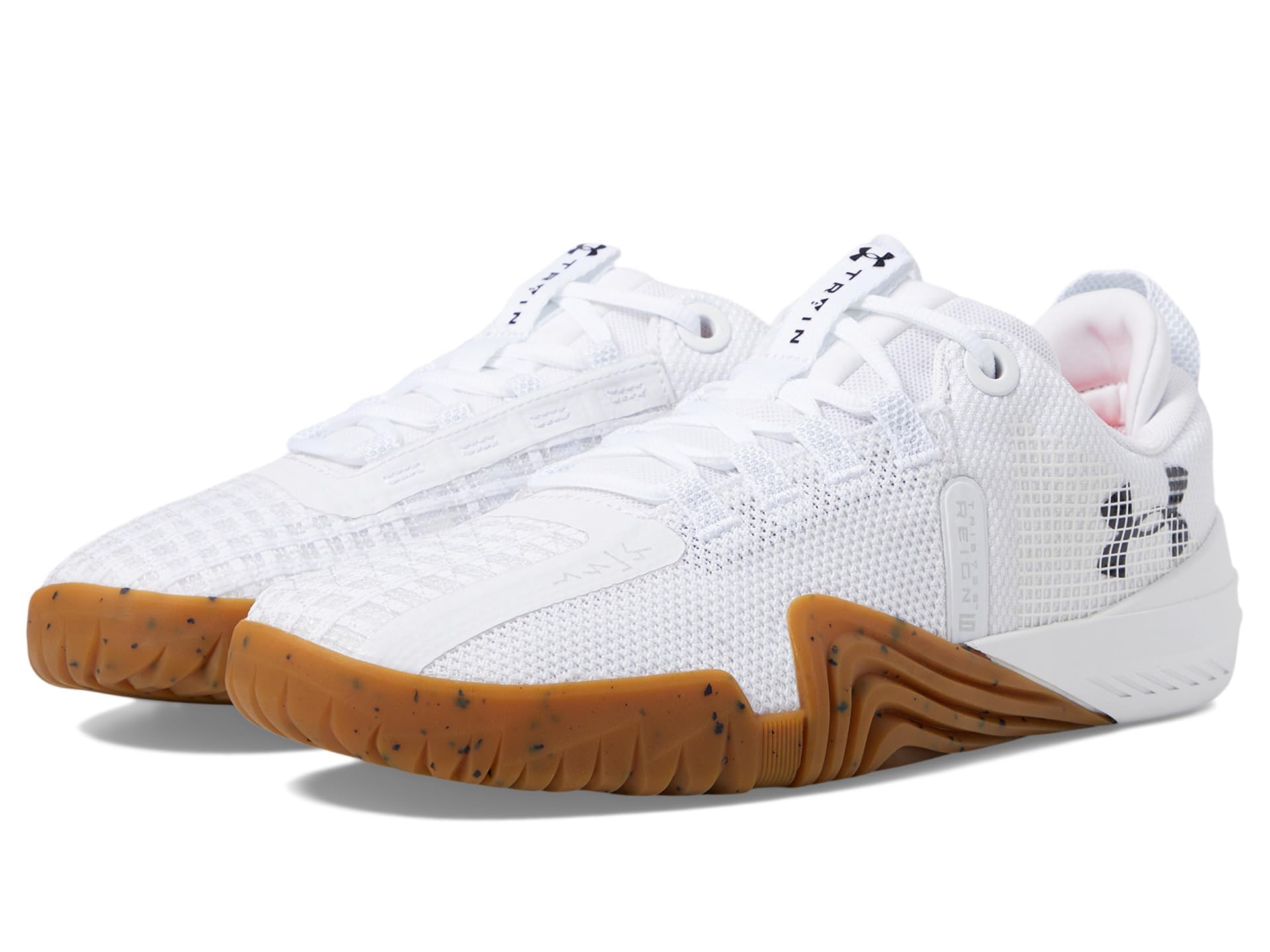
The TriBase Reign 6 is built for weightlifting: the wide flat TriBase outsole provides a stable platform for squats and deadlifts, and the toe box is roomier than competitors like the Nano or Metcon. The sockliner is removable, and the interior volume is generous enough to accept a medium orthotic without raising the heel too high inside the shoe. Users with flat feet and low arches noted zero heel lift or arch ache during heavy lifts and incline treadmill work.
The shoe uses a UA Warp upper that wraps the midfoot securely without restricting toe movement. The midsole is firm — intentionally so — because a soft cushion would destabilize heavy loads. That firmness works well with orthotics, as it prevents the insert from sinking into the foam and losing its corrective position. Reviewers recommend going a half size down from your running shoe size due to the minimalist design, but if you plan to add an orthotic, stick with your regular size.
The Reign 6 is not a running shoe. It works for short treadmill sprints and HIIT cardio, but the firm sole and low stack height (roughly 15mm) make it uncomfortable for distances over two miles. For gym-goers who need orthotic support during strength training, the TriBase Reign 6 is a solid mid-range choice that prioritizes stability.
Why it’s great
- Wide flat sole provides stable base for squats and deadlifts
- Firm midsole prevents orthotic from sinking and losing support
- Roomy toe box accommodates orthotics without compressing toes
Good to know
- Not suitable for long-distance running or walking
- Firm midsole may feel harsh for users accustomed to plush cushioning
9. Adidas Unisex-Adult Dropset 3 Trainer
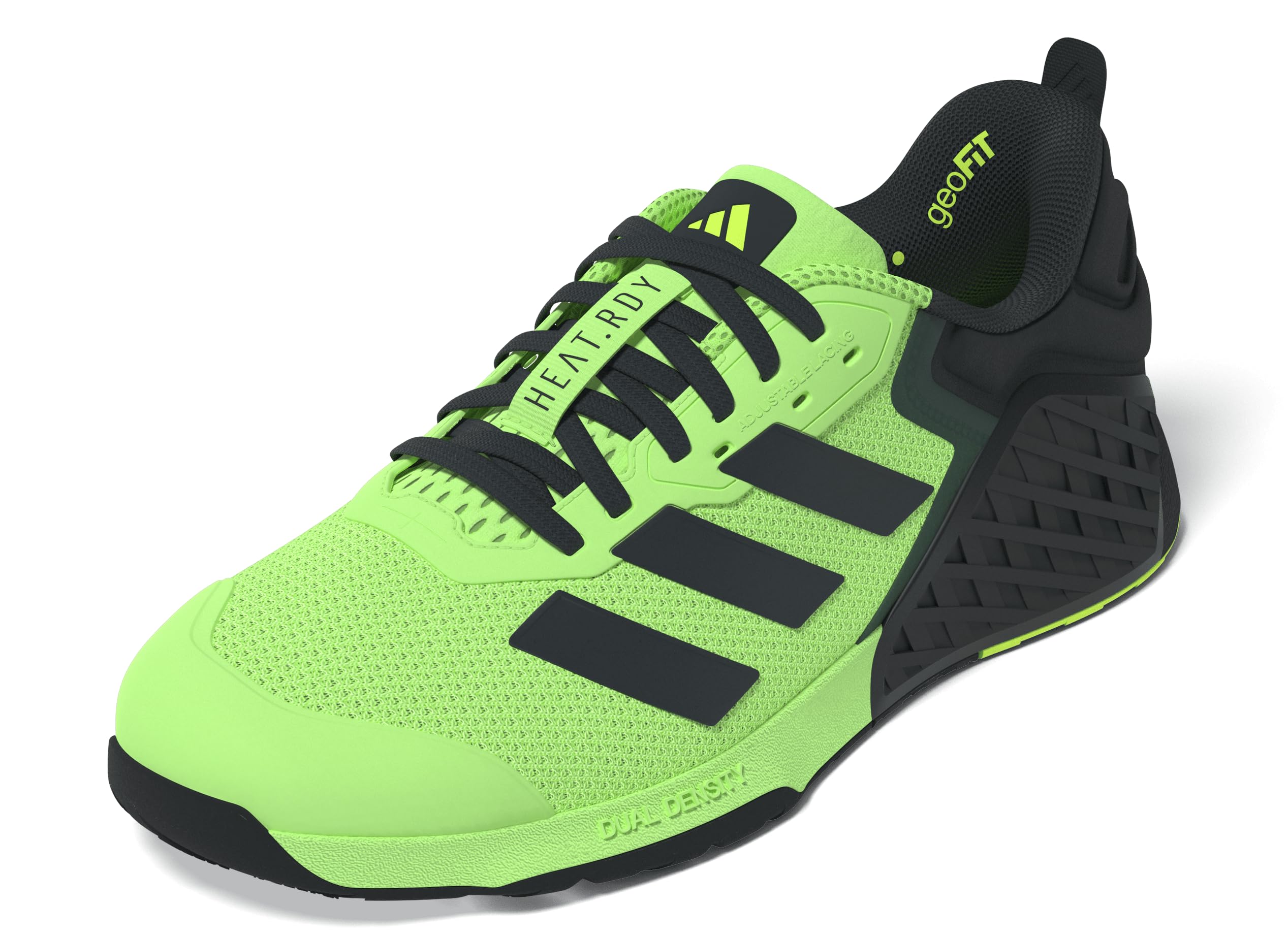
The Dropset 3 is Adidas’ dedicated training shoe, designed with a wide flat sole that keeps your foot grounded during Olympic lifts and kettlebell swings. The sockliner is removable, and the toe box is roomier and more durable than the Dropset 2, allowing orthotics to sit without sidewall pressure. Several CrossFit users reported that the shoe runs small — ordering a half size up is recommended, especially if your orthotic takes up internal volume.
The upper is breathable mesh with a reinforced toe cap, but the tongue is now sewn without elastic, which can cause it to slide off-center during dynamic movements. The laces are longer than necessary, but a simple lace lock solves the issue. The outsole floods slightly in rain through the vent — a quirk noted by repeat buyers — so this is strictly a gym shoe, not an outdoor trainer.
Durability is the biggest question mark. One reviewer reported delamination and deformation after four months of weekly use, while others praised the shoe’s lightness and stable feel. If you need a training shoe that accepts orthotics for gym sessions only and you are willing to risk average durability for a lower entry price, the Dropset 3 performs well inside the weight room.
Why it’s great
- Wide flat sole provides rock-solid stability for weightlifting
- Removable insole and roomy toe box accommodate orthotics well
- Lightweight and breathable for high-intensity training
Good to know
- Runs small — order a half size up for orthotic fit
- Ventilated sole floods in rain — indoor use only
- Reports of delamination after several months of weekly use
FAQ
Can I use custom orthotics in any athletic shoe with a removable insole?
Should I size up when wearing orthotics in athletic shoes?
Do zero-drop shoes work with orthotics?
Why does my orthotic slip inside my shoe during a run?
Final Thoughts: The Verdict
For most users, the best athletic shoes for orthotics winner is the Orthofeet Tilos because it arrives with a complete orthotic adjustment system (four insoles and risers) and a deep heel cup that works for walkers, nurses, and anyone who stands all day. If you want maximum cushion on the road, grab the Brooks Glycerin Max. And for trail runners who need a zero-drop platform with a wide toe box, nothing beats the ALTRA Lone Peak 8.

Mo Maruf
I created WellFizz to bridge the gap between vague wellness advice and actionable solutions. My mission is simple: to decode the research and give you practical tools you can actually use.
Beyond the data, I am a passionate traveler. I believe that stepping away from the screen to explore new environments is essential for mental clarity and physical vitality.