Our readers keep the lights on and my smoothie glass nicely filled. As an Amazon Associate, I earn from qualifying purchases.
The average 12-hour nursing shift puts over 10,000 steps on your feet, often on unforgiving hospital linoleum or clinic tile. Your footwear isn’t just a uniform accessory—it’s the single most important piece of equipment for preventing plantar fasciitis, shin splints, and lower back fatigue by the end of your rotation. Choosing the wrong pair can turn a manageable shift into an exercise in pain management.
I’m Mohammad Maruf — the founder and writer behind WellFizz. I’ve spent years analyzing the biomechanics of work footwear and cross-referencing real-world user data from thousands of nurses to identify which cushioning compounds, outsole tread patterns, and arch support geometries actually hold up over consecutive 12-hour days.
This guide breaks down the seven models that consistently deliver the support, grip, and breathability required for the floor. Whether you need maximum motion control or a lightweight, flexible feel, here is the definitive list of the best athletic shoes for nurses.
How To Choose The Best Athletic Shoes For Nurses
Nursing shoes live in a unique category between performance running and occupational safety gear. You need the energy return of a running shoe combined with the slip resistance and durability of a work boot. Focusing on the wrong spec—like choosing a minimal drop when you need max cushion—can lead to preventable foot pain mid-shift.
Cushioning and Heel-to-Toe Drop
For nurses, a higher stack height (30mm or more) with plush foam provides better shock absorption on hard hospital floors. Look for a heel-to-toe drop between 8mm and 12mm; this keeps your calves from overstretching during prolonged standing while still allowing a natural walking gait.
Arch Support and Stability Features
Flat feet and fallen arches are common complaints among healthcare workers. Shoes with a medial post, a GuideRails system, or a structured heel counter help control overpronation. If you have high arches, opt for a neutral platform with a generous forefoot rocker to reduce pressure on the metatarsal heads.
Slip Resistance and Outsole Material
Hospital floors are often wet or polished, making grip critical. Look for an outsole with documented slip resistance—typically a rubber compound with multi-directional tread grooves. Avoid blown rubber outsoles from pure running shoes, as they can be dangerously slick on tile and linoleum.
Breathability and Easy Care
Spills and long hours demand a shoe upper that breathes yet cleans easily. Engineered mesh offers the best ventilation, while leather or synthetic leather panels resist fluid absorption. Many nursing-specific models also feature stain-resistant coatings that make wiping down a simple task between patients.
Quick Comparison
On smaller screens, swipe sideways to see the full table.
| Model | Category | Best For | Key Spec | Amazon |
|---|---|---|---|---|
| Brooks Glycerin Stealthfit 22 | Neutral | All-day cushioning | 38mm stack; DNA Loft v3 | Amazon |
| Brooks Ghost Max | Neutral/Max | Heel & arch relief | GlideRoll rocker; 6mm drop | Amazon |
| Dansko Peony | Stability | Arch & back support | Stain-resistant upper | Amazon |
| Skechers Marsing Gmina | Work/Slip-Resist | Oil & slip resistance | Memory foam insole | Amazon |
| Brooks Addiction Walker V-Strap 2 | Stability | Maximum motion control | Extended Progressive DCF | Amazon |
| Brooks Ariel GTS 23 | Stability/Support | Flat feet & overpronation | GuideRails holistic support | Amazon |
| Skechers Go Run Elevate 2.0 | Lightweight | Budget-friendly comfort | Ultra Go cushioning | Amazon |
In‑Depth Reviews
1. Brooks Women’s Glycerin Stealthfit 22 Neutral Running Shoe
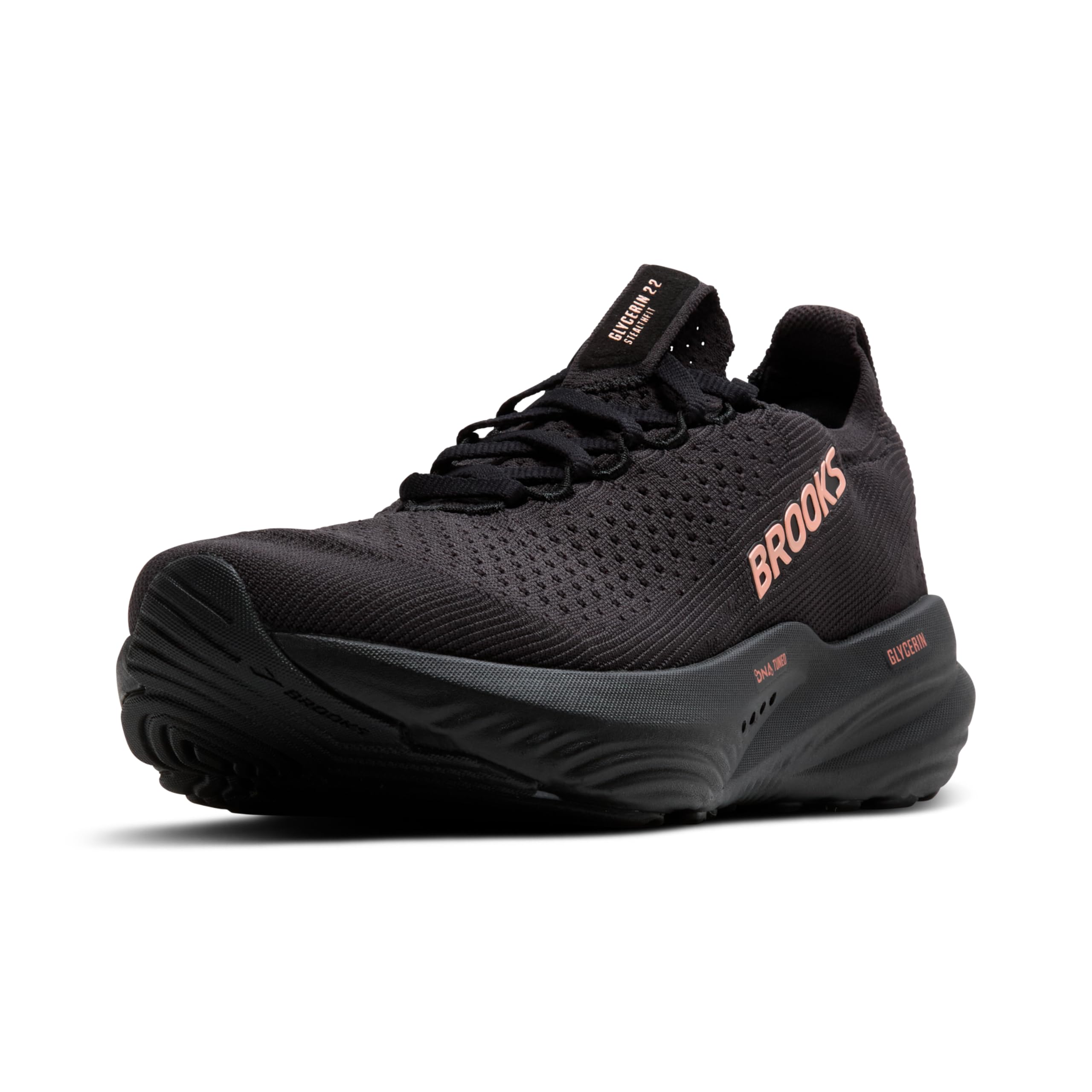
The Glycerin Stealthfit 22 is widely regarded as the gold standard for plush neutral cushioning. Its DNA Loft v3 foam—a blend of natural rubber and air-infused nitrogen—delivers a soft yet responsive ride that absorbs the constant pounding of hospital corridors without bottoming out. Nurses with high arches or forefoot sensitivity will appreciate the generous forefoot volume and seamless upper construction.
The Stealthfit bootie construction creates a sock-like fit that eliminates tongue slippage, a common frustration during hectic shifts. Multiple customer reviews confirm that the shoe provides relief for bunions and neuromas, thanks to the forgiving toe box and flexible mesh that adapts to foot swelling over long hours. The outsole uses a carbon rubber compound with distinct flex grooves for confident grip on tile.
The 38mm stack height places this shoe firmly in the max-cushion category, making it ideal for nurses who prioritize impact absorption above ground feel. While the shoe runs true to size, the stretchy upper means many users can slip in and out without retying—a minor convenience during quick breaks. It’s a premium investment that pays off in reduced joint fatigue.
Why it’s great
- Exceptional 38mm stack with responsive DNA Loft v3 foam
- Stretchy Stealthfit upper eliminates tongue slippage
- Excellent comfort for high arches and neuromas
Good to know
- Not designed for slip-resistant work environments
- Higher price point may not fit every budget
2. Brooks Women’s Ghost Max Suede/Leather Neutral Running & Walking Shoe

The Ghost Max delivers a unique combination of max cushion and a rockered sole geometry that eases the transition from heel strike to toe-off. The 6mm drop may seem low, but the GlideRoll technology smooths the gait cycle, reducing the stress on the Achilles tendon—a common trouble spot for nurses who stand for prolonged periods.
The suede and leather upper provides a more durable, fluid-resistant barrier compared to standard mesh. This makes it an excellent choice for nurses working in emergency departments or surgical units where exposure to fluids is higher. Customer feedback highlights its effectiveness for plantar fasciitis and Achilles tendonitis, with users reporting pain-free walking after months in a boot.
One important note is that many users found the shoe runs at least half a size smaller than other Brooks models. Ordering a full size up from your usual fit is recommended. The increased weight from the leather build is noticeable compared to all-mesh alternatives, but the trade-off in durability and protection is worthwhile for the right clinical setting.
Why it’s great
- GlideRoll rocker reduces Achilles and heel pressure
- Leather upper offers fluid resistance for clinical environments
- Strong relief reported for plantar fasciitis
Good to know
- Tends to run half a size smaller; order up
- Heavier than all-mesh alternatives
3. Dansko Peony Women’s Walking Sneakers
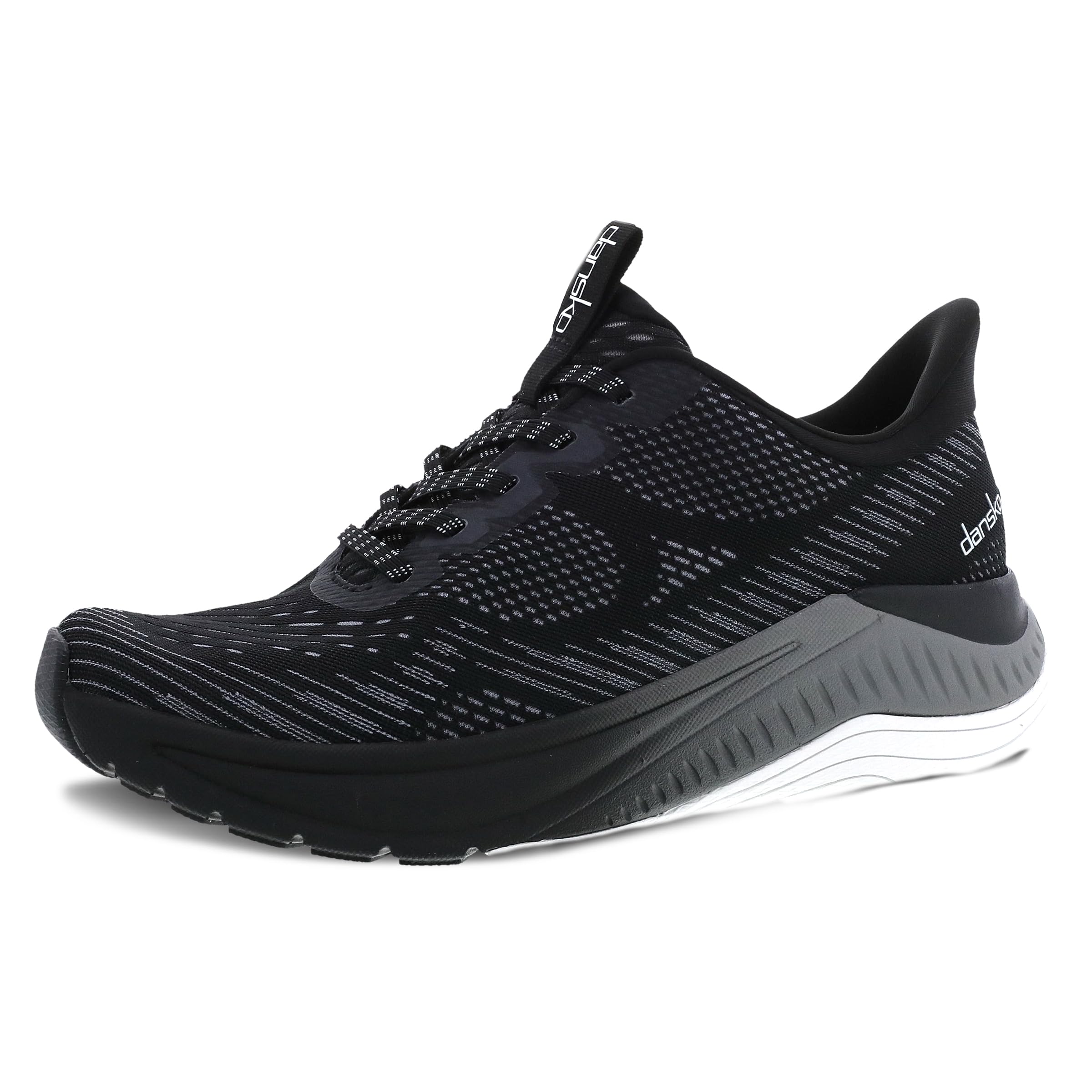
Dansko built its reputation on clogs for healthcare, and the Peony sneaker translates that brand ethos into a lighter, more athletic package. The shoe features a firm arch support that mimics the brand’s signature orthotic feel, making it a strong choice for nurses who need structured support but find traditional Dansko clogs too heavy. The lightweight rubber outsole provides excellent traction on polished floors.
The upper is treated with a stain-resistant finish, and the perforated “Perf” design improves breathability compared to standard leather sneakers. Dental assistants, lab techs, and floor nurses report that the Peony keeps their feet, legs, and back comfortable through full shifts. The stretchy lacing system allows for a secure fit without excessive pressure on the top of the foot.
The main durability concern comes from reports of the upper separating from the sole within a few months for a small number of users. Most find the cushioning and support sufficient for gym and running use as well, making this a versatile wardrobe addition. It takes two to three wears to fully break in, so plan to transition gradually during shorter shifts.
Why it’s great
- Excellent arch support for flat feet and overpronation
- Stain-resistant and breathable Perf upper
- Lightweight rubber outsole with strong grip
Good to know
- Requires 2-3 wears to break in
- Some reports of premature sole separation
4. Skechers Women’s Marsing Gmina Food Service Shoe

The Skechers Marsing Gmina is purpose-built for food service and healthcare environments, with an emphasis on slip resistance and easy cleaning. The outsole is certified for oil and slip resistance on wet surfaces, making it one of the safest choices for rooms where spills are common. The memory foam insole molds to the foot over the first few wears, offering personalized comfort that many nurses find relieving for osteoarthritis-related pain.
The upper is constructed from a smooth synthetic material that wipes clean with a damp cloth—a practical feature for shifts that involve fluids or mud. Several users report that the shoe runs large, so sizing down by half a size is often necessary. The sturdy build and rain-resistant properties make it a durable partner for both indoor and brief outdoor transitions between buildings.
While most feedback is positive for comfort and grip, a minority of users experienced heel pain, suggesting the arch support may not suit every foot type. The shoe is best suited for nurses who prioritize slip resistance and easy maintenance over plush midsole cushioning. If you need max energy return, look to the Brooks models instead.
Why it’s great
- Certified slip-resistant outsole for wet hospital floors
- Easy-to-clean synthetic upper
- Memory foam insole provides personalized comfort
Good to know
- Runs large; consider sizing down
- Heel pain reported by some users
5. Brooks Women’s Addiction Walker V-Strap 2 Walking Shoe

The Addiction Walker V-Strap 2 is the motion-control leader in this lineup, featuring an Extended Progressive Diagonal Rollbar (DCF) that corrects overpronation more aggressively than any other shoe here. For nurses with severe flat feet or a history of knee and hip pain from poor alignment, this shoe provides the structural intervention needed to keep the kinetic chain stable through long shifts.
The V-strap closure system uses two wide Velcro bands instead of traditional laces, making it exceptionally easy to adjust the fit for foot swelling throughout the day. The shoe is built on a straight-last platform, which maximizes stability at the cost of a somewhat bulky silhouette. Users report that the shoe lasts for multiple years of heavy use, often transitioning to casual wear after being retired from work.
A common observation is that the shoe makes the foot look larger than it is, which bothers some wearers. The fit is true to size, and the walking-specific geometry is designed for heel-first gait patterns rather than forefoot striking. If your doctor recommends a motion-control shoe for plantar fasciitis or ankle instability, the Addiction Walker is the definitive answer.
Why it’s great
- Extended DCF provides maximum overpronation control
- Velcro closure allows quick fit adjustment for swelling
- Extremely durable construction with multi-year lifespan
Good to know
- Bulky silhouette may feel visually large
- Higher price reflects specialized motion-control design
6. Brooks Women’s Ariel GTS 23 Supportive Running Shoe
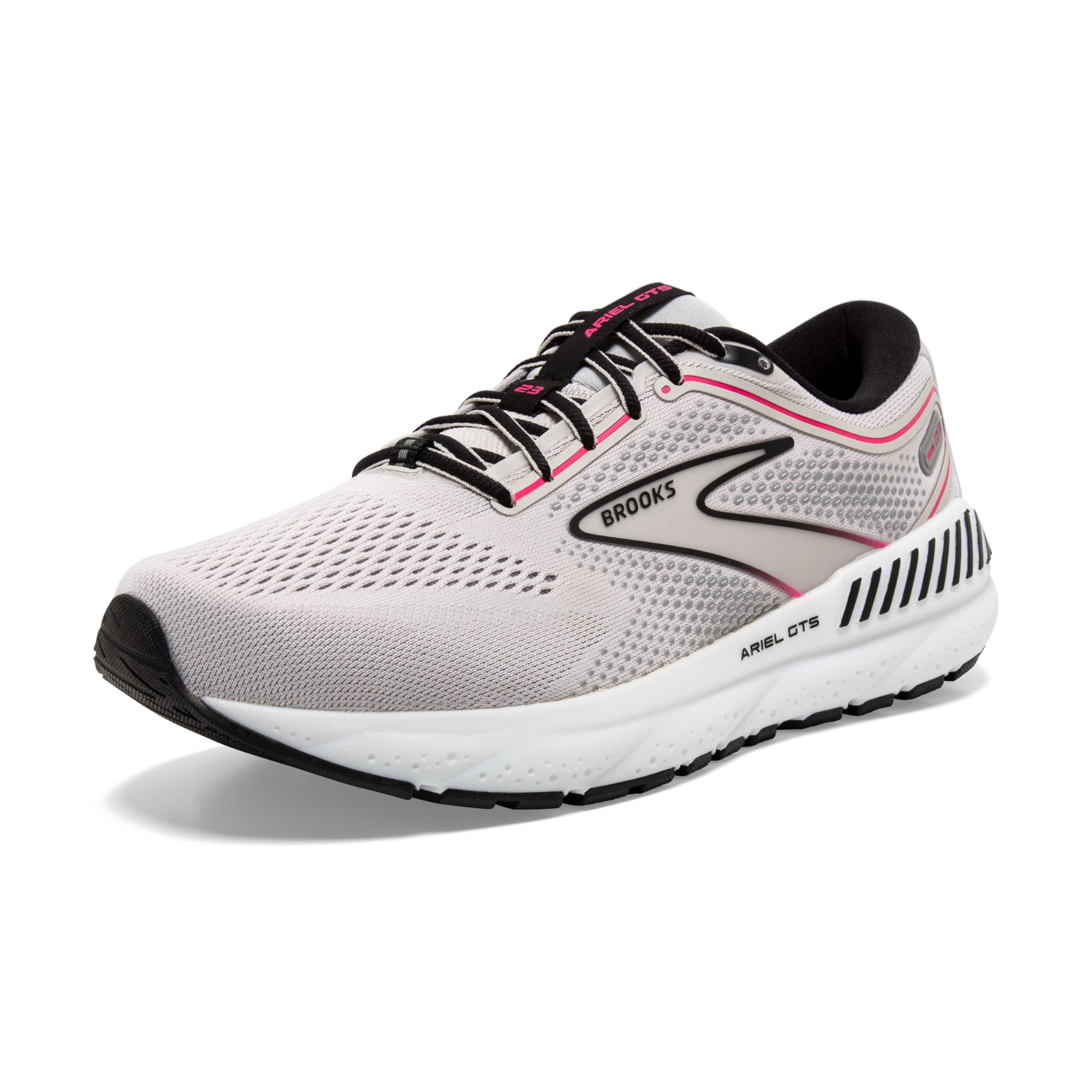
The Ariel GTS 23 is essentially the max-support version of Brooks’s GTS line, designed for runners and walkers who need the highest level of medial support. The GuideRails holistic support system works by keeping the knee and foot in alignment, making it an excellent choice for nurses with flat feet who also experience knee pain during their shifts. The shoe is offered in multiple widths, including wide and extra-wide, which is a critical feature for accommodating foot swelling midday.
Users consistently describe the Ariel as the most comfortable Brooks shoe they’ve worn, with particular praise from seniors and those with chronic foot issues. The engineered mesh upper is breathable and lightweight despite the robust support chassis, allowing for decent airflow during warm shifts. The in-shoe feel is plush yet stable, avoiding the “board-like” sensation of some older stability shoes.
One factor to consider is that the Ariel is built for a specific biomechanical profile—severe overpronation. Neutral gaits may find the medial post overly aggressive. The stiffness of the platform also takes a few miles to break in, so initial wear should be on shorter shifts before committing to a full 12-hour day.
Why it’s great
- GuideRails system aligns knee and foot for overpronation
- Available in wide and extra-wide widths
- Breathable mesh with plush yet stable feel
Good to know
- Best only for severe overpronation; neutral feet may find it stiff
- Requires a short break-in period
7. Skechers Women’s Go Run Elevate 2.0 Sneaker
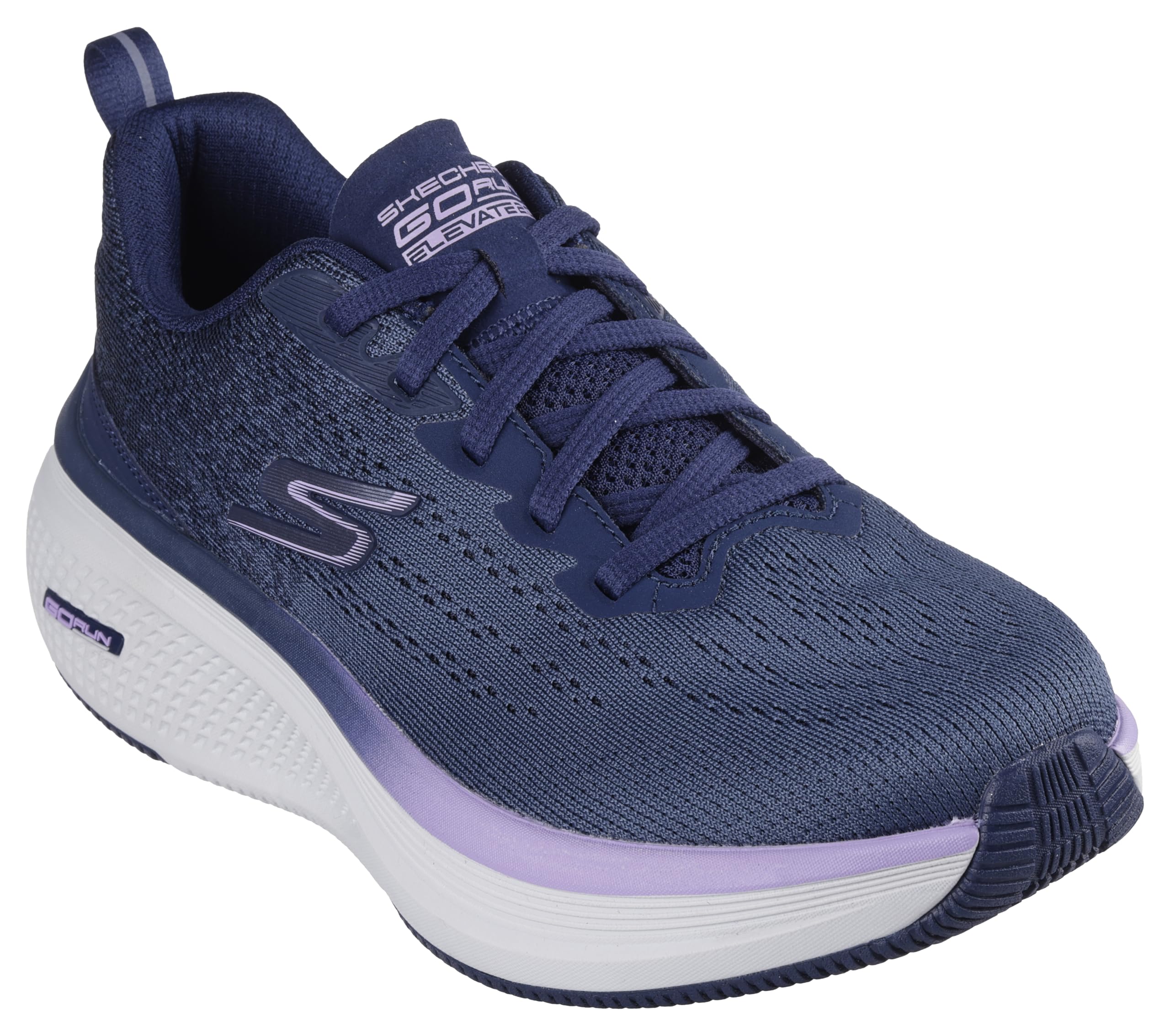
The Skechers Go Run Elevate 2.0 is the most accessible entry point on this list, offering a balanced mix of cushion and weight savings that makes it a solid choice for nurses on a budget or those who rotate shoes frequently. The Ultra Go midsole provides a soft landing that holds up well for 2-5 mile daily walks, and multiple users confirm comfort over full 12-hour shifts. The rubber outsole uses a non-slip tread pattern that handles indoor surfaces with confidence.
The knit upper is soft and stretchable, which works well for mild foot swelling, though the toe box is notably narrow in certain colorways. Several customers reported that the black and blue variant has a wider shape than the other colors, suggesting batch variation. The shoe is extremely lightweight at around 1.5 pounds per pair, reducing overall leg fatigue during those long stretches on the ward.
The primary trade-off is the level of arch support—it’s moderate at best. Nurses with flat feet or high arches may need to add an aftermarket orthotic for proper alignment. The build quality is decent for the price, but the outsole wears faster than pricier competitors, especially if used for daily outdoor commuting.
Why it’s great
- Very lightweight design reduces leg fatigue
- Comfortable Ultra Go cushioning for long shifts
- Non-slip outsole provides safe grip on tile
Good to know
- Narrow toe box in some color variants
- Moderate arch support may need orthotic inserts
FAQ
Can I wear running shoes for nursing shifts?
How often should I replace my nursing shoes?
What is the best shoe for plantar fasciitis in nurses?
Final Thoughts: The Verdict
For most users, the athletic shoes for nurses winner is the Brooks Glycerin Stealthfit 22 because its plush DNA Loft v3 cushioning and seamless upper provide the all-day comfort and zero-irritation fit that clinical work demands. If you need slip resistance and easy cleaning, grab the Skechers Marsing Gmina. And for maximum motion control and overpronation support, nothing beats the Brooks Addiction Walker V-Strap 2.

Mo Maruf
I created WellFizz to bridge the gap between vague wellness advice and actionable solutions. My mission is simple: to decode the research and give you practical tools you can actually use.
Beyond the data, I am a passionate traveler. I believe that stepping away from the screen to explore new environments is essential for mental clarity and physical vitality.