Our readers keep the lights on and my smoothie glass nicely filled. As an Amazon Associate, I earn from qualifying purchases.
That sharp, burning sensation under the ball of your foot with every step isn’t just annoying—it’s metatarsalgia. Finding the right shoe means looking past general cushioning and targeting the specific pressure points under your forefoot with a rocker sole, a wide toe box, and a supportive metatarsal pad.
I’m Mohammad Maruf — the founder and writer behind WellFizz. I’ve spent hundreds of hours analyzing foot mechanics, studying podiatrist recommendations, and comparing sole geometries to understand exactly what makes a shoe work for metatarsalgia.
This guide breaks down the essential specs and top contenders to help you find real, lasting relief. You’ll discover the best athletic shoes for metatarsalgia that combine professional-grade support with everyday comfort for pain-free movement.
How To Choose The Best Athletic Shoes For Metatarsalgia
Metatarsalgia demands a specific set of shoe features. General running shoes often have too much forefoot flexibility or a tapered toe box that aggravates the condition. Focus on these three elements to filter out the noise.
Prioritize the Rocker Sole Geometry
The most critical feature is a rocker sole — a curved bottom that propels your foot forward, reducing the bend at the metatarsal heads. A shoe with a stiff, early-stage rocker minimizes the pressure on the forefoot with every stride. Without it, you’re essentially asking your foot to flex and torque the painful area.
Measure the Toe Box Volume
Your toes need space to splay naturally, which lowers pressure on the metatarsal heads. Look for a wide toe box, ideally one that is foot-shaped (like Altra’s design). A cramped toe box forces the metatarsals together, increasing friction and pain. Don’t just check width — ensure there is enough vertical space so your toes aren’t pressing against the roof of the shoe.
Look for Internal Metatarsal Support
A removable insole with a built-in metatarsal pad is a game-changer. This small, dome-shaped bump sits just behind the metatarsal heads and lifts them slightly, redistributing weight back to the arch. Some shoes include this from the factory; others benefit from aftermarket orthotics. A deep heel cup also stabilizes the foot, preventing sliding that can load the forefoot.
Quick Comparison
On smaller screens, swipe sideways to see the full table.
| Model | Category | Best For | Key Spec | Amazon |
|---|---|---|---|---|
| ASICS Gel-Nimbus 28 | Premium | Plush forefoot cushioning | FF BLAST+ ECO midsole | Amazon |
| Brooks Glycerin 23 | Premium | Shock absorption & stability | DNA LOFT v3 cushioning | Amazon |
| New Balance Fresh Foam X More V5 | Premium | Soft ride & pronation control | Fresh Foam X midsole | Amazon |
| ALTRA Lone Peak 9 | Mid-Range | Foot-shaped toe box & zero-drop | Zero-drop / 25mm stack | Amazon |
| ABEO MXV Shift | Mid-Range | Built-in metatarsal footbed | MXV metatarsal footbed | Amazon |
| Gravity Defyer g-defy Energiya | Mid-Range | Standing all-day relief | VersoShock sole technology | Amazon |
| OrthoComfoot Women’s Wide | Mid-Range | Wide toe box & arch support | Wide toe box / orthotic-ready | Amazon |
| Orthofeet Sahara Slide Sandal | Mid-Range | Adjustable forefoot support | Orthotic insole / adjustable strap | Amazon |
| ASICS Gel-Cumulus 27 | Budget-Friendly | Reliable cushioning on a budget | GEL technology / 8mm drop | Amazon |
In‑Depth Reviews
1. ASICS Men’s Gel-Nimbus 28 Running Shoes
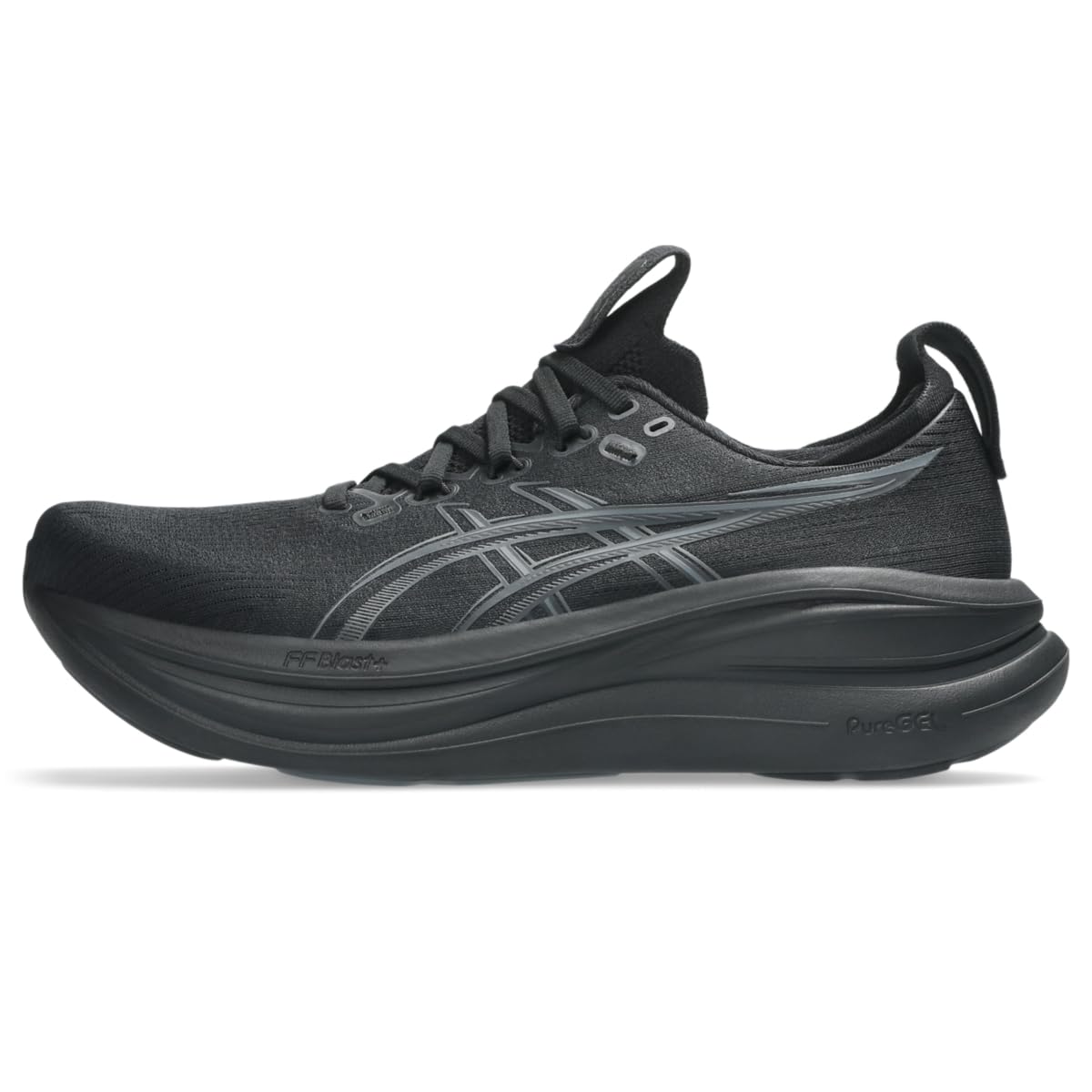
The ASICS Gel-Nimbus 28 delivers the most concentrated forefoot cushioning in this list, thanks to a full-length FF BLAST+ ECO midsole and a visible PureGEL unit embedded under the ball of the foot. That gel pod directly absorbs the shock that would otherwise hammer the metatarsal heads, making this an excellent choice for runners or walkers who land hard on their forefoot. Reviewers consistently note the plush, cloud-like feel, and many describe it as the best shoe they’ve worn post-knee surgery.
Beyond the cushioning, the upper is engineered for a secure yet non-irritating fit. The knit material is lightweight and breathable, and while some users note the toe box runs slightly narrow for an extra-wide foot, the wide sizing option accommodates most metatarsalgia sufferers. The outsole grips wet surfaces well, adding confidence on varied terrain. Reviewers highlight its smooth ride and dramatic reduction in foot soreness even after long sessions.
One user mentioned the arch support felt natural but could be stronger for high-arched runners, and the sizing can be inconsistent between versions—the 28 runs a bit smaller and narrower than the 26. If you plan to use custom orthotics, consider going up a half size in the wide width. The premium price reflects a do-it-all shoe that doubles as a daily walker and recovery runner.
Why it’s great
- PureGEL insert delivers targeted forefoot shock absorption
- FF BLAST+ ECO foam is soft yet responsive for long miles
- Excellent wet-surface grip and high-quality materials
Good to know
- Runs narrower than previous Nimbus versions
- Arch support may feel insufficient for extremely high arches
- Premium price point
2. Brooks Women’s Glycerin 23 Neutral Running Shoe
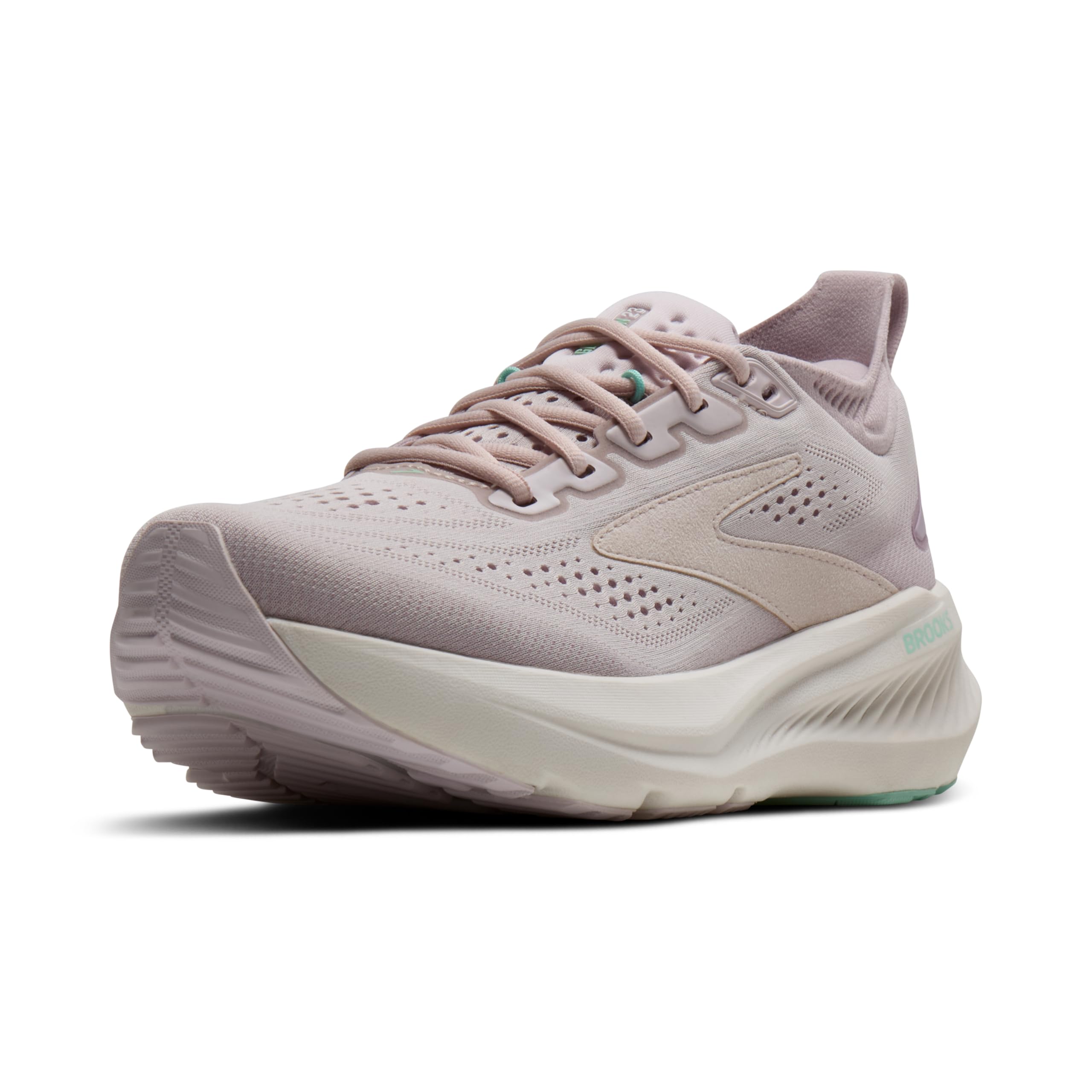
The Brooks Glycerin 23 has earned a loyal following among podiatrist-recommended footwear for good reason: its DNA LOFT v3 cushioning is the softest Brooks has ever made, yet it remains remarkably stable. The heel-to-toe offset is moderate, but the rocker-like profile of the sole helps offload the forefoot during the push-off phase. Multiple reviews from users with high arches and metatarsalgia state they walked pain-free for miles right out of the box with zero break-in.
The upper is engineered with a plush, mesh material that wraps the foot without creating pressure points. The toe box is noticeably wider than previous Glycerin models, allowing the metatarsal heads to splay naturally. The angled heel and deep tread pattern provide solid grip on pavement and light trails. Users with sensitive ankles appreciated the lower collar height, which prevented rubbing and irritation.
On the downside, the same softness that makes the shoe heavenly for walking can feel slightly unstable for faster-paced runs or agility work. The price is on the higher end of the spectrum, but buyers consistently report the durability makes it a fair investment. If you need a do-everything shoe that prioritizes forefoot comfort above all else, the Glycerin 23 is a strong contender.
Why it’s great
- Plush DNA LOFT v3 cushioning with a rocker-like feel
- Podiatrist-recommended with no break-in period reported
- Wider toe box and lower collar for comfort
Good to know
- Soft foam may feel unstable for high-speed running
- Premium price tier
- White colorway shows dirt easily
3. New Balance Women’s Fresh Foam X More V5

The Fresh Foam X More V5 is the max-cushioning king of this list, packing over 40mm of foam under the heel and a generous 32mm under the forefoot. That massive stack height translates into a genuinely soft, cloud-like landing that reduces impact on the metatarsal heads. Users with lymphedema, sciatica, and general foot sensitivity report it as the only shoe they can wear all day without pain. The wide width option is genuinely roomy, accommodating swollen feet or custom orthotics.
Stability is better than expected from such a tall platform. The outsole flares out at the heel and forefoot to create a stable base, and testers noted it effectively prevents pronation. The engineered mesh upper breathes well and doesn’t trap heat, making it suitable for long walks in warm conditions. One user bought four pairs, which speaks volumes about its consistent comfort.
The trade-off for that plush ride is some ground feel and responsiveness. It’s not a shoe for speed work or agility drills. The white and light color options get dirty quickly, and the price is in the premium bracket. For pure metatarsalgia relief during walking or standing, however, this shoe is hard to beat.
Why it’s great
- Extremely thick Fresh Foam X sole absorbs massive impact
- Available in extra-wide widths for orthotic use
- Excellent stability for a max-cushion shoe
Good to know
- Lacks ground feel for faster running
- Light colors show stains quickly
- Premium price point
4. ALTRA Men’s Lone Peak 9 Trail Running Shoe
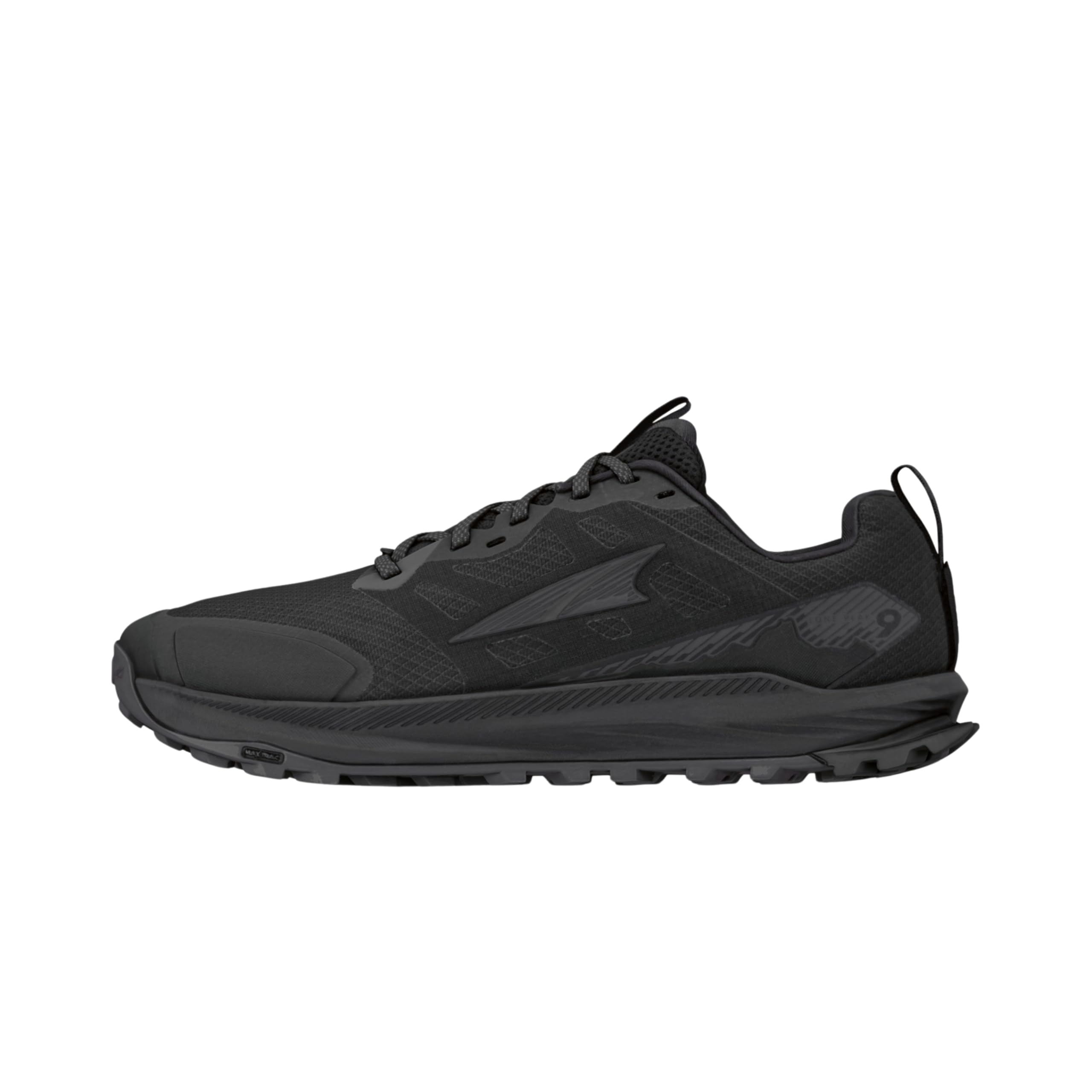
ALTRA’s Lone Peak 9 takes a different approach: zero-drop platform and a foot-shaped toe box that allows your toes to splay completely. For metatarsalgia, this geometry is powerful—it reduces the crowding that compresses the metatarsal heads and encourages a more natural, midfoot strike. The 25mm stack height with Altra’s EGO foam provides moderate cushioning, not marshmallow soft, but enough to protect the forefoot on hard surfaces.
The Maxtrac outsole grips well on everything from mud to rock, and the shoe is surprisingly stable despite the zero-drop height. Reviewers with wide feet and orthopedic arch supports praised how well the shoe accommodates aftermarket insoles. The upper is breathable and durable, surviving hundreds of trail miles for some users. It also makes an excellent hiking shoe for trips like Machu Picchu, as one reviewer noted.
The caveat is the transition to zero-drop: if you’re used to a 10-12mm drop shoe, you’ll need a gradual break-in to avoid calf and Achilles strain. The Lone Peak runs slightly large, so sizing down a half size is common advice. If your metatarsalgia is aggravated by a high heel-to-toe drop, this is a strong solution.
Why it’s great
- Foot-shaped toe box allows natural toe splay
- Zero-drop reduces forefoot pressure on push-off
- Durable build with excellent trail traction
Good to know
- Zero-drop requires gradual adaptation
- Runs large; may need to size down half
- Not as plush as max-cushion trainers
5. ABEO MXV Shift Women’s Metatarsal Footbed Walking Shoes

The ABEO MXV Shift is purpose-built for metatarsalgia, featuring a removable MXV metatarsal footbed that includes a built-in dome to lift and offload the metatarsal heads. This makes it one of the few shoes on this list that addresses the condition directly at the footbed level. Reviewers with chronic ball-of-foot pain reported significant relief, even after two-mile walks that previously caused irritation in standard sneakers.
The shoe has a roomy toe box and a moderately stiff sole that reduces flex at the metatarsals. The non-slip outsole provided confidence on slick surfaces during a trip to England and Ireland. The cushioning feels supportive rather than ultra-soft, which helps maintain stability over long distances. The design looks like a traditional walking sneaker, which some find less athletic but more versatile for casual wear.
One durability concern emerged: a reviewer noted that after a month of wear, the shoes started rubbing their bunions, suggesting the metatarsal dome placement may not suit every foot shape. The price is mid-range, but the lifespan might be shorter than premium trainers if the footbed wears out. Still, for direct metatarsalgia intervention, the ABEO stands apart.
Why it’s great
- Built-in metatarsal footbed offloads forefoot pressure
- Roomy toe box and slip-resistant outsole
- Direct, targeted relief for ball-of-foot pain
Good to know
- May rub bunions depending on foot shape
- Durability may not match premium trainers
- Less athletic appearance
6. Gravity Defyer g-defy Energiya Cross Training Shoes
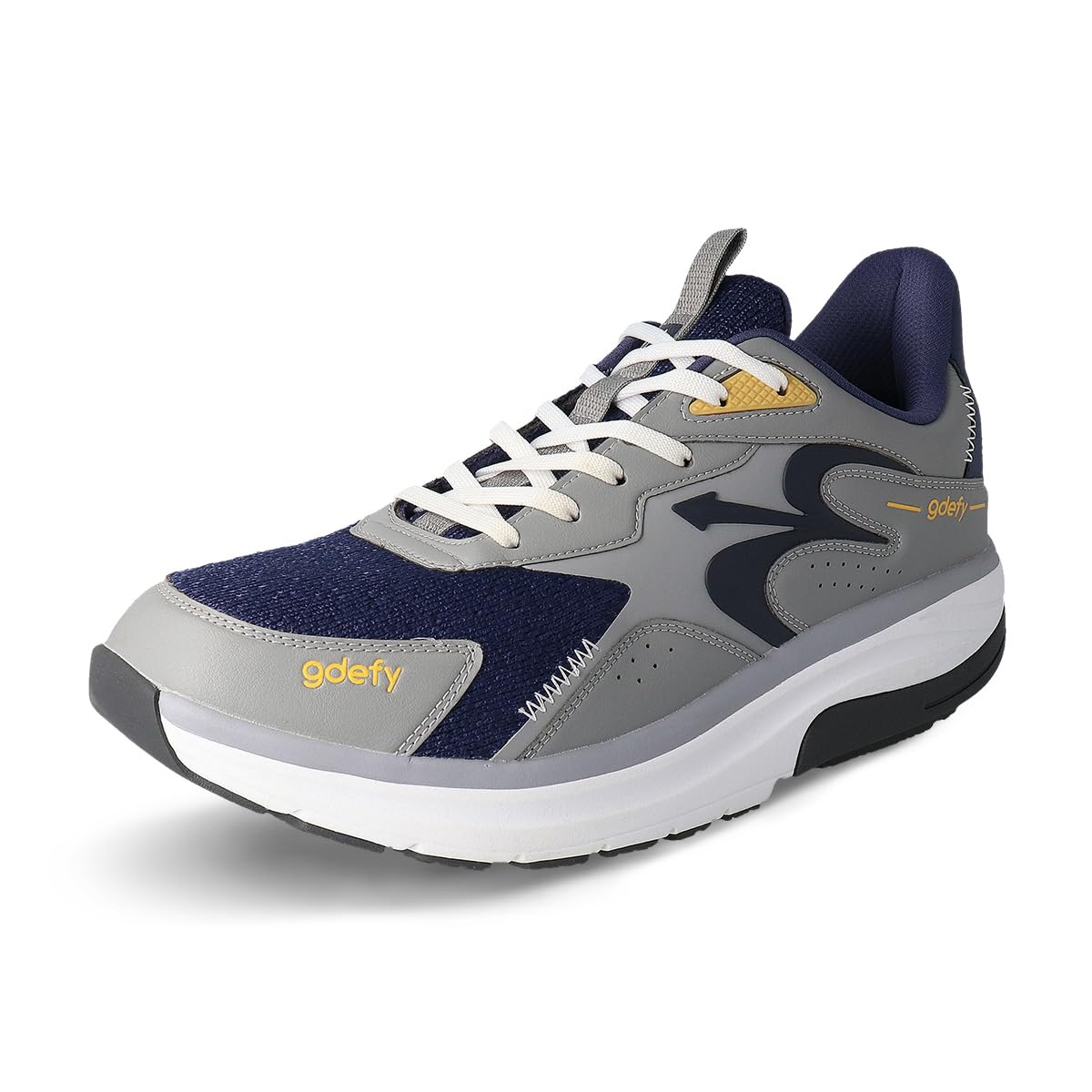
Gravity Defyer’s g-defy Energiya uses patented VersoShock technology — a mechanical sole design that compresses and rebounds to absorb impact and return energy. This system is particularly effective at reducing the peak pressure under the forefoot, making it a standout for standing all day. Multiple reviewers with plantar fasciitis and metatarsalgia reported complete elimination of heel and ball-of-foot pain within days.
The shoe includes a removable orthotic insole with firm arch support and a snug heel cup that stabilizes the foot. The wide toe box gives the metatarsals room to spread, and the slight forward lean built into the sole aids natural propulsion. The build quality is excellent, with durable materials that hold up well over time. It’s marketed as a cross-training shoe, but users overwhelmingly find it most comfortable for walking and standing.
The main criticism is the outsole’s fine grid pattern, which traps small gravel and can be difficult to clean. The shoe also runs small, so going up a half size is strongly recommended. It’s not designed for running, and the thick sole feels heavy for fast movement. But for pure shock absorption during prolonged standing or walking, it’s a top-tier pick.
Why it’s great
- VersoShock sole absorbs and returns energy
- Removable orthotic with firm arch support
- Wide toe box and deep heel cup for stability
Good to know
- Outsole grid traps small rocks and debris
- Runs small; size up half a size
- Too heavy and stiff for running
7. OrthoComfoot Women’s Orthopedic Diabetic Wide Running Shoes
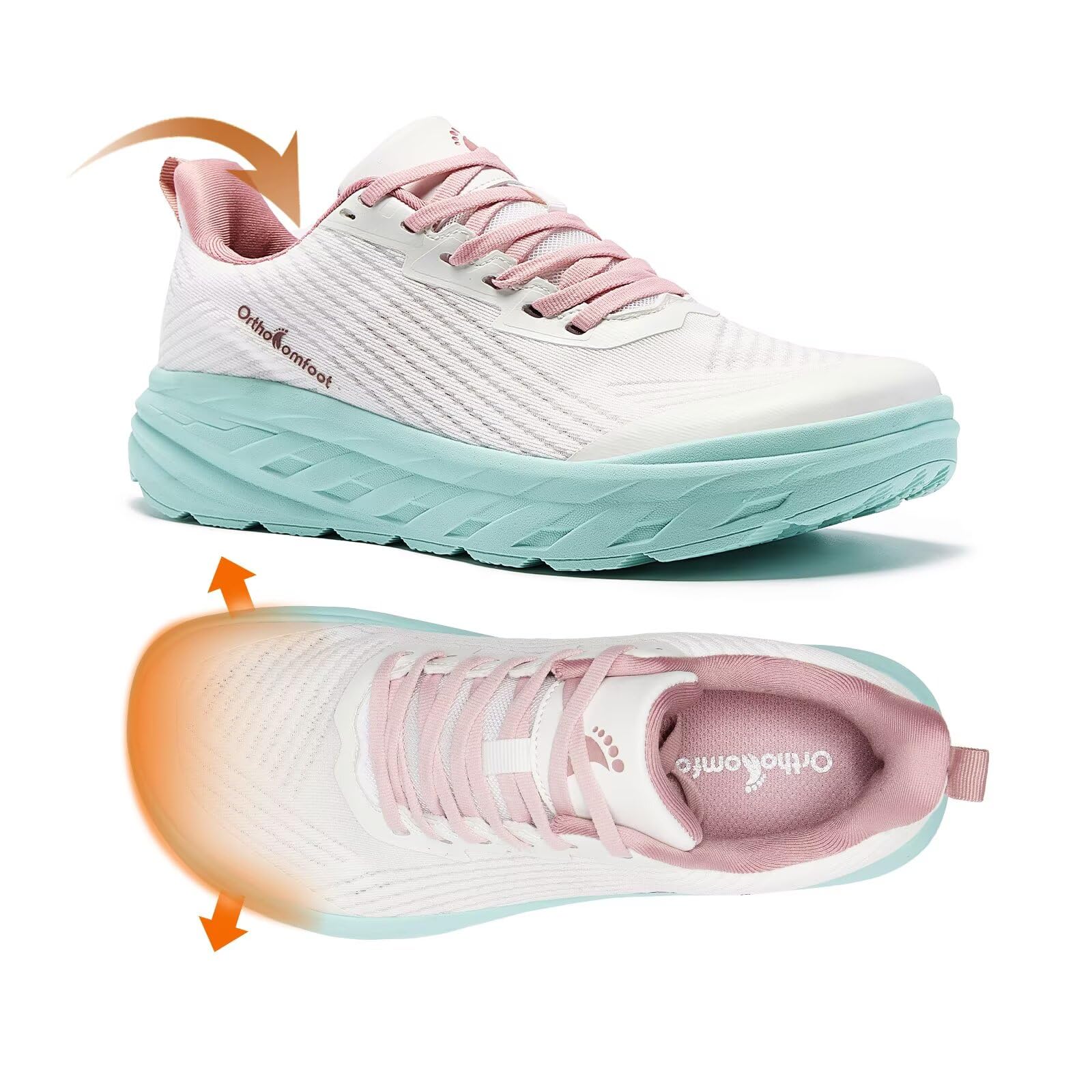
The OrthoComfoot sneaker is built specifically for wide feet, offering a genuinely spacious toe box that accommodates orthotics, toe pads, and swollen forefeet without compression. The padding is plush and immediate—reviewers describe it as walking on clouds. The arch support is present but not aggressive, making it a comfortable option for those who need space and cushioning rather than intense correction.
The shoe comes with additional inserts that users appreciate, and the upper is breathable and stylish enough for casual wear. It’s particularly effective for Morton’s neuroma and heel pain, as the wide forefoot prevents the squeezing that aggravates those conditions. The price is in the mid-range, and the value is considered excellent by multiple reviewers.
One downside is the lack of a rocker sole, which would further help metatarsalgia sufferers. Some users noted the arch support wasn’t enough for high arches. The shoe runs slightly short in length, so sizing up is recommended. Durability remains unproven over long periods, but initial reports are positive.
Why it’s great
- Extremely roomy toe box accommodates orthotics
- Plush padding provides immediate comfort
- Great value for the level of cushioning
Good to know
- No rocker sole for extra forefoot offloading
- Runs short; consider sizing up
- Arch support may be insufficient for high arches
8. Orthofeet Women’s Orthopedic Sahara Slide Sandal

Orthofeet’s Sahara Slide Sandal proves that metatarsalgia relief isn’t limited to closed-toe shoes. The three adjustable straps allow a custom fit that accommodates swelling, and the orthotic footbed with a deep heel cup reshapes the fat pad to prevent bone-on-ground walking. Reviewers with post-injury feet and lower back pain reported significant reductions in discomfort after months of wear.
The sandal is lightweight and comfortable enough for year-round indoor use and warm-weather outdoor wear. One user walked nine miles through Singapore and Vietnam without foot pain, only general tiredness. The leather straps are soft and don’t cause blisters, and the adjustability is a key feature for those with changing foot volume throughout the day.
The aesthetic is somewhat old-fashioned, which may not suit everyone. Additionally, the heel pad may wear out before the rest of the sandal, making it a relatively short-term solution for the price. It’s not suitable for cold weather or rugged terrain, but for warm-weather metatarsalgia relief, it’s unmatched.
Why it’s great
- Three adjustable straps for a custom, swelling-friendly fit
- Orthotic footbed with deep heel cup for fat pad
- Excellent for indoor and warm-weather walking
Good to know
- Heel pad may wear out sooner than rest of sandal
- Old-fashioned style may not appeal to everyone
- Not suitable for cold or rugged terrain
9. ASICS Women’s Gel-Cumulus 27 Running Shoes
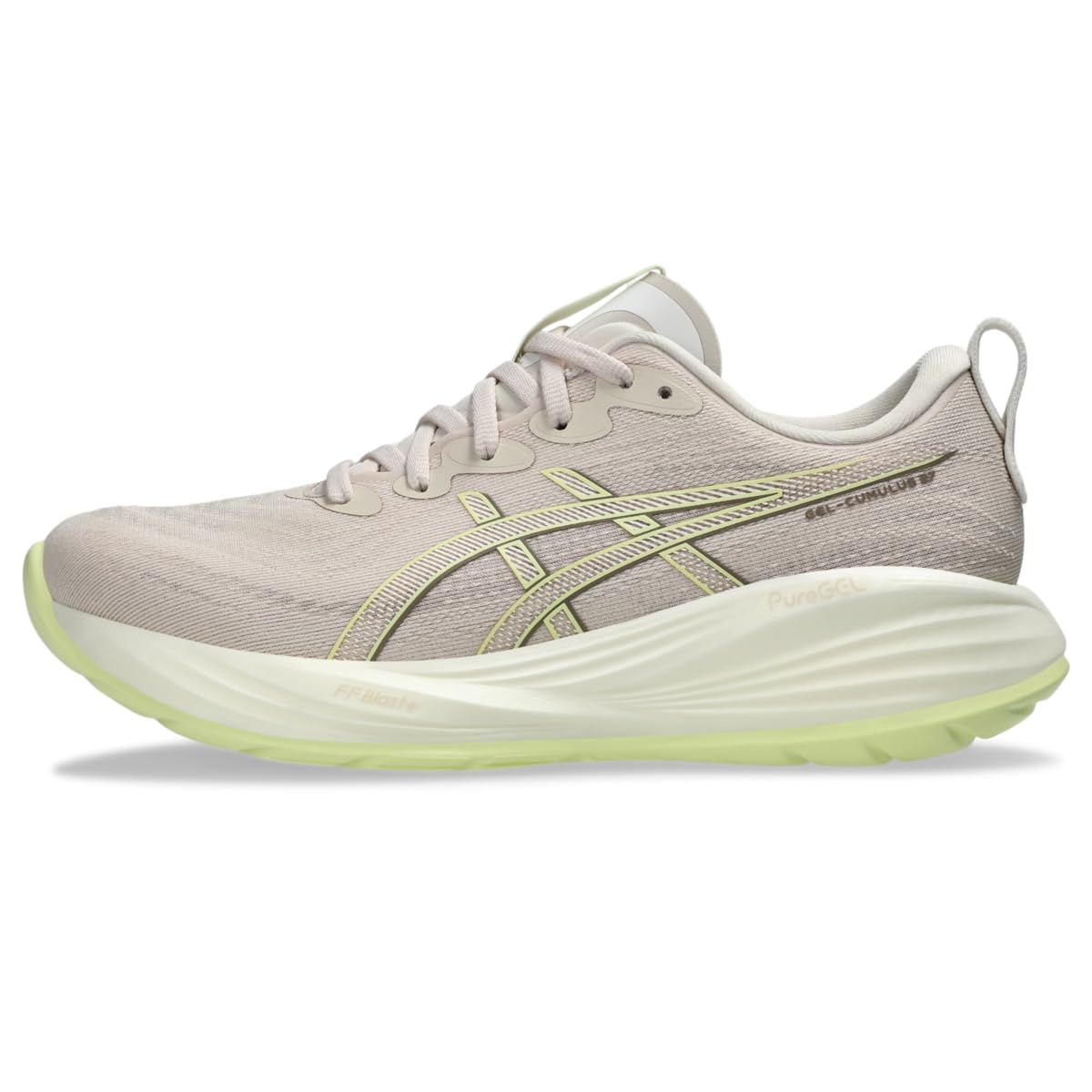
The ASICS Gel-Cumulus 27 is the budget-friendly workhorse of this list, offering reliable GEL cushioning in the heel and forefoot at a more accessible price. It’s a solid everyday trainer for those with mild to moderate metatarsalgia who don’t need extreme measures. Reviewers with Morton’s neuroma and general foot alignment issues found it comfortable, and the Ortholite sockliner adds a layer of moisture management and bounce.
The shoe runs true to size for narrow to medium feet, and the narrow heel cup prevents slipping—a plus for stability. The cushioning is medium-density, not too soft and not too firm, which makes it versatile for walking, light jogging, and gym use. The design is clean and available in several colorways, earning compliments. Longtime ASICS fans note the consistent quality and lightweight feel.
The biggest limitation is the toe box: multiple reviewers describe it as small and tight, which is a problem for metatarsalgia. It’s not recommended for long runs if you need significant forefoot space. The 8mm drop may also not suit those who prefer a zero-drop or low-drop shoe. For mild cases or budget-conscious buyers, it’s a decent entry point, but those with severe pain may need a wider option.
Why it’s great
- Reliable GEL cushioning at a budget-friendly price
- Lightweight and comfortable for everyday wear
- Ortholite sockliner for moisture management
Good to know
- Toe box is narrow and may not suit metatarsalgia
- 8mm drop may feel high for some
- Not built for severe forefoot pain
FAQ
Can I run with metatarsalgia in these athletic shoes?
Should I buy a zero-drop shoe for metatarsalgia?
Do I need prescription orthotics with these shoes?
Final Thoughts: The Verdict
For most users, the athletic shoes for metatarsalgia winner is the ASICS Gel-Nimbus 28 because its PureGEL insert and FF BLAST+ foam deliver the most targeted forefoot cushioning without sacrificing stability. If you want a foot-shaped toe box and zero-drop geometry, grab the ALTRA Lone Peak 9. And for a direct metatarsal footbed that addresses the condition at the insole level, nothing beats the ABEO MXV Shift.

Mo Maruf
I created WellFizz to bridge the gap between vague wellness advice and actionable solutions. My mission is simple: to decode the research and give you practical tools you can actually use.
Beyond the data, I am a passionate traveler. I believe that stepping away from the screen to explore new environments is essential for mental clarity and physical vitality.