Our readers keep the lights on and my smoothie glass nicely filled. As an Amazon Associate, I earn from qualifying purchases.
Finding a shoe that absorbs shock without sacrificing stability is the central challenge for anyone whose back protests after a short walk or a day on their feet. The wrong pair amplifies impact forces up the kinetic chain, sending jolts straight to the lumbar spine. The right pair works like a tuned suspension system for your body.
I’m Mohammad Maruf — the founder and writer behind WellFizz. My research focuses on isolating the specific midsole geometries, heel-to-toe drops, and support technologies that consistently reduce ground-reaction force transmission in footwear designed for spinal comfort.
After analyzing dozens of models across multiple price tiers and filtering for measurable shock attenuation and spinal alignment support, I’ve narrowed the field to the nine most effective contenders for athletic shoes for lower back pain.
How To Choose The Best Athletic Shoes For Lower Back Pain
Not every cushioned shoe protects your spine. Many models prioritize forefoot softness for running efficiency but neglect the heel-strike absorption that directly affects lumbar loading during walking or standing. You need to look beyond marketing foam names and examine three structural elements that determine how much shock reaches your vertebrae.
Heel-to-Toe Drop and Shock Transfer
The drop — the height difference between the heel and forefoot — dictates where your foot lands. A higher drop (10-12mm) shifts impact to the heel, which is beneficial for walkers and those with lower back pain because the shoe’s heel cushioning absorbs the first hit before it travels to your spine. A zero-drop shoe forces a midfoot or forefoot strike, which shifts load to the calves and Achilles but reduces direct vertical shock transmission through the heel.
Midsole Density Versus Stack Height
Thick isn’t always better. A high stack height (30-40mm) with soft foam feels plush but can create instability that forces your lower back muscles to work harder to keep you upright. A moderately firm midsole with targeted cushioning under the heel and metatarsal heads provides the same shock reduction without sacrificing proprioceptive feedback. Look for dual-density foams or embedded gel pads in the rearfoot area.
Arch Support and Foot Strike Alignment
Flat feet or pronated feet often pull the ankle and knee inward, which tilts the pelvis and torques the lumbar spine. Overpronators need medial post support or a guide rail system to keep the foot in neutral alignment. High-arched feet need a neutral platform with ample cushioning to prevent the rigid foot from transmitting shock directly upward. Know your arch type before choosing between stability and neutral models.
Quick Comparison
On smaller screens, swipe sideways to see the full table.
| Model | Category | Best For | Key Spec | Amazon |
|---|---|---|---|---|
| Hoka Clifton 9 | Neutral | Plush heel cushioning & arch support | 33mm/29mm stack; 5mm drop | Amazon |
| Brooks Glycerin Max 2 | Neutral | Maximum plush for heavy runners | 43mm/36mm stack; 7mm drop | Amazon |
| Brooks Beast GTS 26 | Stability | Overpronation & wide feet | 36mm/27mm stack; 9mm drop | Amazon |
| Reebok Nano X5 | Cross Trainer | Stable base for weight lifting | Flat sole; zero drop | Amazon |
| Under Armour TriBase Reign 6 | Cross Trainer | Flat feet & low arch support | Low-to-ground; 4mm drop | Amazon |
| ASICS Gel-Cumulus 27 (Women) | Neutral | Narrow heels & metatarsal relief | 27mm/19mm stack; 8mm drop | Amazon |
| ASICS Gel-Cumulus 27 (Men) | Neutral | Impact absorption for walking | 27mm/19mm stack; 8mm drop | Amazon |
| Skechers Arch Fit Roslyn | Max Cushion | Immediate comfort with high arches | Elevated heel; arch fit insole | Amazon |
| Xero Prio Neo | Barefoot | Transition to minimalist foot strength | Zero drop; wide toe box | Amazon |
In-Depth Reviews
1. Hoka ONE ONE Clifton 9 Men’s Road Running Shoes

The Clifton 9 delivers the plush heel cushioning and arch support that directly counters lower back pain from both fallen arches and plantar fasciitis. The 33mm heel stack uses Hoka’s compression-molded EVA foam to absorb vertical ground reaction forces before they reach the lumbar spine, as confirmed by reviewers who reported nearly eliminated foot pain and sustained comfort during prolonged standing and walking.
The shoe’s 5mm drop encourages a natural rolling gait that reduces the jarring heel-strike impact typical of higher-drop models, while the early-stage Meta-Rocker geometry smooths the transition from heel to toe. This design philosophy — thick but resilient foam plus a rockered sole — produces a sensation of walking on pillows without the instability that plagues softer, higher-stack competitors. Reviewers with plantar fasciitis and fallen arches specifically noted that the arch support provided relief they hadn’t found in other premium running shoes.
Durability concerns are minimal for a shoe in this weight class. The outsole rubber covers high-wear zones under the heel and forefoot, and the engineered mesh upper breathes well without stretching out. The trade-off is a snug midfoot fit that may feel narrow for those with wide feet, so consider sizing up half a step if you need a roomier toe box. For the combination of spinal-friendly cushioning, proven arch support, and stable ride geometry, the Clifton 9 remains the benchmark in this category.
Why it’s great
- Exceptional shock absorption at heel strike reduces spinal jolt
- Rockered sole encourages smooth, low-impact gait transition
- Proven relief for plantar fasciitis and fallen arches
Good to know
- Snug midfoot may require half-size-up for wide feet
- Outsole durability is average for the high-stack category
2. Brooks Men’s Glycerin Max 2 Neutral Running & Walking Shoe
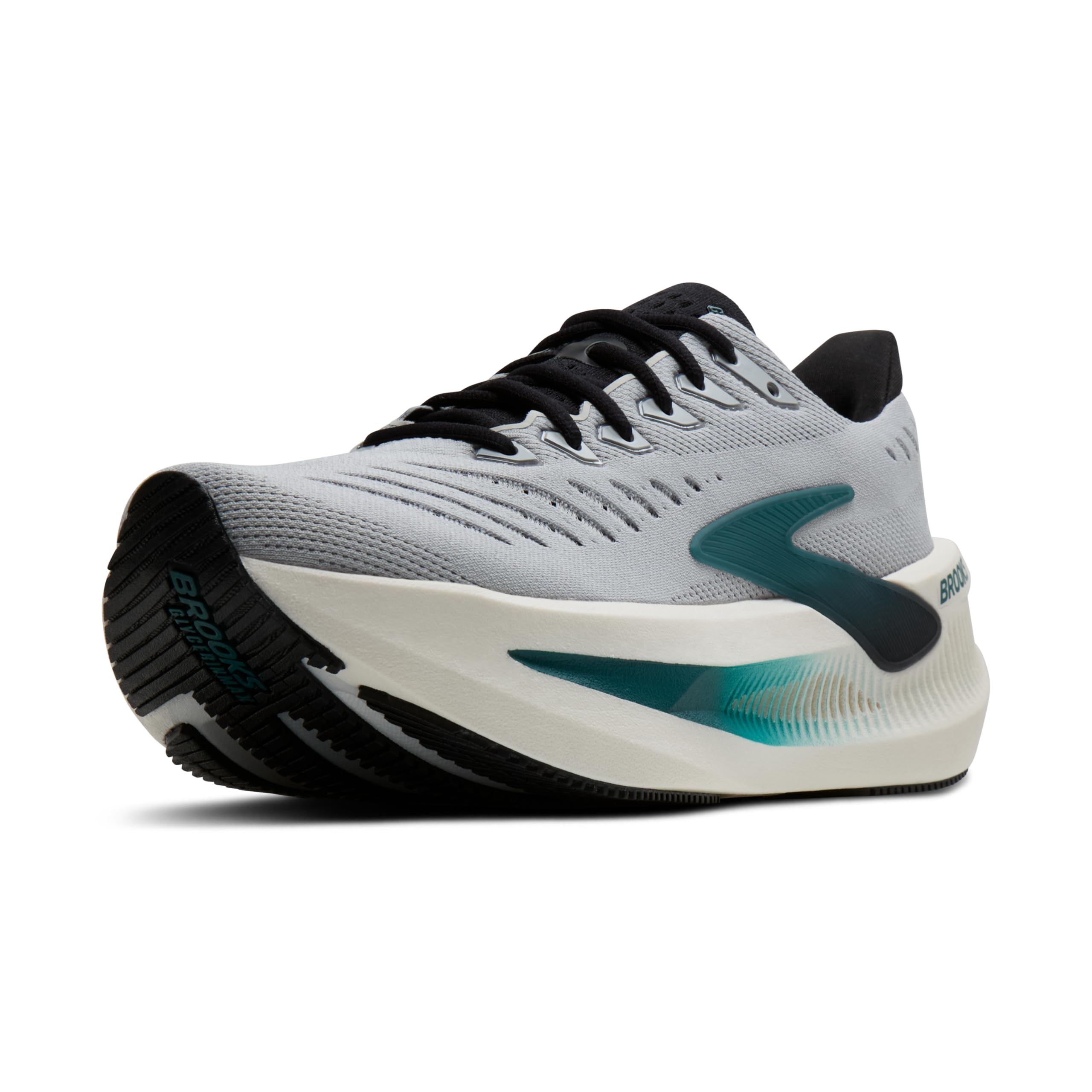
The Glycerin Max 2 sits at the extreme end of the cushioning spectrum with a 43mm heel stack that rivals anything on the market. For heavier users — reviewers at 210 lbs and 225 lbs — this much foam underfoot translates directly into reduced spinal discomfort during daily wear and jogging on concrete. Brooks sewed the midsole in place on this generation to prevent the foam from delaminating under repeated compression, a durability upgrade over the original that addresses a common complaint in max-cushion shoes.
Gen 2 trades some of the original’s pillowy softness for a slightly firmer, more responsive ride that offers better lateral stability and a more natural rolling motion. This is a meaningful trade for lower back pain sufferers, because excessive instability in a thick shoe forces the core and lower back muscles to act as stabilizers, leading to fatigue and soreness after extended wear. The 7mm drop keeps the heel elevated enough to cushion heel strikers without creating an extreme ramp angle that could tilt the pelvis forward.
Long-term wear tests by a 225 lb user showed the midsole held up for a full year of daily use before the outsole rubber wore through. That kind of durability justifies the investment for larger athletes who find that standard cushioning degrades too quickly and starts transmitting shock to their spine after just a few months. If you are a heavier runner or walker and your back tells you that regular shoes aren’t cutting it, the Glycerin Max 2 delivers the most forgiving ride available without sacrificing the stability your spine needs.
Why it’s great
- Maximum foam stack (43mm) provides unmatched vertical shock absorption
- Gen 2 tweak improves lateral stability for spinal protection
- Proven durability under heavy loads (200+ lbs)
Good to know
- Requires stride adjustment due to extreme stack height
- Less plush than Gen 1 for those who prefer pillow-soft feel
3. Brooks Men’s Beast GTS 26 Supportive Running & Walking Shoe
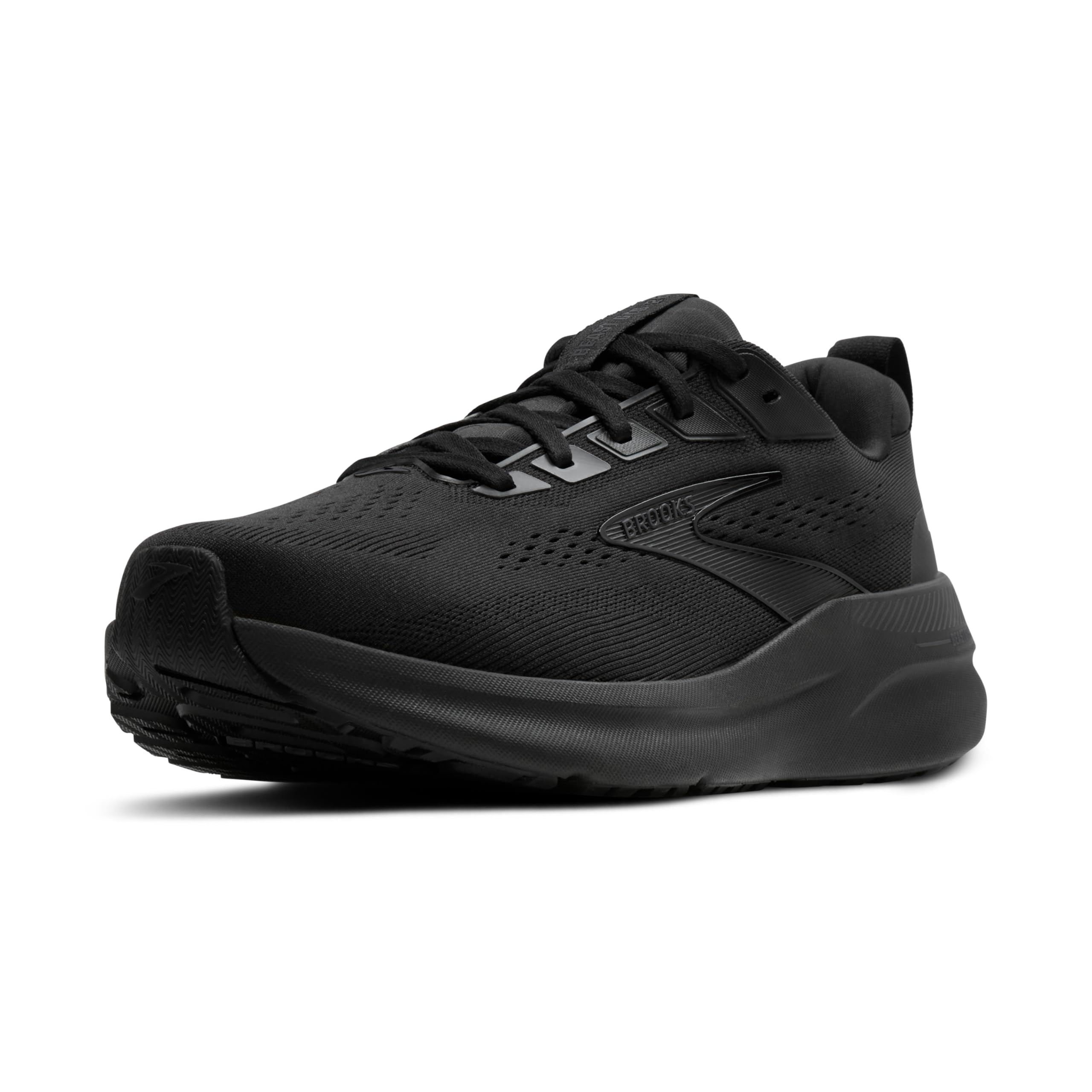
The Beast GTS 26 is engineered specifically for overpronators and those with very wide feet — two populations disproportionately affected by lower back pain that originates from unstable foot mechanics. Brooks’ GuideRails holistic support system extends above the midsole to provide varus and valgus correction at the knee and hip, not just the foot. This means the shoe actively resists the inward collapse that torques the lower back during the stance phase of gait, making it an ideal choice for large-framed men whose pronation pulls their pelvis out of neutral alignment.
The 9mm drop provides a substantial heel cushion that absorbs initial contact, while the broad base created by the 4E width option delivers a platform stability that narrow shoes simply cannot match. Reviewers with bunions and wide feet described it as the most comfortable shoe they have ever worn, noting that the wide toe box prevents the foot compression that can reflexively tighten the lumbar paraspinal muscles. The 36mm heel stack is moderate by modern standards, but the combination of GuideRail stability and generous width creates a confidence-inspiring ride for users who have struggled with wobbliness in standard-width stability shoes.
One practical drawback: the included laces are only 48 inches long, which is insufficient for a heel-lock lacing technique in the 4E version. Users who need extra ankle security will need to purchase 57-inch laces separately. For the man who needs both significant motion control and a wide fit to keep his lower back happy during daily walking and light hiking, the Beast GTS 26 delivers orthopedic-grade stability without requiring a prescription.
Why it’s great
- GuideRails system controls pronation from foot to hip for spinal alignment
- Available in 4E width for wide feet with toe room for bunions
- Substantial 9mm drop cushions heel strike effectively
Good to know
- Stock laces too short for heel-lock in extra-wide sizes
- Firm ride; not plush like max-cushion neutral shoes
4. Reebok Nano X5
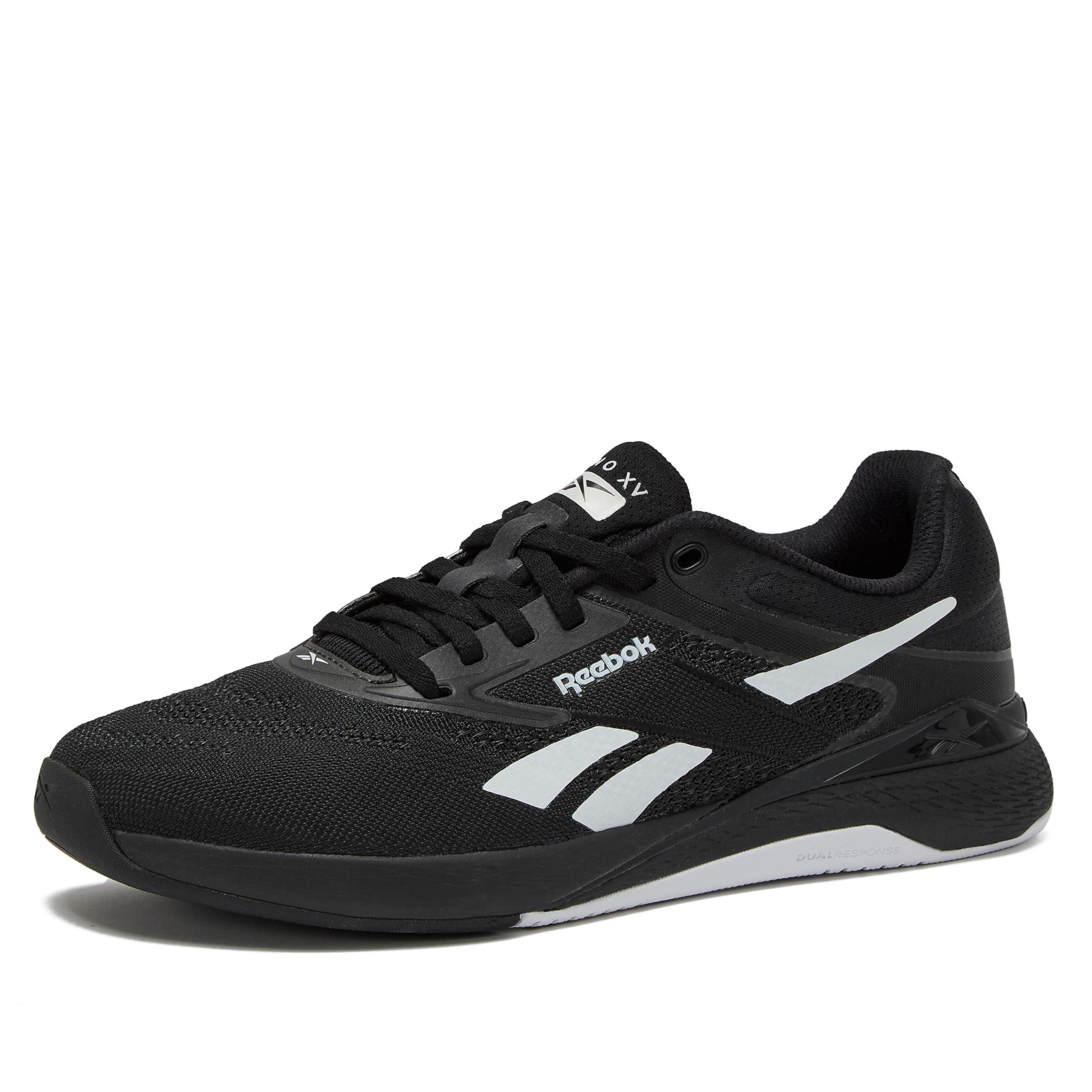
The Nano X5 takes a fundamentally different approach to back-friendly footwear. Instead of absorbing shock with thick foam, it creates a flat, non-flexible platform that eliminates the instability that causes the lower back to engage as a compensator during heavy lifts. For weightlifters whose back pain flares up during squats and deadlifts due to excessive heel cushioning that throws off balance, the Nano X5’s zero-drop, rigid sole provides a direct, grounded connection to the floor that lets the hips and glutes do the work instead of the lumbar spine.
The wide toe box allows toes to splay naturally for base stability, and the firm sole with partial flex is stiff enough for heavy lifts yet pliable enough for HIIT movements and short treadmill intervals. Reviewers with flat feet noted that the low arch support actually helped their foot pain because the shoe didn’t try to force an artificial arch shape. The flat sole also corrected balance issues during split squats, which can reduce the asymmetrical loading that triggers lower back pain in unilateral leg work.
This is not a walking or all-day shoe. The firm sole and zero drop provide minimal shock absorption for heel strikers, and the narrow heel fit may require sizing up for those with thicker ankles. But if your back pain is exercise-specific — flaring during weight training or CrossFit — the Nano X5 offers the corrective ground feel and stability that running shoes cannot provide. It serves a specific niche within the back-pain shoe ecosystem, not as a daily walker but as a gym tool that keeps your spine safe under load.
Why it’s great
- Flat, non-flexible sole provides stable base for heavy lifting
- Wide toe box allows toe splay for balanced force transfer
- Low arch ideal for flat-footed lifters with back pain
Good to know
- Too flat and firm for walking, errands, or prolonged standing
- Narrow heel may require sizing up for a secure fit
5. Under Armour Men’s TriBase Reign 6 Trainer Shoes
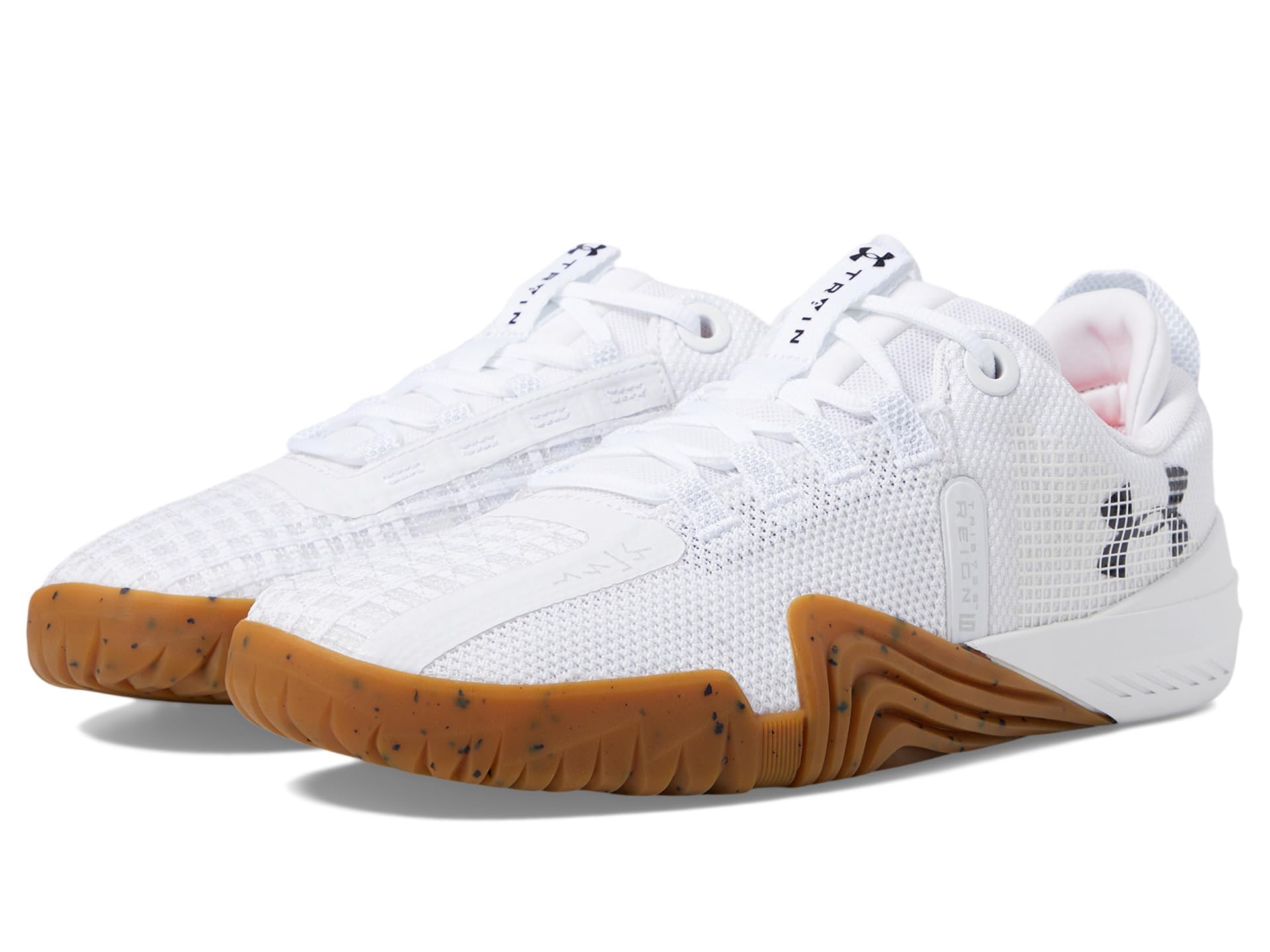
The TriBase Reign 6 occupies the middle ground between a flat lifting shoe and a cushioned trainer, making it a strong candidate for those whose lower back pain is aggravated by both heavy weight training and high-impact cardio. Its low-to-ground platform with a 4mm drop provides enough stability for squats and deadlifts while retaining enough flex and cushion for incline walking, jumping, and short sprints. The wide toe box and minimal arch support make it an especially good match for flat-footed athletes who find that arch-support shoes exacerbate their back pain by forcing an uncomfortable foot position.
A reviewer who described himself as a big dude noted that the TriBase Reign 6 eliminated the arch ache and heel slippage he experienced in other training shoes, and that the low arch support let his flat feet function naturally without overcorrecting. The shoe’s flexible sole adapts to movement changes during dynamic HIIT sessions, and the rubber outsole provides solid grip on gym floors and treadmills. For users whose back pain stems from a combination of lifting and cardio, this hybrid platform offers a better balance than either a pure lifting shoe or a pure running shoe.
The white colorway shows dirt quickly, which is a cosmetic issue for gym shoes that see frequent use. Some users may prefer the narrower heel fit of the Metcon or Nano for pure lifting, but for all-around training that includes both weights and conditioning, the TriBase Reign 6 delivers the adaptable platform that keeps the lower back from becoming the limiting factor in a mixed workout. It pairs well with users who have flat feet and need to avoid the forced pronation correction that often comes with stability running shoes.
Why it’s great
- Low-to-ground design offers stability for lifts and flex for cardio
- Wide toe box accommodates flat feet without forced arch correction
- Eliminated heel slippage and arch ache in heavy-user reviews
Good to know
- White upper shows scuffs and dirt quickly
- Lighter heft may feel less substantial for pure lifting
6. ASICS Women’s Gel-Cumulus 27 Running Shoes
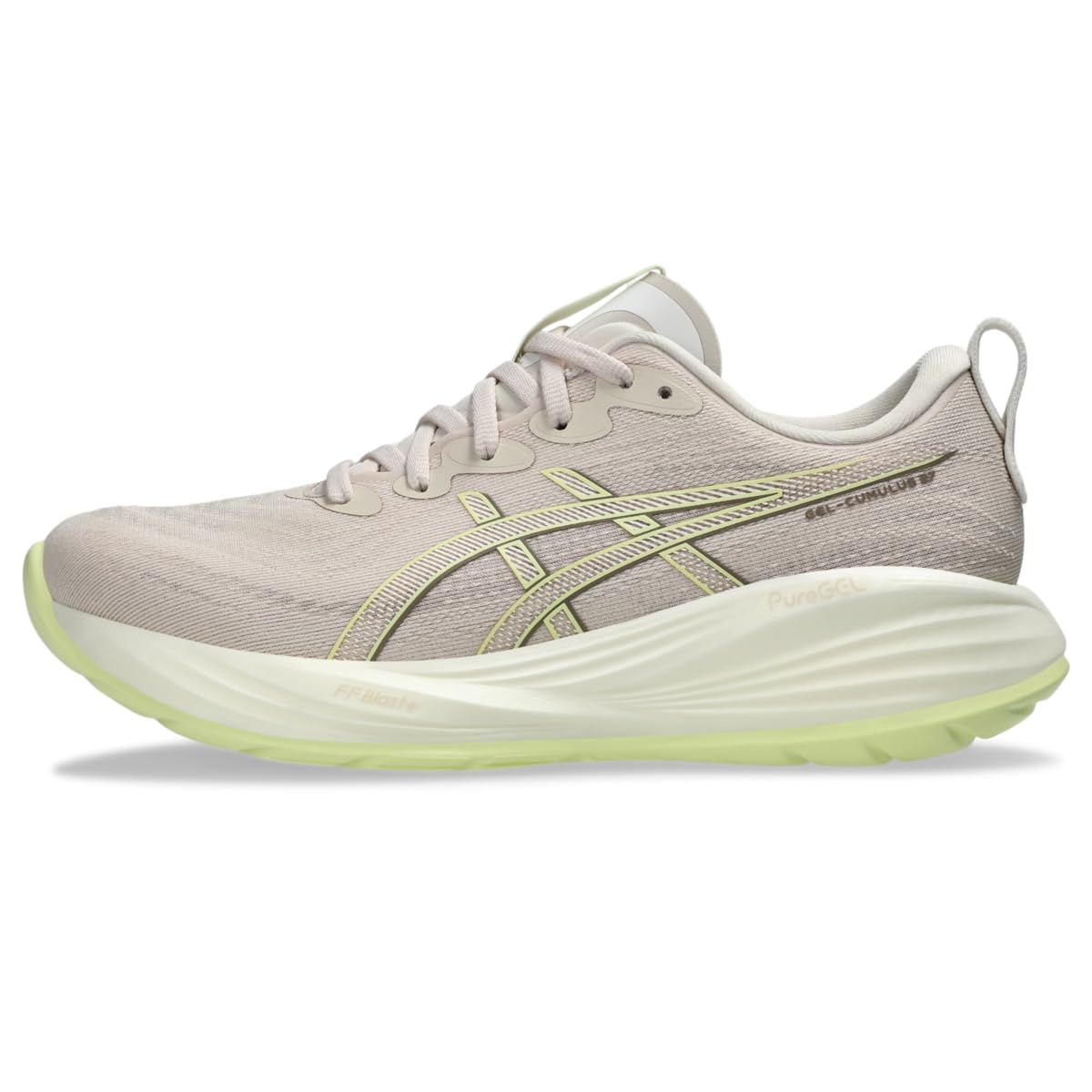
The women’s Gel-Cumulus 27 addresses a specific back-pain trigger: foot instability that forces the lower back to compensate during gait. Doctor-recommended for Morton’s neuroma and foot alignment issues, this shoe uses ASICS’ rearfoot Gel cushioning to absorb shock at the heel while the 8mm drop provides a stable, moderate ramp that supports neutral foot mechanics without a heavy-handed stability correction. Reviewers with narrow heels reported that the snug heel cup eliminated heel slippage, which is critical for maintaining consistent gait mechanics that don’t torque the spine.
One reviewer noted a dramatic improvement in lower back pain simply by wearing these around the house instead of going barefoot, which underscores how insufficient arch support underfoot can cascade up into spinal discomfort. The medium cushioning level strikes a balance between plushness and ground feel — not overly springy like a max-cushion shoe, but soft enough to take the edge off hard floors. The true-to-size fit with no toe cramping makes it suitable for all-day wear, though the toe box is slightly tighter than the men’s version, which may be an issue for women with wider forefeet.
The lightweight construction and breathable upper make it comfortable for long walking sessions, and the laces stay tied without needing a double knot. For women who need a reliable neutral shoe that reduces foot pain and, by extension, lower back discomfort, the Gel-Cumulus 27 delivers consistent performance at a mid-range investment. Users with very high arches may find the arch support insufficient and should consider an aftermarket insole.
Why it’s great
- Rearfoot Gel specifically dampens heel-strike impact to protect spine
- Snug heel cup prevents slippage for consistent gait mechanics
- Doctor-recommended for Morton’s neuroma and foot alignment
Good to know
- Toe box may feel tight for wide forefeet or long runs
- Arch support is moderate; high arches may require extra insole
7. Skechers Womens Max Cushioning Arch Fit Roslyn
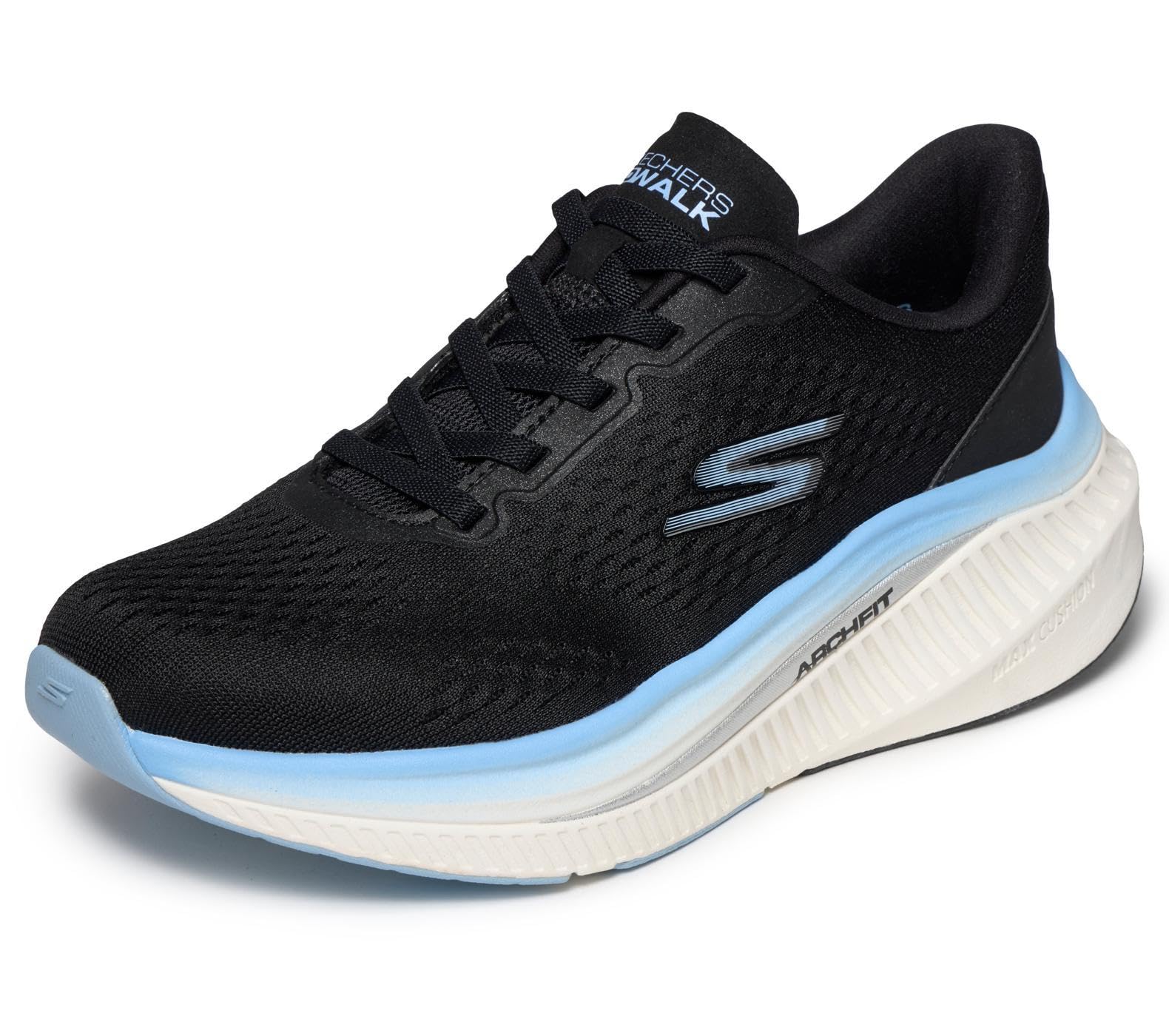
The Skechers Arch Fit Roslyn delivers immediate relief for women whose lower back pain is linked to high arches and Achilles sensitivity. The combination of Skechers’ Arch Fit insole—developed with podiatrists—and the Max Cushioning platform creates a supportive environment that cradles the arch while providing a thick, forgiving layer under the heel. One reviewer with Achilles tendinitis in both ankles described it as Cinderella’s slipper, noting that the elevated heel prevented the painful dorsiflexion that aggravates the Achilles and, by extension, the posterior chain that connects to the lower back.
The shoe requires no break-in period—reviewers reported walking two miles immediately without discomfort. The stability comes from the broad heel base and the arch contour that prevents the foot from rolling inward during gait. This is a critical feature for back pain because any pronation at the foot translates into tibial rotation that stresses the sacroiliac joint and lumbar vertebrae. The plush cushioning also protects the balls of the feet, which reduces the tendency to shift weight forward to relieve heel pain, a compensation pattern that often torques the lower back.
On the downside, several users with wider feet reported that the fit runs narrow, and the shoe is not stable enough for uneven terrain or hiking. For flat-footed users, the pronounced arch support may feel intrusive rather than supportive. But for the woman with high arches, sensitive Achilles tendons, and lower back pain that worsens with prolonged standing or errands, the Arch Fit Roslyn offers a ready-to-wear solution that doesn’t look orthopedic and works immediately out of the box.
Why it’s great
- Podiatrist-developed Arch Fit insole supports high arches effectively
- No break-in period required; comfortable from first wear
- Elevated heel reduces Achilles strain that can trigger back pain
Good to know
- Fit runs narrow; not ideal for wide feet
- Not stable enough for hiking or uneven surfaces
8. ASICS Men’s Gel-Cumulus 27 Running Shoes
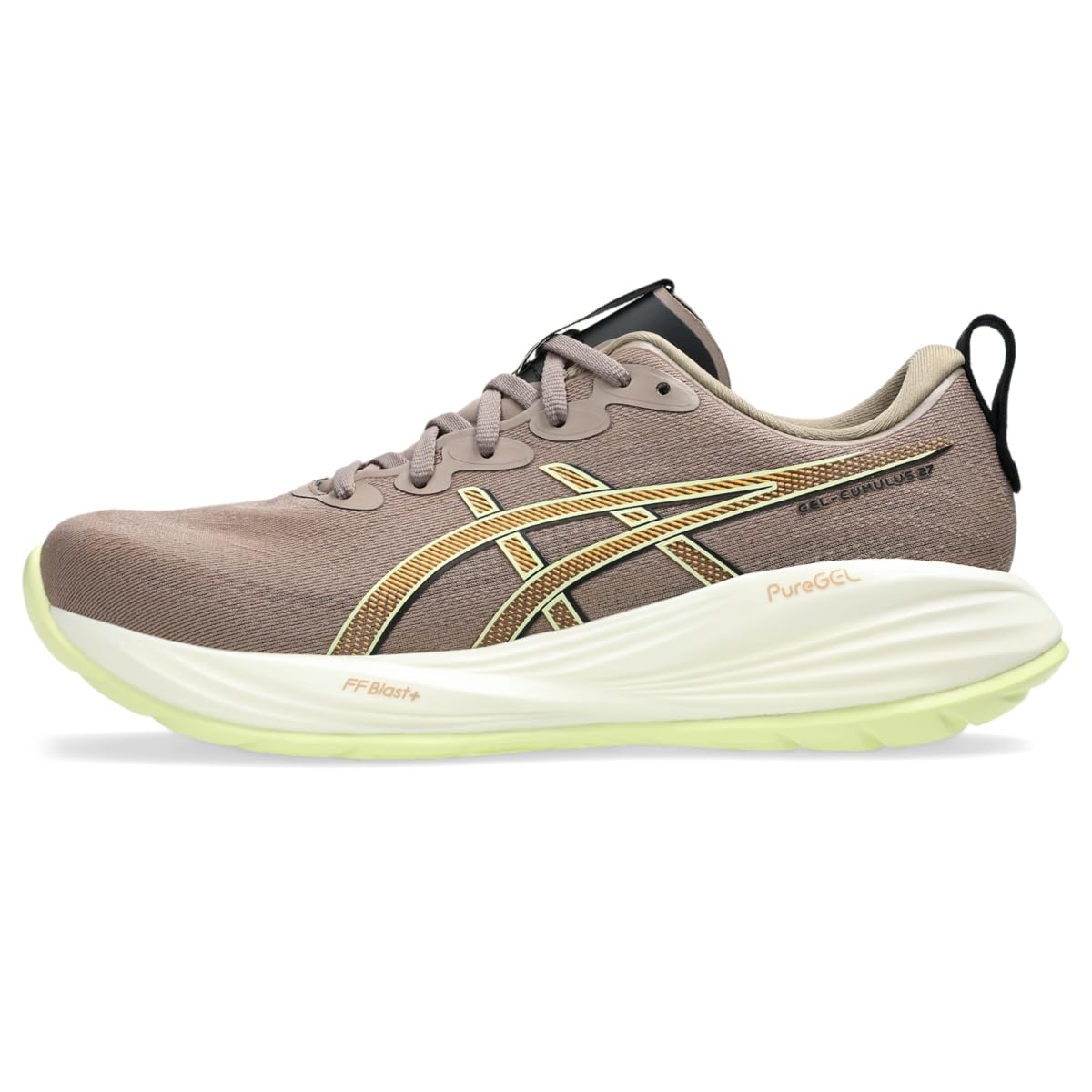
The men’s Gel-Cumulus 27 mirrors the women’s version in its core philosophy: use a neutral platform with targeted rearfoot Gel to absorb heel-strike impact before it travels up the kinetic chain to the lumbar spine. For men whose back pain manifests as a dull ache after walking, this shoe’s 8mm drop and moderate cushioning provide a protective buffer without the excess stack height that can destabilize the gait cycle. A reviewer who switched to these for walking noted that they eliminated pain under the middle toe, a classic sign of pressure overload caused by insufficient forefoot cushioning that compensates for a painful heel strike.
The men’s version features a slightly more generous toe cap than the women’s, which was appreciated by reviewers who found that the roominess prevented the toe mashing that can alter stride mechanics and tighten the lower back. The upper is breathable and durable, and the midsole strikes a balance between softness and resilience that makes it suitable for walking, light jogging, and gym sessions that don’t involve heavy lifting. For users who want a proven, no-drama neutral trainer that won’t fight their natural foot mechanics, the Gel-Cumulus 27 is a reliable choice.
Compared to the softer and more expensive Nimbus series, the Cumulus offers a slightly firmer ride that some users actually prefer for walking because it provides better proprioceptive feedback. The trade-off is that the Cumulus is not as plush as the Glycerin Max 2 or the Hoka Clifton 9, so users who need extreme cushioning for severe spinal shock sensitivity should look at those options first. For moderate lower back pain that responds to consistent shock attenuation and neutral foot alignment, the Gel-Cumulus 27 offers excellent value with proven results.
Why it’s great
- Rearfoot Gel insert provides targeted heel-strike shock absorption
- Gentle 8mm drop supports natural gait without pelvis tilt
- Reliable neutral platform for walking and light jogging
Good to know
- Firmer than max-cushion alternatives like Clifton or Glycerin
- Not suitable for heavy weightlifting due to moderate stability
9. Xero Shoes Women’s Prio Neo Barefoot Training Shoe
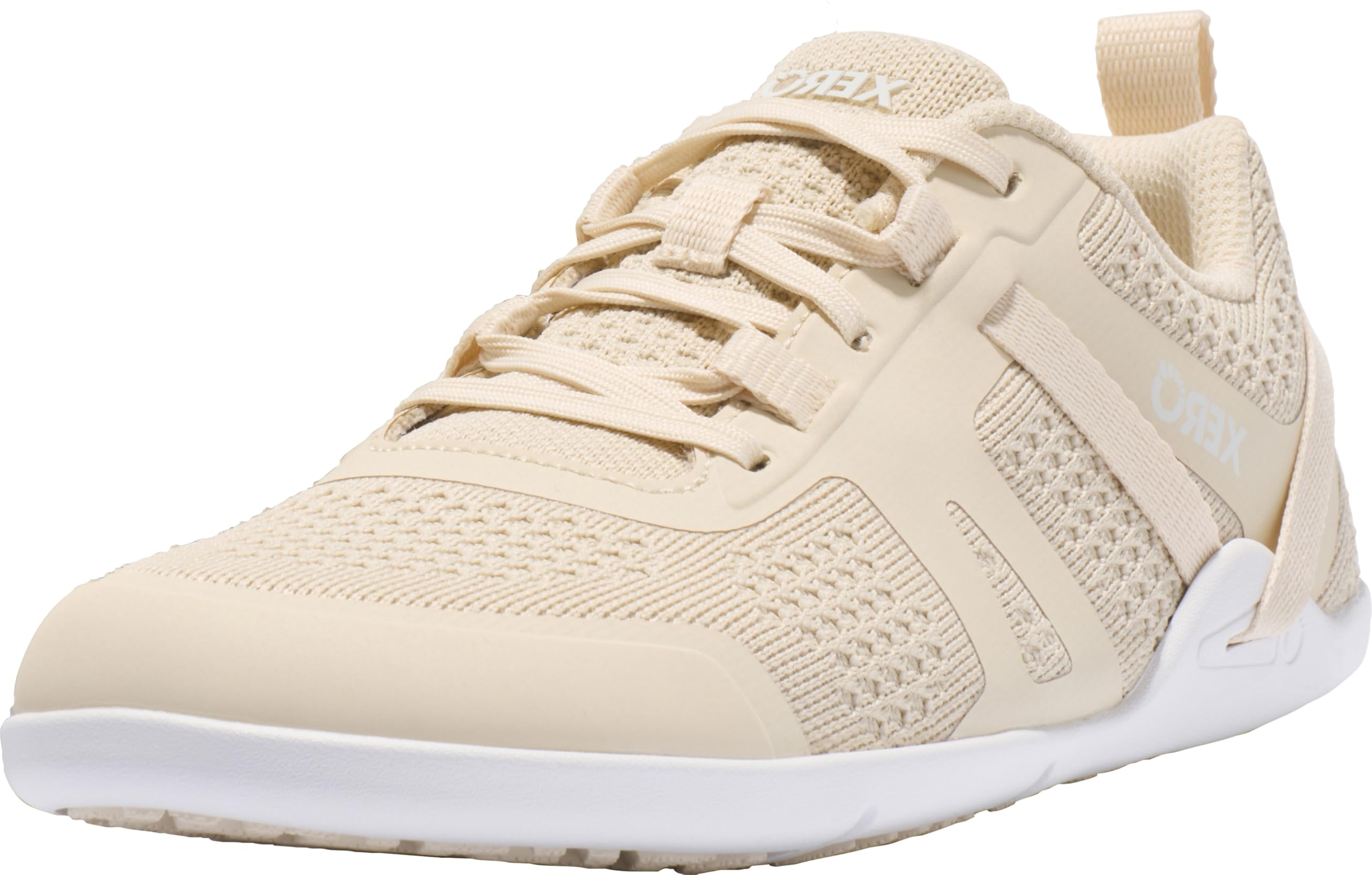
The Prio Neo takes the contrarian approach to back pain: instead of cushioning the heel to absorb shock, it eliminates the heel elevation entirely and encourages the foot to strengthen its own shock-absorbing mechanisms. The zero-drop platform and wide toe box allow the foot to function naturally, and the removable insole lets users customize the amount of ground feel. For some users, the transition from conventional cushioned shoes to barefoot footwear resolves lower back pain that was caused not by insufficient cushioning, but by weakened foot muscles that allowed pronation to pull the spine out of neutral alignment.
One reviewer who transitioned from Brooks Glycerine GTS 20 reported that the Prio Neo resolved a heavy heel strike pattern and improved balance, though the adjustment period involved calf pain and temporary knee pain that required using an orthotic insole initially. This is a real consideration: barefoot shoes require a gradual adaptation period during which the calves, Achilles, and intrinsic foot muscles adapt to the new load. Users with existing Achilles tendinitis should approach the transition cautiously and may want to consult a podiatrist before switching.
The shoe’s stretchy upper accommodates Morton’s toe and hammer toes comfortably, and the flexible sole makes it ideal for walking the dog, gym training, and daily wear. The lengthy laces can come undone when stepped on, so you may need to trim them or switch to a different lacing method. For the user who suspects that their back pain is rooted in weak foot mechanics and excessive heel cushioning that masks poor form, the Prio Neo offers a pathway to strengthening the feet and restoring natural gait, though it demands patience and a structured transition plan.
Why it’s great
- Zero-drop platform strengthens foot muscles for natural shock absorption
- Wide toe box accommodates toe splay and deformed toes
- Removable insole allows customization of ground feel
Good to know
- Requires a gradual transition period to avoid calf and knee strain
- Long laces can come undone when stepped on; may need trimming
FAQ
What heel-to-toe drop is best for lower back pain relief?
Should I choose stability shoes or neutral shoes for lower back pain?
Can barefoot or minimalist shoes help lower back pain?
Final Thoughts: The Verdict
For most users, the athletic shoes for lower back pain winner is the Hoka Clifton 9 because it combines the shock-absorbing heel stack, the stable rockered sole, and proven arch support into a single package that works immediately for walking and standing. If you are a heavier runner or walker who needs extreme cushioning without sacrificing lateral stability, grab the Brooks Glycerin Max 2. And for the gym-goer whose back pain flares up under a barbell, nothing beats the Reebok Nano X5 for providing the flat, grounded platform that keeps your spine safe during heavy lifts.

Mo Maruf
I created WellFizz to bridge the gap between vague wellness advice and actionable solutions. My mission is simple: to decode the research and give you practical tools you can actually use.
Beyond the data, I am a passionate traveler. I believe that stepping away from the screen to explore new environments is essential for mental clarity and physical vitality.