Our readers keep the lights on and my smoothie glass nicely filled. As an Amazon Associate, I earn from qualifying purchases.
Low arches change how your foot strikes the ground, sending shockwaves through your knees and hips with every step. The right shoe doesn’t just feel soft — it provides targeted midfoot structure that prevents your arch from collapsing under load, a non-negotiable for runners, walkers, and anyone on their feet all day.
I’m Mohammad Maruf — the founder and writer behind WellFizz. I analyze the biomechanical and material specifications of athletic footwear, focusing on midsole density, arch geometry, and outsole durability for pronation-prone foot types.
After digging through hundreds of user reports and technical specs across seven models built with low-arch support, I’ve narrowed the field to the most effective options. Here is the definitive guide to the best athletic shoes for low arches.
How To Choose The Best Athletic Shoes For Low Arches
Low arches — often called flat feet — cause the foot to roll inward excessively during the gait cycle, a condition known as overpronation. Without proper support, this misalignment strains the plantar fascia, Achilles tendon, and knee joints. Below are the key factors to evaluate.
Support Structure: Medial Post vs. Guide Rails
Look for a shoe that actively resists inward roll. Traditional stability shoes use a medial post — a firmer density of foam along the arch side of the midsole. Modern alternatives like Brooks’ GuideRails provide a broader frame that cradles the heel without an aggressive post, offering a smoother transition for moderate overpronators.
Midsole Cushioning Density
Low arches need a balance of soft impact absorption and firm arch support. Overly plush foam — like a thick bed of memory foam — lets the foot sink, worsening collapse. Dual-density midsoles (a resilient base layer under a softer top sheet) give the best of both worlds: initial step-in comfort plus structural resistance during push-off.
Heel-to-Toe Drop and Toe-Box Width
A drop of 8–12 mm shifts pressure toward the heel, which helps stabilize the rearfoot and reduces calf strain for flat-footed runners. A wider toe box allows the forefoot to splay naturally, preventing the toes from cramping as the foot elongates on impact. Shoes labeled “2E” or “4E” in men’s sizing are often the right fit.
Quick Comparison
On smaller screens, swipe sideways to see the full table.
| Model | Category | Best For | Key Spec | Amazon |
|---|---|---|---|---|
| ASICS Men’s Gel-Cumulus 27 | Premium Neutral | Long runs + all-day wear | Rearfoot Gel cushioning unit | Amazon |
| Brooks Glycerin Stealthfit 22 | Premium Max Cushion | High-mileage + standing all day | DNA LOFT v3 cushioning foam | Amazon |
| Brooks Revel 8 | Mid-Range Neutral | Road running + walking | BioMoGo DNA midsole | Amazon |
| FitVille Extra Wide | Extra Wide Support | Flat feet + wide toe box need | Dual-density EVA arch insole | Amazon |
| Under Armour Project Rock 5 | Mid-Range Training | Gym workouts + daily wear | TriBase outsole + strap | Amazon |
| UA Men’s Infinite | Mid-Range Road | Budget road running | HOVR foam midsole | Amazon |
| ASICS Women’s Gel-Cumulus 27 | Premium Neutral | Women’s neutral / narrow feet | Rearfoot Gel cushioning unit | Amazon |
In‑Depth Reviews
1. ASICS Men’s Gel-Cumulus 27
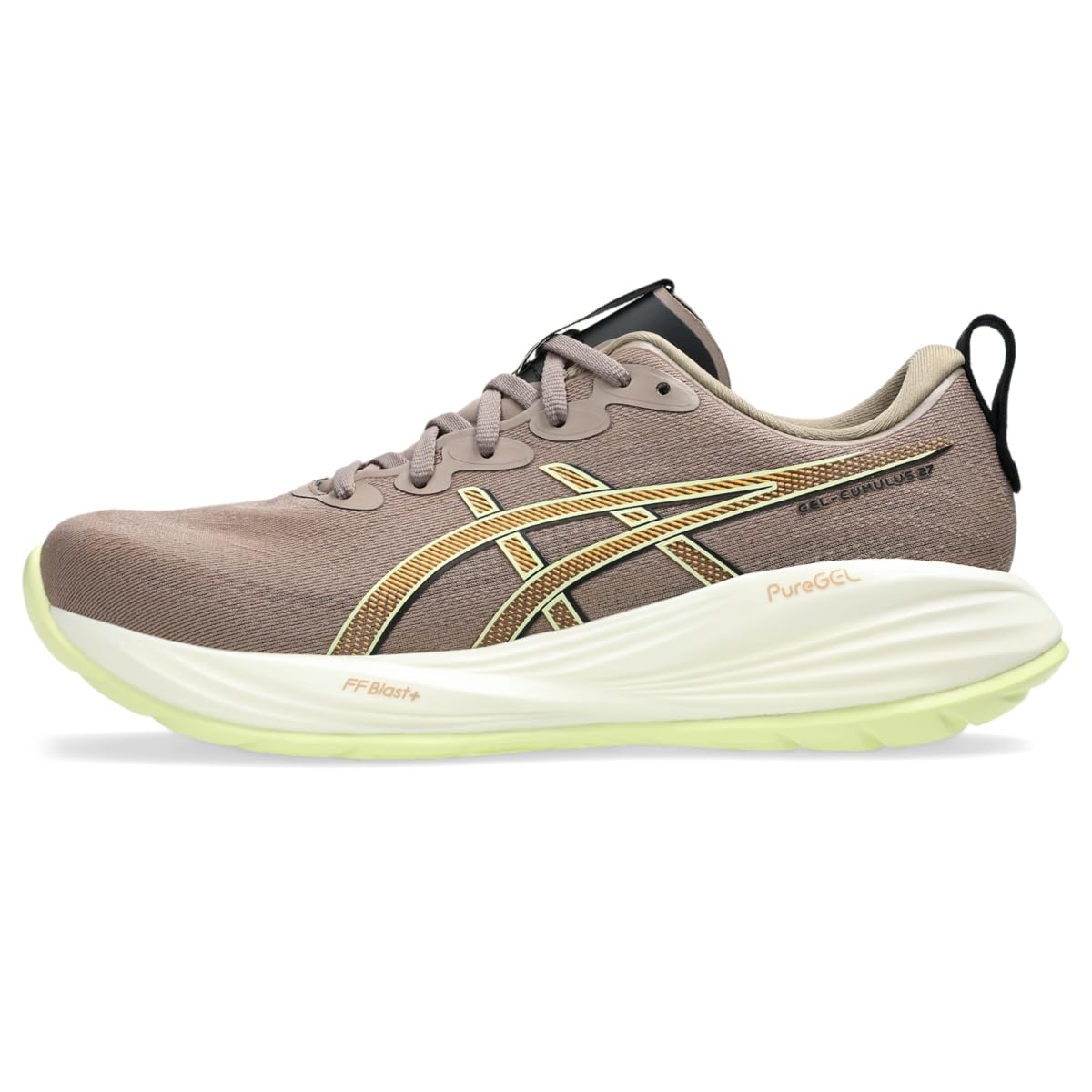
The Cumulus 27 delivers a rare combination: a soft, responsive ride that doesn’t sacrifice arch support. The rearfoot Gel unit absorbs heel-strike shock exceptionally well, while the midsole maintains enough structural density to prevent the foot from collapsing inward. Multiple long-time ASICS wearers report that the 27 feels lighter and snugger than previous models, with notably better cushioning retention over months of daily running and walking.
For low-arch runners logging five or more miles per session, this shoe shines. The engineered mesh upper breathes freely, and the outsole layout — with high-abrasion rubber in the heel — holds up well past the 300-mile mark. One reviewer with plantar fasciitis noted that the Gel cushioning significantly reduced post-run soreness compared to their previous neutral trainers.
The only recurring complaint involves lace pressure across the top of the foot — thicker socks or a relaxed lacing pattern solve this easily. For a neutral shoe that works for low arches without a stiff medial post, the Cumulus 27 sets the standard in this mid-to-premium price tier.
Why it’s great
- Rearfoot Gel provides targeted impact absorption for overpronators
- Breathable, durable upper resists tearing after months of use
- True-to-size fit with a secure heel lock
Good to know
- Lace pressure on the top of the foot may require thicker socks
- Toe box runs slightly snug for those needing extra wide splay
2. Brooks Glycerin Stealthfit 22
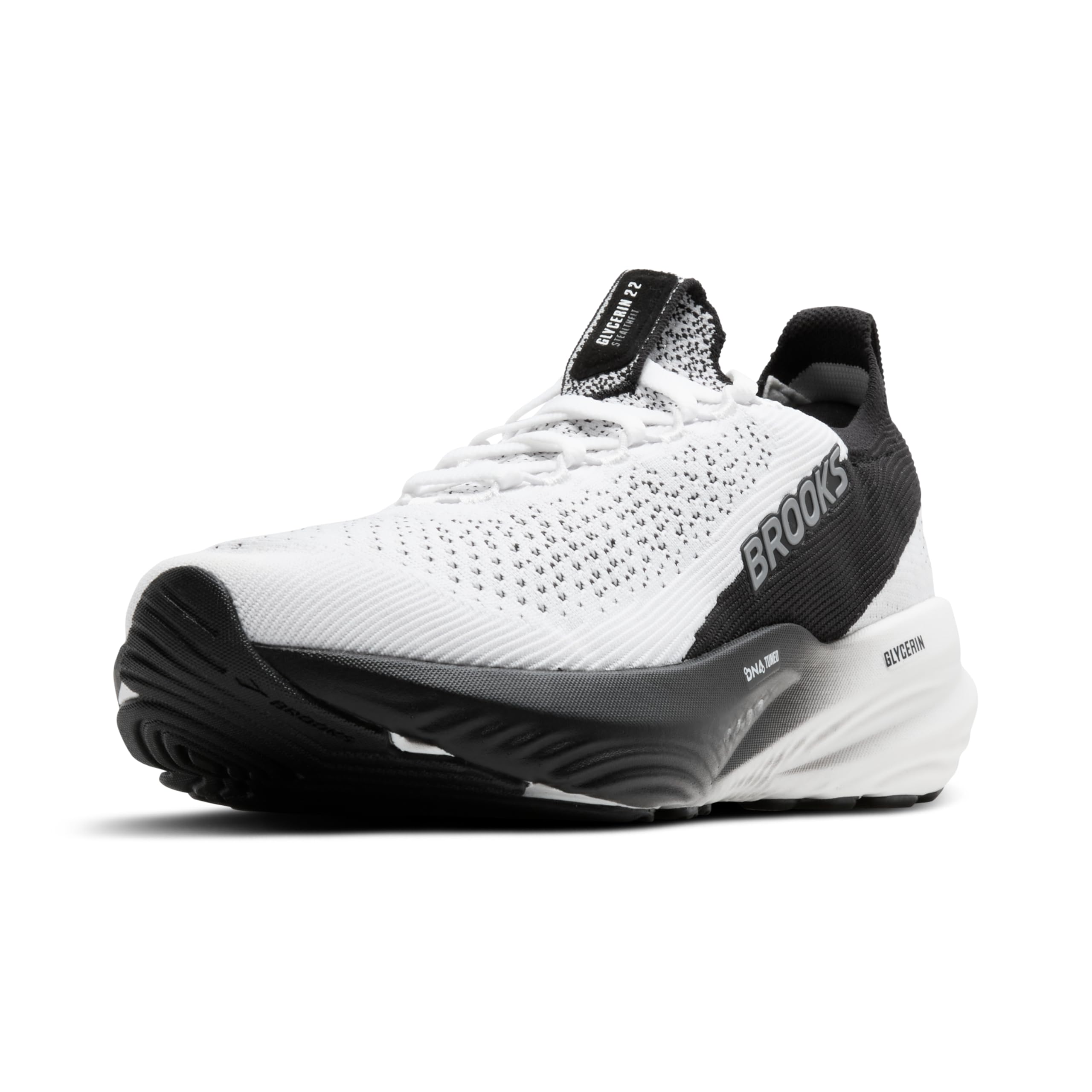
The Glycerin 22 Stealthfit is a premium max-cushion trainer that low-arch runners gravitate toward for its plush yet stable platform. DNA LOFT v3 foam is Brooks’ softest compound, but it’s combined with a wide base and a structured heel counter that keeps the rearfoot aligned. Several reviewers who are on their feet all day described the Glycerin as “insanely comfortable” with no break-in period — the sock-like Stealthfit upper conforms without creating pressure points.
Where this shoe excels for flat feet is in reducing joint impact. The 10 mm drop encourages a smooth heel-toe transition, and the broad platform gives the arch a stable foundation — critical when you’re logging miles on pavement or standing on concrete floors for eight-hour shifts. One school custodian reported buying a second pair to rotate, noting that the cushioning remained resilient after six months of daily use.
The Stealthfit design makes slipping the shoe on and off easy, though some users with very wide feet found they needed to size up half a step. It’s not the most responsive shoe for speed work, but for high-mileage cruising and recovery days, the Glycerin 22 is a top-tier investment.
Why it’s great
- DNA LOFT v3 foam absorbs shock without causing instability
- Stealthfit upper molds to the foot with zero break-in
- Wide heel base reduces excessive inward roll
Good to know
- Not ideal for speed workouts — softer foam lacks snap
- Runs slightly narrow; wide-footed users may need half size up
3. Brooks Revel 8
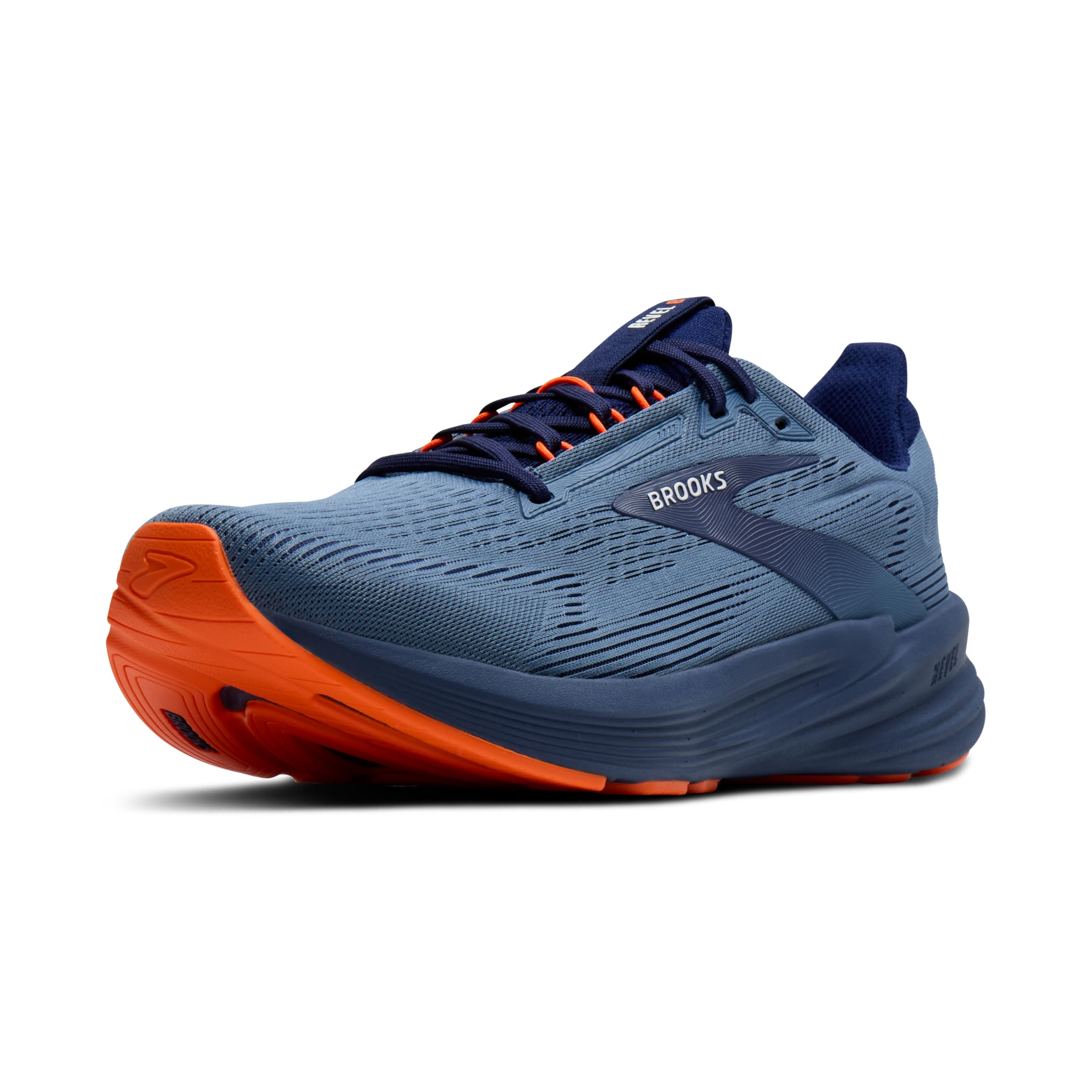
The Revel 8 is Brooks’ neutral road shoe that balances everyday comfort with a surprisingly supportive ride for low arches. Its BioMoGo DNA midsole adapts to your stride — softer on light steps, firmer on harder impacts — giving the footbed a responsive feel that doesn’t bottom out. Reviewers consistently describe the fit as “snug” and “supportive,” with one soccer referee noting that the Revel 8 eliminated the bloody toenails and foot pain they got from trail runners after 274 logged miles.
The mesh upper breathes well in warm conditions, and the outsole rubber shows respectable longevity on asphalt. Flat-footed walkers and runners report that the heel-toe transition feels smooth and stable, with enough medial structure to keep the arch from collapsing during push-off.
The main catch is sizing: multiple users confirm the Revel 8 runs a full size smaller than brands like Merrell or New Balance, so ordering up is essential. The stock laces are also shorter than ideal for runners who prefer a heel-lock tie.
Why it’s great
- BioMoGo DNA midsole adapts to low-arch gait patterns
- Lightweight construction — good for training and casual wear
- Stable heel counter reduces overpronation on long walks
Good to know
- Runs a full size small — order up from your usual size
- Shoelaces are short; replace them for a secure heel-lock
4. FitVille Extra Wide Walking Shoe

Low-arch runners with wide feet often struggle to find a shoe that doesn’t pinch the midfoot — the FitVille Extra Wide directly solves that. Its dual-density EVA insole delivers pronounced arch support without needing a break-in period, and the toe box genuinely accommodates splay. Multiple users with flat feet and heel pain reported immediate relief, with one reviewer logging 2.5 miles straight out of the box with zero blisters.
The outsole uses a wider footprint than most walking shoes, providing a stable base for pronators. The midsole isn’t as plush as Brooks’ DNA LOFT, but the firmer EVA works well for those whose arches need a rigid platform rather than a cloud-like sink. FitVille also offers the shoe in multiple width options (2E and 4E), which is rare at this price tier.
FitVille lists the shoe as true to size, but several users with narrower feet found it too roomy — this is a shoe designed for genuinely wide feet, not for those who want a snug athletic fit. The styling is more casual-walker than performance-runner, but for daily errands, work shifts, and light hikes, the arch support is excellent.
Why it’s great
- Genuinely wide toe box with zero midfoot pinch
- Dual-density EVA insole provides pronounced arch support
- No break-in needed — comfortable from first wear
Good to know
- Runs large; may be too roomy for narrow or standard-width feet
- Casual styling — less suited for high-speed running workouts
5. Under Armour Project Rock 5
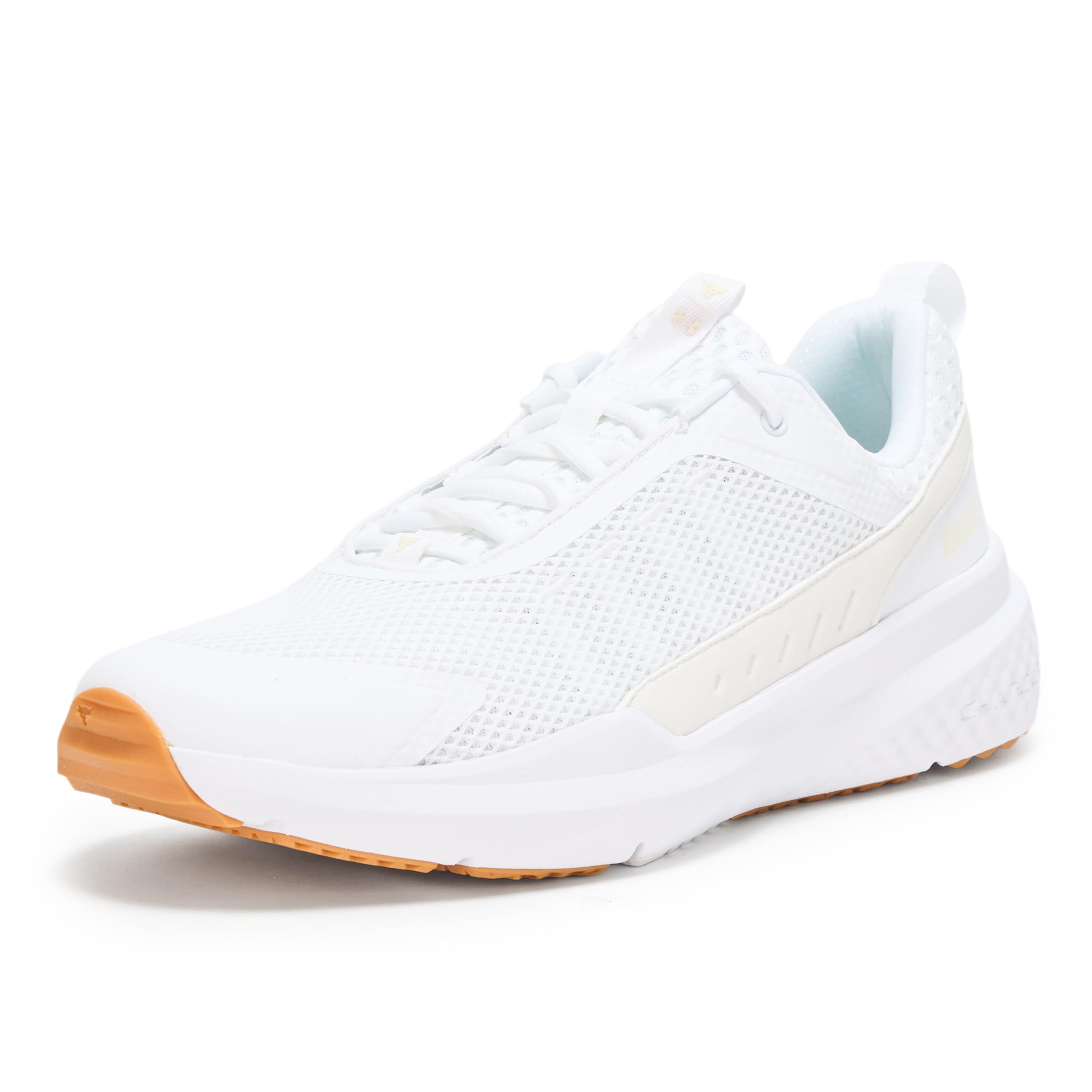
The Project Rock 5 is a training-first shoe that also works for low-arch wearers who need stability in the weight room. Its TriBase outsole gives a wide, flat contact surface for deadlifts and squats, while the upper wraps the foot like a glove. Reviewers consistently praise the “perfect fit” and lightweight build — several noted that the cushioning lasts well over two years, making this one of the most durable options on the list.
For flat feet, the insole offers decent arch support, though it’s not as pronounced as a dedicated stability runner. The real strength is in the lockdown: the strap system and tight-weave mesh keep the foot from sliding inside the shoe during lateral movements, which helps stabilise the arch indirectly. Users have also adopted the Project Rock 5 for hospital work and standing shifts, citing its all-day comfort and easy-to-clean upper.
The downsides are the comparatively firm midsole and the fact that some reviewers felt the cushioning was thinner than older Under Armour training models. If you need pillowy landings for long road miles, this isn’t the right call — but for the gym floor and short pavement commutes, the Project Rock 5 delivers outstanding value.
Why it’s great
- TriBase outsole offers a flat, stable platform for lifting
- Extremely durable — users report two-plus years of wear
- Lightweight, breathable mesh upper with secure fit
Good to know
- Midsole is firmer — less ideal for long-distance running
- Cushioning thinner than previous Project Rock iterations
6. Under Armour Men’s Infinite
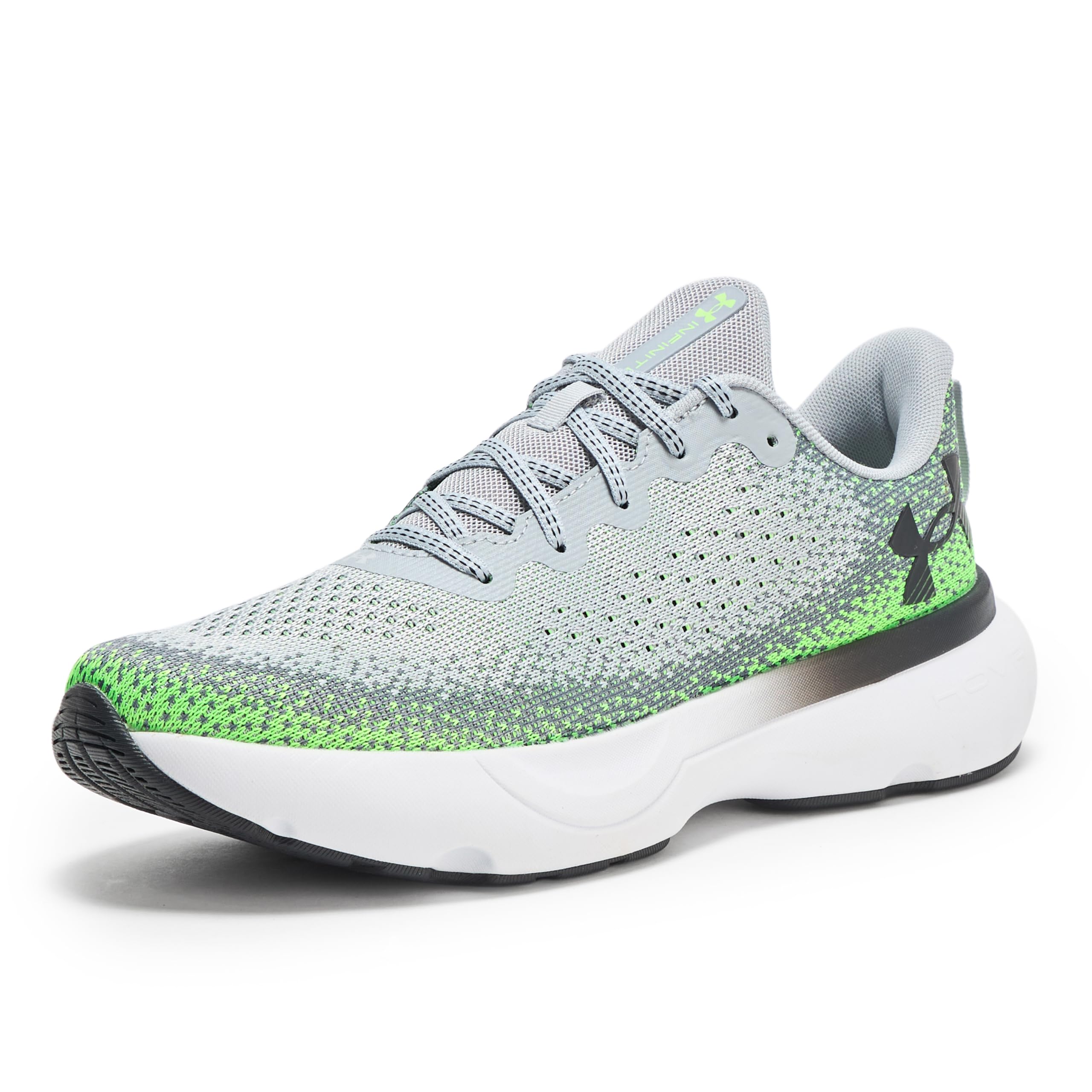
The UA Infinite brings HOVR foam — Under Armour’s proprietary energy-return compound — into an entry-level price bracket that low-arch runners on a tighter budget will appreciate. The cushioning is soft and “squishy” without feeling unstable, and the woven upper resists tearing and cleans easily with a damp cloth. One larger runner (250 lbs) reported that the Infinite held up well for all-day wear, with HOVR providing enough rebound to keep the foot comfortable on long walks.
The arch support in the Infinite is moderate: it’s a neutral shoe, not a stability model, so heavy overpronators may need an aftermarket orthotic. However, for mild flat feet or those transitioning from zero-support sneakers, the Infinite offers a noticeable improvement in midsole comfort. Users comparing it to ASICS GT-2000 found the Infinite about half the cost with comparable step-in feel.
Long-term durability is the main unknown — the outsole rubber is less substantial than pricier competitors, and some wear may accelerate after the first 200 miles. The Infinite is a solid gateway shoe for low-arch walkers and casual runners who want modern cushioning without the premium price tag.
Why it’s great
- HOVR foam delivers soft, responsive cushioning at a lower cost
- Woven upper is easy to clean and resists tearing
- True-to-size fit with good midfoot lockdown
Good to know
- Outsole rubber wears faster on rough pavement
- Not enough medial support for severe overpronation
7. ASICS Women’s Gel-Cumulus 27
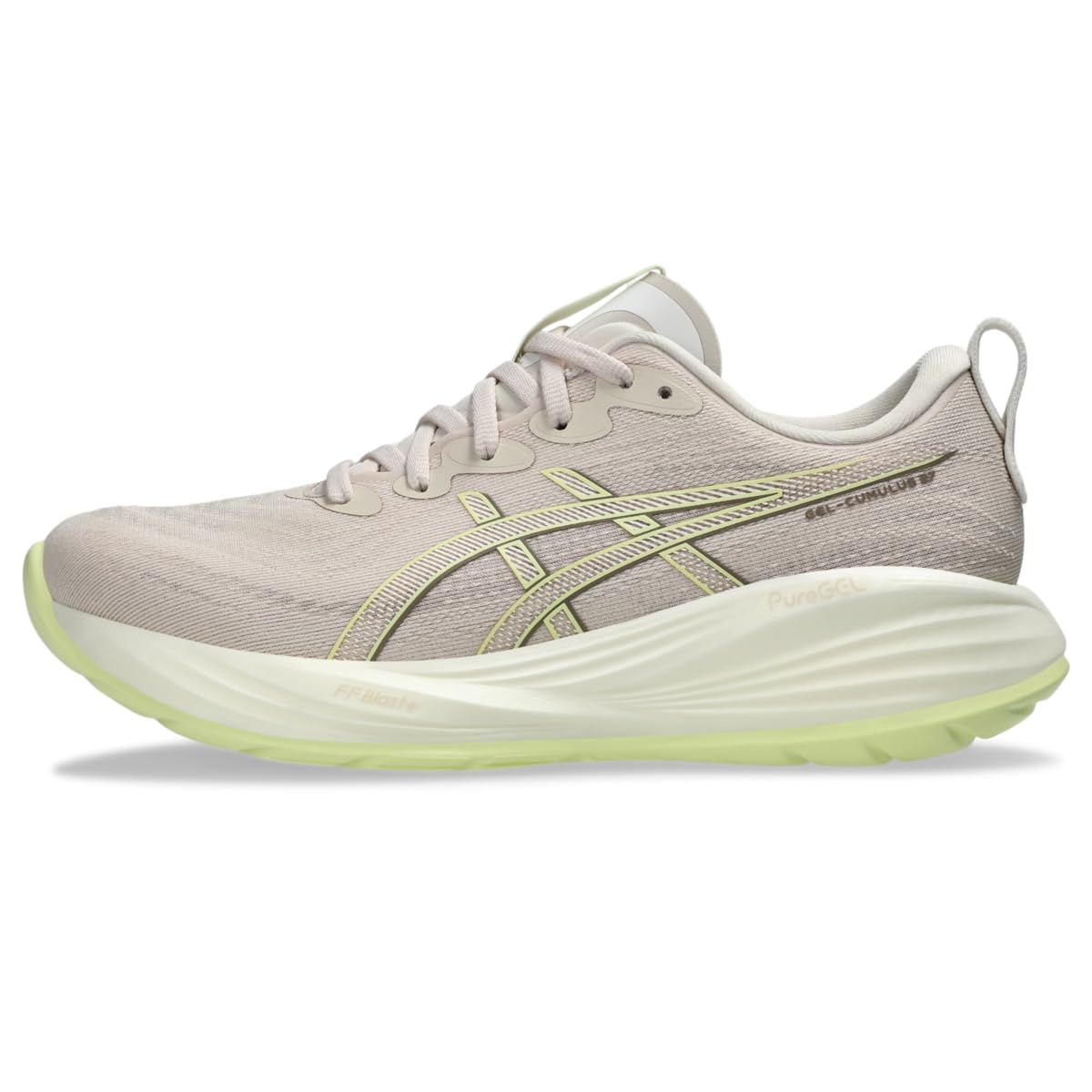
The women’s Gel-Cumulus 27 mirrors the men’s version in its Gel cushioning and neutral platform, but the women’s last is shaped for narrower heels and a lower instep — a critical detail for female runners with low arches who struggle with heel slip. Reviewers with Morton’s neuroma and plantar fasciitis noted that the Cumulus provided noticeable relief from foot pain, crediting the rearfoot Gel unit for absorbing shock and the midsole for maintaining alignment.
For flat-footed women with narrower feet, the Cumulus 27 offers a secure fit that doesn’t cramp the toes — the toe box is roomy enough for splay but the heel lock is tight. One reviewer with back pain driven by lack of support reported significant improvement after switching to the Cumulus 27, calling it their “favorite shoe ever.” The woven upper is also easy to clean, and the outsole rubber holds up well on paved surfaces.
The same lace-pressure issue seen in the men’s version appears here, and the toe box is slightly tight for those with neuromas who need extra forefoot width. It’s not a stability shoe, but for neutral runners with low arches who want Gel-grade cushioning, the women’s Cumulus 27 is a compelling choice.
Why it’s great
- Rearfoot Gel unit reduces impact for flat-footed runners
- Narrow heel fit prevents slip for women with low arches
- Breathable, washable upper with long-lasting outsole
Good to know
- Toe box may be tight for those with Morton’s neuroma
- Lace pressure on top of foot — consider looser lacing
FAQ
Should I buy a stability shoe or a neutral shoe for low arches?
Can I use custom orthotics in these athletic shoes?
What is the ideal toe-box width for flat feet?
How often should I replace low-arch running shoes?
Final Thoughts: The Verdict
For most users, the best athletic shoes for low arches winner is the ASICS Gel-Cumulus 27 because it delivers dependable Gel cushioning and enough midsole structure to keep flat feet aligned without a stiff medial post. If you want maximum plushness for high-mileage days, grab the Brooks Glycerin Stealthfit 22. And for a genuinely wide toe box with serious arch support at a budget-friendly price, nothing beats the FitVille Extra Wide.

Mo Maruf
I created WellFizz to bridge the gap between vague wellness advice and actionable solutions. My mission is simple: to decode the research and give you practical tools you can actually use.
Beyond the data, I am a passionate traveler. I believe that stepping away from the screen to explore new environments is essential for mental clarity and physical vitality.