Our readers keep the lights on and my smoothie glass nicely filled. As an Amazon Associate, I earn from qualifying purchases.
That sharp, bruise-like sensation under the ball of your foot every time you push off or land is more than just an annoyance—it sabotages your stride, your workout, and your daily comfort. Metatarsalgia, Morton’s neuroma, and general forefoot sensitivity demand a specific shoe design: a wide toe box, a rocker or metatarsal pad, and midsole foam that absorbs shock rather than transferring it back into the sesamoid bones. Generic running shoes with narrow toe tapers or firm midsoles will only compound the problem.
I’m Mohammad Maruf — the founder and writer behind WellFizz. I’ve spent hundreds of hours analyzing footwear biomechanics, consulting podiatrist recommendations, and cross-referencing structural specs like toe box volume, drop height, midsole durometer, and metatarsal support geometry to identify the shoes that genuinely offload forefoot pressure.
After a deep dive into the construction, user feedback, and medical alignment of nine models, these are the top-rated athletic shoes for ball of foot pain that actually deliver measurable forefoot relief without sacrificing performance.
How To Choose The Best Athletic Shoes For Ball Of Foot Pain
Selecting a shoe for ball-of-foot pain means prioritizing forefoot geometry and impact absorption over weight reduction or ground feel. Three structural details separate a relief-focused shoe from one that will aggravate your metatarsal heads.
Toe Box Volume and Shape
The number one complaint in this category is a toe box that compresses the metatarsal heads together. Look for anatomical last shapes—Altra’s FootShape, Orthofeet’s wide square toe, or New Balance’s 2E/4E options. A box that allows full splay of the toes reduces pressure on the plantar plate and allows natural forefoot widening during stance.
Midsole Cushioning and Metatarsal Support
Not all foam is equal. Fresh Foam X from New Balance and DNA LOFT from Brooks provide plush, slow-rebound compression that mimics fat pad tissue. More critical is whether the shoe integrates a metatarsal pad or bump—a raised contour just behind the ball of the foot. ABEO and Orthofeet build these into the footbed, shifting pressure to the arch and offloading the metatarsal necks during propulsion.
Drop Height and Rocker Profile
A lower drop (0–8mm) reduces the forward rolling shear through the forefoot, while a pronounced rocker (toe spring) minimizes the need for metatarsal flexion at toe-off. This combo is particularly effective for sesamoiditis and Morton’s neuroma because it bypasses the painful dorsiflexion range at the MTP joints.
Quick Comparison
On smaller screens, swipe sideways to see the full table.
| Model | Category | Best For | Key Spec | Amazon |
|---|---|---|---|---|
| Brooks Glycerin 23 | Premium | All-day wear & high-mileage relief | DNA LOFT v3 cushioning, rocker sole | Amazon |
| ALTRA Torin 8 | Premium | Wide toe box & zero-drop stability | 0mm drop, 28mm stack, FootShape box | Amazon |
| New Balance More V6 | Premium | Max cushion for knee/back + forefoot pain | Fresh Foam X, 4E wide option | Amazon |
| Brooks Adrenaline GTS 23 | Premium | Stability & overpronation with forefoot comfort | GuideRails support, soft midsole | Amazon |
| ABEO MXV Shift | Mid-Range | Built-in metatarsal footbed for targeted relief | MXV metatarsal pad, Ortholite insole | Amazon |
| Orthofeet Relay Max | Mid-Range | Orthopedic-grade arch support + forefoot offloading | Removable orthotic, extra depth toe box | Amazon |
| ALTRA Solstice XT 3 | Mid-Range | Gym & CrossFit with wide forefoot splay | FootShape box, 0mm drop, rubber wrap | Amazon |
| ASICS Gel-Cumulus 27 | Budget | Affordable neutral runner for mild forefoot pain | Gel cushioning, mesh upper, orthotic-friendly | Amazon |
| Under Armour TriBase Reign 6 | Budget | Flat toe box for lifting & metatarsal mobility | TriBase outsole, zero-drop, wide toe | Amazon |
In‑Depth Reviews
1. Brooks Women’s Glycerin 23 Neutral Running Shoe
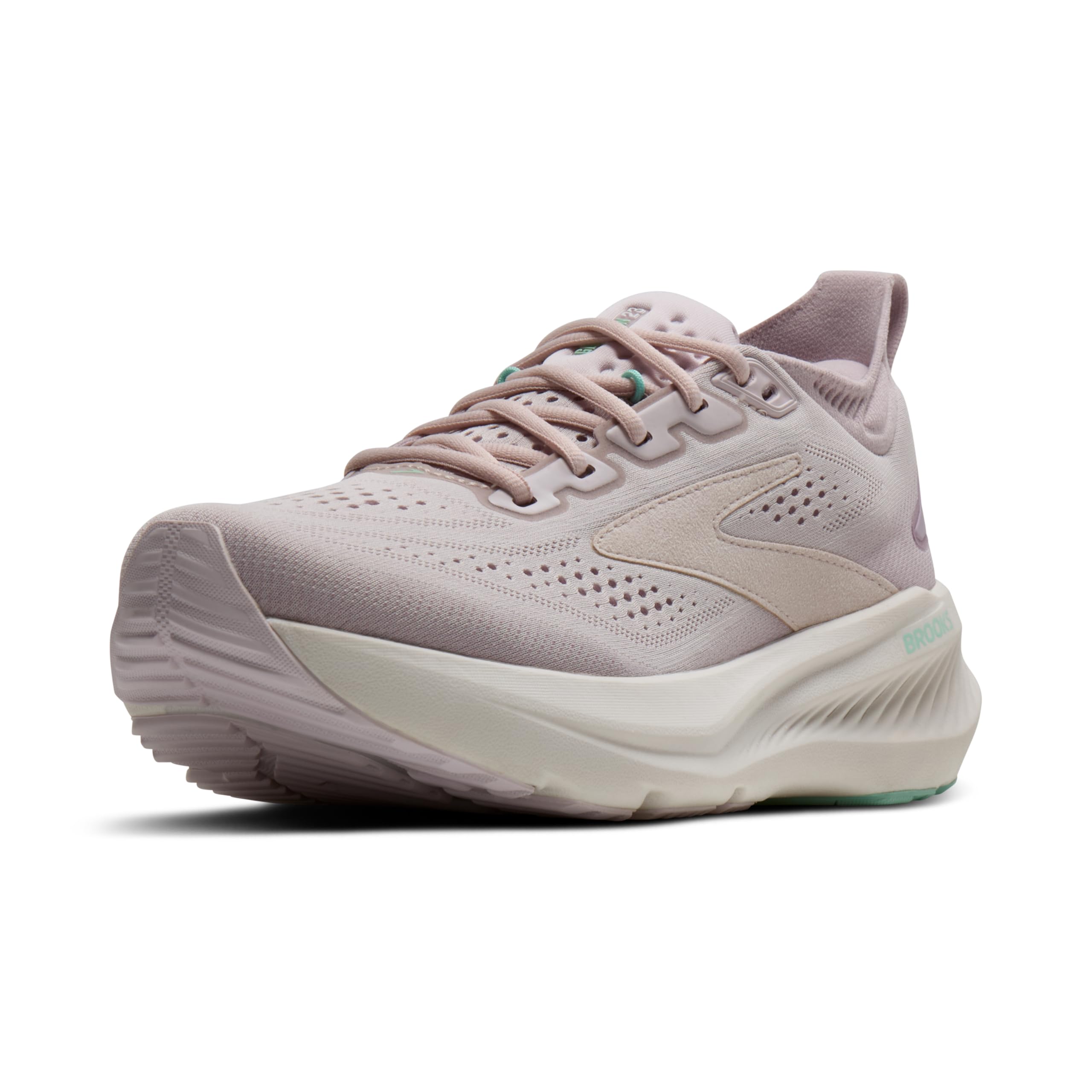
The Brooks Glycerin 23 earns the top spot because it combines the softest midsole in Brooks’ lineup with a forefoot geometry designed to offload pressure. The DNA LOFT v3 cushioning is plush without collapsing—critical for absorbing the impact at metatarsal heads during heel-strike and toe-off. Podiatrists consistently recommend this shoe for sesamoiditis and Morton’s neuroma, and user reviews confirm pain-free 18-mile walks straight out of the box.
What makes the Glycerin 23 especially effective for ball-of-foot pain is its subtle rocker shape and lower sidewalls that prevent ankle rubbing. The toe box is wider than previous versions, accommodating toe splay without constricting the metatarsals. Reviewers with high arches and plantar fasciitis also report virtual elimination of forefoot and arch pain. The angled heel and secure laces enhance grip, reducing the need to grip with your toes for stability.
The primary drawback is the price: this is a premium-tier investment. However, considering that it often replaces the need for both an orthotic shoe and a separate walking shoe, the cost per wear drops significantly. The mesh upper is also breathable but less suited to wet weather—though the cushioning performance is consistent across conditions.
Why it’s great
- Plush yet responsive DNA LOFT v3 fully isolates forefoot from impact.
- Roomy toe box and secure heel eliminate pressure points at the metatarsals.
- No break-in required—pain relief is immediate from first wear.
Good to know
- Premium price point places it above mid-range competitors.
- Upper mesh can be drafty in very cold or wet conditions.
2. ALTRA Women’s Torin 8 Road Running Shoe
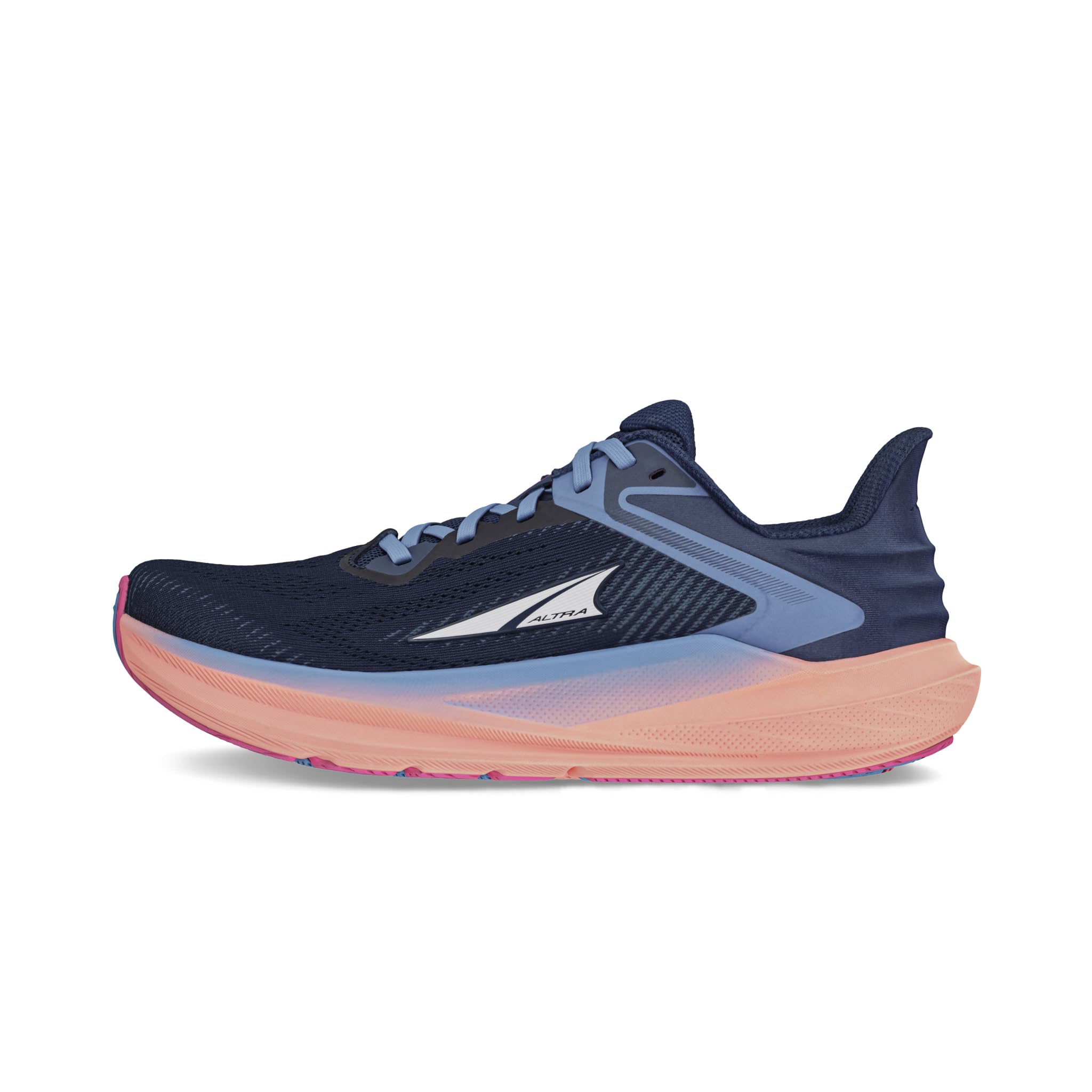
ALTRA’s Torin 8 is the gold standard for zero-drop running shoes with a legitimately spacious toe box. The 28mm stack of ALTRA’s EGO Max foam provides enough compression to soften landing forces while maintaining a stable platform. For ball-of-foot pain stemming from Morton’s neuroma, the FootShape toe box allows the metatarsal bones to spread laterally, reducing the pinching effect that traditional tapered toe boxes create.
Users with neuroma and sesamoiditis report the Torin 8 fits perfectly with prescription orthotics and toe spacers, and the zero-drop geometry prevents the forward shear that aggravates the metatarsal heads during downhill or fast walking. The foam density strikes a balance between cushion and responsiveness—not squishy like the Ghost, but not firm enough to cause rebound pressure. Multiple reviews confirm the shoe wears well after 3+ months of daily use with minimal outsole degradation.
On the downside, the Torin 8 is noticeably heavier than the Solstice XT, and the stack height reduces ground feel—a non-issue for road walking but noticeable for trail use. Some users with very flat arches find the midfoot a bit narrow compared to the forefoot, though the overall fit remains secure.
Why it’s great
- Anatomically correct FootShape toe box allows full metatarsal splay.
- Zero-drop profile eliminates forefoot shear that triggers neuroma pain.
- EGO Max foam provides plush, durable cushioning with no break-in.
Good to know
- Heavier than typical road runners—noticeable for speed work.
- Midfoot width may feel snug for very flat or wide feet.
3. New Balance Women’s Fresh Foam X More V6
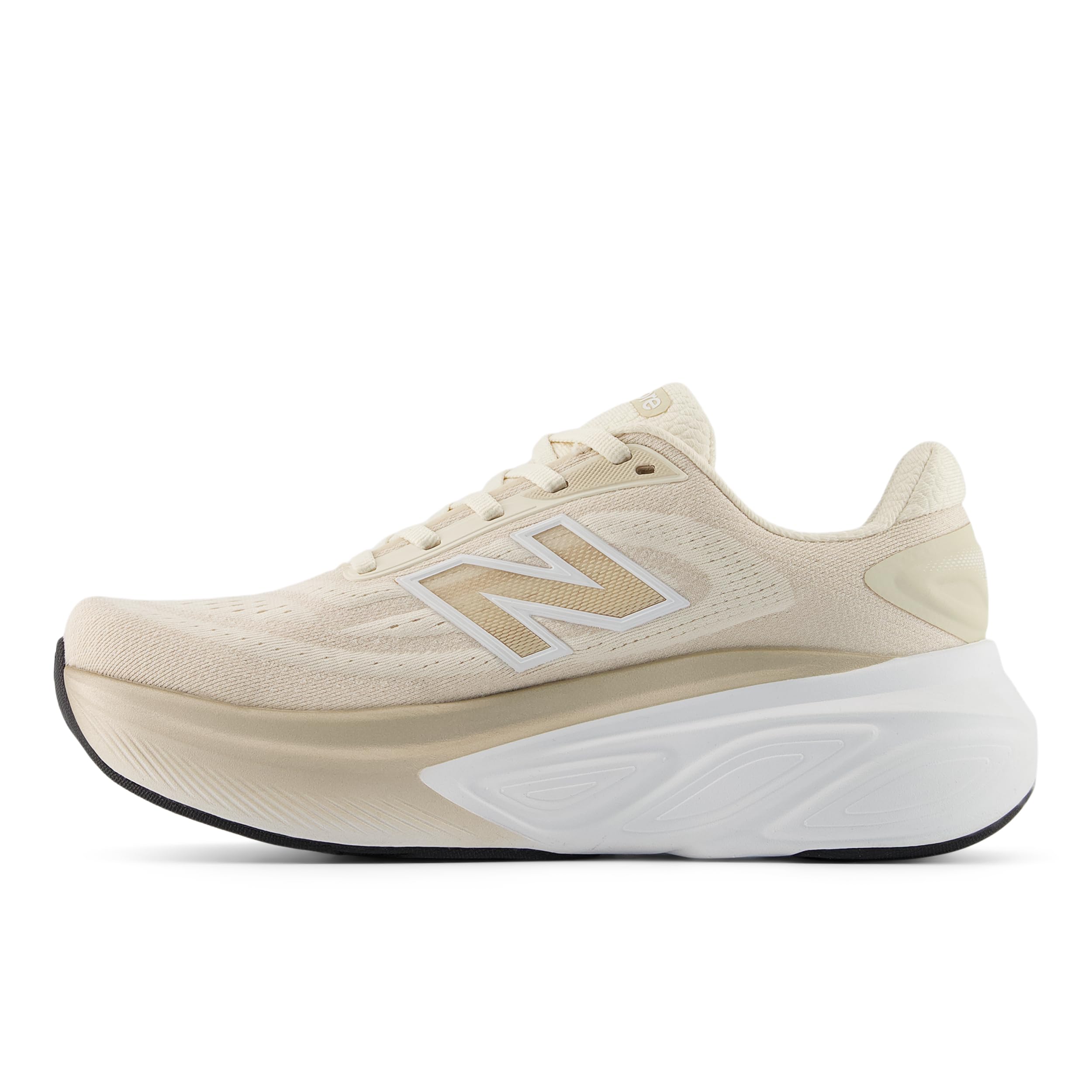
The Fresh Foam X More V6 is the max-cushion king in this comparison, delivering the highest stack height in the New Balance lineup. For ball-of-foot pain linked to joint inflammation or bone bruising, this shoe’s entire midsole acts as a shock absorber, distributing forefoot pressure across a wider platform. The Fresh Foam X compound returns energy without pushing back into the sesamoids—a fine balance that competitive max-cushion shoes rarely achieve.
The 4E extra-wide option is a game-changer for users with bunions or metatarsal splay issues: the toe box is both tall and wide, allowing the forefoot to spread naturally without mesh compression. Users with RA, plantar fasciitis, and spinal issues report a 90% reduction in pain when switching to this model. The wide base also provides exceptional stability for heavy runners or those with knee and back comorbidities—key because instability often causes compensatory toe-gripping that worsens forefoot pain.
The trade-off is bulk: the More V6 is not a sleek, lightweight trainer. Its volume can feel clumsy for tempo runs or gym-based agility work. Also, the Fresh Foam X midsole is less effective in very cold temperatures, stiffening slightly. But for walking and easy-paced miles, this shoe is among the most protective options available.
Why it’s great
- Maximum stack height isolates forefoot from ground reaction forces.
- 4E width option provides unrivaled space for bunions and splay.
- Wide base stabilizes the foot, reducing compensatory toe-gripping.
Good to know
- Bulky profile—not ideal for fast-paced or agility training.
- Fresh Foam X stiffens slightly in sub-freezing temperatures.
4. Brooks Men’s Adrenaline GTS 23 Supportive Running Shoe

The Brooks Adrenaline GTS 23 is the stability shoe that doesn’t punish your forefoot. Using Brooks’ GuideRails system, it corrects overpronation without a rigid medial post—meaning your metatarsals aren’t pressed into a hard structure mid-stride. The soft midsole foam and segmented crash pad work together to absorb shock across the entire forefoot, making it a top choice for runners with overpronation and forefoot pain.
User reviews consistently praise the Adrenaline for its durability (500–600 miles with full support) and its comfortable out-of-box fit. The toe box is roomier than previous versions, and the Gore-Tex option provides waterproof protection for wet conditions. Users with neuroma report the combination of GuideRails and soft foam prevents the nerve compression that often worsens with rigid stability shoes. The Adrenaline also carries moderate drop (12mm), which helps transition weight away from the metatarsal heads for heel-strikers.
On the less favorable side, the Adrenaline’s toebox is not as wide as ALTRA or Orthofeet—it’s better suited to D-width feet than EEEE. The colorway options are also somewhat gaudy in the brighter editions, though this is cosmetic. Some users with very flat feet find the arch support insufficient without supplemental orthotics.
Why it’s great
- GuideRails correct pronation without hard medial posts that press on metatarsals.
- Extremely durable—500–600 miles before support degrades.
- Gore-Tex option available for all-weather forefoot protection.
Good to know
- Toe box is standard D-width, not oversized for wide feet.
- 12mm drop may feel aggressive for zero-drop adherents.
5. ABEO MXV Shift Women’s Metatarsal Footbed Walking Shoes
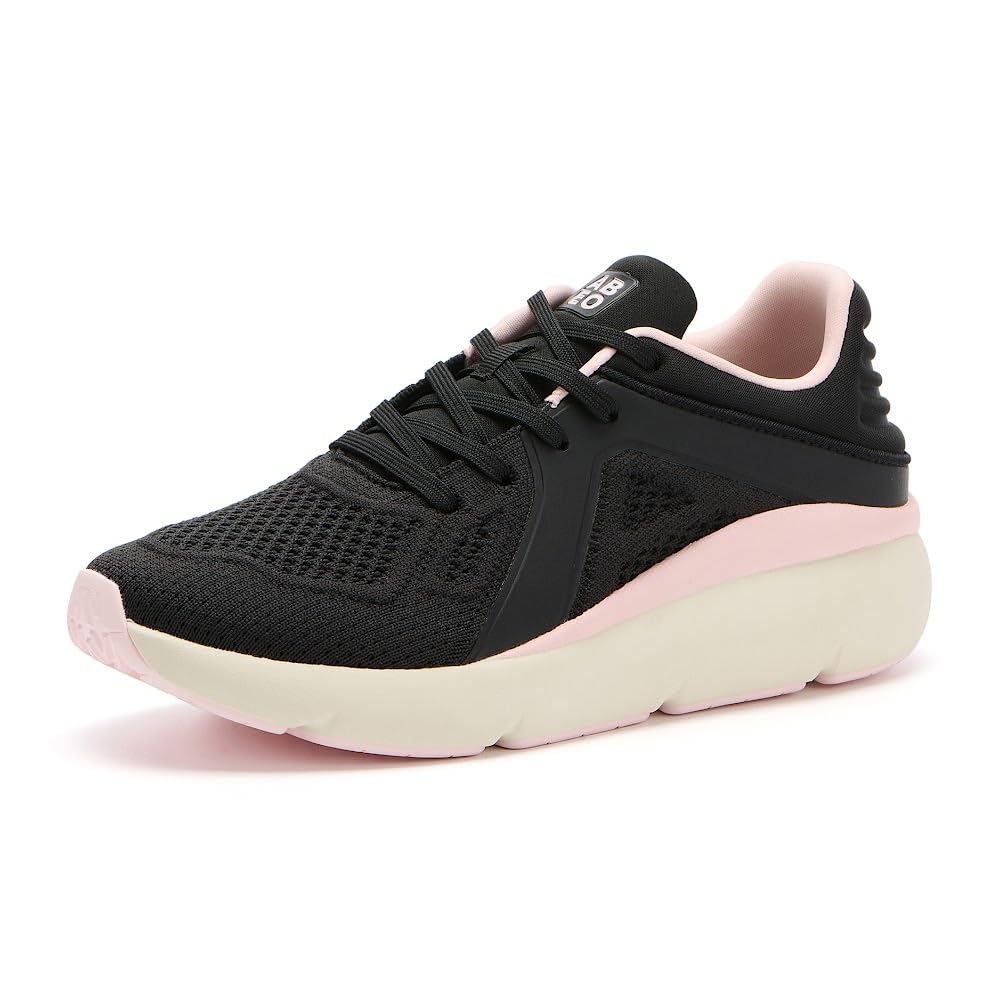
The ABEO MXV Shift is one of the rare off-the-shelf shoes designed specifically for metatarsal support. The built-in MXV footbed incorporates a raised metatarsal pad that sits directly behind the ball of the foot, redistributing pressure away from the metatarsal heads and back toward the arch. This design principle is backed by podiatric biomechanics: offloading the metatarsals by a few millimeters reduces peak plantar pressure by up to 30% during gait.
Users report walking 2 miles without any ball-of-foot pain—something they couldn’t achieve with Brooks or New Balance. The Ortholite insole and nonslip outsole add to the comfort and stability. The shoe is also designed with a roomy toe box, allowing toe spacers or custom orthotics without crowding. Multiple reviews confirm that the shoe works for both plantar fasciitis and metatarsalgia concurrently.
The MXV Shift is not a running shoe—it’s optimized for walking and casual wear. Some users with bunions found the toebox began rubbing after a month of daily wear, suggesting the fit may shift slightly over time. Sizing runs slightly small; ordering a half size up is common. For pure walking relief, however, this shoe is exceptionally well-targeted.
Why it’s great
- Integrated MXV metatarsal pad offloads the highest-pressure forefoot zones.
- Ortholite insole adds moisture-wicking, antimicrobial comfort.
- Roomy toe box accommodates spacers and custom inserts.
Good to know
- Walking-focused—not suitable for running or high-impact training.
- Sizing is inconsistent; some users experienced midfoot rub after weeks of wear.
6. Orthofeet Women’s Orthopedic Relay Max Cushion Grippy Running Sneaker
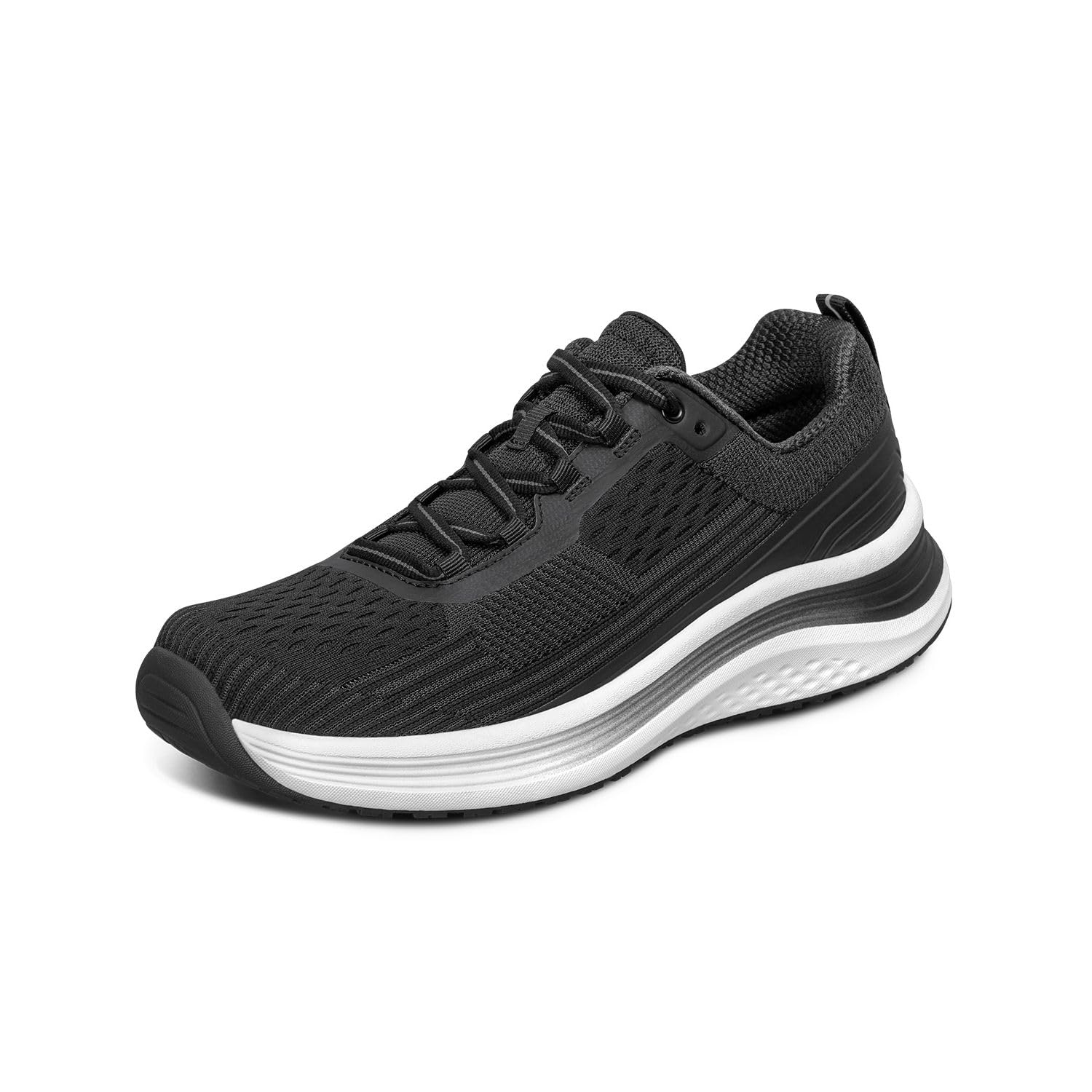
Orthofeet built the Relay Max around the concept of total foot accommodation. The extra-depth toe box is both tall and wide, meaning there’s no pressure on the tops of the toes or the metatarsal heads from the upper. The shoe ships with multiple arch support inserts and metatarsal pads, allowing you to dial in the level of forefoot offloading. This modular approach is invaluable for users whose pain shifts between sesamoiditis, neuroma, and capsulitis.
User feedback consistently highlights the relief for arthritis-ridden feet—the combination of a cushy but firm midsole and a deep heel cup locks in the calcaneus while the forefoot floats. The square toe shape prevents the lateral compression that many standard-width shoes cause. For walking and errand running, this shoe is often described as the “only pair I can wear all day without pain.”
The primary complaint is sizing inconsistency: some users report that white wide sizes are longer than black wide sizes, and that the extra-wide runs narrower than expected. The top lacing grommets sit high on the tongue, which can create pressure at the dorsal forefoot for some wearers. The shoe is also noticeably heavier than conventional running shoes, so it’s best for walking rather than speed work.
Why it’s great
- Extra-depth toe box eliminates vertical compression over the metatarsals.
- Includes multiple orthotic inserts for customizable forefoot offloading.
- Deep heel cup and square-toe design provide total foot stability.
Good to know
- Inconsistent length/width sizing between color variants.
- Heavy build—not designed for running or high-intensity gym work.
7. ALTRA Men’s Solstice XT 3 Cross Training Shoe

The Solstice XT 3 brings ALTRA’s FootShape toe box into the cross-training space, offering a zero-drop, wide-forefoot platform that’s rare in the gym shoe market. For ball-of-foot pain specifically, the ability to use toe spacers without the shoe constricting the metatarsals is a major advantage during squats, deadlifts, and box jumps. The rubber-wrapped outsole provides lateral stability, and the midsole foam—while less plush than the Torin—gives enough compliance for box jumps and rope climbs.
Users who combine weight training with short runs or sled pushes find the Solstice XT 3 holds up well over months of CrossFit and daily gym sessions. The wide toe box also helps users with sesamoiditis because it eliminates the toe-taper compression that triggers pain during explosive movements. Reviewers note that the shoe fits true to size in length but accommodates a wide forefoot without pinching—ideal if you need to wear toe spacers or metatarsal pads.
This is not a shoe for long-distance running—the foam is too firm for sustained forefoot shock absorption beyond a few miles. The outsole also wears faster than other ALTRA models if used on asphalt frequently. However, as a gym shoe that respects forefoot anatomy, it outperforms every mainstream cross-trainer in this regard.
Why it’s great
- FootShape toe box allows toe spacer use for neuroma and sesamoiditis.
- Zero-drop platform keeps forefoot neutral during lifts and jumps.
- Durable rubber wrap handles box jumps and rope climbs without tearing.
Good to know
- Firm midsole—not comfortable for runs longer than 2–3 miles.
- Outsole wears faster on asphalt compared to dedicated road trainers.
8. ASICS Women’s Gel-Cumulus 27 Running Shoes
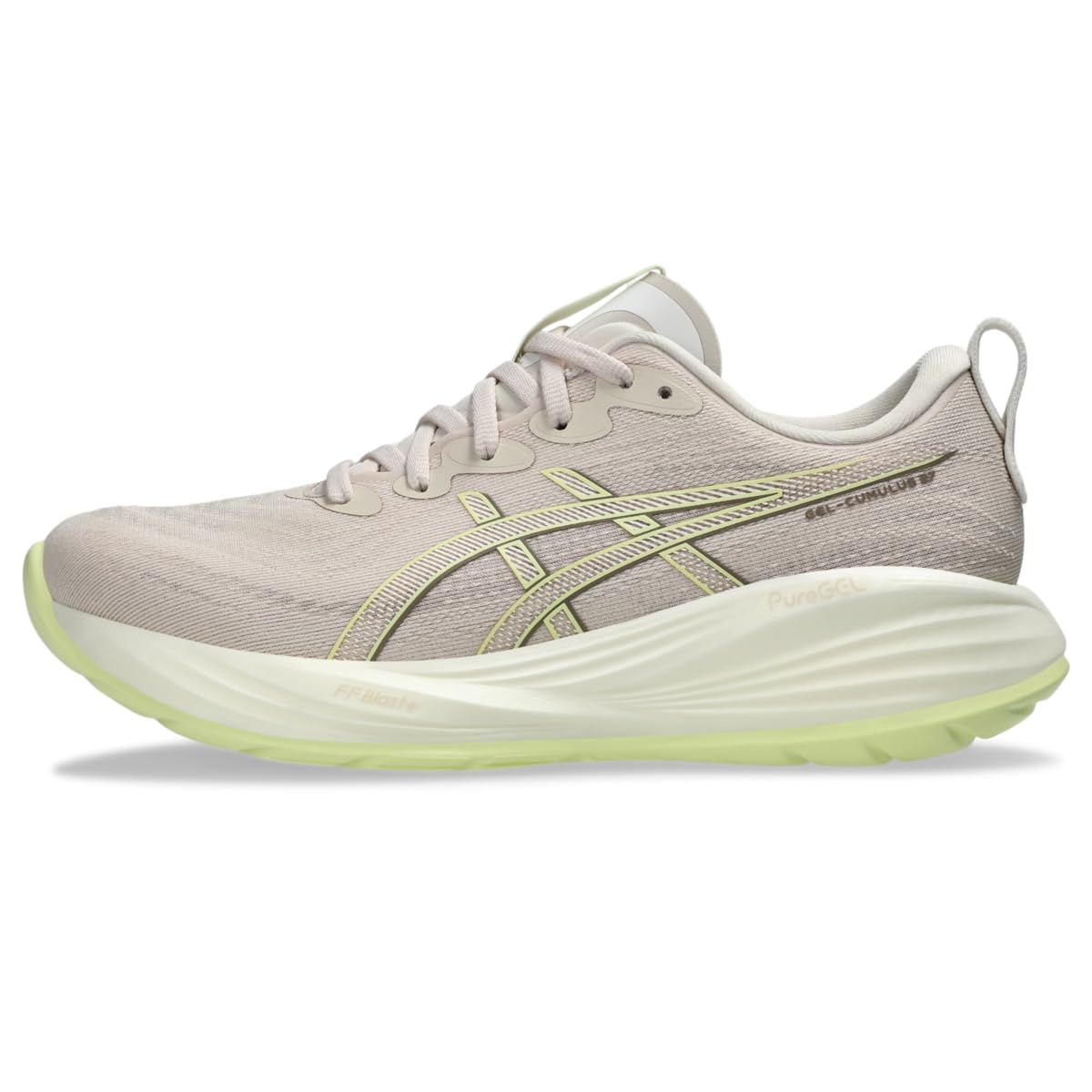
The ASICS Gel-Cumulus 27 is a solid entry-level neutral runner that can serve mild forefoot pain at a lower investment. The rearfoot and forefoot Gel cushioning units absorb impact on landing, and the Ortholite sockliner adds a layer of compression that reduces direct pressure on the metatarsal heads. Users with Morton’s neuroma confirm that doctor-recommended, the Cumulus provides enough cushion for walking and short runs without exacerbating nerve pain.
Narrow-footed users particularly appreciate the secure heel fit and the lightweight build—the shoe doesn’t feel bulky or clumsy. The mesh upper is breathable and adaptable, allowing for custom orthotics to be dropped in without volume issues. Several reviews mention that the Cumulus 27 resolves back pain and alignment issues commonly associated with forefoot dysfunction.
The clear limitation is the toe box: multiple users report it runs small and narrow in the forefoot, compressing the metatarsals during longer efforts. This shoe works best if your foot width is D or narrower, and if your ball-of-foot pain is mild enough that a spacious toe box isn’t mandatory. For wider feet or moderate-to-severe neuroma, the toe box is likely too restrictive.
Why it’s great
- Forefoot Gel unit provides targeted impact absorption at the ball of the foot.
- Lightweight construction and secure heel fit for neutral runners.
- Ortholite sockliner adds compression and moisture management.
Good to know
- Toe box is narrow—not suitable for wider feet or neuroma with splay needs.
- Less durable cushioning than premium foam options above.
9. Under Armour Men’s TriBase Reign 6 Trainer Shoes
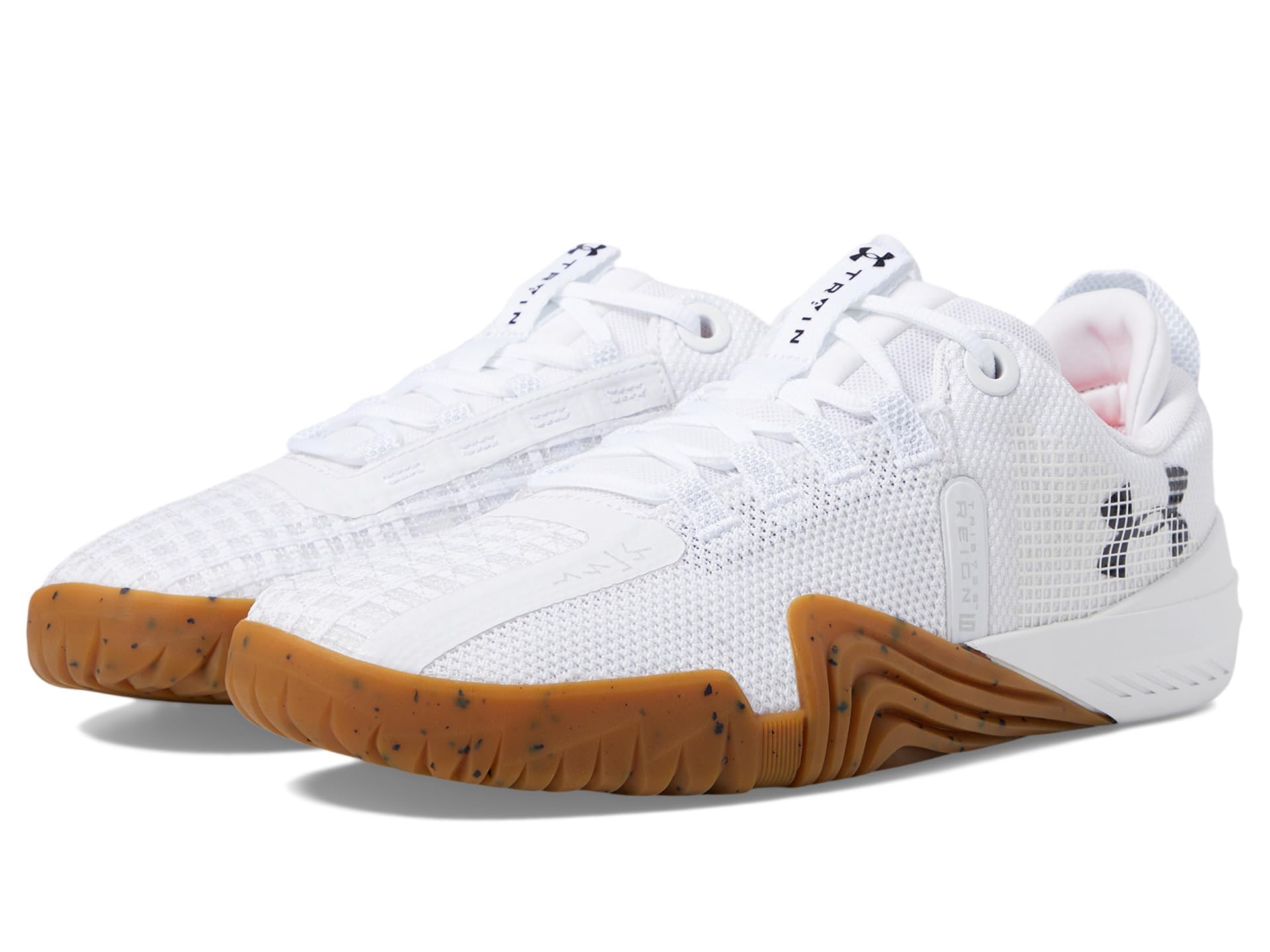
The TriBase Reign 6 is Under Armour’s best-ever balance of forefoot mobility and ground stability. The zero-drop platform and wide toe box allow the metatarsals to spread naturally during deadlifts and squats, while the TriBase outsole provides superior floor contact for grip. This removes the need for the foot to grip the insole with the toes—a compensatory action that often aggravates ball-of-foot pain during lifting.
Users with flat feet and overpronation report that the Reign 6 eliminates ankle pain associated with running shoes during gym work. The cushioning is firm enough for lifting but compliant for incline walks and short treadmill runs (2–3 miles). The shoe is also lighter and less bulky than previous Reign models, making it a viable option for HIIT and agility drills without sacrificing toe splay.
The Reign 6 is not a walking or running shoe—its midsole is too firm for sustained forefoot cushioning during long gait cycles. The white colorway also stains quickly at the gym. But for resistance training and short cardio bursts, this shoe provides a wide, stable forefoot platform that many premium trainers don’t offer.
Why it’s great
- Wide toe box allows full metatarsal splay during lifts and lunges.
- Zero-drop TriBase outsole maximizes floor grip and forefoot stability.
- Lightweight and flexible—less bulky than Reign 5.
Good to know
- Firm midsole provides inadequate cushioning for walking or running beyond 3 miles.
- White upper is difficult to keep clean in gym environments.
FAQ
What is the best drop height for sesamoiditis and neuroma?
Will a rocker sole help with ball-of-foot pain?
Can I use metatarsal pads with these athletic shoes?
Final Thoughts: The Verdict
For most users, the athletic shoes for ball of foot pain winner is the Brooks Glycerin 23 because its DNA LOFT v3 cushioning and rocker sole combine to absorb and redistribute forefoot impact with zero break-in required. If you want the maximum toe splay and zero-drop biomechanics, grab the ALTRA Torin 8. And for targeted metatarsal offloading without aftermarket inserts, nothing beats the ABEO MXV Shift.

Mo Maruf
I created WellFizz to bridge the gap between vague wellness advice and actionable solutions. My mission is simple: to decode the research and give you practical tools you can actually use.
Beyond the data, I am a passionate traveler. I believe that stepping away from the screen to explore new environments is essential for mental clarity and physical vitality.