Our readers keep the lights on and my smoothie glass nicely filled. As an Amazon Associate, I earn from qualifying purchases.
The difference between a bog-standard tea bag and a truly transcendent cup of Asian tea comes down to oxidation levels, harvesting altitude, and particle size. Loose-leaf oolongs from Taiwan’s high mountains, roasted Japanese greens, and matcha-infused sencha all demand different water temperatures and steeping times, yet most shoppers grab random boxes that deliver astringent, bitter brews. This buying guide cuts through the packaging noise and breaks down the exact leaf grades, processing methods, and flavor profiles that define premium Asian tea.
I’m Mohammad Maruf — the founder and writer behind WellFizz. With a decade of comparative analysis on specialty grocery categories, I evaluate brew strength, leaf integrity, re-steeping potential, and chemical-free certifications to separate authentic imports from mass-market blends.
After testing dozens of candidates on aroma, clarity, mouthfeel, and multi-steep yield, the options featured here represent the strongest intersection of craft, freshness, and consisten quality. Whether you prefer the toasty comfort of genmaicha or the floral complexity of high-mountain oolong, this guide to the best asian tea will help you identify the perfect match for your palate and brewing routine.
How To Choose The Best Asian Tea
Asian tea spans an enormous spectrum — from barely oxidized green sencha to semi-oxidized Taiwanese oolong and fully oxidized black teas blended with spices. The right choice hinges on your preferred flavor intensity, caffeine tolerance, and brewing habits.
Leaf Grade and Form
Whole-leaf loose tea generally contains intact buds and leaves, allowing water to circulate evenly and extract flavor steadily across multiple infusions. Broken-leaf tea and traditional bagged fannings brew faster but lose nuance after the first steep. For re-steeping value, loose-leaf formats like the tightly rolled FullChea Alishan oolong deliver three to four satisfying cups from a single serving.
Origin and Processing
Japanese teas (sencha, genmaicha, matcha) are typically steamed to stop oxidation, producing bright green liquors with grassy, umami-forward notes. Taiwanese high-mountain oolongs are pan-fired and lightly oxidized, yielding floral, creamy cups with a lingering sweetness. Look for specific regions — Uji, Shizuoka, Alishan — printed on the label to confirm authenticity.
Oxidation and Roast Level
Oolong teas range from 10% to 70% oxidation. Lower-oxidation greens (10–20%) taste floral and fresh; medium-oxidation (30–50%) introduces honey and stone-fruit notes; darker roasts deliver toasty, caramelized depth. Japanese oolongs like the Yamasan Kyoto Uji sit in the medium-light zone, offering a smooth balance between green freshness and warm roast.
Quick Comparison
On smaller screens, swipe sideways to see the full table.
| Model | Category | Best For | Key Spec | Amazon |
|---|---|---|---|---|
| Yamasan Kyoto Uji Organic Oolong | Oolong | Organic purity & re-steeping | 3.53 oz loose leaf, 90–95°C steep | Amazon |
| ITO EN Oi Ocha Matcha Genmaicha | Green Tea | Toasted rice aroma & convenience | 50 pyramid bags, matcha + sencha | Amazon |
| FullChea Alishan Oolong | Oolong | High-mountain flavor & value | 8.8 oz loose leaf, hand-harvested | Amazon |
| Maeda Sen-cha Green Tea With Matcha | Green Tea | Daily sencha with matcha richness | 100 tea bags, foil-fresh pouches | Amazon |
| Stash Tea Chai Green Tea | Chai | Spiced green tea bags in bulk | 120 bags, Non-GMO verified | Amazon |
In‑Depth Reviews
1. Yamasan Kyoto Uji Organic Oolong
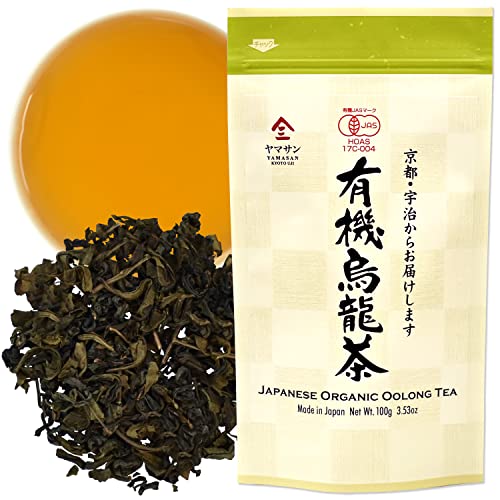
This 100-gram organic oolong from Yamasan Kyoto Uji is a standout for anyone seeking the intersection of Japanese craftsmanship and certified organic farming. Grown in Gokase Town, Miyazaki, without chemical fertilizers or pesticides, the leaves undergo a careful medium-light roast that yields a toasty, smooth liquor with a floral edge. Customer reviews consistently praise its freshness and the ability to re-steep the same leaves two to three times — unusual for a Japanese oolong at this accessible price tier.
Brewing at 90–95°C for about 90 seconds brings out a balanced bitterness that is never harsh. The tightly rolled leaves unfurl fully in the pot, releasing layers of flavor across multiple infusions. Users note that a small pinch (2–3 grams) is sufficient for a 200ml serving, making the 3.53-ounce bag surprisingly economical for daily drinking.
Some drinkers accustomed to Chinese Tieguanyin or Taiwanese Alishan may find the roast profile lighter and the mouthfeel less creamy. The loose-leaf format also requires a strainer or infuser, which adds a step compared to bagged alternatives. Nevertheless, for organic purity, multi-steep performance, and authentic Japanese origin, this earns its top spot.
Why it’s great
- Certified organic, no artificial additives
- Delivers 2–3 quality infusions per serving
- Authentic Japanese origin from Uji region
Good to know
- Loose-leaf format needs an infuser or strainer
- Flavor can turn bitter if steeped over 2 minutes
2. ITO EN Oi Ocha Premium Matcha Genmaicha

ITO EN’s genmaicha brings together toasty roasted rice and matcha-infused sencha in 50 pyramid-shaped tea bags. The woven filter bags allow excellent water flow, while the matcha powder suspended in the blend creates a milky, opaque liquor and a creamy mouthfeel that standard genmaicha bags cannot replicate. The flavor profile is warm, nutty, and subtly sweet — a soothing alternative to morning coffee.
Loyal drinkers report that the silk-like pouches avoid the papery taste common in lower-cost bagged teas. Each individually wrapped bag stays fresh even after months in the pantry. The tea works equally well hot or as a cold brew, and the toasted rice component provides a gentle caffeine lift without the jitters some experience with straight green tea.
Though the bags produce a clean, sediment-free cup, the matcha infusion means the tea powder will settle slightly if left standing; a quick swirl re-emulsifies it. Some buyers have received crushed boxes due to poor Amazon packaging, so ordering in a multi-pack or from alternative retailers may be safer for gifting. The price per bag is higher than commodity green teas, but the quality justifies the premium for daily drinkers who value craft.
Why it’s great
- Unique matcha + genmaicha blend in one bag
- Pyramid bags maximize infusion surface area
- Silk-like filter eliminates paper taste
Good to know
- Matcha settles; needs a swirl before drinking
- Packaging can arrive damaged in soft envelopes
3. FullChea Alishan Oolong
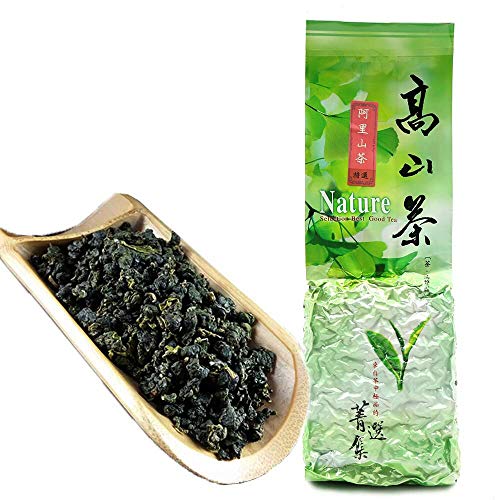
For those who want the floral complexity of Taiwanese high-mountain oolong without the boutique price tag, FullChea’s Alishan offering delivers 8.8 ounces of hand-harvested leaves at a very accessible cost. Grown at altitude in thin air, the leaves develop a slow, concentrated growth that produces a light green, tightly rolled granule with a sweet, creamy aftertaste. The dry leaves have a bright, grassy aroma, and the wet leaves unfurl to reveal intact buds with two leaves — the traditional mark of careful picking.
Brewing at 80–85°C, the first infusion is pale golden with a floral-forward nose and a smooth finish. Subsequent steeps (the leaves hold for three to four infusions) bring out a honeyed sweetness with virtually no bitterness. Reviews consistently note that this tea compares well with oolongs costing twice as much, especially for everyday drinking.
The biggest compromise is the presence of stems and some twiggy bits in the bag — an unavoidable byproduct of traditional hand-processing that also contributes to the authentic texture. The bitterness can spike if you use water above 90°C, so precise temperature control matters. If you are willing to manage those details, this is an exceptional value in the oolong category.
Why it’s great
- Large 8.8-ounce bag excellent for daily brewing
- Holds up to 4 infusions without flavor collapse
- Hand-harvested “one bud, two leaves” standard
Good to know
- Contains occasional stems and twiggy bits
- Water above 90°C will produce bitterness
4. Maeda Sen-cha Green Tea With Matcha
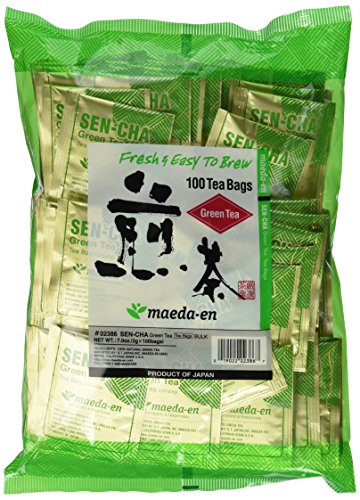
Maeda-en’s sencha with matcha bridges the gap between traditional bagged green tea and premium matcha blends. Each of the 100 pillow-shaped bags contains fine sencha leaves — not dust — combined with powdered matcha, producing a vibrant pale green-yellow liquor that tastes bright and grassy without any astringency. The individual foil pouches protect the leaves from light and humidity, ensuring consistent freshness even after opening the outer box.
Drinkers who have repurchased this tea for years highlight its reliability: the flavor never drifts or turns bitter, and the matcha component adds a subtle creaminess that standard green tea bags lack. The recommended brew temperature of 75–80°C helps preserve the sweet, vegetal notes and prevents the burned taste that occurs when green tea meets boiling water. It is equally enjoyable hot in the morning or iced during warmer months.
The main limitation is that each bag is designed for a single use, so you miss out on the multi-steep economy of loose-leaf teas. A small proportion of customers have noted variability in matcha powder distribution, with some bags producing a slightly cloudier cup than others. Still, for a bagged daily drinker that outperforms mass-market brands like Twinings or Bigelow, this is a solid choice.
Why it’s great
- Foil pouches lock in freshness for months
- Brews bright, grassy green without bitterness
- Matcha powder adds smooth mouthfeel
Good to know
- Single-use bags; no re-steeping possible
- Matcha distribution may vary slightly per bag
5. Stash Tea Chai Green Tea
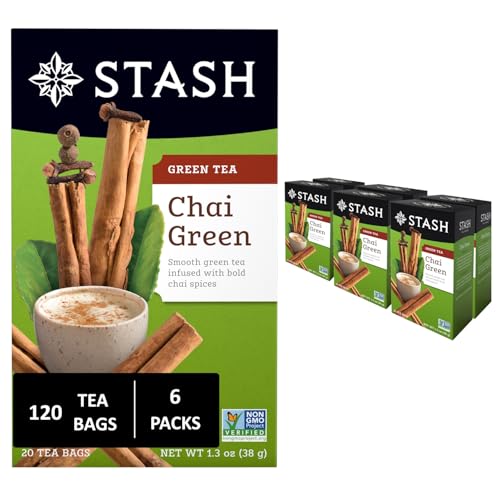
Stash’s chai green tea offers a departure from straight green and oolong styles — it is a green tea base infused with classic chai spices: cardamom, cinnamon, ginger, and cloves. The green tea leaf provides a lighter, less astringent backbone than the black tea typically used in masala chai, allowing the spice blend to shine without overwhelming bitterness. Each 20-count box comes six times in the pack, yielding 120 bags in total.
Long-term fans report drinking this tea daily for years, often with a splash of milk or honey. The spice profile is bold enough to stand up to additives but equally enjoyable straight. The tea performs well as a cold brew — simply drop a bag into cold water and refrigerate overnight for a refreshing spiced iced tea with no heat required.
Because the bags use broken-leaf fannings, the infusion is fast but lacks the layered complexity that loose-leaf chai blends provide. Some spice notes can fade after the first steep, and the recommended bag-per-cup usage makes this a less economical choice for very frequent drinkers. Nevertheless, for a convenient, pantry-stable spiced green tea, the format and flavor are hard to beat.
Why it’s great
- Bold cardamom-cinnamon-clove spice profile
- 120-bag bulk pack for long pantry life
- Works beautifully as hot tea or cold brew
Good to know
- Broken-leaf fannings limit re-steeping ability
- Spice intensity diminishes with very long storage
FAQ
What water temperature is best for Japanese green tea?
How many times can you re-steep loose-leaf oolong tea?
Does matcha genmaicha contain caffeine?
Final Thoughts: The Verdict
For most users, the best asian tea winner is the Yamasan Kyoto Uji Organic Oolong because it pairs organic certification with the ability to re-steep the leaves multiple times, delivering exceptional value per gram. If you want a convenient bagged option with the cozy warmth of toasted rice, grab the ITO EN Oi Ocha Matcha Genmaicha. And for a budget-friendly loose-leaf oolong that captures Taiwanese high-mountain character, nothing beats the FullChea Alishan Oolong.

Mo Maruf
I created WellFizz to bridge the gap between vague wellness advice and actionable solutions. My mission is simple: to decode the research and give you practical tools you can actually use.
Beyond the data, I am a passionate traveler. I believe that stepping away from the screen to explore new environments is essential for mental clarity and physical vitality.