Our readers keep the lights on and my smoothie glass nicely filled. As an Amazon Associate, I earn from qualifying purchases.
Navigating the world of zero-calorie sweeteners means confronting a stubborn trade-off: intense sweetness that hits fast but leaves a lingering metallic or bitter aftertaste, or a more natural profile that doesn’t dissolve well in cold drinks. The right choice hinges on the specific sweetener compound—aspartame, saccharin, stevia, allulose, or monk fruit—and how it interacts with your coffee, tea, or baked goods.
I’m Mohammad Maruf — the founder and writer behind WellFizz. I’ve spent years analyzing the molecular profiles, sweetness curves, and heat stability of sugar alternatives to separate marketing claims from measurable taste performance.
Whether you’re managing blood sugar levels or simply cutting empty calories, finding the right best artificial sweetener means matching the sweetener type to your daily use—without sacrificing flavor.
How To Choose The Best Artificial Sweetener
Zero-calorie sweeteners are not a monolith. Each compound has a unique sweetness onset speed, aftertaste profile, and heat stability that determines whether it works in a cold iced tea, a baked cake, or a hot cup of coffee. Matching the sweetener to the application is the real skill.
Sweetener Compound and Aftertaste Profile
The primary complaint among buyers is the lingering metallic or bitter aftertaste. Aspartame-based sweeteners deliver a quick, clean sweetness that mimics sugar closely but can degrade in heat. Stevia often has a delayed bitterness, especially at higher concentrations. Monk fruit with erythritol balances sweetness without the chemical bite, while allulose offers the closest sugar-like mouthfeel and browning capability with no bitter finish.
Sweetness Ratio and Serving Size
One packet does not equal one packet. Some sweeteners provide the sweetness of two teaspoons of sugar per serving (aspartame, saccharin), while others like allulose require nearly double the volume to match sugar’s sweetness. If you’re baking, the bulking agent matters—allulose and monk fruit blends measure cup-for-cup like sugar, whereas concentrated packets are designed only for beverages.
Heat Stability for Baking and Cooking
Not all sweeteners survive the oven. Aspartame loses sweetness when exposed to prolonged high heat, making it unsuitable for baked goods. Allulose and monk fruit blends with erythritol hold their structure and brown similarly to sugar, making them the only viable options for cookies, cakes, and sauces that require caramelization.
Quick Comparison
On smaller screens, swipe sideways to see the full table.
| Model | Category | Best For | Key Spec | Amazon |
|---|---|---|---|---|
| Golden Monk Fruit Sweetener | Monk Fruit Blend | No aftertaste baking substitute | 4 lb bulk (363 servings) | Amazon |
| Morning Pep Allulose | Pure Allulose | Keto baking & caramelization | 2 lb, no fillers | Amazon |
| N’Joy Zero Calorie Sweetener | Aspartame Packets | Everyday coffee and tea | 400 count, kosher | Amazon |
| Amazon Grocery Stevia & Erythritol | Stevia Blend | Budget-friendly natural switch | 1000 packets | Amazon |
| NSI Necta Sweet Saccharin Tablets | Saccharin Tablets | Classic sweet tea without paper waste | 1000 tablets, 1-grain | Amazon |
In‑Depth Reviews
1. Golden Monk Fruit Sweetener with Erythritol
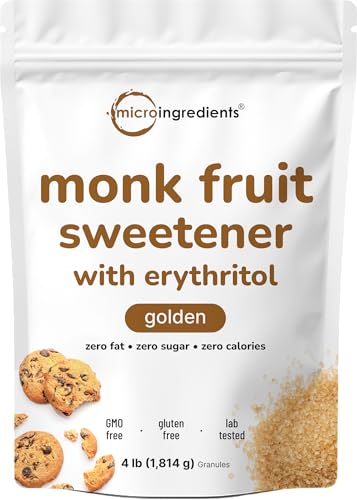
The Golden Monk Fruit Sweetener stands apart because it uses the golden variety of monk fruit, which contains higher concentrations of mogrosides compared to classic white monk fruit. This results in a sweetness that feels fuller and more rounded, without the bitter tail that often plagues stevia. The addition of erythritol balances the sweetness intensity, so you get a 1:1 brown sugar replacement that actually caramelizes in the oven.
At 4 pounds, this is the largest bulk option in the lineup, delivering 363 servings. It performs exceptionally well in baked goods—cookies spread properly, sauces thicken without turning grainy, and the golden hue mimics the visual warmth of brown sugar. Users consistently report no chemical aftertaste, even in cold beverages like iced coffee or yogurt.
The only caveat is that some users find it slightly less sweet than expected, requiring an extra half-spoon per recipe. It is also the most expensive option by volume, but the absence of any bitter or metallic finish makes it the top choice for anyone who prioritizes clean flavor above all else.
Why it’s great
- No lingering aftertaste in hot or cold drinks
- Browns and caramelizes like real sugar in baking
- Vegan, non-GMO, and free from soy, dairy, and gluten
Good to know
- Requires slightly more per serving than other sweeteners
- Contains erythritol, which may cause digestive sensitivity in large amounts
2. Morning Pep Allulose Sweetener
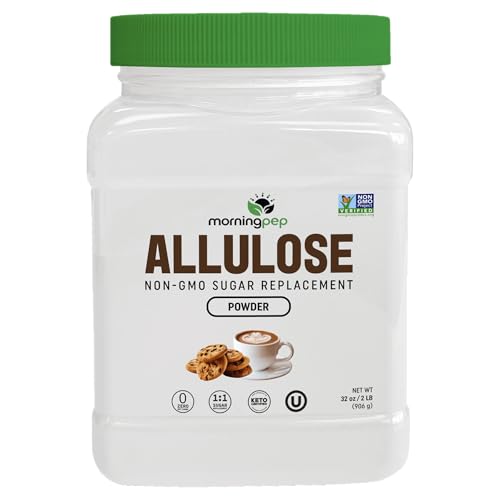
Allulose is a rare sugar found naturally in figs and raisins, and Morning Pep delivers it in its purest form—no erythritol, no bulking agents, no fillers. The defining advantage of allulose over other zero-calorie sweeteners is that it measures, dissolves, and browns almost identically to table sugar. It caramelizes without crystallizing, making it the only option in this lineup that can replace sugar cup-for-cup in meringues or caramel sauces.
The 2-pound bag provides 32 ounces of pure allulose, and while it is roughly 70% as sweet as sugar by volume, the trade-off is a clean, neutral taste with zero bitter or cooling aftertaste. Users with diabetes report no blood sugar spike after consumption, and the keto certification ensures it fits strict carbohydrate limits.
The main downside is the clumping tendency—the powder can form hard lumps if exposed to humidity, and you may need to break it up before measuring. It is also less sweet per gram, so you will use more volume compared to concentrated packets like aspartame or saccharin.
Why it’s great
- Only sweetener that browns and caramelizes like real sugar
- Zero glycemic impact, safe for keto and diabetic diets
- No fillers, erythritol, or artificial additives
Good to know
- Clumps easily in humid conditions
- About 30% less sweet than sugar, so adjust recipes accordingly
3. N’Joy Zero Calorie Sweetener, Aspartame, 400 Count
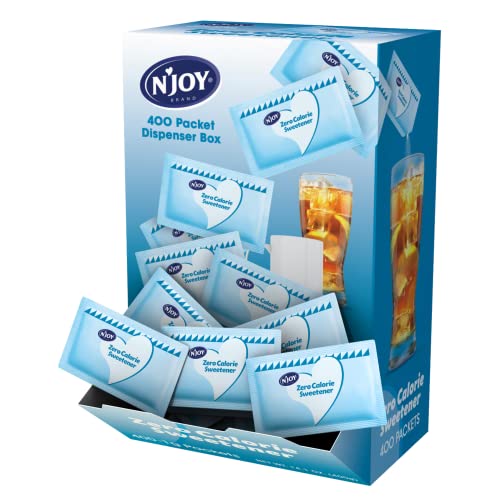
N’Joy blue packets use aspartame, the same sweetener compound found in Equal, making them a direct alternative to the name brand at a fraction of the cost. Each packet delivers the sweetness of two teaspoons of sugar with zero calories, and users consistently report that the taste is indistinguishable from Equal in coffee, tea, and cereal. The 400-count bag provides a four-month supply for a daily coffee drinker.
The long-term consistency here is notable—multiple reviewers have been using this exact product since 2012 without noticing any change in flavor quality. The packets are also kosher certified, gluten free, and sodium free, which adds dietary flexibility. For anyone who already tolerates aspartame well and wants to stock up without paying for brand packaging, this is the most efficient choice.
The key limitation is that aspartame degrades under prolonged heat, so it should not be used for baking or cooking. If your use case is strictly beverages and cold cereals, this is an excellent value; if you need a sweetener for baking or sauces, look to allulose or monk fruit instead.
Why it’s great
- Taste identical to Equal at a lower cost
- 400 packets last most users 3–4 months
- Kosher, gluten free, and sodium free
Good to know
- Not heat-stable—cannot be used for baking
- Contains aspartame, which some users prefer to avoid
4. Amazon Grocery Zero Calorie Stevia and Erythritol Sweetener Packets
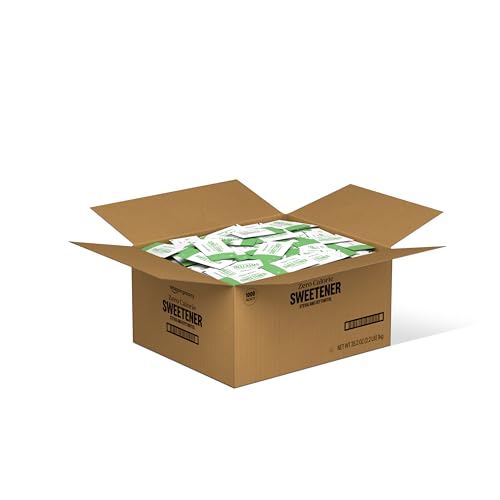
At 1,000 packets in a single box, this Amazon Grocery sweetener offers the highest packet-per-dollar ratio in the lineup. The blend combines stevia and erythritol, with erythritol as the primary ingredient, which means the sweetness is cleaner than pure stevia alone. Each packet provides the sweetness equivalent to 1.5 teaspoons of sugar, making it slightly less concentrated than aspartame options.
Users who switched from name-brand stevia report no noticeable difference in taste, while the bulk size eliminates the need to restock for months. The blend also avoids the digestive side effects that can occur with pure erythritol in large doses, since the stevia contributes to the sweetness profile without adding volume. For someone transitioning from artificial sweeteners to plant-based alternatives, this is a low-risk, high-volume entry point.
The primary concern is that the erythritol content may still cause mild bloating or gas in sensitive individuals, especially if used in multiple servings per day. Additionally, the packets are not suitable for baking, as the blend does not provide the bulk and structure needed for cup-for-cup replacement.
Why it’s great
- Extremely low cost per packet—great for heavy users
- Natural ingredients without aspartame or saccharin
- Clean sweetness with minimal stevia bitterness
Good to know
- Erythritol may cause digestive sensitivity in some users
- Not suitable for baking or cooking
5. NSI Necta Sweet Saccharin Tablets, 1-Grain, 1000 Count
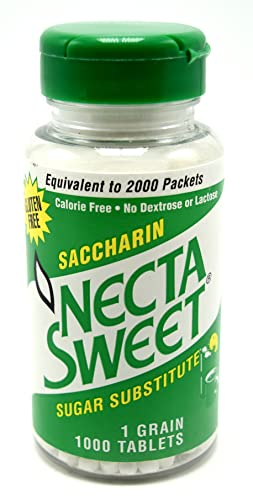
For those who grew up with saccharin in their sweet tea, Necta Sweet tablets are a direct line to that familiar taste without the paper packet waste. Each 1-grain tablet delivers the sweetness of four teaspoons of sugar, making it the most concentrated sweetener in this review. You need only one tablet per cup of coffee, and it dissolves quickly without leaving gritty residue.
The tablets are dextrose-free, which is rare for saccharin products—most tablet sweeteners use dextrose as a bulking agent, adding hidden carbohydrates and calories. This version avoids that entirely, keeping it truly zero-calorie. Users who have relied on this product for decades report consistent quality, and the bottle format eliminates the mess of torn packets or loose powder.
The main trade-off is the saccharin aftertaste, which some users describe as metallic or bitter, especially in hot beverages. It also cannot be used for baking, as the concentrated tablet form does not provide measurable volume. For sweet tea enthusiasts and coffee drinkers who want precise dosing without bulk, this remains a reliable staple.
Why it’s great
- Extremely concentrated—one tablet equals four teaspoons of sugar
- Dextrose-free, unlike most saccharin tablets
- Bottle format eliminates paper packet waste
Good to know
- Metallic aftertaste noticeable in hot drinks
- Not suitable for baking or bulk recipes
FAQ
Why does aspartame taste different from monk fruit in hot coffee?
Can I use allulose in place of sugar for caramel sauces and meringues?
What does the “1-grain” measurement mean on saccharin tablets?
Final Thoughts: The Verdict
For most users, the best artificial sweetener winner is the Golden Monk Fruit Sweetener because it delivers the cleanest sugar-like taste without any chemical or bitter aftertaste, and it performs reliably in both beverages and baked goods. If you want a sweetener that browns like sugar and fits strict keto macros, grab the Morning Pep Allulose. And for the most cost-effective daily coffee companion, nothing beats the N’Joy Aspartame Packets.

Mo Maruf
I created WellFizz to bridge the gap between vague wellness advice and actionable solutions. My mission is simple: to decode the research and give you practical tools you can actually use.
Beyond the data, I am a passionate traveler. I believe that stepping away from the screen to explore new environments is essential for mental clarity and physical vitality.