Our readers keep the lights on and my smoothie glass nicely filled. As an Amazon Associate, I earn from qualifying purchases.
When your sinuses lock up and every breath feels like work, grabbing the right oil can turn a sleepless, stuffy night into a clear-headed morning. The wrong blend, however, just adds a pleasant smell without touching the pressure behind your eyes or that stubborn chest tightness.
I’m Mohammad Maruf — the founder and writer behind WellFizz. I spent weeks cross-referencing third-party GC-MS lab reports, customer respiratory relief claims, and the specific terpene profiles that actually open airways to separate effective congestion oils from overpriced fragrance bottles.
This guide cuts through the marketing to find the purest, most effective respiratory support oils. Here is my researched take on the best aromatherapy oil for congestion available right now.
How To Choose The Best Aromatherapy Oil For Congestion
Not every essential oil that smells “medicinal” actually dilates bronchial passages. Choosing an effective congestion oil requires understanding a few chemistry and sourcing details that most casual buyers overlook.
1,8-Cineole Content — The Real Decongestant
This monoterpene is the active compound in eucalyptus, peppermint, and several other oils that triggers cold receptors in the nasal passages and creates a sensation of airflow. Oils from reputable brands will publish GC-MS reports showing their 1,8-cineole percentage. For congestion relief, look for oils with at least 50% to 80% cineole content — that range correlates with measurable mucus thinning and airway opening effects.
Single Note Versus Synergy Blends
A single-note oil like Eucalyptus Radiata gives you control over intensity and allows you to layer it with other oils you trust. A pre-mixed “Breathe” synergy blend blends several cineole-rich oils (eucalyptus, peppermint, tea tree, and ravensara) for a broader spectrum of action. For daytime use, a blend can cover more angles; for deep nighttime congestion, a high-cineole single note provides more concentrated power.
GC-MS Batch Testing
Gas Chromatography-Mass Spectrometry testing is the only way to confirm an oil is pure, undiluted, and free of synthetic extenders or carrier oils. Many congestion oils on Amazon lack this testing entirely. Brands like Plant Therapy and Healing Solutions publish batch-specific reports online — this is a minimal quality baseline for any oil you intend to inhale deeply during an allergic or viral episode.
Quick Comparison
On smaller screens, swipe sideways to see the full table.
| Model | Category | Best For | Key Spec | Amazon |
|---|---|---|---|---|
| Plant Therapy Eucalyptus Radiata | Single Note | Deep chest congestion & asthma support | 30 mL, steam distilled, GC-MS batch tested | Amazon |
| Healing Solutions Breathe Blend | Synergy Blend | All-day sinus pressure & CPAP use | 30 mL, GC-MS tested, Euro dropper | Amazon |
| 365 Peppermint Essential Oil | Single Note | Budget-friendly diffuser & bath use | 2 fl oz, 100% pure, grocery quality standard | Amazon |
| Plant Guru Breathe Blend | Synergy Blend | Large-volume diffusers & room coverage | 4 oz, no synthetics, strong head-clearing aroma | Amazon |
| Plant Therapy Black Spruce | Single Note | Congestion with body aches & fatigue | 10 mL, warming, GC-MS batch tested | Amazon |
In‑Depth Reviews
1. Plant Therapy Eucalyptus Radiata Essential Oil
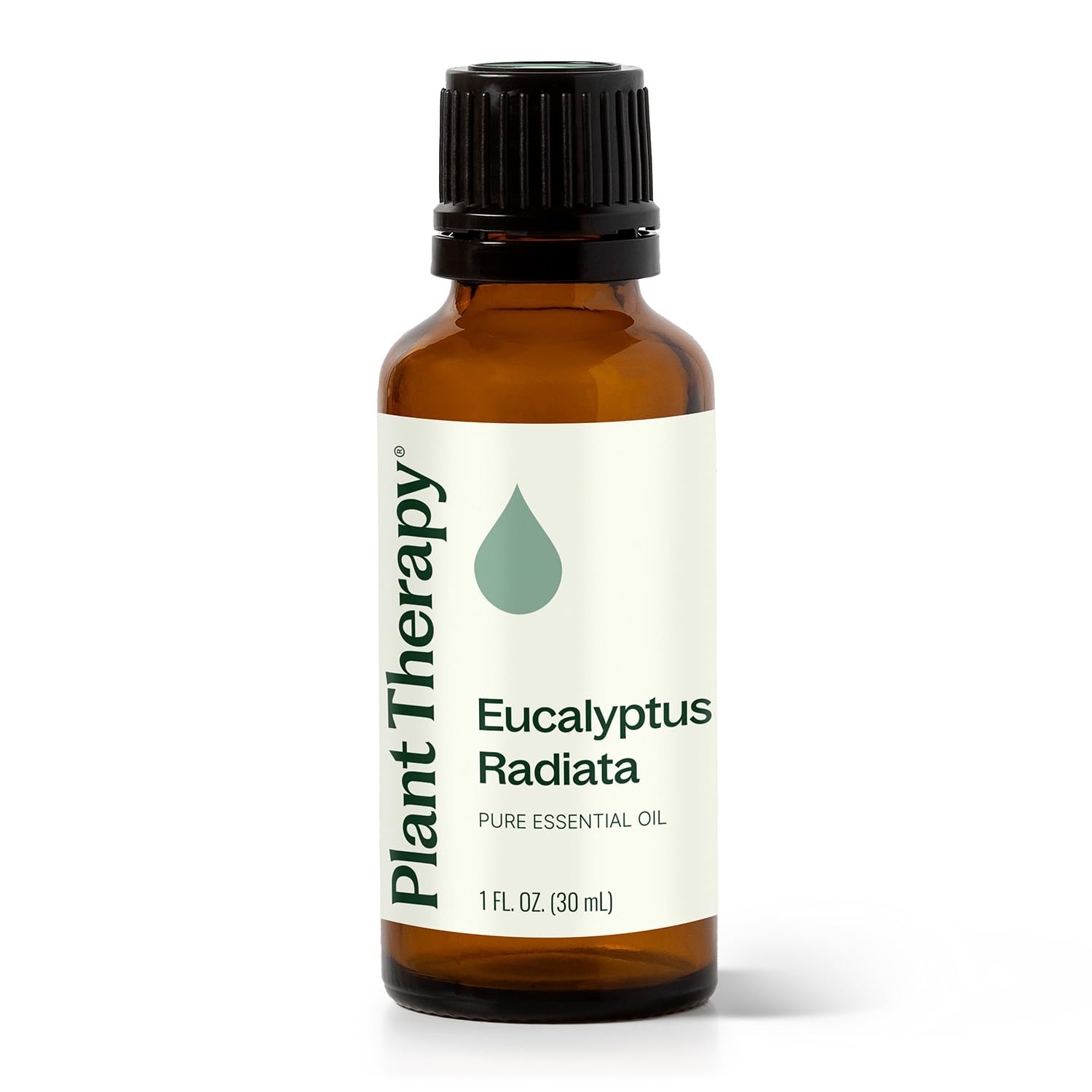
Plant Therapy’s Eucalyptus Radiata is the most versatile congestion warrior on this list because it delivers the high 1,8-cineole punch of classic eucalyptus without the harsh, camphor-heavy edge that can irritate sensitive airways. This 30 mL bottle uses steam-distilled needles and twigs, and the brand publishes batch-specific GC-MS reports so you can verify purity down to the terpene percentage — a detail many competitors skip.
Users report adding it directly to saline rinses for chronic sinus inflammation or to diffusers during allergy seasons with consistent relief from facial pressure and nasal blockage. One verified buyer with asthma noted their husband used it during asthmatic attacks to help open his breathing — a serious real-world endorsement for its potency. The slightly softer odor compared to Eucalyptus Globulus makes it tolerable for longer diffusion sessions without triggering a headache.
This oil also pairs well with tea tree and rosemary for steam inhalation, a technique that rapidly delivers decongestant vapors deep into the bronchial tree. If you want one oil that handles everything from mild stuffiness to stubborn chest congestion, this is the bottle to keep on your nightstand.
Why it’s great
- High cineole content from Eucalyptus Radiata species specifically targets nasal and bronchial passages
- GC-MS batch testing is publicly available for every lot — no guessing about purity
- Versatile enough for diffusers, steam inhalation, and topical blends with carrier oils
Good to know
- Smaller 30 mL bottle may require more frequent repurchasing during heavy cold season use
- Strong eucalyptus scent may be too intense for those who prefer sweeter aromatic profiles
2. Healing Solutions Breathe Blend Essential Oil

Healing Solutions has engineered this Breathe Blend as a multi-pronged respiratory weapon, combining cineole-rich oils in a 30 mL bottle with a built-in Euro dropper for precise dispensing. The synergy formula — likely built around eucalyptus, peppermint, tea tree, and ravensara — aims to thin mucus while also providing antimicrobial support, making it a solid choice for congestion rooted in a cold or sinus infection rather than just seasonal allergies.
Verified buyers consistently mention using a single drop inside their CPAP mask at night to maintain airway openness without overwhelming the senses. Others pair it with cool mist vaporizers and report reduced reliance on over-the-counter decongestant sprays. The brand offers GC-MS test results on their website, though some users noted the original bottle cap design was prone to failure — the company has since replaced it with a more reliable white dropper cap in newer stock.
At this price point, the 30 mL size offers strong value for a blend that covers multiple angles of respiratory discomfort. If you prefer a ready-made formula over mixing your own singles, this blend deserves a spot on your shelf, especially for all-day sinus pressure management.
Why it’s great
- Synergy blend of multiple decongestant oils covers both sinus and bronchial pathways
- Works exceptionally well in CPAP machines and cool mist vaporizers for overnight relief
- GC-MS tested with publicly available purity reports for verification
Good to know
- Original black dropper cap had durability issues; newer white cap is more reliable
- Potent blend may be too strong for those with very sensitive olfactory systems
3. 365 by Whole Foods Market Peppermint Essential Oil
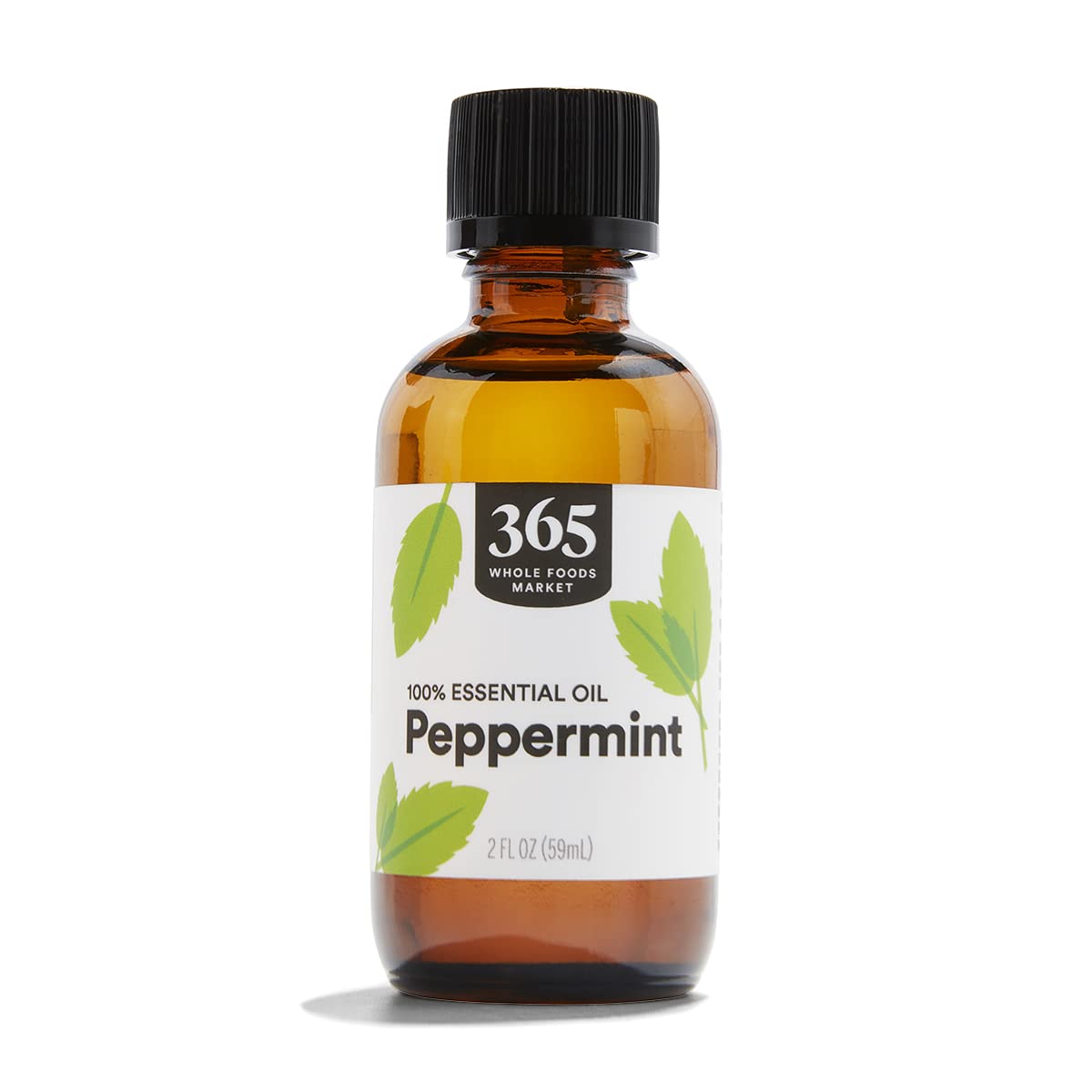
If you need an entry-level congestion oil that won’t break the budget, 365 by Whole Foods Market delivers a straightforward peppermint essential oil that leverages menthol’s well-known cooling and decongestant effects. At 2 fluid ounces, this bottle gives you significantly more volume than most premium brands offer at this price tier, making it a practical choice for high-volume diffuser use or adding to baths and steam showers.
The peppermint aroma is fresh and invigorating, which helps open nasal passages through the trigeminal nerve stimulation that menthol provides. Buyers have noted using it effectively for mosquito repellent in humid climates, but its primary value for congestion comes from diffusing or steam inhalation. One drawback: several customers reported a lack of expiration or manufacture date on the bottle, which makes it harder to gauge freshness — a concern for any oil intended for respiratory use.
This works best as a congestion support tool rather than a dedicated respiratory oil. Combining it with a true cineole-rich eucalyptus would give you a broader coverage. For the price and volume, it’s a solid addition to a home apothecary, especially during cold season when you’re going through oil quickly.
Why it’s great
- Largest bottle size on this list — 2 fl oz offers excellent volume for the price
- Menthol content triggers nasal cold receptors to create clear-breathing sensation
- Meets Whole Foods’ rigorous quality standards with banned ingredients list
Good to know
- No expiration or manufacturing date printed on the bottle
- Lacks the cineole concentration of dedicated eucalyptus or breathe blends
4. Plant Guru Breathe Essential Oil Blend

Plant Guru’s Breathe synergy blend is the jumbo option of this roundup, packing 4 full ounces of a respiratory-focused oil blend designed to increase lung capacity. The size alone makes it ideal for large rooms, office nebulizing diffusers, or any scenario where you need sustained aromatic coverage without constant refilling. The blend uses a combination of oils shown to support easier breathing, and the brand claims no synthetics, chemicals, or carrier oils are added.
Buyers consistently praise the head-clearing effect on sinus pressure and congestion, with some calling it the best oil they’ve found for allergy season. The aroma is described as not overbearing but effective — a balance that’s hard to achieve with high-cineole blends. One return buyer noted they stock up during cold season and use it throughout the home. The dropper design was appreciated for easy dispensing into diffusers.
Be aware that the large size means you’re committing to a significant volume of a specific blend. If you discover the scent doesn’t align with your personal preference, you’ll have a lot left. That said, for families dealing with recurring congestion or anyone running a diffuser for hours daily, this is the most cost-efficient way to maintain consistent respiratory support throughout an entire room.
Why it’s great
- 4-ounce bottle provides exceptional value for high-volume diffuser users
- Synergy blend effectively clears both head and lung congestion per multiple verified reviews
- No synthetic additives, fillers, or carrier oils — pure essential oil blend
Good to know
- Large bottle size limits the ability to rotate between different oil varieties
- Scent longevity in diffusers was noted as medium rather than long-lasting by some buyers
5. Plant Therapy Black Spruce Essential Oil

Black Spruce offers a unique angle on congestion relief: instead of the sharp, cooling blast of eucalyptus or peppermint, it uses a warm, grounding forest aroma that still supports clear breathing through its monoterpene profile. This Plant Therapy 10 mL bottle is steam distilled from the needles and twigs of the Black Spruce evergreen, and the brand’s characteristic batch-specific GC-MS reports ensure you’re getting a pure product with no adulterants.
Where this oil really shines is when congestion is accompanied by muscle soreness, fatigue, or overall body tension — the kind of deep stuffiness that comes with a flu or a long allergy siege. The warming properties make it an excellent massage blend ingredient when diluted in a carrier oil, applied to the chest, throat, and upper back to support both respiratory ease and muscle recovery. Verified buyers describe the scent as “like a Christmas tree” — strong but not overwhelming — with good staying power in a diffuser.
The 10 mL size is smaller than the competition, which makes this a targeted purchase rather than an all-purpose bottle. If your congestion presents alongside that achey, run-down feeling where you want both respiratory and muscular support, Black Spruce is a smart supplementary option that fills a gap in most people’s essential oil kit.
Why it’s great
- Warming, grounding aroma relieves respiratory tightness alongside muscle fatigue
- GC-MS batch testing ensures absolute purity from a trusted brand
- Pairs well with carrier oils for chest and back massage blends during colds
Good to know
- 10 mL bottle is the smallest volume on this list — best as a supplement, not a primary oil
- Cineole content is lower than eucalyptus; less effective as a standalone decongestant for severe blockage
FAQ
Can I put congestion essential oils directly into my nose?
How do I verify the 1,8-cineole percentage in a bottle?
Which oil works best for sinus pressure versus deep chest congestion?
Is a larger bottle always better value for congestion oils?
Final Thoughts: The Verdict
For most users, the best aromatherapy oil for congestion winner is the Plant Therapy Eucalyptus Radiata because it combines the highest proven cineole concentration from a GC-MS-trusted brand with the versatility to work in diffusers, steam inhalation, and topical blends. If you want a ready-made synergy blend for round-the-clock sinus pressure relief, grab the Healing Solutions Breathe Blend. And for congestion accompanied by body aches and fatigue, nothing beats the warming, grounding support of Plant Therapy Black Spruce.

Mo Maruf
I created WellFizz to bridge the gap between vague wellness advice and actionable solutions. My mission is simple: to decode the research and give you practical tools you can actually use.
Beyond the data, I am a passionate traveler. I believe that stepping away from the screen to explore new environments is essential for mental clarity and physical vitality.