Our readers keep the lights on and my smoothie glass nicely filled. As an Amazon Associate, I earn from qualifying purchases.
Nobody buys arm sleeves for the thrill of it. You buy them because the sun is cooking your forearms during a long run, because the chill of an early morning ride seeps into your joints, because a baseball diamond has a way of chewing up skin, or because thinning skin makes every bump a bruise. A good sleeve delivers exactly one thing: reliable, invisible protection that lets you forget you’re wearing it. A bad sleeve slides down your bicep after three steps, traps sweat against your skin, or tears at the first snag. The difference comes down to three specific factors: the compression gradient, the moisture management system, and how well the gripper band holds without pinching.
I’m Mohammad Maruf — the founder and writer behind WellFizz. I’ve spent years analyzing and cross-referencing performance sportswear specifications, grading fabrics by thread count, elastane ratios, and UV blocking percentages to separate genuine technical gear from overpriced cotton tubes.
Whether you need thermal protection for freezer work, UV blockage for hours under direct sunlight, or a barely-there shield against skin tears, knowing which compression level and fabric blend fits your specific activity is what separates an effective purchase from a regrettable one. This breakdown of the best arm sleeves focuses on measurable performance rather than marketing claims, so you can pick the pair that actually solves your problem.
How To Choose The Best Arm Sleeves
Arm sleeves look simple, but the difference between a pair that works and a pair that frustrates lies in material science and construction details that aren’t obvious at first glance. Here are the specific factors that matter most for this category.
Fabric Blend and Compression Strength
The ratio of elastane to nylon or polyamide determines how tightly the sleeve grips your arm. A sleeve with at least 15% elastane provides enough compression to stay in place during dynamic movement without restricting blood flow. Pure cotton sleeves offer no compression and will slide within minutes of activity. For medical or thin-skin protection, a looser blend with higher tencel or spandex content reduces friction against fragile skin.
Grip Mechanism: Silicone Inlay vs. Elastic Band
The top band is the most failure-prone part of any arm sleeve. Silicone inlays embedded into the fabric provide a tacky grip that holds against the bicep without digging in. Basic elastic bands lose tension after a few washes and roll down during sweaty activity. If you’re playing sports or working outdoors, the silicone inlay design is worth the extra cost.
Moisture Management and Temperature Regulation
A moisture-wicking sleeve pulls sweat away from the skin and disperses it across the fabric surface for faster evaporation. This keeps you cool in heat and dry in cold conditions. Look for polyamide or polyester-dominant blends with a brushed interior for cold-weather insulation, or an open-weave mesh structure for hot-weather cooling. The wrong fabric traps moisture and causes chafing.
UPF Rating and Sun Protection Utility
Not all sleeves offer ultraviolet protection. Standard cotton sleeves block less than half of UV radiation. A sleeve with a UPF 50+ rating blocks 98% of UVA and UVB rays, which is critical for outdoor workers, runners, and cyclists who spend hours in direct sun. Check the label carefully — many fashion sleeves omit this specification entirely.
Quick Comparison
On smaller screens, swipe sideways to see the full table.
| Model | Category | Best For | Key Spec | Amazon |
|---|---|---|---|---|
| adidas Climacool Compression | Mid-Range | Sports & evening runs | Silicone inlay + reflective logos | Amazon |
| Nike Dri-Fit UV Solar | Premium | Sun protection & daily wear | Compression fit + UPF protection | Amazon |
| Bruce Bolt Graduated Compression | Premium | Baseball & high-impact sports | Graduated compression design | Amazon |
| Doctor’s Select Arm Protectors | Mid-Range | Thin skin, bruising & recovery | Tencel/spandex blend; UPF 50+ | Amazon |
| Skylety 2 Pairs Thermal | Budget | Winter cycling & freezer work | Fleece lining + thumb holes | Amazon |
In‑Depth Reviews
1. adidas Climacool Compression Arm Sleeves
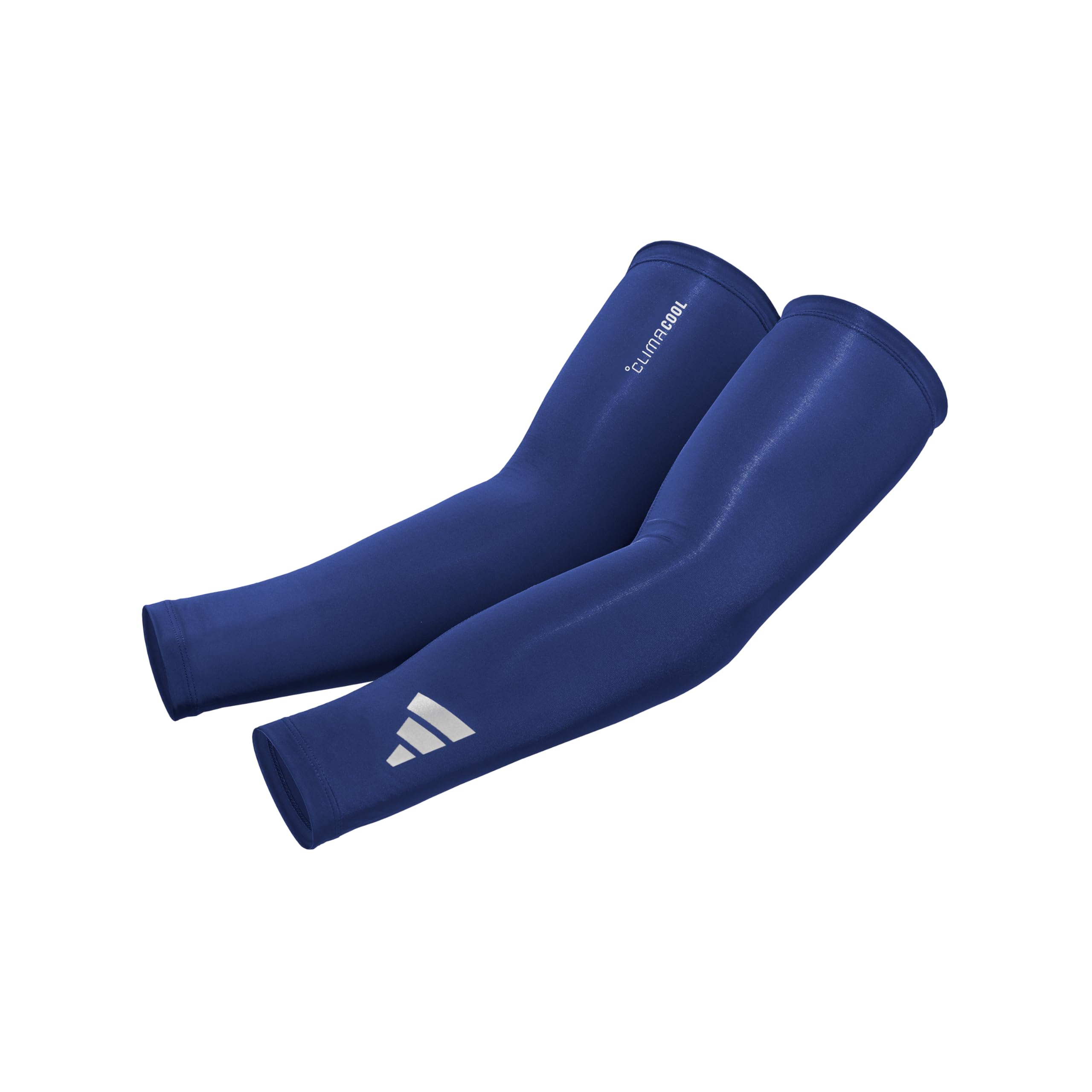
The adidas Climacool sleeve earns the top spot because it solves the two most common arm sleeve failures simultaneously: slipping and overheating. The silicone inlay around the cuff prevents the sleeve from rolling down during dynamic arm motion, a feature absent from most budget options. The 85% polyamide and 15% elastane blend balances compression with breathability, creating a moisture-wicking layer that dries fast even under direct sun.
The reflective silver logos are not decorative — they provide measurable low-light visibility for evening runners and cyclists. The material is lightweight enough for summer baseball or tennis sessions but provides enough insulation to stabilize arm temperature during cooler evening workouts. Multiple reviewers noted the sleeves perform well in both heat and wind, maintaining their shape without loosening over time.
One recurring observation is that the sizing runs snug, particularly for users with larger biceps above 14 inches. The adult Small/Medium fits lean frames well, but individuals with muscular arms or a 180-pound build may find the top band restrictive. Hand washing is recommended to preserve the silicone grip — machine drying accelerates elastic breakdown.
Why it’s great
- Silicone inlay keeps sleeves locked in place during explosive movements like sprinting or throwing
- Reflective logos add genuine low-light safety without looking bulky
- Moisture-wicking polyamide-elastane blend dries fast and resists odor
Good to know
- Runs small — users with bicep circumference above 14 inches should size up
- Single pair only; no two-pack option for rotation
- Hand wash required; silicone grip degrades in high-heat drying cycles
2. Nike Dri-Fit UV Solar Arm Sleeves

The Nike Dri-Fit UV Solar sleeve is designed specifically for prolonged sun exposure, making it a go-to for outdoor workers, runners, and golfers who spend hours under UV radiation. The compression fit provides a secure hold on the arm without the need for a silicone band — the tight weave itself creates enough friction to resist sliding. The UV protection is built into the fabric, not sprayed on, meaning it won’t wash out over time.
The material is noticeably thinner than cold-weather sleeves, which is intentional for cooling performance. Air flows through the knit more freely, preventing the clammy feeling that thicker sleeves produce in heat. This thinness, however, makes the sleeve vulnerable to snagging and tearing during high-abrasion activities like diving in volleyball or sliding in baseball.
Several users pointed out that the bicep-side grip can loosen slightly after several hours of wear, especially on arms with a smaller circumference. The sleeves are not designed for heavy compression therapy — they offer light-to-moderate pressure suitable for sun protection and muscle warmth rather than recovery. The true value here is the UPF rating combined with the Dri-Fit moisture transport system.
Why it’s great
- High UPF rating provides reliable sun block for all-day outdoor use
- Thin, breathable knit prevents overheating during hot-weather activity
- Compression fit stays in place without silicone bands or grippers
Good to know
- Thinner fabric tears easily on rough surfaces like turf or asphalt
- Not designed for cold-weather insulation — purely a sun/cooling sleeve
- Bicep grip may loosen on very slender arms after extended wear
3. Bruce Bolt Graduated Compression Arm Sleeve
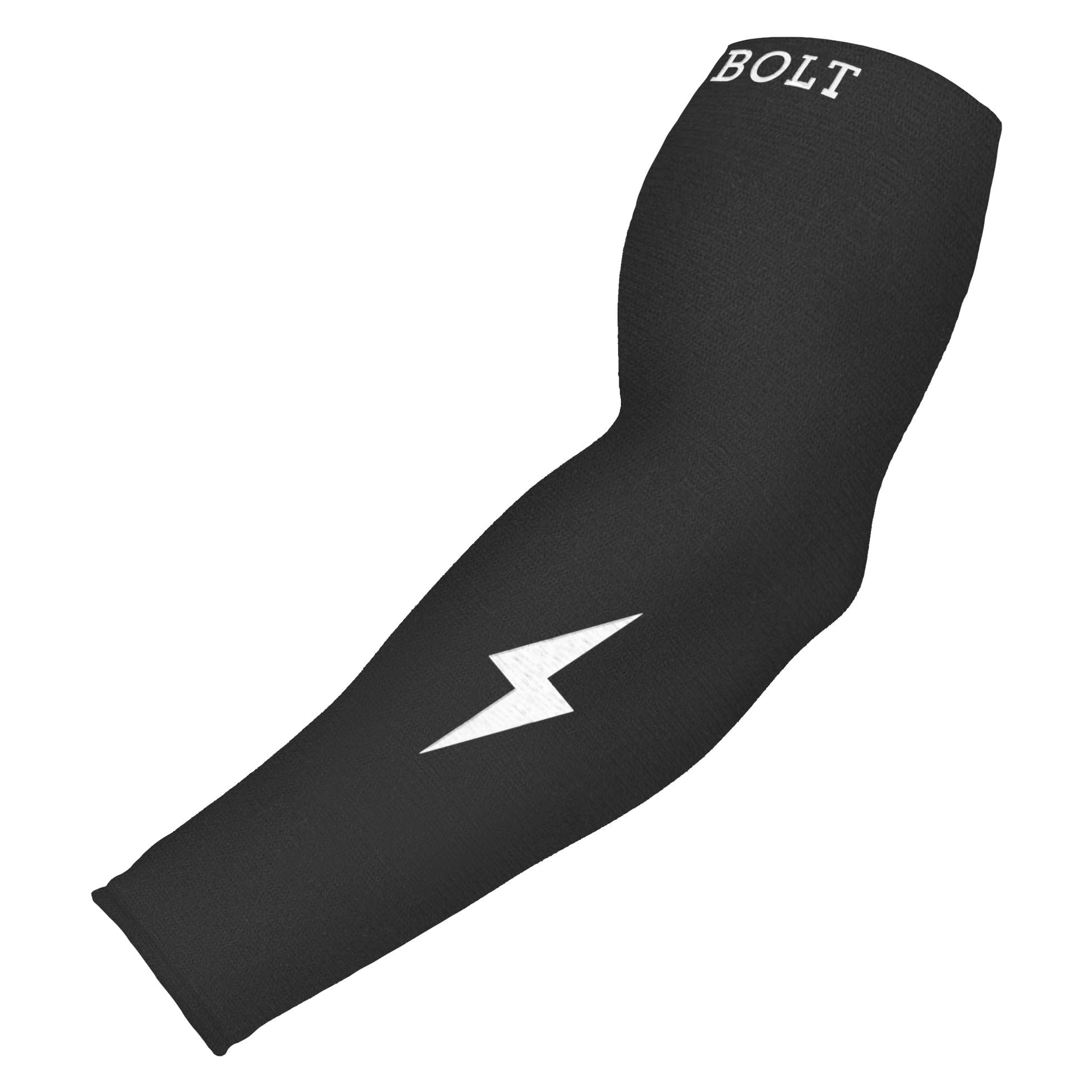
The Bruce Bolt sleeve stands apart because of its graduated compression structure — tighter at the wrist and gradually loosening toward the bicep. This design promotes blood flow and reduces muscle vibration during high-velocity throwing or swinging, which is why it has become a staple among baseball and softball players. The material holds its shape exceptionally well, resisting the loosening that cheaper sleeves show after a dozen wears.
The fabric feels dense and supportive without being restrictive, striking a balance between compression therapy and comfort for extended gameplay. Reviewers consistently mention that the sleeves stay in position through entire games, even during slides and dives. The construction uses a flat-lock seam that prevents chafing along the inner arm, a detail often overlooked in standard sleeves.
The higher investment reflects the manufacturing precision of the graduated knit pattern and the durability of the fabric. This is a performance-first sleeve — it does not offer specific UV ratings or reflective elements, so it is less suited for casual sun protection than the Nike or adidas options. For athletes who need serious compression that holds up to abuse, the Bruce Bolt delivers consistent performance.
Why it’s great
- Graduated compression improves circulation and reduces muscle vibration during throwing or swinging
- Dense knit resists stretching and pilling far longer than budget alternatives
- Flat-lock seams prevent chafing during repetitive motion sports
Good to know
- No UPF rating or sun protection specification included
- Premium pricing reflects specialized athletic design, not general purpose use
- Sizing runs small — follow the bicep measurement chart carefully
4. Doctor’s Select Arm Protectors for Thin Skin and Bruising
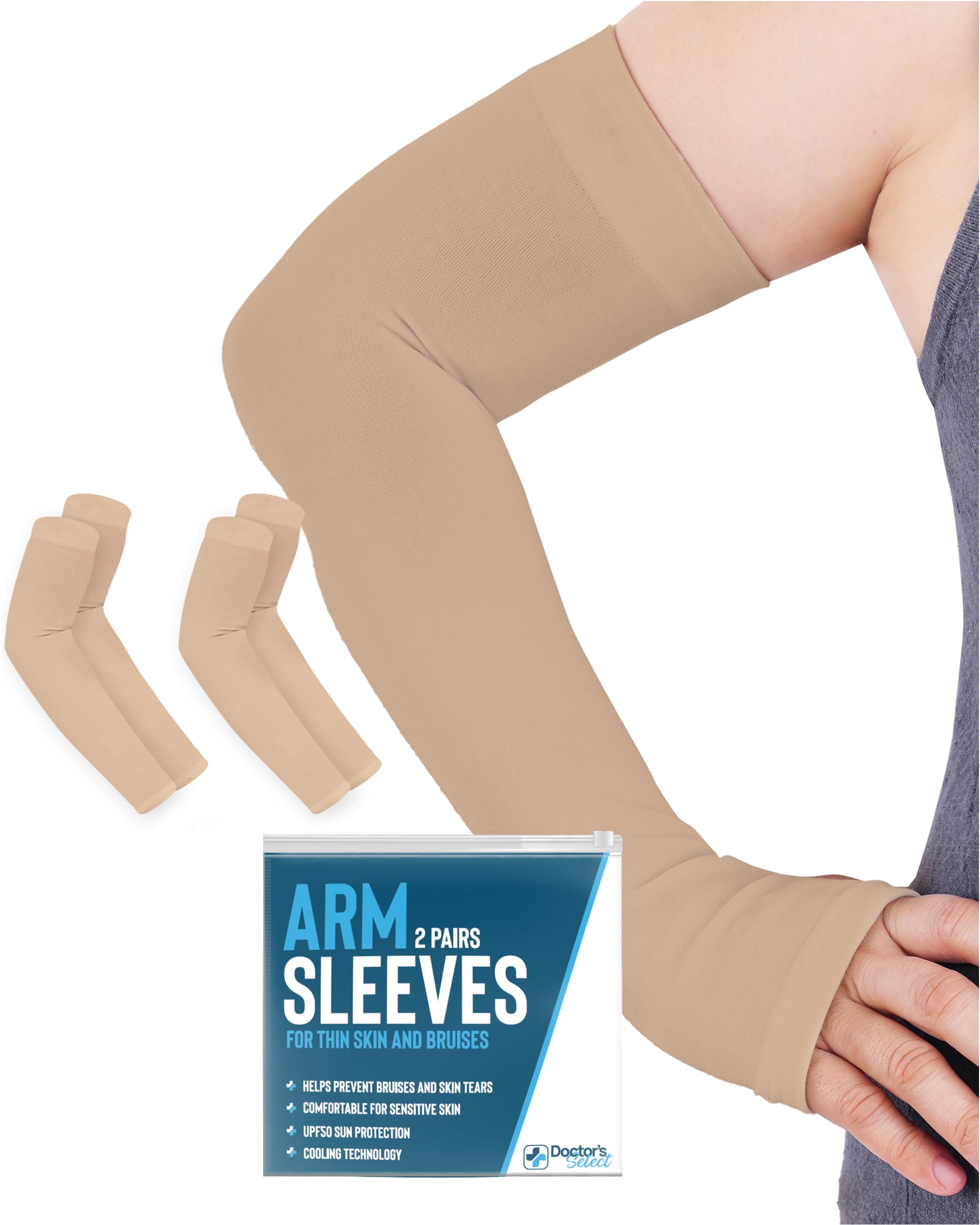
The Doctor’s Select sleeve addresses a very different need from the athletic options above — protection for thin, fragile, or bruise-prone skin. The blend of 50% tencel, 10% spandex, and 40% nylon creates a soft, low-friction fabric that glides over sensitive skin rather than grabbing it. This construction makes them suitable for elderly users, individuals on blood thinners, or anyone whose skin tears from minor contact.
The sleeve design includes a wide thumb hole that covers part of the hand, extending protection across the back of the hand and wrist — areas particularly vulnerable to tearing in daily activities. The fit is intentionally looser than compression sleeves, accommodating larger upper arms without creating a tourniquet effect. The UPF 50+ rating provides sun protection for users whose skin may be too fragile for sunscreen.
One notable caveat is that the outer nylon layer snags relatively easily on rough surfaces like wood or Velcro. The sleeves are best suited for indoor use, gardening, or light outdoor activity where abrasion risk is low. The beige shade matches lighter skin tones well, but users report the beige version frequently goes out of stock, leaving only black as the consistent available color.
Why it’s great
- Soft, low-friction tencel-spandex blend protects fragile skin from tears and bruising
- Thumb hole extends coverage to the back of the hand and wrist
- Loose fit accommodates larger arms without restrictive pressure
Good to know
- Nylon content makes the fabric prone to snagging on rough surfaces
- Beige color preferred for medical use but frequently out of stock
- Not designed for athletic performance — no compression or moisture-wicking focus
5. Skylety 2 Pairs Arm Sleeves Warmer Cycling Thermal

The Skylety thermal sleeve is the only budget-oriented option on this list, and it earns its place by solving a specific cold-weather problem that compression sleeves ignore. The brushed fleece interior traps body heat effectively, making these sleeves work well for winter cycling, freezer work, or cold-weather runs. The thumb hole integration prevents the sleeve from riding up under jacket cuffs or glove liners.
The fabric is not a moisture-wicking performance knit — it is a thermal fleece that prioritizes warmth over breathability. This means they work best in temperatures below 50°F; in warmer conditions, they trap sweat and become uncomfortable quickly. The two-pair bundle provides good value for users who need to rotate through multiple wears in a cold work week.
The upper arm band can feel tight on larger builds, with several reviewers noting that the elastic top section pinches on muscular arms. The sleeves are better suited for slender-to-average frame sizes. For the price of a single premium sleeve, you get two pairs of functional cold-weather sleeves, making them a practical choice for users who need warmth on a budget.
Why it’s great
- Brushed fleece interior provides genuine warmth for sub-50°F conditions
- Thumb holes keep sleeves anchored under jacket cuffs and gloves
- Two-pair bundle offers practical value for daily cold-weather rotation
Good to know
- Not breathable — traps sweat and overheats in moderate temperatures
- Upper arm band fits snug on larger biceps above 13-inch circumference
- Thermal fleece design is unsuitable for warm-weather or high-sweat activities
FAQ
How do I keep arm sleeves from sliding down during activity?
Can I wear compression arm sleeves for recovery after injury?
What is the difference between UPF 50 and regular fabric sun protection?
How many pairs of arm sleeves do I need for daily use?
Final Thoughts: The Verdict
For most users, the best arm sleeves winner is the adidas Climacool Compression Arm Sleeves because the silicone inlay grip and moisture-wicking polyamide blend solve the two biggest real-world problems: slipping and overheating. If you need dedicated sun protection for all-day outdoor activity, grab the Nike Dri-Fit UV Solar Arm Sleeves. And for athletes who need graduated compression that holds up to high-impact sports, nothing beats the Bruce Bolt Graduated Compression Arm Sleeve.

Mo Maruf
I created WellFizz to bridge the gap between vague wellness advice and actionable solutions. My mission is simple: to decode the research and give you practical tools you can actually use.
Beyond the data, I am a passionate traveler. I believe that stepping away from the screen to explore new environments is essential for mental clarity and physical vitality.