Our readers keep the lights on and my smoothie glass nicely filled. As an Amazon Associate, I earn from qualifying purchases.
A trail run on uneven rock, root, and scree subjects your foot to micro-adjustments that can strain the plantar fascia and collapse the medial arch. Standard neutral trail shoes leave high-arched or flat-footed runners searching for lateral stability mid-stride, often resulting in heel pain, shin splints, or knee tracking issues. The solution is a shoe built with a structured footbed, a rigid midfoot shank, or a posted midsole that resists overpronation while still absorbing the impact of technical terrain.
I’m Mohammad Maruf — the founder and writer behind WellFizz. I’ve spent the last 15 years analyzing footwear biomechanics, comparing midsole compounds, and mapping customer wear-test data to identify which trail-specific features actually prevent arch fatigue over a 10-mile loop.
After combing through nine purpose-built models, I’ve isolated the specs that separate genuine arch support from mere marketing padding. This guide cuts through the lug-depth hype to help you find the best arch support trail running shoes for your foot type, gait, and local terrain.
How To Choose The Best Arch Support Trail Running Shoes
A trail shoe that feels supportive in the store can fail you on the third downhill mile when your arch starts to ache. The difference lies in how the shoe controls pronation, where the cushion sits, and whether the outsole lugs complement or fight your natural foot strike. Below are the three factors that matter most for arch-specific trail performance.
Midsole Drop and Stack Height
Drop — the height difference between heel and forefoot — dictates how your foot loads through the gait cycle. A high drop (8–12 mm) shifts weight toward the heel, which benefits runners with rigid high arches who need controlled landing. A low or zero drop (0–5 mm) encourages a midfoot strike that distributes force more evenly but demands stronger calf and Achilles flexibility. For arch support, a 4–6 mm drop often strikes the best balance: enough heel cushion to absorb sharp rocks without letting the arch collapse forward.
Medial Support Elements
Look for a shoe that integrates arch support into the midsole, not just a removable footbed. A medial post — a denser foam column or plastic shank on the inside edge of the midsole — resists overpronation by limiting how much the arch rolls inward. Some shoes use a wider platform under the arch (like Hoka’s J-Frame or Brooks’ GuideRails) that extends support into the heel and forefoot. If you wear custom orthotics, check whether the insole is removable and whether the internal volume accommodates an aftermarket insert without lifting your heel out of the heel cup.
Outsole Traction and Ground Feedback
Aggressive lugs (6 mm+) give you grip on mud and soft loam but can create a stiff platform that masks subtle trail hazards, forcing your arch to compensate with micro-spasms. For most trail runners, a 4–5 mm chevron pattern with a rubber compound like Vibram Megagrip or MaxTrac provides enough bite on wet rock without making the sole board-like. A rock plate (thin plastic or TPU layer between outsole and midsole) also reduces bruising on sharp edges, which directly protects the arch’s structural support over long miles.
Quick Comparison
On smaller screens, swipe sideways to see the full table.
| Model | Category | Best For | Key Spec | Amazon |
|---|---|---|---|---|
| Brooks Men’s Cascadia 19 | Premium | Ultra-distance stability | 12 mm drop, Pivot Post system | Amazon |
| Hoka Mens Arahi 8 | Premium | Heavy pronation control | J-Frame medial support | Amazon |
| New Balance Fresh Foam X Hierro V9 | Premium | Wet technical terrain | Vibram Megagrip outsole | Amazon |
| Salomon Speedcross (Women’s) | Premium | Mud and loose dirt | 6 mm chevron lugs | Amazon |
| ALTRA Lone Peak 9 | Mid-Range | Zero-drop, wide toe box | MaxTrac outsole, 0 mm drop | Amazon |
| Merrell Men’s Nova 4 | Mid-Range | Light trail to everyday wear | Moderate 4 mm drop | Amazon |
| Saucony Peregrine 15 | Mid-Range | Lighter, faster training | PWRTRAC outsole, 4 mm drop | Amazon |
| Topo Athletic Ultraventure 4 | Mid-Range | Wide forefoot, narrow heel | 5 mm drop, ZipFoam midsole | Amazon |
| The North Face Altamesa 300 | Budget | Value-focused trail walker | High rebound EVA midsole | Amazon |
In‑Depth Reviews
1. Brooks Men’s Cascadia 19 Mountain Trail Running Shoe
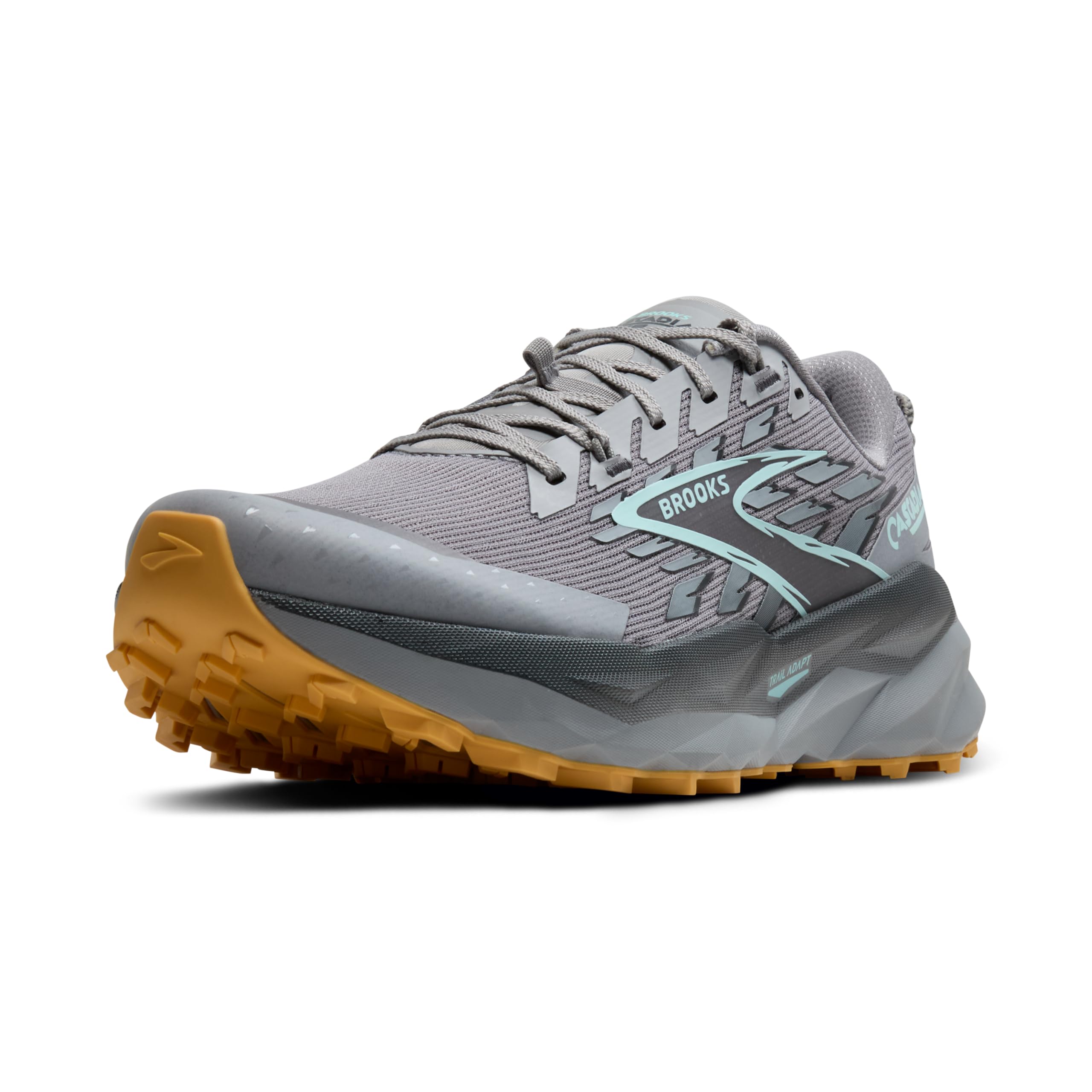
The Cascadia 19 features Brooks’ Pivot Post system — four interconnected rubber and foam columns that allow independent movement between heel and forefoot while maintaining a stiff medial shank. This design gives you lateral stability on uneven rock without forcing your arch into a fixed position. The 12 mm drop is generous for heel-strikers who need controlled landing support on steep descents.
One user completed a 50K race in these and reported the materials held up after 150 miles with no midsole breakdown. Several reviews mention the wider platform reduces ankle rolling on technical singletrack, which directly protects the arch from twisting injuries. The Vibram outsole provides adequate cushion over roots and stones without feeling too soft.
The neutral ride suits runners who want guidance rather than aggressive pronation correction. If your arches are moderately high and you run long distances on mixed terrain, this shoe delivers consistent support without the bulk of a motion-control model.
Why it’s great
- Pivot Post system offers targeted arch stability without sacrificing trail feel
- Durable upper and midsole tested beyond 150 miles
- Works well with custom orthotics due to removable insole
Good to know
- 12 mm drop may feel too high for runners used to low-drop shoes
- Lugs are less aggressive than dedicated mud-runners
2. Hoka Mens Arahi 8
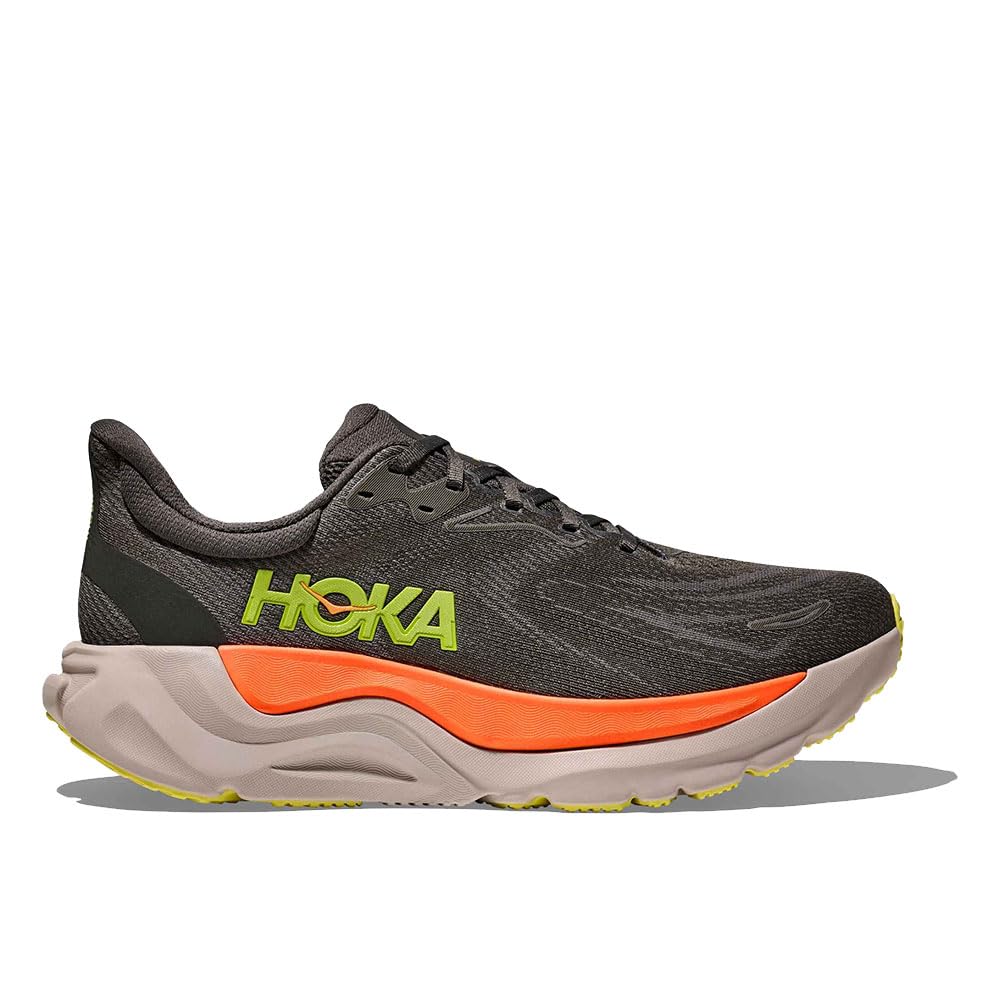
The Arahi 8 uses Hoka’s J-Frame — a denser foam density that wraps from the heel through the medial arch and into the forefoot, creating a supportive cradle without a traditional plastic post. This design is ideal for runners with low to flat arches who overpronate on rocky terrain. The heel bevel encourages a smooth heel-to-toe transition, reducing the jarring impact that can trigger arch pain.
One buyer with sciatica and foot pain reported standing 8–9 hours daily and walking up to 5 miles in these with no foot discomfort. Another noted that the prominent yet soft arch support relieved long-standing arch fatigue. The wide sole prevents ankle rolling, a common issue for overpronators on uneven ground.
The 4 mm drop keeps the foot in a more natural position, which benefits midfoot strikers. If you need heavy pronation correction with a plush ride, the Arahi 8 is a top-tier choice that balances stability with lightweight construction.
Why it’s great
- J-Frame provides non-intrusive medial support for flat arches
- Roomy toe box accommodates swollen feet on long runs
- Heel bevel promotes smooth gait cycle
Good to know
- Not designed for ultra-technical mud or loose scree
- Some users find the arch too prominent for very low-volume feet
3. New Balance Fresh Foam X Hierro V9
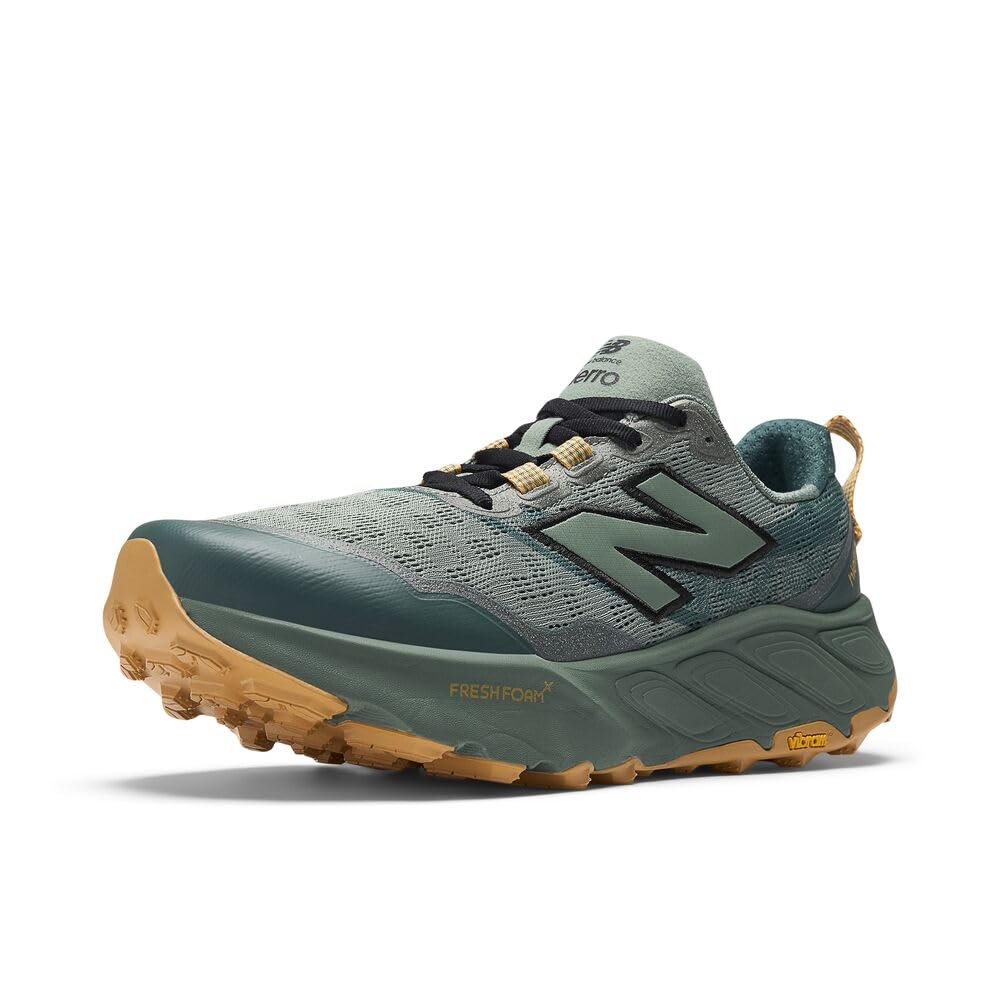
The Hierro V9 pairs New Balance’s Fresh Foam X midsole — a nitrogen-infused compound that delivers plush yet responsive cushioning — with a Vibram Megagrip outsole that sticks to wet rock like glue. This combination is critical for arch support because it reduces the micro-muscle fatigue from constantly adjusting grip on slick surfaces. The shoe also features a structured heel counter and a wide medial post to control overpronation.
One user reported excellent grip while scrambling on Utah sandstone with no slipping, even on steep angles. Another noted the shoe offers great cushioning without feeling too soft, which is essential for protecting the arch’s load-bearing capacity on long runs. The toe box runs slightly tight, so midfoot and forefoot splay is limited for wider feet.
Multiple reviews mention the shoe runs short; ordering half a size up is recommended. If you run on mixed wet and dry technical trails and need a shoe that keeps your foot stable under load, the Hierro V9 delivers premium traction and support.
Why it’s great
- Vibram Megagrip excels on wet rock, mud, and loose gravel
- Fresh Foam X midsole absorbs shock without bottoming out
- Structured heel counter provides secure lockdown
Good to know
- Toe box is narrow; size up half for wide feet
- Some users report insufficient sole padding for heavy runners
4. Salomon Speedcross Trail Running Shoes (Women’s)
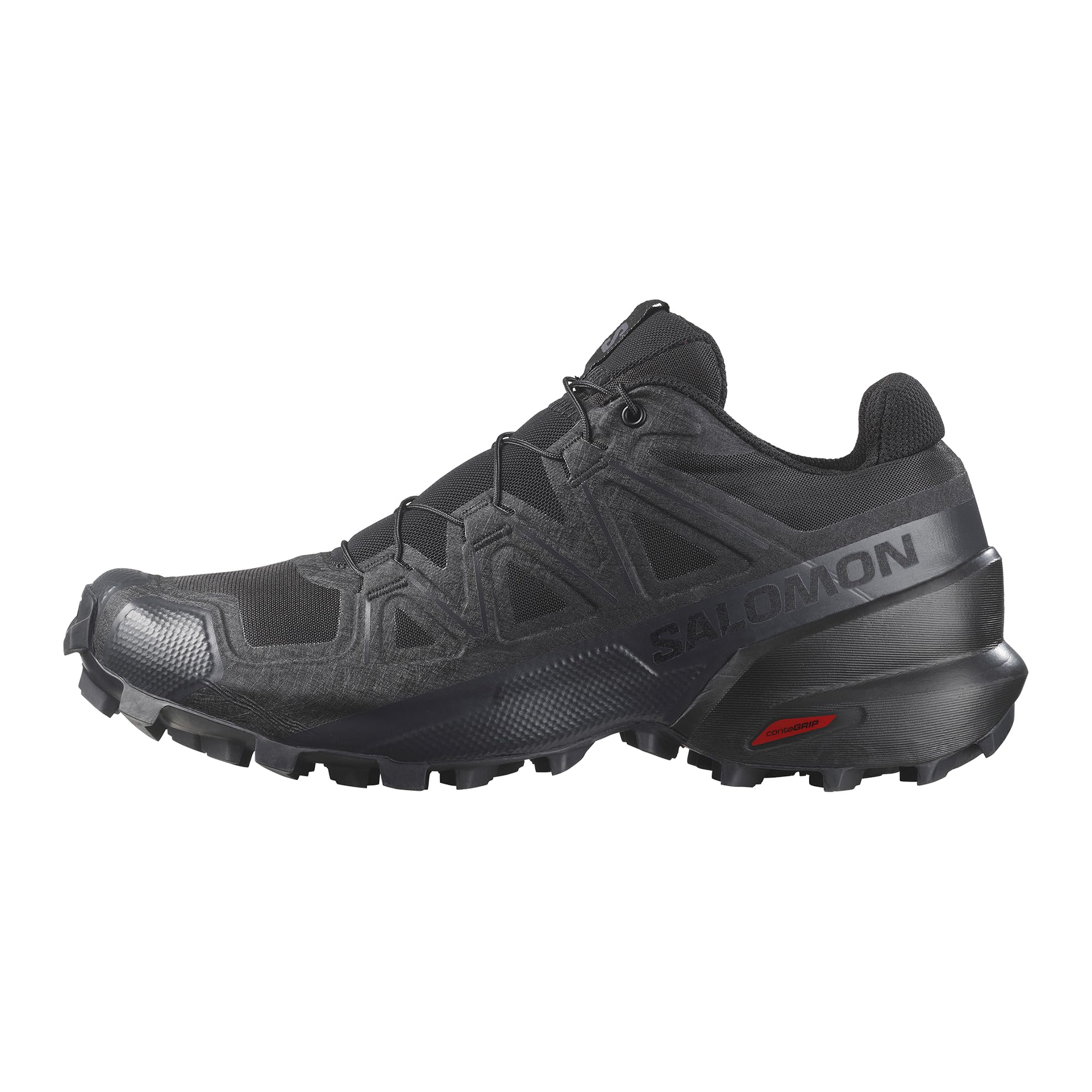
Salomon’s Speedcross is built for soft, loose terrain where lug depth determines whether you slide or sprint. The 6 mm chevron lugs shed mud quickly, maintaining grip when other shoes would pack solid. The midsole is firmer than most trail shoes, which gives better arch support for medium to high arches by limiting midfoot collapse under load. The EnergyCell+ foam is dense but lightweight, preventing the foot from sinking into the cushion.
One user with medium-to-high arches specifically praised the arch support, noting the shoe fits securely without pressure points. Another completed rocky terrain hikes and city walks in the same pair, reporting the no-tie laces kept the foot locked in without heel slip. The breathable mesh upper keeps the foot cool, though it does allow water ingress on wet trails.
The aggressive outsole makes the Speedcross less ideal for pavement or hard-packed dirt, where the lugs can feel unstable. If your primary terrain is mud, loose scree, or soft single-track, this shoe offers the most aggressive traction in the lineup while maintaining solid arch structure.
Why it’s great
- Deep chevron lugs provide best-in-class mud traction
- Firm midsole supports medium to high arches well
- No-tie laces offer secure, quick lockdown
Good to know
- Not suitable for road running or hard-packed surfaces
- Some insoles had a hard fold near the toes on early batches
5. ALTRA Men’s Lone Peak 9 Trail Running Shoe
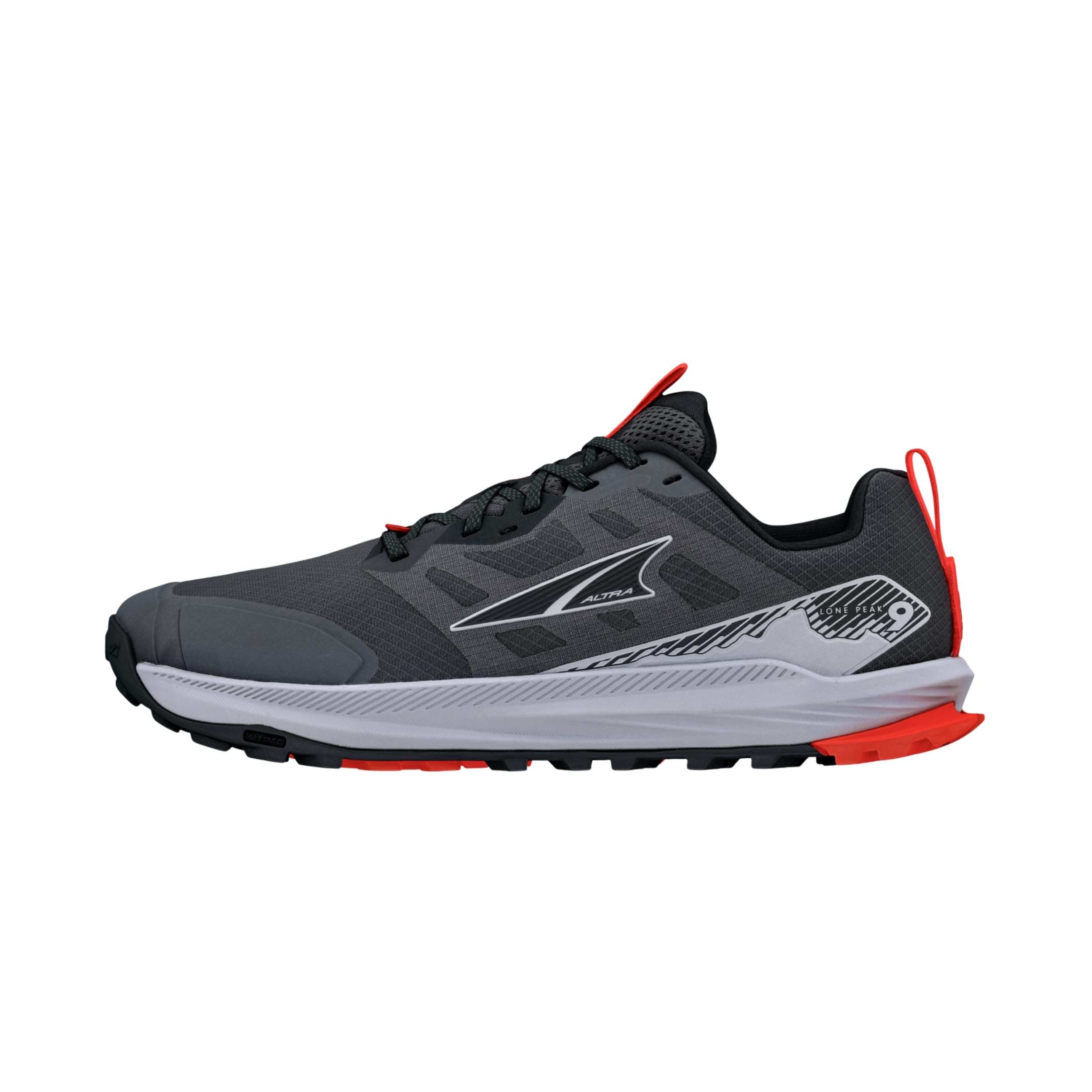
The Lone Peak 9 is the zero-drop benchmark for trail runners who want a natural foot strike and a wide toe box that lets toes splay for balance on uneven ground. The MaxTrac outsole uses multi-directional lugs that grip well on mud, dry rock, and even packed snow. The EVA midsole is balanced — not too soft, not too firm — which allows the foot’s natural arch to engage without relying on a built-in post.
One user with orthopedic arch supports reported the Lone Peak fits the inserts perfectly and felt stable enough for a planned Inca Trail hike to Machu Picchu. Another runner logged hundreds of kilometers in the Colorado mountains, finding the shoe durable and grippy on mixed terrain. The rock plate underfoot is minimal, so sharp stones can be felt, which some runners prefer for proprioception.
The zero-drop platform demands an adjustment period if you are used to high-drop shoes. For runners with strong calves who want arch support through natural foot mechanics rather than artificial posting, the Lone Peak 9 is a top choice.
Why it’s great
- Zero drop encourages natural midfoot strike and arch engagement
- Wide toe box accommodates custom orthotics easily
- MaxTrac outsole performs well on varied terrain
Good to know
- Runs large; consider sizing down half a size
- Minimal rock plate; sharp rocks can bruise the forefoot
6. Merrell Men’s Nova 4 Sneaker

The Nova 4 occupies the sweet spot between a dedicated trail runner and a daily walker. The 4 mm drop and moderate cushioning provide enough arch support for light to moderate trails while keeping the shoe low enough for pavement transitions. The upper is soft and breathable, and the wide toe box accommodates foot swelling during longer outings.
One user wore these daily for stand-up work and reported all-day comfort with no arch fatigue. Another noted they are “made to cradle your feet” and praised the lightweight build. The tread pattern handles dirt paths, gravel, and grass well, though it lacks the aggressive bite needed for steep, loose slopes.
Some reviews mention the laces slip and need to be replaced with a cinch system for secure lockdown. If you need one shoe for trail hikes, field walks, and casual daily wear with acceptable arch support, the Nova 4 is a versatile mid-range option.
Why it’s great
- Balanced 4 mm drop suits mixed use
- Lightweight and breathable for warm weather
- Wide base provides stability for moderate trails
Good to know
- Laces tend to loosen during runs
- Toe box runs long and pointy for some foot shapes
7. Saucony Peregrine 15
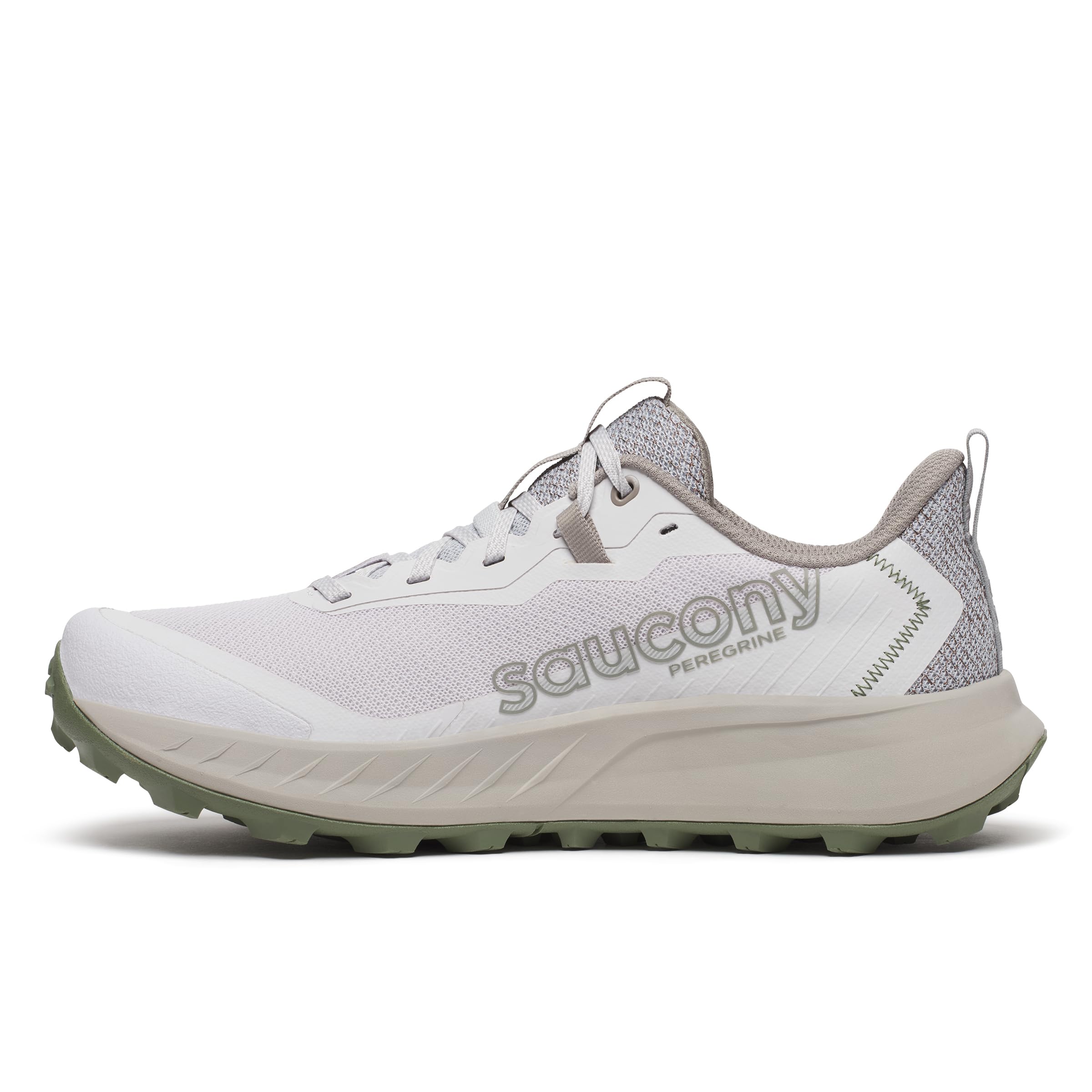
The Peregrine 15 is a lighter, faster trail shoe that still offers meaningful arch support through its 4 mm drop and firm PWRTRAC outsole. The shoe weighs significantly less than most premium trail runners, making it ideal for tempo runs and races where you need ground feel. The lug pattern is aggressive enough for moderate mud and loose dirt but not so deep that it compromises stability on hardpack.
One runner used the Peregrine 15 for ultra training and races, logging roughly 50 miles before noticeable wear, which is typical for a performance-oriented shoe. Another called it “the best set of trail running shoes on the market,” praising the perfect cushion-stability balance and lack of break-in time. Multiple users noted the flat, firm arch worked well for medium arches without causing pressure points.
The lower drop and light build mean less midsole foam under the arch compared to max-cushion shoes. If you prioritize speed and agility over plush landings, the Peregrine 15 delivers reliable arch support in a fast package.
Why it’s great
- Lightweight design for speed work and racing
- Firm arch support suits medium arches without irritation
- No break-in period required
Good to know
- Tread life is about 50 miles for ultra training
- Not as cushioned as premium models for long, slow runs
8. Topo Athletic Men’s Ultraventure 4
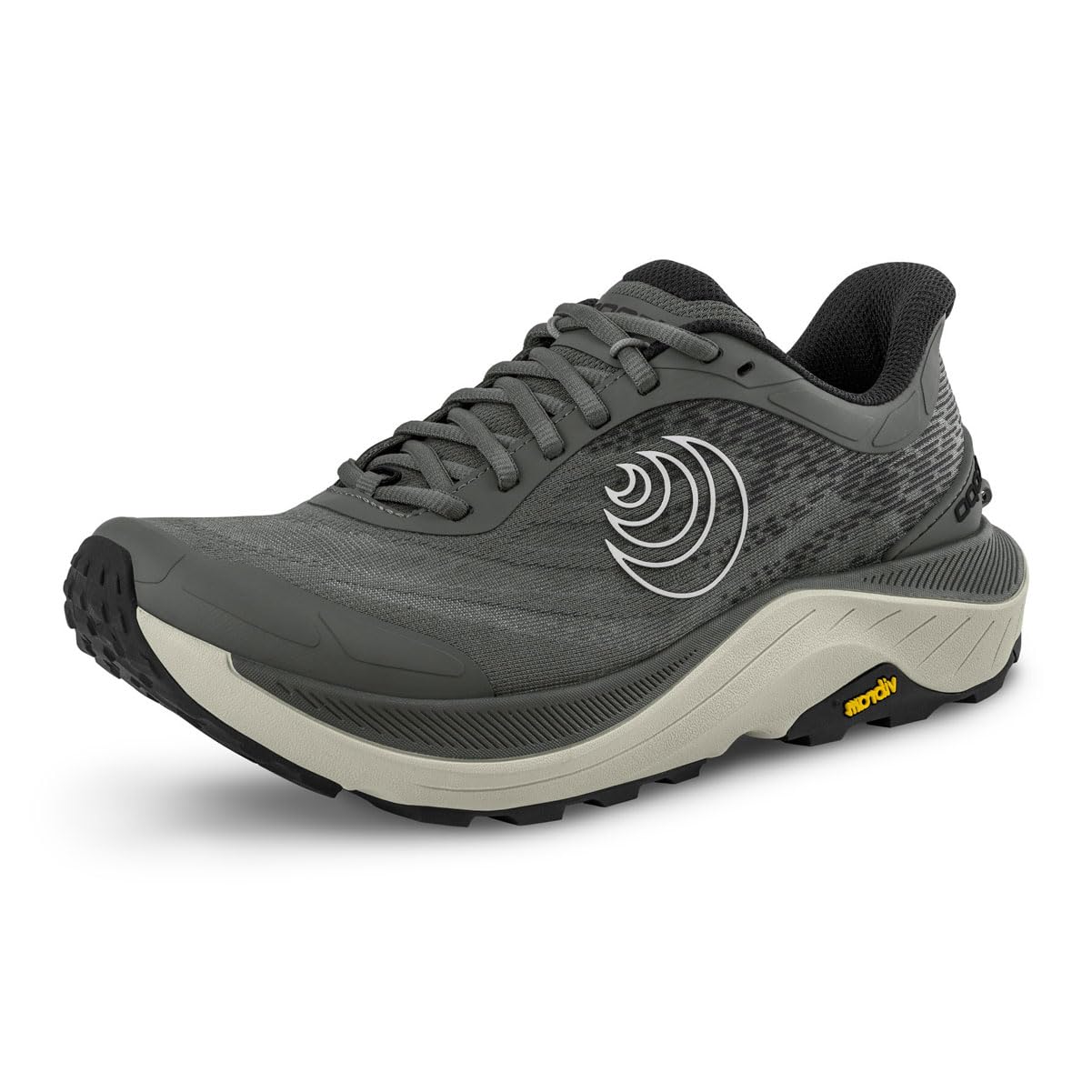
The Ultraventure 4 is built around a wide toe box and a snug heel, a geometry that accommodates runners with splay-prone forefeet while locking down the heel for arch stability. The ZipFoam midsole is a lightweight EVA blend that provides good cushion without the heavy feel of traditional blown rubber. The 5 mm drop keeps the foot in a balanced position that encourages midfoot striking.
One user with knee issues reported the high cushion and arch support relieved knee pain during long walks. Another praised the deep heel cup that prevents slipping for those with narrow heels, a common issue for wide-toe-box shoes. The outsole traction is good for hiking and light trail running, but some users noted the grip is less aggressive than dedicated mud shoes.
The tongue stitching caused irritation for one reviewer, who recommended wearing thicker socks. If your foot shape demands a wide forefoot and secure heel with moderate arch support, the Ultraventure 4 is a well-engineered option.
Why it’s great
- Excellent width for wide forefeet without heel slip
- ZipFoam midsole is lightweight and responsive
- Deep heel cup locks the foot for arch stability
Good to know
- Tongue stitching may irritate; thicker socks help
- Tread is more road-like for harder surfaces
9. The North Face Men’s Altamesa 300 Trail Running Shoe
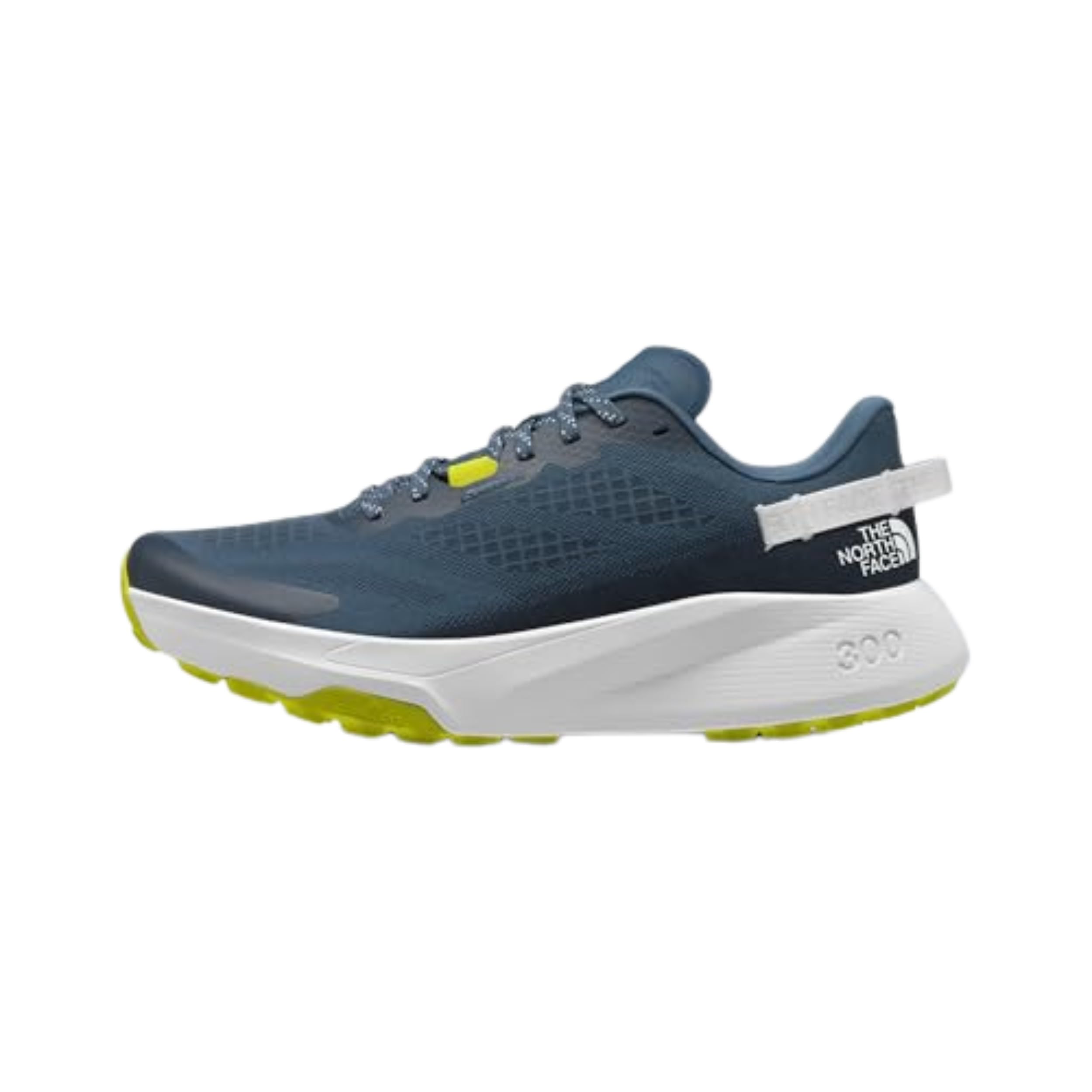
The Altamesa 300 is an entry-level trail shoe that offers decent arch support for the price point. The high rebound EVA midsole provides a springy feel that reduces fatigue on moderate trails, and the roomy toe box allows natural foot expansion. The outsole grip is solid on dirt and rocky paths, though it lacks the aggressive lugs of premium competitors.
One user called these “Cadillacs for all-day standing,” citing the combination of waterproofing, breathability, and slip grip. Another reviewer noted the shoes are lightweight and sturdy, performing well on day hikes and everyday wear. The subtle wedge under the heel aids walking mechanics, which supports the arch during less demanding runs.
Some users mentioned the shoes are not stylish enough for casual wear, and a few noted they denied entry to a social venue due to the shoe’s look. If you are budget-conscious and need acceptable arch support for light trail running and hiking, the Altamesa 300 is a capable entry-level option.
Why it’s great
- Affordable entry point with decent arch support
- High rebound EVA reduces foot fatigue
- Roomy toe box accommodates natural splay
Good to know
- Tread is less aggressive for steep loose terrain
- Style is functional but not fashion-forward
FAQ
Can I replace the insole with my custom orthotic?
What is the ideal drop for flat feet on trails?
How do I know if a shoe has enough arch support for overpronation?
Can aggressive lugs damage my arch support?
Final Thoughts: The Verdict
For most users, the best arch support trail running shoes winner is the Brooks Cascadia 19 because the Pivot Post system delivers targeted medial stability without sacrificing trail feel, and the 12 mm drop provides a controlled landing for heel-strikers on technical terrain. If you need heavy pronation correction with a plush ride, grab the Hoka Arahi 8. And for zero-drop fans who want natural arch engagement with a wide toe box, nothing beats the ALTRA Lone Peak 9.

Mo Maruf
I created WellFizz to bridge the gap between vague wellness advice and actionable solutions. My mission is simple: to decode the research and give you practical tools you can actually use.
Beyond the data, I am a passionate traveler. I believe that stepping away from the screen to explore new environments is essential for mental clarity and physical vitality.