Our readers keep the lights on and my smoothie glass nicely filled. As an Amazon Associate, I earn from qualifying purchases.
Cramped toes, aching arches, and heel pain after a few games aren’t just part of tennis — they’re a sign your footwear is failing your foot structure. The right pair of court shoes with targeted arch support can stabilize your stride, absorb lateral impact, and keep you moving through long rallies without the burn.
I’m Mohammad Maruf — the founder and writer behind WellFizz. I analyze thousands of consumer reviews and technical spec sheets each year, tracking midsole density, outsole geometry, and insole design to separate well-engineered shoes from marketing fluff.
After comparing midsole stack heights, arch contours, and real-world durability feedback across seven top contenders, I’ve built this guide to help you find the most reliable arch support tennis shoes available today.
How To Choose The Best Arch Support Tennis Shoes
Not all court shoes with a contoured footbed actually stabilize your arch during lateral cuts. You need to look beyond the insole and into the structural layers underneath. Here are four category-specific factors that separate a proper arch-support tennis shoe from a casual sneaker.
Arch Height & Medial Post Support
The midsole must include a denser medial post — a firmer foam block under the inner arch — to resist pronation during side-to-side movement. Shoes with removable insoles let you swap in a rigid orthotic if you have high arches or flat feet.
Heel-to-Toe Drop & Court Stability
A drop between 8mm and 12mm promotes a midfoot strike pattern that reduces strain along the plantar fascia. Look for a wide, flared heel base and a toe bumper that prevents sliding during sudden stops.
Outsole Traction for Hard Courts
Herringbone or modified herringbone tread patterns bite into hard court surfaces and provide grip during pivot and sprint sequences. Shoes with flat, generic outsoles slip under load, which forces your foot muscles to compensate and strains the arch.
Toe Box Volume & Forefoot Width
A narrow toe box crowds the metatarsal bones and forces the arch to collapse. Look for a naturally wide or multi-width shoe that lets your toes splay on impact — this is non-negotiable if you have bunions, flat feet, or a history of plantar fasciitis.
Quick Comparison
On smaller screens, swipe sideways to see the full table.
| Model | Category | Best For | Key Spec | Amazon |
|---|---|---|---|---|
| Brooks Adrenaline GTS 24 | Premium | Overpronation & long matches | Medial post with 39mm heel stack | Amazon |
| Ryka Devotion X Max RS | Premium | Wide feet & daily walkers | Generous toe box, removable insole | Amazon |
| Skechers Arch Fit Arcade | Mid-Range | Women’s plantar fasciitis relief | Podiatrist-designed arch contour | Amazon |
| FitVille Extra Wide Walking | Mid-Range | Flat feet & 4E width needs | Dual-density outsole, 6E toe box | Amazon |
| Skechers Afterburn E’lite Slip-in | Mid-Range | Easy on/off & court comfort | Hands-free slip-in with arch foam | Amazon |
| Dr. Scholl’s Be True Court | Value | Light court play & travel | Wide toe front, drop heel design | Amazon |
| New Balance 608 V5 | Budget | All-day standing & stability | Leather upper, EVA foam midsole | Amazon |
In‑Depth Reviews
1. Brooks Women’s Adrenaline GTS 24

The Brooks Adrenaline GTS 24 is widely considered the gold standard for stability footwear, and this latest iteration proves why. Its full-length GuideRails support system extends above the midsole to cradle both the heel and arch, actively reducing overpronation during lateral tennis movements. With a 39mm heel stack and an 8mm drop, the shoe offers a balanced platform that cushions impact while keeping the foot aligned — essential for players with plantar fasciitis or a history of ankle instability.
Reviewers consistently praise the secure heel lock and the way the shoe minimizes heel slip during direction changes. The toe box is slightly tapered but still offers enough room for metatarsal splay, and the midfoot feels snug without being restrictive. Multiple users with narrow feet (AA-AAA) report an excellent out-of-box fit with zero blistering, and several credit the shoe for reducing knee and back pain linked to overpronation.
Durability holds up well on hard courts, with a rubber outsole that resists wear on pivot points. The only recurring note is that the laces are short for high-volume lacing, and the sizing shifted half a size compared to older models — so trying on or checking recent reviews for sizing changes is recommended. For the serious player who prioritizes arch stability above all else, this is the clear top-tier pick.
Why it’s great
- GuideRails system supports arch and knee alignment simultaneously
- 39mm heel stack absorbs hard court impact without sacrificing stability
- Works for narrow feet and asymmetrical foot shapes with no blistering
Good to know
- Laces are shorter than ideal for high-volume lacing
- Toe base is a bit narrow for very wide forefeet
- Sizing may require half a size up compared to prior GTS versions
2. Ryka Devotion X Max RS Walking Shoes
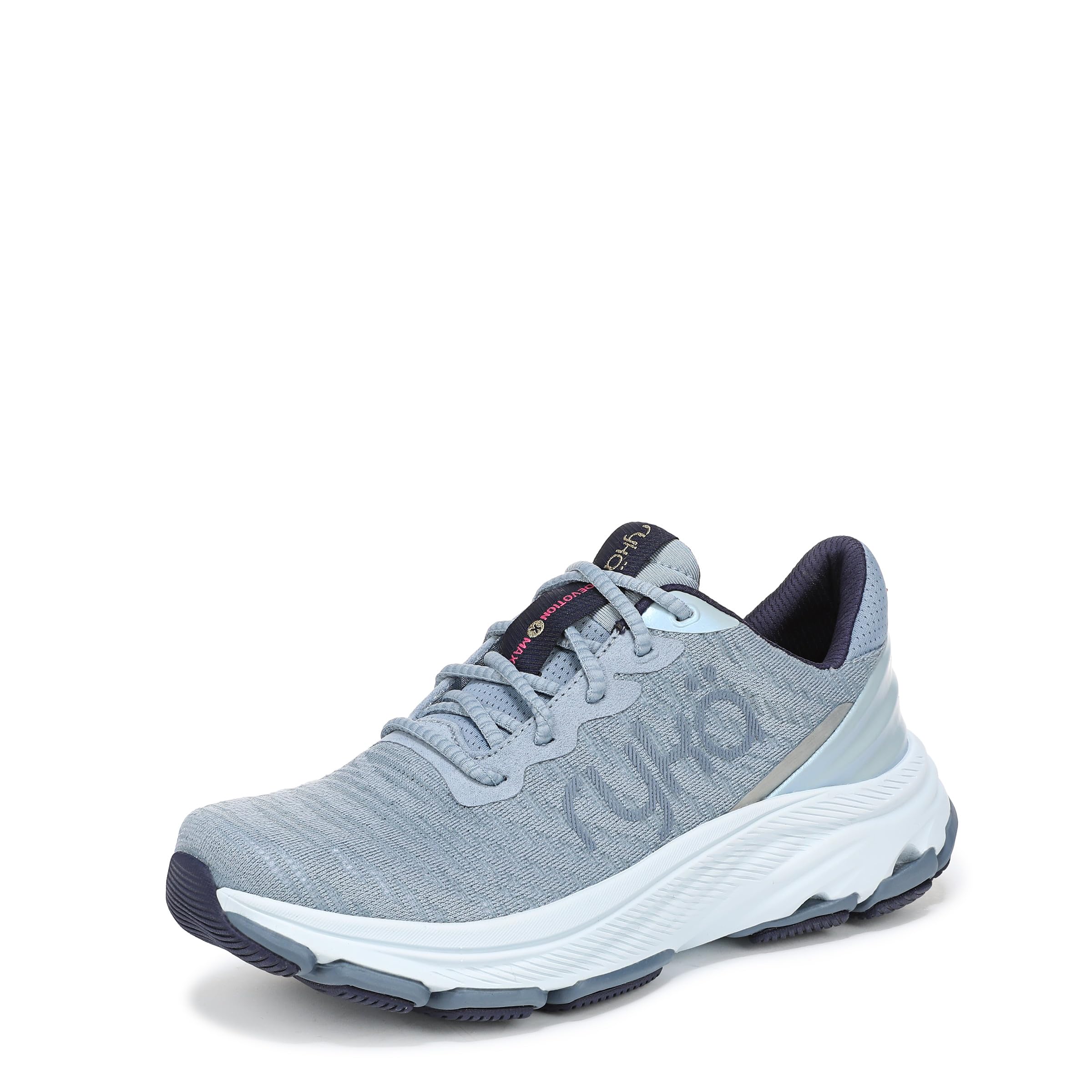
The Ryka Devotion X Max RS is engineered with a women-specific last, meaning the heel is narrower and the forefoot is wider than unisex designs — a crucial detail for players who need arch support without pinching the metatarsals. The midsole uses a plush but responsive foam that several reviewers compared favorably to the Hoka Bondi 9, but at a significantly lower investment. The built-in arch support is well-defined, and the removable insole lets you drop in a custom orthotic if your arch height is higher or lower than average.
Owners consistently highlight the generous toe box volume, which allows natural splay during lateral lunges and quick stops. The outsole uses a non-slip tread pattern that holds well on indoor and outdoor hard surfaces, and the heel wrap features a subtle pearlized finish that makes the shoe versatile for off-court wear. Users with flat feet and high arches alike report noticeable relief from metatarsalgia and plantar fasciitis after daily use.
The only downsides are that the toe box can feel too wide for standard-width feet, causing puckering near the laces, and some runners wish the color options expanded beyond the current palette. But for anyone who has struggled to find a wide court shoe that still cradles the arch properly, this Ryka delivers an exceptional balance of space and structure.
Why it’s great
- Wide toe box with a women-specific last reduces forefoot crowding
- Removable insole allows custom orthotic placement
- Better arch support than many pricier walking and court shoes
Good to know
- Toe box may be too wide for narrow feet, causing lace puckering
- Limited color variety compared to Nike or ON models
- Heel slip can occur if lacing isn’t cinched properly at the top
3. Skechers Women’s Arch Fit Arcade — On My Way
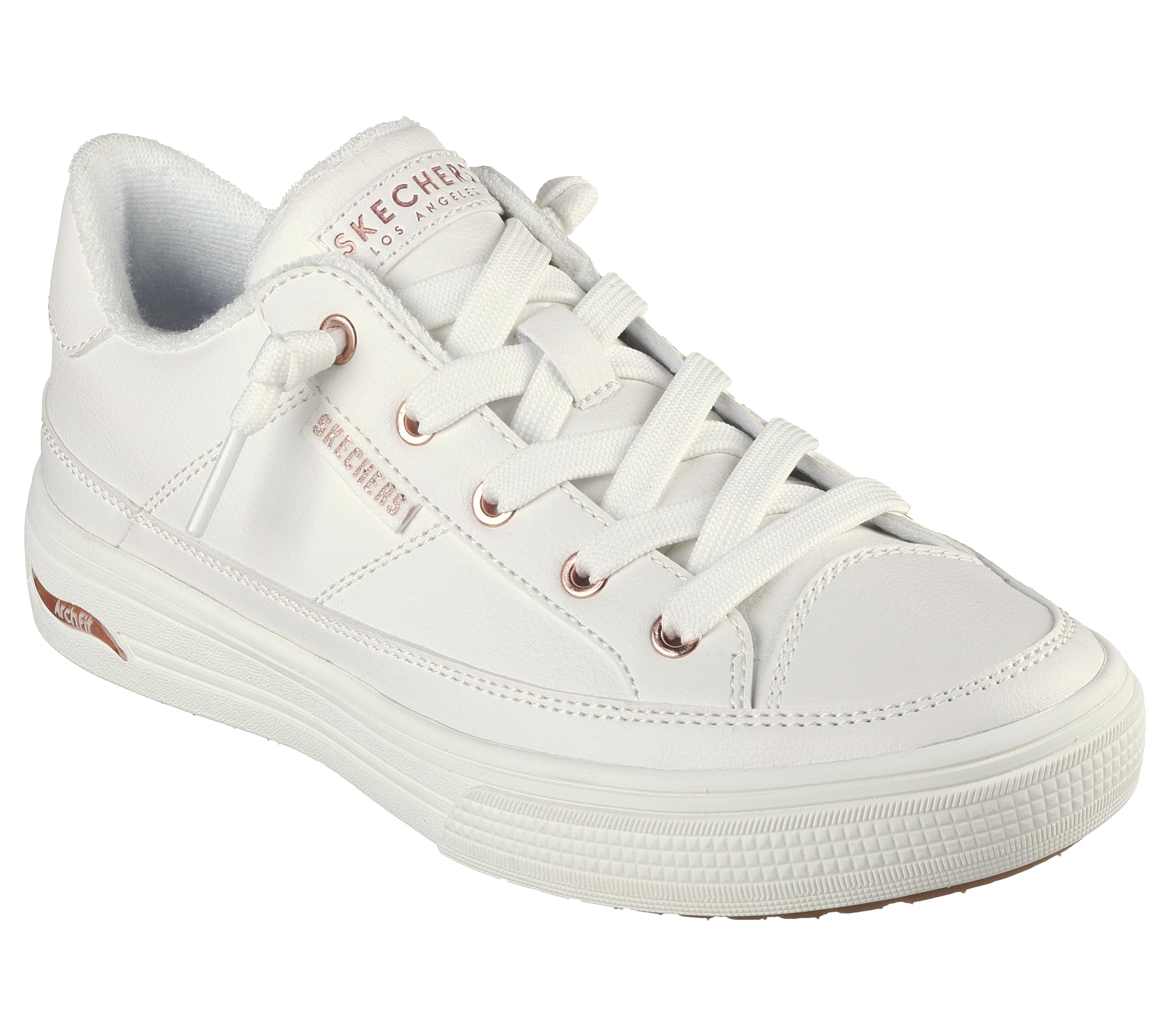
The Skechers Arch Fit Arcade brings a podiatrist-developed arch contour into a lightweight, slip-on package that works well for both casual court sessions and daily wear. The insole is designed to match the natural curve of the foot, and the foam midsole provides enough cushion to absorb shock from repetitive motion on hard surfaces. Many reviewers noted that the arch support felt prominent from the first wear — no break-in period needed — and that it noticeably reduced plantar fasciitis pain after extended walking and light tennis drills.
The upper is a mix of leather and synthetic mesh that breathes reasonably well while offering structure around the heel. The slip-on design eliminates lace pressure points, though several users mention that the laces are fixed and cannot be retied if the initial tension is off. The outsole uses a non-slip rubber pattern that grips well on gym floors and dry hard courts, and the shoe cleans up easily with a damp cloth.
The main limitation is the width — multiple reviewers with bunions or wide forefeet found the right shoe too tight, even after sizing up. The size chart also seems inconsistent: some users recommend sticking with your normal size despite chart recommendations. If you have standard-width feet with medium to high arches and want immediate plantar fascia support, this Skechers model is a strong mid-range contender.
Why it’s great
- Podiatrist-designed arch profile supports the foot’s natural curve
- No break-in period required — comfortable from first step
- Lightweight build with slip-on convenience for quick court changes
Good to know
- Narrow width for the forefoot; not ideal for wide feet or bunions
- Size chart can be inaccurate — buy your usual size, not the chart’s
- Laces are fixed and cannot be retied for tension adjustment
4. FitVille Extra Wide Walking Shoes Men’s Wide Width

FitVille specifically targets the flat-footed, wide-foot demographic that most major athletic brands neglect, and this Extra Wide model delivers on that promise with a 6E toe box and a dual-density outsole that provides firm medial support. The arch is built into the midsole structure rather than relying on a removable insole alone, so the footbed doesn’t collapse under heavier or longer use. Reviewers with diabetic neuropathy, bunions, and chronic heel pain consistently call this the most comfortable sneaker they’ve ever worn.
The shoe fits true to size lengthwise, but the width is genuinely accommodating — reviewers with 4E and 6E feet report zero midfoot pinch. The upper uses a breathable knit mesh with synthetic overlays for lateral stability, and the outsole grip is aggressive enough for light court work and extended walking on concrete. Several users noted that after logging 2.5 miles on the first wear, there were no blisters or hot spots, which is rare for a zero-break-in shoe.
The caveat is that the shoe runs large for people with standard-width feet. A few users returned their first pair because the volume was too roomy, even in the wide option. The style is also more functional than fashion-forward — the silhouette is clunky compared to sleek court shoes. But for anyone needing serious arch support in the widest possible platform, FitVille is a reliable specialist.
Why it’s great
- Genuine 6E toe box with no midfoot pinch for wide and flat feet
- Dual-density outsole with built-in arch support that doesn’t collapse
- Zero break-in; blister-free even on first long walk
Good to know
- Runs large — best for very wide feet; standard-width users may need to size down
- Bulky aesthetic not ideal for style-conscious players
- Some initial difficulty sliding on due to stiff heel counter
5. Skechers Men’s Afterburn E’lite Grill Corporal Hands Free Slip-in

The Skechers Afterburn E’lite Grill Corporal makes arch support accessible for those with mobility restrictions or simply a preference for hands-free entry. The slip-in collar is reinforced to hold its shape, so you can step in without bending or using a shoehorn — a major plus for post-surgery recovery or arthritic hands. The arch bed is contoured with Skechers’ standard cushioning foam, which several reviewers described as supportive enough for full-day walking and light athletic use.
Testers praised the shoe for being lightweight yet durable, with a rubber outsole that resisted wear after months of daily use. The fit runs true for standard width, but users with wide feet noted that the regular size is too narrow and had to exchange for the wide variant, which Amazon carries separately. The silhouette has a rugged, athletic look that pairs well with casual wear, and the slip-in convenience is a genuine time-saver during busy mornings.
The arch support is good but not as aggressive as dedicated stability shoes — users with severe plantar fasciitis or high arches may still want to add an orthotic. The foam midsole also compresses slightly faster than denser EVA blends, so heavy users may notice a reduction in cushion after six months. For someone who values convenience and moderate arch support over extreme stability, this Skechers is a smart mid-range option.
Why it’s great
- Hands-free slip-in design is a lifesaver for knee or back recovery
- Lightweight build with good outsole durability for daily wear
- True-to-size fit for standard-width feet with a supportive arch bed
Good to know
- Regular width may be too narrow for wide feet; wide variant needed
- Arch support is moderate — not enough for severe overpronation alone
- Midsole foam compresses faster than premium EVA blends
6. Dr. Scholl’s Be True Court Inspired Shoes
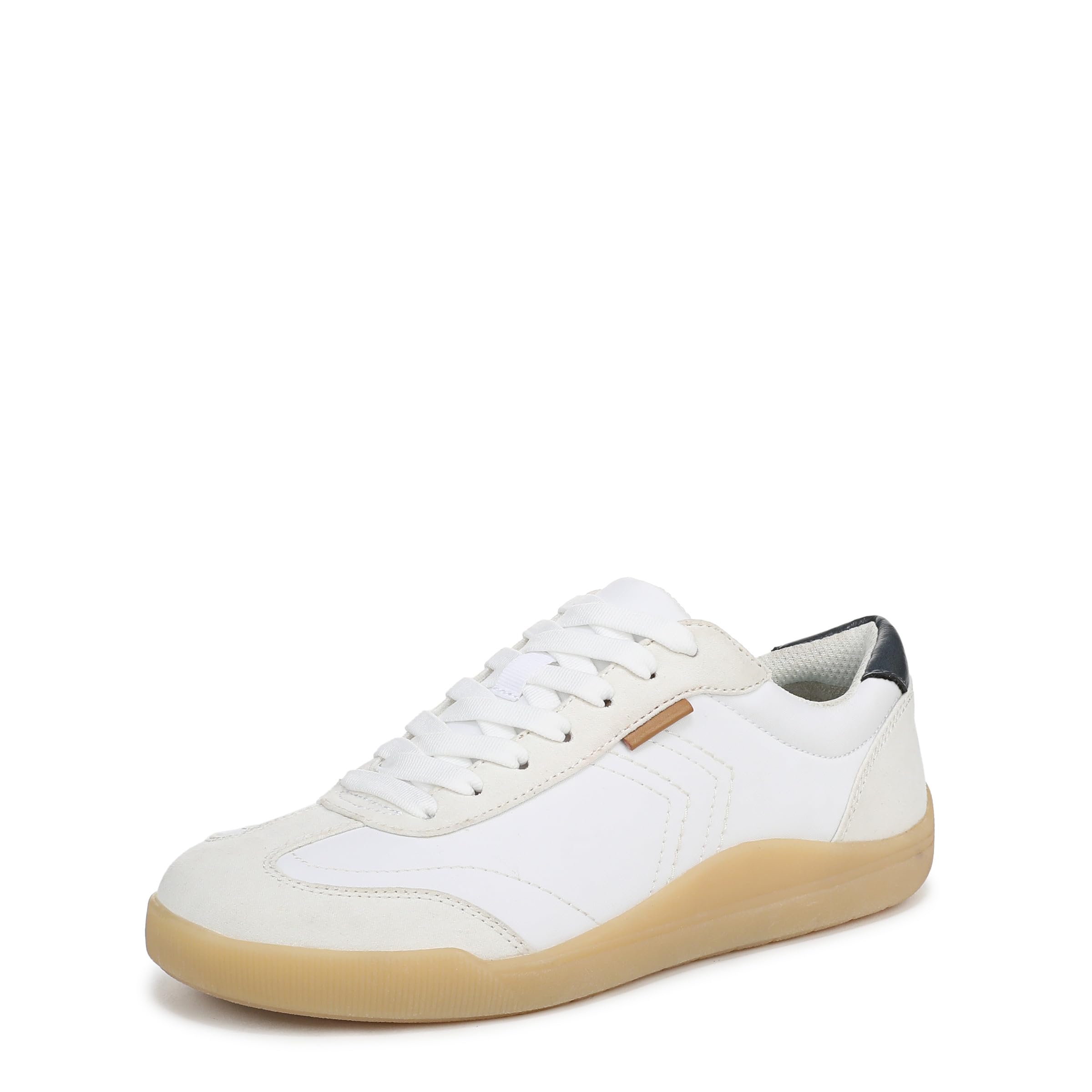
Dr. Scholl’s Be True shoe takes a court-inspired silhouette and fills it with a surprisingly effective arch support system that works best for recreational players and travel use. The footbed features a pronounced arch bump that fits into the natural hollow of the midfoot, and the wide toe front gives the forefoot room to spread — a design principle that mirrors the dropped heel concept popularized by Birkenstock-style sandals. Reviewers report that the shoes were comfortable from the first wear with zero rubbing or hotspots, even during 20-mile walking days in city settings.
The construction uses a mix of leather and textile with a padded collar, and the outsole is a flat rubber with subtle tread that works well on indoor courts and hard pavement. Multiple buyers commented that the shoes held up well after machine washing, which is uncommon for structured court shoes. The patterned laces and clean silhouette also earn compliments for styling versatility with dresses, shorts, and casual pants.
The trade-off is that the arch support, while excellent for a casual shoe, isn’t rigid enough for competitive tennis movements that require aggressive lateral stability. The heel also has a shallow counter, so those with heel spurs may prefer a deeper cup. For light court play, daily walking, and travel where you want arch support in a non-athletic form factor, the Be True delivers impressive value.
Why it’s great
- Pronounced arch bump works well for medium to high arches
- Wide toe front prevents metatarsal crowding during all-day wear
- Machine washable without losing shape or support
Good to know
- Heel counter is shallow — not ideal for heel spur sensitivity
- Arch support isn’t rigid enough for competitive lateral movement
- Gold color accent on back may not match all wardrobe preferences
7. New Balance Men’s 608 V5 Casual Comfort Cross Trainer

The New Balance 608 V5 is a classic cross-training silhouette that has earned a loyal following among workers, walkers, and light court players who need a budget-friendly option with reliable arch support. The leather upper resists scuffs and holds its structure over long wear, while the EVA midsole provides a soft but stable platform that cushions the heel and midfoot. Several reviewers noted that the shoe lasted through a year of heavy daily use (20,000 steps on concrete, occasional impact work) before the sole began to separate — a solid return for a budget-tier entry.
The arch support isn’t as sculpted as purpose-built stability shoes, but the combination of a generous footbed and a roomy toe box makes it comfortable for those with normal to slightly wide feet. The outsole uses a slip-resistant tread that performs well on smooth floors and dry pavement. Parents and caregivers also appreciate the durability: one reviewer reported that their active 13-year-old hadn’t worn through the usual spots after months of daily use, which was a first for that family.
The leather upper breathes less than mesh, so the shoe runs warm in summer conditions. The arch support is best described as moderate — sufficient for all-day standing and walking, but not aggressive enough to correct overpronation during intense court drills. For a durable, affordable trainer that offers solid baseline arch support without breaking the bank, the 608 V5 remains a respected value option.
Why it’s great
- Leather and EVA construction is tough enough for heavy daily use
- Roomy toe box and stable heel counter suit normal to slightly wide feet
- Slip-resistant outsole and reasonable arch support at a budget-friendly tier
Good to know
- Arch support is moderate — not suitable for severe overpronation
- Leather upper runs warm in hot weather
- Outsole separation reported after heavy use around the 12-month mark
FAQ
Can I use running shoes with arch support for tennis instead of court shoes?
What does a medial post do differently from an arch support insole?
How do I know if the arch support in a shoe is right for my foot?
Do I need a wide version of arch support tennis shoes if I have flat feet?
Final Thoughts: The Verdict
For most players, the clear winner for the arch support tennis shoes hunt is the Brooks Adrenaline GTS 24 because its medial post and GuideRails system provide the most reliable lateral stability and arch correction for rigorous court play. If you need a genuinely wide toe box combined with strong arch contour, grab the Ryka Devotion X Max RS. And for a comfortable, slip-in option that handles light court sessions and daily errands with good arch support, the Skechers Afterburn E’lite Slip-in is the most convenient choice.

Mo Maruf
I created WellFizz to bridge the gap between vague wellness advice and actionable solutions. My mission is simple: to decode the research and give you practical tools you can actually use.
Beyond the data, I am a passionate traveler. I believe that stepping away from the screen to explore new environments is essential for mental clarity and physical vitality.