Our readers keep the lights on and my smoothie glass nicely filled. As an Amazon Associate, I earn from qualifying purchases.
That sharp, familiar pain in the arch of your foot after a few games of tennis or a long day on your feet isn’t just uncomfortable—it can sideline you for days. Finding a shoe that combines the specific stability needed for lateral court movement with the structured midfoot support your arches require is the difference between playing through the season and sitting on the bench.
I’m Mohammad Maruf — the founder and writer behind WellFizz. I spend my time digging through customer reviews, comparing construction details, and analyzing midsole technologies to help you find gear that actually solves the problem it claims to solve.
Whether you have flat feet, high arches, or just want to prevent future problems, choosing the right pair starts here. This guide covers the top options available today for anyone searching for the best arch support tennis shoes for women.
How To Choose The Best Arch Support Tennis Shoes For Women
Before you click “add to cart,” it helps to know exactly what your foot needs. Tennis involves sudden starts, stops, and lateral slides that put unique stress on your arches. Here are the three most important factors to consider.
Understand Your Arch Type
Not all arch support is created equal. If you have low arches or flat feet, you typically need a shoe with motion-control features and a firm medial post to prevent overpronation. If you have high arches, you need a curved last with more cushioning to absorb shock and reduce stress on the plantar fascia. Neutral arches can often get away with a balanced shoe, but adding a supportive insole is always a safe bet for court sports.
Prioritize Lateral Stability
A running shoe is designed for forward motion, but a tennis shoe must handle side-to-side movement. Look for outrigger technology, a wide and flat outsole base, and reinforced sidewalls. A shoe that feels stable during a lateral cut will stop your arch from collapsing under pressure, which is the primary cause of arch strain and plantar fasciitis on the court.
Check the Midsole Firmness and Drop
Plush cushioning feels great in the store, but on the court, a midsole that is too soft can destabilize your foot during quick direction changes. A firmer, more responsive midsole paired with a lower heel-toe drop (4-8mm is typical for court shoes) helps keep your foot closer to the ground for better proprioception and arch integrity. The material—whether it’s EVA, polyurethane, or a proprietary foam like FlyteFoam or PWRRUN—determines how long the support lasts before it compresses out.
Quick Comparison
On smaller screens, swipe sideways to see the full table.
| Model | Category | Best For | Key Spec | Amazon |
|---|---|---|---|---|
| Hoka Gaviota 5 | Stability | Maximum support & overpronation | J-Frame™ stability tech | Amazon |
| ASICS Court FF 3 | Court Performance | Aggressive lateral cuts | TWISTRUSS™ midfoot support | Amazon |
| ASICS Gel-Resolution X | Durability | High-mileage court play | Flexion Fit upper | Amazon |
| Hoka Arahi 8 | Lightweight Stability | Flat feet & daily walking | J-Frame™ guide rails | Amazon |
| Brooks Ghost Max | Cushioned Walker | Plantar fasciitis relief | DNA LOFT v3 cushioning | Amazon |
| Saucony Hurricane 24 | Max Cushion | Overpronation & long runs | PWRRUN PB + frame | Amazon |
| Brooks Trace 4 | Neutral Runner | Versatile daily wear | DNA Flash midsole | Amazon |
| Saucony Omni 20 | Value Stability | Mild pronation control | PWRRUN frame technology | Amazon |
| Skechers Viper Court Pro | Budget Court | Pickleball & casual court use | Good Year rubber outsole | Amazon |
In‑Depth Reviews
1. Hoka ONE ONE Womens Gaviota 5

The Hoka Gaviota 5 is the pinnacle of stability footwear, engineered specifically for those who need maximum motion control without sacrificing cushioning. Its J-Frame technology wraps the medial side of the foot with a denser foam density to actively guide your gait and prevent arch collapse. Customer feedback consistently points to immediate relief for overpronators and those with plantar fasciitis, often describing it as the most supportive shoe they have ever worn.
The midsole uses a dual-density construction that balances a plush top layer with a firmer bottom layer, giving you the famous Hoka “cloud-like” feel without the instability that often accompanies soft midsoles. The outsole features a wide platform and a Meta-Rocker that helps propel you forward during walking or light jogging, making it versatile beyond just court play.
Users report that the Gaviota 5 runs slightly wide and large, so many size down by half a step. For those with EDS or hypermobility, a supplemental arch support insole is a common recommendation, though most users with standard flat feet find the built-in support sufficient. It is also machine washable (air dry), adding to its long-term value.
Why it’s great
- J-Frame offers top-tier motion control for severe overpronation.
- Generous cushioning reduces impact on heels and arches.
- Durable, machine-washable design extends lifespan.
Good to know
- Runs wide and large; sizing down is often necessary.
- Premium placement means a higher investment.
- Some users need extra insole support for specific conditions like hypermobility.
2. ASICS Women’s Court FlyteFoam 3 Tennis Shoes
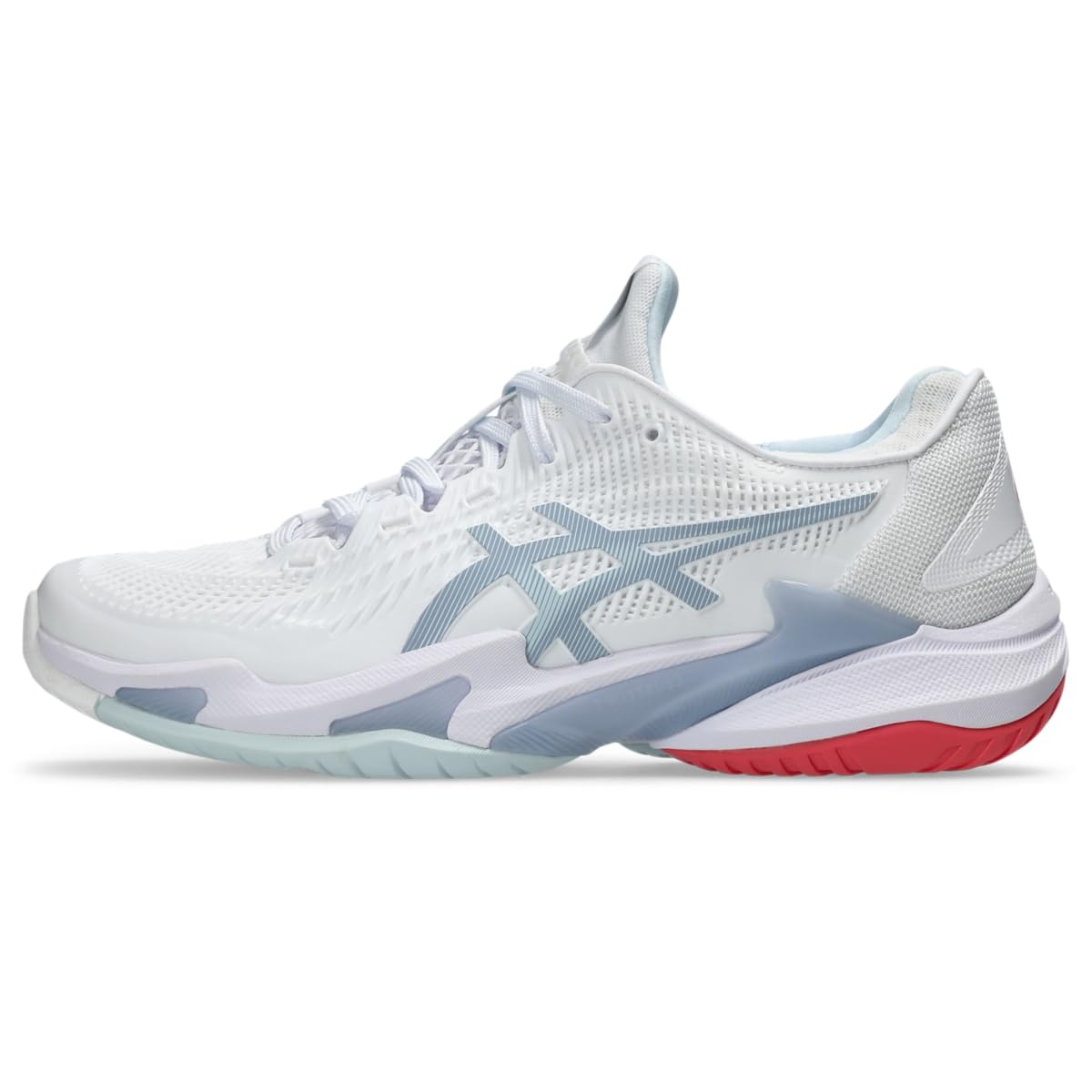
The ASICS Court FF 3 is a dedicated tennis shoe built for explosive lateral movement. Its TWISTRUSS technology connects the forefoot and heel to improve cutting motion stability, directly supporting the arch during side-to-side slides. The combination of FLYTEFOAM in the midsole and forefoot GEL cushioning provides lightweight impact absorption while keeping your foot close to the court for better control. Customers with bone spurs or who play several times a week praise the “glove-like” fit of the Mono-Sock construction.
The PGUARD technology in the toe and heel areas increases outsole durability, a key spec for players who drag their back foot during serves. The shoe is firm rather than plush—this is intentional, as a firm platform prevents excessive foot roll that can aggravate arch pain. Users transitioning from running shoes need to know this is a purpose-built court shoe, not a casual walker.
The sock-liner design can make the shoe difficult to put on without a shoe horn, particularly for those with bone spurs. It runs true to size for most, but those with wide feet should consider sizing up or looking at the wide options, as the fit is deliberately snug to lock the heel in place. The color is notably bright, which some users find flashier than anticipated.
Why it’s great
- TWISTRUSS provides exceptional lateral stability for arch support.
- Durable outsole stands up to frequent court play.
- Lightweight and breathable Mono-Sock upper.
Good to know
- Very difficult to put on due to the snug sock liner.
- Firm cushioning may be too stiff for casual walking.
- Snug fit is not ideal for wide feet without sizing up.
3. ASICS Women’s Gel-Resolution X Tennis Shoes
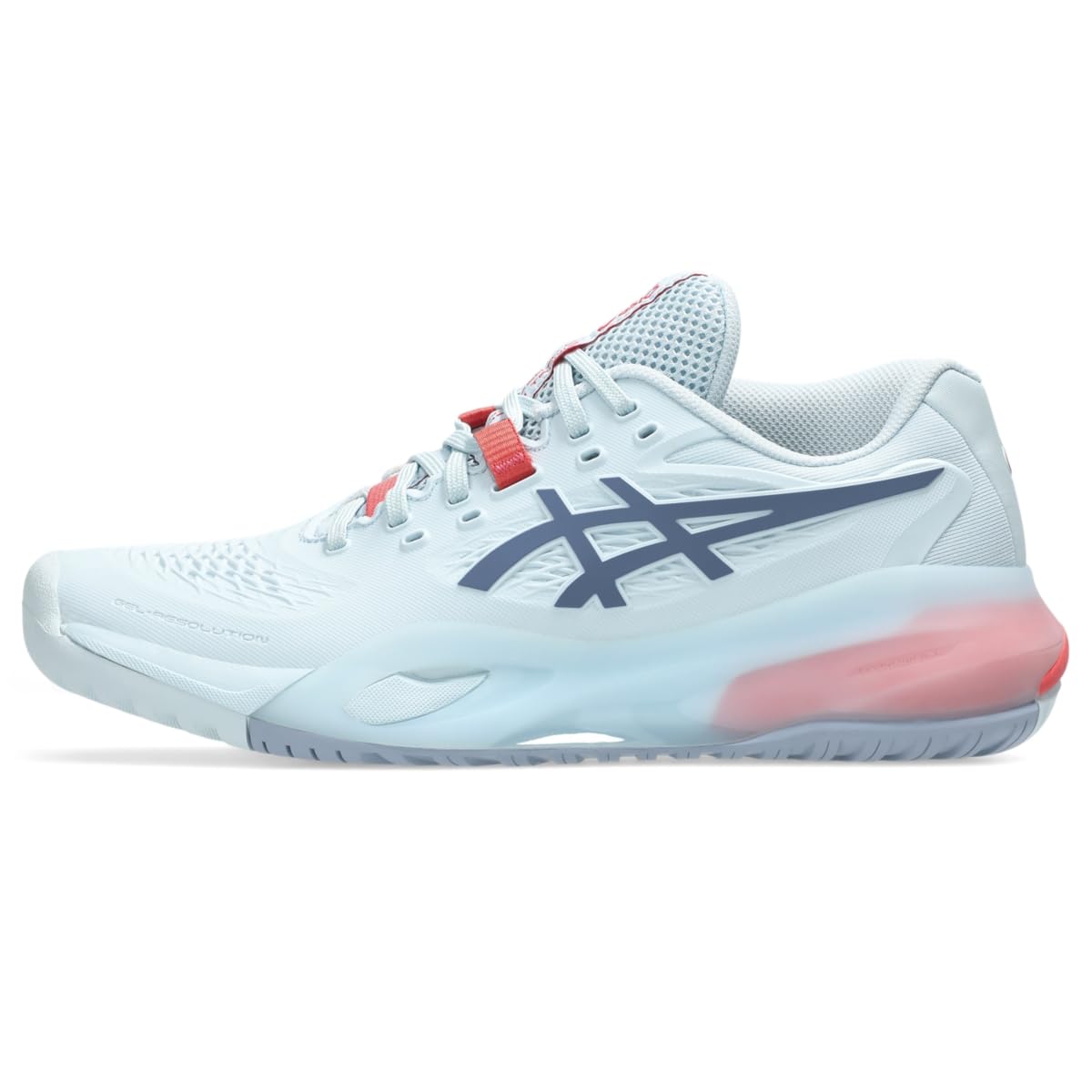
The Gel-Resolution X is ASICS’ benchmark for durability and support on the court. Users consistently report excellent arch support, a comfortable toe box, and strong lateral stability that makes them ideal for indoor pickleball and tennis. The Flexion Fit upper adapts to foot shape without creating pressure points, and the GEL technology in the forefoot and rearfoot absorbs shock during high-impact play. Customers have noted that after five months of frequent use, the shoes show minimal sole wear and maintain their structural integrity.
The shoe runs narrow, which is a pro for players who need a locked-down heel but a con for those with wider feet. Many users order a wide width even if they typically wear standard shoes. The arch support is described as firm and pronounced , offering immediate relief for those with plantar fasciitis. The outsole is built with a herringbone pattern for multi-court traction, providing reliable grip on clay, hard, or indoor surfaces.
Some users find the shoe extremely stiff and hard to put on initially, requiring a break-in period of several hours. The heel counter has been noted as high and firm, which can cause discomfort for some in the first few wears. At this tier, the lack of alternate insoles is a common complaint; many purchase a separate orthotic to customize the arch height to their specific needs.
Why it’s great
- Excellent arch support and lateral stability for court sports.
- Durable outsole with great multi-surface traction.
- Flexion Fit upper provides a comfortable yet secure fit.
Good to know
- Runs narrow; wide width is often recommended.
- Stiff upper requires a break-in period.
- Does not include alternate insoles despite the premium price point.
4. Hoka Womens Arahi 8
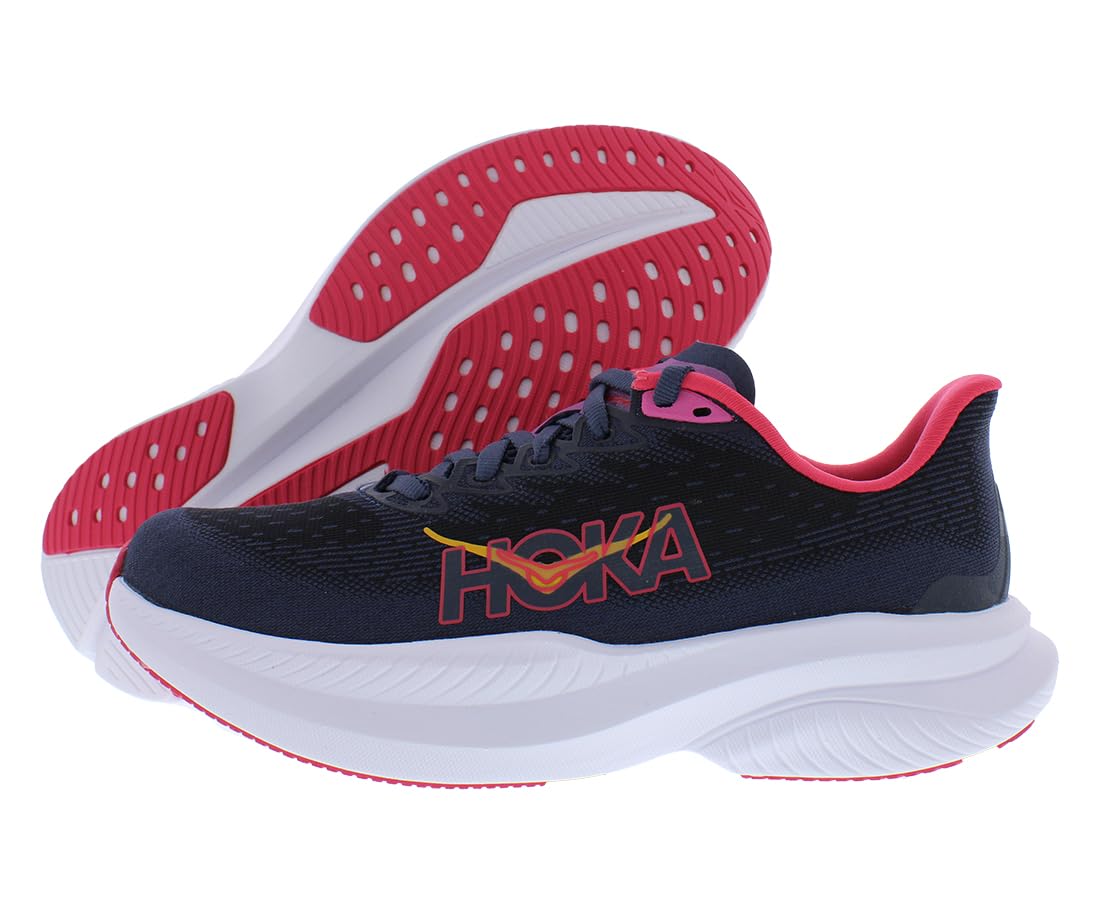
The Hoka Arahi 8 is a lighter, more streamlined version of the Gaviota, designed for those who need stability but don’t want a heavy shoe. It uses the same J-Frame technology—a firmer foam density on the medial side—to guide the foot without making the shoe feel overbuilt. Customers with flat feet, sore arches, and tired heels often describe the Arahi 8 as the most comfortable walking and light-running shoe they have ever owned. The cushioning is bouncy and responsive, with a 5mm heel-toe drop that encourages a natural landing.
The upper is engineered mesh that is breathable and flexible, reducing the risk of hot spots during long matches or walks. The outsole features strategically placed rubber zones to save weight while providing grip in high-wear areas. Users note that the shoe feels “bouncy and light” on the feet, with a noticeable reduction in heel pressure for those suffering from heel spurs or plantar fasciitis.
Some users have noted that the shoe runs slightly small and recommend ordering a half size up. The arch support, while good for mild to moderate overpronation, may not be sufficient for severe pronators—those users will benefit from the Gaviota 5 instead. The color options are limited compared to other Hoka models, which may be a factor for style-conscious buyers.
Why it’s great
- Lightweight stability shoe ideal for daily wear and court play.
- J-Frame guides foot without feeling intrusive.
- Excellent cushioning for plantar fasciitis and heel spurs.
Good to know
- May run a half size small for some users.
- Arch support is best suited for mild to moderate pronation.
- Color selection is narrow compared to the Gaviota line.
5. Brooks Women’s Ghost Max Suede/Leather Neutral Running & Walking Shoe
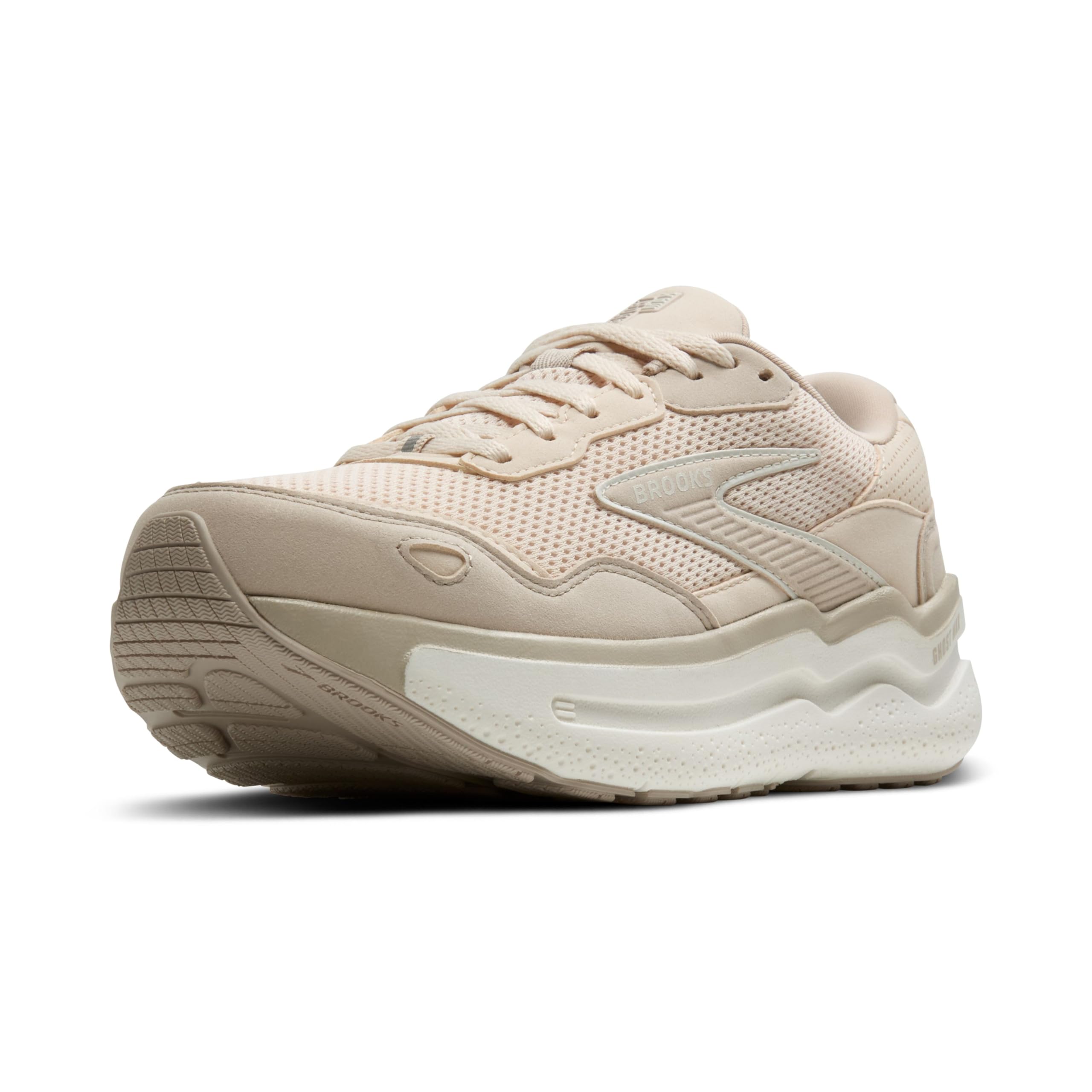
The Brooks Ghost Max is a neutral shoe but earns its place on this list for its exceptionally supportive platform and the striking results users report for plantar fasciitis and Achilles tendonitis. The DNA LOFT v3 cushioning provides a plush yet stable ride, and the broad base and rocker sole design help shift pressure away from the arch and heel. Customers confirm that they experienced pain-free days immediately after switching to this shoe, with no break-in period required. The suede and leather upper adds a work-appropriate aesthetic for those who need a dressier sneaker.
The heel-toe drop is 5mm, which is lower than many standard walking shoes and encourages a more natural foot strike. The insole is removable, allowing for custom orthotics if additional arch support is required. The outsole is made of blown rubber, providing excellent traction on wet and dry surfaces, and the leather upper offers a warmer, more structured fit for colder months.
The shoe runs about a half size small, so ordering up is a common recommendation. The rocking sole shape also requires a brief adjustment period for some users, as the curved bottom feels different from flat shoes. The leather upper is warmer than mesh, making it less ideal for hot summer months or indoor courts without ventilation.
Why it’s great
- Immediate relief for plantar fasciitis and Achilles issues.
- DNA LOFT v3 cushioning is both plush and stable.
- Rocker sole reduces heel and arch pressure.
Good to know
- Runs a half size small; need to size up.
- Leather upper is warmer—less breathable in summer.
- Rocker sole takes a short adjustment period.
6. Saucony Women’s Hurricane 24 Sneaker
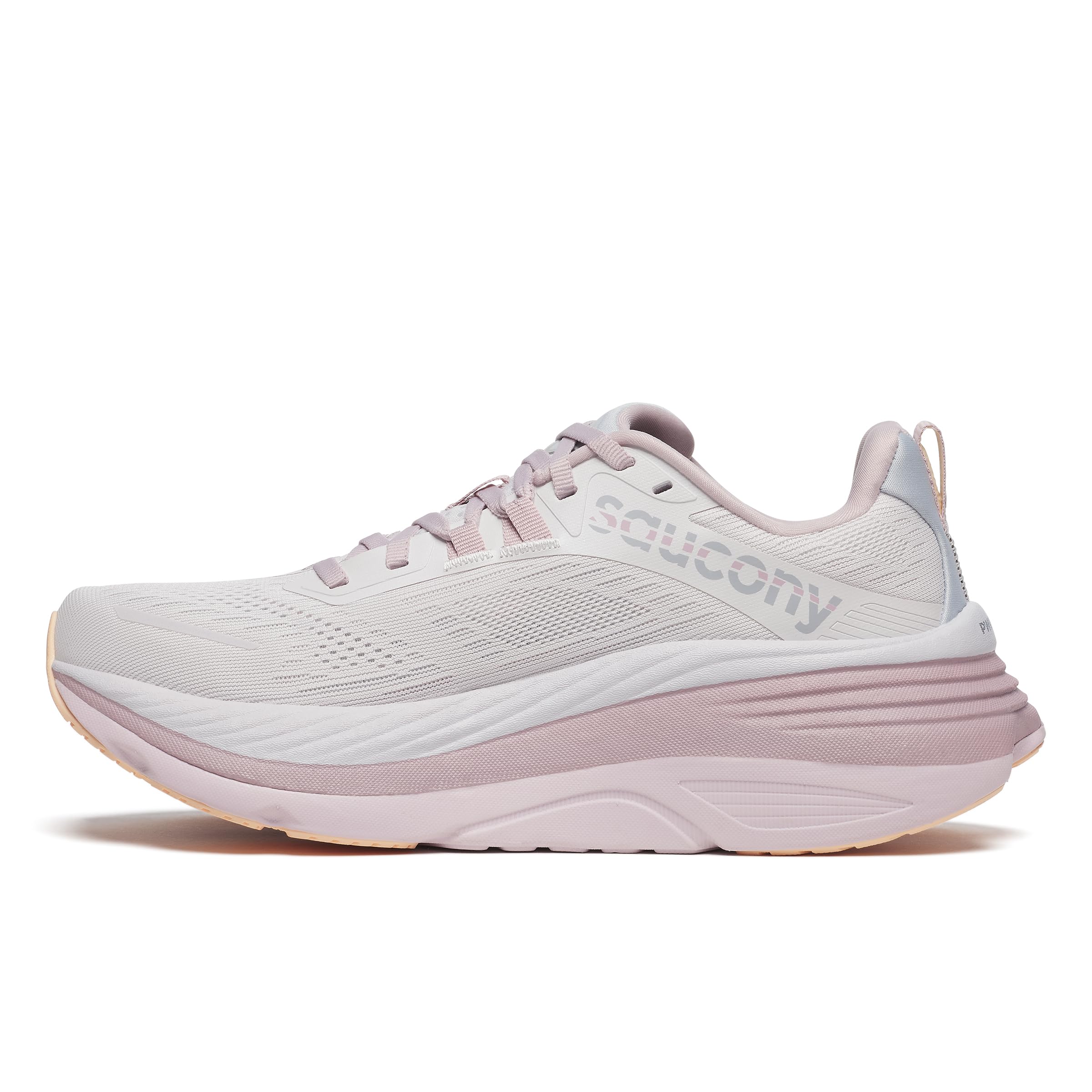
The Saucony Hurricane 24 is a max-cushion stability shoe built for overpronators who want a “cloud-like” feel without sacrificing structure. It uses a dual-density PWRRUN PB midsole combined with a stability frame that extends from heel to midfoot, providing a clear guide for the arch during the gait cycle. Users with flat feet and plantar fasciitis describe it as extremely comfortable and supportive, with generous cushioning that reduces foot fatigue during long walks or runs. The aggressive toe rocker helps propel you forward, especially during recovery from injuries.
The platform is wide and flared at the outsole, creating a stable base for lateral movements on the court. The heel is narrow and well-locked, reducing slippage during cuts. The shoe is designed for runners who need heavy support, but its stability translates well to tennis for those who prioritize arch protection over speed. Multiple users have noted that the shoe is heavy—9.8 ounces—which can cause leg fatigue during faster movements or tempo runs.
Some users have reported quality control issues, including fabric bleeding from the insole onto the mesh during cleaning and reflective strips detaching from the heel. These reports are not universal, but they are worth noting for those who expect premium build quality at this tier. The weight is the most common reason users return this model, especially for court sports where quick footwork is essential.
Why it’s great
- Excellent motion control for overpronation and plantar fasciitis.
- Wide platform provides a stable base for lateral cuts.
- Aggressive toe rocker aids in forward propulsion.
Good to know
- Heavy at 9.8 oz, causing leg fatigue for some runners.
- Reported quality issues with fabric and reflective strips.
- Not ideal for tempo runs or fast court play.
7. Brooks Women’s Trace 4 Neutral Running Shoe

The Brooks Trace 4 is a neutral running shoe that offers impressive arch support for its category. While it lacks a dedicated medial post, the DNA Flash midsole is firm enough to provide a stable platform, and the internal heel counter locks the foot in place to prevent excessive pronation. Customers note that it fits true to size, requires no break-in, and provides excellent comfort and stability for those with plantar fasciitis and past foot injuries. Many compare the fit to the Ghost 16 but at a more accessible price point.
The 3D Fit Print upper creates a seamless, flexible fit that adapts to foot shape without creating pressure points. The shoe is lightweight, with a breathable mesh upper that works well for both running and court play. The outsole uses Green Rubber, a carbon-infused compound that provides reliable traction without being overly stiff. For users who spend 8-9 hours standing on concrete, the memory foam collar and tongue add comfort without adding bulk.
The Trace 4 is not a full-stability shoe, so users with severe overpronation will likely need additional support from orthotics. The insole is removable, making this a simple modification. The design is simple and somewhat understated, which appeals to those who prefer a less flashy look. Long-term durability reports are good, with the outsole holding up well after five months of regular use.
Why it’s great
- Comfortable and supportive out of the box with no break-in.
- Lightweight and breathable upper for long wear.
- Removable insole allows for custom orthotics.
Good to know
- Neutral design; not a full stability shoe.
- May not provide enough support for severe overpronation.
- Simple design may feel basic to some buyers.
8. Saucony Women’s Omni 20
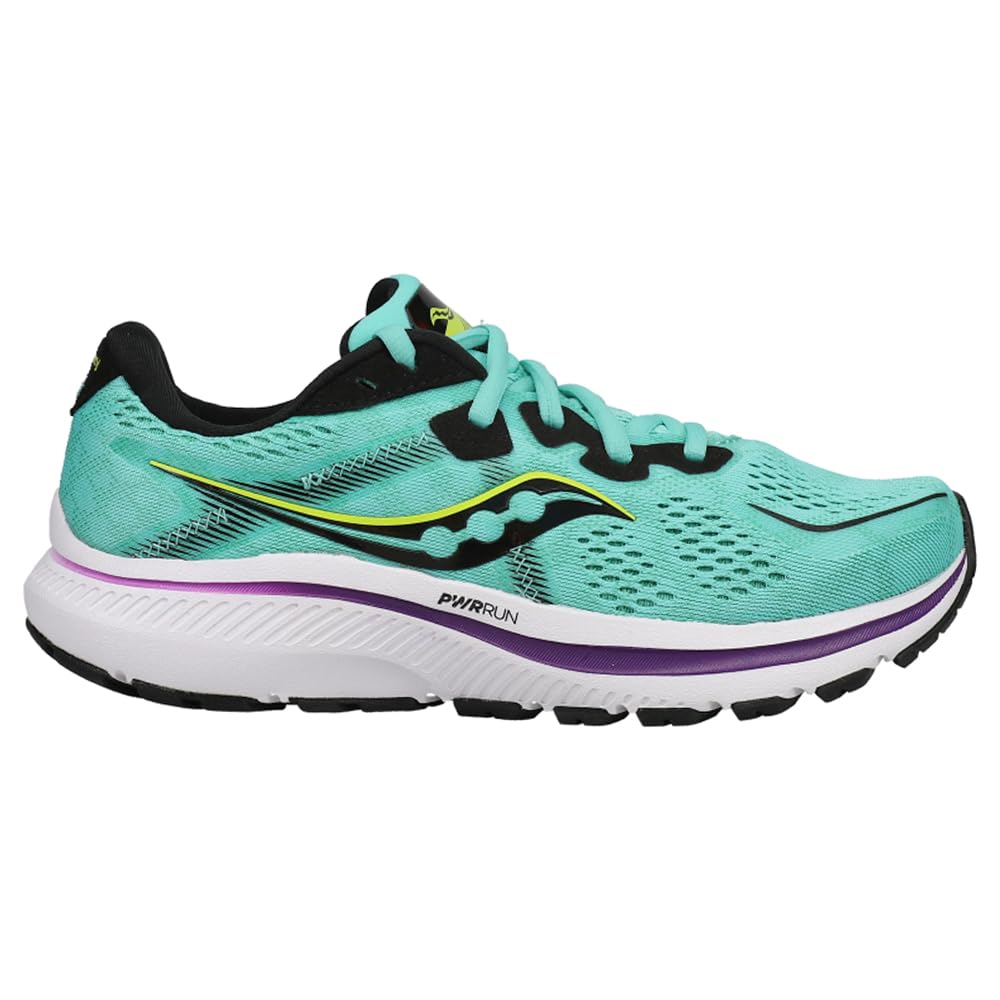
The Saucony Omni 20 is a budget-friendly stability shoe that has been a podiatrist-recommended choice for years. It uses a PWRRUN frame that extends from the heel through the arch, providing a firm guide for mild to moderate pronation. Customers rave about the comfort, with many noting that they walked over 10 hours on concrete at theme parks without breaking them in and experienced no foot fatigue. The arch support and cushioning are praised as superior for the price point, with users comparing the feel to the older Omni ISO models.
The shoe features a supportive midfoot saddle that locks the arch in place, and the outsole uses XT-900 carbon rubber for excellent traction and durability. The upper is made of engineered mesh that provides breathability and flexibility. The toe box is initially snug for some users, causing pinky numbness, but it quickly molds to the shape of the foot after wearing thick socks a few times. The heel backing has been noted as slightly less sturdy than previous Omni models, but this does not affect overall performance.
The Omni 20 is a clear choice for users who want reliable arch support without a premium price tag. It is not designed for heavy overpronation or severe plantar fasciitis, but for mild to moderate cases, it performs admirably. The shoe runs true to size, though those with wide feet should consider the wide options. Colorways are somewhat limited but include standard neutrals.
Why it’s great
- Excellent value for a stability shoe with strong arch support.
- PWRRUN frame provides a firm guide for mild pronation.
- Comfortable out of the box for long walks or standing.
Good to know
- Toe box may be snug initially; requires break-in.
- Not suitable for severe overpronation.
- Heel backing is less sturdy than previous Omni models.
9. Skechers Women’s Viper Court Pro Pickleball Sneaker
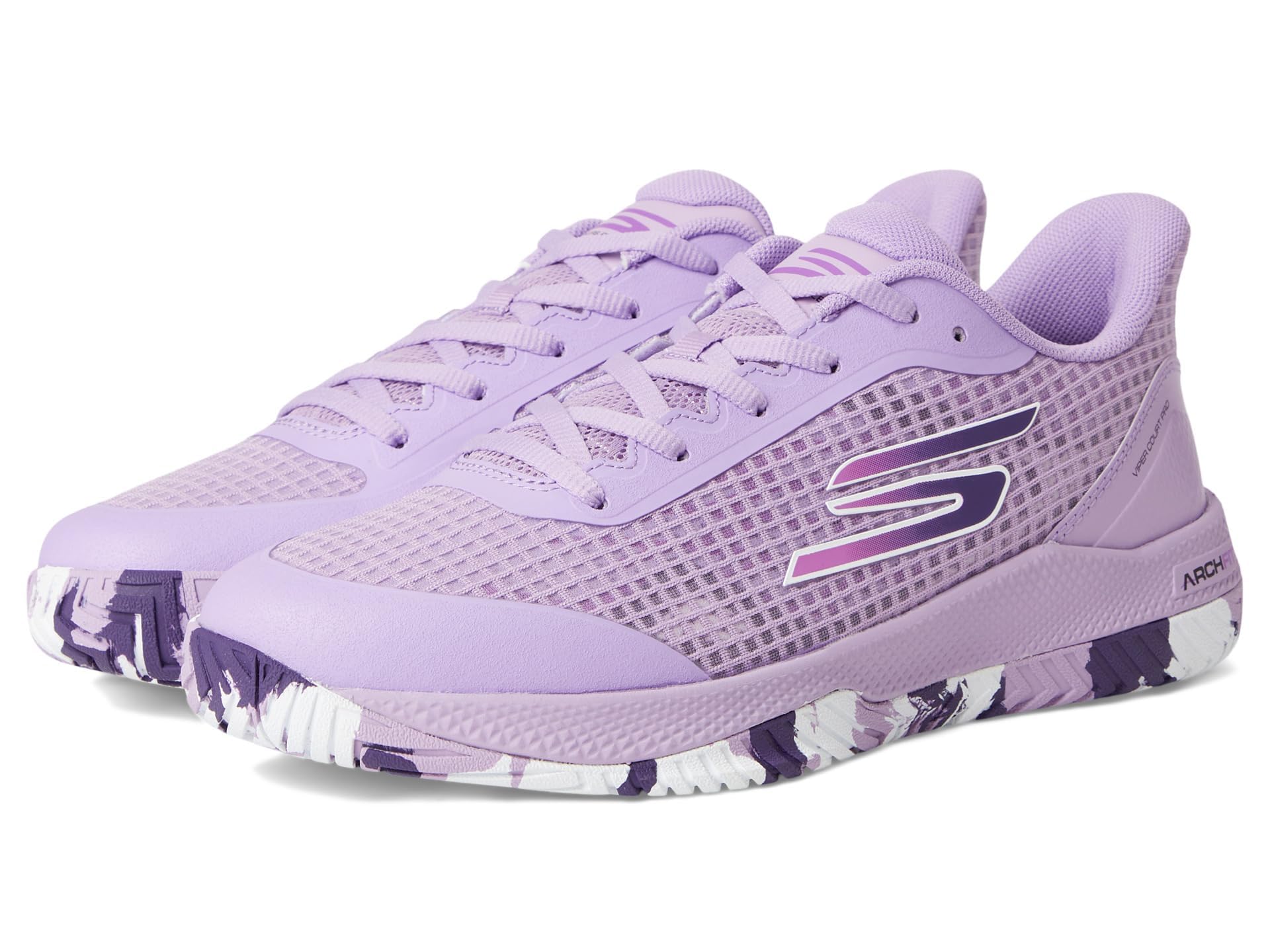
The Skechers Viper Court Pro is a dedicated court shoe, primarily designed for pickleball but perfectly suited for tennis. It offers excellent support and traction on indoor courts, with a Good Year rubber outsole that provides reliable grip. Customers praise the shoe for being lightweight, comfortable, and supportive right out of the box. The arch support is rated highly by users who also use heel cushions for plantar fasciitis, and the stability helps reduce the risk of ankle twists during lateral movement. The breathable mesh upper keeps feet cool during intense play.
The shoe is true to size for most, though some users find it runs a half size large and recommend sizing down. The toe box is narrow for some, even for those who don’t typically wear wide shoes, leading to calluses on the little toes after extended play. The laces are notably short, which can make adjusting the tightness difficult for those with high arches. The shoe is washable, a practical feature for court shoes that gather dust and dirt.
The most common complaint is squeaking—some users report significant noise from the shoe during movement, which can be distracting on quiet indoor courts. This appears to be a variable issue, not affecting all pairs. The sole wear is reasonable for the price, with some users reporting that a year of frequent play shows acceptable wear and tear on the outsole. For the budget-conscious player who wants a court-specific shoe with decent arch support, the Viper Court Pro is a solid entry-level choice.
Why it’s great
- Court-specific design with excellent traction and lateral stability.
- Lightweight and breathable, comfortable for long play.
- Washable construction for easy maintenance.
Good to know
- Toe box is narrow; may cause calluses on some users.
- Some pairs develop a loud squeaking noise.
- Laces are supplied short, making fit adjustments harder.
FAQ
Can I use a running shoe for tennis if it has good arch support?
How do I know if I need a motion-control shoe versus a neutral shoe with an orthotic?
Why do some tennis shoes run narrow and how does that affect arch support?
Final Thoughts: The Verdict
For most users, the best arch support tennis shoes for women winner is the Hoka Gaviota 5 because its J-Frame technology offers unmatched stability and cushioning for flat feet and overpronators, all within a versatile design that works on and off the court. If you want a lightweight, court-specific shoe with aggressive lateral stability, grab the ASICS Court FF 3. And for the best value in a proven stability design, nothing beats the Saucony Omni 20.

Mo Maruf
I created WellFizz to bridge the gap between vague wellness advice and actionable solutions. My mission is simple: to decode the research and give you practical tools you can actually use.
Beyond the data, I am a passionate traveler. I believe that stepping away from the screen to explore new environments is essential for mental clarity and physical vitality.