Our readers keep the lights on and my smoothie glass nicely filled. As an Amazon Associate, I earn from qualifying purchases.
Finding the right shoe for a child with flat feet can feel like a losing battle. Standard sneakers lack the built-in stability and medial support needed to prevent overpronation, which often leads to foot, ankle, and knee pain that stops kids from running and playing freely.
I’m Mohammad Maruf — the founder and writer behind WellFizz. I’ve analyzed dozens of pediatric orthotic footwear options, digging into the foam density, heel cup depth, and arch geometry that actually correct gait issues in developing feet.
Whether your child needs a stability sneaker for sports or a supportive everyday shoe to ease Sever’s disease symptoms, finding the right pair can change their daily comfort. This guide breaks down the best options available so you can choose with confidence — because nothing is more important than finding the arch support shoes for kids with flat feet that truly work.
How To Choose The Best Arch Support Shoes For Kids With Flat Feet
Not every shoe labeled “supportive” actually corrects gait for flat feet. You need to look past the marketing and focus on structural features that keep the foot aligned during every step.
Heel Cup Rigidity and Depth
A soft, flexible heel counter offers zero control over pronation. You want a shoe with a rigid, molded heel cup that cradles the calcaneus and prevents it from rolling inward. Run the squeeze test — if the back of the shoe collapses under light thumb pressure, keep looking.
Arch Profile and Medial Support
Flat feet lack a natural arch, so the shoe must supply it. Look for a firm medial post or a pronounced arch profile built into the midsole. Avoid soft, flat cushioning that offers no resistance to inward rolling. A removable insole is a plus, as it allows you to swap in a custom orthotic if needed.
Toe Box Width and Forefoot Flexibility
A narrow toe box forces the toes together, destabilizing the gait. Choose a shoe with a natural, foot-shaped toe box that allows toes to splay. The forefoot should bend at the ball of the foot, not the arch — excessive midfoot flexibility encourages collapse.
Quick Comparison
On smaller screens, swipe sideways to see the full table.
| Model | Category | Best For | Key Spec | Amazon |
|---|---|---|---|---|
| ASICS Kid’s GT-1000 13 Pre School | Motion Control | Overpronation & active play | Heel cup rigidity + medial post | Amazon |
| Kids Orthopedic Tennis Shoes (BO DP61Y7W4) | Orthopedic Daily | Sever’s disease & school wear | Removable orthotic + stiff sole | Amazon |
| Princepard Kids Orthopedic Shoes | Corrective Style | Transition from SMO braces | Rigid sole + ankle strap | Amazon |
| Kids Orthopedic Tennis Shoes (B0F7R1VS15) | Orthopedic Sneaker | Wide feet & chronic sprains | Bulky orthopedic build + extra inserts | Amazon |
| PowerStep Pinnacle Junior Insoles | Aftermarket Insole | Adding support to existing shoes | Neutral arch shape + dual-layer foam | Amazon |
| EQW Kids Wide Toe Box Shoes | Entry-Level Support | Everyday play & wide feet | Dual-layer cushion + removable insole | Amazon |
| Superfeet All-Purpose High Arch Insoles | Specialty Insole | High-arch support & heel spurs | Deep heel cup + dense foam core | Amazon |
In‑Depth Reviews
1. ASICS Kid’s GT-1000 13 Pre School Running Shoes
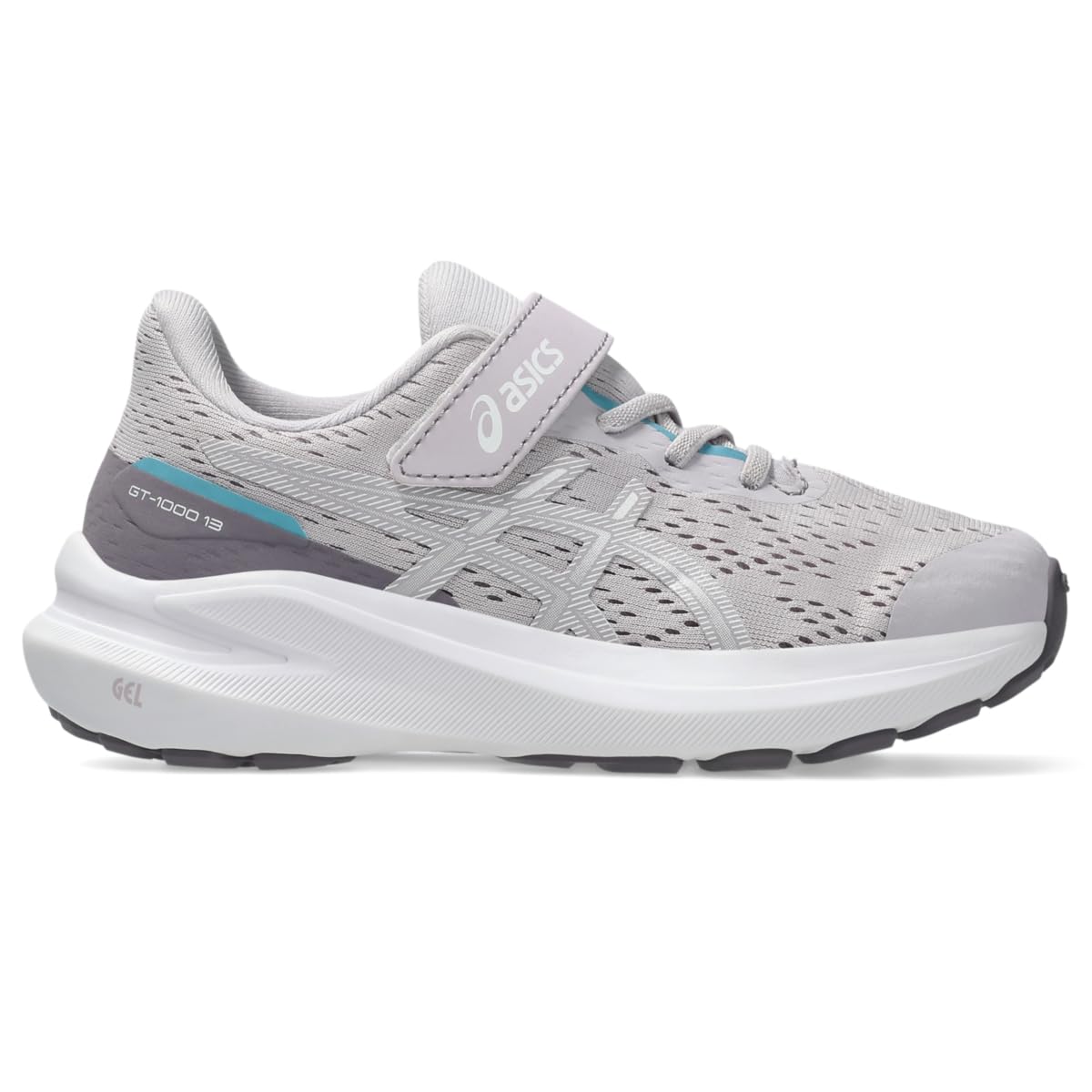
The ASICS GT-1000 13 is a true motion-control shoe built for kids who overpronate. Its medial post and rigid heel counter actively resist inward rolling during the gait cycle, giving parents a genuine alternative to expensive custom orthotics. Reviewers confirm it works well for flat feet and provides excellent ankle stability for kids whose ankles bend inward while walking or running.
The upper runs about half a size small and leans narrow, so this is not the best pick for children with wide feet. However, for kids with standard-width feet who need structural correction, the GT-1000 delivers the firm medial support that softer sneakers lack.
Water-resistant materials and easy hook-and-loop closures make this a practical choice for active preschoolers who play hard outdoors. Several parents noted their children stopped complaining about foot pain after switching to this model, and the outsole shows good resistance to everyday wear and tear.
Why it’s great
- True motion-control medial post stops overpronation.
- Rigid heel cup locks the calcaneus in place.
- Water-resistant upper handles mud and puddles.
Good to know
- Narrow fit — not suitable for wide or extra-wide feet.
- Runs a half size small, so order up.
2. Kids Orthopedic Tennis Shoes (B0DP61Y7W4)
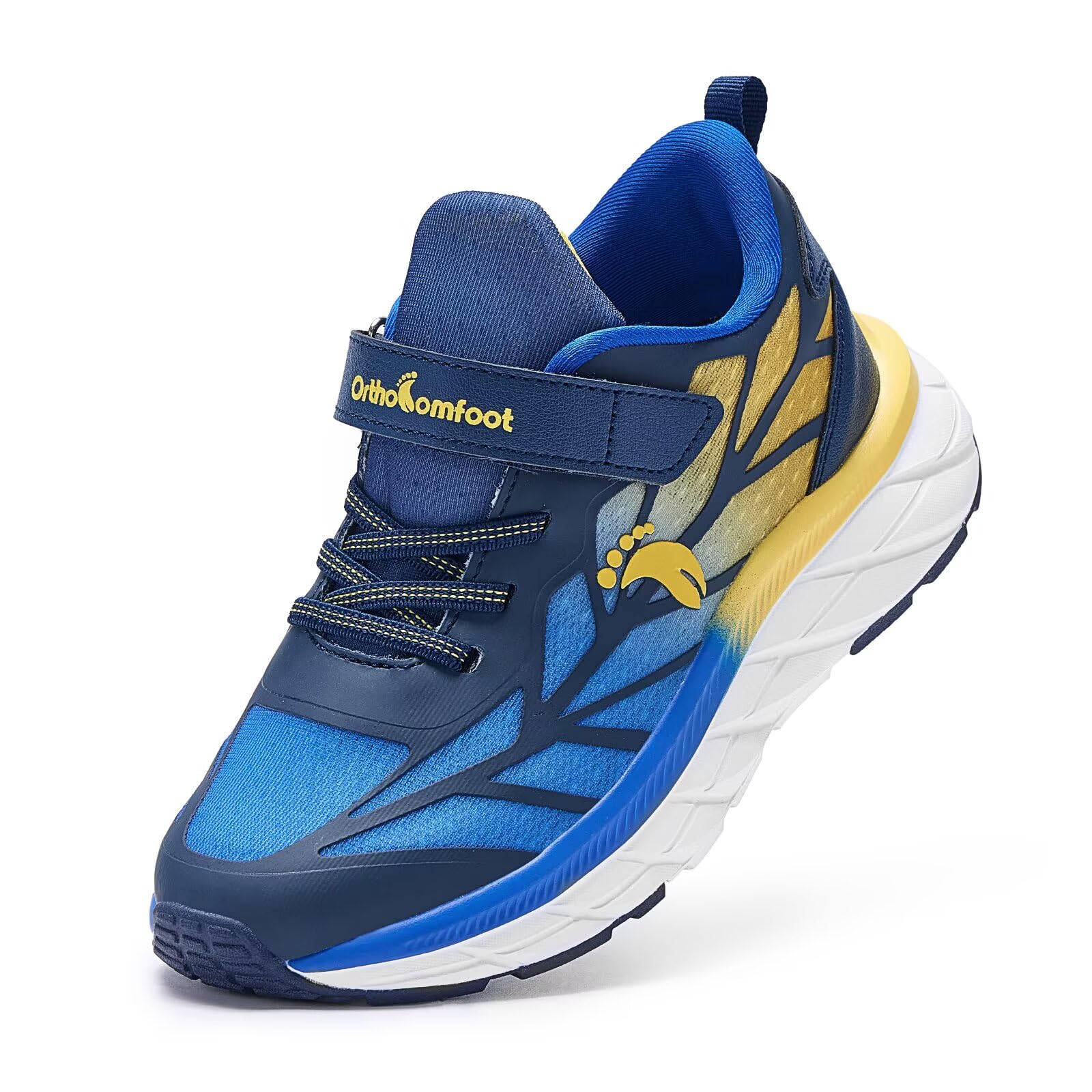
This orthopedic daily sneaker is one of the few models parents report as uniquely helpful for Sever’s disease — that painful heel condition common in active kids aged 8 to 12. The built-in arch support and deep heel cup reduce strain on the Achilles insertion, and the generous padding around the collar provides shock absorption without sacrificing stability.
The sole is stiff in the midfoot but flexible at the forefoot, a design that prevents midfoot collapse while still allowing natural toe-off during running. Reviewers noted that their children stopped complaining about calf and heel pain during sports after switching to these shoes.
Quality control is a minor concern — one reviewer reported poor gluing on one shoe. However, the overwhelming majority praised the comfort and arch support, noting that sizing runs generous, which makes it easier to accommodate thicker orthotic inserts if needed.
Why it’s great
- Excellent for managing Sever’s disease symptoms.
- Removable insole allows custom orthotics.
- Generous sizing fits most foot shapes.
Good to know
- Inconsistent glue quality on some units.
- Price feels high relative to build materials.
3. Princepard Kids Orthopedic Shoes

The Princepard orthopedic shoe is a great transitional option for kids moving out of Supramalleolar Orthosis (SMO) braces. The rigid sole and deep heel cup provide motion control similar to a medical brace, while the adjustable ankle strap lets you lock the heel in place without cutting off circulation. The aesthetic is much more mainstream than typical orthopedic footwear — several reviewers compared the look to popular basketball sneaker silhouettes.
For children whose legs were beginning to bow or who needed corrective alignment after SMOs, parents reported positive outcomes. The shoe is durable enough to handle daily playground abuse, and the Velcro system is intuitive for young children to manage independently.
There is a documented quality concern: one buyer reported skin injuries after just four wears, suggesting potential rough interior edges or inadequate padding. However, the majority of reviews confirm that the support structure is effective for kids with flat feet who need a rigid, corrective shoe that doesn’t look medical.
Why it’s great
- Rigid sole mimics SMO brace support.
- Adjustable ankle strap for custom heel lock.
- Stylish design that kids actually want to wear.
Good to know
- Reports of rough interior causing skin irritation.
- Higher price point than basic sneakers.
4. Kids Orthopedic Tennis Shoes (B0F7R1VS15)
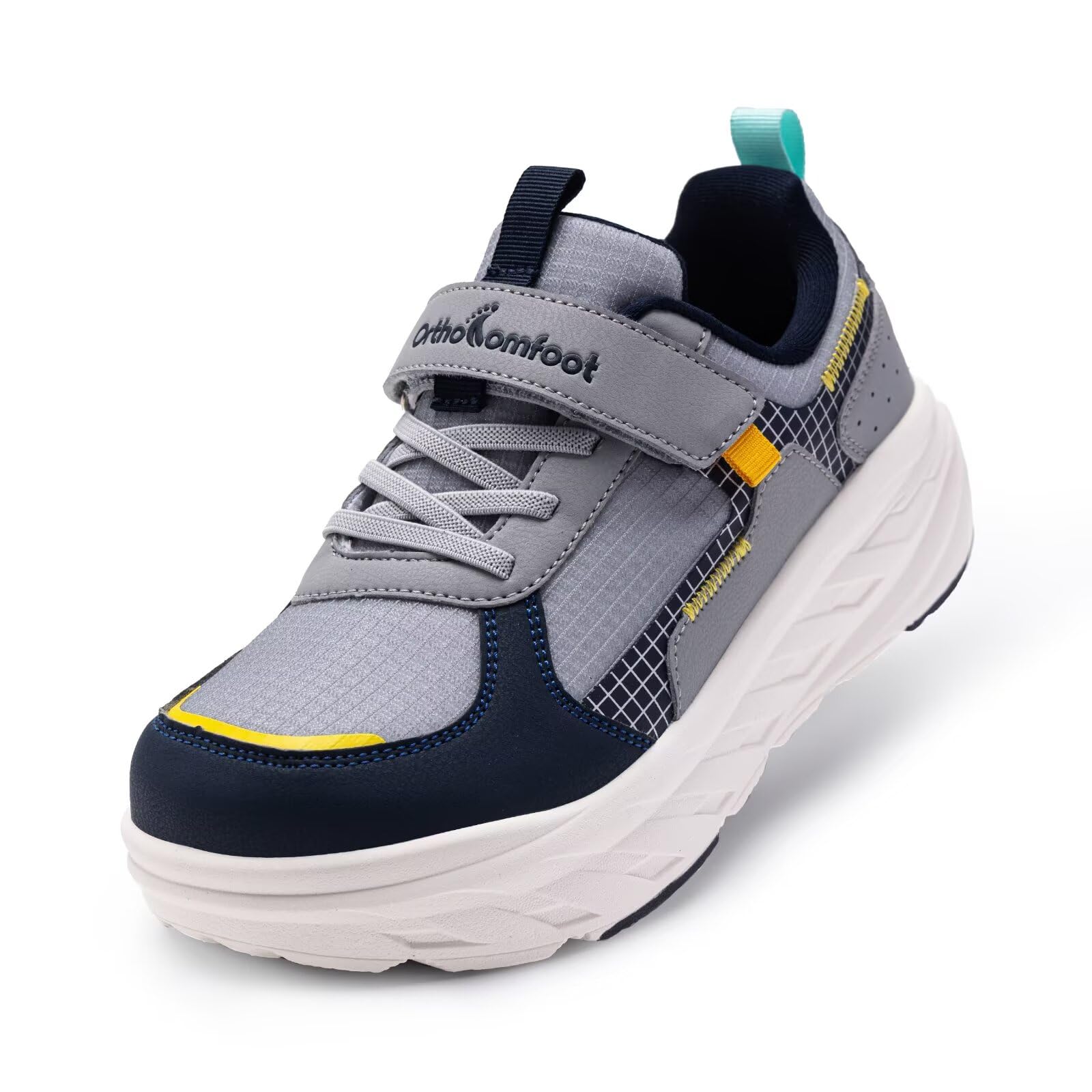
This mid-range orthopedic shoe punches above its weight by including extra arch support inserts and accommodating wide feet — two features usually reserved for premium models. The build is bulky and orthopedic-looking, but the wide toe box allows natural toe splay, which is critical for kids who complain that every cute sneaker feels too tight.
The ankle support is notably robust, with one parent reporting that the shoe reduced chronic ankle sprains and inward pronation so effectively that it may replace their child’s AFO braces. The wedge sole provides a subtle lift that helps distribute pressure more evenly across the foot.
Durability is the main trade-off. After roughly ten wears, the upper material began peeling and wearing off in one reported case. For the price, the corrective support is excellent, but you may need to replace these shoes sooner than a premium motion-control sneaker.
Why it’s great
- Excellent ankle support for chronic instability.
- Wide toe box accommodates natural foot shape.
- Comes with extra arch support inserts.
Good to know
- Upper material showed peeling after limited use.
- Bulky design is not sleek or low-profile.
5. PowerStep Pinnacle Junior Insoles

The PowerStep Pinnacle Junior insole is a doctor-recommended solution that rivals custom orthotics at a fraction of the cost. Its neutral arch shape cradles both the arch and the heel, providing stability and motion control that limits excessive pronation. The dual-layer foam adds enough cushion for high-impact activity without losing the structural rigidity needed for correction.
Multiple reviewers reported that their podiatrist specifically recommended these as a replacement for custom orthotics costing hundreds of dollars. One parent noted that their daughter’s knee and ankle pain normalized after switching to PowerStep insoles. They fit well inside standard kid’s sneakers, athletic shoes, and even some casual school shoes.
A transition period is required — kids accustomed to flat insoles may experience initial discomfort as their feet adapt to the new arch support. The insoles are full-length and require no trimming when ordered by shoe size, which simplifies the upgrade process.
Why it’s great
- Podiatrist-recommended as a custom orthotic alternative.
- Neutral arch cradles both arch and heel.
- Dual-layer foam handles high activity levels.
Good to know
- Requires a gradual break-in period.
- Only effective if placed in supportive shoes.
6. EQW Kids Wide Toe Box Shoes
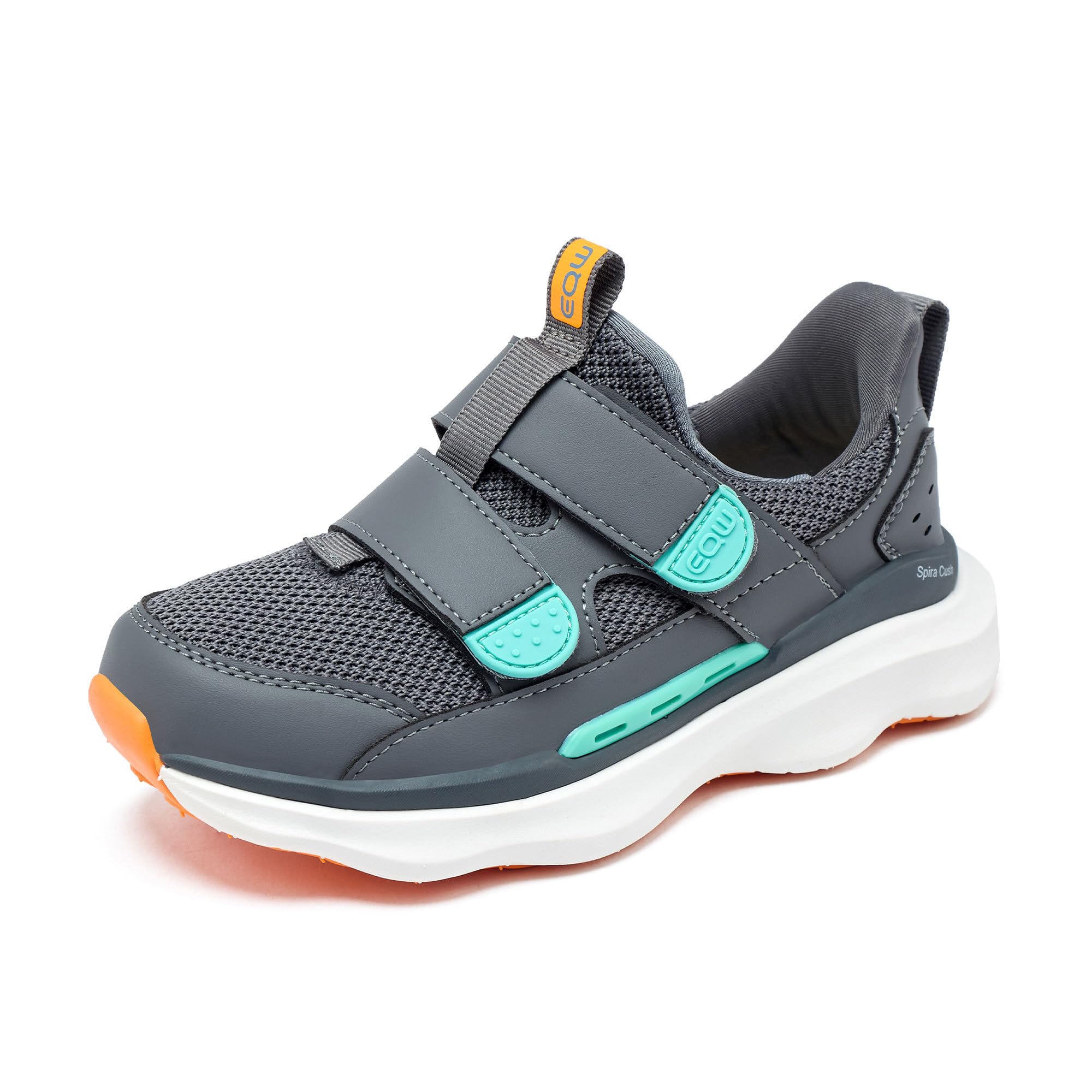
The EQW wide toe box sneaker is a budget-friendly entry point for parents wanting to give their child more foot freedom. The dual-layer cushioning provides decent shock absorption, and the wide toe box prevents toe crowding — a common issue in standard kid’s sneakers that can exacerbate gait issues. The double Velcro straps make self-dressing easy for younger children.
The built-in arch support is moderate — it won’t rival a dedicated orthotic shoe, but it offers a noticeable improvement over flat-soled sneakers. For kids with mild pronation who don’t require aggressive motion control, this shoe offers a comfortable and durable everyday option. The non-slip outsole holds up well on playground surfaces.
The toe box shape is boxy, which some kids find visually unappealing. However, the functional benefit of natural toe splay outweighs the aesthetic consideration for parents prioritizing foot health. The removable insole also allows upgrading to a more supportive insert if needed.
Why it’s great
- Wide toe box prevents toe crowding.
- Dual-layer cushion absorbs impact well.
- Removable insole allows orthotic upgrade.
Good to know
- Arch support is moderate, not corrective-grade.
- Boxy toe box looks chunky.
7. Superfeet All-Purpose Support High Arch Insoles (Green)
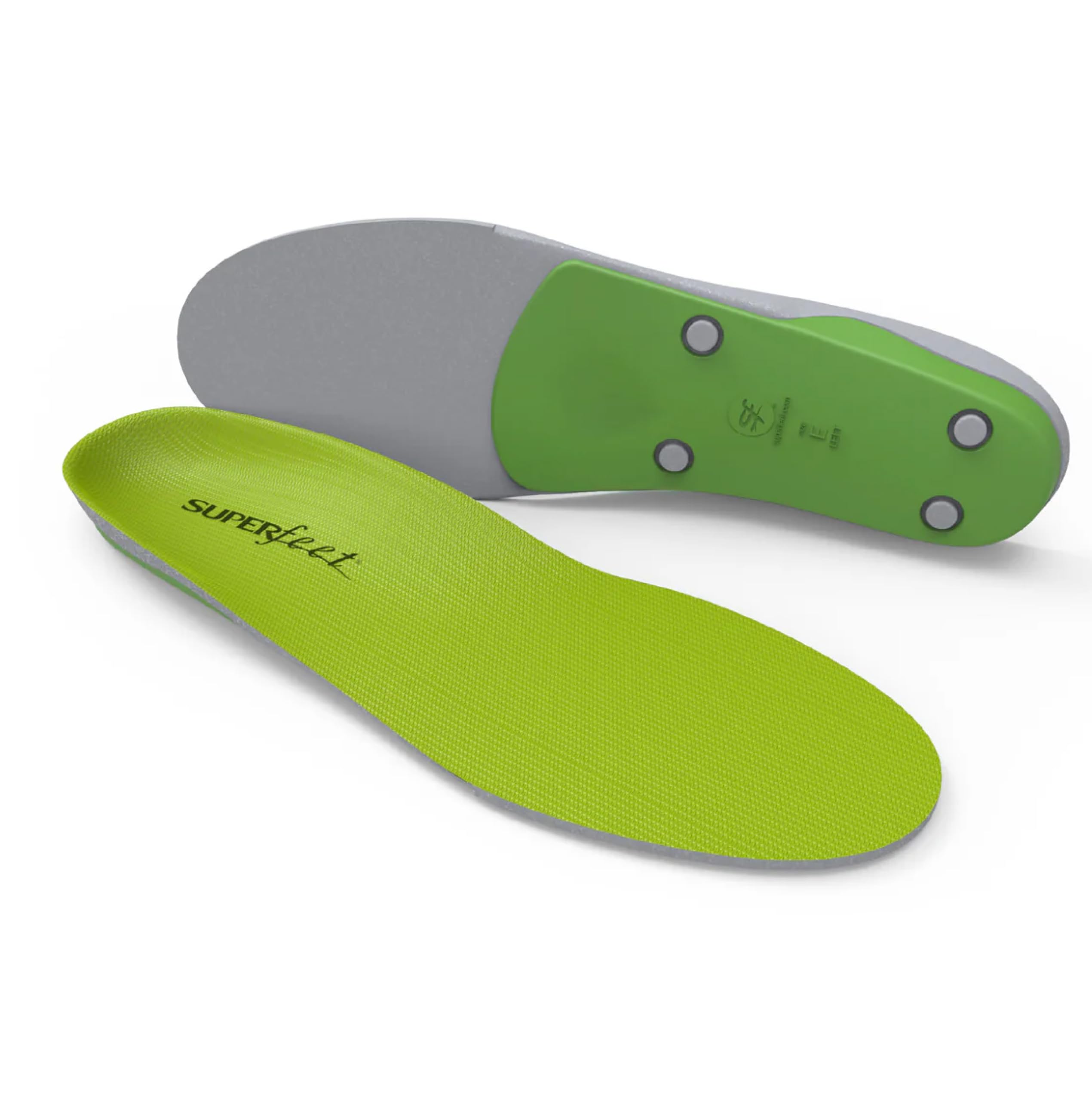
The Superfeet Green insole is the veteran of the arch support world, and it holds up even for children with flat feet — despite the product name suggesting high arches. The deep, sculpted heel cup locks the heel in place, maximizing the foot’s natural shock absorption and limiting pronation. The dense, high-density closed-cell foam provides firm support that outlasts softer insoles.
This is not a cushy, pillow-soft insert. It is firm, dense, and requires a break-in period that can feel uncomfortable at first. However, for kids with heel spurs, plantar fasciitis, or flat feet who need structural correction, the Superfeet Green delivers results that parents describe as “walking on a cloud” after the adaptation period. One user reported using them for 15 years across multiple family members.
The trim-to-fit design adds a step to the installation process, but it also allows the insole to fit into a wider variety of shoes — from athletic sneakers to casual school shoes. The moisture-wicking top cover helps control odor, which is a practical bonus for active kids.
Why it’s great
- Deep heel cup provides excellent motion control.
- Dense foam outlasts softer alternatives.
- Moisture-wicking top reduces foot odor.
Good to know
- Requires trimming to size.
- Firm feel requires a patient break-in period.
FAQ
How long does it take for a child to adapt to arch support shoes?
Can arch support shoes help with Sever’s disease in children?
Should I buy shoe inserts or a dedicated arch support shoe for my child?
How do I know if my child’s shoe fits correctly for flat feet?
Final Thoughts: The Verdict
For most families, the arch support shoes for kids with flat feet winner is the ASICS Kid’s GT-1000 13 Pre School because it delivers genuine motion-control technology at a reasonable price, with a rigid heel counter and medial post that actively correct overpronation during active play. If your child struggles specifically with Sever’s disease pain, grab the Kids Orthopedic Tennis Shoes (B0DP61Y7W4) for their proven heel impact reduction. And for a podiatrist-approved alternative to expensive custom orthotics, nothing beats the PowerStep Pinnacle Junior Insoles that you can drop into almost any supportive shoe.

Mo Maruf
I created WellFizz to bridge the gap between vague wellness advice and actionable solutions. My mission is simple: to decode the research and give you practical tools you can actually use.
Beyond the data, I am a passionate traveler. I believe that stepping away from the screen to explore new environments is essential for mental clarity and physical vitality.