Our readers keep the lights on and my smoothie glass nicely filled. As an Amazon Associate, I earn from qualifying purchases.
If your arches collapse during a long run, the resulting knee pain, shin splints, and plantar fascia strain can sideline you for weeks. The right running shoe does more than cushion your stride — it actively supports the medial arch, controlling excessive pronation from heel strike through toe-off. That single structural feature separates a shoe that protects your joints from one that accelerates injury.
I’m Mohammad Maruf — the founder and writer behind WellFizz. I’ve spent five years analyzing running shoe biomechanics, studying midsole geometry, outsole durability, and the specific foam technologies that determine how much arch support a shoe actually delivers under load.
After reviewing nine models across different pronation control types and cushioning densities, I’ve assembled this guide to the best arch support running shoes for every foot type and running distance this season.
How To Choose The Best Arch Support Running Shoes
Not every shoe labeled “supportive” actually controls overpronation. The difference lies in three structural elements: the midsole’s medial density, the heel counter rigidity, and the platform width under the arch. Ignore any of these, and you risk buying a shoe that feels cushioned but lets your foot roll inward with every step.
Pronation Type Determines Support Architecture
Runners with low arches need a shoe with a firm medial post — often a denser foam column or a plastic truss frame — that resists inward roll. Neutral runners with high arches still benefit from arch support, but they should use a shoe with a curved last and flexible guide rails rather than a rigid post. Overpronators require a straight-last shoe with a wide base and a pronounced medial wedge. Check your wear pattern on old shoes: if the inner edge of the outsole is heavily worn, you need maximum structured support.
Stack Height and Heel-To-Toe Drop
A higher stack height (30 mm or more at the heel) delivers more cushioning but reduces ground feel, which can mask instability if the arch support isn’t perfectly positioned. A lower drop (4-8 mm) shifts load toward the midfoot, engaging the arch naturally. For runners who need external arch support, a moderate drop of 8-10 mm paired with a firm heel counter offers the safest trade-off between shock absorption and pronation control.
Foam Type and Support Lifecycle
EVA-based foams like Brooks’ DNA Loft and ASICS’ FlyteFoam provide consistent support for 300-500 miles before losing resilience. Pebax-based super foams (like PWRRUN PB) return more energy but can feel less stable under the arch if not paired with a structural frame. If you run more than 20 miles per week, prioritize a shoe with a dual-density midsole where the medial side uses a firmer compound that doesn’t compress as quickly as the lateral side.
Quick Comparison
On smaller screens, swipe sideways to see the full table.
| Model | Category | Best For | Key Spec | Amazon |
|---|---|---|---|---|
| Hoka Mens Arahi 7 | Stability | Daily training with J-Frame pronation control | J-Frame midsole, 5 mm drop | Amazon |
| Brooks Women’s Ariel GTS 23 | Maximum Support | Severe overpronation and flat feet | Guide Rails, extended medial post | Amazon |
| Saucony Women’s Triumph 22 | Plush Neutral | Long road runs with high arches | PWRRUN+ foam, 35 mm stack | Amazon |
| Saucony Men’s Hurricane 24 | Stability | Long-distance structured training | PWRRUN frame, 8 mm drop | Amazon |
| Brooks Glycerin Stealthfit 22 | Neutral Max Cushion | High-arch neutral runners | DNA LOFT v3, 10 mm drop | Amazon |
| ASICS Gel-Cumulus 27 | Neutral | Daily neutral training with PureGEL | PureGEL, FF BLAST foam | Amazon |
| Saucony Women’s Hurricane 24 | Stability | Overpronators needing wide toe box | Center-path technology, 8 mm drop | Amazon |
| Hoka Womens Arahi 8 | Light Stability | Heel spurs and plantar fasciitis relief | J-Frame, 5 mm drop, 8.2 oz | Amazon |
| ASICS GT-1000 14 | Entry Stability | Budget-friendly overpronation control | LITETRUSS, 8 mm drop | Amazon |
In‑Depth Reviews
1. Hoka Mens Arahi 7
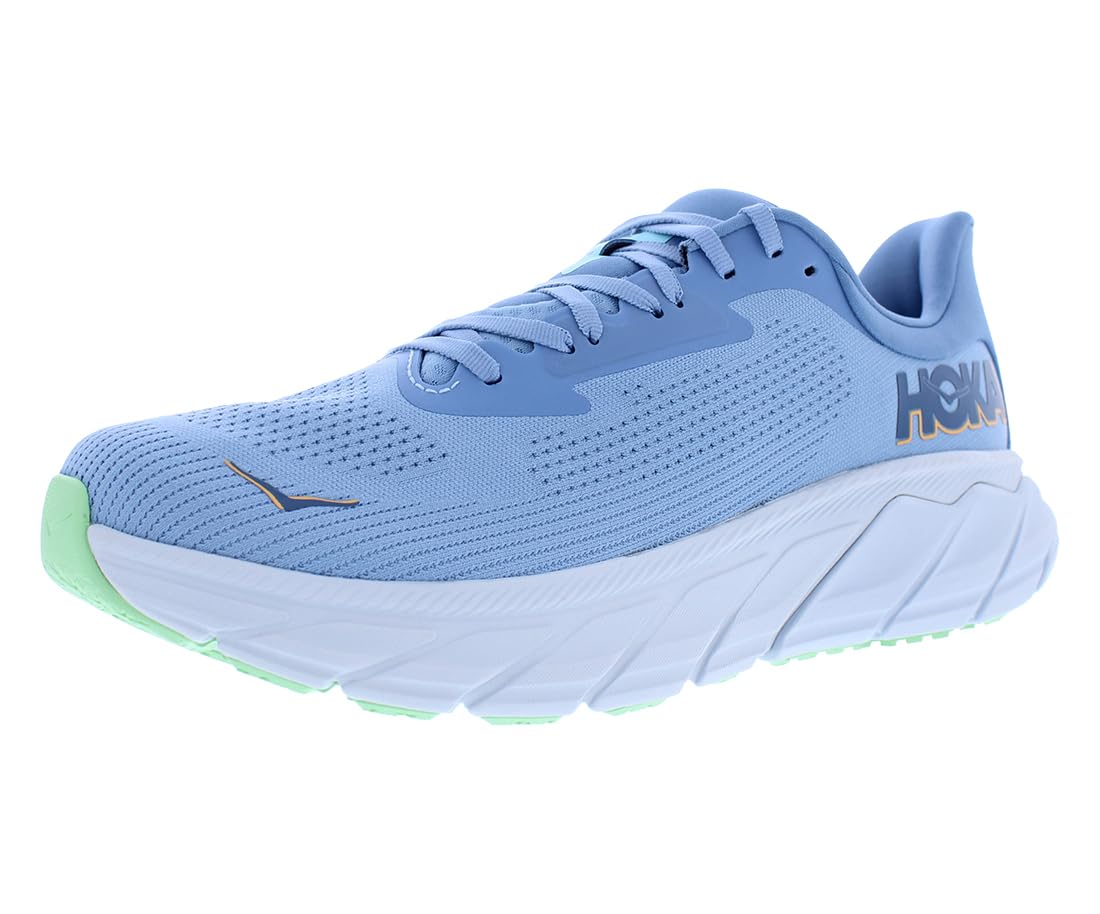
The Hoka Arahi 7 uses a J-Frame midsole — a firmer density foam that wraps around the heel and extends along the medial side — to correct overpronation without the stiff, heavy feeling of a traditional medial post. The 5 mm drop encourages a midfoot strike, while the early-stage Meta-Rocker geometry rolls the foot forward smoothly through transition. Reviewers note that the snug heel counter locks the rearfoot securely, though it feels firm against the Achilles during seated rest.
At 9.8 ounces for a men’s size 9, the Arahi 7 is lighter than most stability trainers in its class, making it viable for daily mileage up to half-marathon distance. The cushioning balances plushness with responsiveness — it absorbs impact without feeling marshmallowy, which helps maintain stride efficiency on longer runs. The outsole rubber coverage is generous, with high-wear zones reinforced for durability beyond 400 miles.
Multiple users with narrow feet report that the Arahi’s fit runs snug across the midfoot, which enhances lateral stability during turns. Runners transitioning from neutral shoes will notice the J-Frame’s guidance is subtle — it redirects inward roll without forcing the foot into an unnatural position. The main trade-off is the firm heel backing, which some find noticeable when driving or sitting with legs elevated.
Why it’s great
- J-Frame provides targeted pronation control without full rigidity.
- Light enough for tempo runs despite stability features.
- Meta-Rocker promotes efficient midfoot gait for many runners.
Good to know
- Heel counter has a hard backing that may irritate during non-running wear.
- Narrow fit — not ideal for wide feet without sizing up.
2. Brooks Women’s Ariel GTS 23 Supportive Running Shoe
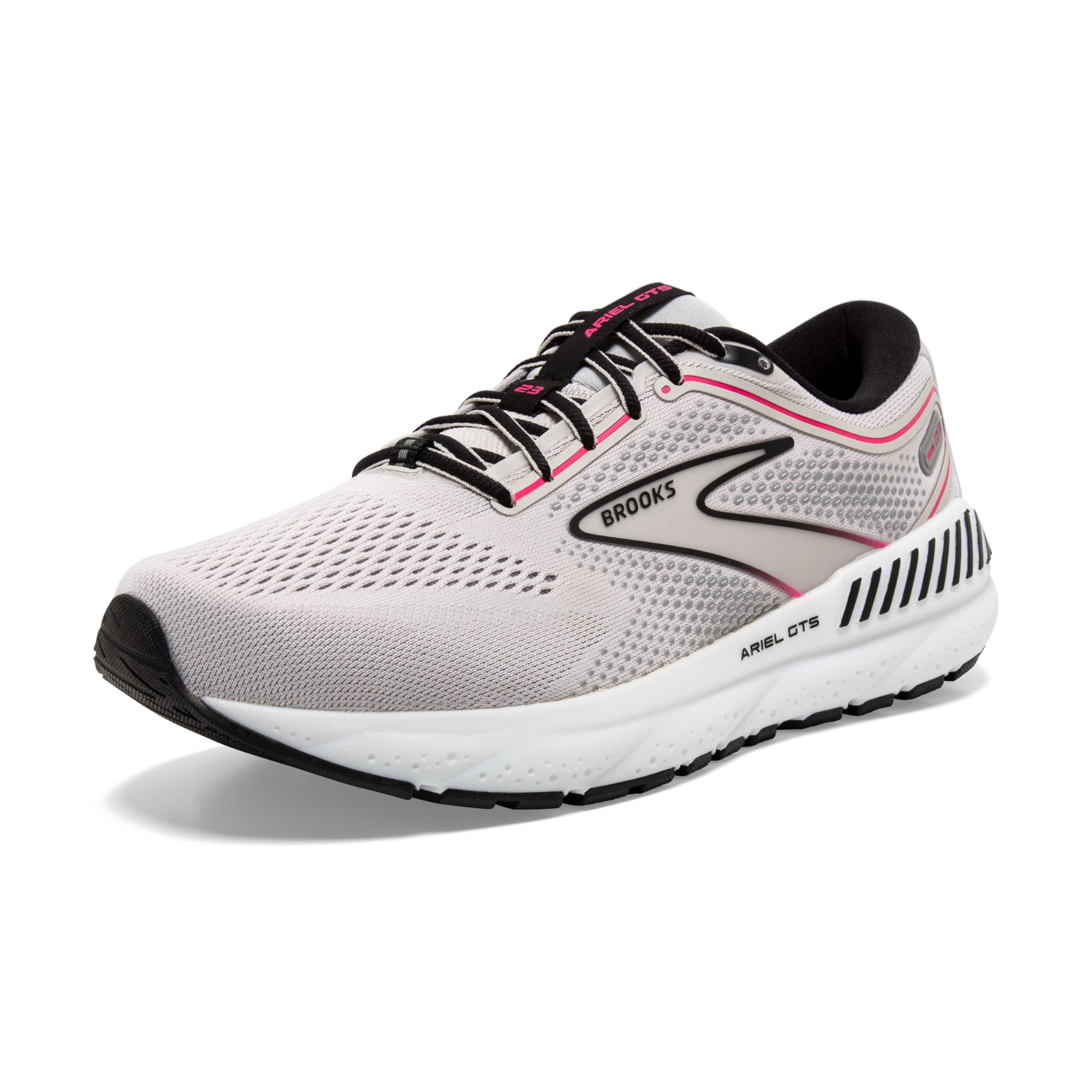
The Brooks Ariel GTS 23 is engineered for runners with severe overpronation and flat feet, offering the highest level of structured support in Brooks’ lineup. Its Guide Rails system — two firm density pillars positioned at the heel — passively correct excess motion without actively forcing the foot into alignment. Combined with a generous medial post, it provides a stable platform for runners who need maximum arch control under heavier loads or during long road miles.
Podiatrist-recommended for post-surgical recovery and plantar fasciitis management, the Ariel GTS 23 features a roomy toe box that accommodates orthotics and a cushioned DNA LOFT midsole that softens heel strike without sacrificing support. The shoe’s weight (approximately 10.8 ounces for a women’s size 8) is noticeable, but that heft translates to durability — multiple reviewers report owning multiple pairs and using them for daily training over several years.
Users with wide flat feet consistently praise the Ariel’s ability to eliminate ankle fatigue and toe pain during road runs. The shoe runs true to size, and the extended lacing system allows for a secure lockdown through the midfoot. The main drawback is the lack of color variety, particularly lighter shades that show less wear over time.
Why it’s great
- Guide Rails provide corrective support without intrusive pressure points.
- Roomy toe box fits custom orthotics and wide feet comfortably.
- Extremely durable construction — lasts through multiple training cycles.
Good to know
- Heavier than most stability shoes — not ideal for speed work.
- Limited color options; darker shades show wear less.
3. Saucony Women’s Triumph 22 Sneaker
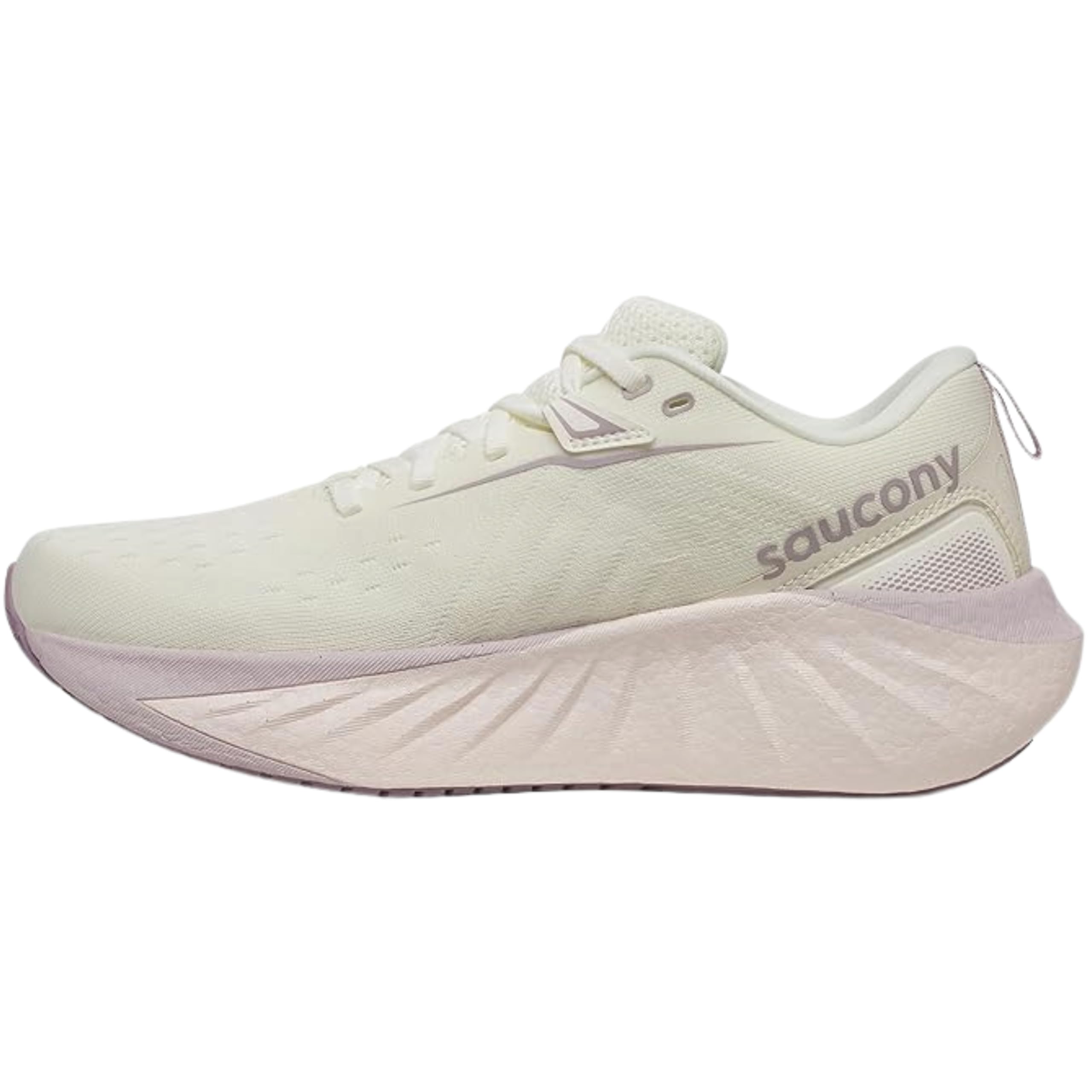
The Saucony Triumph 22 is a max-cushion neutral trainer that excels for runners with high arches who need plush impact protection and a stable midsole platform. Its PWRRUN+ foam is a Pebax-based compound that delivers exceptional energy return — after 300 miles of testing, one reviewer noted the cushioning still felt nearly as fresh as day one. The 35 mm stack height at the heel provides substantial shock absorption for road pounding, while the wide base under the forefoot prevents lateral wobble during footstrike.
Runners with Morton’s Neuroma or ball-of-foot nerve pain report that the generous toe box and cushioned footbed completely eliminate the stinging sensation that narrower shoes cause. The engineered mesh upper is breathable and adaptive, molding to the foot’s contours without creating hot spots. The outsole uses high-abrasion rubber in the heel and forefoot, which contributes to the shoe’s reported durability beyond 400 miles for most users.
At 1.62 pounds per shoe, the Triumph 22 is not the lightest in this category, but the foam’s resilience offsets the weight by returning energy efficiently at slower paces. The 10 mm drop suits runners who prefer a slight heel bias, and the heel counter is padded enough to prevent slippage. Some users note a break-in period of 3-4 wears before the upper fully conforms to the foot shape.
Why it’s great
- PWRRUN+ foam retains cushioning properties well past 300 miles.
- Wide toe box accommodates high-volume feet and neuroma conditions.
- Stable platform reduces fatigue during long runs and recovery days.
Good to know
- Upper needs a few wears to fully break in and soften.
- Not suitable for wet or icy surfaces due to outsole tread pattern.
4. Saucony Men’s Hurricane 24 Sneaker
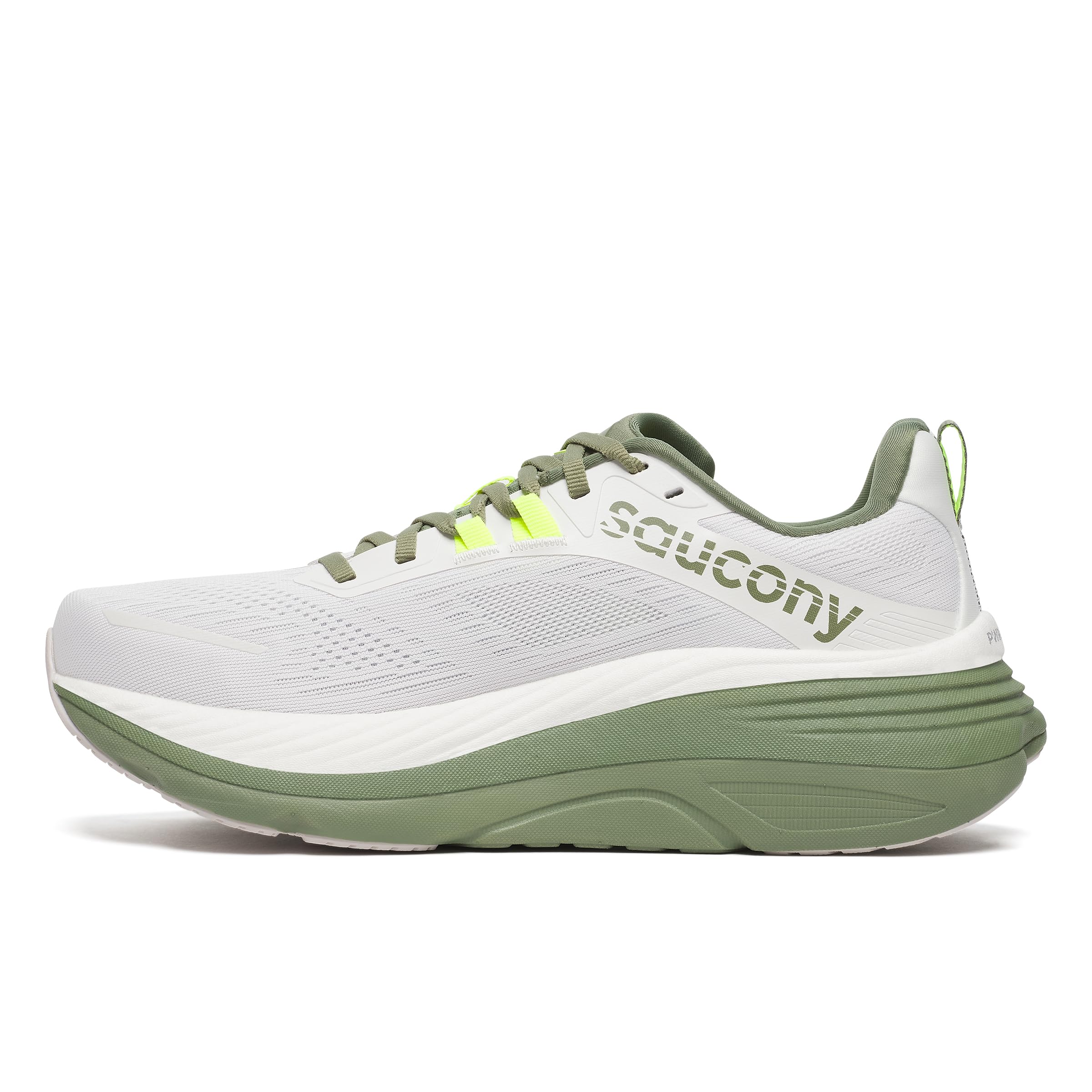
The Saucony Hurricane 24 is a premium stability trainer designed for runners who log 20-mile long runs and need consistent pronation control without harsh medial posting. Its PWRRUN frame — a firmer density foam that wraps the entire midsole perimeter — provides a supportive cradle rather than a discrete post, making the guidance feel more intuitive. The 8 mm drop suits heel-strikers, while the wider platform under the arch offers a stable landing zone for overpronators.
Distance runners praise the Hurricane 24 for preventing shin splints and ankle pain during zone 2 training sessions exceeding two hours. The cushioning is dense enough to maintain support through the gait cycle but soft enough to absorb impact on pavement. Multiple users report the shoe lasts a full year of consistent use before the midsole shows significant compression, and many note it costs less than comparable Hoka or ASICS stability models.
One notable inconsistency exists across manufacturing batches: shoes produced in Vietnam feature a narrower, more comfortable fit, while Chinese-produced pairs feel wider and firmer. Runners with flat feet and patellar tendonitis find the cloud-like cushioning particularly effective for reducing knee stress during walking and standing. The shoe’s weight (around 10.5 ounces) makes it less suitable for 5K PR attempts, but for recovery runs and long miles, it’s a top contender.
Why it’s great
- PWRRUN frame provides smooth, non-intrusive stability throughout the gait cycle.
- Exceptional durability — often lasts over a year of daily training.
- Lower price point than comparable Hoka and ASICS stability options.
Good to know
- Fit varies between manufacturing locations — inconsistent sizing reported.
- Heavier build; not ideal for speed work or racing.
5. Brooks Women’s Glycerin Stealthfit 22 Neutral Running Shoe
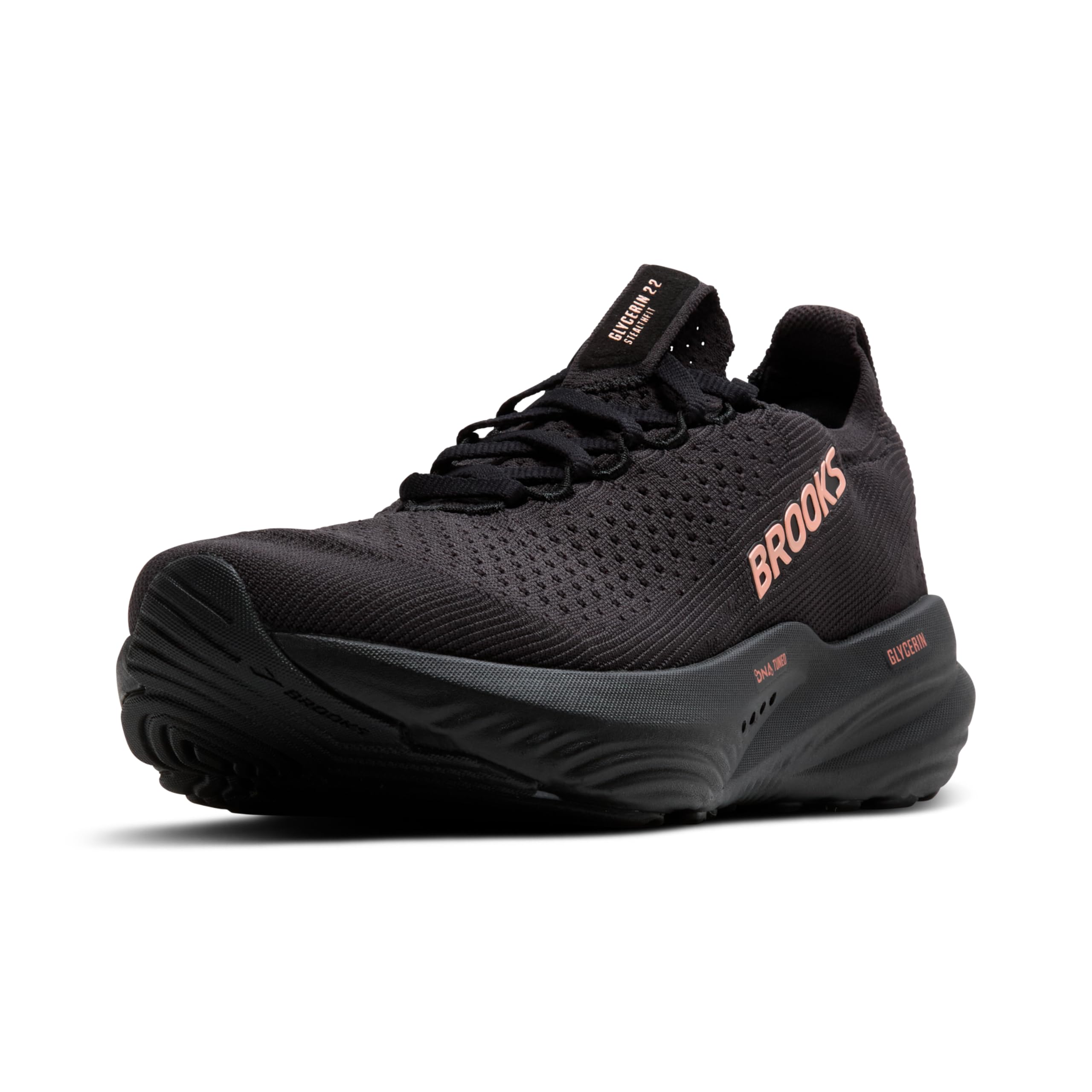
The Brooks Glycerin Stealthfit 22 delivers plush neutral cushioning with a structured heel counter that appeals to runners with high arches who don’t require medial posting. Its DNA LOFT v3 foam — a blend of EVA, rubber, and air — offers a balanced feel: it’s soft at heel strike but firms up under load to prevent bottoming out during toe-off. The Stealthfit upper uses a stretch-woven construction that eliminates the traditional tongue, creating a sock-like fit that reduces pressure points across the instep.
Users with high arches and bunions or neuroma report that the Glycerin 22’s generous toe box and cushioned footbed eliminate the pinching sensation common in narrower trainers. The shoe provides noticeable arch support through its contoured insole rather than through a midsole post, which makes it suitable for walkers and cross-trainers who need stability without the rigidity of a stability shoe. The 10 mm drop encourages a natural heel-to-toe transition without forcing a midfoot strike.
Several reviewers note that the shoe runs small — women ordering their usual size 9 found cramped toe space compared to ASICS sizing, recommending a half-size up. The Stealthfit upper is forgiving enough to function as a slip-on after the initial tie, but the stretch material may not provide enough lockdown for aggressive lateral movements during HIIT workouts.
Why it’s great
- DNA LOFT v3 foam balances plushness with responsive support under load.
- Stealthfit upper eliminates tongue pressure for high-volume feet.
- Contoured insole provides noticeable arch support for neutral runners.
Good to know
- Runs small — consider ordering a half-size up from your usual running shoe size.
- Stretch upper may not provide sufficient lockdown for dynamic lateral drills.
6. ASICS Men’s Gel-Cumulus 27 Running Shoes
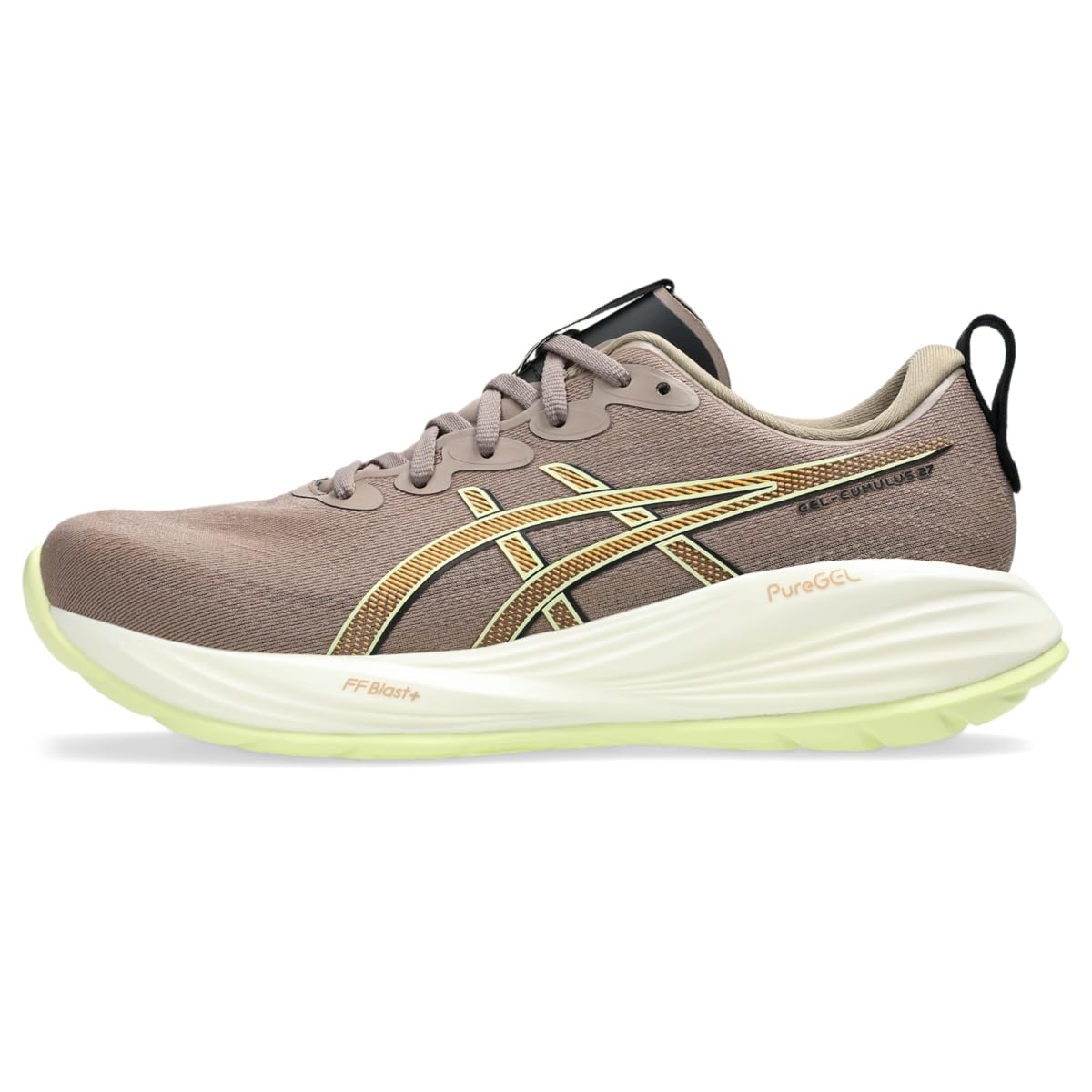
The ASICS Gel-Cumulus 27 is a workhorse neutral trainer that provides reliable cushioning and a stable heel platform for runners who need arch support from the insole rather than a medial post. Its FF BLAST foam offers a responsive, energetic ride, while the PureGEL unit embedded in the heel absorbs shock without adding significant weight. The OrthoLite X-30 sockliner adds a layer of plushness under the arch, making the shoe comfortable for daily training and longer runs.
Reviewers consistently describe the Cumulus 27 as lighter and more cushioned than prior versions, with a snugger heel fit that reduces slippage during hill repeats. The engineered mesh upper is breathable enough for warm-weather training, and the outsole’s AHAR rubber compound provides dependable traction on pavement and treadmill surfaces. Multiple users report the shoe holds up well beyond 400 miles with minimal midsole compression, making it a strong value for neutral runners who log consistent weekly mileage.
One minor complaint involves the lace pressure on the top of the foot — some runners find the tongue padding insufficient, requiring thicker socks to avoid discomfort during long runs. The shoe’s width accommodates average to slightly narrow feet well, but runners with wide feet may find the toe box snug. The popular colorways often sell out quickly, reflecting strong demand at this price point.
Why it’s great
- FF BLAST foam delivers responsive cushioning with good energy return.
- PureGEL unit absorbs heel impact effectively for daily training.
- Durable outsole and midsole construction holds up past 400 miles.
Good to know
- Tongue padding is thin — thicker socks may be needed to prevent lace pressure.
- Color availability can be limited as popular options sell out quickly.
7. Saucony Women’s Hurricane 24 Sneaker
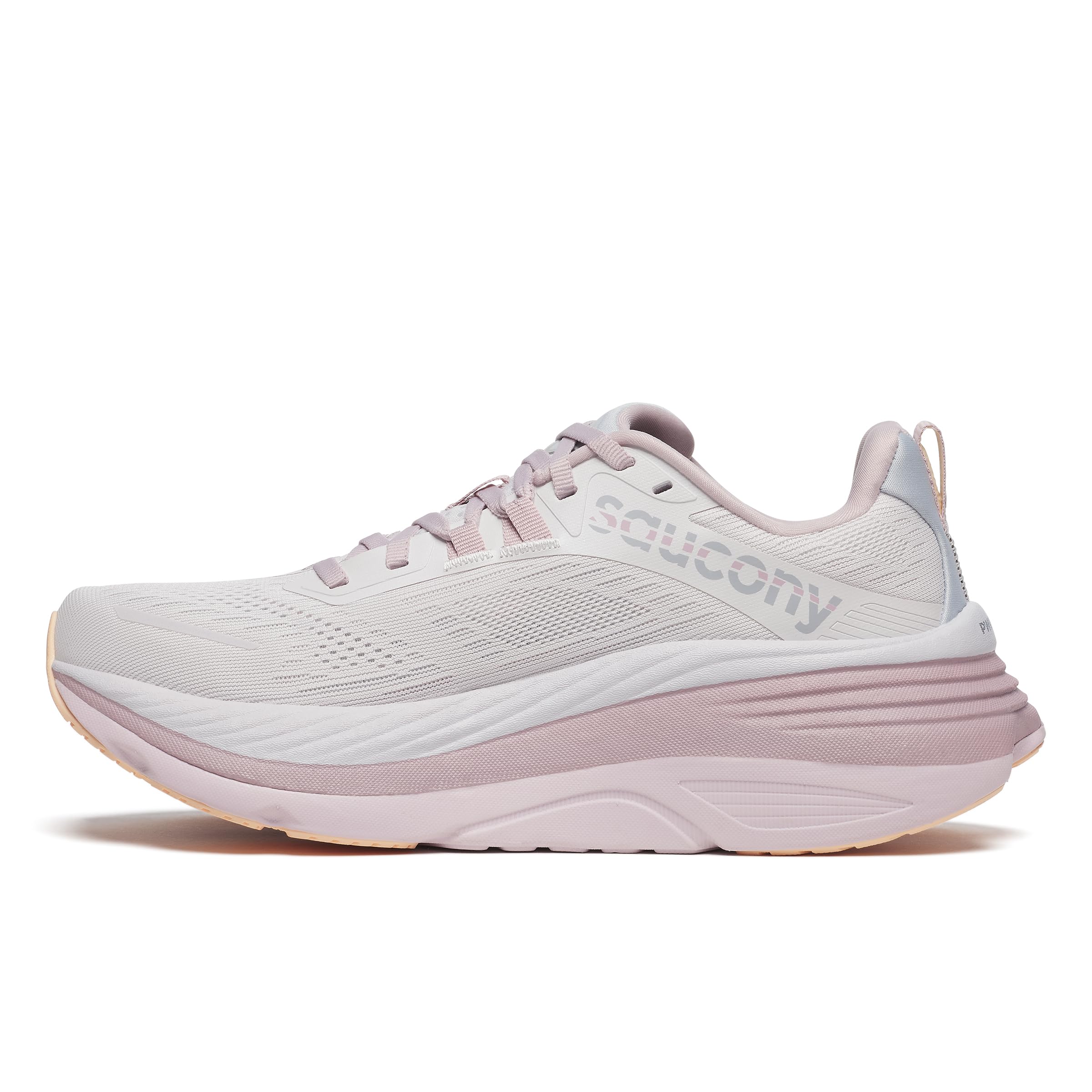
The Saucony Women’s Hurricane 24 is a stability shoe designed for overpronators who need aggressive arch support and a wide, stable platform. Its Center-Path technology uses a firmer density foam running the full length of the midsole’s medial side, creating a guided track that reduces inward roll without interfering with the natural gait cycle. The 8 mm drop and aggressive toe rocker work together to propel the foot forward, which runners with plantar fasciitis report reduces morning pain and mid-run fatigue.
Reviewers with ankle sprain history and flat feet praise the Hurricane 24 for providing “cloud-like” cushioning that still feels stable during longer runs. The wide platform extends through the forefoot, offering a generous toe box that accommodates high-volume feet and orthotics without crowding. The shoe’s heel counter is reinforced, providing secure lockdown for the rearfoot, but some users note that the aggressive rocker feels pronounced during walking and casual wear.
The main concern is durability: several reviewers report that the insole color transfers and that the reflective strip begins detaching after only a few weeks of use, which is disappointing given the premium positioning. Additionally, the shoe is heavy — approximately 9.8 ounces for a women’s size 7.5 — which caused leg fatigue for some runners who switched to lighter models for speed work.
Why it’s great
- Center-Path technology provides firm, consistent pronation control for overpronators.
- Aggressive toe rocker reduces fatigue for runners with plantar fasciitis.
- Wide platform and generous toe box accommodate orthotics and high-volume feet.
Good to know
- Heavy construction — not suitable for speed work or tempo runs.
- Some concerns about long-term durability of upper materials and reflective elements.
8. Hoka Womens Arahi 8
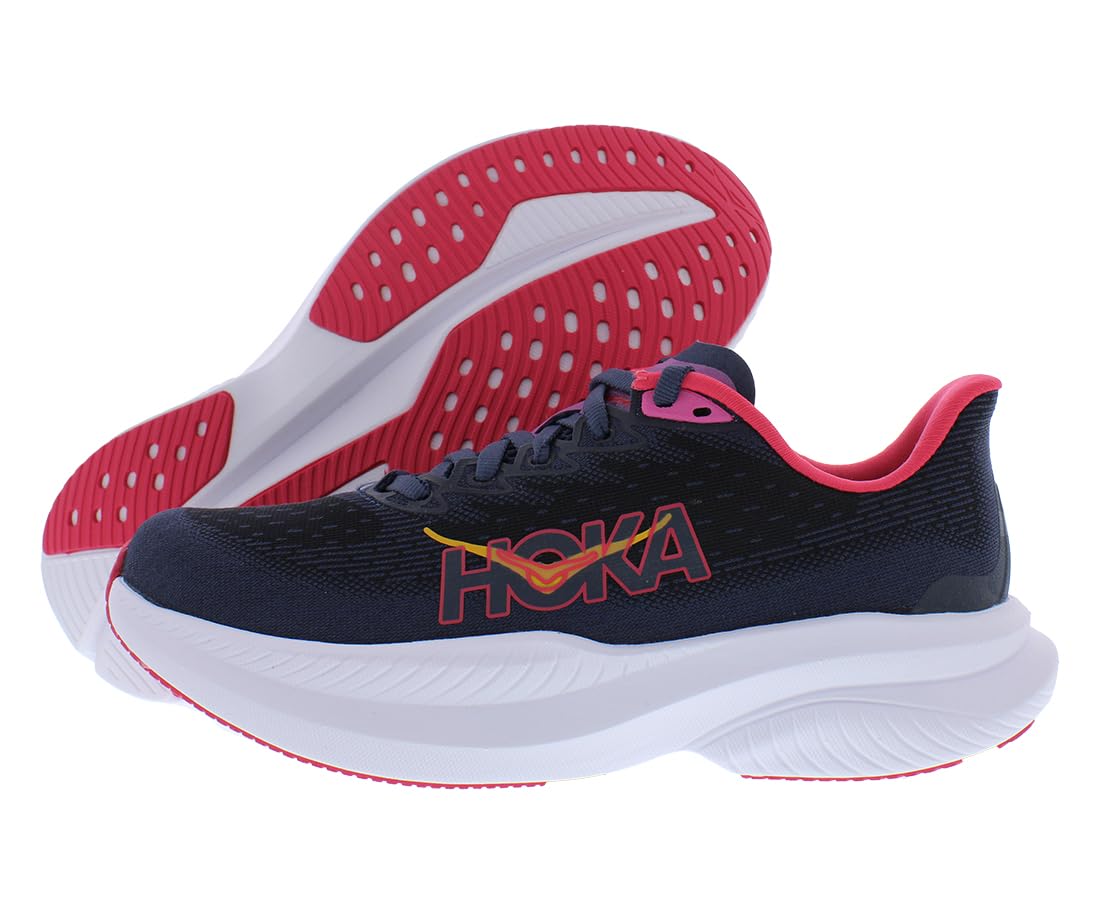
The Hoka Womens Arahi 8 is a lightweight stability shoe that uses Hoka’s signature J-Frame technology to provide pronation control without the bulk of traditional support shoes. At 8.2 ounces for a women’s size 7, it’s one of the lightest models in this roundup, making it attractive for runners who need stability but don’t want to sacrifice speed. The 5 mm drop and early Meta-Rocker encourage a natural midfoot strike, which many runners with heel spurs and plantar fasciitis find reduces pressure on the heel during the gait cycle.
Multiple reviewers transitioning from other stability brands report that the Arahi 8 feels bouncy and light on the feet, with the J-Frame providing noticeable guidance without forcing the foot into an unnatural position. The shoe’s fit is optimized for narrow to medium feet — runners with wide feet consistently report that the Arahi runs too snug through the midfoot and toe box. The outsole uses strategically placed rubber to save weight while maintaining traction, though some users note that high-wear zones show faster degradation than heavier stability models.
The cushioning is softer than the previous Arahi 7 iteration, offering a more forgiving ride that appeals to walkers and casual runners in addition to dedicated runners. The colorways have improved compared to earlier models, with more neutral and vibrant options available. The main drawbacks are the narrow fit and the relatively high price point, which positions the Arahi 8 as a premium option for runners who prioritize weight savings in their stability shoe.
Why it’s great
- Lightweight 8.2 oz build — ideal for runners who need stability without bulk.
- J-Frame provides subtle, non-restrictive pronation control.
- Meta-Rocker and 5 mm drop reduce heel pressure for plantar fasciitis relief.
Good to know
- Narrow fit — not suitable for medium to wide feet without sizing up.
- Outsole rubber wears faster than heavier stability shoes in high-impact zones.
9. ASICS Women’s GT-1000 14 Running Shoes
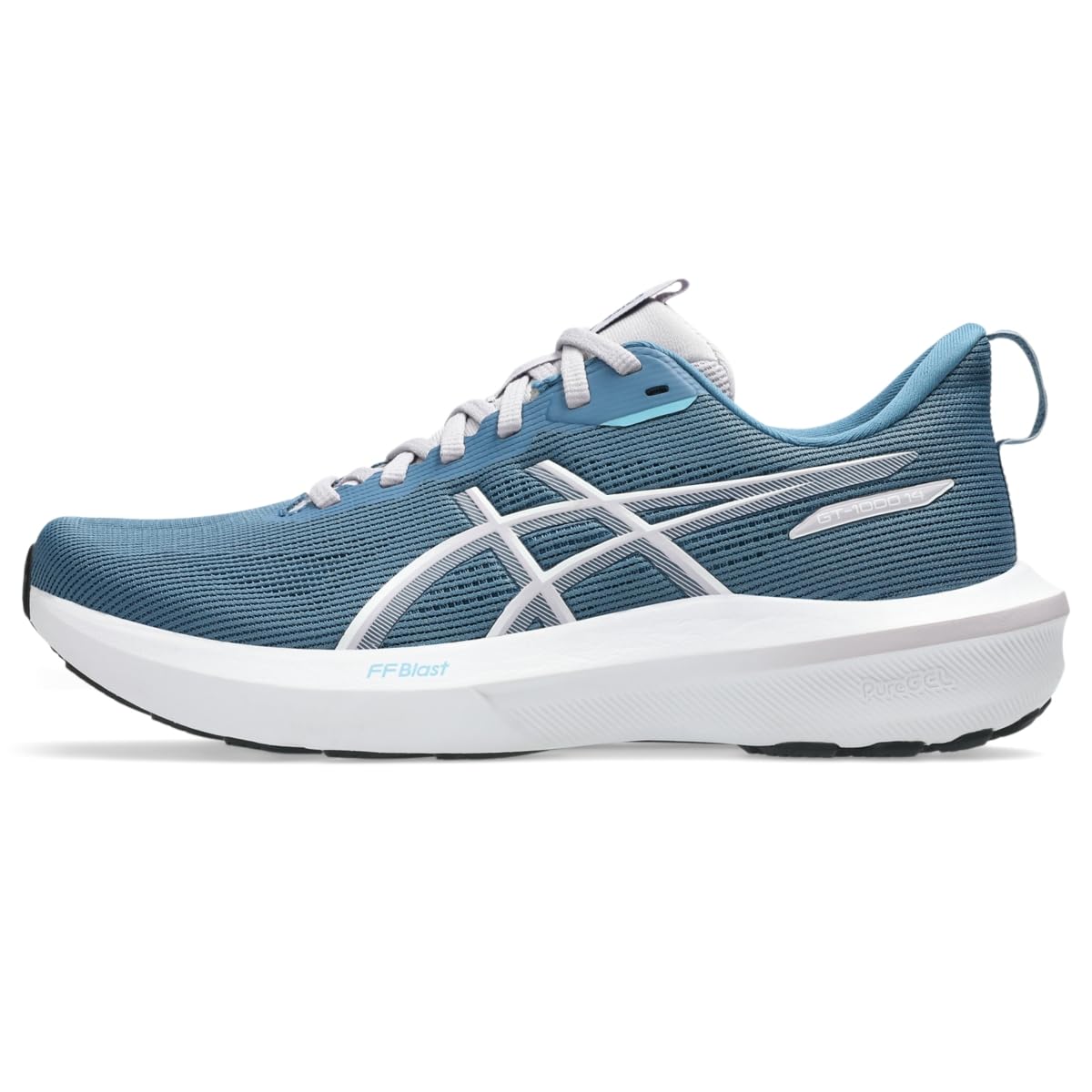
The ASICS GT-1000 14 is an entry-level stability shoe that delivers reliable pronation control using LITETRUSS — a lightweight plastic truss positioned on the medial side to reduce excessive inward roll. The 8 mm drop and FF BLAST foam midsole provide a balanced ride that’s soft enough for daily walking but supportive enough for easy-paced runs. The OrthoLite sockliner adds a layer of plush comfort under the arch, making the shoe suitable for runners new to stability footwear.
Users who spend long hours on concrete surfaces — including nurses, warehouse workers, and retail staff — report that the GT-1000 14 offers cloud-like comfort during 10-hour shifts. The wide toe area accommodates splay, and the shoe’s true-to-size fit means most runners can order their usual size without adjustment. Reviewers note that the cushioning makes a significant difference in reducing knee and hip stress, particularly for runners with mild to moderate overpronation who aren’t ready for a max-support shoe.
While the GT-1000 14 provides good stability for its category, runners with severe overpronation or flat feet may find the LITETRUSS system too subtle — it offers guidance rather than the rigid correction of shoes like the Brooks Ariel GTS 23. The outsole durability is adequate for 300-400 miles of mixed use, though the rubber shows wear faster under the heel for rearfoot strikers. The color options are limited compared to higher-tier ASICS models.
Why it’s great
- LITETRUSS provides lightweight pronation control suitable for mild to moderate overpronation.
- Cloud-like cushioning keeps feet comfortable during long hours on concrete.
- True-to-size fit with a wide toe area for natural foot splay.
Good to know
- LITETRUSS may not provide enough correction for severe overpronators.
- Outsole rubber shows faster wear in the heel for rearfoot strikers.
FAQ
What is the difference between a stability shoe and a motion control shoe?
Can I use arch support running shoes for daily walking?
How often should I replace arch support running shoes?
Final Thoughts: The Verdict
For most runners, the best arch support running shoes winner is the Hoka Mens Arahi 7 because its J-Frame provides effective, non-intrusive pronation control in a lightweight package suitable for daily training. If you need maximum structured support for severe overpronation and flat feet, grab the Brooks Women’s Ariel GTS 23. And for plush neutral cushioning that protects high arches during long road miles, nothing beats the Saucony Women’s Triumph 22.

Mo Maruf
I created WellFizz to bridge the gap between vague wellness advice and actionable solutions. My mission is simple: to decode the research and give you practical tools you can actually use.
Beyond the data, I am a passionate traveler. I believe that stepping away from the screen to explore new environments is essential for mental clarity and physical vitality.