Our readers keep the lights on and my smoothie glass nicely filled. As an Amazon Associate, I earn from qualifying purchases.
If you’re shopping for stability trainers, you already know that flat insoles and marshmallow-soft foam won’t cut it when your foot demands real structural support through the midfoot. The wrong pair can turn a five-mile recovery run into a session of nagging plantar fascia strain or aggravate knee alignment issues that linger for days. That’s why focusing on a shoe’s medial post, heel-counter rigidity, and midsole density matters more than flashy colorways or marketing hype.
I’m Mohammad Maruf — the founder and writer behind WellFizz. I analyze running-shoe drop data, foam-compression ratings, and arch-support geometry to find the models that actually reduce overpronation without turning your stride into a clunky platform walk.
Whether you have high arches, flat feet, or deal with plantar fasciitis, this guide breaks down the nine most capable models so you can confidently buy the best arch support running shoes for women without guessing.
How To Choose The Best Arch Support Running Shoes For Women
Buying the right stability shoe starts with understanding your arch profile and gait pattern. A shoe that works perfectly for a moderate overpronator may feel too stiff for someone with neutral feet, and not nearly supportive enough for someone who needs a maximum-stability frame. Below are the three criteria that matter.
Understand Your Arch Type and Pronation Level
Low arches or flat feet typically lead to overpronation, meaning the foot rolls inward excessively on each stride. Medium to high arches often underpronate (supinate) or land neutrally. Knowing your wet-footprint test result or a quick treadmill gait analysis helps you pick the right stability tier: mild support for slight overpronation, structured guidance for moderate cases, and motion-control frames for severe overpronation.
Midsole Density and Medial Post Design
Dual-density foam with a firm medial post is the traditional way to prevent the arch from collapsing inward. Some modern shoes use a wider platform and a raised sidewall instead of a hard post, delivering comfort without the bulky feel. Look for a shoe that adds a denser foam column or a plastic guidance shank along the arch side — that’s what holds your foot in place step after step.
Heel Drop Offset and Toe Box Shape
Drop describes the height difference between heel and forefoot. A lower drop (4-6 mm) reduces heel-strike impact but demands more Achilles flexibility — popular among midfoot strikers. A standard drop (8-10 mm) is more forgiving for heel-strikers and pairs well with structured arch support. Also check the toe box: a narrow toe box can jam the arch forward and cause discomfort even in a supportive shoe.
Quick Comparison
On smaller screens, swipe sideways to see the full table.
| Model | Category | Best For | Key Spec | Amazon |
|---|---|---|---|---|
| Brooks Glycerin GTS 23 | Structured Support | Severe Overpronation & Daily Training | GuideRails support system | Amazon |
| Hoka Bondi 9 | Max Cushion Stability | High-Impact Running & Long Standing | Stack height: 39mm heel / 34mm forefoot | Amazon |
| Hoka Clifton 10 | Lightweight Neutral Support | Daily Miles & Recovery | Balanced CMEVA foam density | Amazon |
| New Balance 880v15 | Neutral Cushioning | Road Running & Wide Feet | Fresh Foam X midsole | Amazon |
| On Cloudrunner 2 | Everyday Cushioning | Mid to High Arches & All-Day Wear | CloudTec cushioning + Speedboard | Amazon |
| Saucony Hurricane 24 | Maximum Stability | Overpronation & Plantar Fasciitis | Centered cushioning + wide base | Amazon |
| ASICS GT-1000 14 | Mild Stability | Moderate Overpronation & Walking | LITETRUSS medial-support system | Amazon |
| Brooks Anthem 8 | Neutral Support | Price-Conscious Neutral Runners | BioMoGo DNA midsole | Amazon |
| Saucony Ride 18 | Neutral Balanced | Lightweight Daily Training | PWRRUN+ midsole | Amazon |
In‑Depth Reviews
1. Brooks Women’s Glycerin GTS 23 Supportive Running Shoe
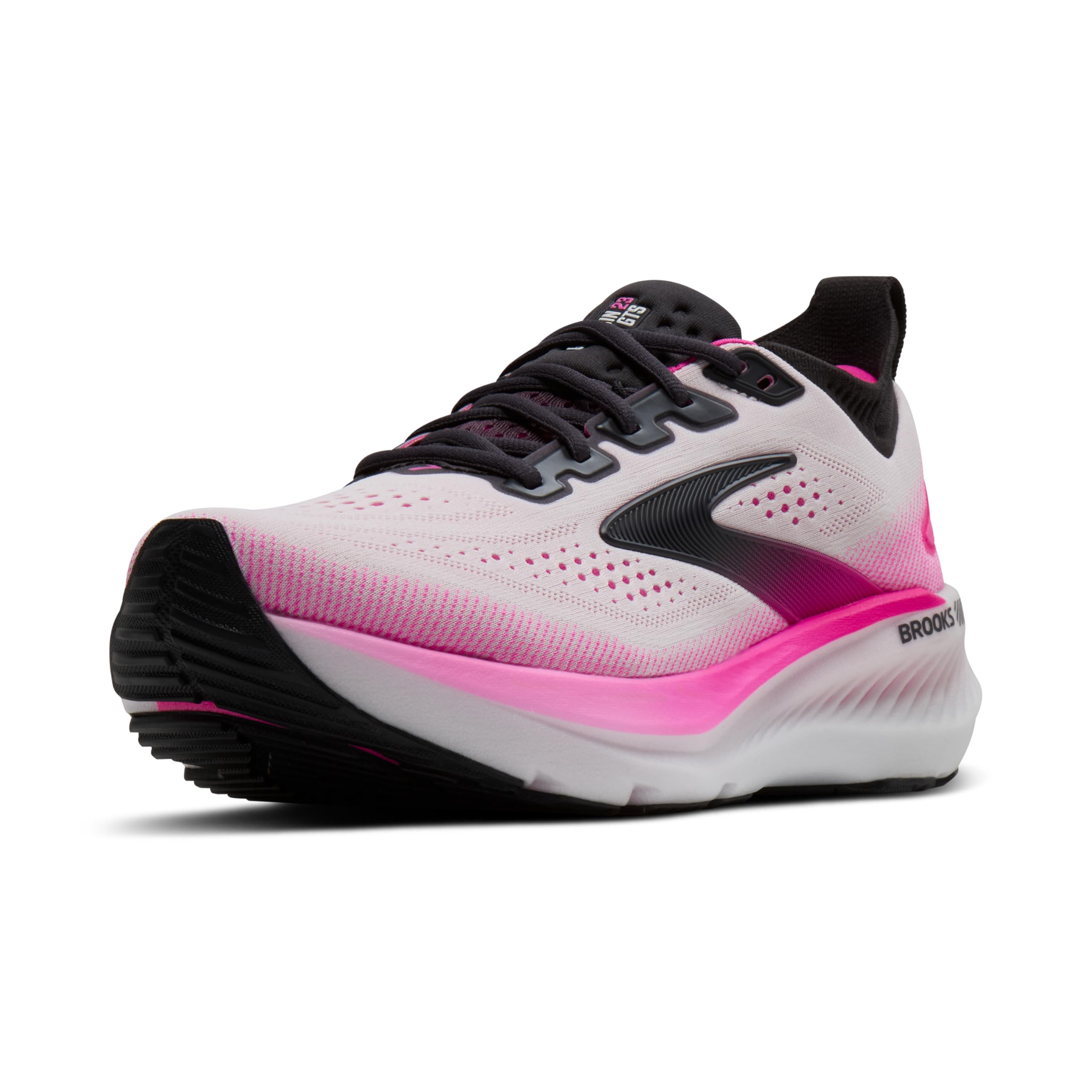
The Glycerin GTS 23 uses Brooks’ GuideRails holistic support system — instead of jamming a dense medial post into the foam, it wraps the heel and midfoot with integrated support rails that keep the foot tracking straight. This approach gives the shoe a plush, bouncy ride while still actively managing overpronation, a rare balance that puts it ahead of many traditional stability tanks.
Real buyers with plantar fasciitis and severe overpronation report zero discomfort after four-mile walks and daily wear sessions. The GTS designation means it’s the “Go-To-Support” version of the regular Glycerin, so you get the nitrogen-infused DNA LOFT v3 cushioning along with the guidance rails. The wide width option is available in fewer colors, but the standard width accommodates most foot shapes well.
On the downside, the shoe runs true to size but is not ideal for extended standing (over 9,000 steps caused some toe rubbing for one user). It also fits snug through the midfoot, so those with a high-volume foot may want to try the wide variant. The price positions it in the premium range, but the build durability and arch support justify the investment for serious runners.
Why it’s great
- GuideRails system delivers arch stability without stiffness
- Plush nitrogen-infused foam doesn’t compromise support
- Multiple buyers confirm plantar fasciitis relief
Good to know
- Midfoot runs snug — wide option recommended for volume feet
- Lighter colors show dirt quickly
- Premium price bracket
2. Hoka Womens Bondi 9

The Bondi 9 carries the Hoka DNA of maximum stack height — 39 mm in the heel and 34 mm in the forefoot — paired with a wider platform than the Clifton line. That broad base creates inherent stability for those who overpronate, even though the shoe isn’t marketed as a motion-control model. The Meta-Rocker geometry encourages a smooth heel-toe transition despite the height.
Users with pregnancy-related foot pain, plantar fasciitis, and general arch discomfort specifically call out the Bondi 9 for delivering “excellent arch support” during long standing shifts and walks. The shoe is remarkably lightweight for its size, and the thick sole resists staining, a practical perk for healthcare or kitchen workers. The Bondi 9 also fits slightly wider at the toe than the Clifton 10, a relief for those with bunions.
Some runners find the Bondi 9 too heavy for speed workouts or tempo runs due to its substantial cushioning stack. The shoe also lacks aggressive non-slip lugs, so wet pavement requires caution. But for anyone seeking pillowy arch support without sacrificing stability, this is the premium pick that consistently delivers.
Why it’s great
- Wide platform creates natural arch stability
- Tested for relief of plantar fasciitis and pregnancy foot pain
- Lightweight for a max-cushion shoe
Good to know
- Not suitable for speed or tempo workouts
- Sole lacks aggressive wet-traction lugs
- Premium price point
3. Hoka Womens Clifton 10
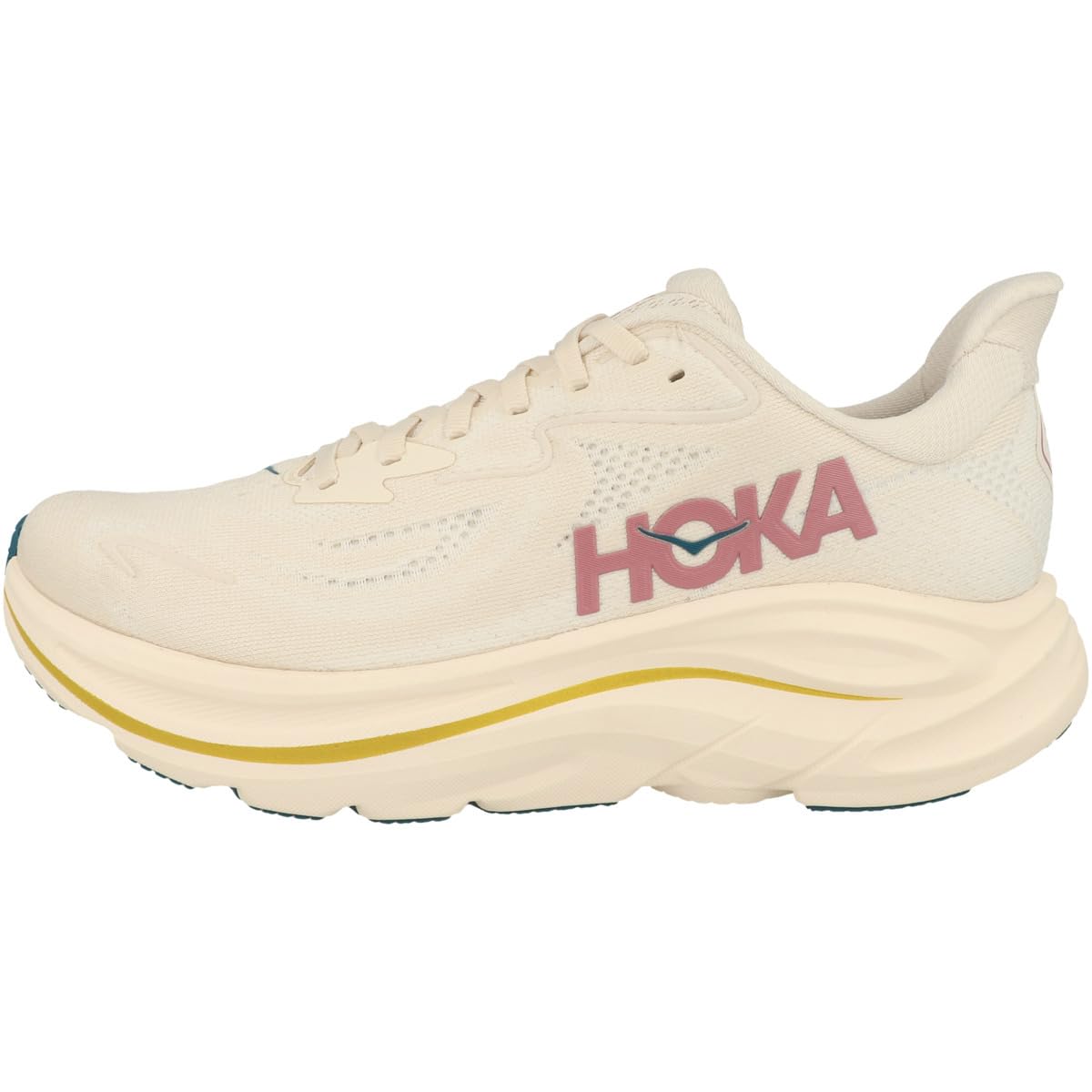
The Clifton 10 uses a compression-molded EVA (CMEVA) midsole that balances softness with responsiveness, offering a slightly firmer platform than the Bondi while still delivering the cushioned feel Hoka is famous for. The shoe is lighter and more versatile than its big sibling, making it a better daily trainer for neutral runners or those with mild pronation needs.
Customer feedback highlights the “astonishing” comfort that eases walking strain on the back, hips, and legs. The Clifton 10 fits true to size and offers a snug heel hold with enough toe-box wiggle room for longer miles. Users also appreciate the easy slip-on without needing to unlace fully, a convenience for quick transitions.
The Clifton 10 is not built for severe overpronation — it lacks the dedicated medial post or GuideRails system you get from Brooks GTS or Saucony Hurricane. Some users report the shoe gets dirty quickly, especially at playgrounds or on gravel paths. It’s a top-tier neutral daily trainer with excellent arch contour, but if you need structured support, look elsewhere.
Why it’s great
- Lightweight with responsive cushioning for daily miles
- Breathable mesh upper with good toe-box shape
- Great for reducing impact on hips and knees
Good to know
- Not supportive enough for severe overpronation
- Upper discolors easily in dusty conditions
- Slightly narrower toebox than Bondi 9
4. New Balance Womens W880v15
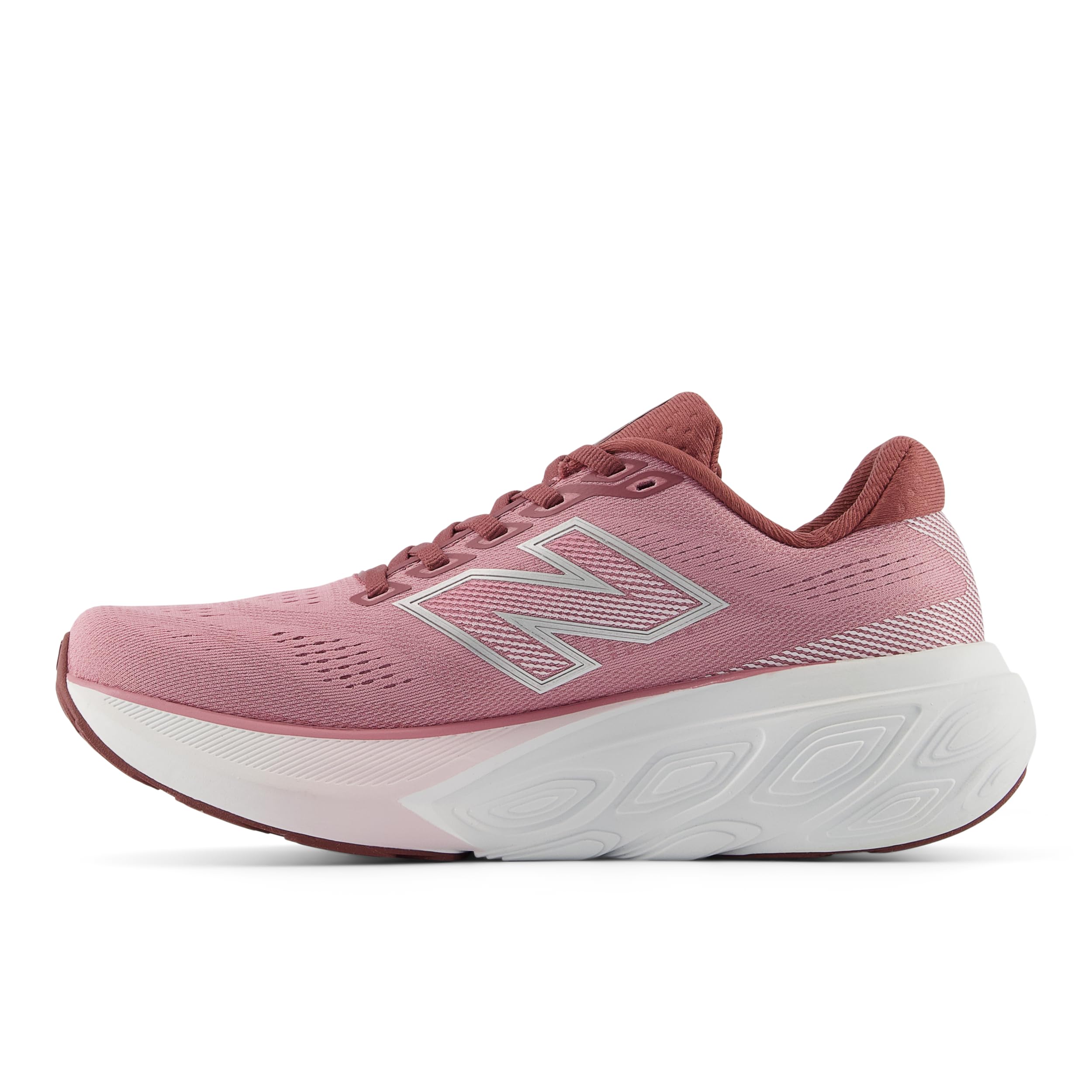
The Fresh Foam X midsole in the 880v15 offers plush cushioning that doesn’t feel bulky, a balance that repeat buyers appreciate. The shoe has a slight rocker lift that aids the running stride, and the toe box width is generous without looking clunky — users who compared the 880v15 against Hoka and ASICS models in-store ranked it highest for comfort, sole thickness, and stability.
A registered nurse who stands 12-hour shifts called this the best walking shoe ever, praising the support and stability that helped with foot swelling. Runners training for their first half marathon also vouch for the 880v15’s road feel and lightweight construction. The shoe comes in a range of colors that match well with running gear, adding to its appeal as a daily trainer.
One significant catch: the 880v15 is a neutral shoe, not a stability model. Buyers with severe overpronation will need an insole upgrade or a different shoe. Also, a small number of users reported that the heel collar rubbed against the ankle bone on long runs, requiring returns. For those with neutral feet who want arch comfort, this shoe is a strong mid-range option.
Why it’s great
- Fresh Foam X cushioning is plush but not bulky
- Ideal toe-box width for wide feet
- Tested for half-marathon training success
Good to know
- Neutral shoe — not for severe overpronation
- Heel collar may rub on some ankle shapes
- Not suitable for weight training due to soft foam
5. On Women’s Cloudrunner 2 Sneakers
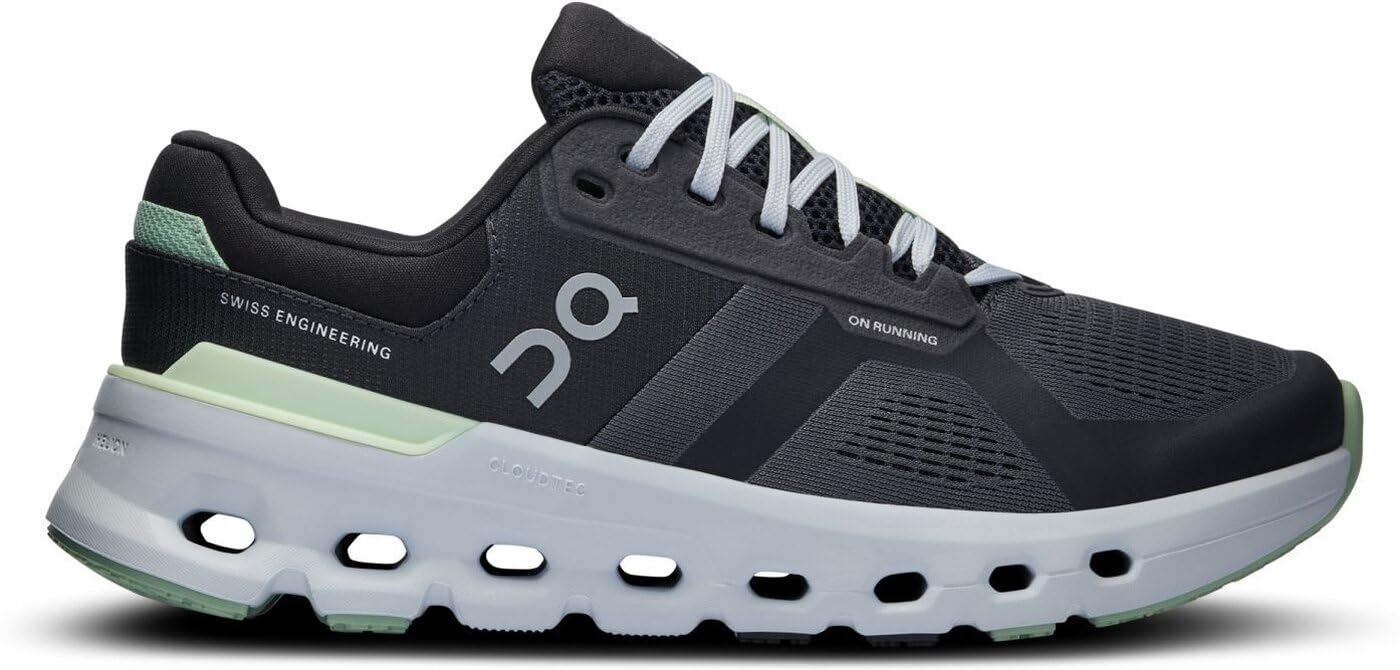
The Cloudrunner 2 sits in On’s “comfort” line and is designed with a wider midsole and a plastic Speedboard embedded between the CloudTec pods to create a stable, supportive platform. Users with mid-to-high arches specifically note that the arch shape fits their foot well, providing relief without the bulky feel of traditional stability shoes. The upper is breathable and versatile enough for work, gym, and casual wear.
One buyer who works on concrete all day shared that their foot pain disappeared entirely — a strong endorsement for the arch support and cushioning. The shoe runs true to size, though anyone between sizes should size up. Reviewers consistently mention the “no more pain” experience, pointing to the Cloudrunner 2’s ability to support the arch during long standing periods.
This shoe is not designed for high-intensity running or speed work. Some users found it less breathable in hot weather, and the white mesh upper stains easily. It’s a solid everyday sneaker with above-average arch support, but serious runners may want a model with more bounce and a locked-in heel fit.
Why it’s great
- Excellent arch support for mid-to-high arches
- Versatile for work, gym, and casual walks
- Lightweight with a stable platform
Good to know
- Not meant for tempo runs or racing
- Upper stains easily and lacks hot-weather breathability
- Best between sizes?
6. Saucony Women’s Hurricane 24 Sneaker
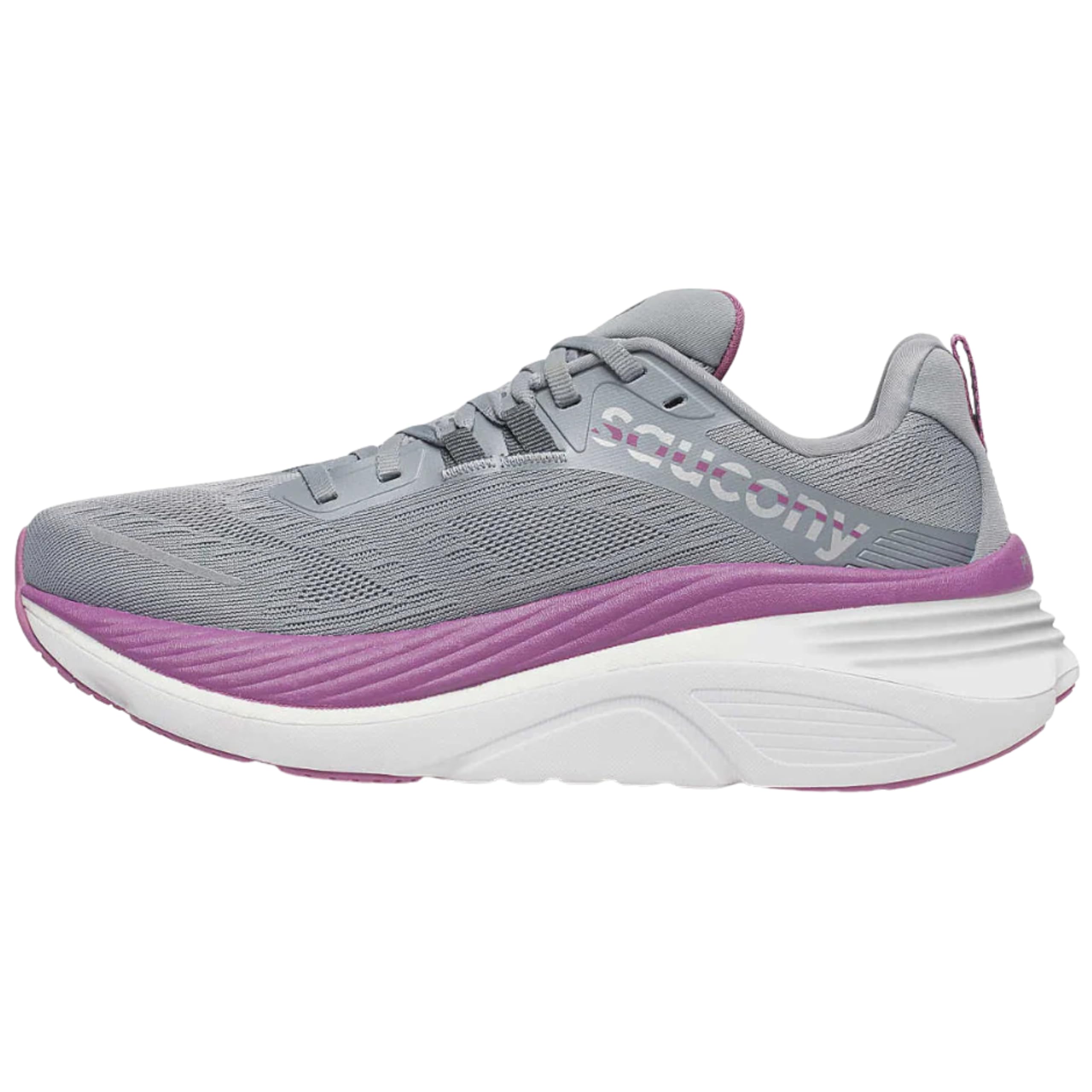
The Hurricane 24 is Saucony’s top-tier stability shoe, featuring a “centered cushioning” design that uses a wide platform and a firm medial column to guide the foot into a neutral position. It includes an aggressive toe rocker that propels you forward, reducing stress on the arch during the toe-off phase. Users with severe overpronation and plantar fasciitis report it delivers the most structured arch support in this lineup.
Multiple reviews highlight that the shoe resolved hammer toe pain and Achilles tendon discomfort, even for everyday walking and gym use. The cushioning is described as “very cushioned and squishy but stable” thanks to the wide platform and narrow heel lock. The build feels durable, and the shoe is competitively priced relative to other maximum-stability models.
At roughly 9.8 ounces, the Hurricane 24 is heavier than many neutral trainers, and several runners noted leg fatigue during speed workouts. The mesh upper also stains easily, and the reflective strip on some units started peeling after a few weeks. For daily training and injury recovery, this is a top contender; for race day, you’ll want something lighter.
Why it’s great
- Maximum stability for severe overpronation
- Aggressive toe rocker reduces arch strain
- Resolved plantar fasciitis and hammer toe pain for users
Good to know
- Heavy for speed workouts at ~9.8 oz
- Upper stains easily and reflective strip may peel
- Warning: not for runners who want a light, fast shoe
7. ASICS Women’s GT-1000 14 Running Shoes
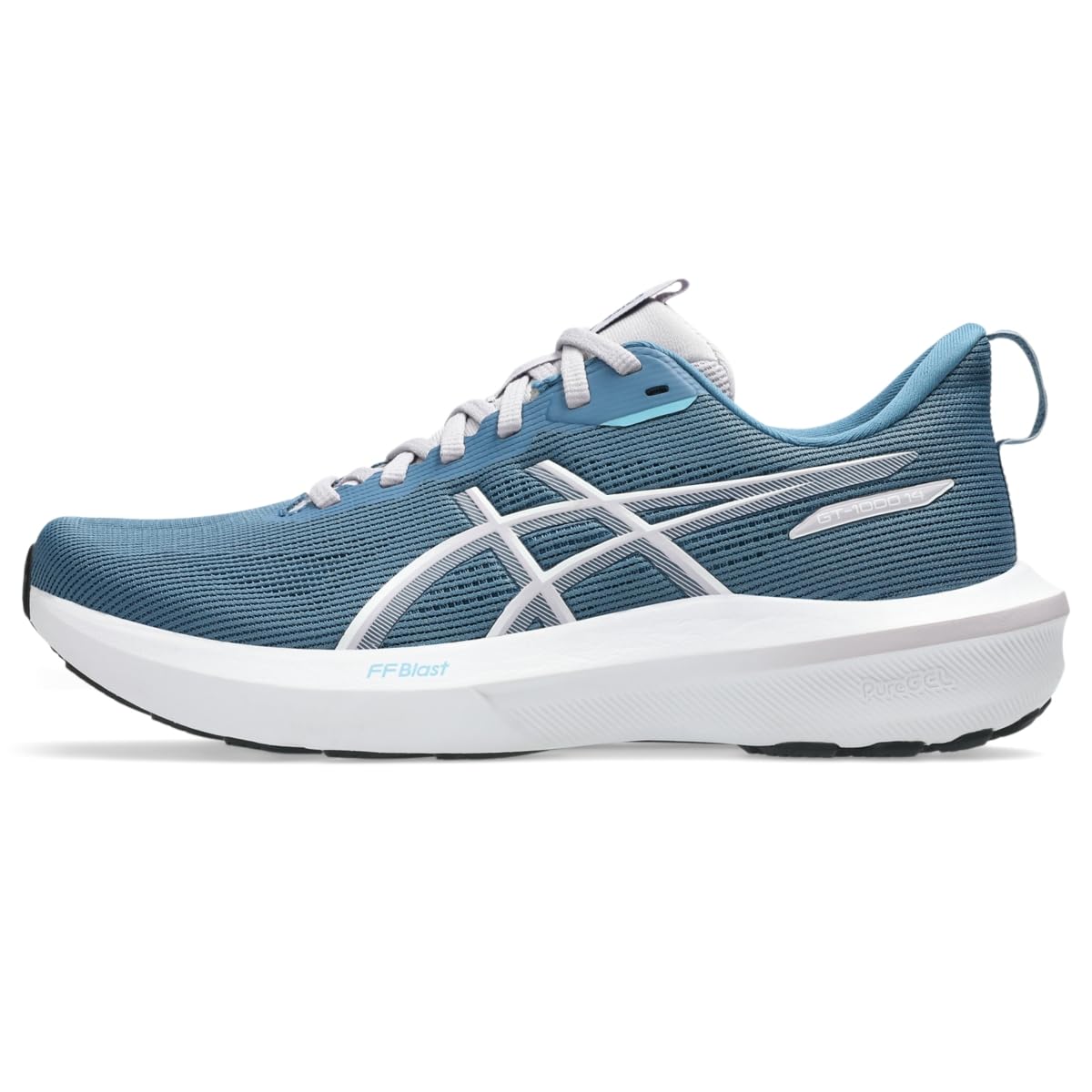
The GT-1000 14 uses ASICS’ LITETRUSS technology, a lighter version of the traditional DuoMax support system, positioned on the inner side of the midsole to reduce overpronation. Paired with FlyteFoam cushioning, the shoe offers a stable yet cloud-like feel that several users described as walking on a cloud. The wide toe area and true-to-size fit make it suitable for long hours on concrete.
One buyer confirmed using the GT-1000 14 for 10-hour standing shifts on cement floors with zero discomfort, thanks to the soft midsole and medial support. The shoe is built for neutral to overpronators, with a slight inside support that reduces knee stress. Many reviewers love the black-and-lilac colorway, though it appears navy in outdoor light.
While the GT-1000 offers competent stability at an accessible price, it isn’t as robust as premium stability shoes. Runners with severe overpronation may need a more aggressive support system, and some users found the midsole breaks down faster than higher-end models. It’s an excellent entry-level stability shoe for moderate pronation.
Why it’s great
- LITETRUSS delivers effective mild-to-moderate stability
- Very comfortable for 10-hour standing shifts
- Wide toe area accommodates foot swelling
Good to know
- Not heavy-duty enough for severe overpronation
- Midsole may compress faster than premium models
- Color appears different in natural vs indoor light
8. Brooks Women’s Anthem 8 Neutral Running Shoe
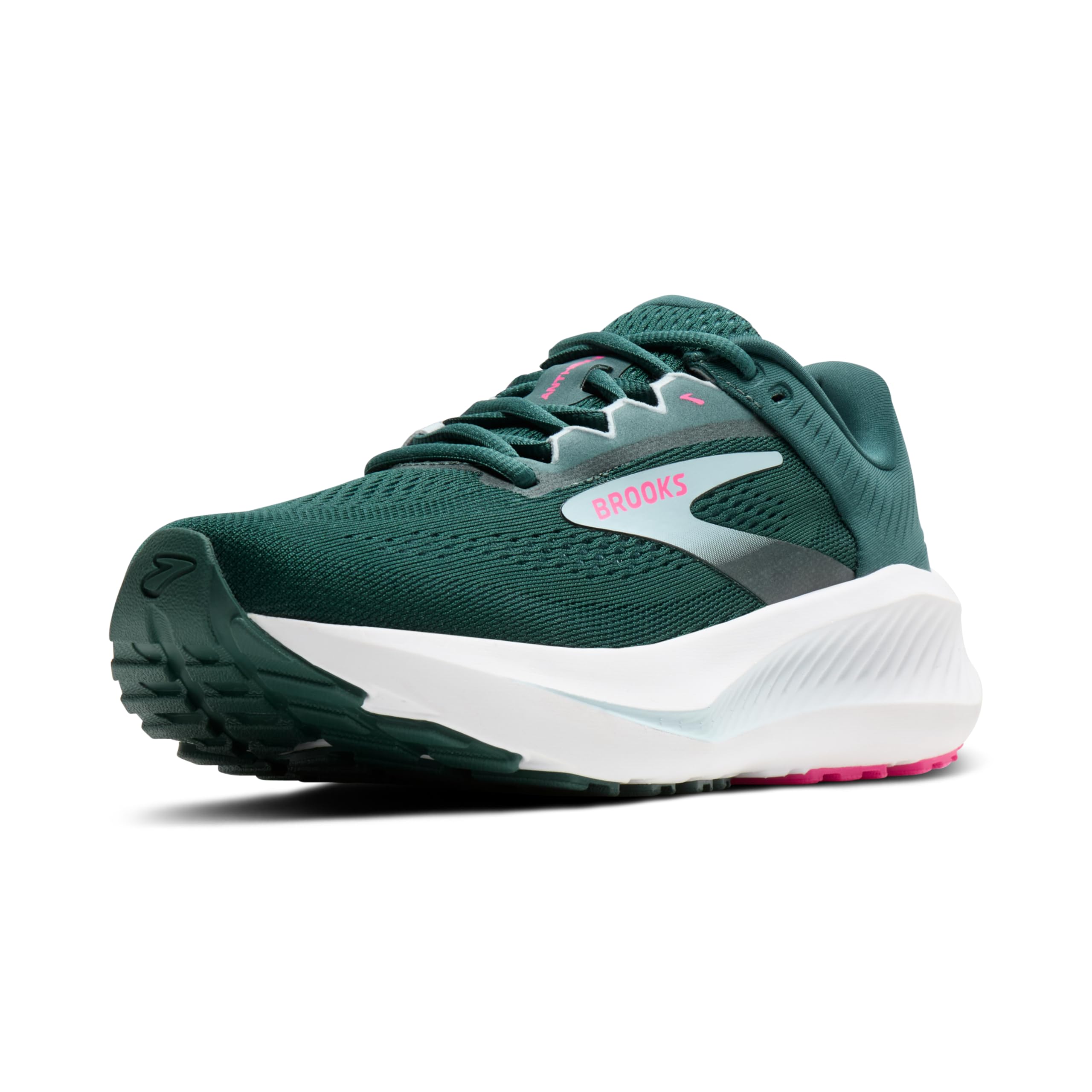
The Anthem 8 is Brooks’ entry-level neutral shoe, designed around the BioMoGo DNA midsole that adapts to your stride. It offers a soft, responsive ride with a wider toe box that accommodates foot swelling during longer miles. The arch support is present but subtle — it’s a neutral shoe, not a stability model, so it works best for runners with mild arches who don’t overpronate.
A user walking two miles daily at 12% incline called the Anthem 8 a “game changer” for comfort, noting the arch support felt great for their needs. The shoe is breathable and visually appealing, with colors that match well with athletic wear. Several buyers specifically praised the value for the price, calling it a quality option within its category.
One review mentioned “pet hair attraction” on the upper, which may be a static issue with the mesh. Another user wished for more arch support, confirming this is not for overpronators. The Anthem 8 is a straightforward, comfortable neutral trainer at an approachable price point, but it lacks the structural guidance needed for flat feet or supination issues.
Why it’s great
- Adaptive BioMoGo DNA midsole for a custom feel
- Wide toe box and breathable mesh
- Great value for everyday neutral runners
Good to know
- Not enough arch support for overpronators
- Upper attracts dust and pet hair
- Some users needed more structure for long standing
9. Saucony Women’s Ride 18
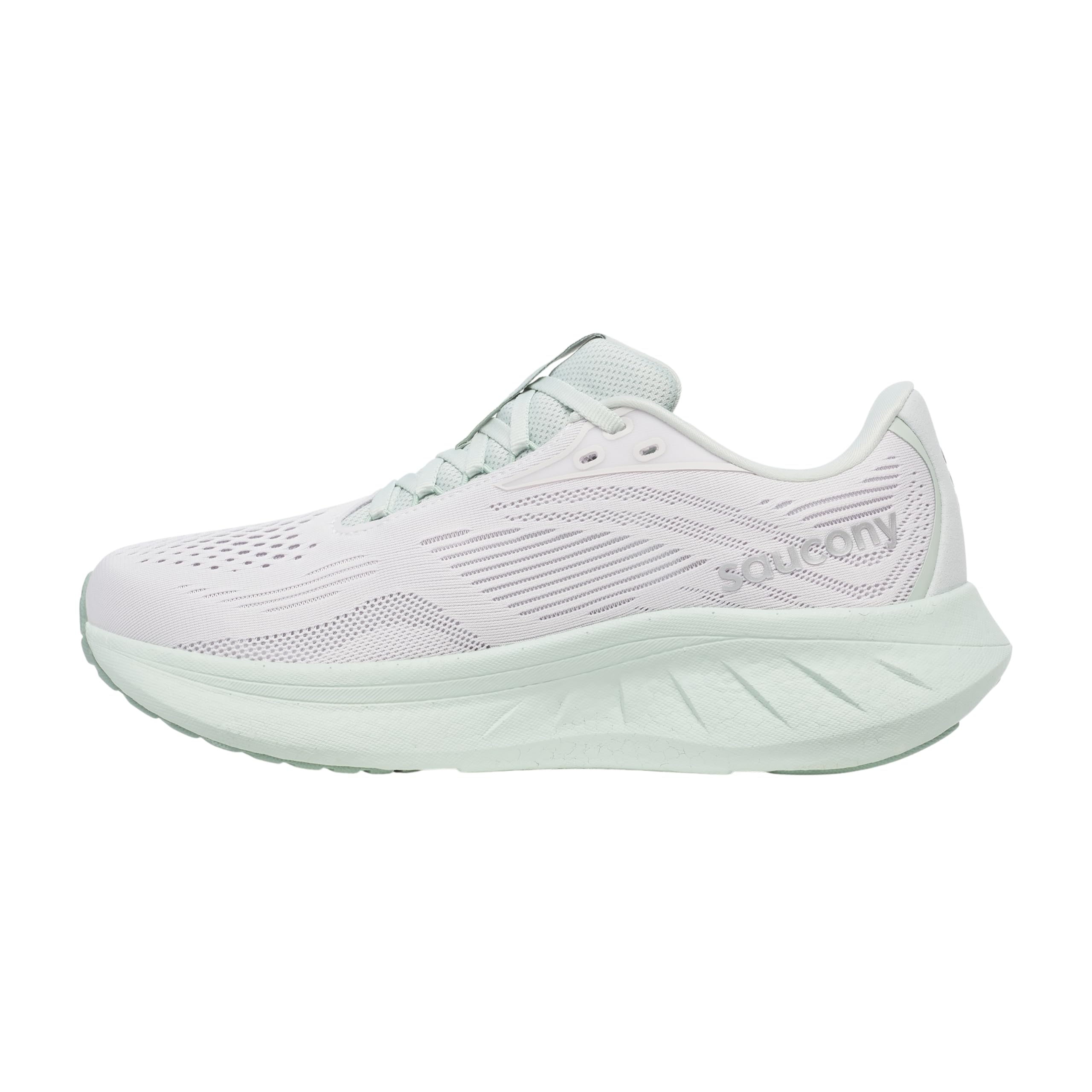
The Ride 18 is a neutral daily trainer with a PWRRUN+ midsole that provides balanced cushioning — soft enough for comfort, firm enough for a stable platform. It features a 6 mm drop and a slightly wider midfoot and toe box, giving the foot room to splay naturally. Reviewers note that the shoe offers good ground feel, making it a favorite for those who want to feel connected to the road.
One buyer with previous back pain reported it disappeared after switching to the Ride 18, highlighting the effectiveness of the midsole support and stride alignment. The shoe is lightweight at about 8.2 ounces and is true to size. Users love that it feels supportive without the weight of a traditional stability shoe, and the color options are clean and versatile.
The Ride 18 is not designed for overpronation — it’s a neutral shoe. Some users found the white upper stains very easily, even from walking around the house, and recommend applying a protective spray immediately. The long-term durability of the PWRRUN+ foam under heavy use is still being evaluated by early adopters.
Why it’s great
- Balanced cushioning with good ground feel
- Lightweight and supportive for neutral runners
- 6 mm drop suits midfoot strikers
Good to know
- Not for overpronation — neutral shoe only
- White upper stains very easily
- Long-term durability of foam is unconfirmed
FAQ
Can I use stability running shoes for walking?
How do I know if I need a stability shoe or a neutral shoe?
Do stability shoes feel stiff or heavy?
Final Thoughts: The Verdict
For most users, the best arch support running shoes for women winner is the Brooks Glycerin GTS 23 because it combines plush nitrogen-infused cushioning with the GuideRails stability system, delivering arch support without a stiff, clunky feel. If you need maximum cushioning for long standing and easy runs, grab the Hoka Bondi 9. And for a budget-friendly stability shoe that still performs well, the ASICS GT-1000 14 provides reliable arch support at a lower investment point.

Mo Maruf
I created WellFizz to bridge the gap between vague wellness advice and actionable solutions. My mission is simple: to decode the research and give you practical tools you can actually use.
Beyond the data, I am a passionate traveler. I believe that stepping away from the screen to explore new environments is essential for mental clarity and physical vitality.