Our readers keep the lights on and my smoothie glass nicely filled. As an Amazon Associate, I earn from qualifying purchases.
Scrambling up a loose rocky talus field on the way to a climb demands footwear that transitions instantly from precision edging on granite to a comfortable walk across uneven dirt. Approach shoes fill a specific niche: they must grip like a climbing shoe when you’re on your toes, yet cushion and support your foot for miles of hiking. The wrong choice means slipping on slab, bruised heels on the descent, or a toe box that leaves your forefoot numb after a long day.
I’m Mohammad Maruf — the founder and writer behind WellFizz. I’ve spent years analyzing technical footwear specs, from Vibram rubber compounds to last shapes, studying consumer feedback to isolate the models that actually deliver on their promises in real-world alpine and trail conditions.
After analyzing dozens of models across multiple brands and price tiers, I’ve narrowed the field down to the nine top contenders for the best approach shoes for women that balance climbing precision with all-day trail comfort.
How To Choose The Best Approach Shoes For Women
An approach shoe is a hybrid. It needs forefoot flex for walking, stiff enough shank for edging, sticky rubber for rock adhesion, and a profile that doesn’t catch on every root. You’re trading off cushion against sensitivity, weight against durability, and precision against pack-in comfort. Here’s how to sort through the trade-offs.
Sticky Rubber Grade
The outsole compound is the single most consequential spec. Look for Vibram Megagrip, Stealth C4, or a proprietary high-friction blend rated for wet rock. A harder-wearing rubber lasts longer on gravel roads but slips on polished granite. Softer compounds (60-70 Shore A durometer) grip better but wear faster on pavement. If your approach involves crossing wet slabs, prioritize a sticky compound over long-term mileage.
Toe Box Profile and Volume
For technical edging, you want a low-volume, narrower toe box that fits snugly inside climbing shoes. For all-day hiking on varied terrain, you want a wider anatomical toe box that lets your splay naturally. The sweet spot is a shoe that tapers just enough for precise footwork on dime edges but doesn’t cramp your toes during a five-mile hike-in. Brands like Topo and Altra prioritize room; SCARPA and Arc’teryx lean toward precision.
Midsole Stiffness and Shank
A full-length or partial TPU shank gives the torsional rigidity needed for edging and scrambling without the stiffness of a mountaineering boot. Too much shank and the shoe feels clunky on trail; too little and your arch fatigues quickly on angled footholds. Look for a shoe with a defined heel pocket and moderate flex point near the ball of the foot to support both climbing moves and walking gait.
Weight and Breathability
Every ounce matters when you’re carrying gear up an approach. Sub-12-ounce models (per shoe) feel fast and nimble. Leather uppers add durability and weather resistance but trap heat; mesh uppers dry quickly and breathe but offer less protection from sharp rock. Decide based on your climate: hot dry approaches favor mesh; cool wet alpine approaches favor leather or synthetic with a waterproof membrane.
Quick Comparison
On smaller screens, swipe sideways to see the full table.
| Model | Category | Best For | Key Spec | Amazon |
|---|---|---|---|---|
| SCARPA Mojito | Premium Leather | All-day hiking plus moderate scrambling | Vibram Dynatech 3 rubber | Amazon |
| Oboz Katabatic LT Low GTX | Mid-Range Waterproof | Wet trail approaches with arch support | Oboz B-DRY waterproof membrane | Amazon |
| KEEN Targhee 4 Waterproof | Mid-Range Waterproof | Wide feet and wet terrain | KEEN.DRY waterproof membrane | Amazon |
| SCARPA Crux | Premium Approach | Technical climbing approaches and gym use | Vibram Idro-Grip sole | Amazon |
| Brooks Cascadia 19 | Premium Trail Runner | Fast-moving trail approaches | TrailTack rubber outsole | Amazon |
| Arc’teryx Kragg | Premium Pull-On | Quick approaches and recovery wear | 320g per shoe weight | Amazon |
| Topo Ultraventure 4 | Mid-Range Cushion | Wide-toe comfort on long approaches | 5mm drop / Vibram Megagrip | Amazon |
| KEEN Jasper | Budget Casual | Light trails and casual scrambling | KEEN.FUSION rubber outsole | Amazon |
| Columbia Konos TRS Outdry | Budget Waterproof | Wet hiking for budget-conscious buyers | Outdry waterproof membrane | Amazon |
In‑Depth Reviews
1. SCARPA Women’s Mojito Lightweight Outdoor Leather Shoes
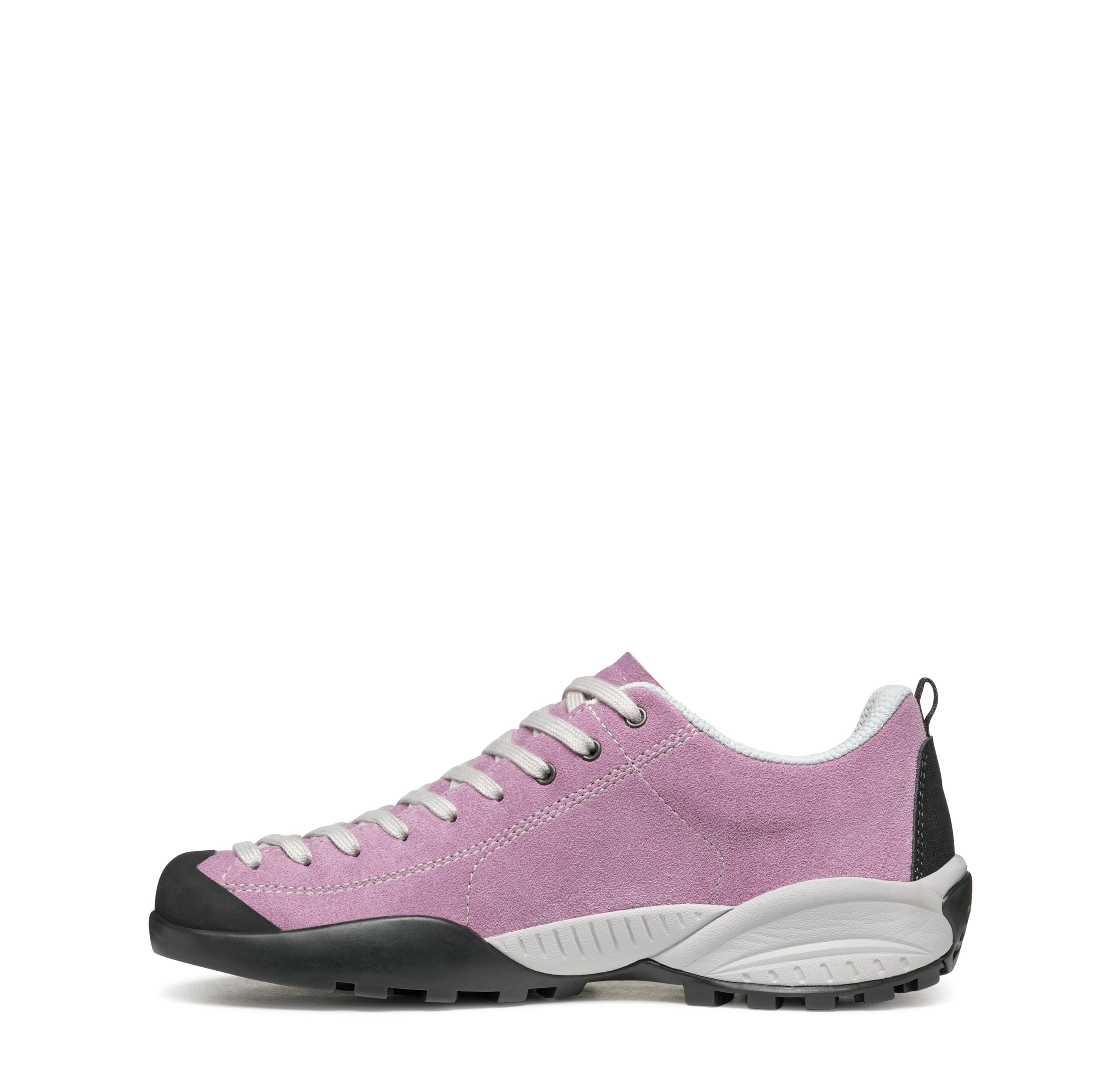
The SCARPA Mojito is the gold standard for a reason: it marries a classic suede leather upper with a precise last that gives you climbing-level edging ability without sacrificing the comfort needed for a full day on the trail. The Vibram Dynatech 3 outsole uses a sticky compound that bites into rock slabs and granite edges, while the full-length lacing system lets you lock the heel down securely to prevent lift during steep descents. At roughly 11 ounces per shoe, it’s light enough for fast approaches yet durable enough for multi-season use on abrasive terrain.
Multiple users report zero break-in period and a fit that feels like a natural extension of the foot, especially for medium to narrow feet. The leather upper molds to your foot shape over time, and while it isn’t fully waterproof, the suede resists light moisture and dries acceptably fast. This shoe handles everything from gravel paths to third-class scrambling with equal confidence, making it the most versatile single option in the lineup.
The trade-off is that the toe box runs slightly narrow compared to dedicated hiking shoes, and the leather does trap heat in temperatures above 80°F. Sizing can be tricky — some users recommend ordering a half-size up if you plan to wear thicker mountaineering socks.
Why it’s great
- Exceptional edging precision from the sticky rubber and stiff midsole.
- Lightweight suede upper breaks in quickly and molds to the foot.
- Full-length lacing provides a secure heel lock for steep descents.
- Versatile enough for hiking, scrambling, and casual wear.
Good to know
- Toe box is narrower than typical hiking shoes, not ideal for wide feet.
- Leather upper runs warm in hot weather and lacks waterproofing.
- Sizing can be inconsistent; ordering a half-size up is recommended for thicker socks.
2. Oboz Women’s Katabatic LT Low GTX Hiking Shoe
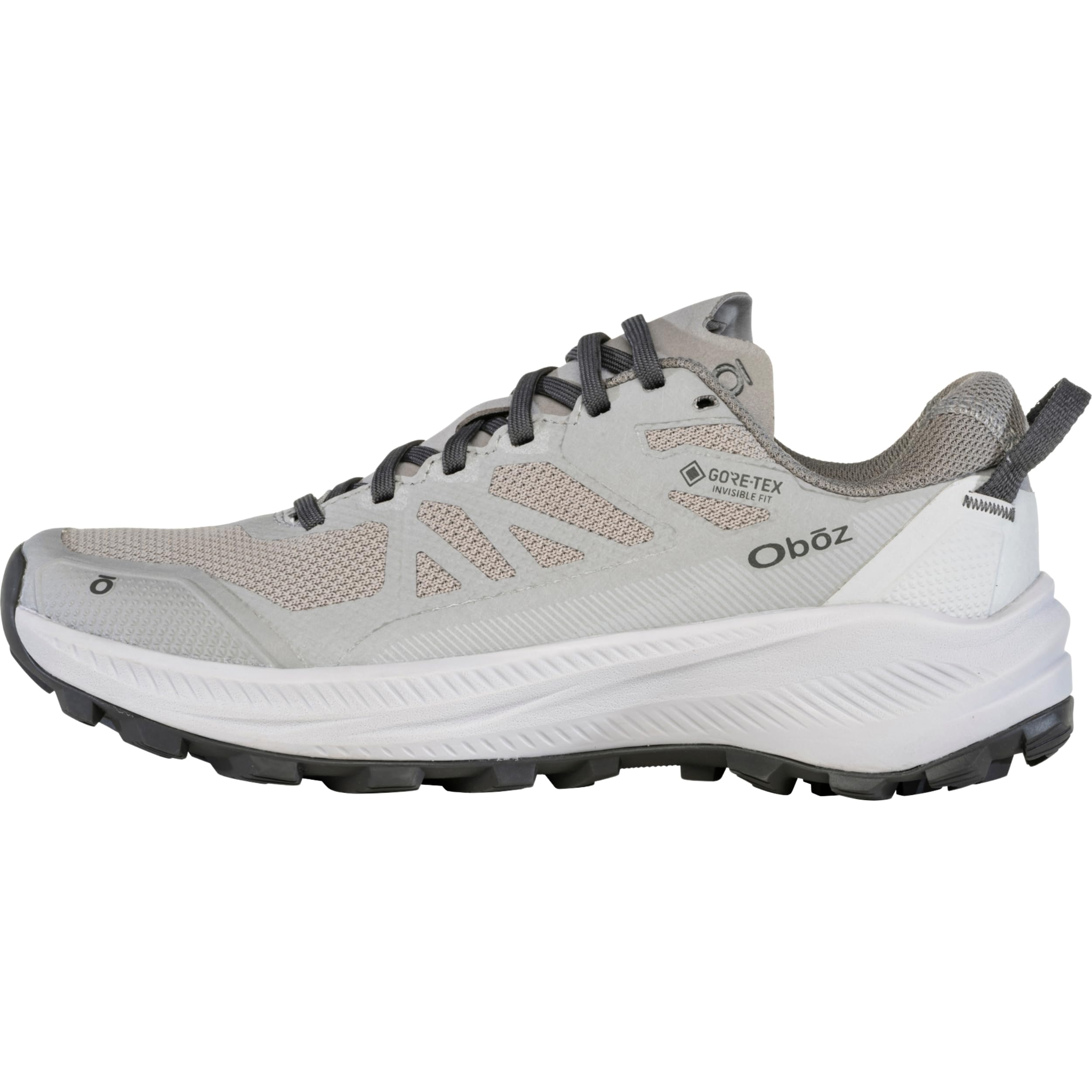
The Oboz Katabatic LT Low GTX immediately stands out for its built-in arch support — a feature that many approach shoes neglect in favor of a flat, flexible platform. The B-DRY waterproof membrane and Gore-Tex lining keep your feet dry through stream crossings and wet brush, while the outsole uses a grippy rubber compound that holds on slick rock without feeling overly aggressive. The midsole is stiff enough to support edging moves but has enough flex at the ball of the foot for a natural walking gait on flat trail sections.
Reviewers consistently praise the out-of-box comfort, particularly for those with plantar fasciitis or a history of arch fatigue. The heel cup is well-defined and prevents slipping, and the lacing system allows for a custom fit across the instep. The shoe also features Oboz’s proprietary insole, which provides noticeable arch support that activates as you walk, reducing pronation over long days. The durable outer construction suggests a lifespan of 4-5 years with regular use.
The side panels run slightly tall, which can rub against the ankle bone for some users with low ankle profiles. Additionally, the waterproof membrane reduces breathability, making this a better pick for cooler, wetter conditions than hot, dry approaches.
Why it’s great
- Excellent built-in arch support reduces foot fatigue on long approaches.
- Waterproof B-DRY membrane and Gore-Tex keep feet dry in wet conditions.
- Sturdy construction with a defined heel pocket for secure fit.
- Durable outsole with good grip on wet rock and uneven trail.
Good to know
- Side panels may rub against the ankle bone for low-ankle profiles.
- Waterproof lining reduces breathability in hot weather.
- Runs slightly heavy compared to non-waterproof approach shoes.
3. KEEN Women’s Targhee 4 Waterproof Hiking Shoes

The KEEN Targhee series has long been the go-to for hikers with wide feet, and the fourth generation refines the formula without losing the signature roomy toe box. The KEEN.DRY waterproof membrane keeps moisture out during creek crossings and rain, and the outsole uses multi-directional lugs that bite into loose soil and gravel with authority. The shoe also features a removable insole that accommodates custom orthotics, a major plus for those with specific arch needs.
Users with semi-wide to wide feet report a perfect fit straight out of the box, with zero break-in period and no blistering even on all-day hikes. The rubber toe cap adds durability against rock strikes and brush, and the heel cup is designed to minimize slip on descents. The overall feel is stable and confidence-inspiring on uneven terrain, making it a strong choice for backpacking approaches where you’re carrying a heavy pack.
Some reviewers note that the sizing runs large compared to other KEEN models, and the laces tend to come untied with a single knot, requiring a double knot to stay secure. The shoe is also on the heavier side, which can feel clunky on technical scrambles where agility matters more than protection.
Why it’s great
- Generous toe box accommodates wide feet without pinching.
- KEEN.DRY membrane provides reliable waterproofing for wet approaches.
- Removable insole allows customization with orthotics.
- Rubber toe cap protects against rock abrasion on scrambles.
Good to know
- Sizing runs large; consider ordering down from your normal KEEN size.
- Laces frequently come untied with a single knot.
- Heavier construction reduces agility on technical climbs.
4. SCARPA Women’s Crux Lightweight Suede Leather Approach Shoes
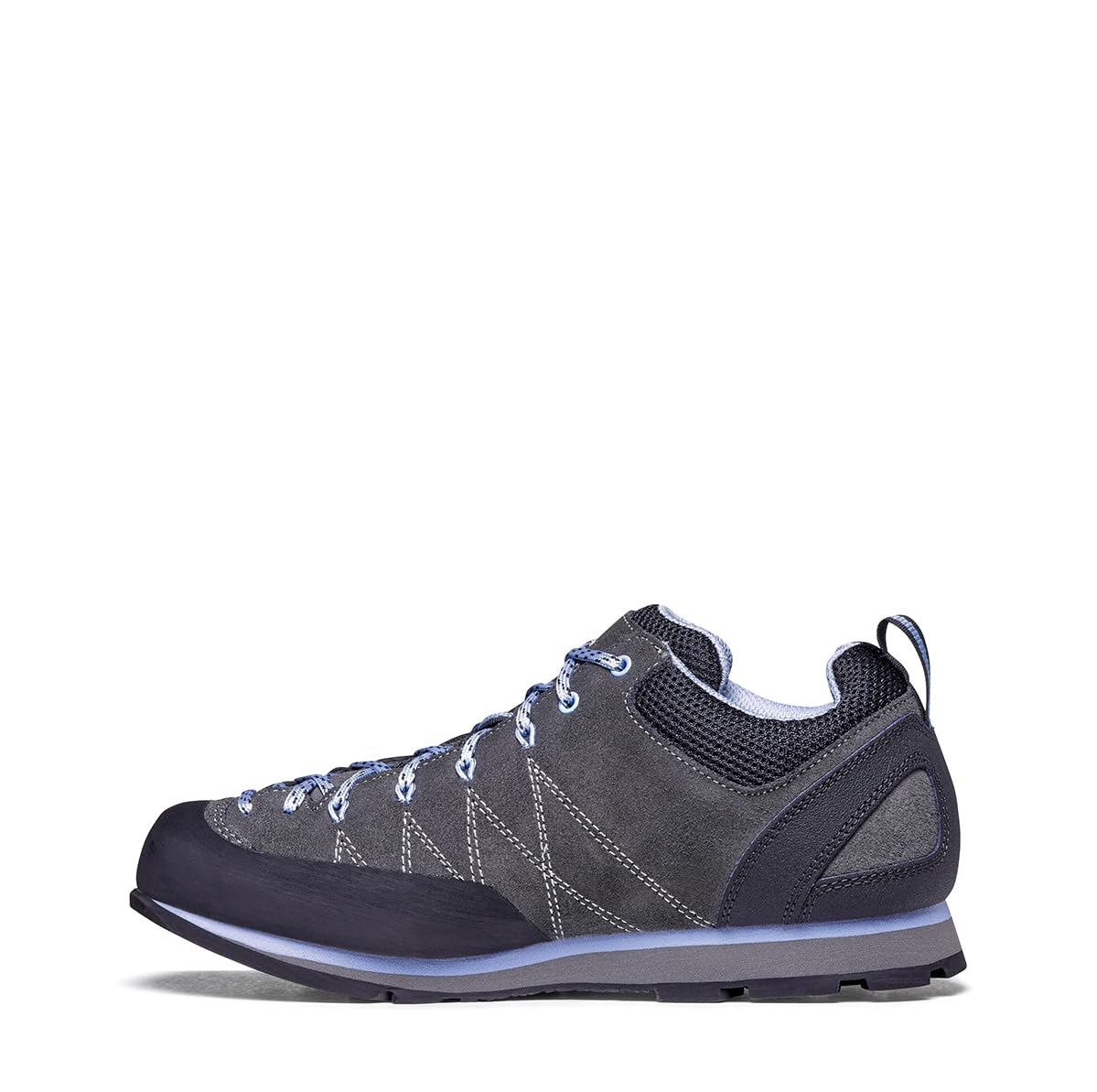
The SCARPA Crux is built for the climber who needs a shoe that can handle technical approaches and even a few easy roped pitches. The Vibram Idro-Grip outsole offers exceptional adhesion on wet and dry rock, and the suede leather upper provides enough structure for precise edging on small footholds. The full-length lacing system extends all the way to the toe, allowing for a micro-adjustable fit that locks the foot in place for steep, technical moves.
Climbers report that the Crux edges notably well, with a stiff enough platform to trust on dime edges and smears, yet comfortable enough for a multi-mile hike to the crag. The suede upper is durable and resists abrasion from rock contact. The shoe also works well for gym climbing and bouldering sessions, making it a versatile addition to a climber’s gear quiver. The heel cup is snug and prevents lift.
The toe box is narrow, which can cause discomfort and even bleeding for those with wider forefeet. Quality control has been flagged by some users, with reports of mismatched sizes in the same pair. The suede upper also becomes uncomfortably hot in temperatures above 80°F. Sizing up a half-step is often necessary for those with moderately wide feet.
Why it’s great
- Vibram Idro-Grip rubber provides exceptional adhesion on wet rock.
- Full-length lacing allows precise fit for technical climbing moves.
- Suede upper is durable and resistant to rock abrasion.
- Stiff enough for edging, yet flexible enough for hiking.
Good to know
- Narrow toe box can cause pain for wide-footed users.
- Quality control issues with mismatched sizes in some pairs.
- Suede upper traps heat in hot weather conditions.
5. Brooks Women’s Cascadia 19 Mountain Trail Running Shoe
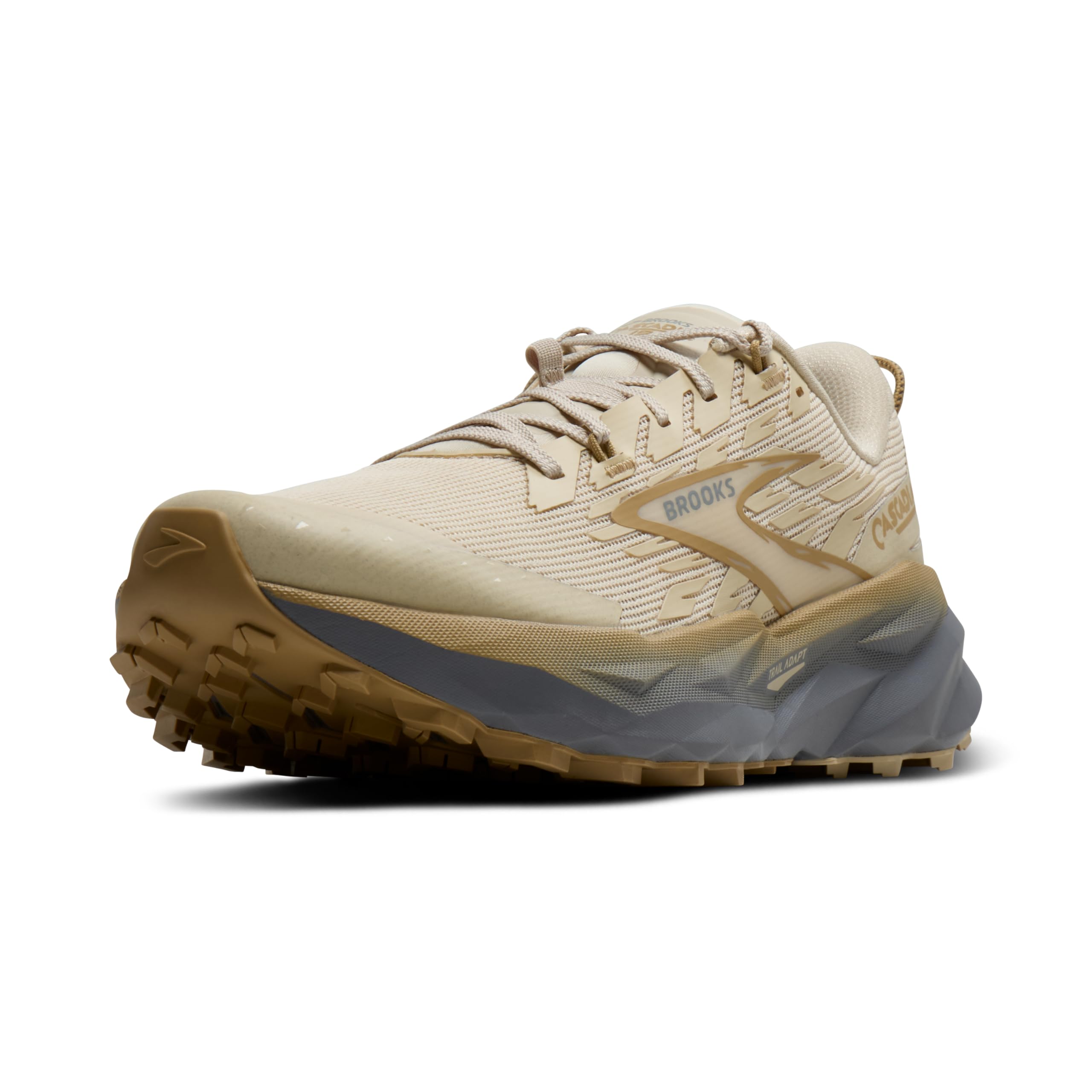
The Brooks Cascadia 19 is, at its core, a trail running shoe, but its design philosophy overlaps heavily with what approach shoe buyers need: a secure fit, excellent grip, and protection from sharp rocks. The TrailTack rubber outsole delivers reliable traction on wet rock and loose gravel, while the integrated rock plate shields your feet from sharp edges on talus and scree. The midsole uses Brooks’ DNA LOFT v3 cushioning, which provides a soft landing without sacrificing stability on uneven terrain.
Reviewers highlight the secure fit, with a toe box that offers enough room to prevent numbness during long days but narrow enough to give good feel on technical sections. The lacing system locks the heel in place effectively, and the shoe’s natural rocker motion promotes an efficient stride on flat trail. The mesh upper is highly breathable, making it a strong choice for hot, dry approaches where ventilation is paramount. It’s also true to size for most foot shapes.
The Cascadia 19 is heavier than a pure approach shoe, and the deep lug pattern can feel less secure when edging on smooth rock compared to a dedicated sticky rubber sole. It also lacks a waterproof membrane, so it’s not ideal for wet conditions. The cushioning, while comfortable for running, may feel too plush for precise footwork on technical climbs.
Why it’s great
- Excellent traction on wet rock and loose terrain with TrailTack rubber.
- Rock plate provides solid protection from sharp trail hazards.
- Highly breathable mesh upper for hot weather comfort.
- Secure heel lock and comfortable rocker motion for efficient walking.
Good to know
- Heavier than dedicated approach shoes due to cushioning and rock plate.
- Deep lugs can feel less stable on smooth rock surfaces.
- Not waterproof, unsuitable for wet creek crossings.
6. Arc’teryx Women’s Kragg Shoe – Lightweight Pull-On Shoe
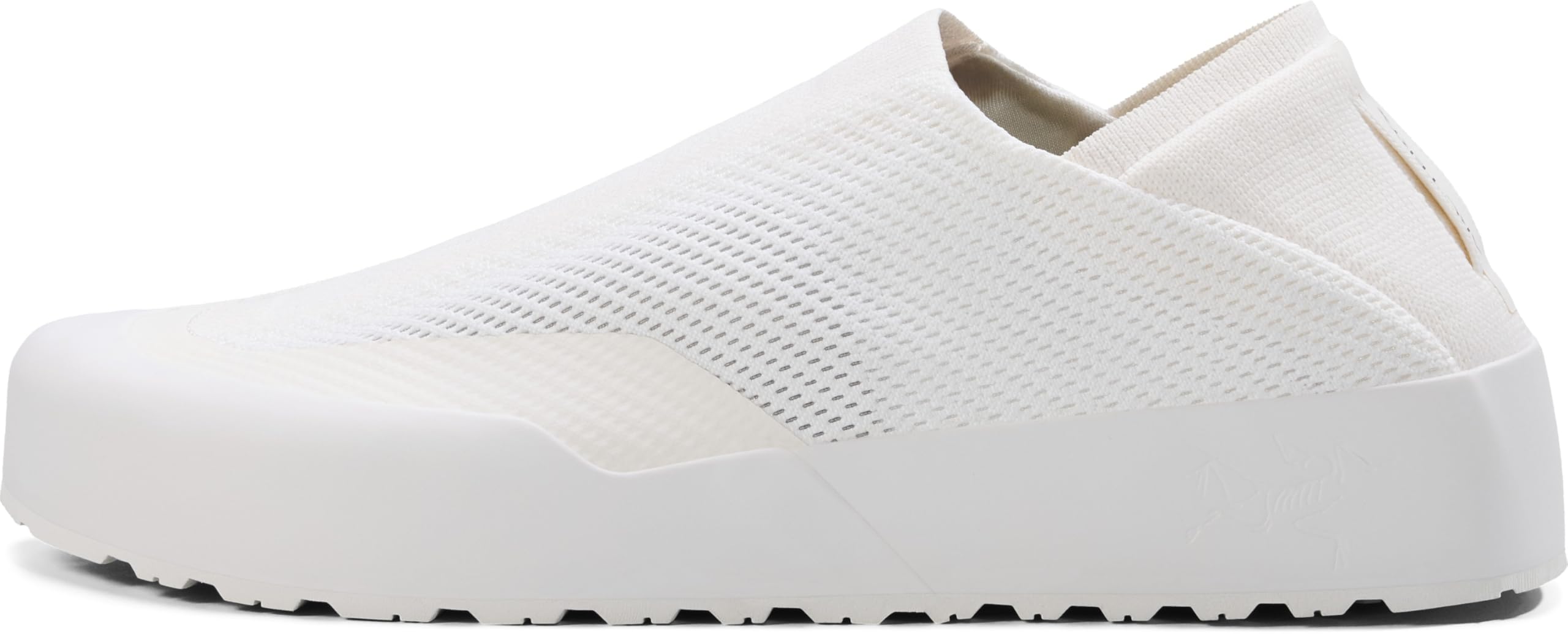
The Arc’teryx Kragg is a unique entry in the approach shoe category, designed as a lightweight pull-on shoe for quick approaches, crag sessions, and post-climb recovery. Its laceless, slip-on construction makes it easy to put on and take off, while the rubber outsole features a sticky compound that grips well on rocky terrain and icy surfaces. The synthetic upper is breathable and dries quickly, and the toe cap provides protection from rock strikes during scrambles.
Users praise the Kragg as a perfect companion for climbers who need a shoe to wear between pitches or on the hike to the base of a climb. The fit is snug throughout the midfoot and heel, which prevents slippage during walking, and the flat heel type offers stability on uneven ground. The 320-gram weight per shoe makes it one of the lightest options in the lineup, ideal for packing in a summit bag. It also works well as a casual everyday shoe due to its clean aesthetic and comfortable fit.
The pull-on design means there’s no lacing adjustment, so the fit is predetermined. Some users with narrow heels report heel lift and rubbing during extended walks. The sizing can be tricky, and the shoe can be difficult to get on initially. It’s also not designed for technical edging or long-distance hiking, so it’s best considered a specialized tool rather than a primary approach shoe.
Why it’s great
- Ultra-lightweight pull-on design for quick transitions and packability.
- Sticky rubber outsole grips well on rock and icy surfaces.
- Breathable synthetic upper dries quickly after wet conditions.
- Versatile as a recovery shoe and casual wear.
Good to know
- No lacing adjustment; fit is fixed and may not suit all foot shapes.
- Heel lift reported by users with narrow heels.
- Not suitable for technical edging or long-distance hiking.
7. Topo Athletic Women’s Ultraventure 4 Trail Running Shoes

The Topo Ultraventure 4 is built around a philosophy of foot health: the wide anatomical toe box allows your toes to splay naturally, reducing the risk of bunions and blisters during long approaches. The 5mm drop promotes a midfoot strike that many hikers find reduces knee strain on descents. The Vibram Megagrip outsole delivers reliable traction on both wet rock and loose soil, and the midsole uses a responsive foam that provides cushion without feeling overly squishy or unstable.
Reviewers with wide feet, bunions, or a history of forefoot pain consistently rate this shoe as the most comfortable option for all-day wear. The lacing system locks the heel securely while leaving room in the toe box, and the shoe requires no break-in period. The 5mm drop and moderate stack height offer a good balance of ground feel and protection, making it suitable for both running and fast hiking on technical terrain. The upper is breathable and dries quickly.
The Ultraventure 4 is a trail running shoe at its core, so it lacks the rubber toe cap and reinforcement that dedicated approach shoes use for rock scrambling. The cushioning, while comfortable, reduces sensitivity on small edges. The sizing runs slightly large; going down half a size from your usual running shoe size is often recommended for a secure fit.
Why it’s great
- Wide anatomical toe box prevents forefoot pain and allows toe splay.
- Vibram Megagrip offers excellent traction on wet and dry surfaces.
- 5mm drop promotes a natural, efficient gait on descents.
- Responsive cushioning absorbs impact without losing stability.
Good to know
- Lacks a protective toe cap for scrambling on sharp rock.
- Cushioning reduces ground feel for precise edging.
- Sizing runs large; consider ordering half a size down.
8. KEEN Jasper
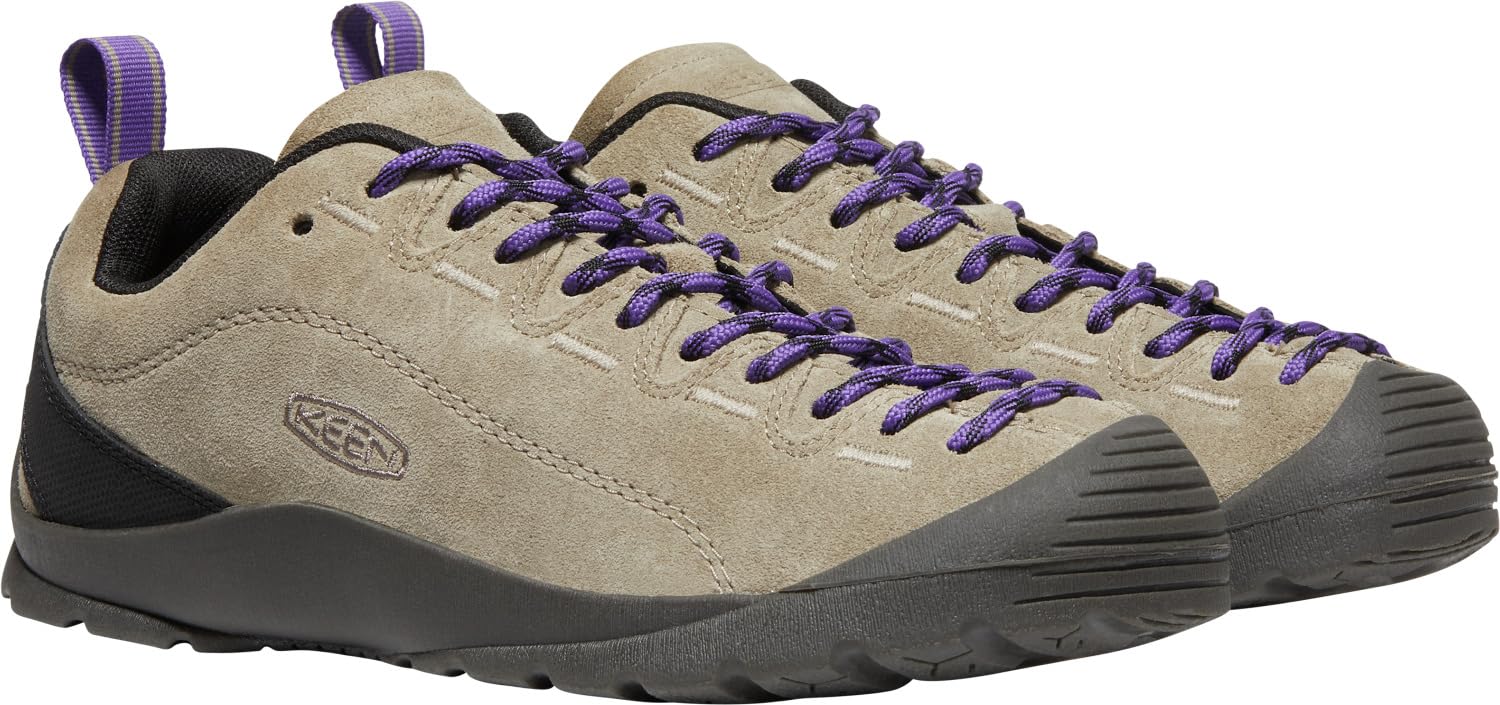
The KEEN Jasper is a budget-friendly entry that blurs the line between a casual sneaker and a light hiking shoe. The KEEN.FUSION rubber outsole provides moderate grip on dry trails and easy rock sections, and the lace-up closure allows for a customizable fit. The upper is a combination of durable textile and synthetic overlays that resist abrasion from low brush. The shoe is lightweight and comfortable for short approaches and casual walks, with a design that works well for everyday wear.
Users appreciate the aesthetic appeal of the Jasper, noting that it looks more like a lifestyle sneaker than a technical approach shoe. The fit is roomy in the toe box, and the shoe stretches slightly after a short break-in period to mold to the foot. It’s a great option for hikers who want a simple, low-cost shoe for easy trails where technical demands are minimal. The rubber outsole is surprisingly grippy on clean rock, though less effective on wet or muddy surfaces.
The Jasper lacks the support and stiffness required for technical approaches or carrying heavy loads. The tread pattern is not aggressive enough for loose terrain or steep slopes, and the shoe offers minimal arch support. Several reviewers noted that sizing runs large, and the shoe may feel loose in the heel for narrow feet. It’s best treated as a casual walking shoe with light hiking capability rather than a true approach shoe.
Why it’s great
- Attractive casual design that transitions well to everyday wear.
- Lightweight and comfortable for short hikes and easy trails.
- Roomier toe box accommodates wider feet.
- Low cost makes it an accessible entry-level option.
Good to know
- Lacks support and stiffness for technical scrambling or heavy loads.
- Tread pattern is not aggressive enough for steep or loose terrain.
- Minimal arch support, not suitable for long-distance hiking.
9. Columbia Konos TRS Outdry
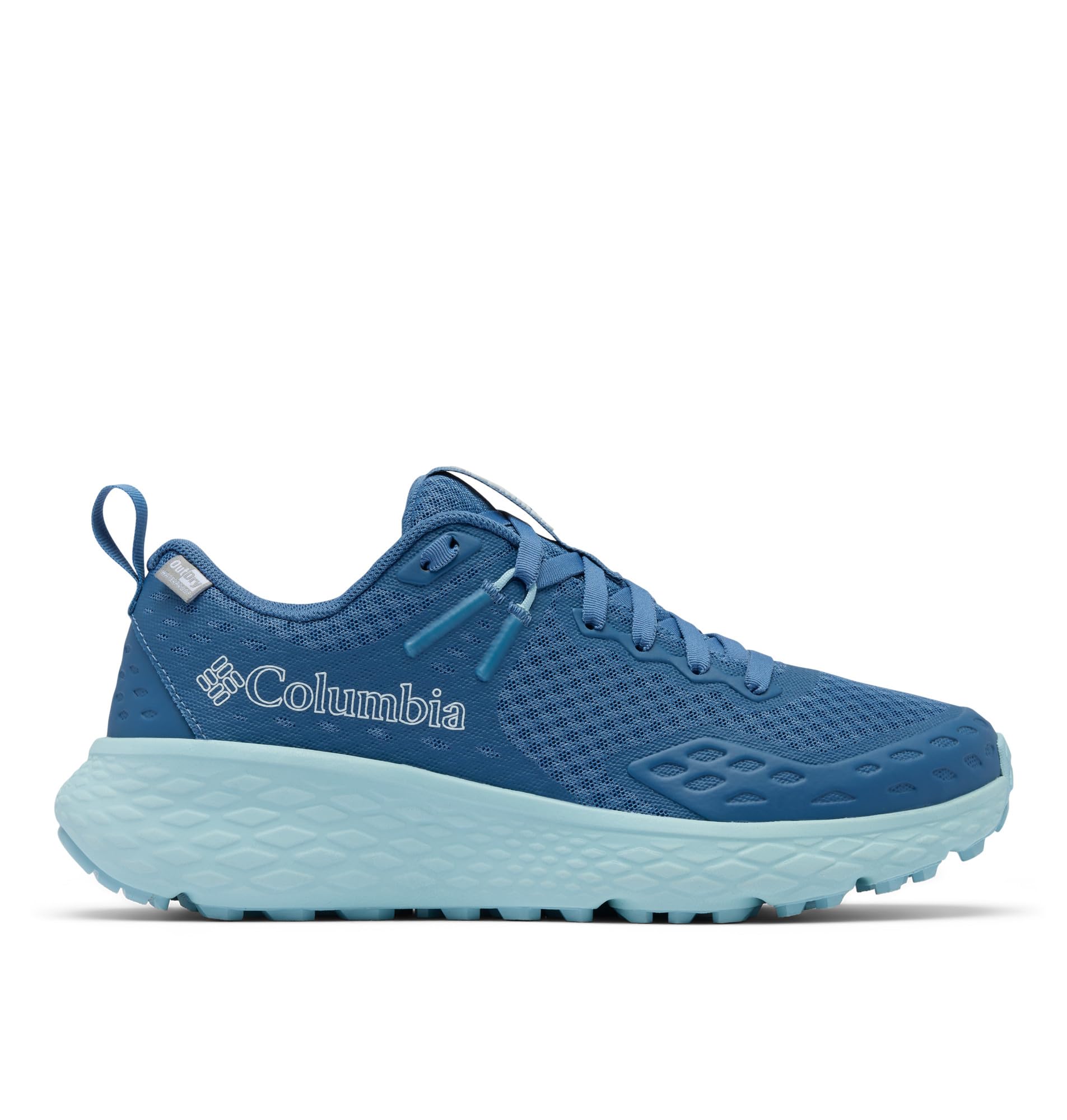
The Columbia Konos TRS Outdry delivers reliable waterproofing and solid traction at an entry-level price point. The Outdry membrane keeps your feet dry in rain and through shallow creek crossings, while the Omni-Grip outsole provides dependable traction on wet pavement and moderately muddy trails. The shoe features a roomy toe box that accommodates bunions and wider feet without pinching, and the cushioning is generous for all-day walking comfort on maintained paths.
Users consistently report that these shoes are comfortable straight out of the box, with no break-in period required. The arch support is adequate for moderate use, and the heel and ball cushioning absorbs shock well on gravel and hardpack. The lightweight construction makes them easy to pack for trips where you want a single shoe for wet hiking and casual wear. The blue color option resists showing dirt, a practical bonus for muddy approaches.
The Konos TRS suffers from a notable squeaking issue with the waterproof lining, which multiple reviewers find loud enough to be distracting on quiet trails. The waterproof membrane also makes the shoe warm in hot weather. The outsole lugs are not aggressive enough for steep, loose terrain or technical scrambling, limiting its use to well-maintained trails and light approaches. It’s best considered a budget-friendly waterproof hiker rather than a dedicated approach shoe.
Why it’s great
- Outdry membrane provides reliable waterproofing at a low cost.
- Roomy toe box accommodates wide feet and bunions.
- Lightweight and comfortable with good out-of-box fit.
- Omni-Grip outsole offers decent traction on wet pavement and moderate trails.
Good to know
- Waterproof lining causes a loud squeaking noise while walking.
- Outsole lugs are not aggressive enough for steep or loose terrain.
- Membrane reduces breathability, making feet feel warm in hot conditions.
FAQ
Can I use trail running shoes instead of approach shoes for scrambling?
How should approach shoes fit compared to regular hiking shoes?
Are waterproof approach shoes worth it for wet conditions?
Final Thoughts: The Verdict
For most users, the best approach shoes for women winner is the SCARPA Mojito because it delivers the ideal combination of climbing-level edging precision, all-day hiking comfort, and durable leather construction in a lightweight package. If you need excellent arch support for long slogs in wet conditions, grab the Oboz Katabatic LT Low GTX. And for wide feet that need a roomy toe box and reliable waterproofing, nothing beats the KEEN Targhee 4.

Mo Maruf
I created WellFizz to bridge the gap between vague wellness advice and actionable solutions. My mission is simple: to decode the research and give you practical tools you can actually use.
Beyond the data, I am a passionate traveler. I believe that stepping away from the screen to explore new environments is essential for mental clarity and physical vitality.