Our readers keep the lights on and my smoothie glass nicely filled. As an Amazon Associate, I earn from qualifying purchases.
That familiar sharp, searing sting when you douse an open blister with rubbing alcohol or hydrogen peroxide is an unnecessary rite of passage. A raw, exposed blister is a portal for bacteria, but the wrong antiseptic can delay healing by damaging healthy tissue around the wound. The goal is to clean the site without causing additional trauma, allowing the skin to repair itself underneath a sterile barrier.
I’m Mohammad Maruf — the founder and writer behind WellFizz. I’ve spent over a decade dissecting consumer health data, analyzing clinical trial results, and comparing the chemical compositions of wound care products to understand what actually protects a vulnerable blister without painful side effects.
Whether you are an athlete protecting a hot spot, a hiker with a heel rubbing raw, or caring for a diabetic family member, selecting an appropriate antiseptic is critical. This guide distills market research and real user outcomes to help you find the right antiseptic for blisters.
How To Choose The Best Antiseptic For Blisters
Selecting an antiseptic for a blister is different from treating a standard paper cut. The skin is already separated from the underlying layers, creating a pocket that is highly vulnerable. The ideal formula cleans without stinging, creates a physical barrier, and supports the natural healing process.
Prioritize No-Sting or Low-Sting Formulas
Traditional antiseptics like isopropyl alcohol or hydrogen peroxide kill bacteria but cause intense stinging on broken skin. This sensation is a sign of cellular damage. For an open blister, look for active ingredients like benzocaine, chloroxylenol, or specially buffered sodium hypochlorite solutions that are clinically proven to clean without the burn.
Match the Format to Your Activity Level
A liquid solution is excellent for a quick clean-and-go for a small blister at home. A thick ointment or salve is better for larger blisters or exposed areas because it creates a petroleum-based barrier that seals out dirt and moisture. For active or deep wounds, a medical-grade gel stays in place inside a dressing without dripping, making it ideal for high-friction areas like heels or toes.
Check for Multi-Purpose Versatility
A versatile antiseptic saves space and money in your first aid kit. Some products are designed to work on both human skin and animal wounds, while others double as a first-aid ointment for cuts, burns, and chapped skin. If you need one product for the whole household, an all-purpose salve or a wider-use liquid offers the best value.
Quick Comparison
On smaller screens, swipe sideways to see the full table.
| Model | Category | Best For | Key Spec | Amazon |
|---|---|---|---|---|
| Foille Medicated First Aid Ointment | Medicated Ointment | Immediate pain relief on contact | Benzocaine 5% + Chloroxylenol 0.1% | Amazon |
| Rawleigh Antiseptic Salve | Multi-Purpose Salve | Family use on humans & animals | 4.5 oz Tin (128 g) | Amazon |
| ST 37 Antiseptic Solution | Liquid Solution | Oral sores & minor scrapes | 8 oz Bottle | Amazon |
| BerbereX Antimicrobial Wound Cleanser | Antimicrobial Spray | Chronic wounds & diabetic ulcers | FDA Registered, 4 oz | Amazon |
| Anasept Antimicrobial Skin & Wound Gel | Medical Wound Gel | Deep wounds & surgical sites | Sodium Hypochlorite, 3 oz | Amazon |
In‑Depth Reviews
1. Foille Medicated First Aid Ointment, 1 Ounce (Pack of 6)

The standout feature of this ointment is the dual-action formula combining benzocaine (5%) for immediate pain relief with chloroxylenol (0.1%) as the antiseptic. Users report that it stops the sharp burn of an open blister on contact, allowing you to apply a bandage without flinching. The corn oil base is light and non-greasy, meaning it won’t slide off a moist blister.
Multiple reviews specifically mention its effectiveness on heel blisters, noting that it softens rough spots without over-softening the callus. This makes it a precise tool for runners or hikers who need to finish an activity before they can properly treat a hot spot. The ointment washes off easily with soap and water.
Because it comes in a six-pack of 1-ounce tubes, you can stock your gym bag, car, and medicine cabinet without worrying about running out. The small tube size is also convenient for travel, staying under TSA liquid limits.
Why it’s great
- Numbing effect starts immediately, making it ideal for painful blisters
- Non-greasy formula stays put under bandages and doesn’t stain
- Six-pack provides excellent long-term value for an active household
Good to know
- Not suitable for large or deep wounds where a thicker barrier is needed
- Benzocaine can cause mild sensitivity in rare cases
2. Rawleigh Antiseptic Salve — 4.5 oz Iconic Yellow Tin
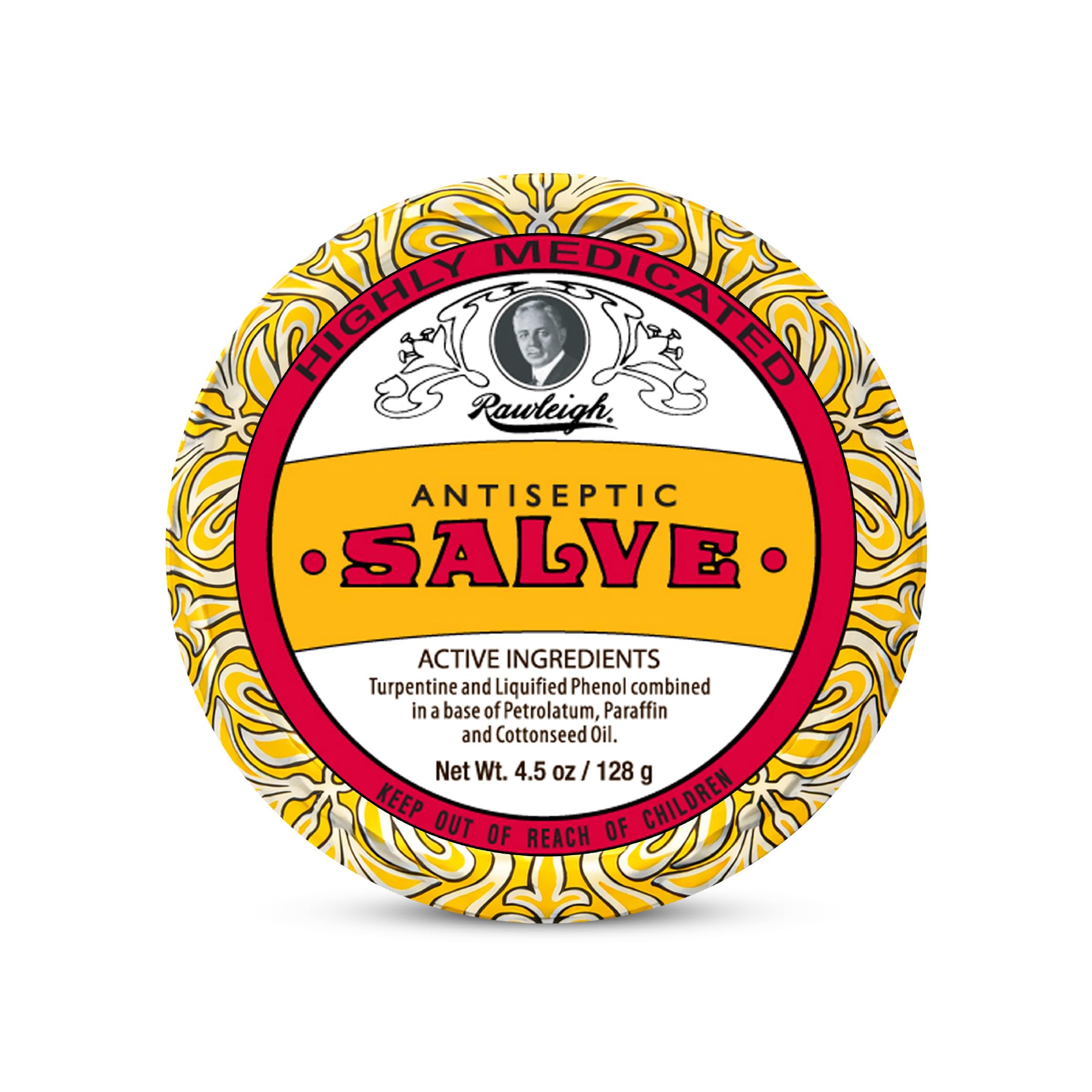
This iconic yellow tin contains a thick, herbal-smelling salve that has been manufactured with the same formula since 1889. The base of petrolatum, paraffin, and cottonseed oil creates an impermeable protective layer over a blister, while liquefied phenol acts as the antiseptic agent. It is designed to be applied to chafed skin, cracked heels, and saddle sores on both humans and animals.
User feedback highlights its ability to soothe bedsores and chapped skin, making it a great option for caregivers. The thick consistency means a little goes a long way—you can treat a heel blister with a dab the size of a pea. The 4.5-ounce tin is generous and can last a large family for many months.
The primary trade-off is the scent, which is noticeably medicinal and herbal. This is not a neutral or odorless option. However, for those who value a time-tested, multi-purpose product that can treat a blister one day and a horse’s chafing the next, the heritage is a strong selling point.
Why it’s great
- Works on both humans and animals (horses, dogs, livestock)
- Extremely long-lasting barrier ideal for cracked heels and chapped skin
- Large tin provides excellent value compared to single-use tubes
Good to know
- Strong herbal-medicinal scent that some may find off-putting
- Greasy texture may not be ideal for people who dislike residue
3. ST 37 Antiseptic Solution 8 oz

This liquid antiseptic has a loyal following that spans decades, with many users calling it a “miracle solution” for everything from cat bites to gum sores. Its defining characteristic is that it kills bacteria on minor cuts, abrasions, and burns without the stinging sensation associated with standard hydrogen peroxide. The 8-ounce bottle is a simple, no-fuss solution for maintaining a clean first aid kit.
A unique aspect of ST 37 is its application for oral health. Multiple user reviews from dental professionals and patients note its effectiveness for scratched gums, bitten cheeks, and sore throats. This dual utility makes it a versatile addition for anyone who suffers from canker sores or mouth irritation alongside foot blisters.
Because it is a liquid rather than a gel or ointment, it is best suited for small, clean blisters that you plan to cover with a sterile bandage. It is less effective for deep wounds or as a barrier cream, as it will run off the skin. It is affordable and has been a reliable staple in home medicine cabinets for decades.
Why it’s great
- Produces little to no stinging on broken skin
- Excellent for both topical and oral applications
- Proven track record of reliability and bacterial elimination
Good to know
- Liquid format is not ideal for deep wounds or high-friction areas
- Lacks pain-relief properties like benzocaine-based ointments
4. BerbereX Antimicrobial Wound Cleanser 4 oz

This FDA-registered antimicrobial spray is clinically designed to support healing in cuts, burns, and diabetic ulcers. It is a step above consumer-grade antiseptics, offering a no-sting, non-irritating cleansing action that is gentle enough for chronic wounds. The spray format allows you to cover a larger blister or wound without physically touching the raw area.
User testimonials reveal extraordinary outcomes: a two-year-old black widow bite wound that showed visible improvement after one week, and venous ulcers that began closing after several applications. The formula does not stain, which is a significant advantage for anyone treating visible blisters on hands or feet who wants to keep the area clean without discoloration.
The primary consideration is cost—this is the most expensive option among the liquids, but the clinical-level performance justifies the price for high-risk individuals. It is doctor-recommended and backed by clinical research, making it a safe bet for those with compromised healing or serious wound concerns.
Why it’s great
- No-sting spray is ideal for raw, open blisters
- FDA registered and clinically proven for wound healing
- Reduces risk of scarring and calms inflammation
Good to know
- Premium price point may exceed budget casual buyers expect
- Small 4 oz bottle can be used up quickly on larger wounds
5. Anasept Antimicrobial Skin & Wound Gel 3 oz Tube
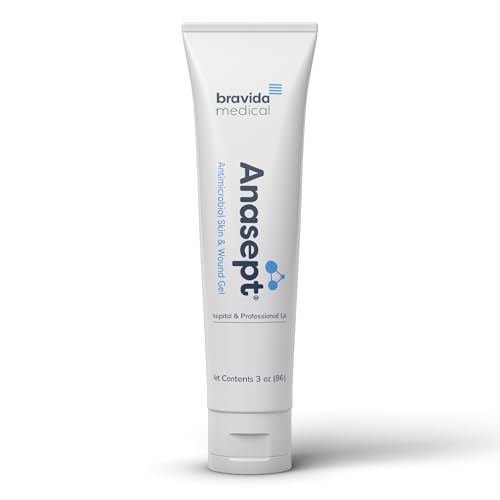
The Anasept gel uses a sodium hypochlorite active ingredient, which is a medical-grade wound cleanser used in hospitals across the country. Unlike typical bleach-based products, this formula is buffered to be non-burning and non-irritating on open tissue. The gel format is a major advantage for deep or cavity wounds, as it stays in place when applied directly into the wound bed or on a dressing.
Wound care specialists specifically recommend this product for abscesses, deep surgical sites, and large blisters where the skin has completely torn away. User reports highlight that a large post-staph infection hole began filling with new tissue in just two days. The gel is fragrance-free, odorless, and easy to apply without contaminating the tube tip.
It is the most expensive product on this list, but it offers the highest level of clinical assurance for serious wounds. It is not a casual “spray and run” option—it is designed for deliberate wound management. If you have a diabetic foot, a pressure sore, or a blister that is at risk of infection, this is the most powerful ally you can have in your kit.
Why it’s great
- Medical-grade sodium hypochlorite formula is non-irritating
- Gel stays in place on deep or cavity wounds
- Fragrance-free and safe for serious wound management
Good to know
- Highest price point, intended for medical-grade use
- 3 oz tube is relatively small for the cost
FAQ
Can I use hydrogen peroxide on a popped blister?
What is the difference between an antiseptic and an antibiotic for blisters?
How often should I reapply antiseptic on a blister?
Final Thoughts: The Verdict
For most users, the antiseptic for blisters winner is the Foille Medicated First Aid Ointment because it combines immediate pain relief from benzocaine with effective antiseptic protection in a convenient, non-greasy six-pack. If you need a multi-purpose salve for the whole family and animals, go with the Rawleigh Antiseptic Salve. And for high-risk or chronic wounds requiring medical-grade care, nothing beats the Anasept Antimicrobial Skin & Wound Gel.

Mo Maruf
I created WellFizz to bridge the gap between vague wellness advice and actionable solutions. My mission is simple: to decode the research and give you practical tools you can actually use.
Beyond the data, I am a passionate traveler. I believe that stepping away from the screen to explore new environments is essential for mental clarity and physical vitality.