Our readers keep the lights on and my smoothie glass nicely filled. As an Amazon Associate, I earn from qualifying purchases.
A scraped knee, a burned finger from the stove, or a stubborn kitchen cut — every household needs a reliable barrier against infection. But with shelves full of ointments that sting, cause allergic reactions, or leave a greasy film that ruins your clothes, picking the right formula matters more than grabbing the cheapest tube.
I’m Mohammad Maruf — the founder and writer behind WellFizz. I analyze ingredient safety, clinical efficacy, and real-world user outcomes to separate marketing hype from the formulations that genuinely support tissue repair.
After cross-referencing dermatological guidelines and hundreds of wound-care reports, these are the five ointments that deserve a spot in your medicine cabinet. This is the ultimate guide to the best antibiotic ointment for wound healing.
How To Choose The Best Antibiotic Ointment For Wound Healing
Picking the right ointment isn’t just about grabbing the cheapest tube off the shelf. The wrong choice can delay closure, trigger contact dermatitis, or even encourage antibiotic resistance. Here are the three factors that matter most.
Ingredients — Triple-Action vs. Single-Agent
Standard triple-antibiotic ointments combine neomycin, bacitracin, and polymyxin B. Neomycin is a common allergen — roughly 1 in 10 people suffer some level of sensitivity. If you have sensitive skin or a history of irritation from antibiotic creams, switch to a neomycin-free formula (often bacitracin zinc alone or combined with polymyxin B). Single-agent bacitracin zinc reduces the allergen load while still providing robust coverage against gram-positive bacteria.
Texture and Absorption
Petroleum-based ointments (like white petrolatum) seal moisture in but can feel heavy and stain fabrics. Gels and water-based carriers absorb faster, making them ideal for facial wounds or areas where you want to apply a bandage immediately without a greasy residue. Silver-based gels offer a non-antibiotic alternative that physically breaks bacterial membranes without the risk of resistance.
Packaging and Shelf Life
Multi-use jars are economical for high-volume households but carry a contamination risk if you dip a finger directly into the tub. Squeeze tubes are more hygienic. Individual single-use packets are perfect for first-aid kits, travel, and office drawers because there’s zero cross-contamination and they fit anywhere.
Quick Comparison
On smaller screens, swipe sideways to see the full table.
| Model | Category | Best For | Key Spec | Amazon |
|---|---|---|---|---|
| Polysporin First Aid Antibiotic Ointment | Neomycin-Free | Sensitive skin, daily wound care | Bacitracin + Polymyxin B, no neomycin | Amazon |
| SilvrSTAT First Aid Kit Gel | Silver Gel | Non-greasy, rapid healing | 32 PPM silver particles, gel base | Amazon |
| Aquaphor Healing Ointment | Skin Protectant | Dry, cracked skin & minor burns | 41% petrolatum, water-free barrier | Amazon |
| Dynarex Bacitracin Zinc Ointment | Single Agent | Large-family & clinic use | USP-grade bacitracin zinc, 15 oz jar | Amazon |
| Globe Triple Antibiotic Ointment | Value Pack | Stocking multiple first-aid kits | 24 x 0.5 oz tubes, triple antibiotic | Amazon |
In‑Depth Reviews
1. Polysporin First Aid Antibiotic Ointment

Polysporin earns the top spot because it solves the two biggest problems with standard antibiotic ointments: allergic reactions and ingredient redundancy. By cutting neomycin entirely and sticking with bacitracin zinc plus polymyxin B, this formula delivers broad gram-positive and gram-negative coverage without triggering the contact dermatitis that affects roughly 10% of users.
The 1-ounce tube is TSA-friendly and fits neatly into a purse, gym bag, or desk drawer. Users recovering from surgery — including post-craniotomy care — reported that dermatologists and surgeons specifically recommended this brand because it does not kill healthy cells like some neomycin-based alternatives can.
Application is straightforward: a small dab 1 to 3 times daily on cleaned wounds. The texture is a standard petroleum-based ointment — slightly greasy but effective at maintaining a moist healing environment. For households where multiple people have sensitive skin or a history of rashes from bandage-associated ointments, this pack of three is the most reliable choice.
Why it’s great
- Dermatologist-recommended #1 ointment brand for infection prevention
- No neomycin — dramatically reduces allergic reaction risk
- Convenient multi-pack for home, office, and travel
Good to know
- Petroleum base can feel heavy on facial wounds
- Not intended for infected or deep puncture wounds
2. SilvrSTAT First Aid Kit Gel

SilvrSTAT is a different animal in the wound-care space. Instead of relying on traditional antibiotics, it uses silver oxide particles (Ag₄O₄) at 32 PPM to physically disrupt bacterial cell membranes. This mechanism means bacteria cannot develop resistance to silver, making it a highly interesting option for anyone concerned about antibiotic overuse.
The gel base is a game-changer for location and comfort. Unlike petroleum-based ointments that leave a visible shiny film, this gel absorbs almost instantly, leaves no residue, and doesn’t stain clothes. Users with hand, face, or blister wounds reported faster healing compared to standard triple-antibiotic creams — one verified review noted a hand infection cleared in 24 hours with swelling resolved by 72.
The 1-ounce tube is compact enough for an IFAK or hiking first-aid kit. Reapplication once daily is usually sufficient. There is no odor and no stinging upon application, which matters for children or anyone with sensitive wound beds. For those who want effective topical protection without the greasy feel of conventional ointments, this is the best alternative.
Why it’s great
- Non-greasy gel absorbs quickly — ideal for facial wounds
- Silver-based formula avoids antibiotic resistance concerns
- Rapid healing reported for burns and deep blisters
Good to know
- Not a traditional antibiotic — doesn’t treat existing infection directly
- Smaller tube size compared to value jars
3. Aquaphor Healing Ointment
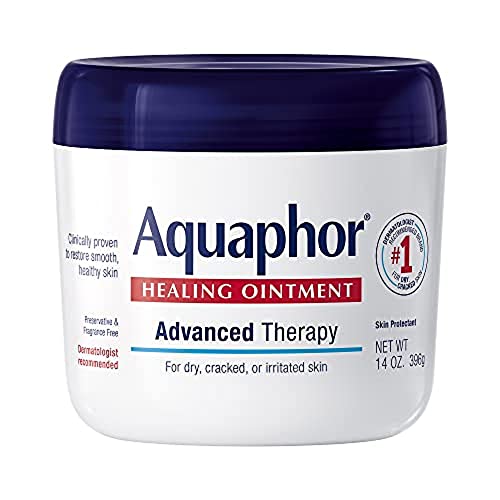
Aquaphor is technically a skin protectant, not an antibiotic, but it earns a place here because it is the single most recommended post-procedure ointment by dermatologists. The formula — 41% petrolatum with mineral oil, ceresin, lanolin alcohol, and chamomile — creates a semi-occlusive barrier that allows oxygen flow while sealing in moisture.
This water-free environment is clinically proven to accelerate healing for minor cuts, burns, cracked heels, and post-surgical incisions. Customers reported using it after cryotherapy, Mohs surgery, and tattoo aftercare with zero irritation. The 14-ounce value jar is economical for families who use it on everything — from chapped lips to angry cuticles to diaper rash.
One caveat: Aquaphor contains lanolin, so anyone with a wool or lanolin allergy should patch-test first. It also lacks active antibiotics, so it is best used on clean, healthy wounds rather than infected sites. If you want one jar that handles both wound healing and daily skincare without fragility, this is it.
Why it’s great
- Dermatologist-recommended for scar prevention and post-surgical care
- Creates a breathable, moisture-sealing barrier
- Value size lasts months — one jar replaces lotion, lip balm, and healing ointment
Good to know
- Contains lanolin — not suitable for lanolin-allergic individuals
- No active antibiotics; not for infected wounds
4. Dynarex Bacitracin Zinc Ointment USP

Dynarex’s bacitracin zinc ointment is the purest single-agent antibiotic on this list. Bacitracin targets gram-positive bacteria — the most common culprits in minor wound infections — and the added zinc supports the body’s own tissue repair and immune response. This is a USP-verified product, meaning it meets the United States Pharmacopeia’s strict standards for purity and potency.
The 15-ounce jar is massive — roughly three times the size of a typical retail tube. It is a favorite among elderly caregivers who need daily application for bedridden patients, and among livestock owners who use it on animal wounds. Customers reported that a visiting nurse specifically switched to Dynarex bacitracin for a 99-year-old patient because it outperformed every triple-antibiotic blend.
Because this is bacitracin alone, the allergy risk is lower than any triple-antibiotic formula. However, the large jar format means you should use a clean utensil each time to avoid contaminating the tub. If you need a no-fuss, high-volume bundle for a clinic, farm, or large family, this is the most cost-efficient option.
Why it’s great
- USP-verified — highest pharmaceutical quality standard
- 15 oz jar provides months of coverage
- Single-agent bacitracin — lower allergy risk than triple blends
Good to know
- Petroleum base is very thick and heavy
- Open jar format risks contamination unless used with clean utensils
5. Globe Triple Antibiotic First Aid Ointment

Globe’s triple antibiotic ointment contains exactly the same active ingredients as the leading national brand — neomycin, bacitracin, and polymyxin B — at a fraction of the per-ounce cost. The 24-tube value pack is designed for one purpose: putting a wound-care tool everywhere you might need it. Glovebox, bedside, diaper bag, gym locker, hiking pack, and desk drawer.
Each 0.5-ounce tube is small enough to fit in a coin pocket or travel toiletry bag, and the single-use aspect eliminates the hygiene risk of dipping fingers into a shared jar. Customers praised this bundle for allowing them to keep a tube in every location without carrying a giant tub around. The ointment itself provides 24-hour infection protection for minor scrapes, cuts, and burns.
The only trade-off is the lid design — some users found the cap difficult to remove from the tiny mouth of the tube. A quick pinch and twist solves it, but it’s worth noting. For anyone building out a comprehensive first-aid system or wanting to stock multiple bags and rooms without buying separate tubes, this is the smartest logistical choice.
Why it’s great
- Total of 12 oz of ointment across 24 tubes — exceptional per-tube value
- Same active ingredients as Neosporin
- Single-use tubes prevent cross-contamination
Good to know
- Cap can be stiff to open initially
- Contains neomycin — allergy risk for sensitive skin
FAQ
Should I use an antibiotic ointment on a wound that is already scabbing over?
What is the difference between antibiotic ointment and petroleum jelly for wound healing?
Can I use silver-based gel on a wound that was previously treated with triple antibiotic ointment?
Final Thoughts: The Verdict
For most users, the best antibiotic ointment for wound healing winner is the Polysporin First Aid Antibiotic Ointment because it eliminates the common neomycin allergy trigger while still providing robust infection prevention for everyday cuts and scrapes. If you want a non-greasy alternative that absorbs instantly and sidesteps antibiotic resistance entirely, grab the SilvrSTAT First Aid Kit Gel. And for a budget-friendly, multi-purpose tub that heals dry skin and minor burns all at once, nothing beats the Aquaphor Healing Ointment.

Mo Maruf
I created WellFizz to bridge the gap between vague wellness advice and actionable solutions. My mission is simple: to decode the research and give you practical tools you can actually use.
Beyond the data, I am a passionate traveler. I believe that stepping away from the screen to explore new environments is essential for mental clarity and physical vitality.