Our readers keep the lights on and my smoothie glass nicely filled. As an Amazon Associate, I earn from qualifying purchases.
A minor cut or scrape can turn into a major problem if infection sets in. The right antibiotic cream does more than just cover the wound — it actively prevents bacterial growth while creating a moist environment that speeds healing and minimizes scarring. But with dozens of options on the shelf, it is easy to grab a formula that either stings like crazy or simply fails to protect against the specific bacteria most likely to cause trouble in household injuries.
I’m Mohammad Maruf — the founder and writer behind WellFizz. After spending hours analyzing active ingredient profiles, customer review patterns for healing efficacy, and the specific formulations designed for different skin types and wound conditions, I have narrowed down the field to the five most effective options available today.
This guide cuts through the marketing noise and delivers a clear, data-backed recommendation for the best antibiotic cream for everything from kitchen burns to stubborn eczema spots and everyday abrasions.
How To Choose The Best Antibiotic Cream
Not all antibiotic creams are interchangeable. The wrong choice can delay healing, irritate the skin, or leave you unprotected against specific pathogens. Here are the three factors that matter most when picking the right tube for your first aid kit.
Active Ingredients: Triple Antibiotic vs. Single Agent vs. Natural
Triple antibiotic formulas like Neosporin combine neomycin, polymyxin B, and bacitracin for broad-spectrum coverage against gram-positive and gram-negative bacteria. This is the gold standard for preventing infection in minor cuts and scrapes. Single-agent creams like plain bacitracin are gentler for people with known neomycin allergies but offer narrower protection. Natural options like colloidal silver or tea tree oil provide antimicrobial benefits without synthetic drugs, making them suitable for ongoing skin conditions like eczema where daily antibiotic use is not recommended.
Vehicle: Ointment vs. Cream
The vehicle — ointment or cream — determines how the product interacts with the wound. Ointments are water-free, occlusive bases that seal the wound, maintain a moist environment, and allow oxygen to pass through. This is ideal for dry, cracked skin and minor burns. Creams contain water and emulsifiers, making them less greasy and easier to spread over large areas, but they may sting on open wounds and evaporate faster, requiring more frequent application. For raw, fresh wounds, an ointment base is almost always the better choice.
Added Pain Relief: When Pramoxine Helps and When It Hurts
Some antibiotic creams include pramoxine hydrochloride, a topical analgesic that numbs the area without the stinging of lidocaine or benzocaine. This is a significant advantage for painful wounds like burns, blisters, or scrapes covering large areas. However, if you have sensitive skin or are prone to allergic reactions, formulas with only antibiotics (no analgesic) reduce the risk of contact dermatitis. Reserve dual-action creams for injuries where pain management is as critical as infection prevention.
Quick Comparison
On smaller screens, swipe sideways to see the full table.
| Model | Category | Best For | Key Spec | Amazon |
|---|---|---|---|---|
| Neosporin + Pain Relief Dual Action | Triple Antibiotic | Cuts, scrapes, burns with pain | Neomycin + Pramoxine HCl | Amazon |
| Brave Soldier Antiseptic Healing Ointment | Antiseptic | Road rash, sports abrasions | Tea Tree Oil + Lidocaine | Amazon |
| Aquaphor Healing Ointment (14 oz) | Skin Protectant | Dry, cracked skin & minor burns | Petrolatum + Glycerin | Amazon |
| Aquaphor Healing Ointment (3-Pack) | Travel Size | On-the-go wound care & lips | 1.75 oz tube, pack of 3 | Amazon |
| Silver Miracles Colloidal Silver Gel | Natural | Eczema, burns, sensitive skin | 99.999% Pure Silver | Amazon |
In‑Depth Reviews
1. Neosporin + Maximum-Strength Pain Relief Dual Action Cream

This twin pack from the number one doctor-recommended brand combines neomycin and polymyxin B for broad-spectrum infection protection with pramoxine hydrochloride for maximum-strength pain relief — all in a no-sting cream base. Unlike typical ointments that leave a greasy film, this cream spreads easily and stays put under a bandage without a strong smell, making it a practical choice for everyday first aid. Users consistently report that it stops the burning sensation of scrapes and the intense itching of insect bites within minutes, while the antibiotics work for a full 24 hours to prevent infection.
The cream vehicle is notably less oily than traditional Neosporin ointment, which matters for wounds on high-movement areas like fingers or knees where a slippery ointment tends to slide off. Clinical feedback shows particularly strong results for burn-type wounds where pain management is critical — the dual action means you treat both the infection risk and the discomfort simultaneously. Multiple users with “no-see-um” bites reported that this formula cleared welts that prescription steroids and other OTC meds could not touch.
The compact 1-ounce tubes are TSA-friendly and ideal for travel first aid kits. The pramoxine component does not cause the stinging that lidocaine-based products sometimes trigger on raw tissue, which makes this suitable even for sensitive areas like diaper rash, as confirmed by several parent reviewers. If you need one product that handles both infection prevention and pain control across a wide range of wound types, this is the most versatile option available.
Why it’s great
- Combines triple antibiotic coverage with maximum-strength pramoxine pain relief in one application
- No-sting cream formula spreads easily and stays under bandages without greasy residue
- Doctor recommended brand; effective on cuts, scrapes, burns, insect bites, and even diaper rash
Good to know
- Contains neomycin, which can cause allergic reactions in a small percentage of users
- Pramoxine may not be necessary for non-painful wounds; a pure antibiotic would suffice
2. Brave Soldier Antiseptic Healing Ointment

Brave Soldier is formulated specifically for high-friction injuries like road rash, sports abrasions, and rock climbing blisters where the wound bed is large and prone to drying out and cracking. The gel-based formula combines tea tree oil — a natural antiseptic effective against a broad spectrum of bacteria and fungi — with lidocaine, a topical anesthetic that numbs nerve endings on contact. The result is a product that not only prevents infection but also keeps scabs moist and flexible, dramatically reducing the pain from cracked scabs that plagues active people.
User reports consistently describe healing acceleration that feels disproportionate to the size of the tube. One reviewer noted that a road rash that would typically take three weeks to heal was significantly improved in three days. The gel texture is less greasy than petrolatum-based ointments, which matters when you need to apply it under athletic tape or a bandage that needs to stay in place during movement. It is also effective on open blisters from climbing or hiking, where keeping the area moist without macerating the surrounding skin is a delicate balance.
The 1-ounce tube is compact enough for a cycling jersey pocket or a hiking daypack. It is worth noting that the lidocaine component makes this less suitable for deep puncture wounds where you want full sensation to monitor for complications, and it is not intended for daily use on chronic skin conditions. But for acute, messy injuries sustained during outdoor activity, this is the most effective option in its class.
Why it’s great
- Lidocaine numbs pain immediately while tea tree oil provides natural antimicrobial protection
- Moist gel prevents scab cracking, dramatically accelerating healing of large abrasions
- Non-greasy formula stays in place under athletic tape and bandages
Good to know
- Small tube size; heavy users with frequent road rash may go through it quickly
- Lidocaine can sting briefly on very fresh, raw wounds before the numbing kicks in
3. Aquaphor Healing Ointment (14 oz Value Size Jar)
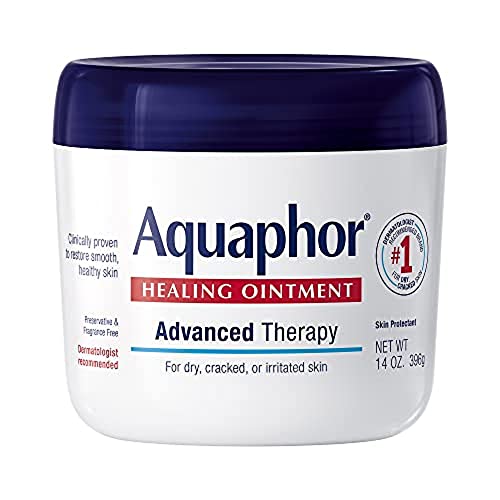
Aquaphor is not technically an antibiotic — it contains no neomycin, bacitracin, or polymyxin B. Instead, it is a petrolatum-based skin protectant that creates an optimal healing environment by sealing in moisture while allowing oxygen to reach the wound. This distinction matters because many minor cuts and burns do not actually need antibiotics if the skin barrier is intact; what they need is a clean, moist environment where the body’s own immune system can work. Aquaphor provides exactly that, with the added benefit of being safe for repeated, long-term use without the risk of antibiotic resistance or contact dermatitis.
The 14-ounce jar is the most economical option in this guide, making it the go-to choice for families who go through wound care products quickly. Dermatologists frequently prescribe it for post-procedure aftercare, including cryotherapy and surgical sites, because the chamomile derivative in the formula has anti-inflammatory properties that plain petroleum jelly lacks. Users with hard-working hands report that nightly application under cotton gloves transforms cracked, painful skin by morning — a result that standard antibiotic creams simply cannot replicate.
The occlusive barrier is thick and unscented, which means it stays put on elbows, knees, and heels without needing constant reapplication. It is also the only product on this list that doubles as a lip moisturizer and cuticle treatment, making it a true multi-purpose buy. The downside is that it does not actively kill bacteria, so for dirty wounds or injuries with embedded debris, a proper antibiotic cream should be applied first before sealing with Aquaphor.
Why it’s great
- Creates a breathable, moisture-sealing barrier that accelerates natural wound healing
- Hypoallergenic and non-comedogenic; safe for sensitive skin and post-procedure care
- 14-ounce jar offers exceptional value and doubles as a multi-purpose moisturizer
Good to know
- No active antibiotic ingredients; not suitable for preventing infection in dirty wounds
- Thick texture may feel too heavy for some users, especially on the face
4. Aquaphor Advanced Therapy Healing Ointment (3-Pack Travel Size)
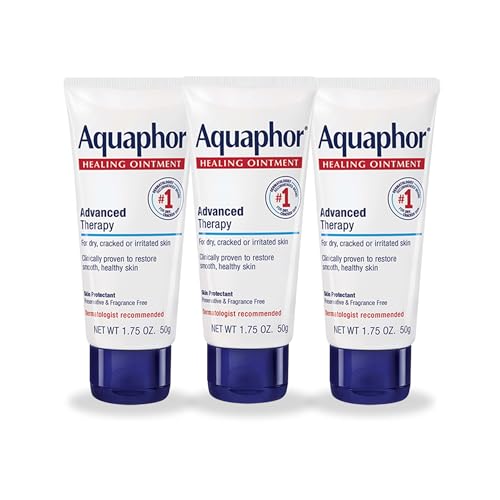
This three-pack of 1.75-ounce tubes delivers the same clinically proven Aquaphor formula in a format designed for mobility. Each tube is TSA-compliant and small enough to toss into a diaper bag, gym locker, or carry-on without taking up significant space. The squeeze tube is also more hygienic than the jar format — no dipping fingers into the product — which matters when you are applying it to open wounds in less-than-sterile environments.
The formula itself is identical to the large jar version: a water-free petrolatum base with glycerin and bisabolol (chamomile extract) that soothes and protects compromised skin. Users on isotretinoin (Accutane) consistently report that a single tube lasts over a month of nightly use on chapped lips and dry patches, making this pack a cost-effective solution for managing treatment-induced skin fragility. The tubes are also ideal for families who want to keep one in the car, one in the bathroom, and one in the first aid kit without lugging around a heavy jar.
The occlusive barrier is particularly effective on burns and friction blisters, where keeping the area moist is critical but the wound location makes frequent reapplication impractical. The 1.75-ounce size hits a sweet spot — large enough to last through a two-week trip with regular use, but small enough that you will not feel guilty tossing it into a checked bag as a backup. If portability and hygiene are your priorities, this pack is the smartest way to buy Aquaphor.
Why it’s great
- Three travel-size tubes are TSA-friendly and hygienic (no finger dipping)
- Same dermatologist-recommended formula as the full-size jar in a portable format
- One tube lasts a month of heavy use; ideal for Accutane users and frequent travelers
Good to know
- Per-ounce cost is higher than the value-size jar
- Still contains no active antibiotics; use with a separate antiseptic for dirty wounds
5. Silver Miracles Colloidal Silver Gel

Silver Miracles uses a fundamentally different approach to infection control: nano-sized colloidal silver particles that disrupt bacterial cell membranes without the broad synthetic antibiotic load of neomycin or bacitracin. This makes it an excellent option for people with sensitive skin, known antibiotic allergies, or chronic conditions like eczema where long-term use of triple antibiotic creams could cause resistance or skin irritation. The gel is completely unscented, paraben-free, and gluten-free, with a light, non-sticky texture that feels more like a moisturizer than a medicinal ointment.
User reports highlight exceptional results on burns — multiple reviewers describe oozing burn wounds forming new skin within days with minimal scarring, a result that rivals prescription burn treatments. The gel also cools and soothes sunburns on application, providing immediate relief while the silver particles work to prevent secondary infection. For eczema sufferers, the gel does not cause the sweating or itching that heavier ointments can trigger in hot weather, making it a year-round option for managing flare-ups on visible areas like hands and face.
The 4-ounce bottle is generous for this category, and the gel’s lightweight formula means a small amount covers a large area. The color can vary from clear to light amber — this is a natural characteristic of colloidal silver and does not affect efficacy. The main trade-off is that silver is bacteriostatic rather than bactericidal against some strains, meaning it inhibits bacterial growth rather than killing bacteria outright. For deep puncture wounds or injuries with visible dirt, a synthetic antibiotic cream is still the safer first-line choice.
Why it’s great
- Nano-silver technology offers broad antimicrobial protection without synthetic antibiotics
- Unscented, non-sticky gel texture is ideal for sensitive skin, eczema, and facial use
- Users report dramatic healing acceleration for burns, including oozing wounds, with minimal scarring
Good to know
- Silver is bacteriostatic, not fully bactericidal; less effective on deep, contaminated wounds
- Gel consistency may feel too thin for users accustomed to thick, occlusive ointments
FAQ
Can I use antibiotic cream on a deep puncture wound like a nail or animal bite?
How long does it take for antibiotic cream to show results on a minor cut or scrape?
Why do some antibiotic creams cause a burning or stinging sensation when applied to open wounds?
Final Thoughts: The Verdict
For most users, the best antibiotic cream winner is the Neosporin + Pain Relief Dual Action because it combines proven triple antibiotic coverage with maximum-strength pramoxine pain relief in a no-sting cream base that stays cleanly under bandages. If you need a product specifically for large, painful abrasions from sports or outdoor activity, grab the Brave Soldier Antiseptic Healing Ointment. And for families who want a versatile, budget-friendly skin protectant that handles everything from cracked hands to minor burns, nothing beats the Aquaphor Healing Ointment (14 oz jar).

Mo Maruf
I created WellFizz to bridge the gap between vague wellness advice and actionable solutions. My mission is simple: to decode the research and give you practical tools you can actually use.
Beyond the data, I am a passionate traveler. I believe that stepping away from the screen to explore new environments is essential for mental clarity and physical vitality.