Our readers keep the lights on and my smoothie glass nicely filled. As an Amazon Associate, I earn from qualifying purchases.
Scar tissue is stubborn — it’s collagen gone rogue, building up in thick, uneven layers that refuse to blend with surrounding skin. Whether from surgery, acne, burns, or everyday accidents, the result is the same: a discolored, raised, or rough patch that can feel like a permanent mark. The right topical treatment doesn’t erase the damage, but it can dramatically flatten, soften, and fade that mark over time, restoring both texture and confidence.
I’m Mohammad Maruf — the founder and writer behind WellFizz. I’ve spent years analyzing clinical trial data and consumer-grade formulations to separate proven scar therapies from overpriced moisturizers, focusing specifically on silicone concentration, absorption rates, and ingredient synergy.
This guide breaks down five leading contenders, from medical-grade silicone gels to targeted melasma treatments, to help you find the best anti scar cream for your specific scar type and healing timeline.
How To Choose The Best Anti Scar Cream
Not all scar treatments work the same way. Silicone-based formulas dominate clinical recommendations, but oil-based serums and pigment-targeting creams serve different needs. Here are the key factors that separate effective products from skin lotions wearing a scar label.
Silicone Content & Formulation
Medical-grade silicone creates a protective film over the scar, hydrating the stratum corneum and signaling fibroblasts to stop overproducing collagen. Look for a silicone gel or gel sheet as the primary active. Oils and shea butter-based creams lack this occlusive mechanism and won’t flatten raised tissue.
Scar Age & Application Consistency
New scars (under six months old) respond best to consistent occlusion — silicone gels applied twice daily for 8–12 weeks. Old scars (one year plus) require longer treatment, often 3–6 months, and may benefit from added ingredients like vitamin C or niacinamide to address pigmentation alongside texture.
Skin Sensitivity & Scar Location
Facial scars need lightweight, non-comedogenic gels that won’t clog pores. Body scars on knees, elbows, or the chest can tolerate thicker balms. If you have eczema or reactive skin, choose a fragrance-free, alcohol-free formula with minimal preservatives.
Quick Comparison
On smaller screens, swipe sideways to see the full table.
| Model | Category | Best For | Key Spec | Amazon |
|---|---|---|---|---|
| Rejuvaskin RejuvaSil | Silicone Gel | Old & new surgical scars, keloids | Liquid silicone + Emu Oil | Amazon |
| La Roche-Posay Cicaplast Gel B5 | Healing Gel | Post-procedure, cracked skin | 21% Glycerin + 5% Panthenol | Amazon |
| Bio-Oil Skincare Oil | Body Oil Serum | Stretch marks, uneven tone | Vitamin E + Chamomile Oil | Amazon |
| NOPUNZEL Silicone Scar Gel | Silicone Gel | New & old scars on face/body | Medical-grade silicone, 20g | Amazon |
| Pharmlitalia Melasma Cream | Pigment Cream | Dark spots, melasma patches | Brightening complex, 2.82 oz | Amazon |
In‑Depth Reviews
1. Rejuvaskin RejuvaSil Silicone Scar Gel
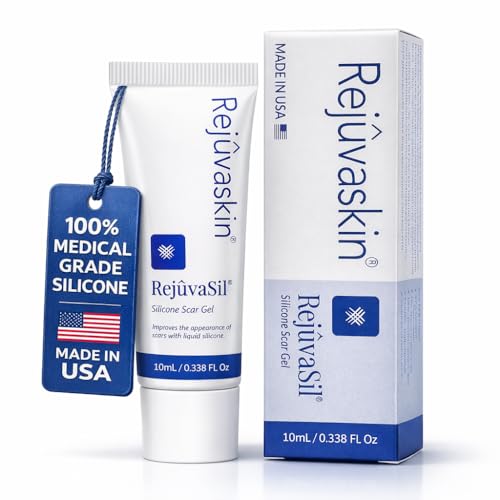
RejuvaSil is a silicone gel augmented with emu oil, vitamin C, and squalene — a combination that targets both scar texture and discoloration simultaneously. The silicone film hydrates and flattens raised tissue, while the added actives work on redness and hyperpigmentation. Customer feedback confirms it softens surgical scars from open-heart procedures and helps old scars become less visible with consistent twice-daily application over several weeks.
The gel dries to a clear, non-sticky finish that layers well under makeup or sunscreen. Users on sensitive skin report no irritation, and the formula is non-comedogenic, making it safe for facial acne scars. However, the 0.33-ounce tube is small — a deliberate size for testing or travel — and the mid-range price per ounce reflects the inclusion of supplementary ingredients beyond pure silicone.
For anyone managing a mix of old and new scars, especially after surgery, RejuvaSil offers the most clinically-supported ingredient stack in this lineup. The combination of medical-grade silicone with proven wound-healing oils gives it a serious edge over single-ingredient alternatives.
Why it’s great
- Emu oil and vitamin C target both texture and redness
- Non-greasy film dries clear, works under makeup
- Trusted by healthcare professionals for surgical scars
Good to know
- Small tube size relative to price point
- Full results on old scars require 3–6 months
2. La Roche-Posay Cicaplast Gel B5

Unlike traditional silicone gels, Cicaplast Gel B5 is a multi-ingredient healing gel built around 21% glycerin, 5% panthenol (provitamin B5), and madecassoside — a centella asiatica derivative known for collagen regulation. This formula is specifically designed for compromised skin barriers: post-laser, post-stitches, and cracked or chapped skin. It creates a protective film that soothes irritation while promoting repair from within.
Users recovering from CO2 laser treatments and microneedling sessions report it cools the skin instantly and reduces redness faster than prescribed ointments. The texture is a lightweight gel that absorbs without stickiness, making it ideal for facial use. It’s fragrance-free, so it won’t sting broken skin, and the mineral complex of copper, zinc, and manganese adds antiseptic support.
This isn’t a scar cream for established keloids or hypertrophic scars — it’s best used during the active healing phase to prevent scars from forming poorly. If you’ve just had a procedure or your scar is still fresh and irritated, Cicaplast Gel B5 is the optimal first-line treatment before transitioning to a dedicated silicone product.
Why it’s great
- 21% glycerin and panthenol accelerate barrier repair
- Fragrance-free, safe on post-laser and post-stitch skin
- Lightweight gel texture ideal for facial use
Good to know
- Not a traditional silicone scar treatment
- Best for fresh wounds, not mature raised scars
3. NOPUNZEL Silicone Scar Gel
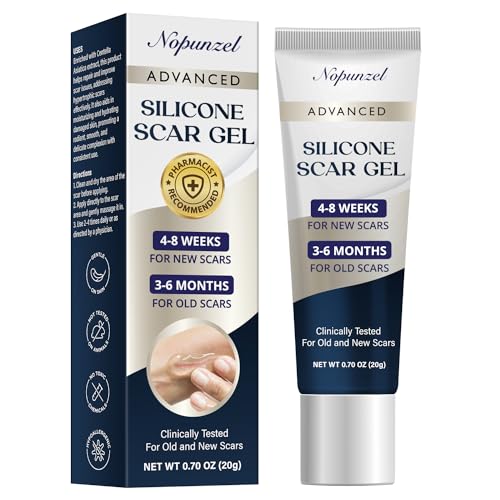
NOPUNZEL delivers a straightforward medical-grade silicone gel at a budget-friendly price point, making consistent twice-daily application less of a financial commitment. The 20-gram tube uses a slanted nozzle for precise application onto scar lines, and the gel dries clear with a non-sticky finish that users appreciate for daytime wear. Reports indicate visible improvement on both fresh leg scars and a one-year-old dog bite scar within weeks.
The formula is dermatologically tested and marketed for C-sections, burns, acne scars, and general injuries. Customers note it absorbs quickly without leaving residue, and the compact packaging is practical for carrying in a purse or gym bag. Unlike heavier balms, this gel layers well under clothing and doesn’t stain fabric.
The only trade-off is the limited ingredient profile — it relies solely on silicone occlusion without the added brighteners or anti-inflammatories found in premium competitors. For users with straightforward raised or flat scars who want reliable flattening and fading without a high price tag, NOPUNZEL is a solid entry-level choice that still follows the clinical silicone protocol.
Why it’s great
- True medical-grade silicone at an accessible price
- Slanted nozzle for targeted application on scar lines
- Fast-absorbing, non-greasy, and stain-free
Good to know
- No added pigment-correcting ingredients
- Full results on old scars require months of use
4. Bio-Oil Skincare Body Oil Serum

Bio-Oil is a different animal — it’s an oil-based serum, not a silicone gel. Its mechanism relies on vitamin E, chamomile, lavender oil, and other botanical extracts to improve hydration, elasticity, and pigmentation. It won’t flatten raised scars through occlusion like silicone does, but it excels at fading discoloration and softening the texture of flat scars and stretch marks.
The lightweight oil absorbs within a minute, leaving skin smooth rather than greasy, and a 4.2-ounce bottle offers generous coverage for large areas like thighs or abdomen. Users with PCOS-related hyperpigmentation and old surgical scars report significant fading of dark marks after consistent use over several months. The subtle lavender scent is pleasant but might be an issue for those sensitive to fragrance.
Where Bio-Oil falls short is on raised or hypertrophic scars — the lack of a silicone base means it provides minimal flattening. It’s best suited for flat, darkened scars, post-inflammatory hyperpigmentation, and stretch mark prevention during pregnancy. Pair it with a silicone gel on raised areas for a complete two-step routine.
Why it’s great
- Excellent for fading flat scars and dark marks
- Large 4.2 oz bottle offers great value for body use
- Non-comedogenic formula safe for face and body
Good to know
- No silicone; won’t flatten raised or keloid scars
- Contains fragrance, may irritate very sensitive skin
5. Pharmlitalia Melasma Treatment Cream
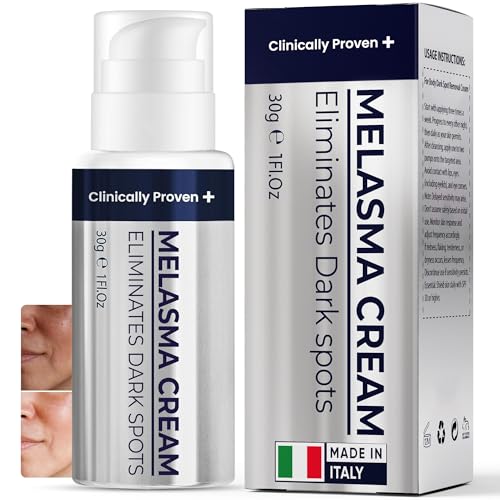
This cream is formulated specifically for hyperpigmentation — melasma, age spots, sun spots — rather than raised scar tissue. It uses a proprietary brightening complex to inhibit melanin production in stubborn dark patches, gradually evening out skin tone. Users with tan skin tones report noticeable fading of dark underarm pigmentation within the first week, and consistent application over a month reveals visible lightening of facial spots.
The texture is a lightweight, non-greasy cream that absorbs quickly and layers well under sunscreen — essential for pigmentation treatment. The 2.82-ounce tub is generous compared to silicone gels. However, the manufacturer advises a gradual introduction and daily sunscreen use, as the active brightening agents can make skin more UV-sensitive.
A small subset of users with very reactive skin experienced mild irritation, underscoring the importance of patch testing. This product is not a replacement for silicone-based scar treatments — it addresses the color component of scars without affecting collagen texture. For dark spots left by acne or minor wounds, it’s a targeted solution that fills a gap silicone gels leave unfilled.
Why it’s great
- Targets stubborn melasma, age spots, and post-inflammatory pigmentation
- Generous 2.82 oz tub for long-term treatment
- Lightweight cream absorbs fast, works under sunscreen
Good to know
- No silicone; does not flatten raised scars
- Requires gradual introduction and daily SPF
- Potential mild irritation for sensitive skin types
FAQ
How long should I use an anti scar cream before seeing results?
Can I use anti scar cream on a fresh wound or open cut?
Are silicone scar gels safe to use on the face near the eyes?
Why do some scar creams contain vitamin C or niacinamide?
Final Thoughts: The Verdict
For most users, the best anti scar cream winner is the Rejuvaskin RejuvaSil Silicone Scar Gel because it combines medical-grade silicone with emu oil and vitamin C to address both texture and discoloration in a single, dermatologist-trusted formula. If you are in the active healing phase after a procedure or have sensitive, post-laser skin, grab the La Roche-Posay Cicaplast Gel B5. And for flat hyperpigmentation and stretch marks across large body areas, nothing beats the coverage and fading power of Bio-Oil Skincare Oil.

Mo Maruf
I created WellFizz to bridge the gap between vague wellness advice and actionable solutions. My mission is simple: to decode the research and give you practical tools you can actually use.
Beyond the data, I am a passionate traveler. I believe that stepping away from the screen to explore new environments is essential for mental clarity and physical vitality.