Our readers keep the lights on and my smoothie glass nicely filled. As an Amazon Associate, I earn from qualifying purchases.
The sharp, stabbing pain along the outside of your ankle just above the bone is the hallmark of peroneal tendonitis. It turns every step into a question mark and makes lateral movements a source of dread. Unlike a simple sprain that heals with rest, this condition demands a specific kind of stabilization: one that controls excessive inversion and eversion without choking off the tendons that are already inflamed.
I’m Mohammad Maruf — the founder and writer behind WellFizz. Over the years I’ve analyzed hundreds of braces, sleeves, and straps, cross-referencing fabric weave densities, strap tension mechanics, and clinical research to separate gear that merely compresses from gear that genuinely stabilizes the peroneal tendons.
Choosing the wrong support can prolong recovery or worsen the irritation. That’s why this guide focuses on the engineering and anatomical fit that matter most, helping you identify the ankle support for peroneal tendonitis that actually delivers predictable, repeatable relief throughout the day.
How To Choose The Best Ankle Support For Peroneal Tendonitis
Peroneal tendonitis is an overuse condition often aggravated by instability. The right brace must resist the ankle’s tendency to roll outward (inversion) while also cushioning the longitudinal arch where the peroneus longus tendon wraps underneath the foot. Look for a brace that combines dynamic stabilization with a low-profile fit to avoid shoe pressure on the irritated lateral malleolus.
Strap Configuration: Figure-8 vs. Simple Compression
A simple compression sleeve may feel comforting, but it does little to stop the eccentric loading that inflames the peroneal tendons. A figure-8 strapping system — where two straps cross over the front of the ankle and wrap around the heel — directly resists the unwanted ankle motion that causes tendon irritation. This is the single most important feature for peroneal tendonitis.
Fit Profile: Low-Profile vs. Bulky
Peroneal tendonitis braces that are too thick or have rigid external stays often push the foot against the side of the shoe, creating a new pressure point right over the painful tendon. The best braces use slim, conforming materials that slide into sneakers or work shoes without altering your foot’s natural alignment inside the shoe.
Material Breathability and Moisture Management
Because peroneal tendonitis can require all-day wear for weeks, a brace that traps sweat accelerates skin breakdown and maceration. Look for knit fabrics with active wicking properties and 3D-ventilation zones. The brace should pull moisture away from the skin and evaporate it quickly, especially if you plan to wear it during exercise or long shifts on your feet.
Quick Comparison
On smaller screens, swipe sideways to see the full table.
| Model | Category | Best For | Key Spec | Amazon |
|---|---|---|---|---|
| Med Spec ASO Ankle Stabilizer | Premium | Maximum stabilization and sports recovery | Figure-8 nylon straps with CoolFlex tongue | Amazon |
| MUELLER The One Ankle Brace | Premium | All-day comfort with customizable lockdown | Integrated speed lacing with grip coating | Amazon |
| Fitomo Ankle Brace | Mid-Range | Removable stabilizers for step-down therapy | Figure-8 strap with dual removable side stabilizers | Amazon |
| ZOELION Ankle Brace with Side Pads | Mid-Range | Non-stop wear and quick lace adjustment | Hook & Loop quick lace system with auto-adaptive side pads | Amazon |
| ZOELION Compression Sleeve with Fishnet Strap | Value | Mild support and everyday walking comfort | 3D-knit graduated compression with removable X-strap | Amazon |
In‑Depth Reviews
1. Med Spec ASO Ankle Stabilizer
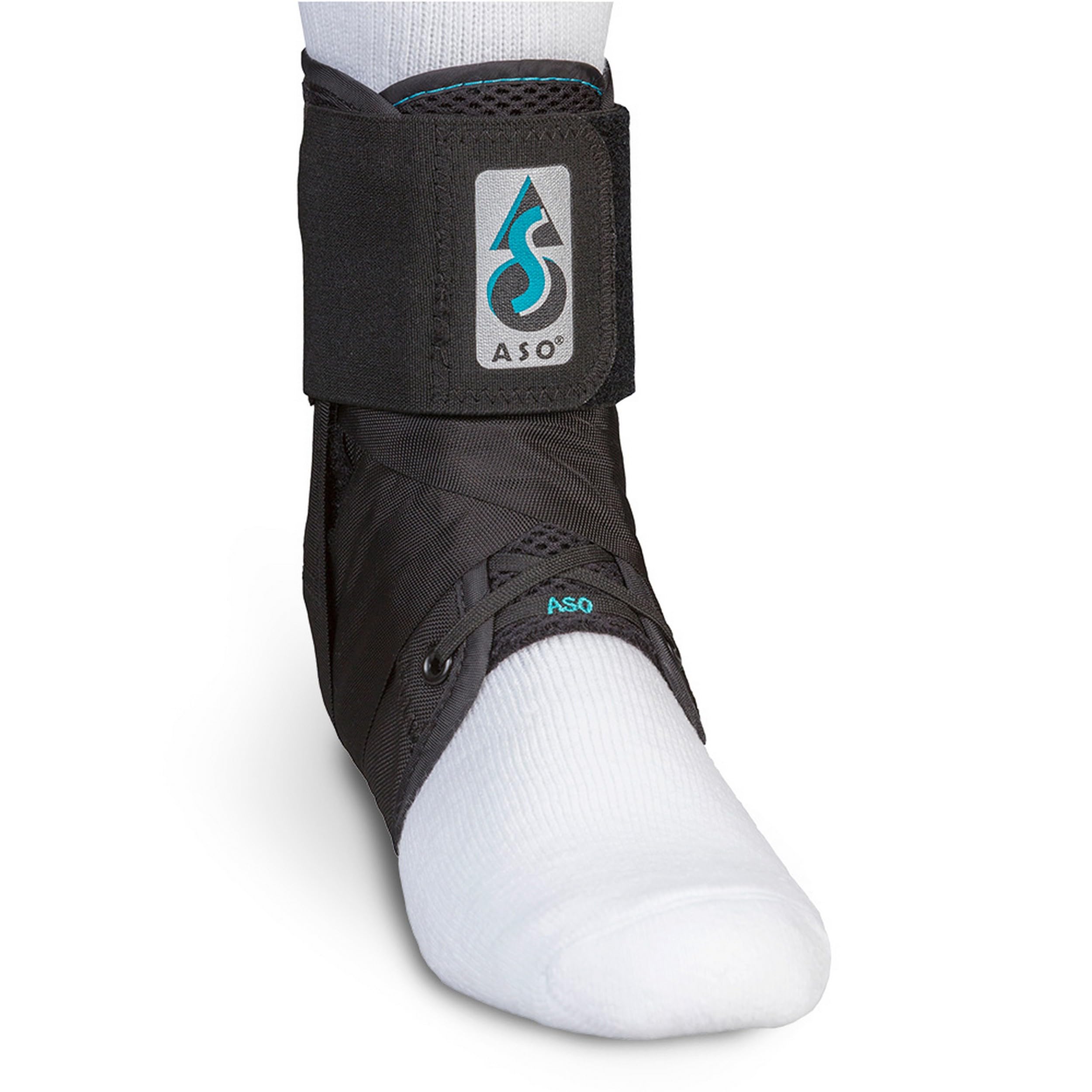
The Med Spec ASO is the brace athletic trainers and orthopedic doctors recommend most often for a reason — its lace-up chassis combined with two figure-8 nylon straps creates a stabilization system that directly counteracts the inversion motion that aggravates the peroneal tendons. The CoolFlex padding on the tongue reduces heat buildup, and the durable nylon construction resists stretching even after months of daily wear. This is a brace built for high-impact sports like basketball and volleyball, but its adjustability makes it equally effective for walking recovery.
What sets the ASO apart is the bilateral design that fits either left or right ankle without compromising the strap alignment. The lace-up overlay lets you dial in compression exactly where the tendon crosses the lateral malleolus, while the figure-8 straps lock the heel in place and prevent the sliding that causes tendon friction. Users consistently report that this brace stays in position through full games and long shifts.
The trade-off is a slightly bulkier profile compared to compression sleeves. You will want to wear this with a crew sock to prevent the lace eyelets from pressing into the top of your foot. For anyone dealing with chronic peroneal instability or recovering from a grade 2 sprain, this is the gold standard that justifies its premium position through sheer mechanical effectiveness.
Why it’s great
- Professional-grade figure-8 straps provide maximum resistance to ankle inversion
- Adjustable lace-up system for micro-tuning compression over the peroneal tendons
- Bilateral design works for either foot without structural compromise
Good to know
- Bulkier profile requires a crew sock and may not fit in narrow shoes
- Initially difficult to put on single-handed if ankle is severely swollen
2. MUELLER Sports Medicine The One Ankle Brace

The MUELLER The One was designed explicitly for the person who wants professional-grade stabilization without feeling like they are wearing a medical device. The integrated speed lacing system uses flat laces and fewer eyelets, which glides smoothly over the instep and distributes tension evenly across the midfoot. The figure-8 strapping is built into the fabric itself rather than as add-on flaps, creating a sleeker silhouette that slides into sneakers and even some dress shoes.
A key detail for peroneal tendonitis sufferers is the grip coating applied to the interior heel pocket — it prevents the brace from riding up as you walk, which avoids the repetitive micro-movement that can irritate the peroneal tendons over the course of a day. The brace also includes a flexible lace lock that holds tension for hours without needing to retighten. Users recovering from broken ankles and sprains alike report that this is the most comfortable brace they have worn for extended periods.
This model is a strong choice for arthritis-related tendonitis and for people who need to wear support under normal clothing. The sizing runs slightly large — if your foot measurement lands on the edge of a size range, sizing down provides a more secure fit for tendon control. For all-day desk work followed by evening walks, this brace delivers a rare combination of wearability and genuine lateral support.
Why it’s great
- Speed lacing system allows fast, even tension without pressure points
- Grip coating inside the heel prevents slippage and tendon friction
- Low-profile design fits comfortably under most footwear
Good to know
- Sizing can be tricky — measure carefully and consider sizing down
- Fabric seam under the foot may show wear after heavy use over a year
3. Fitomo Ankle Brace with Removable Stabilizers
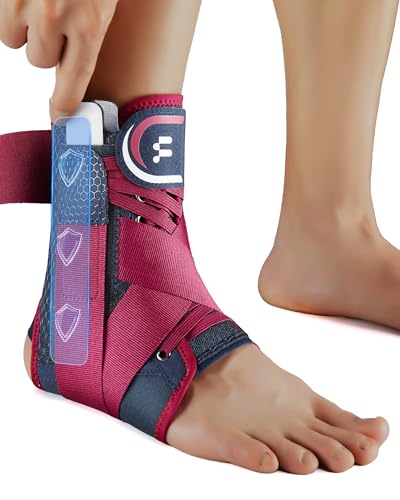
The Fitomo Ankle Brace occupies a smart middle ground between a compression sleeve and a rigid stabilizer. Its Triple-Lock system combines a top strap, dual removable side stabilizers, and figure-8 cross straps. The key innovation here is the removable stabilizers — you can wear the brace with full rigidity during a morning run, then pop out the stabilizers for reduced bulk during office hours. This step-down approach mimics physical therapy protocols where support is gradually reduced as the tendon heals.
The figure-8 strap design is properly anchored at the heel, providing the specific eversion control needed for peroneal tendonitis. Users recovering from post-ORIF surgery and stroke-related foot drop have reported that the brace stays secure without constant readjustment. The low-profile build fits inside standard sneakers, and the breathable polyester-nylon blend prevents the sweaty buildup that leads to skin irritation with all-day wear.
Because this brace is FSA and HSA eligible, it offers a practical path for those who want to use pre-tax health funds. The biggest consideration is sizing — the brace runs true to measurement, but if you have a wide foot or are experiencing swelling, going up one size prevents the stabilizers from digging into the lateral side. For users who want one brace that adapts across the entire recovery timeline, this is the most flexible option on the list.
Why it’s great
- Removable side stabilizers allow progressive reduction of support as tendon heals
- Figure-8 straps provide targeted eversion control for peroneal tendons
- FSA/HSA eligible for pre-tax purchase
Good to know
- Single brace purchase — no two-pack option for bilateral use
- Side stabilizers may feel firm against the ankle bone if sized too small
4. ZOELION Ankle Brace with Auto-adaptive Side Pads
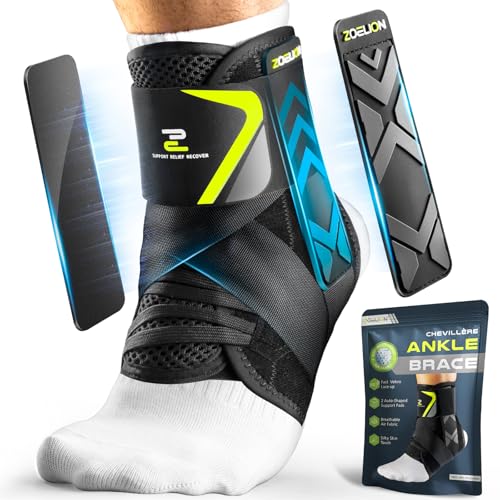
The ZOELION brace with auto-adaptive side pads takes a different approach to stabilization. Instead of rigid stays, it uses contoured pads on the medial and lateral sides that flex with the ankle’s natural motion while still providing anti-roll resistance. The Nu-Form design specifically avoids compressing the ankle bone, which is critical for peroneal tendonitis where the tendon runs directly behind the lateral malleolus. Pressure here can worsen symptoms, and this brace is engineered to avoid that exact problem.
The Hook & Loop quick lace system is surprisingly robust for a budget-friendly option — the fastener is tested for over 3,000 cycles of adhesion, which means it will outlast most wear cycles. The open-heel design allows full range of motion for the Achilles while the micro-vent fabric (over 600 vents) keeps the foot cool. Users report that the brace fits well under soccer cleats and hiking boots without adding bulk that alters shoe fit.
The main limitation is the overall support ceiling — while the side pads are effective for daily walking and moderate sports, they do not match the shear resistance of a full lace-up with figure-8 straps for high-intensity cutting movements. For people whose peroneal tendonitis is aggravated by walking on uneven ground or light jogging, this brace provides excellent value and real symptom relief without the learning curve of a complex strapping system.
Why it’s great
- Auto-adaptive pads stabilize without compressing the lateral malleolus
- Hook & Loop quick lace is fast and tested for durability
- Highly breathable design with over 600 micro-vents for all-day wear
Good to know
- Support level is moderate — not ideal for high-intensity cutting sports
- Some users report the fit runs large; measure ankle circumference carefully
5. ZOELION Compression Sleeve with Fishnet Strap
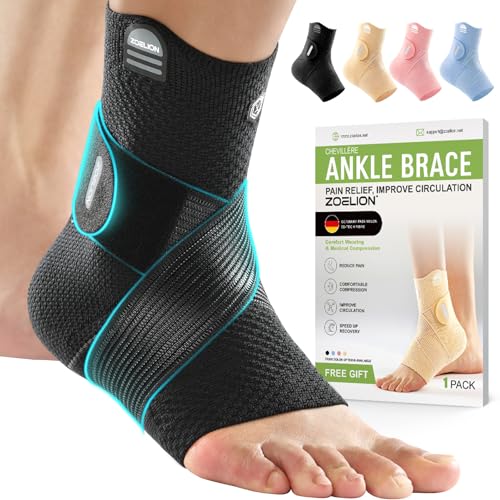
This ZOELION sleeve is the ideal starting point for mild peroneal tendonitis or for days when symptoms are low but you still want protective feedback. The 3D-knit fabric provides graduated compression across three zones — a gentle zone over the instep, a supportive zone around the arch and heel, and pressure-free edges at the top to prevent digging. The German-imported PA66 high-elastic fabric delivers medical-grade compression without the suffocating feel of neoprene sleeves.
The removable X-strap is the feature that gives this sleeve its peroneal-specific utility. Unlike a plain sleeve that only compresses, the fishnet strap wraps around the heel and crosses over the front of the ankle to provide targeted stability for the lateral tendons. The strap is slim enough to fit inside shoes without creating a bulge, making this one of the most discreet options for wearing with business casual footwear.
For more active use or higher pain levels, this sleeve will feel less supportive than a lace-up brace. The strap provides directional resistance but cannot match the mechanical lock of a full figure-8 system. Users with severe plantar fasciitis or post-fracture recovery have also found it useful, but for pure peroneal tendonitis where inversion control is the priority, this works best as a preventative or low-symptom companion rather than primary treatment.
Why it’s great
- 3D-knit graduated compression reduces tendon friction during movement
- Removable fishnet strap provides directional stability in a ultra-slim package
- Extremely discreet — fits under socks and dress shoes without bulk
Good to know
- Support level is lower than lace-up braces for moderate to severe tendonitis
- Sizing runs large — measure and consider ordering one size smaller for firm fit
FAQ
Can an ankle brace make peroneal tendonitis worse?
How tight should I fasten a figure-8 strap for peroneal tendonitis?
Should I sleep with ankle support for peroneal tendonitis?
Final Thoughts: The Verdict
For most users, the ankle support for peroneal tendonitis winner is the Med Spec ASO Ankle Stabilizer because its dual figure-8 straps and lace-up chassis provide the precise inversion control that inflamed peroneal tendons need, backed by decades of clinical use in sports medicine. If you want all-day comfort with a lower profile, grab the MUELLER The One Ankle Brace. And for a budget-friendly entry point that still offers targeted tendon support, nothing beats the ZOELION Compression Sleeve with Fishnet Strap.

Mo Maruf
I created WellFizz to bridge the gap between vague wellness advice and actionable solutions. My mission is simple: to decode the research and give you practical tools you can actually use.
Beyond the data, I am a passionate traveler. I believe that stepping away from the screen to explore new environments is essential for mental clarity and physical vitality.