Our readers keep the lights on and my smoothie glass nicely filled. As an Amazon Associate, I earn from qualifying purchases.
Every relevé, arabesque, and pirouette demands ankle integrity — but for dancers, the wrong brace is worse than no brace at all. A bulky stabilizer that won’t fit inside your jazz shoe or a rigid frame that blocks the flex needed for a proper plié can sabotage months of training in a single performance. The market is flooded with generic sports braces designed for basketball and running, leaving dancers to sift through specs that rarely address the unique demands of pointed feet and rapid directional changes.
I’m Mohammad Maruf — the founder and writer behind WellFizz. Over years of analyzing wearable support products, I’ve dissected the material science, closure systems, and real-world dancer feedback to separate the few braces that actually work from the many that simply market themselves as flexible.
This guide cuts through the noise to deliver the only ankle brace for dancers that preserve range of motion while offering real protection against strains and sprains mid-performance.
How To Choose The Best Ankle Brace For Dancers
Dancers face a paradox: the brace must be strong enough to prevent inversion injuries during jumps yet thin enough to vanish under tights and inside character shoes. The following criteria are non-negotiable for anyone who practices, rehearses, or performs.
Profile Thickness & Footwear Compatibility
The single biggest complaint from dancers is that a brace won’t fit inside their shoes. Look for ultra-thin microfiber or nylon construction — ideally 1.5mm to 2mm thick on the sides. Avoid neoprene-heavy braces for performance wear; they add visible bulk and trap heat, making an hour-long rehearsal unbearable. Open-heel and low-ankle-cut designs allow the brace to sit flush without riding up or bunching behind the Achilles.
Closure System & On-Stage Security
During a run of entrées or a fast-paced contemporary piece, there’s no time to re-tie loose laces. A hook-and-loop quick lace system with a top strap and figure-8 cross straps offers the best balance of speed and security. Avoid braces that rely solely on a single pull-on sleeve with no adjustable tension — they shift during dynamic movement and lose effectiveness.
Side Stabilizer Design
Dancers need lateral-medial stabilization without rigid splints that press into the ankle bone during point work. Auto-adaptive or self-shaping pads that contour to the malleoli (the bony ankle bumps) are ideal. Removable stabilizers offer flexibility: keep them in for recovery or rehearsal, remove them for low-risk performance days when maximal flexibility is needed.
Breathability & Moisture Management
Hours of dancing creates heat and sweat inside any brace. Look for visible ventilation holes — micro-vents or laser-cut perforations — that allow air circulation. Silky inner linings reduce friction against the skin, preventing hot spots during extended wear. Materials like nylon-polyester blends dry faster than neoprene and resist odor better over time.
Quick Comparison
On smaller screens, swipe sideways to see the full table.
| Model | Category | Best For | Key Spec | Amazon |
|---|---|---|---|---|
| Fitomo 1.5mm Ultra Thin | Ultra-Thin | Virtually invisible shoe fit | 1.5mm microfiber thickness | Amazon |
| Ultra 360 Lace Up | Athletic Taping | Volleyball & basketball dancers | Figure-8 + lace-up mimic taping | Amazon |
| WHCOOL Slim-Fit | Auto-Shaped Pads | Mild sprain recovery + daily wear | 2 self-shaping side pads | Amazon |
| ZOELION Auto-Adaptive | Triple-Lock | Multi-directional stability | Triple-lock + 600 micro-vents | Amazon |
| Fitomo Triple-Lock | Removable Splints | Customizable rigidity | Removable side stabilizers | Amazon |
| Med Spec ASO Stabilizer | Pro-Grade | Post-injury athletic recovery | PT-recommended lace-up | Amazon |
| McDavid 432R Neoprene | Neoprene Sleeve | All-day moderate compression | 1/8″ neoprene + strap | Amazon |
In‑Depth Reviews
1. Fitomo 1.5mm Ultra Thin Ankle Brace
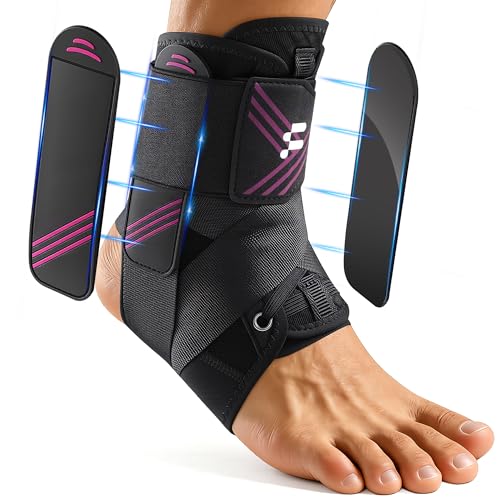
At just 1.5mm thick, the Fitomo Ultra Thin redefines what dancers can expect from a protective brace. Its microfiber body and visible ventilation grid make it the closest you can get to wearing nothing without sacrificing the figure-8 stabilizing strap that prevents rolling during a series of fouettés. The inner silicone grip keeps the brace locked in place against the skin, eliminating the downward creep that ruins a flat shoe fit.
The 3-layer system — silicone grip base, a figure-8 tension strap, and a flexible support panel — works in harmony during pointed-foot movements. The compression zone delivers targeted support to the peroneal tendons and lateral ligaments without blocking the ankle’s natural dorsiflexion, which is critical for plié depth. Dancers report it vanishes under low-cut canvas sneakers and even snug ballet flats with minimal adjustment.
One consistent note: the figure-8 strap routing requires two or three tries to master, but once dialed in, the brace stays secure for an entire rehearsal. The open-heel design allows the Achilles to move freely, and the quick hook-and-loop closure means you can adjust tension between a warm-up and a run-through in under five seconds.
Why it’s great
- 1.5mm thickness fits inside virtually every dance shoe
- 3-layer system delivers targeted lateral support without bulk
- Ventilation grid prevents heat buildup during long sessions
- FSA/HSA eligible for prescription reimbursement
Good to know
- Figure-8 strap routing has a learning curve
- Thin material may not hold up to heavy daily wear over years
2. Ultra 360 Lace Up Ankle Brace
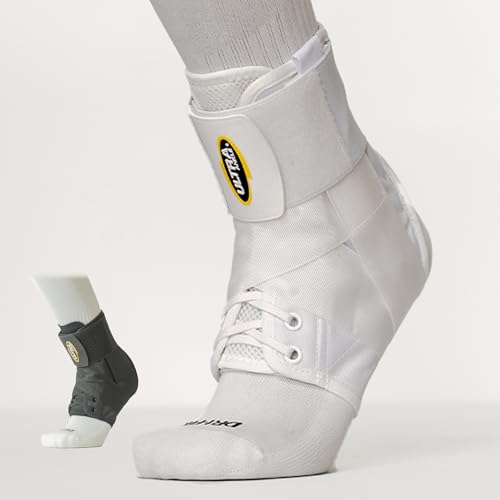
The Ultra 360 Lace Up brace replicates the feel of athletic tape without the waste and hassle of re-taping. Its lace-up chassis combined with adjustable figure-8 straps creates a custom compression envelope that athletes describe as “taping in a box.” The slim breathable construction fits inside cleats and high-top dance sneakers, making it a go-to for dancers who split their time between studio floors and volleyball or basketball courts.
Unlike sleeve-style braces, the full lace-up design allows you to tighten or loosen specific zones — tight across the midfoot for arch support, looser around the heel to avoid Achilles restriction. The figure-8 straps lock the talus from lateral rotation, a common source of inversion sprains during landing from jumps. Customer feedback consistently highlights how the brace reduces re-rolling incidents in already weak ankles during dynamic lateral movements.
One trade-off: the lace-up process takes about 30 seconds longer than a simple pull-on brace, and you’ll need to re-lace once during a multi-hour rehearsal as the material settles. The white color shows scuffs quickly, so a black version would be a welcome addition for studio wear.
Why it’s great
- Lace-up design mimics professional athletic taping
- Zone-specific tightness control for arch and heel
- Low profile fits inside most dance sneakers and cleats
- Durable construction holds up to regular practice
Good to know
- Lace-up process is slower than hook-and-loop
- White color shows dirt quickly
3. WHCOOL Slim-Fit Ankle Brace

The WHCOOL Slim-Fit brace stands out with two self-shaping soft pads that contour anatomically around the medial and lateral malleoli. Unlike rigid splints that dig into the bone, these pads adapt to your anatomy, providing targeted anti-roll support without pressing into sensitive areas. The low-elastic thin fabric that extends from heel to sole delivers a comfortable compression wrap for the arch and Achilles, making it ideal for dancers transitioning from a boot to rehearsal.
The 360° full stability comes from a non-stretch figure-8 strapping system that feels like athletic taping but with the convenience of hook-and-loop fastening. Dancers who tested this brace noted that it allowed full relevé height without the fabric bunching behind the heel. The air fabric with laser-cut holes keeps air circulating, preventing the clammy feeling common with thicker braces during warm-ups.
Some users note that the side rubber stabilizers are flexible — good for dancers who need mobility, less ideal for severe sprains where rigid immobilization is needed. The brace also requires slightly wider shoes; for dancers wearing very snug jazz flats, sizing up one shoe width may be necessary.
Why it’s great
- Self-shaping pads adapt to ankle bone contour
- 360° figure-8 system mimics athletic taping
- Air fabric with laser-cut holes stays breathable
- Thin enough for most casual and sports shoes
Good to know
- Side stabilizers are flexible — not for severe sprains
- May require wider shoes or loosened laces
4. ZOELION Auto-Adaptive Ankle Brace
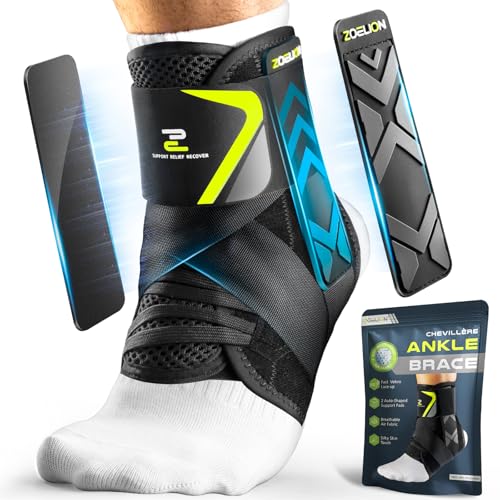
ZOELION’s approach to dancer-friendly stabilization hinges on its Triple-Lock system: an inner wrap that envelops the ankle, figure-8 stabilizing straps that balance lateral forces, and a wide top closure that locks everything in place. The auto-adaptive pads on the medial and lateral sides self-adjust to your movement, so the brace never compresses the ankle bone — a critical feature for dancers who spend extended time in turned-out positions.
The 600+ micro-vents woven into the nylon-polyester blend keep the foot dry through back-to-back rehearsals, while the open-heel design preserves full range of motion for relevé and plié work. The hook-and-loop 1-second lace system means you can put it on and take it off between numbers without breaking your flow. The slim, low-bulk fit slides easily into most character shoes and footed tights without creating a visible bulge.
One things worth noting: the sizing guide is based on ankle circumference, and dancers with wider feet or swelling from a recent injury should size up. A few users mention the Velcro stays secure for hundreds of cycles, but the tape can catch on tights if you’re not careful during removal.
Why it’s great
- Triple-Lock system provides comprehensive lateral support
- Auto-adaptive pads don’t press on ankle bone
- 600 micro-vents offer excellent airflow
- Quick hook-and-loop fastening for fast changes
Good to know
- Velcro can snag tights if removed carelessly
- May run small — measure carefully and consider sizing up
5. Fitomo Triple-Lock Ankle Brace
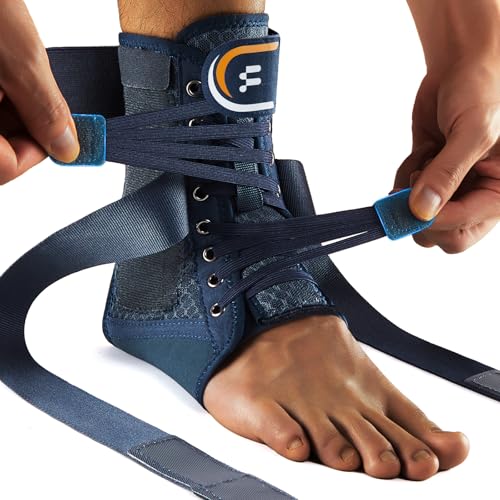
The Fitomo Triple-Lock brace differentiates itself with removable side stabilizers — a feature that allows dancers to modulate rigidity based on the day’s demands. For a recovery day or rehearsal with heavy jumps, keep the stabilizers in for maximal anti-roll protection. For a low-impact stretching session or performance, pop them out and the brace transforms into a flexible compression sleeve with figure-8 enhancement.
The top strap compression combined with cross straps creates a secure fit that stays in place without constant readjustment. Dancers who tested this brace during contemporary and modern pieces appreciated that it didn’t shift or slide during floor work. The quick lace-up system (hook-and-loop over a lace foundation) offers a middle ground between speed and customization that works well for multi-hour wear.
One minor point: the medium size runs slightly large for thinner ankles, and there’s no intermediate size between M and L. Dancers with very slim frames may need to cinch the straps extra tight, which can cause the top strap to overlap unevenly.
Why it’s great
- Removable stabilizers let you choose rigidity level
- Triple-Lock system prevents slipping during floor work
- Quick lace-up combines speed with adjustability
- Fits inside most athletic shoes without bulk
Good to know
- Medium runs large for very thin ankles
- Single-pack — no pair option available
6. Med Spec ASO Ankle Stabilizer
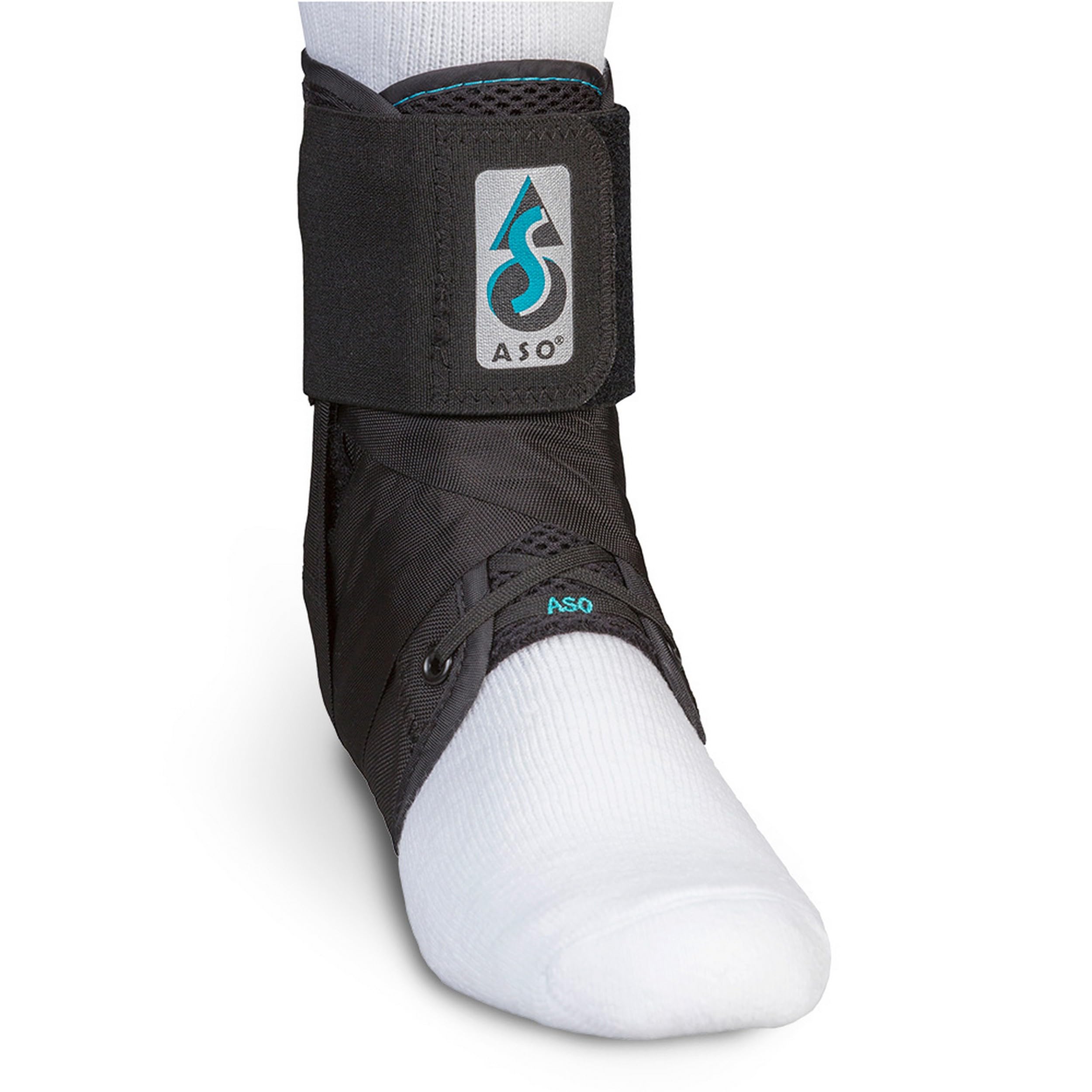
Med Spec’s ASO is the brace your physical therapist would recommend if you’re recovering from a Grade 2 sprain and need to ease back into dancing. Its combination of lace-up tension, figure-8 stabilizing straps, and a top compression strap creates a level of customizable support that rigid braces can’t match. The CoolFlex padding and durable nylon tongue keep the brace irritation-free even during all-day wear, which matters when you’re in and out of the studio for hours.
The bilateral design (fits left or right ankle) makes it a versatile rotation piece if you have two in your gear bag. The lace-up front allows you to micro-adjust tightness: tighter for the gym or a jumping variation, looser for barre work and gentle stretching. Dancers recovering from surgery particularly value that the brace limits heel rise to about one-third of normal, which prevents over-flexing damaged ligaments while still allowing ankle mobility within a safe range.
There’s a caveat: the ASO doesn’t fit into slip-on dance shoes or very low-profile flats. You’ll need sneakers or shoes with laces you can loosen. Additionally, putting it on alone takes practice — many users need assistance the first few times.
Why it’s great
- PT-recommended for post-sprain recovery
- Lace-up and figure-8 offer zone-specific tension
- Durable CoolFlex padding stays comfortable all day
- Bilateral design fits left or right ankle
Good to know
- Does not fit slip-on or very low-cut shoes
- Difficult to put on alone — needs practice
7. McDavid Ankle Support with Strap

The McDavid 432R takes a simpler approach: a 1/8-inch neoprene sleeve with an attached strap that provides moderate compression and heat retention. This isn’t a heavy-duty stabilizer — it’s a comfort-to-recovery tool ideal for dancers with chronic mild instability or those who want proprioceptive feedback during class without feeling locked in. The neoprene material retains body heat, which can help warm up stiff ankles during cold studio mornings.
The integrated strap wraps around the heel and across the instep to add a light anti-roll element that’s enough to catch a mild inversion but not enough to stop a full sprain. Dancers who use this brace report it’s comfortable enough to sleep in, which can aid overnight recovery after a heavy rehearsal day. The sleeve design also means there are no loose straps or hardware to catch on tights or leggings.
However, it’s worth knowing that neoprene is thicker than microfiber — expect a visible bulge under tight dance wear. The sizing also runs small: a dancer who wears a size 10 women’s shoe may need the XL, and even then, getting the sleeve on over a swollen ankle can be a challenge. This brace is better for maintenance and low-impact days than for high-injury-risk rehearsals.
Why it’s great
- Comfortable enough for all-day and overnight wear
- Neoprene heat retention helps warm stiff ankles
- Simple sleeve + strap design — no complicated routing
- Good proprioceptive feedback for mild instability
Good to know
- Neoprene is bulky — visible under tight dance wear
- Sizing runs small; measure carefully
- Not supportive enough for moderate or severe sprains
FAQ
Will a 1.5mm brace really protect my ankle during jumps?
Can I wear an ankle brace inside ballet flats or footed tights?
How do I prevent skin irritation from wearing a brace all day?
Should I size up if my ankle is swollen from a recent sprain?
Final Thoughts: The Verdict
For most dancers, the ankle brace for dancers winner is the Fitomo 1.5mm Ultra Thin because its millimeter-thin profile, figure-8 stabilization, and breathable microfiber fabric deliver real anti-roll protection without compromising shoe fit or on-stage aesthetic. If you want removable stabilizers to switch between recovery and performance mode, grab the Fitomo Triple-Lock with its detachable splints. And for a PT-recommended lace-up brace that excels during grade 2 sprain recovery, nothing beats the Med Spec ASO Ankle Stabilizer.

Mo Maruf
I created WellFizz to bridge the gap between vague wellness advice and actionable solutions. My mission is simple: to decode the research and give you practical tools you can actually use.
Beyond the data, I am a passionate traveler. I believe that stepping away from the screen to explore new environments is essential for mental clarity and physical vitality.