Our readers keep the lights on and my smoothie glass nicely filled. As an Amazon Associate, I earn from qualifying purchases.
Choosing a new television isn’t just about picking a screen size anymore. With different panel technologies, variable refresh rates, and the minefield of smart operating systems, the real challenge is finding the set that matches your lighting conditions and streaming habits. The interface that feels fast today might become sluggish tomorrow, and a panel that looks stunning in a showroom can wash out completely in a sunlit living room.
I’m Mohammad Maruf — the founder and writer behind WellFizz. For years, I have analyzed consumer display hardware, dissecting processor specs, panel types, and user experience data to separate genuine performance gains from marketing claims in the television space.
Televisions are long-term investments, and the wrong decision can mean years of frustration with poor upscaling or a cluttered interface. That’s why this guide focuses on the measurable specs and real-world usability that matter most when selecting your best android tv.
How To Choose The Best Android TV
Not all Android TVs are created equal. While the operating system provides a unified experience, the underlying hardware—panel type, processor power, and connectivity—determines how well the TV performs over its lifespan. Focus on these three areas to ensure you get a set that stays fast and looks great for years.
Panel Technology: QLED vs. Mini-LED vs. Standard LED
The panel dictates contrast, brightness, and color volume. Standard LED backlights with local dimming offer good value for dark rooms, but suffer from blooming around bright objects on black backgrounds. QLED panels use a quantum dot layer to boost color gamut, typically hitting over 90% of the DCI-P3 color space. Mini-LED takes it further by using thousands of tiny LEDs for precise local dimming zones, delivering near-OLED black levels without the risk of burn-in. If your room has windows or ambient light, prioritize Mini-LED or a panel with anti-glare treatment.
Refresh Rate and HDMI 2.1 Features for Gaming
For console or PC gaming, a native 120Hz or higher panel is non-negotiable. Look for HDMI 2.1 ports that support Variable Refresh Rate (VRR) and Auto Low Latency Mode (ALLM). These features eliminate screen tearing and automatically switch the TV into game mode when a console is detected. Some TVs market a “Motion Rate” that doubles or triples the native refresh rate through frame insertion—this can introduce input lag and is not a substitute for a true high-refresh-rate panel.
Smart Platform and Software Support
An Android TV is defined by its processor. A weak chipset reveals itself over time through stuttering menus and slow app launches. Google TV is the modern iteration of Android TV, offering a content-first home screen. Verify the TV runs a recent version of Android TV OS or Google TV and has at least 2GB of RAM for smooth multitasking. Also check that the voice remote includes a dedicated Google Assistant button for hands-free navigation.
Quick Comparison
On smaller screens, swipe sideways to see the full table.
| Model | Category | Best For | Key Spec | Amazon |
|---|---|---|---|---|
| Hisense 55″ U7 Mini-LED | Premium | High-end gaming & bright rooms | Native 165Hz, 3000 dimming zones | Amazon |
| Samsung Neo QLED QN70F 65″ | Premium | AI upscaling & HDR performance | NQ4 AI Gen2, Motion Xcelerator 144Hz | Amazon |
| Sony BRAVIA 2 II 65″ | Premium | PS5 integration & upscaling | 4K Processor X1, Motionflow XR | Amazon |
| TCL 65″ T7 Series QLED | Mid-Range | 120Hz gaming & bezel-less design | 144Hz VRR, 4K HDR, Dolby Atmos | Amazon |
| Sony BRAVIA 2 II 55″ | Mid-Range | Reliable picture & PS5 features | 4K Processor X1, 4K XR-Reality PRO | Amazon |
| Sony BRAVIA 2 II 43″ | Mid-Range | Compact spaces & gaming | Motionflow XR, Bluetooth 5.3 | Amazon |
| Panasonic 65″ W70 Series | Mid-Range | Fire TV & HDMI 2.1 connectivity | MEMC motion, 4 HDMI ports | Amazon |
| Roku 65″ Plus Series | Mid-Range | Roku OS speed & Dolby Vision | Mini-LED, QLED, Dolby Atmos | Amazon |
| ApoloSign 32″ Gen2 | Portable | Room-to-room mobility | 15000mAh battery, 256GB storage | Amazon |
In‑Depth Reviews
1. Hisense 55″ U7 Mini-LED ULED 4K Google Smart TV (55U7SG)
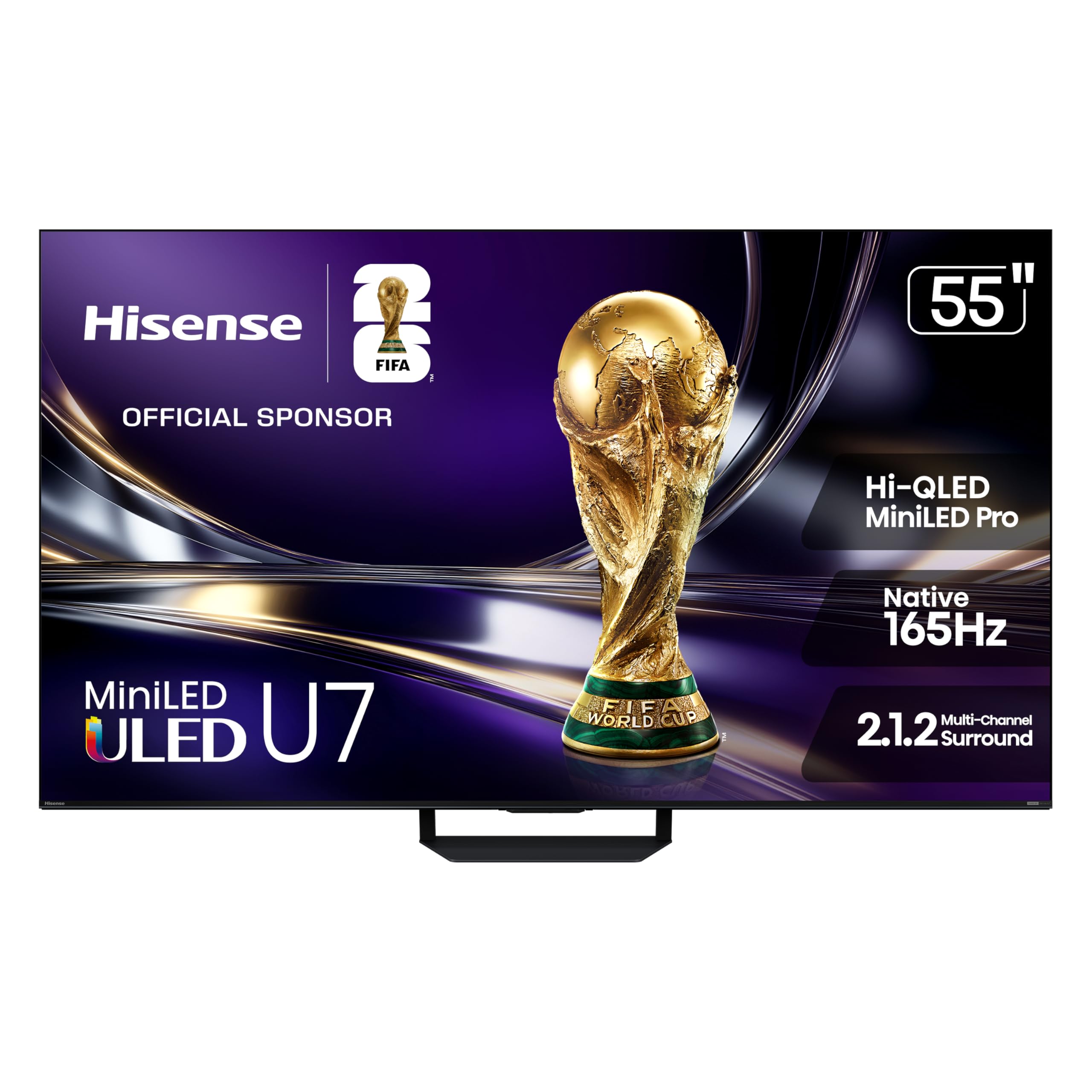
This is the television that sets a new benchmark for what a premium mid-range model can deliver. The Hi-QLED Mini-LED PRO panel combines thousands of local dimming zones with a native 165Hz refresh rate, producing deep blacks and intense highlights that handle both a sunlit afternoon living room and a dark gaming session with equal authority.
Gamers will appreciate the 2.1.2 channel soundstage and the effective anti-reflection coating on the screen, which eliminates distracting glare even with overhead lights on. The Google TV interface runs smoothly on the Hi-View AI Engine Pro processor, making app navigation quick and responsive throughout extended use.
Support for Dolby Vision IQ, IMAX Enhanced, and HDR10+ means this panel passes nearly every HDR format test. While the built-in audio is among the best from TV speakers, pairing it with a dedicated soundbar unlocks the full potential of the Dolby Atmos soundtrack.
Why it’s great
- Industry-leading 165Hz native refresh for smooth gaming motion.
- Up to 3000 local dimming zones deliver OLED-like contrast.
- Anti-glare screen performs well in bright rooms.
Good to know
- Optical audio setup can be less intuitive than HDMI ARC.
- Wall mount requires a wide VESA pattern on larger sizes.
2. Samsung 65″ Neo QLED QN70F 4K Mini LED Smart TV (2025 Model)

The NQ4 AI Gen2 processor inside this set uses 20 neural networks to upscale standard content to near-4K resolution, giving older streaming shows a crispness that few competitors can match. The Neo QLED Mini-LED backlighting produces precise highlights and minimal blooming, even during challenging night scenes in dark movies.
Motion Xcelerator at 144Hz ensures fast-paced sports and VRR gaming look fluid without smearing. The Samsung Tizen smart platform is responsive, though it differs from Google TV, and Alexa is built in for voice control. The slim, modern design sits flush in any room.
Samsung TV Plus offers thousands of free channels out of the box, which reduces the need for additional subscriptions. The panel’s high brightness works well in a bright room, but some calibration may be needed out of the box to tone down overly aggressive sharpening.
Why it’s great
- AI-driven upscaling with 20 neural networks for sharp 4K conversion.
- Mini-LED backlight delivers excellent contrast with minimal blooming.
- Smooth 144Hz VRR support for console and PC gaming.
Good to know
- Enthusiasts may want to adjust sharpness and color settings out of the box.
- The slim bezel requires careful handling during installation.
3. Sony BRAVIA 2 II 65 Inch 4K Smart TV (K-65S20M2)

Sony’s BRAVIA 2 II line continues the brand’s reputation for natural color reproduction and excellent motion handling. The 4K Processor X1 drives the picture, delivering lifelike skin tones and sharp edges on 4K content. The Motionflow XR technology effectively reduces judder in fast-moving sports and action films without introducing the soap-opera effect.
For PlayStation 5 owners, this TV provides exclusive auto HDR tone mapping and auto genre picture modes, which optimize settings seamlessly when the console is detected. The Game Menu consolidates all gaming settings in one place, offering quick access to motion blur reduction and crosshair overlays.
The Google TV interface is clean and quick, and the inclusion of Sony Pictures CORE gives access to a library of movies. Some users report occasional Wi-Fi instability with certain router configurations, and the startup menu defaults to the smart platform rather than live TV.
Why it’s great
- Deep PS5 integration with auto HDR and genre picture mode.
- Superb motion handling with Motionflow XR for sports.
- Natural color accuracy with the 4K Processor X1.
Good to know
- Some units experience Wi-Fi dropouts requiring troubleshooting.
- Default home screen may not default to cable or antenna input.
4. TCL 65″ T7 Series QLED 4K Google TV (65T7, 2025 Model)

The TCL T7 Series brings a 144Hz panel refresh rate with VRR support at a price point that undercuts many competitors. This makes it a strong contender for gamers who want fluid motion without paying a premium. The QLED display covers nearly the full DCI-P3 color space, delivering vibrant, punchy colors that stand out in games and animated movies.
FullView 360 metal bezel-less design gives the TV a sleek appearance, and the adjustable feet allow clearance for a soundbar underneath. The TCL AIPQ Pro processor intelligently optimizes color and contrast, producing a picture that looks more expensive than the price tag suggests.
Setup requires a mandatory Google account during initial configuration, which can be a hurdle for users who prefer a offline-first experience. The built-in speakers are adequate for dialogue but lack the low-end presence needed for immersive movie soundtracks.
Why it’s great
- High 144Hz VRR panel ideal for competitive gaming.
- Bezel-less metal design with adjustable feet.
- Vibrant QLED color coverage for the price.
Good to know
- Mandatory Google login during initial setup.
- Built-in speakers lack deep bass response.
5. Sony BRAVIA 2 II 55 Inch 4K Smart TV (K-55S20M2)
Stepping down from the 65-inch model, the 55-inch BRAVIA 2 II keeps the same 4K Processor X1 and Motionflow XR motion handling. The result is a compact package that fits smaller living spaces while still delivering a crisp, blur-free image for sports and gaming. The 4K XR-Reality PRO upscaling pulls detail out of lower-resolution streams effectively.
Power consumption is notably low at 141 Watts, making this an energy-efficient choice for daily use. The TV runs cool to the touch even after extended sessions. The PS5 exclusive features remain intact, with auto HDR mapping simplifying setup for console gamers.
The shared platform across the BRAVIA line means the same software quirks persist, including the startup menu that places Google TV content front and center. The panel’s peak brightness is adequate for dimmer rooms but may feel constrained in direct sunlight.
Why it’s great
- Low power draw at 141 Watts is wallet-friendly for daily use.
- Same excellent upscaling and motion handling as larger Sony models.
- Full PS5 auto HDR and game mode integration.
Good to know
- Peak brightness is moderate; best for controlled lighting.
- Initial boot menu defaults to smart TV home, not live TV.
6. Sony BRAVIA 2 II 43 Inch 4K Smart TV (K-43S20M2)
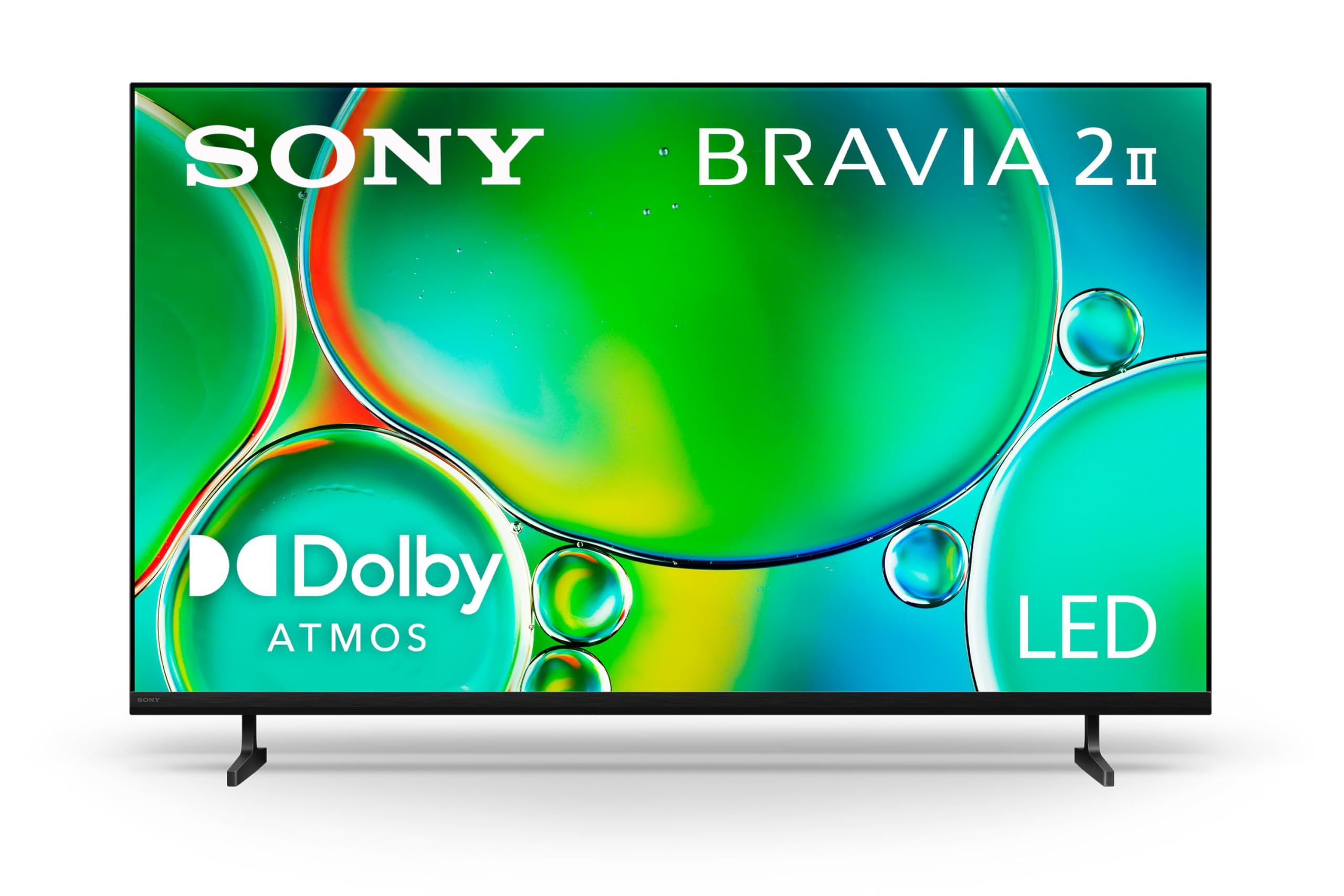
At 43 inches, this Sony is one of the few high-quality Android TVs available for smaller spaces like bedrooms, dorms, or offices. The 4K Processor X1 still powers the visuals, ensuring that even at this size the upscaling and color accuracy exceed typical budget 43-inch panels. The compact form factor also means a lower annual energy consumption of just 95 Watts.
Bluetooth 5.3 connectivity ensures stable pairing with wireless headphones for late-night viewing, and the HDMI ports support modern gaming consoles. The Motionflow XR keeps fast-moving content sharp despite the smaller footprint, making it suitable for desk gaming setups.
While the screen size limits immersion for movies, the Google TV interface runs smoothly and the remote is one of the better designs in the category. Some users note that the menu navigation can feel less intuitive for traditional cable users who prefer a direct channel input.
Why it’s great
- Excellent picture quality in a compact 43-inch form factor.
- Low 95 Watt power consumption is energy efficient for daily use.
- Bluetooth 5.3 for stable private listening.
Good to know
- Screen may feel small for dedicated home theater rooms.
- Menu navigation can be cumbersome for cable input users.
7. Panasonic 65″ W70 Series 4K Fire TV Bundle
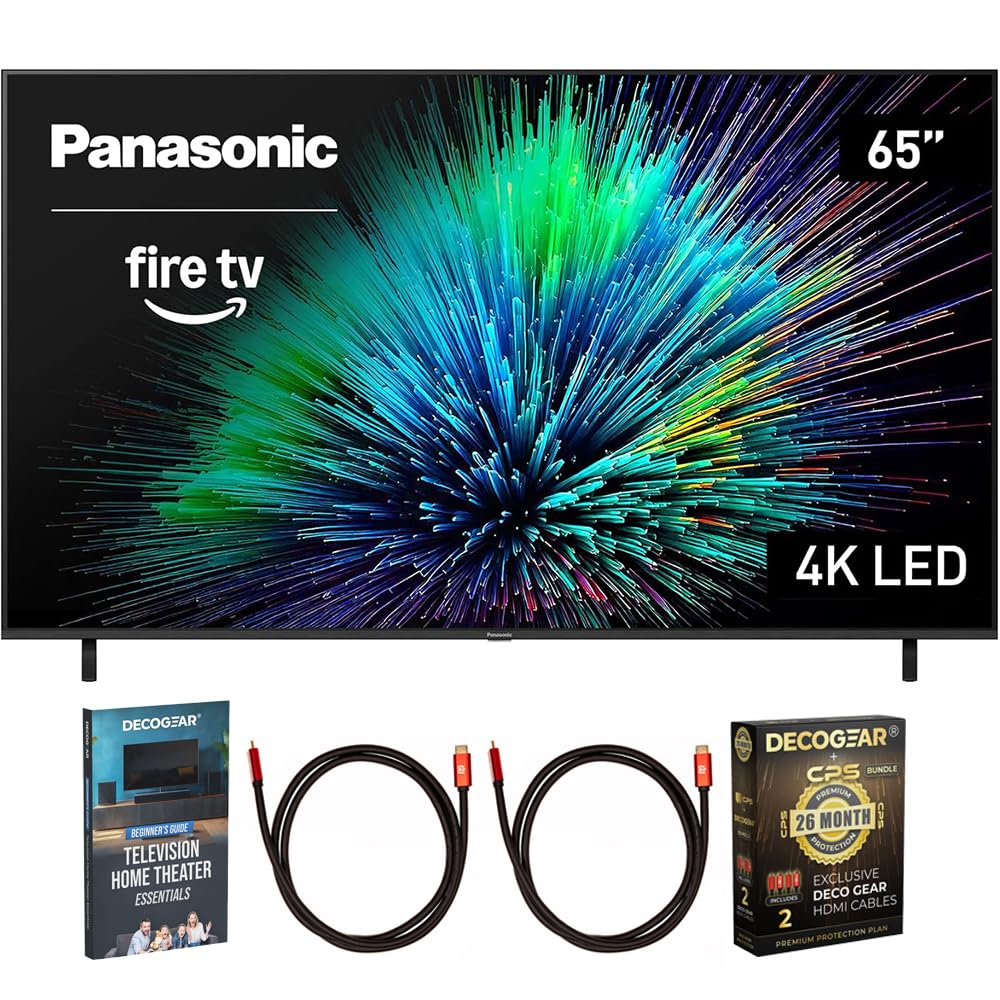
Panasonic’s return to the smart TV market comes with the W70 Series, powered by Fire TV. This means deep Alexa integration for voice controls and a familiar interface for anyone already in the Amazon ecosystem. The 4K Studio Color Engine with MEMC provides smooth motion, and the HDR Bright Panel supports HDR10+ and Dolby Vision.
Four HDMI ports, including one HDMI 2.1 input, give plenty of connectivity for modern consoles and streaming devices. The bundle adds HDMI cables and a 26-month extended protection plan, adding value for buyers who want peace of mind. The brightness is adequate for a moderately lit room.
A notable portion of customers reported missing bundle items or damage during shipping. The panel’s peak brightness, while sufficient, does not match the high-nit output of Mini-LED competitors, making it less ideal for very bright rooms.
Why it’s great
- Fire TV platform with full Alexa voice control.
- Four HDMI ports including HDMI 2.1 for gaming.
- Extended protection plan included in the bundle.
Good to know
- Some shipments arrive with damaged panels or missing accessories.
- Peak brightness is moderate; best for rooms with controlled light.
8. Roku 65″ Plus Series Mini-LED 4K QLED TV
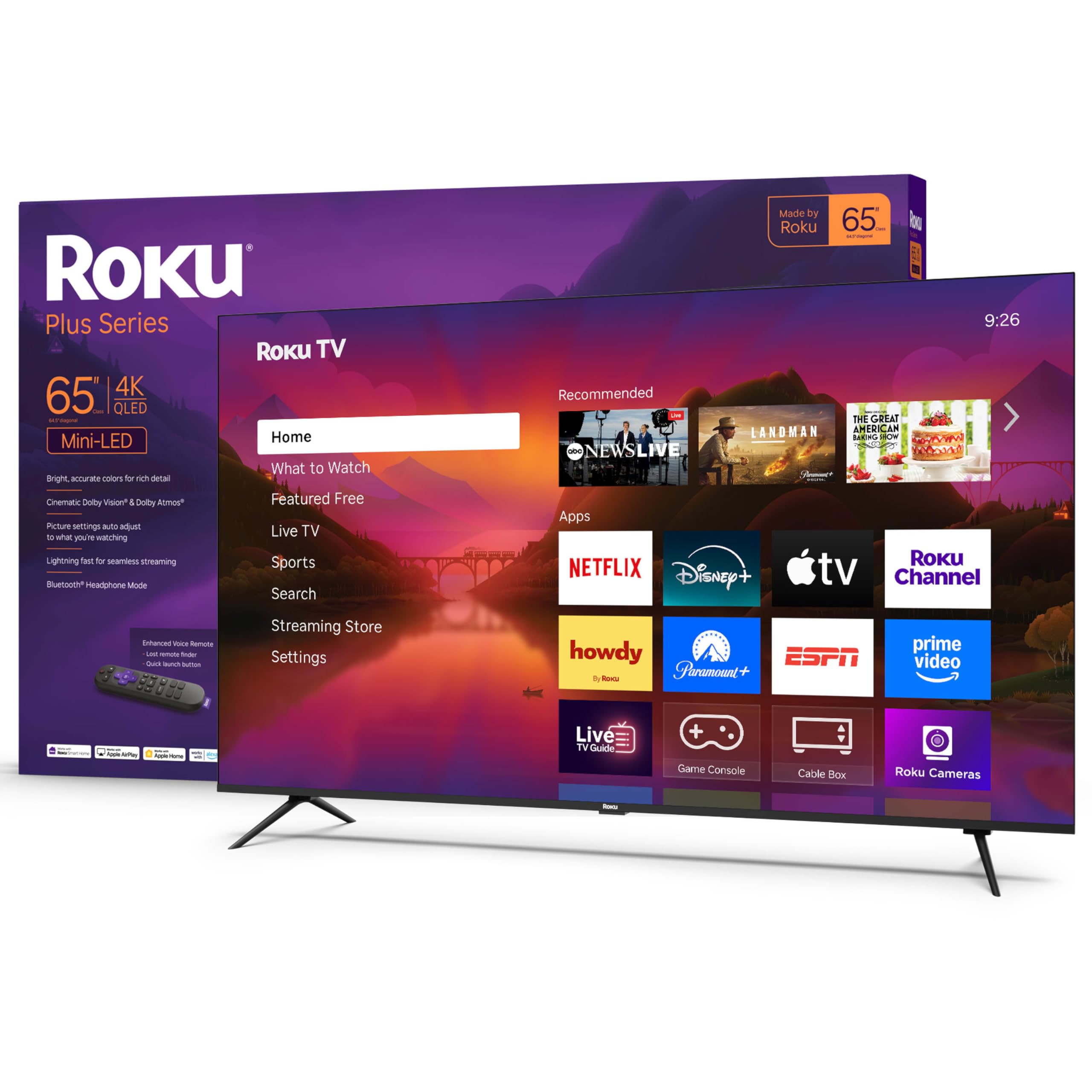
The Roku Plus Series combines a Mini-LED backlight with a QLED panel and Dolby Vision support, producing vibrant colors and deep blacks that rival more expensive sets. Roku’s operating system is widely praised for its speed, simplicity, and consistent updates, making it a joy to navigate daily.
Roku Smart Picture Max uses AI to clean up incoming signals and optimize color and sharpness per scene. The enhanced voice remote includes a lost remote finder, a thoughtful addition for busy households. A built-in subwoofer gives the TV’s sound more presence than typical thin-panel speakers.
Some users report that the USB ports remain powered for up to 10 minutes after the TV is turned off, which can cause bias lighting to stay on. The interface, while fast, has a more basic settings menu compared to Google TV, offering fewer granular adjustments for picture calibration.
Why it’s great
- Mini-LED + QLED delivers excellent contrast and color volume.
- Roku OS is one of the fastest and easiest to use.
- Built-in subwoofer provides better bass than most competitors.
Good to know
- USB ports may stay powered for several minutes after shutdown.
- Picture settings menu is less advanced than Google TV alternatives.
9. ApoloSign 32″ UHD 4K Smart Portable TV Gen2
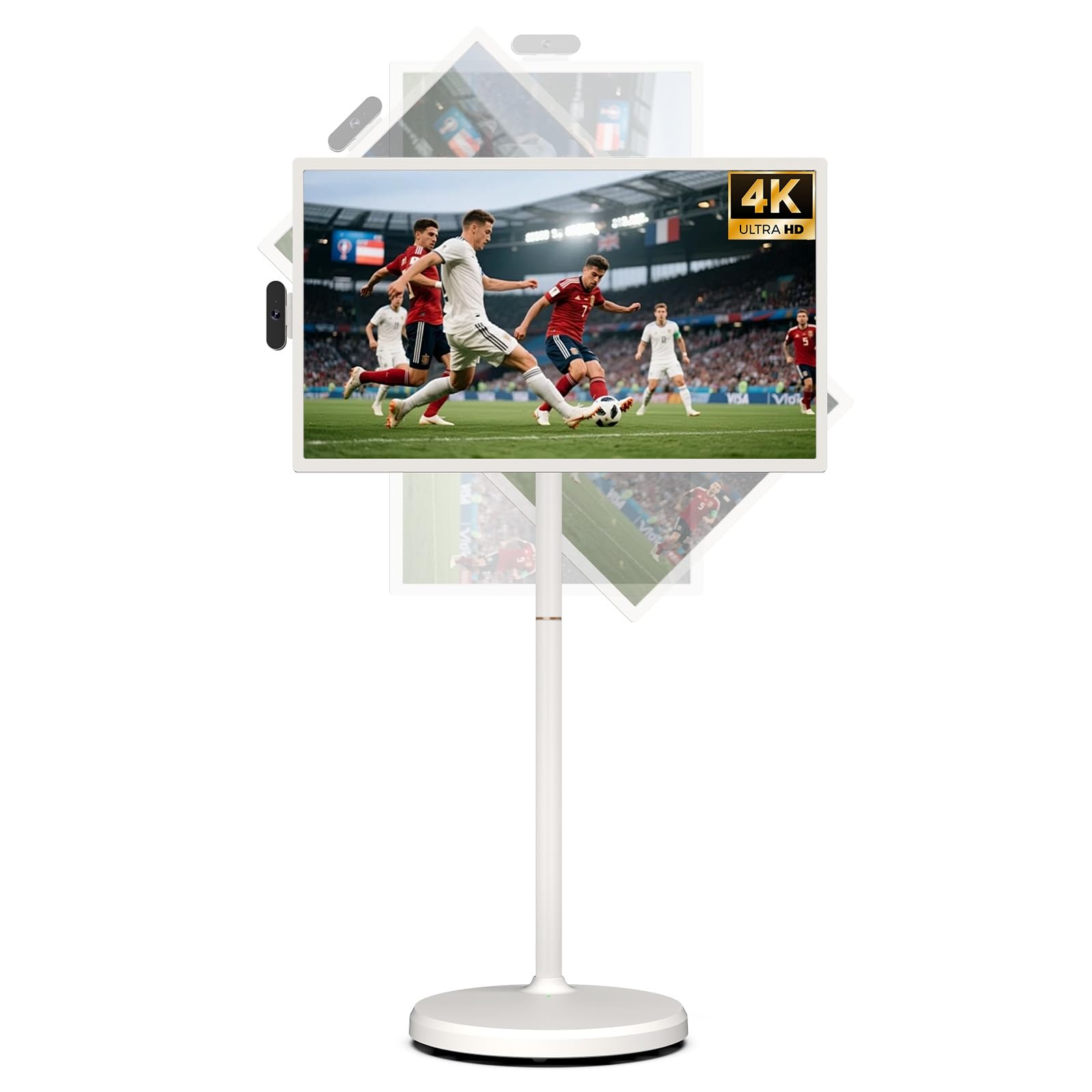
The ApoloSign Gen2 is an outlier in this lineup, functioning as a battery-powered portable smart screen with a 360-degree rotating stand and touchscreen interface. The built-in 15000mAh battery delivers up to 8 hours of use, making it a true room-to-room companion for kitchens, home gyms, or even backyard use.
It runs on a customized Android OS with access to the Google Play Store, plus a smart calendar widget and digital screensaver that double as a home organization tool. The 32-inch 4K UHD panel is sharp for its size, and the included 8MP camera supports video calls and telehealth sessions.
Streaming service support for premium platforms like Hulu or Netflix requires casting from a mobile device or connecting an external TV stick via HDMI. Some units have been reported to experience system instability under heavy use, and the advertised picture quality does not match a standard dedicated TV panel for color accuracy.
Why it’s great
- Battery-powered portability allows use in any room without a wall outlet.
- Rotatable touchscreen with adjustable stand for flexible viewing angles.
- Smart calendar and task management integration for home organization.
Good to know
- Requires casting or external stick for some premium streaming apps.
- Some units have reported system stability issues after extended use.
FAQ
What is the difference between Android TV and Google TV?
Will my soundbar work with an Android TV via ARC?
Final Thoughts: The Verdict
For most users, the best android tv winner is the Hisense 55″ U7 Mini-LED because it combines a native 165Hz panel, thousands of dimming zones, and effective anti-glare technology at a price that undercuts premium competitors. If you want best-in-class AI upscaling and a stunning Mini-LED display for a brighter room, grab the Samsung 65″ Neo QLED QN70F. And for deep PS5 integration with reliable motion handling in a compact size, nothing beats the Sony BRAVIA 2 II 43″.

Mo Maruf
I created WellFizz to bridge the gap between vague wellness advice and actionable solutions. My mission is simple: to decode the research and give you practical tools you can actually use.
Beyond the data, I am a passionate traveler. I believe that stepping away from the screen to explore new environments is essential for mental clarity and physical vitality.