Our readers keep the lights on and my smoothie glass nicely filled. As an Amazon Associate, I earn from qualifying purchases.
The single most annoying thing about modern smartphones is that they die by dinner. Whether you’re navigating a construction site, camping off-grid, or just tired of hunting for an outlet, a phone that can’t survive a full day is a liability. The search for a device that genuinely lasts—without making you sacrifice performance—is the defining challenge in this category.
I’m Mohammad Maruf — the founder and writer behind WellFizz. I’ve spent years analyzing smartphone hardware, from silicon-carbon battery chemistry to processor efficiency curves, and I focus entirely on real-world endurance metrics rather than marketing claims.
After comparing dozens of units across capacity, charging speed, and standby drain, I’ve curated this guide to the best android phone with best battery life so you can buy with confidence and stop obsessing over your battery percentage.
How To Choose The Best Android Phone With Best Battery Life
Battery life isn’t just about a big number on the spec sheet. It’s a system-level result of capacity, processor efficiency, screen technology, and software optimization. Here’s what to actually look for.
Capacity vs. Chemistry: mAh Isn’t Everything
A 5,000mAh phone using an inefficient chipset can die faster than a 4,300mAh device with a power-sipping processor. Newer silicon-carbon batteries pack more energy into the same physical volume, meaning you get higher capacity without the brick-like weight. Look for phones using 4nm or 3nm processors—they deliver the same performance with significantly less power draw.
Charging Speed: How Fast You Refill Matters
A massive battery is useless if it takes four hours to recharge. Fast charging (measured in watts) determines how quickly you can top up during a lunch break. Phones with 33W to 120W charging can go from empty to full in under an hour, while budget models often stall at 18W. Wireless charging adds convenience but typically runs slower and generates more heat, which can degrade battery health over time.
Rugged vs. Slim: The Tradeoff
Phones with extreme battery life (15,000mAh and above) are almost always rugged devices with thick rubber bumpers and IP68/IP69K waterproofing. They weigh over half a kilogram and feel like a brick in your pocket. Slim flagship models (Samsung Galaxy S25 FE, Google Pixel 10) cap out around 5,000mAh but offer a much lighter daily carry. Decide whether you need all-day endurance in a tough environment or a sleek device that still gets you through a full day.
Software Optimization & Standby Drain
Two phones with the same battery capacity can deliver wildly different results. Clean, near-stock Android builds (like Google’s Pixel or Nothing OS) typically manage background apps better than heavily skinned interfaces. Check for standby time ratings—a phone that loses only 1-2% per hour overnight is well-optimized. Phones with 7 years of software updates also tend to receive battery optimization patches over time, extending usable life.
Quick Comparison
On smaller screens, swipe sideways to see the full table.
| Model | Category | Best For | Key Spec | Amazon |
|---|---|---|---|---|
| OnePlus 15 | Flagship | Extreme all-day + fast charging | 7300mAh / 120W | Amazon |
| MMY 16PROMA X | Rugged Beast | Multi-day off-grid use | 22000mAh | Amazon |
| FOSSIBOT F113 | Rugged | Night vision + long camping trips | 20000mAh | Amazon |
| Blackview Rock 2 Pro | Rugged | Construction & outdoor work | 15000mAh / 33W | Amazon |
| Nothing Phone (3) | Premium | Clean OS + unique design | 5150mAh | Amazon |
| Google Pixel 10 | Premium | Best camera + all-day battery | 4970mAh | Amazon |
| Samsung Galaxy S25 FE | Premium | Slim flagship with AI features | 4900mAh | Amazon |
| Google Pixel 10a | Mid-Range | Value + 30-hour battery claim | 4300mAh | Amazon |
| Samsung Galaxy A37 5G | Mid-Range | Everyday reliability on a budget | 5000mAh | Amazon |
| TCL 60 XE NXTPAPER | Budget | Eye comfort + all-day battery | 5010mAh / 18W | Amazon |
| Ulefone Armor X32 Pro | Budget Rugged | Entry-level rugged + 5G | 5500mAh | Amazon |
In‑Depth Reviews
1. OnePlus 15
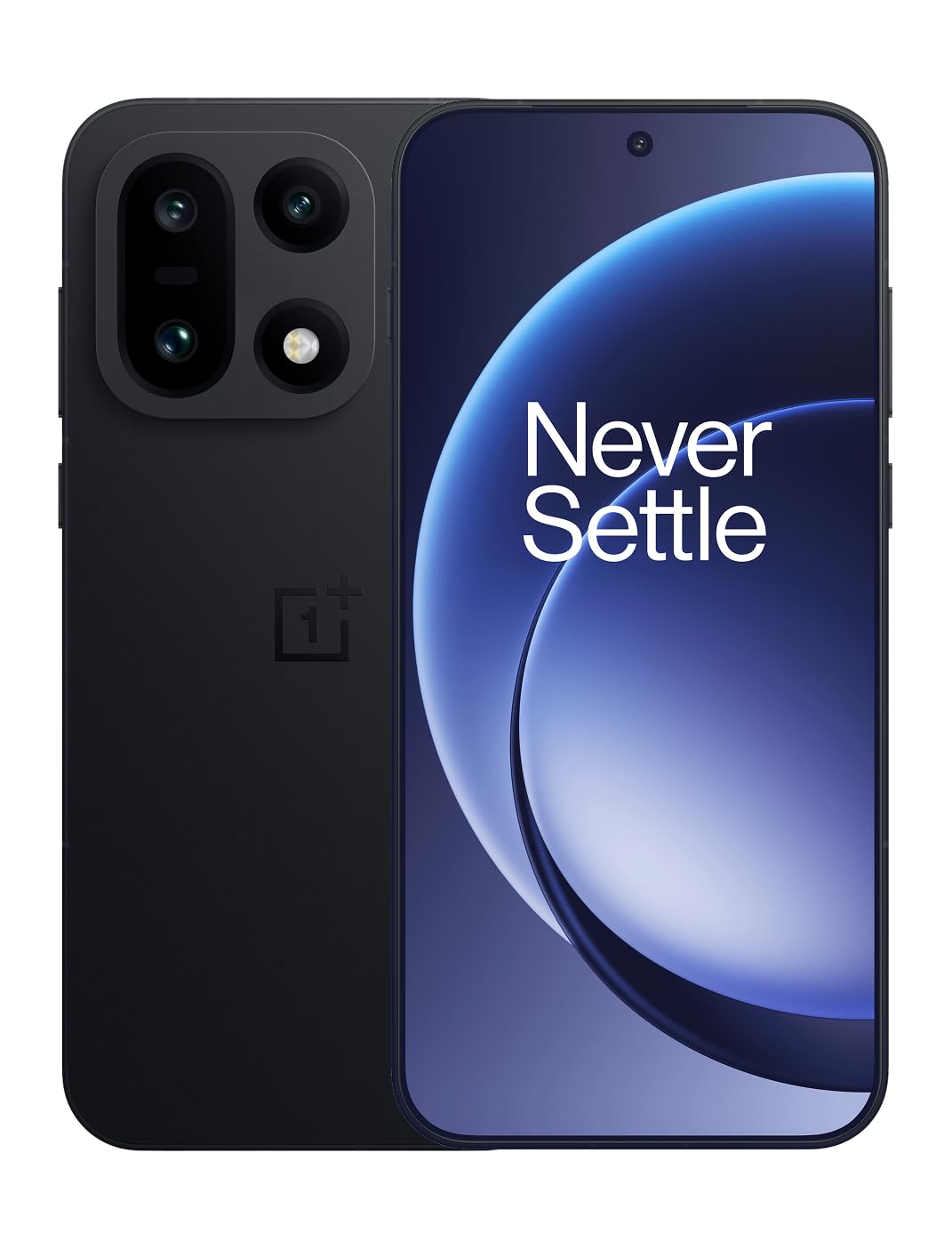
The OnePlus 15 is the most impressive balance of raw battery capacity and daily usability I’ve seen in a non-rugged flagship. Its 7,300mAh silicon-carbon battery delivers a legitimate two days of heavy use—streaming, navigation, and camera work—without forcing you to carry a brick. The Snapdragon 8 Elite Gen 5 chipset on a 3nm process keeps power draw efficient even during gaming, while the 120W wired charging can take you from zero to full in under 45 minutes.
The 6.78-inch 165Hz AMOLED display is buttery smooth, and the triple 50MP camera system is competitive, though low-light shots don’t quite match the Pixel 10. Build quality is excellent with IP66/IP68/IP69 and IP19K ratings, meaning it handles dust, water jets, and drops far better than typical slim phones. The software remains clean with minimal bloat, and the dual-SIM capability is welcome for travelers.
If you want flagship performance without battery anxiety, this is the one. The only real tradeoff is that it’s slightly heavier than a standard glass slab, but the endurance trade is absolutely worth it. Wireless charging is also supported, though at slower speeds than the wired option.
Why it’s great
- Two-day battery with heavy use
- 120W charging fills in under 45 minutes
- Top-tier Snapdragon performance
- Excellent durability ratings
Good to know
- Low-light camera lags behind Pixel
- Heavier than typical slim flagships
- Premium price tier
2. MMY 16PROMA X
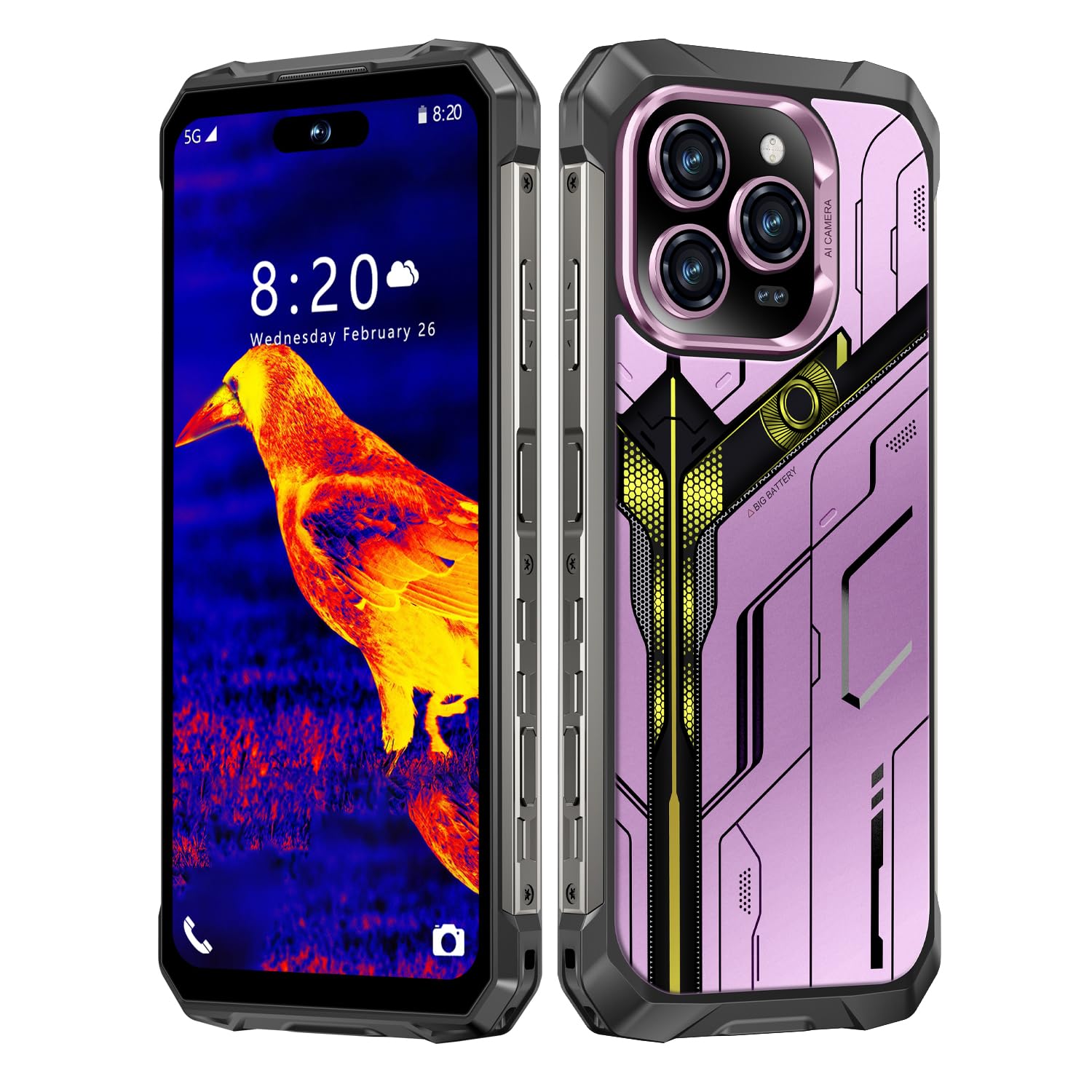
If your priority is maximum battery life at any cost, the MMY 16PROMA X is the champion. Its 22,000mAh cell is larger than most power banks, providing standby times measured in weeks and continuous screen-on time that can exceed three days. This is a phone for people who work remote job sites, live off-grid, or simply hate charging anything. The Snapdragon 8s Gen4 processor keeps things snappy, and the 32GB RAM with 1TB storage handles heavy multitasking without breaking a sweat.
The 6.99-inch HD+ OLED display is massive and sharp enough for video consumption, though the 30fps limit means it’s not a gaming powerhouse at high refresh rates. The camera system includes a 108MP main sensor and 68MP front camera, plus night vision and underwater shooting modes. It also packs NFC for payments and an infrared blaster for remote control duties.
The obvious tradeoff is size and weight—this is a thick, heavy device that won’t fit in a slim pocket. It’s also a niche brand with less community support. But for raw battery endurance, nothing else in this lineup comes close. It’s the ultimate phone for extended excursions.
Why it’s great
- 22000mAh lasts multiple days
- Massive 32GB RAM + 1TB storage
- Snapdragon 8s Gen4 performance
- Underwater and night vision camera
Good to know
- Extremely heavy and bulky
- 30fps display limit
- Niche brand support
3. FOSSIBOT F113
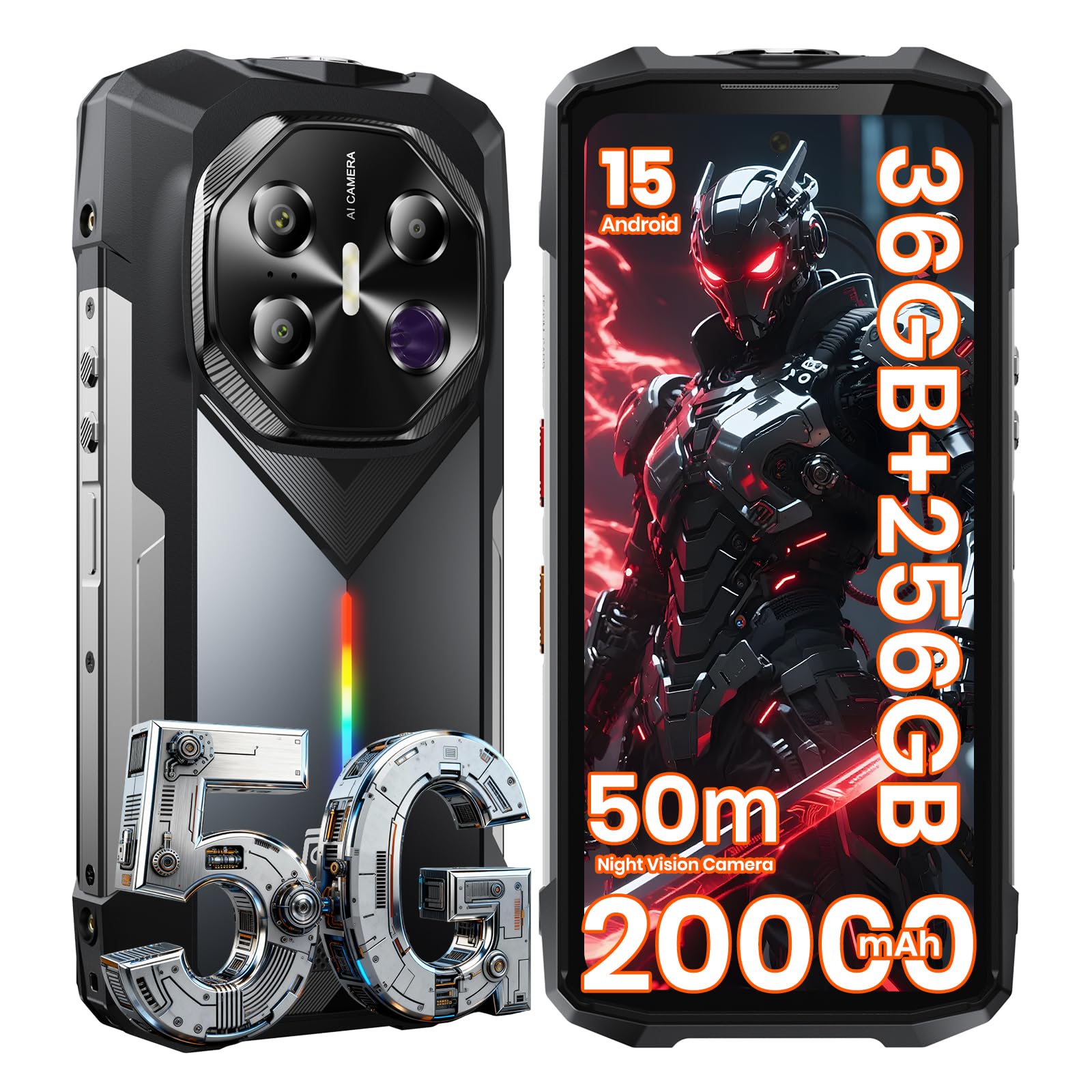
The FOSSIBOT F113 delivers a 20,000mAh battery in a rugged chassis that feels built to survive a construction site drop. It offers a 6.78-inch FHD+ display with a 120Hz refresh rate, making it smoother than the MMY monster while still offering multi-day battery life. The 50MP main camera with Super Night Vision captures surprisingly good low-light shots, and the K-class amplifier means loud, clear audio for outdoor use.
The 36GB RAM (including virtual expansion) and 256GB storage, expandable to 2TB via microSD, mean you’ll never worry about memory. It runs Android 15 with a relatively clean interface, and the RGB side lighting adds a fun customizable element for notifications or ambient effects. The integrated flashlight can illuminate objects over 50 meters away, which is genuinely useful for camping or emergency situations.
Customer reviews consistently praise the battery longevity—many users report 6-7 days of moderate use. The main downsides are the bulk (it’s heavy) and the slower charging speed for a battery this size. If you can live with overnight charging, this is a phenomenal value for extreme endurance.
Why it’s great
- 20000mAh lasts nearly a week
- 120Hz FHD+ display is smooth
- Night vision camera works well
- Loud, clear speaker for outdoors
Good to know
- Heavy and bulky build
- Charging is slow for capacity
- Limited case availability
4. Blackview Rock 2 Pro
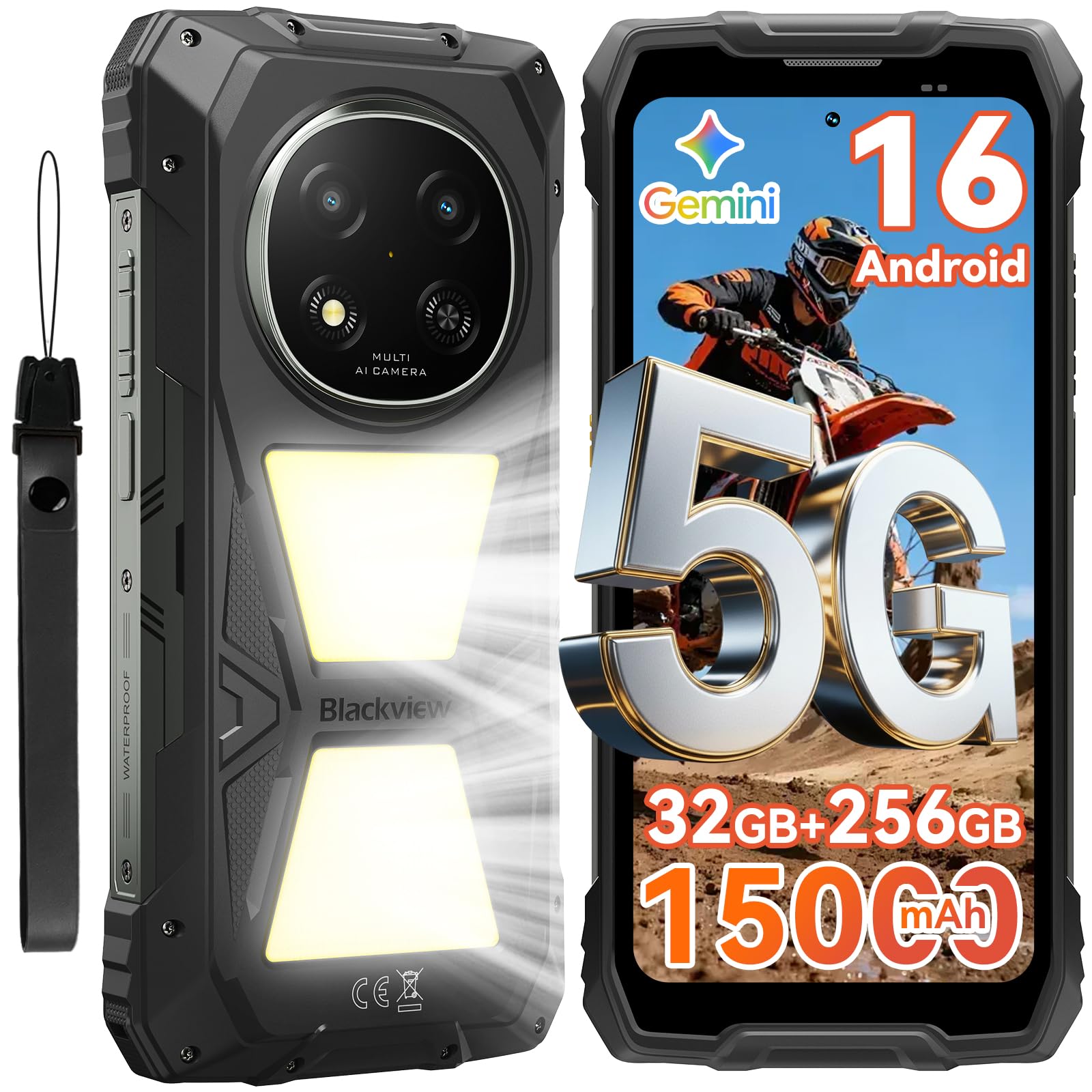
The Blackview Rock 2 Pro is a rugged smartphone designed specifically for outdoor workers and camping enthusiasts. Its 15,000mAh battery provides up to 57 days of standby and continuous call time that exceeds 56 hours. The dual 400-lumen camping lights are a standout feature—useful for nighttime work, tent setup, or emergency signaling with SOS and flashing modes. It runs Android 16 with DokeOS, offering a clean interface with Gemini AI integration.
The 6.67-inch 120Hz display with 450 nits brightness remains readable in direct sunlight, and the 32GB RAM (8GB physical + 24GB virtual) with 256GB storage, expandable to 2TB, handles navigation apps and construction photos without lag. The IP68/IP69K and MIL-STD-810H certifications mean it survives drops, dust, and submersion. It also includes NFC, an IR blaster, and a custom key for quick access to tools.
One major caveat: this phone is not compatible with CDMA carriers like AT&T, Cricket, or Verizon. It works with T-Mobile and GSM-based carriers. The weight (558g) is significant, and some users report the software feels modified in ways that limit customization. For GSM users who need extreme durability and battery life, it’s still a strong mid-tier contender.
Why it’s great
- 15000mAh lasts days on end
- Dual 400-lumen camping lights
- Rugged IP68/IP69K build
- Android 16 with Gemini AI
Good to know
- Not compatible with CDMA carriers
- Heavy at 558g
- Software feels slightly modified
5. Nothing Phone (3)

The Nothing Phone (3) is a refreshing departure from slab-shaped monotony, offering a unique Glyph Interface that uses LED strips for notifications and interactions. Its 5,150mAh battery, paired with the efficient Snapdragon 8s Gen 4 chip, delivers roughly 1.5 days of use with moderate screen time. The 6.67-inch 1.5K AMOLED display at 120Hz is bright and vivid, and the four 50MP cameras (including a periscope telephoto) produce sharp, well-processed photos.
The software experience is a major selling point—Nothing OS is clean, customizable, and nearly bloat-free, with thoughtful widgets and a minimalist aesthetic. The Essential Key on the side lets you quickly capture screenshots or record voice memos, and the AI features help organize captures. It also supports aptX audio for high-quality wireless listening, and the haptic feedback is satisfying.
Verizon compatibility requires whitelisting the IMEI, and finding good cases is harder than for mainstream brands. The top speaker can sound slightly tinny at high volumes. But for anyone tired of Samsung’s One UI or Apple’s walled garden, the Nothing Phone (3) offers a fresh, functional Android experience with solid endurance.
Why it’s great
- Clean, bloat-free Nothing OS
- Glyph Interface is genuinely useful
- Four 50MP cameras with periscope
- 1.5 day battery life
Good to know
- Verizon needs IMEI whitelisting
- Hard to find good cases
- Top speaker slightly tinny
6. Google Pixel 10
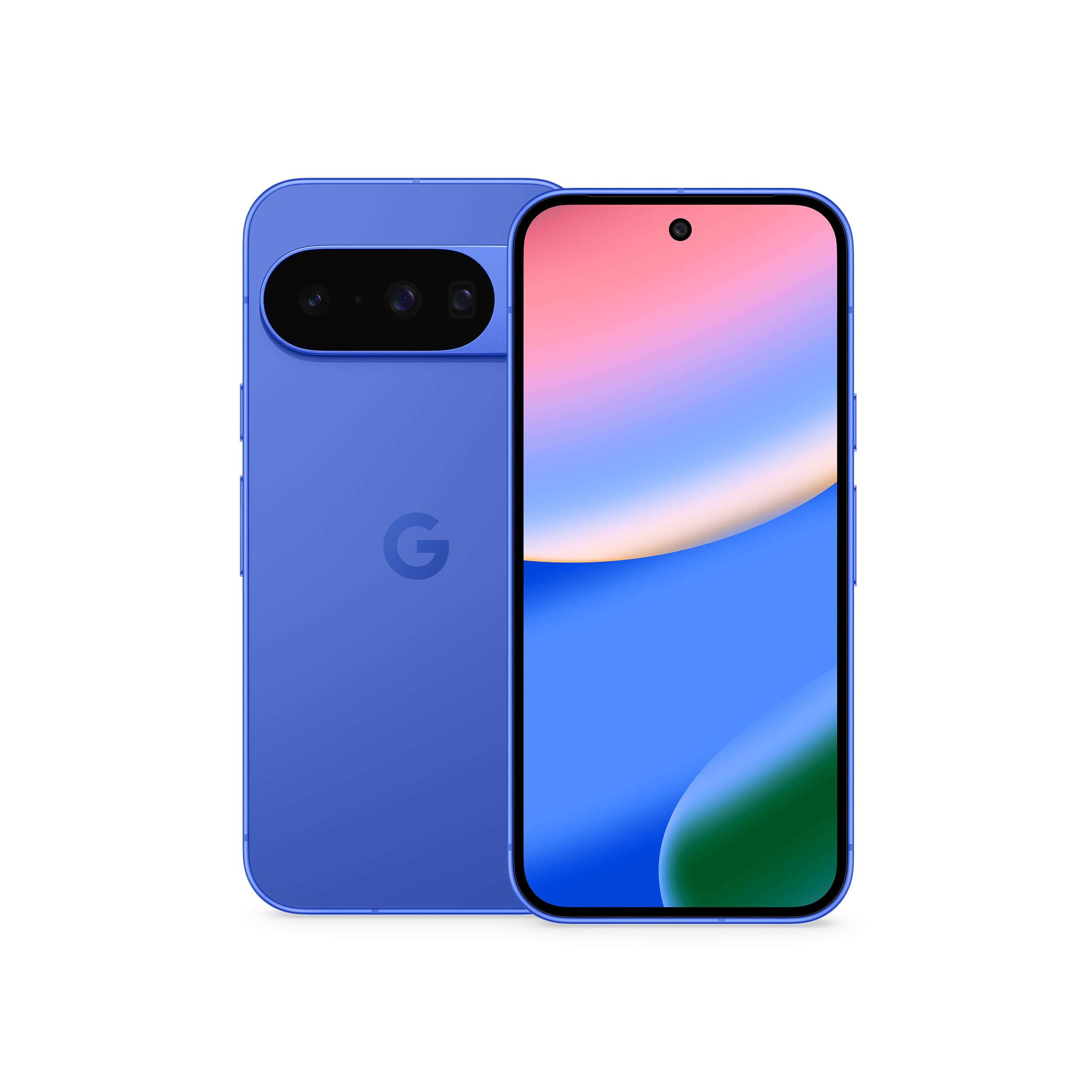
The Google Pixel 10 is the phone you buy for the best camera experience, with battery life that comfortably gets you through a full day. Its 4,970mAh battery, combined with the custom Tensor G5 chip, delivers roughly 24 hours of use—enough for a day of heavy photography, messaging, and navigation. The 3,000-nit Actua display is incredibly bright outdoors, and the 5x telephoto lens with Super Res Zoom up to 20x captures stunning detail from a distance.
The software experience is pure Android with Gemini AI baked in, offering features like Camera Coach, Add Me for group shots, and automatic Best Take. The device is IP68 rated and uses Victus 2 glass, making it reasonably durable. Seven years of Pixel Drops ensure it stays updated with new features and security patches. It also supports wireless charging.
The main downside is that the battery won’t stretch into a second day with heavy use, and there’s no physical SIM slot—it’s eSIM only in some regions. The Tensor chip is less raw-powerful than Snapdragon equivalents for gaming. But for photography enthusiasts who need all-day reliability, the Pixel 10 is unmatched.
Why it’s great
- Best-in-class camera with 5x telephoto
- Clean Android with 7 years updates
- 3,000-nit display for sunlight
- All-day battery for heavy use
Good to know
- No physical SIM slot (eSIM only)
- Battery doesn’t last two days
- Tensor chip less powerful for gaming
7. Samsung Galaxy S25 FE
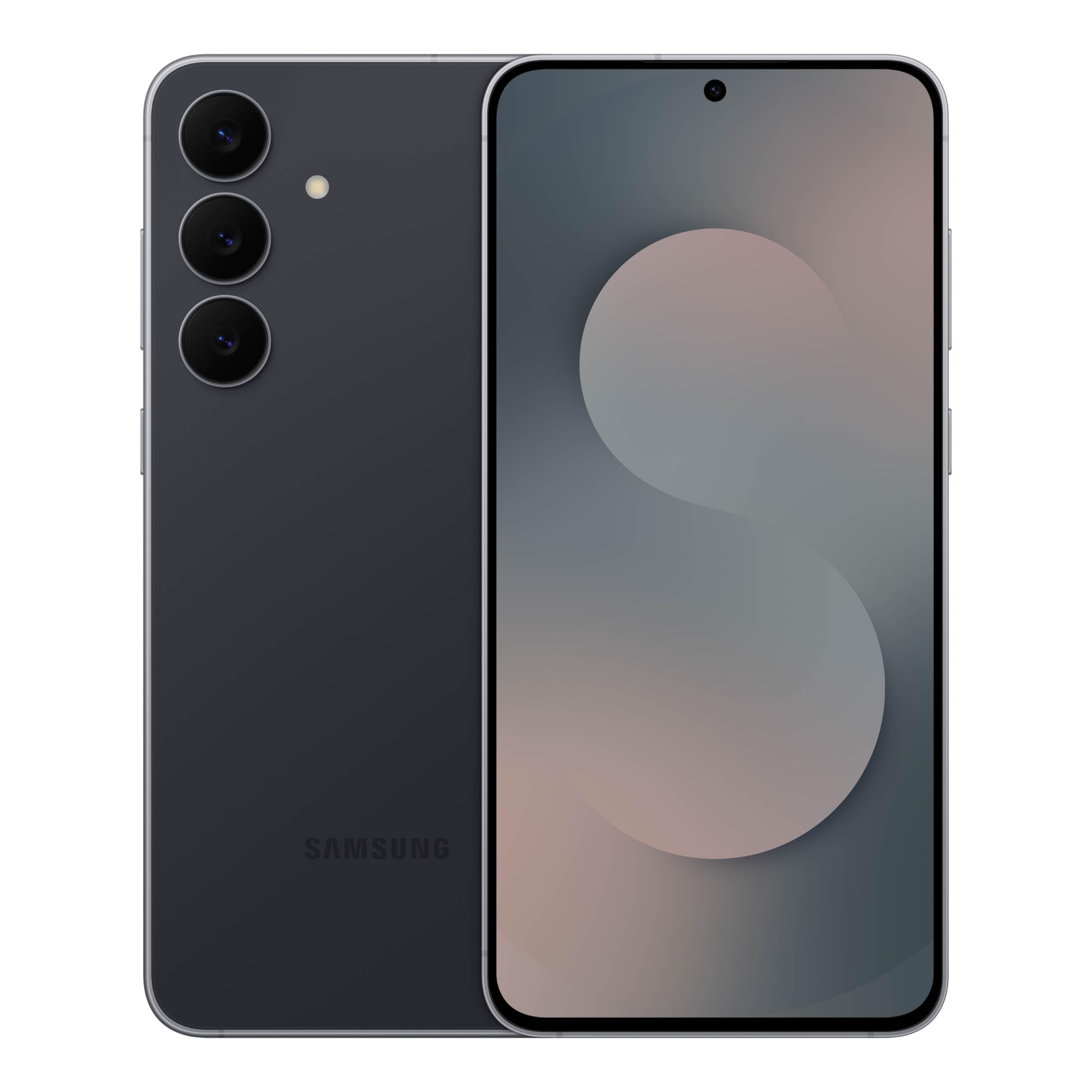
The Samsung Galaxy S25 FE is a slim, lightweight flagship that still manages solid battery endurance. Its 4,900mAh battery, combined with the efficient chipset and improved cooling system, delivers a full day of use without issue. Many users report ending the day at around 30-40% with moderate use, and Super Fast Charging 2.0 gets you back to 70% in about 30 minutes. The 6.7-inch wide display is bright and smooth at 120Hz.
The build quality is premium—Armor Aluminum frame with Gorilla Glass Victus+ on both sides, and an IP68 rating for water resistance. The 12MP selfie camera with ProVisual Engine produces sharp selfies, and the Generative Edit tools let you move or erase objects in photos. Galaxy AI features like Circle to Search and real-time translation are genuinely useful.
The tradeoffs are minimal: the camera isn’t quite as good as the Pixel 10’s, and Samsung’s One UI comes with some pre-installed apps (though less than previous generations). The battery capacity is also smaller than rugged options, so heavy gamers may need a mid-day top-up. For a slim, stylish daily driver with reliable endurance, this is an excellent premium choice.
Why it’s great
- Lightweight and slim design
- Full day battery with fast charging
- Premium build with Gorilla Glass Victus+
- Useful Galaxy AI features
Good to know
- Camera lags behind Pixel 10
- One UI has some bloatware
- Smaller battery than rugged options
8. Google Pixel 10a

The Google Pixel 10a proves that you don’t need a massive battery to get excellent endurance. Its 4,300mAh cell is smaller than most competitors, but the combination of the efficient Tensor chip, clean Android software, and intelligent battery optimization consistently delivers over 30 hours of use per charge. This is one of the few phones that genuinely meets its battery life claims in real-world testing.
The 6.7-inch Super AMOLED display with 3,000-nit peak brightness is excellent for outdoor visibility. The camera system, while not as advanced as the Pixel 10, still captures sharp, well-processed photos thanks to Google’s computational photography. Camera Coach helps frame shots, and features like Add Me work seamlessly. The IP68 rating and Gorilla Glass 7i provide solid durability for everyday use.
The main compromises are the lower-resolution display (compared to the Pixel 10) and the lack of a telephoto lens. It also charges slower than premium rivals. However, for a mid-range budget, the Pixel 10a offers the best software experience, seven years of updates, and surprisingly long battery life. It’s the smart choice for value-focused buyers who need all-day endurance.
Why it’s great
- 30+ hour battery from efficient software
- Excellent Google camera processing
- 7 years of software updates
- Bright 3,000-nit display
Good to know
- No telephoto camera lens
- Slower charging speed
- Lower display resolution
9. Samsung Galaxy A37 5G
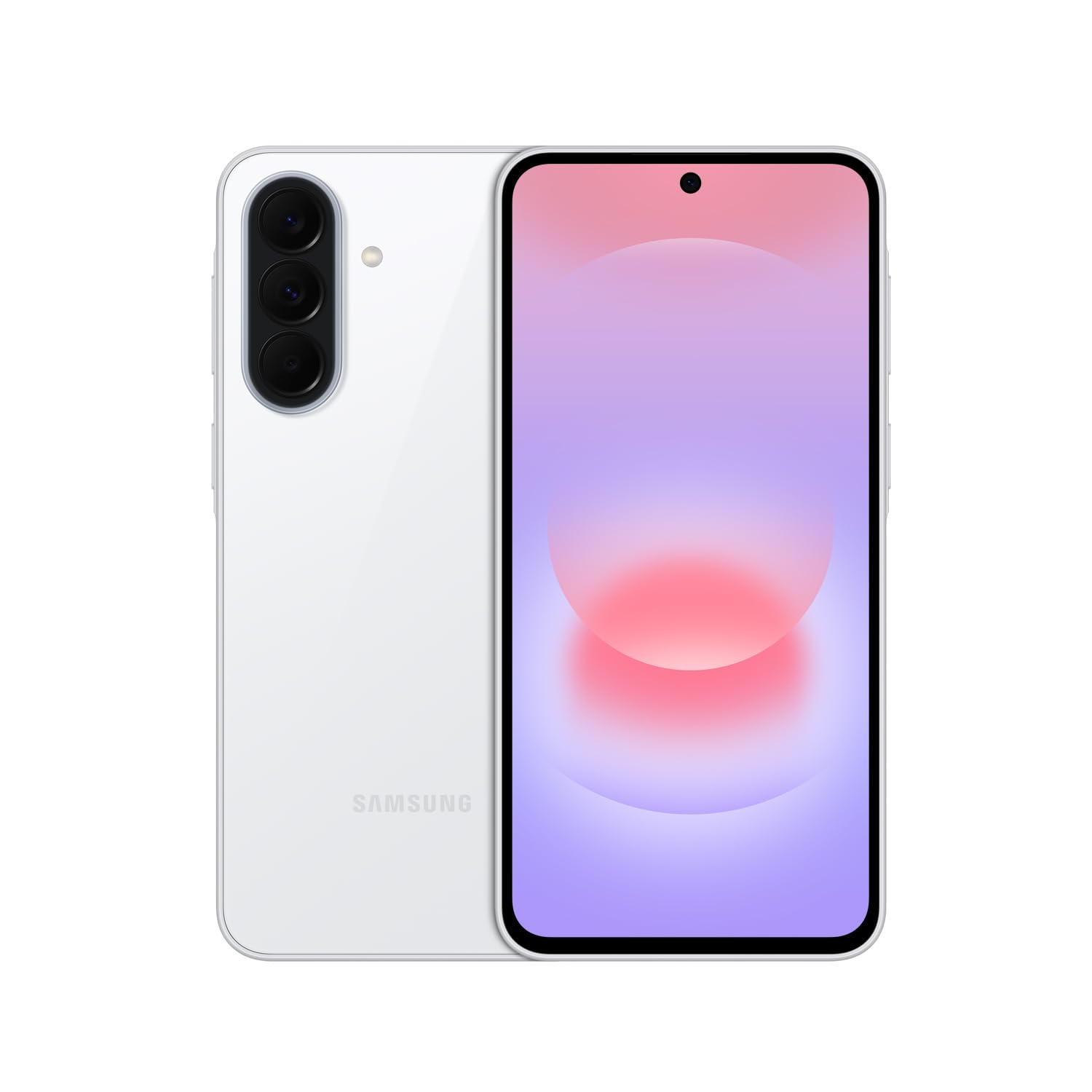
The Samsung Galaxy A37 5G is a reliable mid-range workhorse with a 5,000mAh battery that easily lasts a full day of moderate use. The 6.7-inch Super AMOLED display is vibrant and sharp, making it great for media consumption. The Exynos 1480 processor handles everyday tasks—browsing, social media, light gaming—without lag, and the triple camera system (50MP main) takes decent photos in good light.
The A37 offers IP68 water resistance, which is rare at this tier, and Samsung promises 6 OS upgrades and 6 years of security updates. The 128GB storage is adequate for most users, and Nightography mode helps capture usable low-light shots without manual adjustments. The fingerprint sensor and face unlock work reliably.
Where it falls short is charging speed—it uses standard 15W charging, which is slow by modern standards. The cameras also struggle in very low light compared to Pixel devices, and the speaker is average. But for a simple, reliable phone that lasts all day and supports major carriers, the A37 is a strong budget-friendly option.
Why it’s great
- 5000mAh lasts all day
- IP68 water resistance at mid-range price
- 6 years of OS and security updates
- Vibrant 6.7-inch Super AMOLED
Good to know
- Slow 15W charging
- Low-light camera is average
- Speaker quality is basic
10. TCL 60 XE NXTPAPER 5G

The TCL 60 XE NXTPAPER 5G stands out for its unique paper-like display that reduces blue light exposure by 61%, making it ideal for readers and people with eye strain. The 5,010mAh battery provides all-day endurance, and the NXTPAPER technology includes four display modes—Standard, Color Paper, Ink Paper, and Max Ink—the last of which extends battery life even further by turning the screen into an e-reader-like experience.
The MediaTek Dimensity 6300 processor with 8GB RAM (plus 8GB virtual) handles multitasking smoothly, and the 256GB storage is generous at this price point. The 50MP main camera with 32MP front camera captures solid daytime photos, and dual speakers with DTS deliver decent audio. It supports major GSM carriers including AT&T, T-Mobile, and Verizon.
Some users report that the touch sensitivity in e-ink modes can feel less responsive than standard screens. The 18W charging is also slow by current standards. However, for anyone who spends hours reading on their phone or suffers from digital eye fatigue, the NXTPAPER display is genuinely transformative. It’s a niche pick that excels in its specific use case.
Why it’s great
- Eye-care NXTPAPER reduces blue light
- Max Ink mode extends battery life
- 5010mAh lasts all day
- 256GB storage at budget price
Good to know
- Touch sensitivity lower in e-ink mode
- Slow 18W charging
- Limited case selection
11. Ulefone Armor X32 Pro
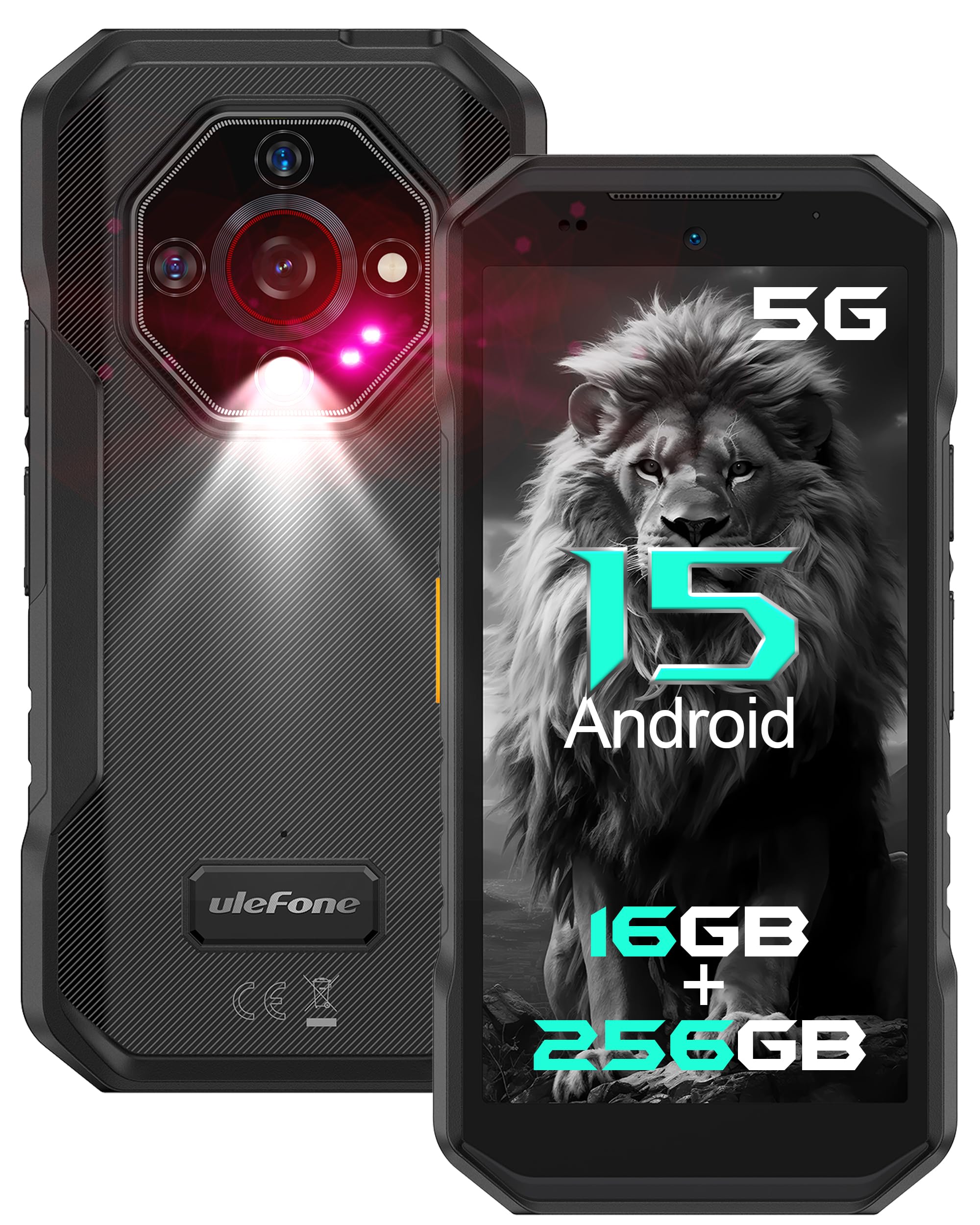
The Ulefone Armor X32 Pro is a compact rugged phone that offers a good balance of durability and battery life at an entry-level price. Its 5,500mAh battery provides roughly 10 hours of video playback and 30 hours of talk time—enough for a full day of heavy use. The 5.65-inch 90Hz display is smaller than most modern phones, making it easy to handle, and the IP68/IP69K rating ensures it survives drops, dust, and submersion.
The MediaTek Dimensity 6300 processor with 16GB RAM (8GB + 8GB virtual) and 256GB storage feels snappy for everyday tasks. The 64MP Sony IMX682 main camera captures sharp photos in good light, and the 25MP night vision camera is useful for low-light scenarios. It also includes a dedicated rear glare flashlight, NFC for payments, an IR blaster, and a 3.5mm headphone jack.
The main downside is carrier compatibility—it doesn’t work with AT&T, Cricket, or Verizon (CDMA carriers). The screen resolution (1440×720) is also lower than competitors, so text isn’t as sharp. Some users report alarm and charging issues after extended use. For a budget-friendly rugged option with decent battery life and a compact form factor, it’s worth considering for GSM users.
Why it’s great
- Compact and easy to hold
- Rugged IP68/IP69K durability
- 25MP night vision camera
- Dedicated glare flashlight
Good to know
- Not compatible with AT&T/Verizon
- Lower 720p screen resolution
- Some reported reliability issues
FAQ
Does a bigger mAh battery always mean longer battery life?
What is the fastest charging speed I should look for?
Final Thoughts: The Verdict
For most users, the best android phone with best battery life winner is the OnePlus 15 because it combines a massive 7300mAh battery with flagship performance and 120W charging in a non-rugged form factor. If you want the absolute maximum endurance for off-grid or construction environments, grab the MMY 16PROMA X with its 22000mAh cell. And for a value-packed mid-range option with an eye-care display, nothing beats the TCL 60 XE NXTPAPER.

Mo Maruf
I created WellFizz to bridge the gap between vague wellness advice and actionable solutions. My mission is simple: to decode the research and give you practical tools you can actually use.
Beyond the data, I am a passionate traveler. I believe that stepping away from the screen to explore new environments is essential for mental clarity and physical vitality.